Loading video…


 8 Concepts
 2.7K views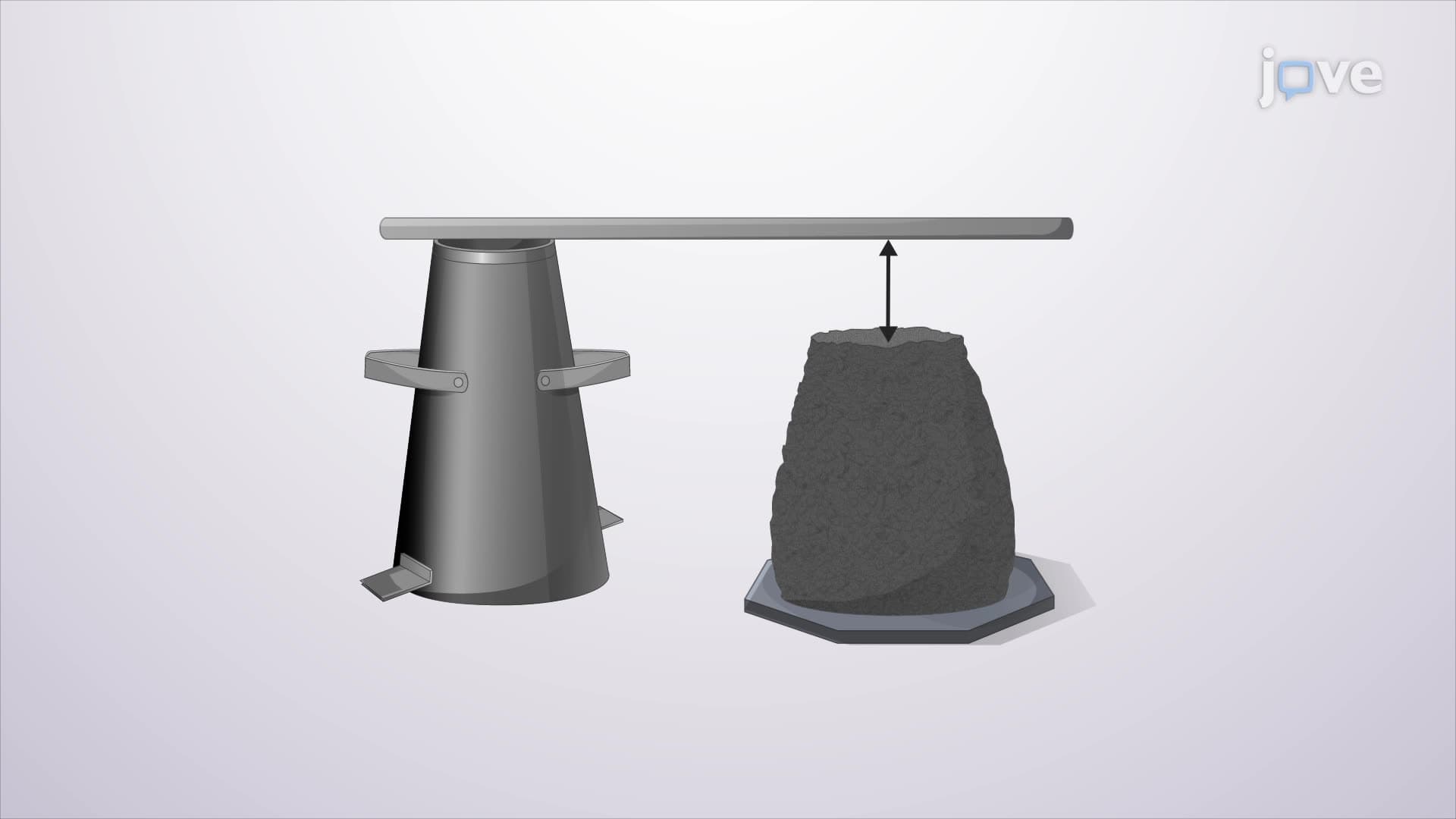

Video Summary: What Is Slump Test
Ever wonder how engineers ensure concrete won't crack in skyscrapers like Chicago's Willis Tower? The slump test is a critical quality control procedure that measures concrete workability by filling a standardized truncated cone mold with fresh concrete in three compacted layers, then lifting the mold to observe how much the concrete "slumps" or settles. This simple yet essential test helps construction teams from California highways to New York bridges determine if their concrete mix has the right consistency for safe, durable structures. Watch the full video on JoVE Coach to master this concept with expert-led visuals and step-by-step explanations.
The slump test represents one of the most widely used field tests in concrete technology, serving as an immediate indicator of concrete workability and mix consistency. This standardized procedure, governed by ASTM C143 specifications, provides construction teams with real-time quality control data that directly impacts structural integrity and construction efficiency.
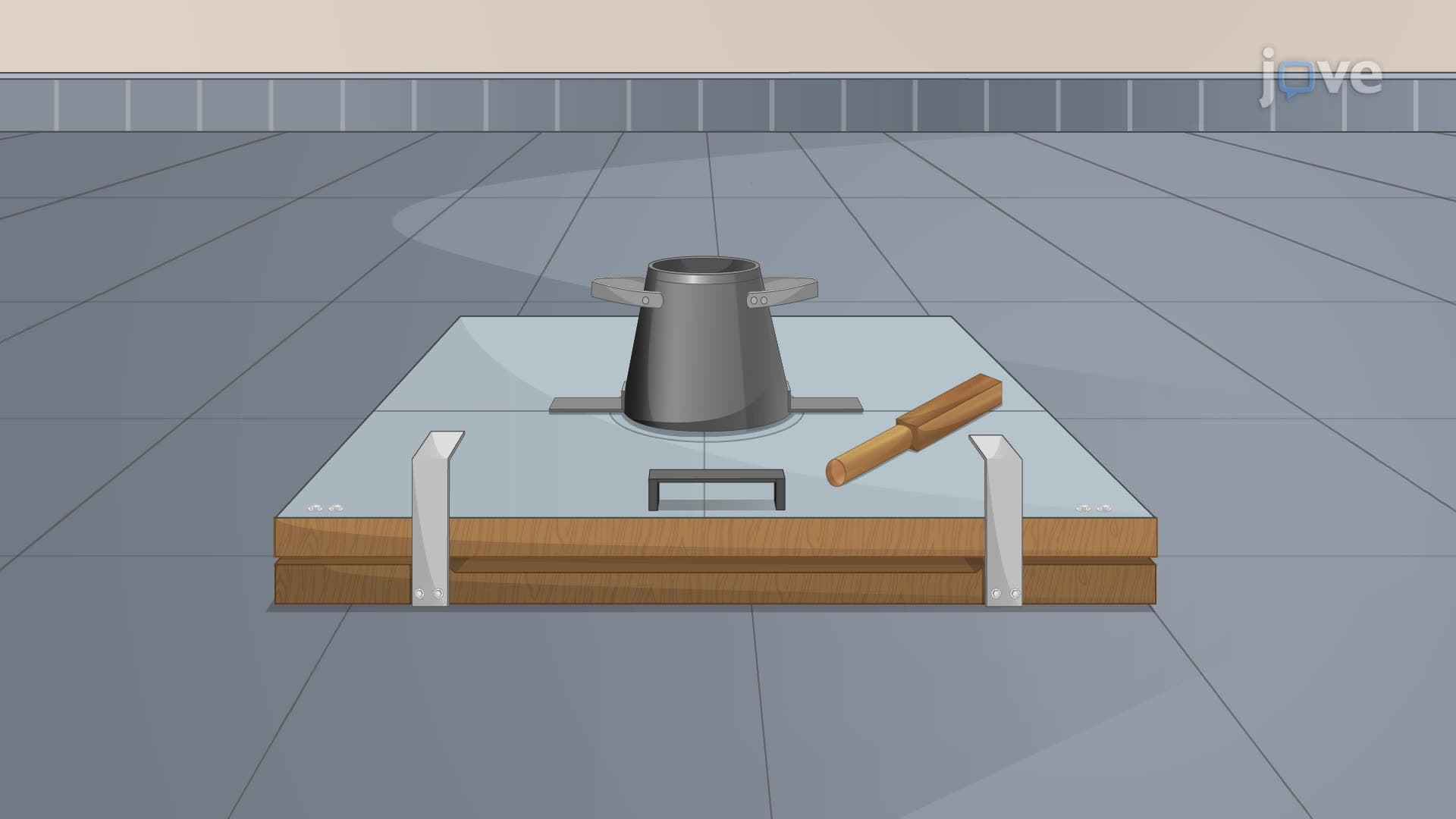
The test employs a precisely dimensioned truncated cone mold-12 inches high, tapering from 8 inches at the base to 4 inches at the top. This standardization ensures consistent results across construction projects from Miami's port expansions to Seattle's tunnel systems. The testing procedure involves three distinct layers of concrete, each receiving exactly 25 compactions with a 5/8-inch diameter steel tamping rod featuring a rounded end.
The systematic approach begins with dampening the mold and securing it to a flat, non-absorptive base. Each layer undergoes uniform compaction, with the tamping rod penetrating slightly into the previous layer to ensure proper bonding. After striking off the top surface level, technicians lift the cone vertically in a smooth, continuous motion, allowing gravity to reveal the concrete's natural settling characteristics.
A true slump occurs when concrete maintains its general cone shape while settling uniformly-the ideal result indicating proper cohesion and workability. Conversely, a shear slump manifests when concrete slides down one side of the original cone shape, signaling inadequate mix cohesion that requires immediate retesting and potential mix adjustment.
Different construction applications demand specific slump ranges: reinforced foundation work typically requires 3-4 inch slumps for adequate consolidation around rebar, while pump-placed concrete for high-rise buildings like those in downtown Denver may need 6-8 inch slumps for proper flow through delivery systems.
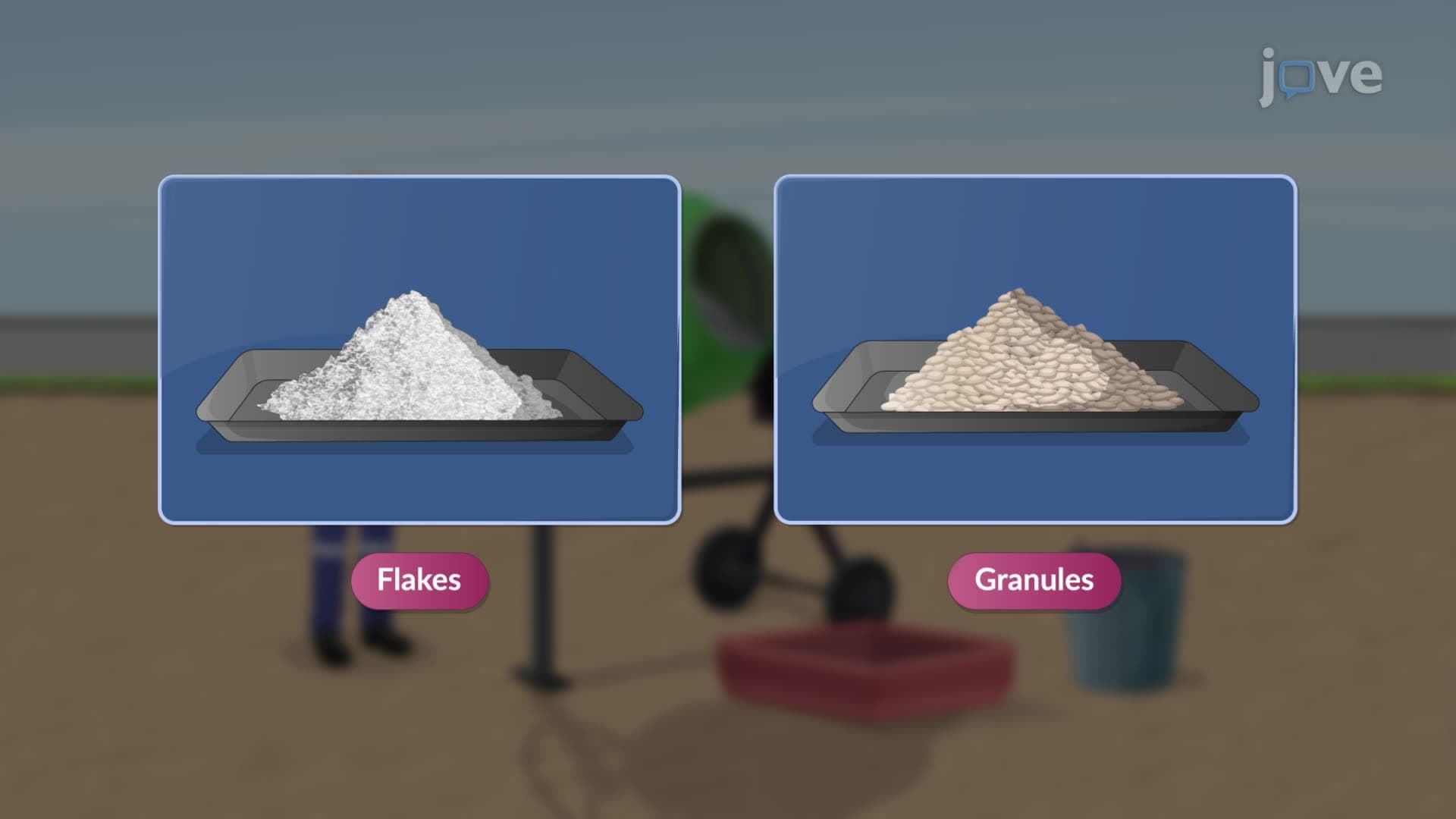
The slump test's reliability diminishes with lean concrete mixes-those with lower cement content-which may collapse entirely rather than slump predictably. This limitation becomes particularly relevant in sustainable construction practices where recycled aggregates or supplementary cementitious materials alter traditional mix behaviors.
For students preparing for AP Physics or introductory civil engineering courses, understanding slump testing connects fundamental material science principles to practical construction applications. The test demonstrates how fluid mechanics, material properties, and quality control intersect in real-world engineering scenarios that shape America's infrastructure development.
Related Micro-courses