Loading video…

 20 Concepts
 5.1K views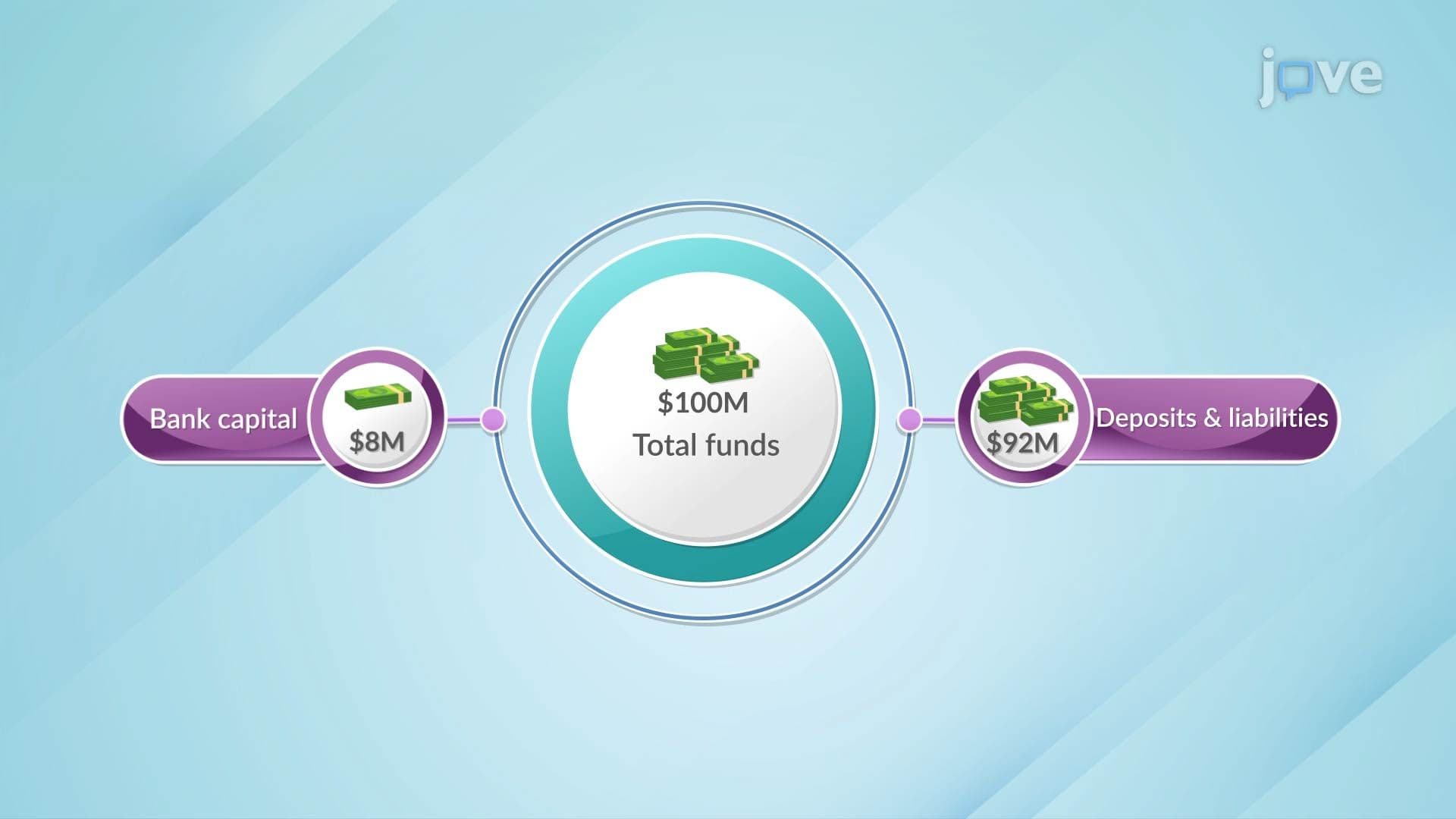

Video Summary: What Is Leverage
Did you know a single bank can control over 10 times its own money? Leverage basics explain exactly how this works, banks use deposits and borrowed funds to multiply their assets far beyond their own capital. Before the 2008 financial crisis, Lehman Brothers held $30 in assets for every $1 of capital, a dangerous imbalance that contributed to its collapse. Watch the full video on JoVE Coach to master this concept with expert-led visuals and step-by-step explanations.
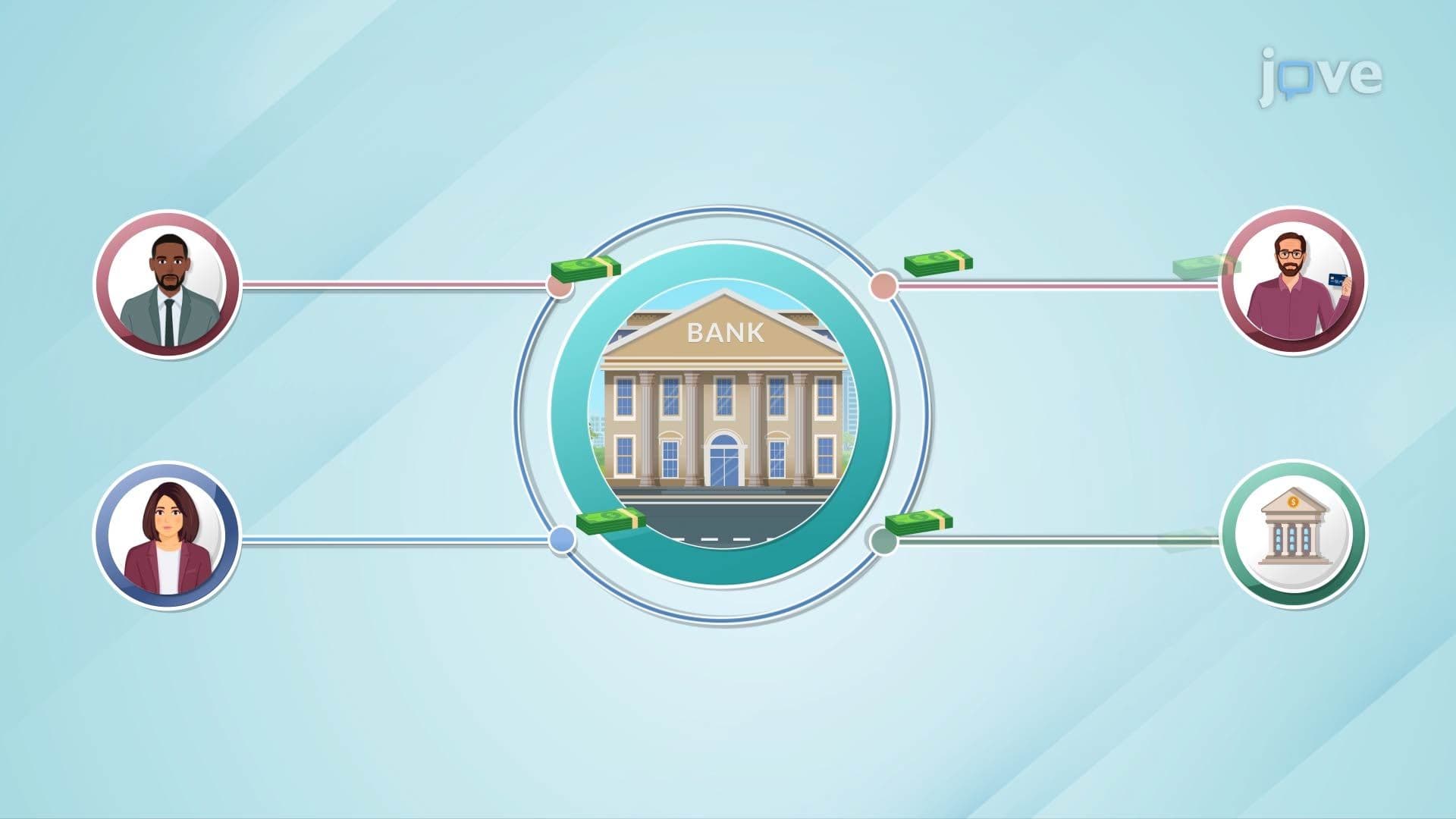
Leverage is one of the most powerful, and potentially dangerous, concepts in modern finance. In simple terms, leverage in banking means using borrowed money, primarily customer deposits, to fund assets and generate returns that far exceed what the bank could produce using only its own capital. Think of it like using a small crowbar to move a massive boulder: a small input of force (capital) moves something much larger (total assets). This multiplication effect is at the heart of how banks operate and why they matter so much to the broader economy.
The leverage ratio is calculated as:
Leverage Ratio = Total Assets / Equity Capital
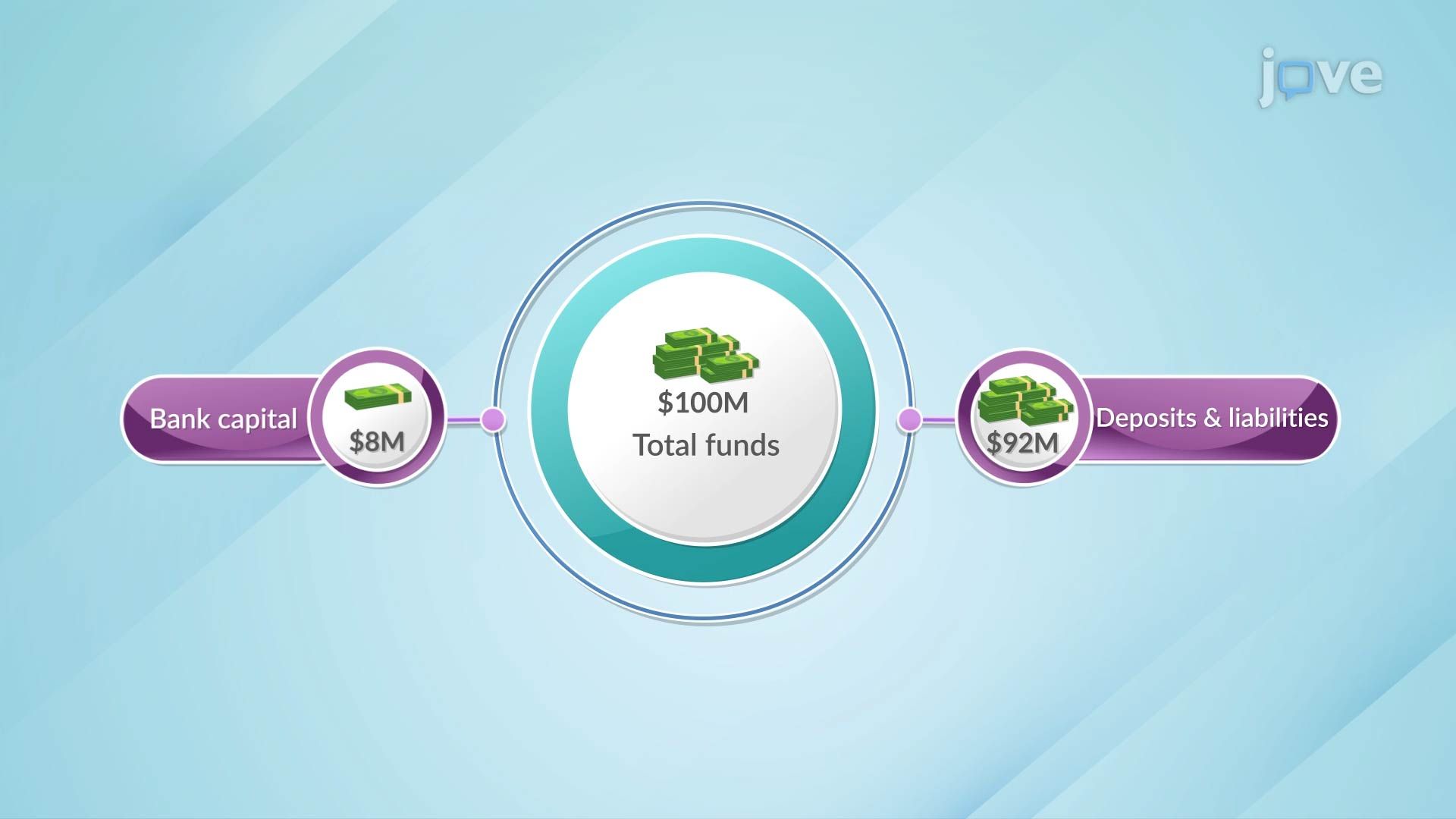
If a bank holds $8 million in capital and uses $92 million in deposits and borrowed funds, its total assets equal $100 million. Dividing $100 million by $8 million gives a leverage ratio of 12.5. That means for every $1 of the bank's own money, it controls $12.50 in assets, mostly loans. When those loans are repaid with interest, the bank earns returns on the full $100 million, even though it only contributed $8 million of its own funds. This is why banks can be highly profitable even with relatively modest capital bases.
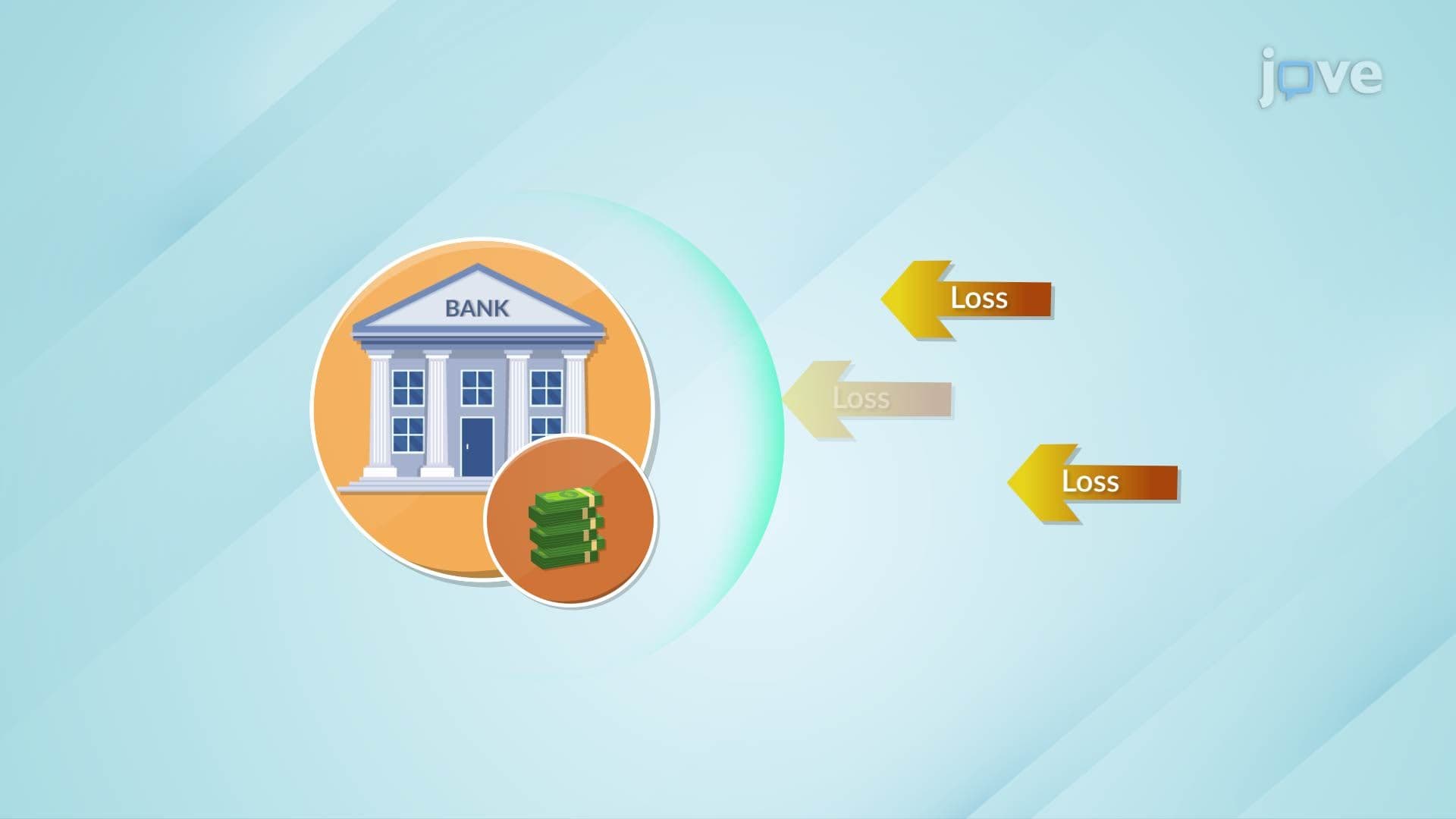
The same mechanism that boosts profits also magnifies losses. If a significant portion of borrowers default on their loans, the bank must absorb those losses from its capital cushion. With a leverage ratio of 12.5, the bank's $8 million capital must cover losses on $100 million in assets, a thin margin. This is why leverage explained without discussing risk gives only half the picture.
This dynamic became catastrophically clear during the 2008 financial crisis. Lehman Brothers, a major US investment bank, operated with a leverage ratio of approximately 30-to-1. When mortgage-backed assets plummeted in value, the firm's $1 of capital for every $30 in assets was nowhere near enough to absorb the losses. Lehman filed for bankruptcy in September 2008, the largest bankruptcy in US history at the time, triggering a global financial shockwave.
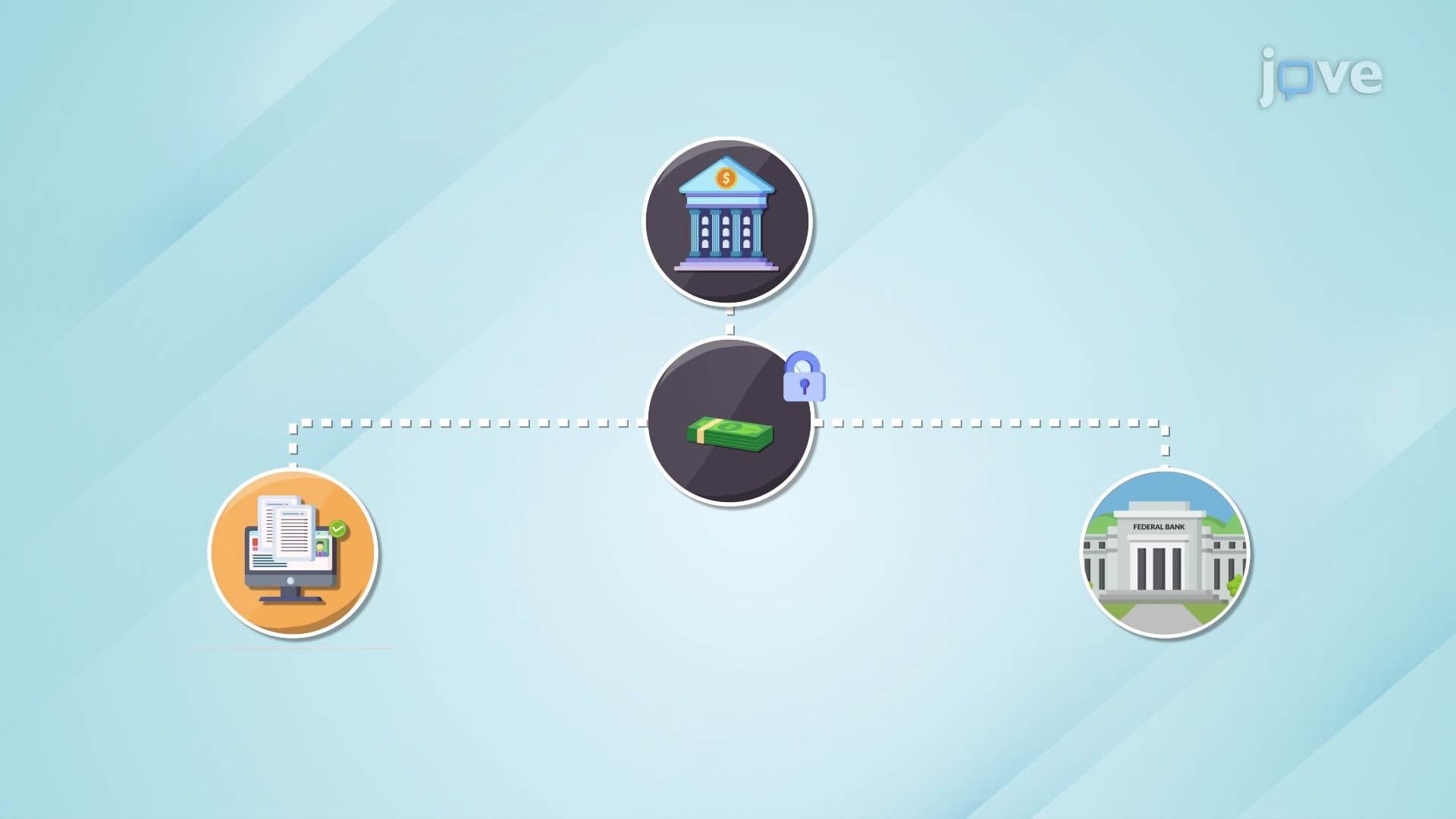
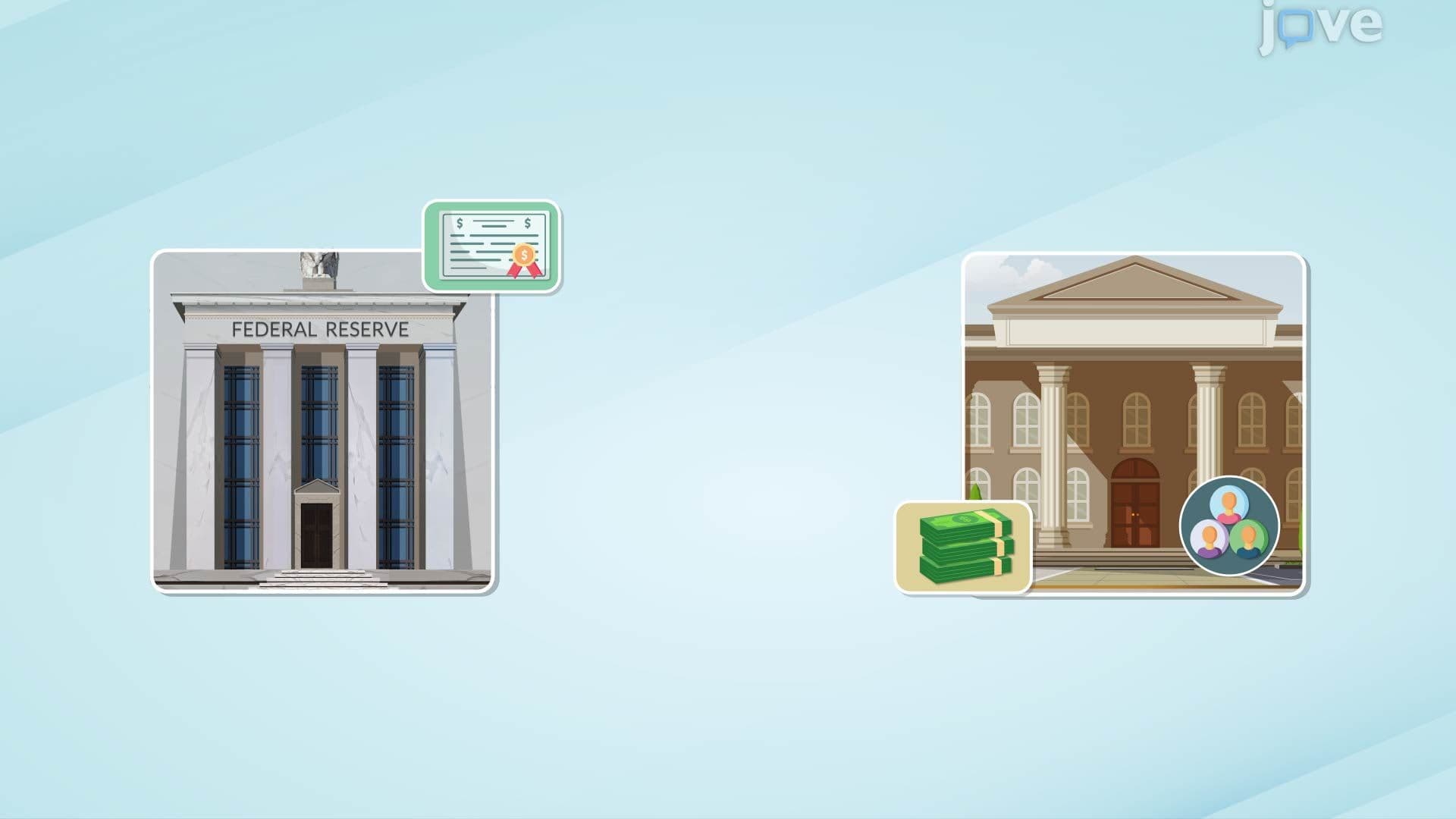
Because excessive leverage threatens not just individual banks but the entire financial system, US regulators closely monitor and restrict how much leverage banks can carry. Following the 2008 crisis, the Dodd-Frank Act and updated Basel III international banking standards introduced stricter minimum capital requirements. The Federal Reserve, Office of the Comptroller of the Currency (OCC), and FDIC all play roles in enforcing these standards. Under current US rules, large banks must maintain a minimum Tier 1 leverage ratio of 4-5%, and the largest systemically important banks face even tighter supplementary leverage ratio requirements.
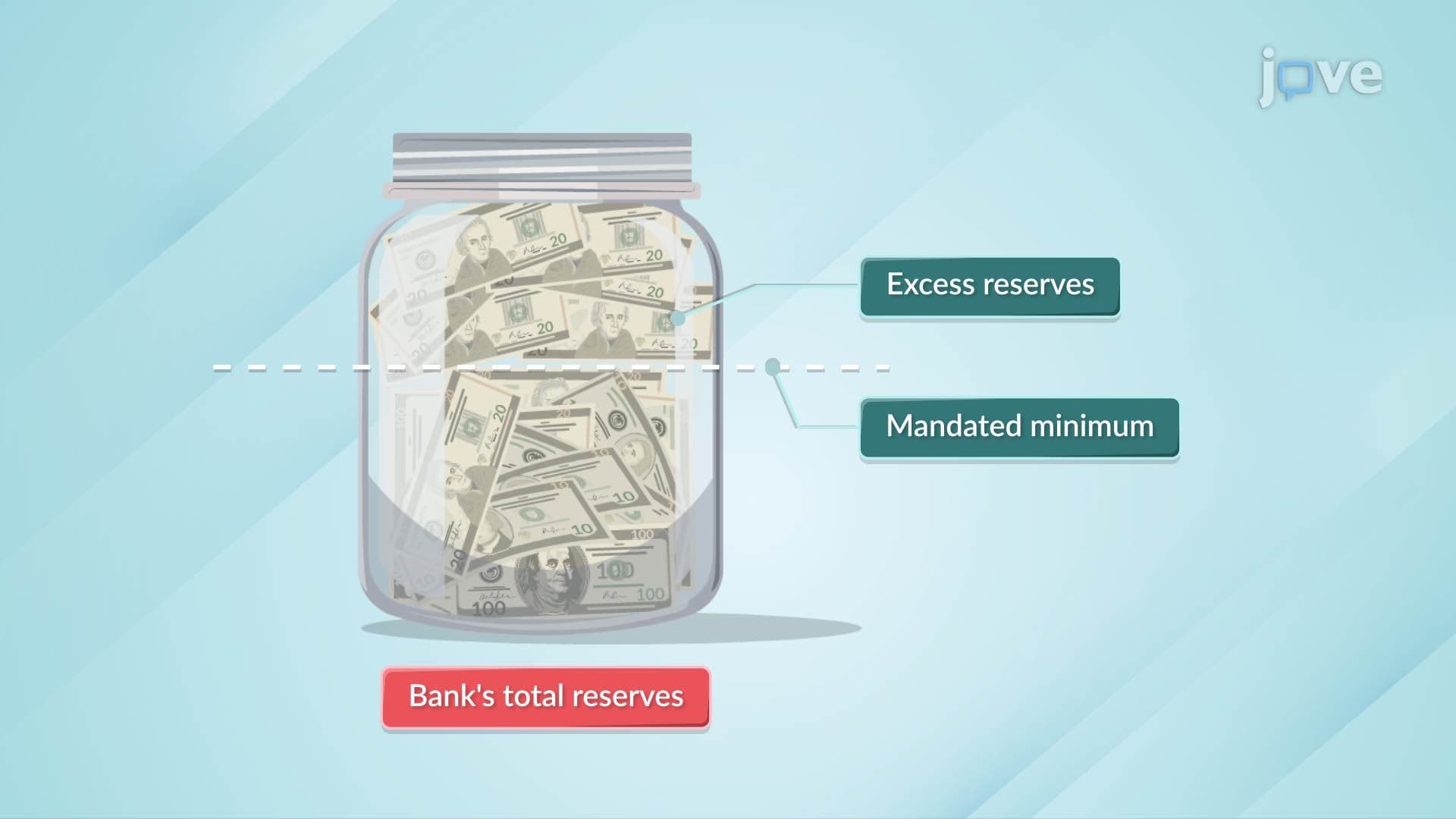
Leverage basics appear frequently in AP Macroeconomics and introductory college-level economics and finance courses. Students are often asked to calculate leverage ratios, explain how fractional reserve banking connects to lending capacity, or analyze how a hypothetical bank failure could ripple through the financial system. Understanding the relationship between leverage, capital adequacy, and insolvency risk positions students to answer both multiple-choice and free-response questions with confidence. Connecting leverage to broader monetary policy tools, such as reserve requirements and the federal funds rate, rounds out a strong conceptual framework.
Related Micro-courses