Loading subject page…

- Analytical Chemistry
- Electrochemical Analyses and Redox Titration
- Controlled-Potential Coulometry: Electrolytic Methods
Micro-course: Electrochemical Analyses and Redox Titration
33,039 views
Learn key concepts and earn your certificate.















Controlled-Potential Coulometry: Electrolytic Methods

00:00
01:17
Video Summary: Controlled Potential Coulometry Electrolytic Methods Explained
Ever wonder how scientists precisely measure the exact amount of a metal contaminant in drinking water? Controlled potential coulometry makes this possible by using electrical current measurements to determine analyte concentrations with remarkable accuracy. This powerful electroanalytical technique, also called potentiostatic coulometry, controls electrode potential while measuring the total charge passed during electrolysis. The EPA regularly uses this method for detecting trace metals in environmental samples. Watch the full video on JoVE Coach to master this concept with expert-led visuals and step-by-step explanations.
- Understand the fundamental principles of controlled potential coulometry and how it differs from other electroanalytical methods
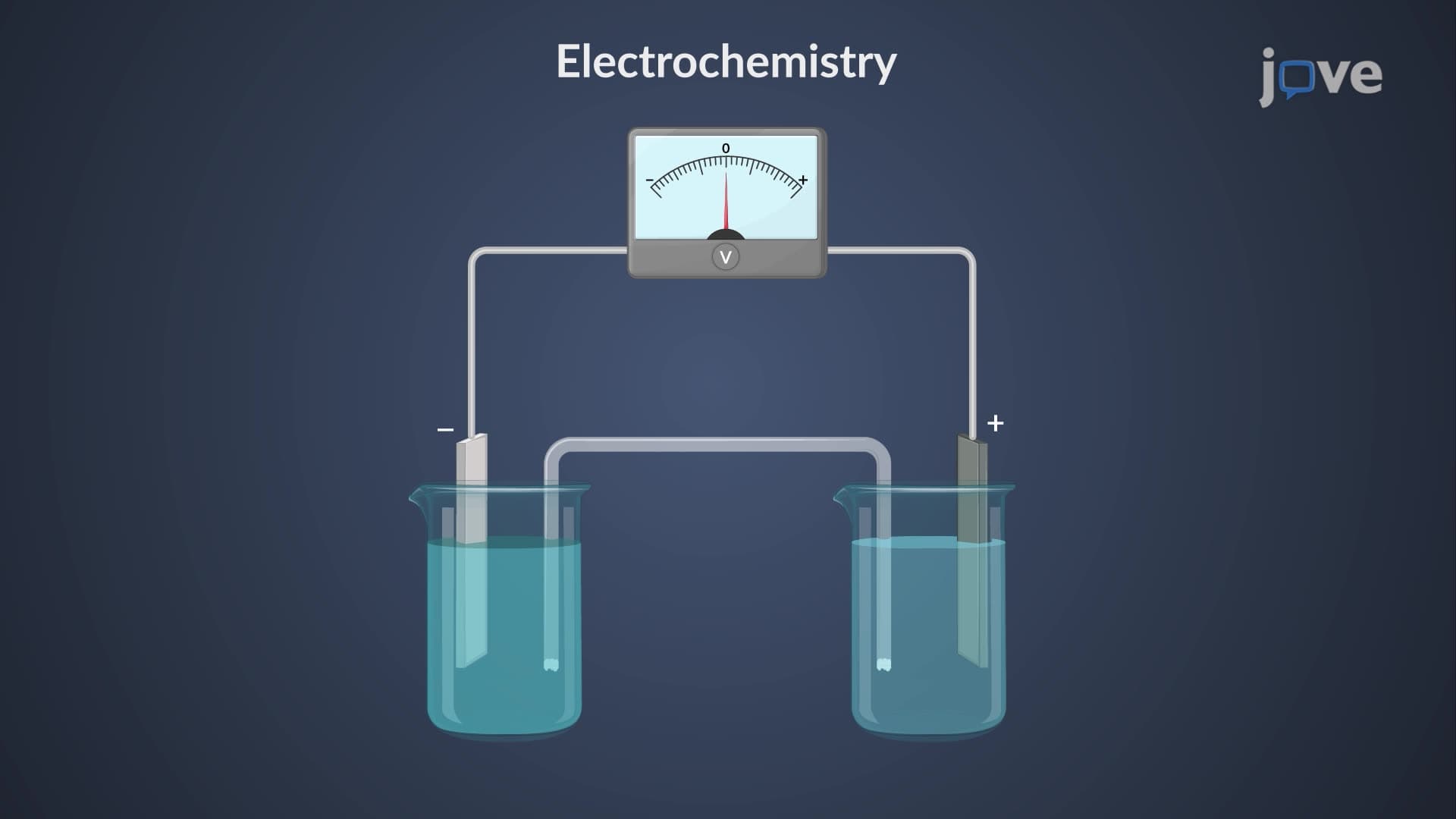
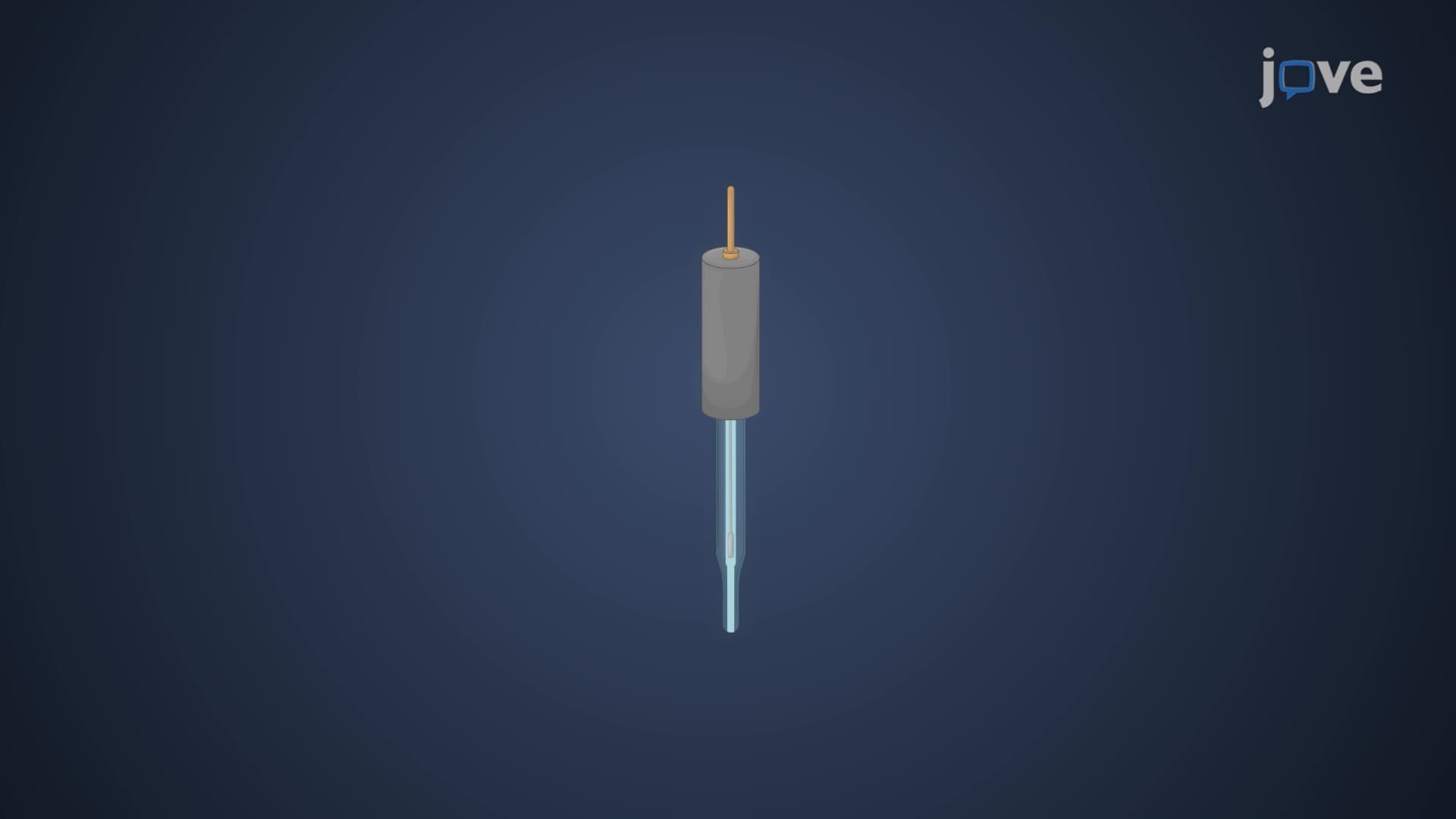
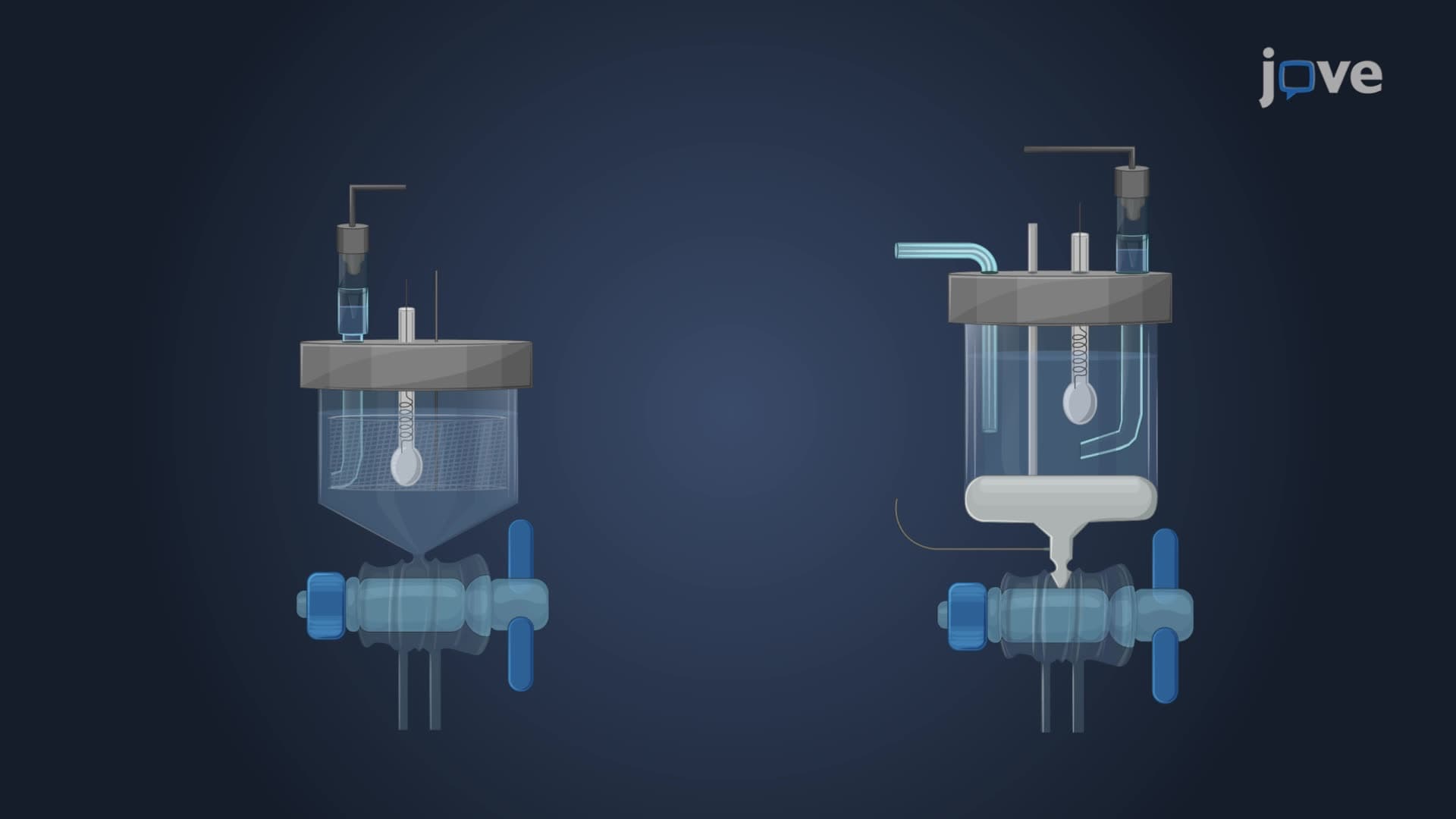
- Identify the essential components of a three-electrode system including working, counter, and reference electrodes
- Analyze how electrode material selection (platinum vs. mercury) affects the potential range and analytical performance
- Evaluate the importance of 100% current efficiency and factors that can compromise analytical accuracy
- Apply Faraday's law to calculate analyte concentrations from integrated current measurements
- Recognize common sources of error including water decomposition and extended electrolysis times
- Compare the advantages and limitations of controlled potential versus controlled current coulometry
- Explore optimization strategies using large surface area electrodes, small-volume cells, and enhanced stirring
Understanding Controlled Potential Coulometry Fundamentals
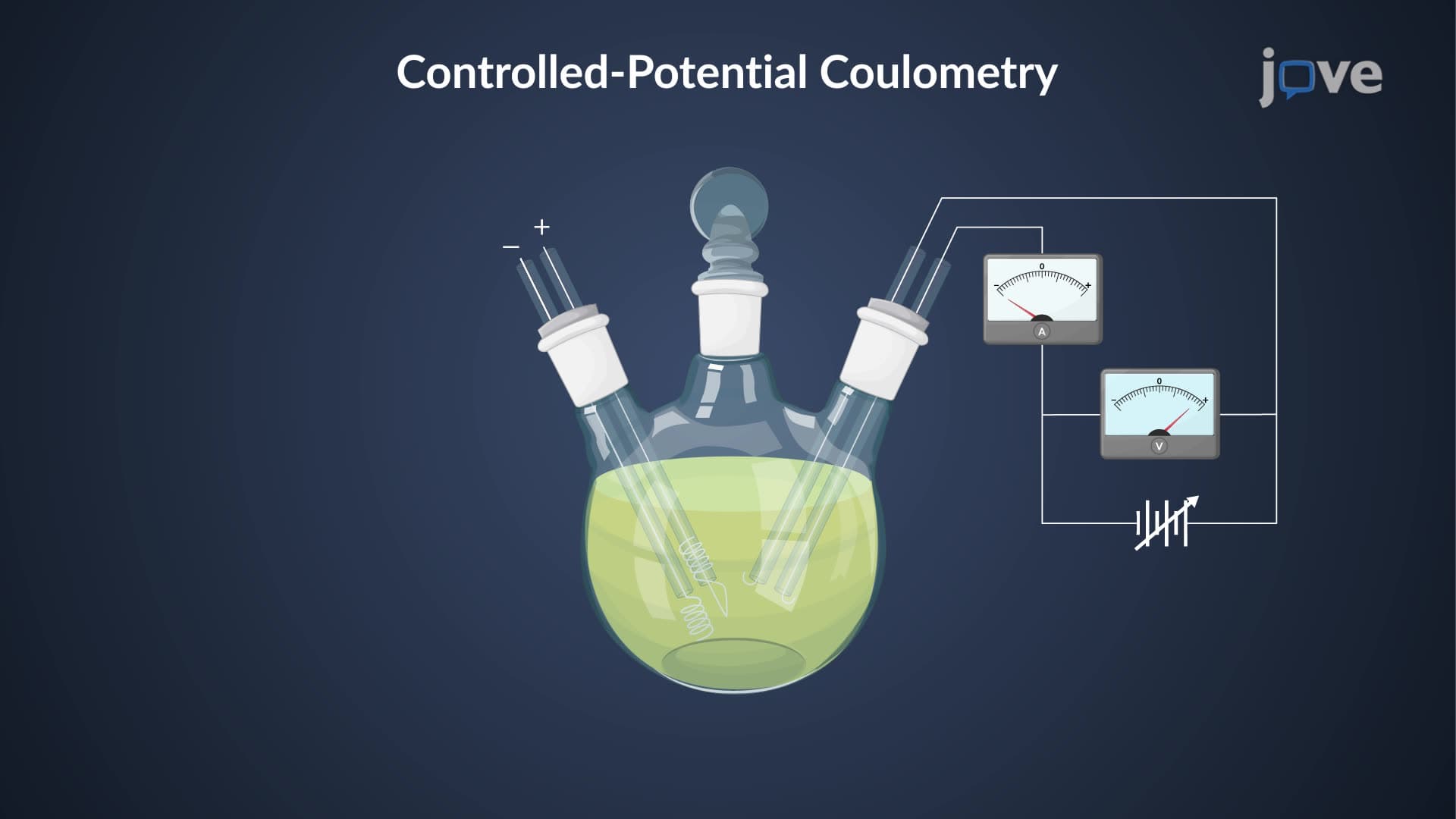
Controlled potential coulometry represents one of the most precise quantitative electroanalytical techniques available to modern analytical chemists. Unlike voltammetric methods that measure current as a function of applied potential, this technique maintains a constant potential while measuring the total electrical charge consumed during complete electrolysis of the analyte. The method's power lies in its ability to achieve 100% current efficiency, meaning every electron transferred corresponds directly to analyte conversion.
Three-Electrode System Configuration and Components
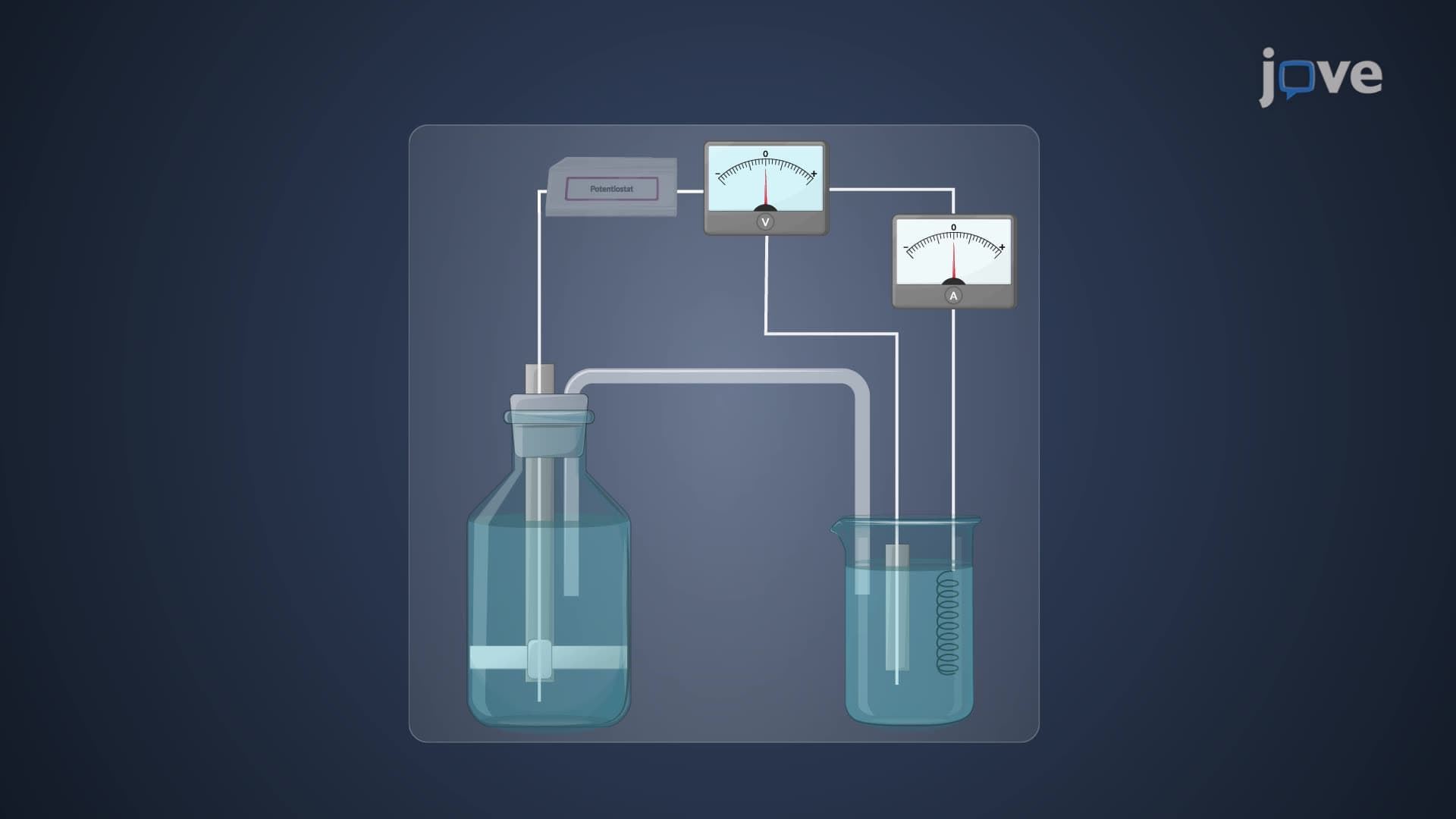
The heart of any controlled potential coulometry setup involves a sophisticated three-electrode arrangement. The working electrode, where the actual electrochemical reaction occurs, must be carefully selected based on the required potential range. Platinum electrodes excel for oxidative processes requiring positive potentials, commonly used in pharmaceutical analysis and environmental monitoring. Mercury pool electrodes, though less common due to safety concerns, remain preferred for highly reductive conditions below -1.0 V versus the standard hydrogen electrode.
The counter electrode, typically platinum, provides the circuit pathway while being isolated from the sample solution via a salt bridge or membrane. This separation prevents unwanted side reactions that could compromise analytical accuracy. Students preparing for the MCAT or advanced placement chemistry exams should understand that this isolation is crucial for maintaining the controlled environment necessary for quantitative analysis.
Potential Control and Current Efficiency Optimization
Achieving 100% current efficiency requires precise potential selection to ensure only the target analyte undergoes electrochemical conversion. The potentiostat continuously monitors and adjusts the applied potential, preventing competing reactions like water electrolysis that become significant above +1.2 V or below -1.0 V in aqueous solutions. This concept frequently appears on college analytical chemistry midterms, where students must identify optimal working potential ranges.
Real-world applications include pharmaceutical quality control, where companies like Pfizer and Johnson & Johnson use controlled potential coulometry to verify active ingredient concentrations in drug formulations. The FDA requires such precise analytical methods for regulatory compliance, making this technique essential in pharmaceutical manufacturing.
Practical Considerations and Error Minimization
Extended electrolysis times pose the greatest challenge to analytical accuracy, as incomplete reactions and side processes accumulate over time. Modern instrumentation addresses this through high surface area electrodes, miniaturized cell volumes, and efficient stirring systems. These optimizations reduce analysis time from hours to minutes while maintaining precision. Students should recognize that these practical improvements make controlled potential coulometry viable for routine analysis rather than just research applications.
Frequently Asked Questions
Controlled potential coulometry is an electroanalytical technique that measures the total electrical charge consumed during complete electrolysis of an analyte at a fixed electrode potential. The method uses a three-electrode system with a potentiostat to maintain constant potential while integrating current over time. Faraday's law then converts the measured charge directly to analyte concentration, providing exceptional quantitative accuracy.
MCAT questions typically focus on electrode selection, Faraday's law calculations, and understanding current efficiency concepts. AP Chemistry exams may include problems involving charge-to-moles conversions using the relationship Q = nF, where Q is charge, n is moles of electrons, and F is Faraday's constant. Students should practice calculating analyte concentrations from integrated current data.
The main difficulty lies in understanding the interplay between electrode kinetics, mass transport, and potential control. Students must grasp why maintaining constant potential ensures selective analyte conversion while preventing competing reactions. Practice problems involving electrode material selection and potential window optimization help build this understanding.
The pharmaceutical industry uses this technique extensively for drug purity analysis and quality control. Environmental testing laboratories employ it for trace metal determination in drinking water and soil samples. The semiconductor industry utilizes controlled potential methods for analyzing metal impurities in electronic materials and processing chemicals.
The mathematical requirements are manageable for high school students comfortable with basic calculus concepts. The key relationship involves integrating current over time to find total charge, then applying Faraday's law for quantitative analysis. Most calculations use straightforward algebra once you understand the underlying electrochemical principles.
Focus on understanding the three-electrode system components and their functions, then practice Faraday's law calculations with various electrode reactions. Create concept maps linking potential control, current efficiency, and quantitative accuracy. Work through problems involving electrode selection based on required potential ranges and analyte properties.
This method shares fundamental principles with voltammetry and potentiometry but emphasizes complete analyte conversion rather than equilibrium measurements. Understanding controlled potential coulometry provides excellent preparation for studying advanced techniques like chronocoulometry and pulse methods used in research and specialized analytical applications.
Analytical chemists in pharmaceutical companies, environmental consulting firms, and materials science laboratories use this technique routinely. Quality control specialists in manufacturing, forensic scientists, and research chemists developing new materials all rely on controlled potential methods for precise quantitative analysis.
Related Micro-courses

27 Concepts

14 Concepts

19 Concepts