Loading subject page…


33,075 views


Video Summary: Principles of Controlled Current Coulometry and Titration
Ever wonder how pharmaceutical companies ensure precise medication dosing or how environmental labs detect trace water contamination? Coulometric titration explained reveals the fascinating electrochemical method that generates its own reagent on-demand for ultra-precise chemical analysis. The Principles of Controlled-Current Coulometry and Titration demonstrate how electrical current creates exactly the right amount of titrant needed, eliminating human measurement error that plagues traditional titrations. For example, moisture analyzers in US food processing plants use this technique to ensure product quality and shelf life. Watch the full video on JoVE Coach to master this concept with expert-led visuals and step-by-step explanations.
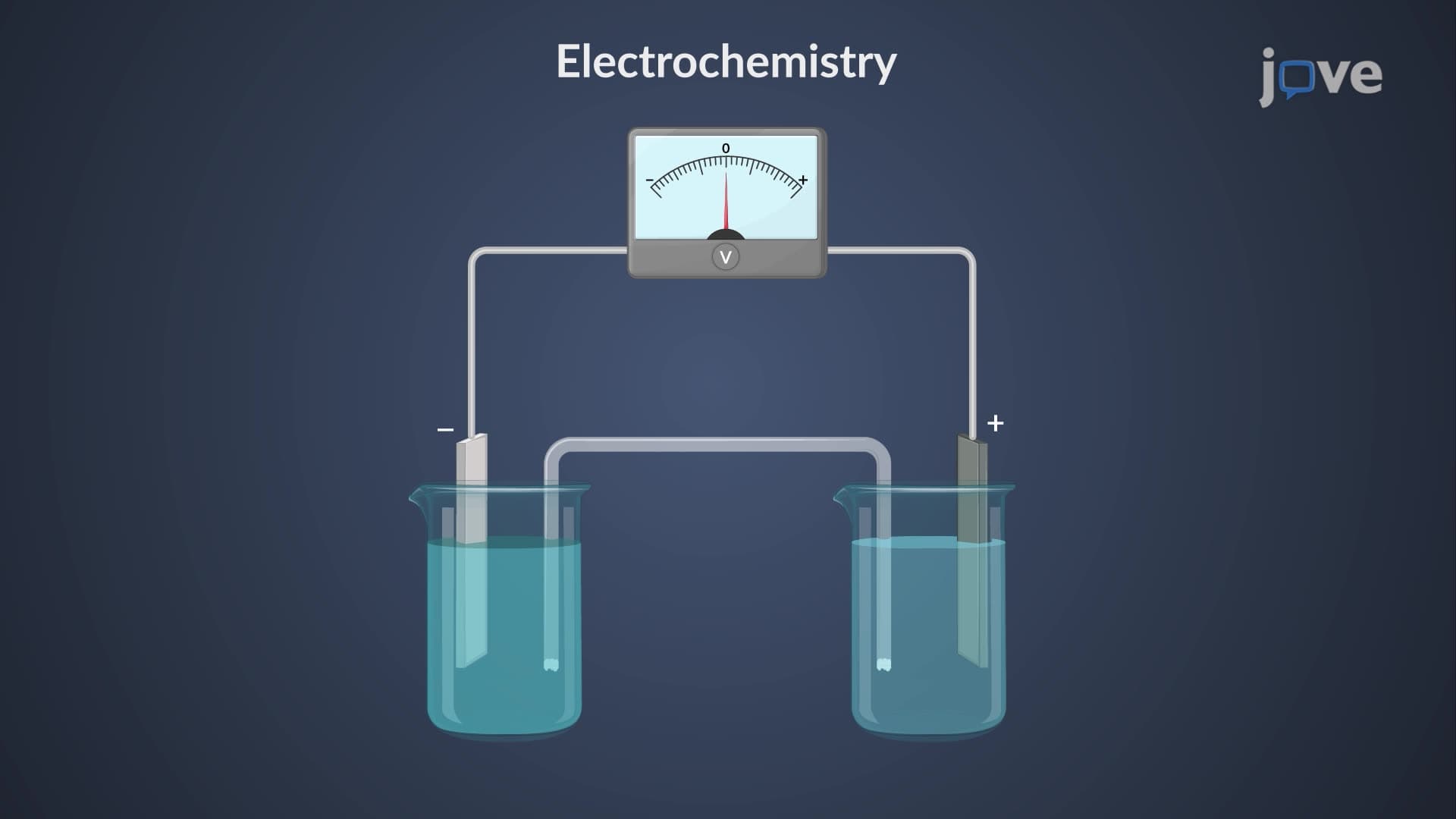
The coulometric titration method chemistry represents a sophisticated analytical approach that eliminates many limitations of traditional volumetric titrations. Unlike conventional methods where you manually add titrant from a burette, coulometric titration generates the exact amount of reagent needed through controlled electrical current. This electrochemical precision makes it invaluable in industries requiring exceptional accuracy, such as pharmaceutical manufacturing and environmental testing.
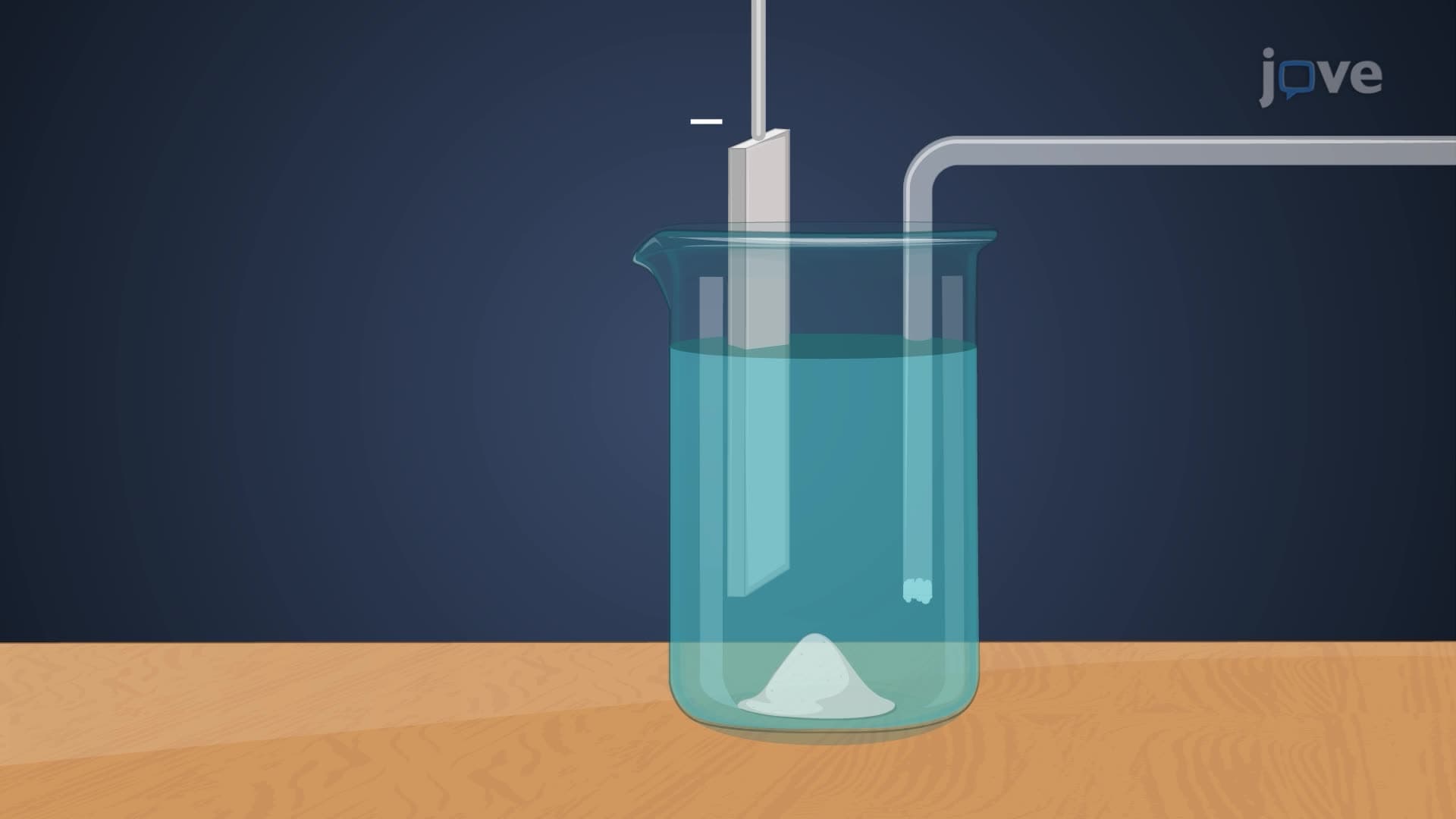
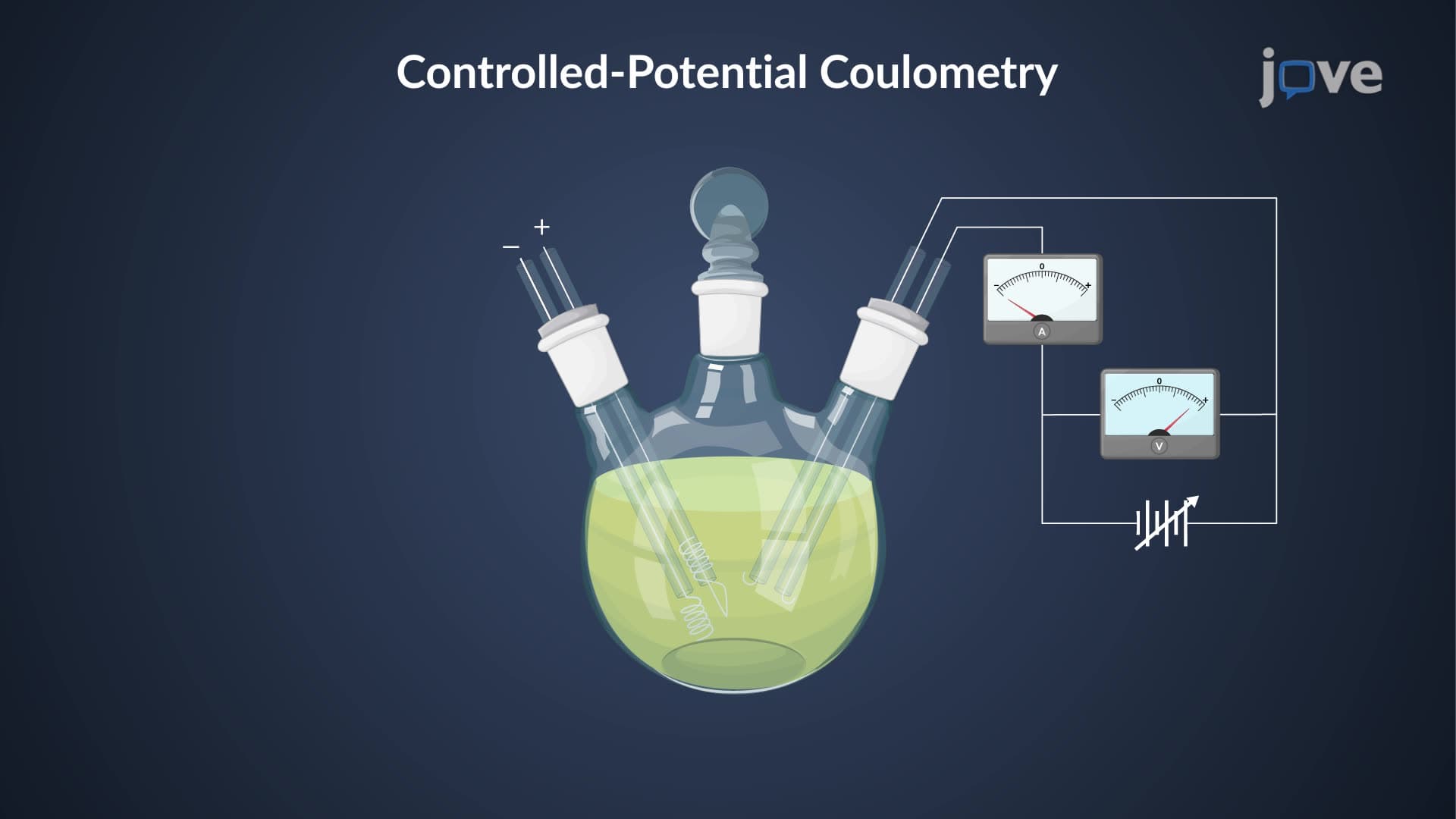
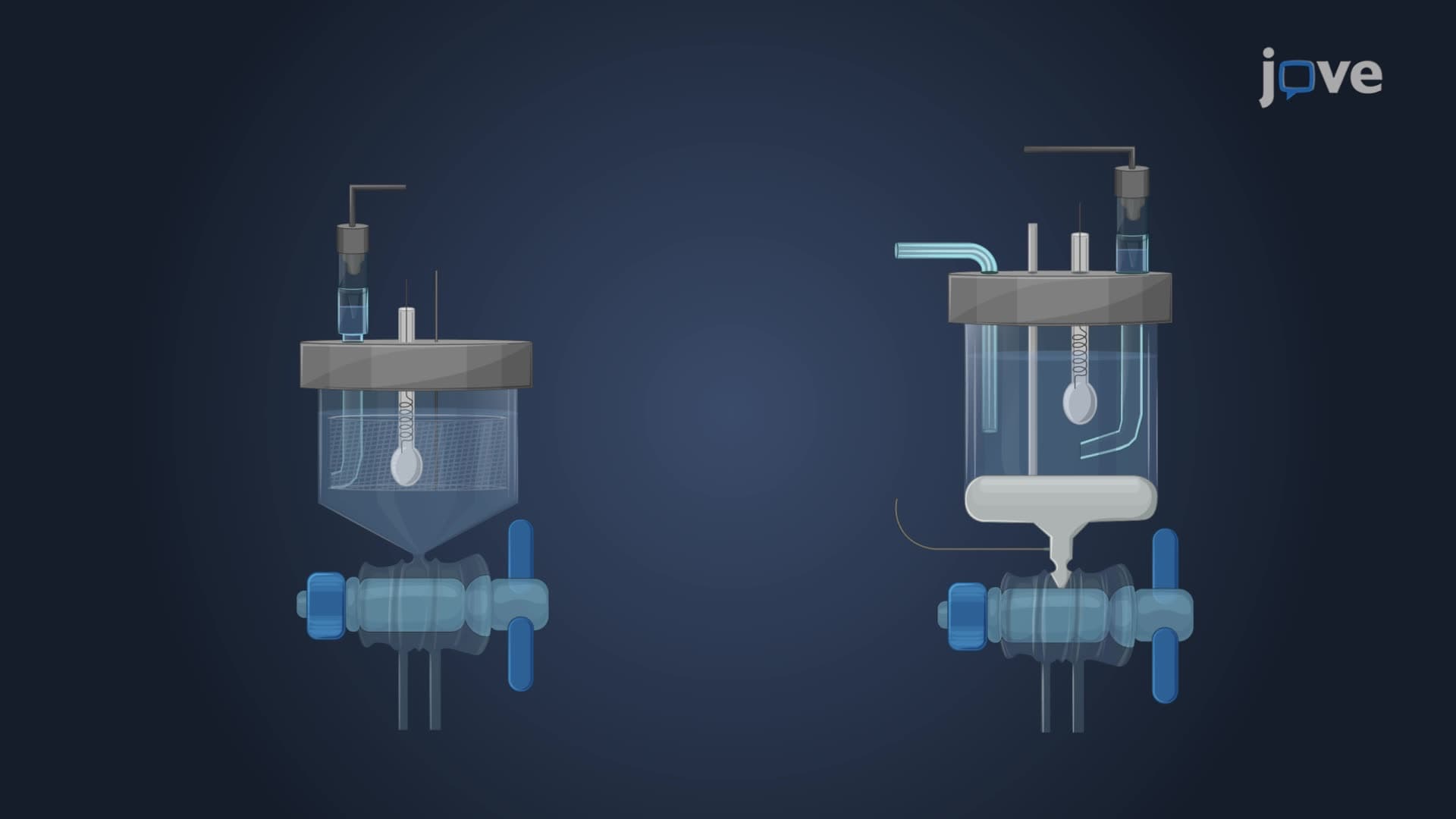
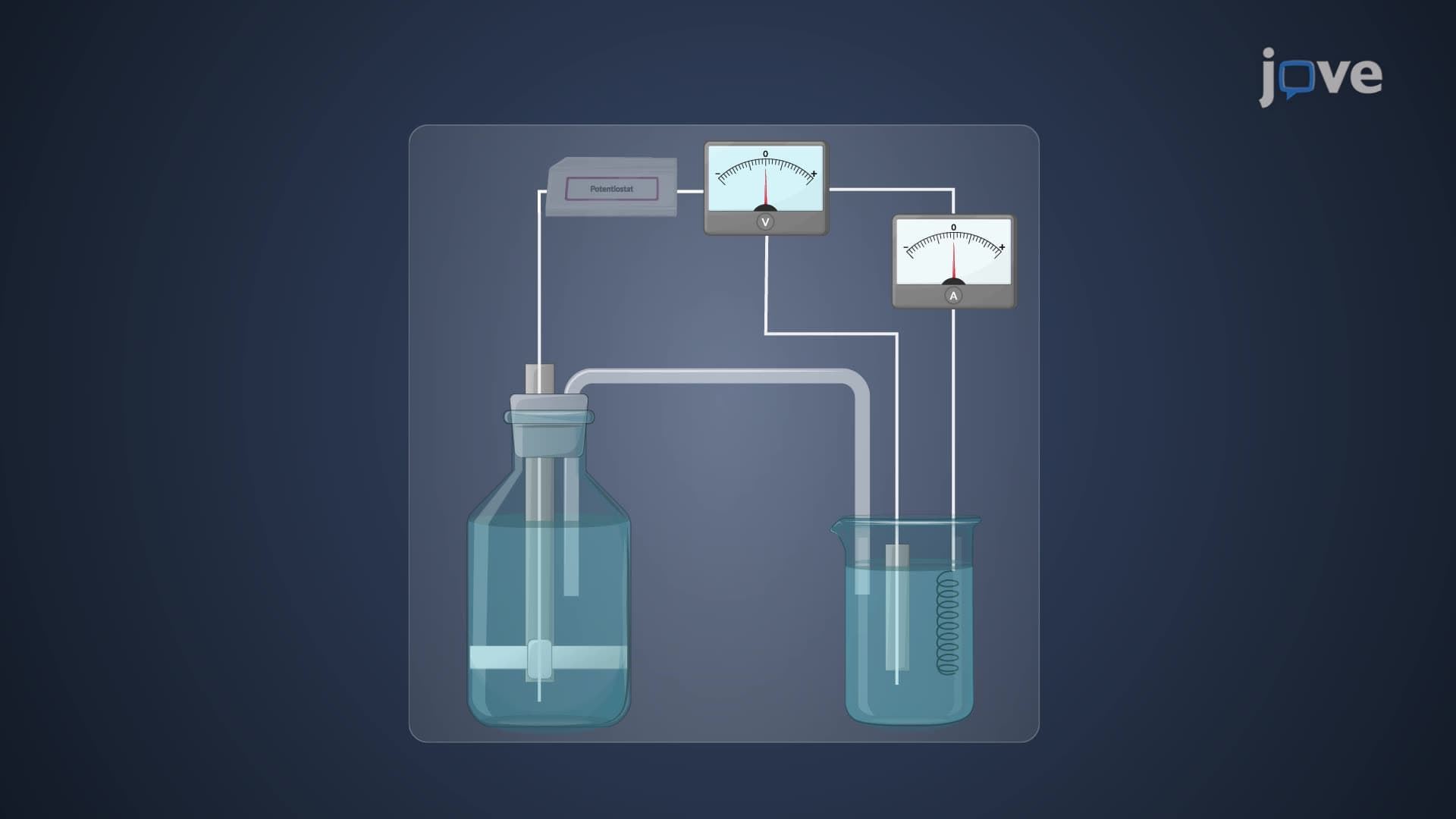
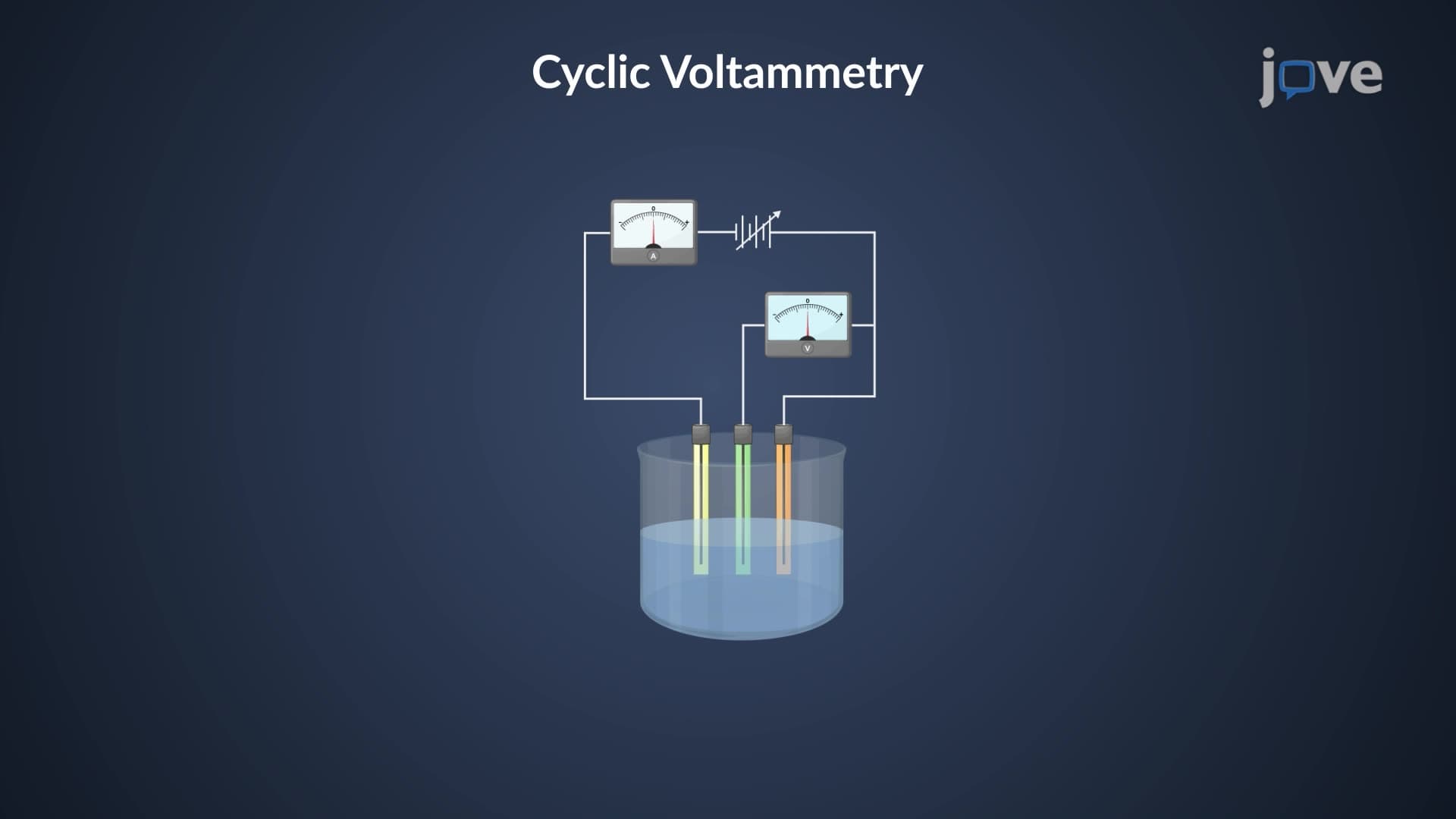
How does coulometric titration work centers on the principle of in-situ reagent production. A galvanostat maintains constant current through the analytical cell, where the working electrode serves as the reagent factory. For example, in chloride determinations commonly performed in US water treatment facilities, silver ions are electrogenerated directly at a silver anode, immediately reacting with chloride in the sample. This electrogenerated titrant coulometric approach ensures reagent freshness and eliminates storage stability concerns that plague standard solutions.
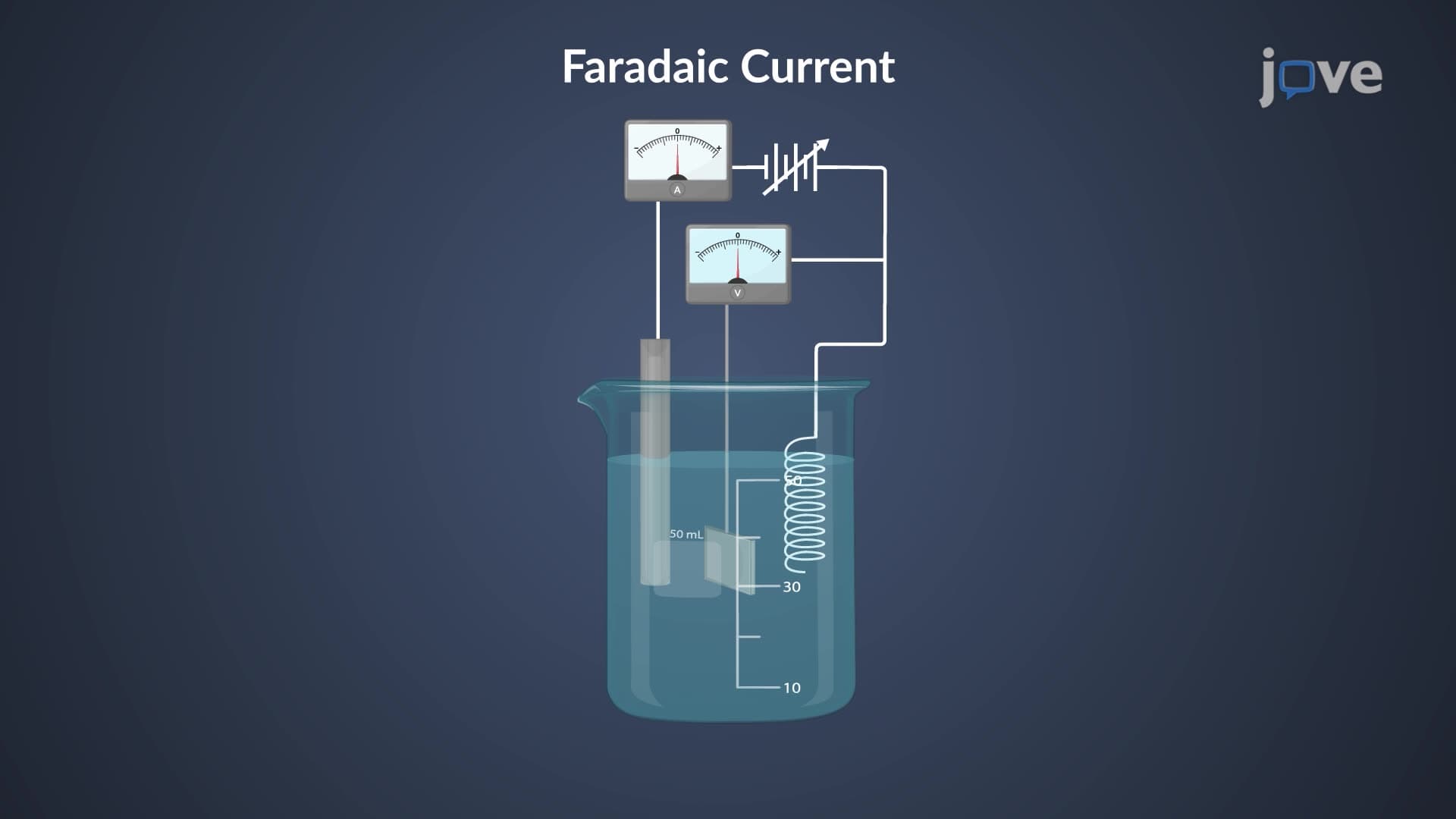
The in-situ generation titrant process follows Faraday's laws precisely: the amount of reagent produced directly correlates to the current and time applied (Q = I × t, where Q is charge, I is current, and t is time). This mathematical relationship provides exceptional accuracy because electrical measurements are inherently more precise than volume measurements.
Coulometric Karl Fischer moisture determination exemplifies this technique's power in US industries. Food manufacturers use Karl Fischer moisture determination to ensure product quality-too much water in chocolate reduces shelf life, while insufficient moisture in baked goods affects texture. The electrogenerated iodine reagent reacts specifically with water molecules, providing moisture content accurate to parts-per-million levels.
Environmental laboratories across the United States employ electrogenerated reagent titration for pollution monitoring. The EPA recognizes coulometric methods for various water quality parameters because of their superior precision and minimal reagent waste-important considerations for both accuracy and environmental stewardship.
This technique frequently appears in AP Chemistry and college analytical chemistry courses. Students encounter coulometric principles in electrochemistry units, while pre-medical students see applications in clinical chemistry contexts on the MCAT. Understanding current efficiency concepts and Faraday's law applications proves essential for solving quantitative electrochemistry problems on standardized exams.
Related Micro-courses