Loading subject page…


33,042 views


Video Summary: What are Electrodes
Ever wondered how a pH meter instantly measures the acidity of your swimming pool water? Electrodes in electrochemistry make this possible by converting chemical information into measurable electrical signals. From monitoring blood glucose levels in diabetic patients to quality control in food processing plants across the United States, what are electrodes becomes a crucial question for understanding modern analytical chemistry. These specialized devices work in pairs or groups, with each type serving a specific function in measuring chemical concentrations and electrical properties. Watch the full video on JoVE Coach to master this concept with expert-led visuals and step-by-step explanations.
Electrodes in electrochemistry serve as the critical interface between chemical reactions and electrical measurements, enabling scientists to quantify everything from medication concentrations in hospital laboratories to pollutant levels in EPA environmental studies. These devices function by either responding to chemical changes or providing stable reference points for accurate measurements.
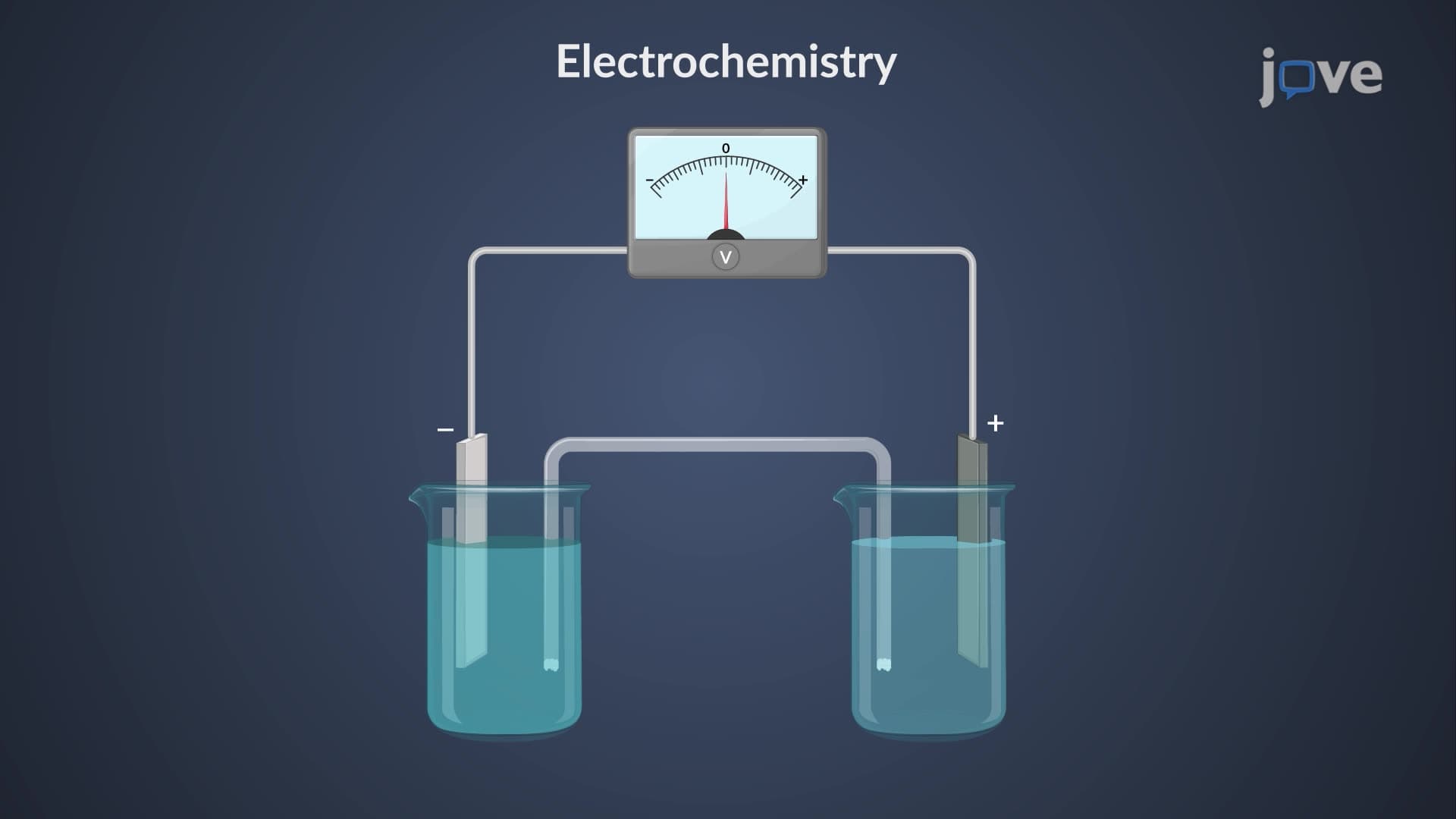
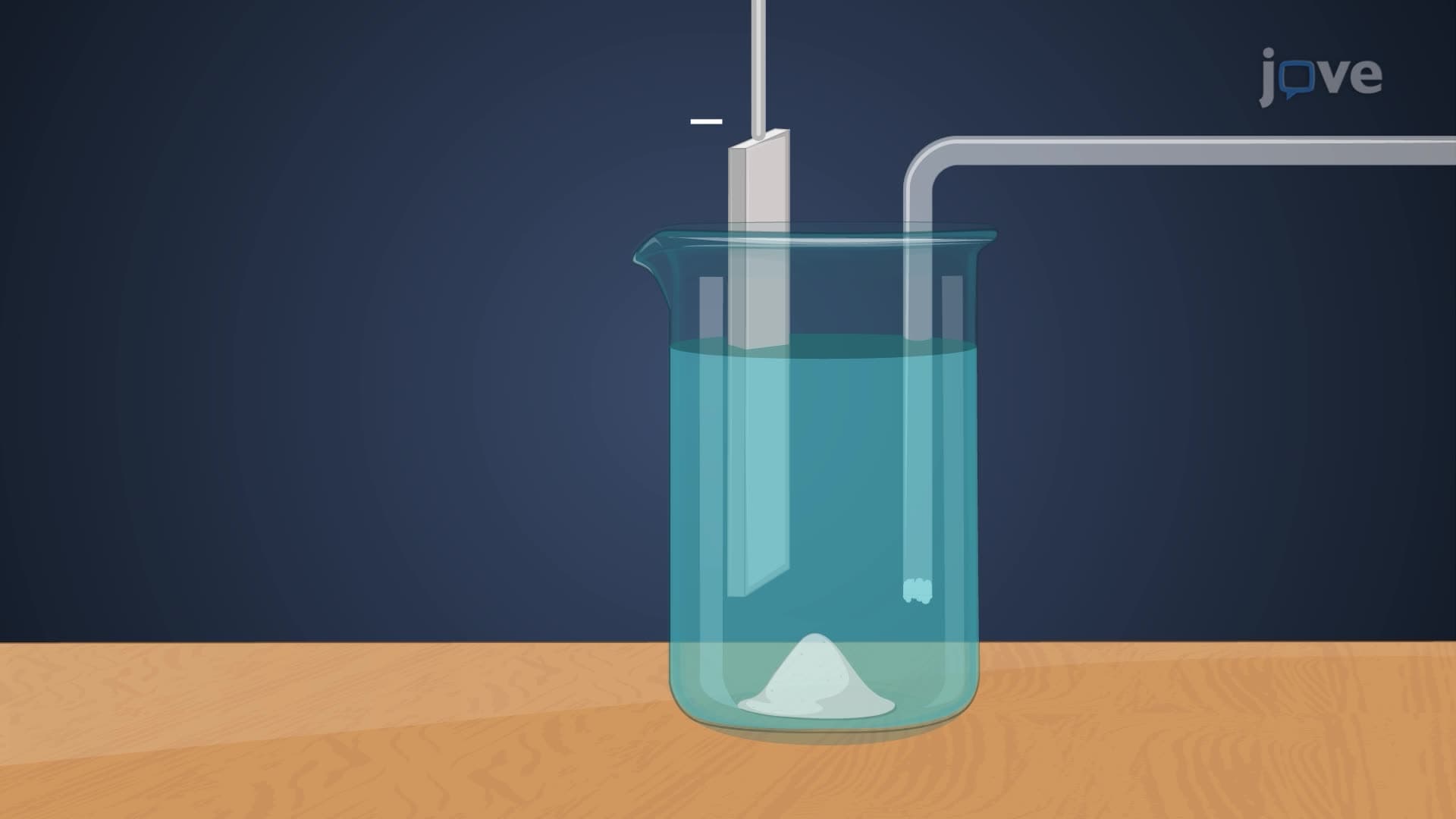
Reference electrodes form the backbone of electrochemical measurements by maintaining constant, predictable potentials. The saturated calomel electrode (SCE) and silver/silver chloride electrode represent the gold standards in analytical chemistry laboratories across American universities and research institutions. These electrodes work optimally when minimal current flows through them, preserving their stable potential values that serve as measurement baselines.
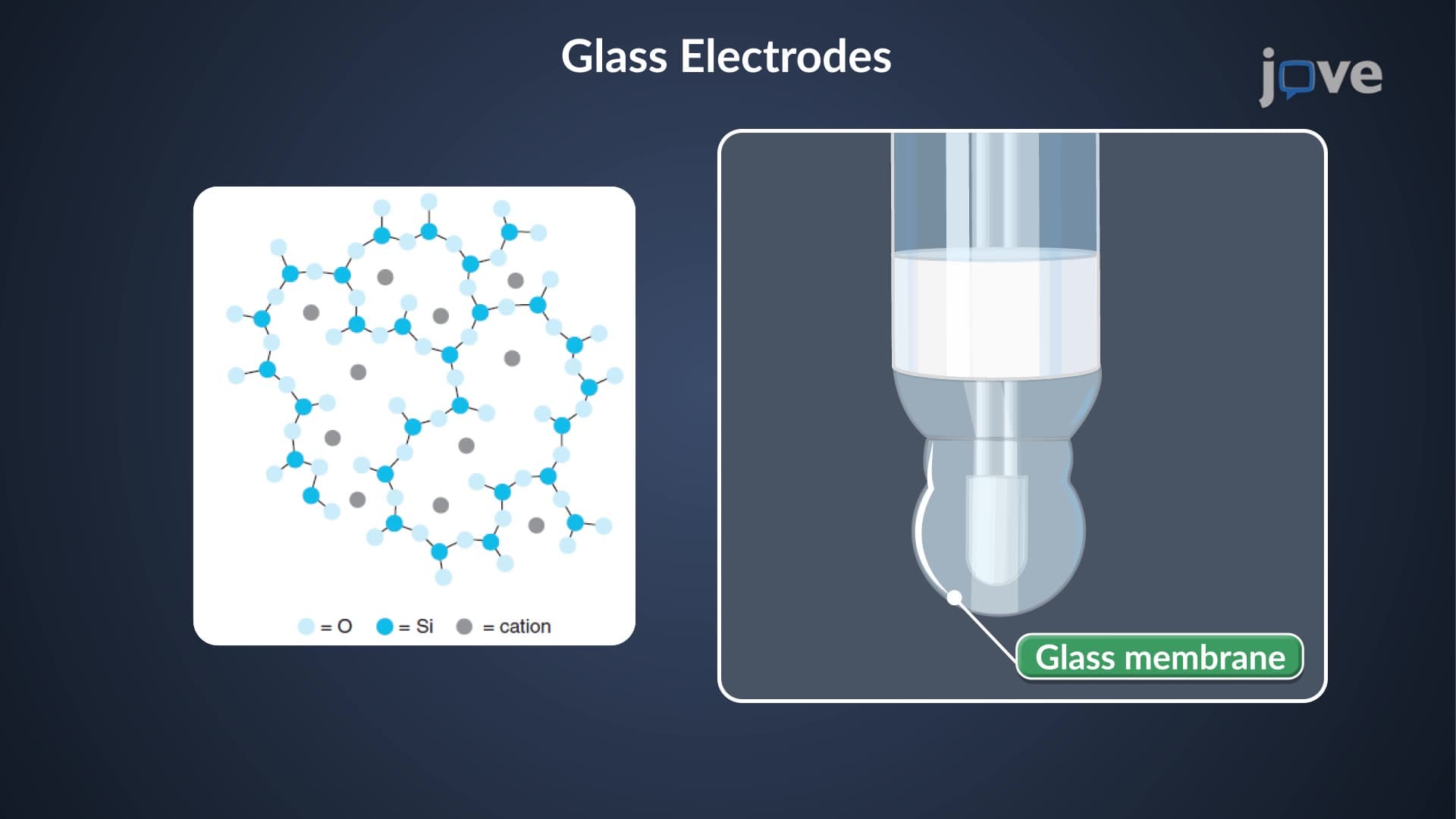
Indicator electrodes demonstrate the dynamic side of electrode chemistry by responding proportionally to analyte concentrations through redox reactions. Ion-selective membrane electrodes revolutionized clinical chemistry by enabling direct measurement of sodium, potassium, and chloride levels in patient blood samples. Inert metal electrodes, typically made from platinum or gold, provide surfaces for electron transfer without participating chemically in the measured reaction.
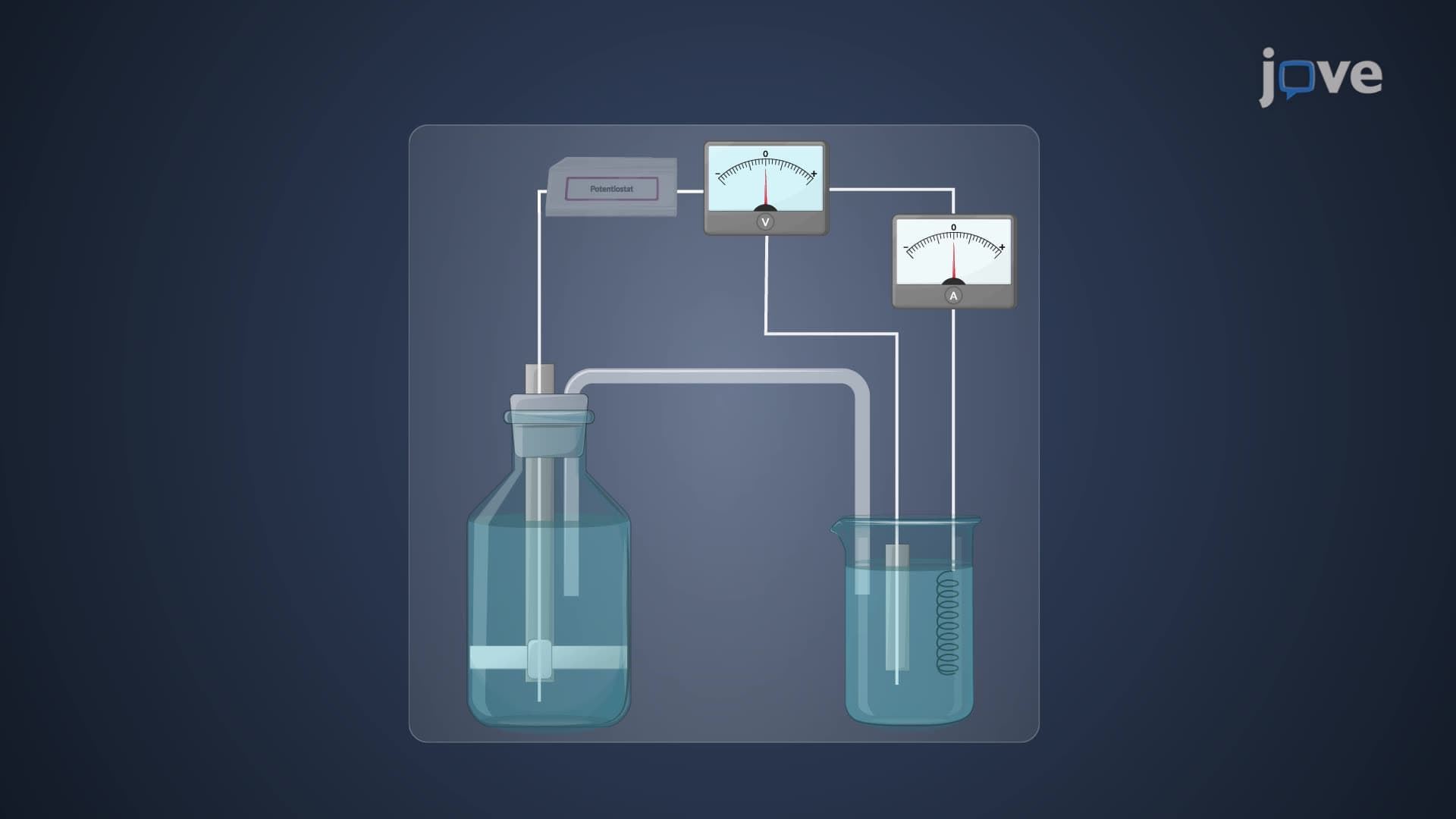
When current flow becomes necessary for measurement techniques like voltammetry or electrolysis, auxiliary electrodes (also called counter electrodes) complete the electrical circuit. This three-electrode system prevents current from flowing through the reference electrode, maintaining measurement accuracy. Students preparing for AP Chemistry exams frequently encounter these concepts when studying galvanic cells and electrolytic processes.
Electrode potential measurement principles appear regularly in MCAT preparation materials and undergraduate physical chemistry courses. The Nernst equation, which relates electrode potential to ion concentrations, helps explain how glucose meters provide instant blood sugar readings for millions of American diabetics. Understanding these relationships proves essential for students pursuing careers in clinical laboratory science, environmental monitoring, or pharmaceutical research.
Industrial applications span from monitoring pH levels in Coca-Cola production facilities to measuring dissolved oxygen in municipal water treatment plants. These real-world examples demonstrate why mastering electrode principles becomes crucial for chemistry students entering technical careers.
Related Micro-courses