Loading subject page…


33,043 views


Video Summary: What are Interfacial Electrochemical Methods
Ever wonder how your smartphone battery knows exactly when it's fully charged? Interfacial electrochemical methods are the scientific techniques that make this possible by measuring electrical signals right at the boundary between electrodes and solutions. From monitoring blood glucose levels in diabetic patients to quality control in pharmaceutical manufacturing, what are interfacial electrochemical methods becomes a crucial question for understanding modern analytical chemistry. Watch the full video on JoVE Coach to master this concept with expert-led visuals and step-by-step explanations.
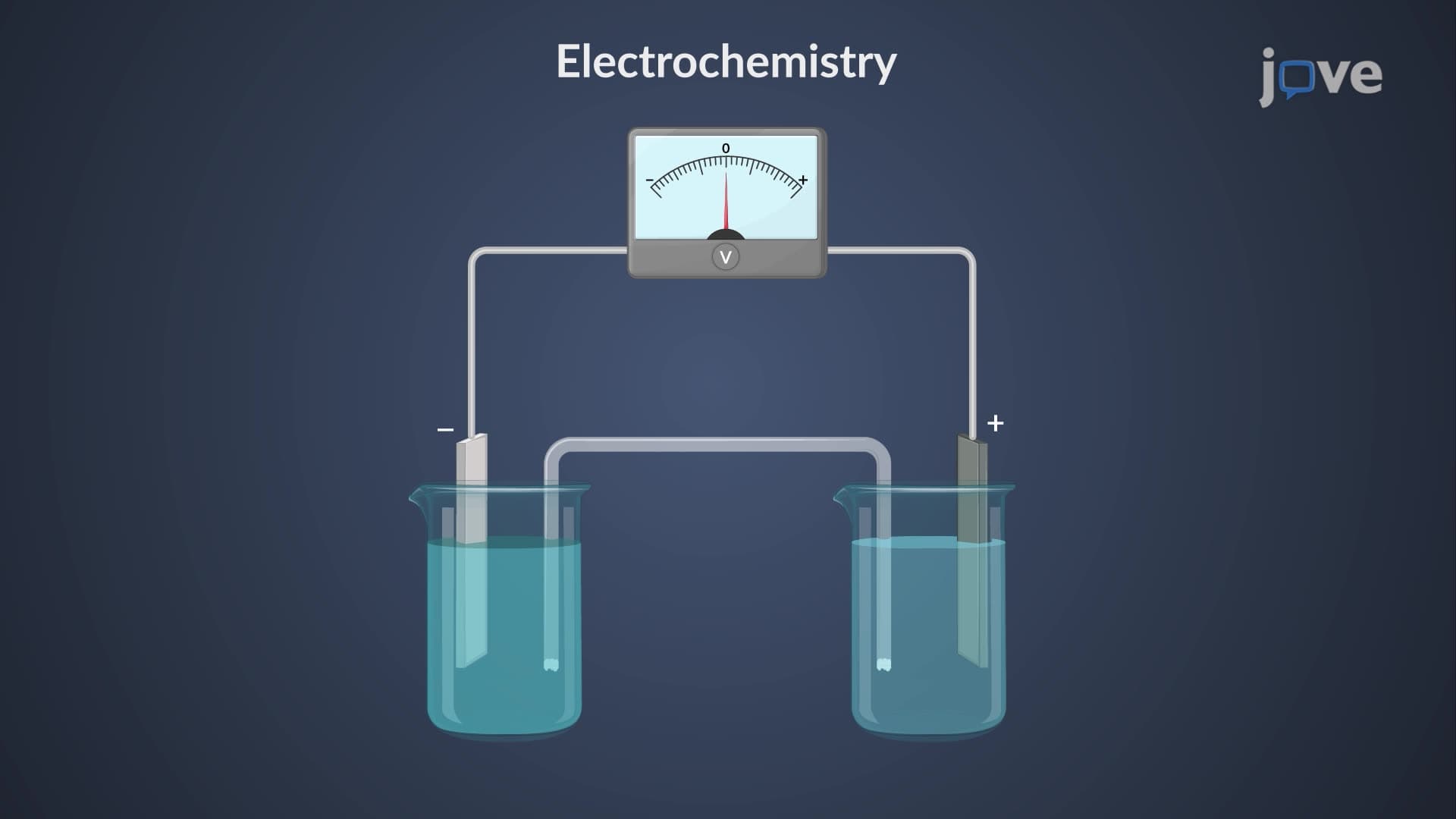
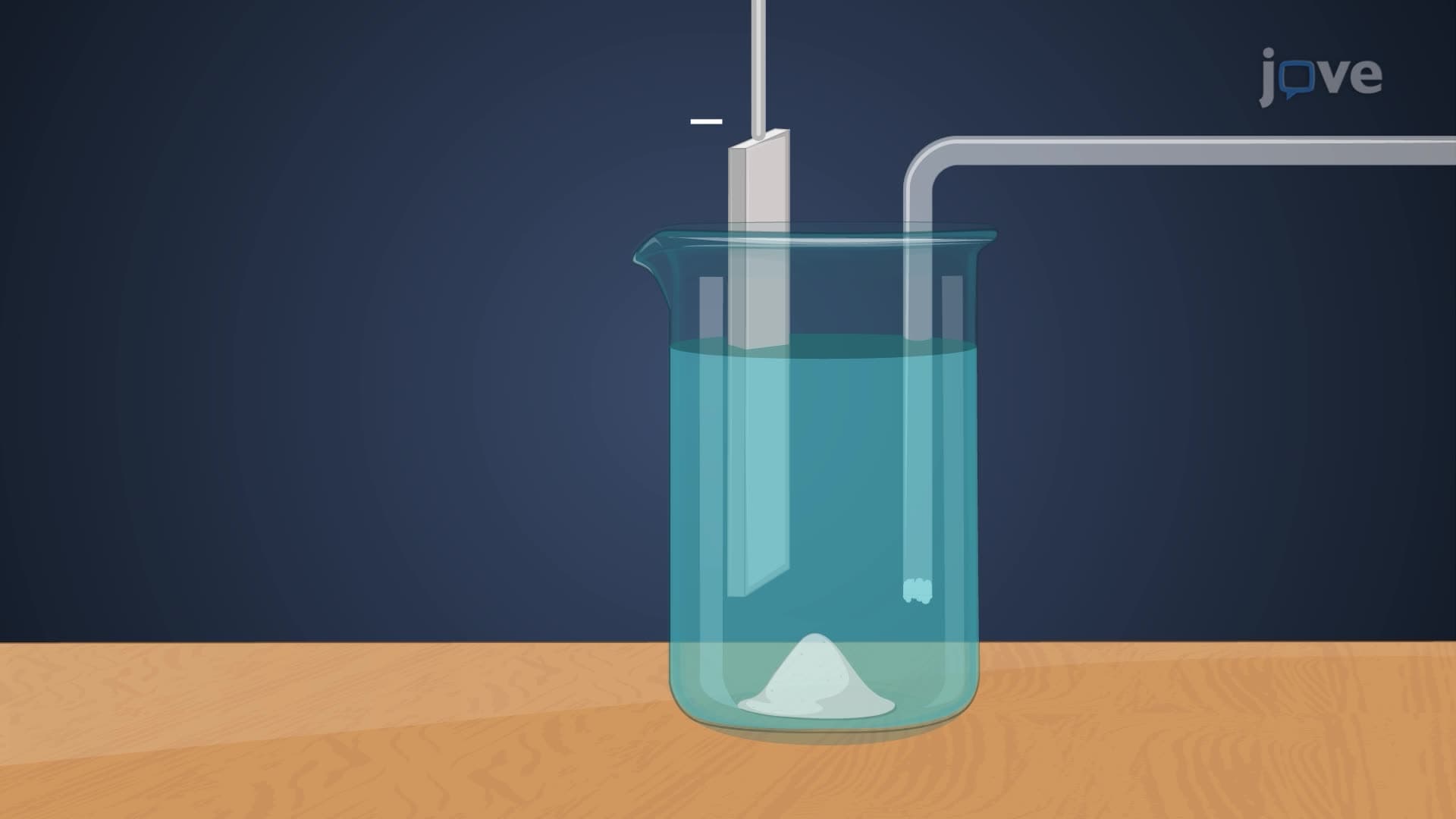
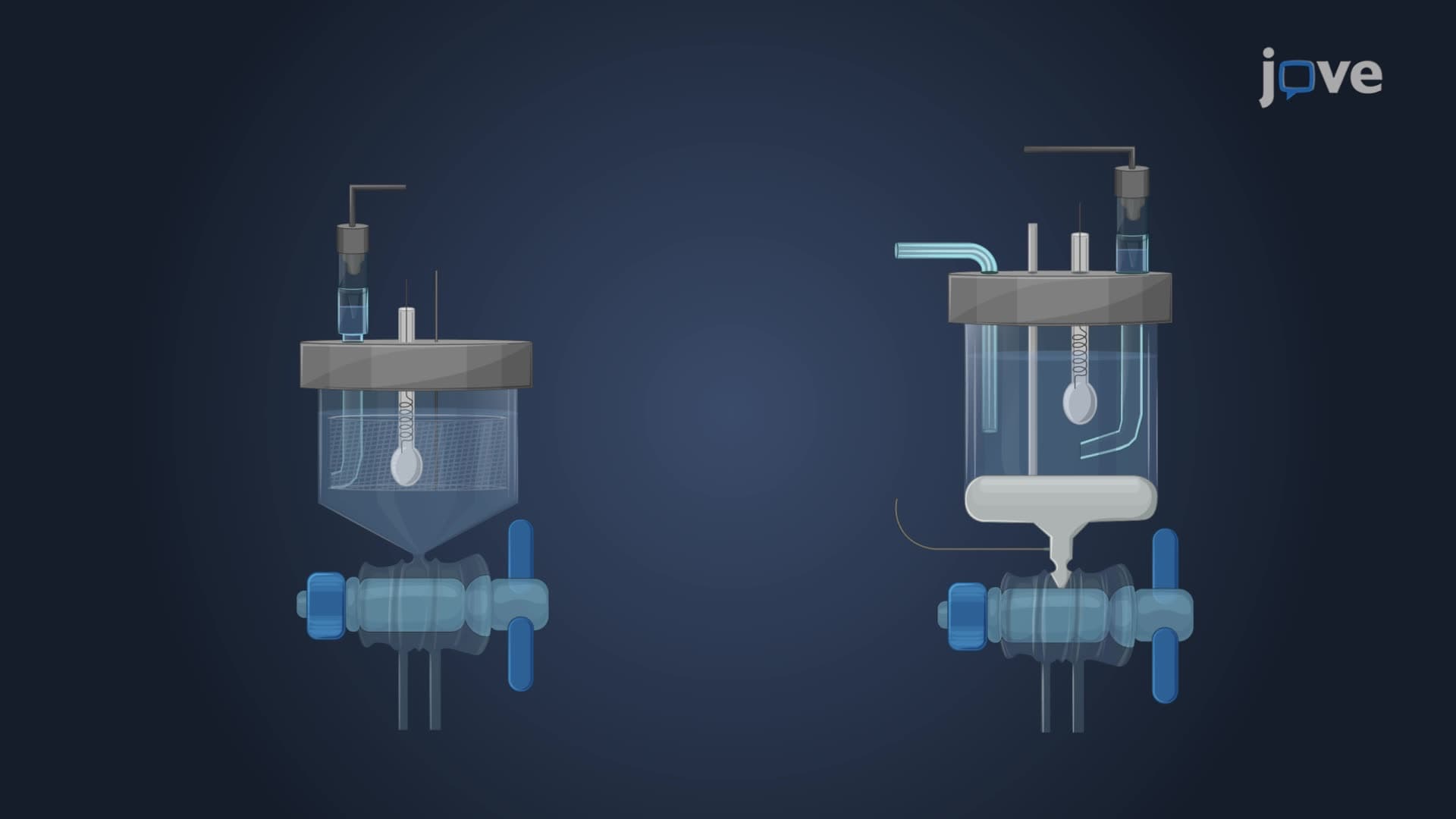
Interfacial electrochemical methods represent a sophisticated class of analytical techniques that focus exclusively on the electrical phenomena occurring at the boundary between an electrode surface and an adjacent solution. Unlike bulk electrochemical methods that consider the entire solution volume, these interfacial approaches provide precise, localized measurements that are essential for modern analytical chemistry applications.
The electrode solution interface serves as the critical measurement zone where electron transfer reactions occur. This interface creates what electrochemists call the electrical double layer-a region of charge separation that generates measurable potentials and currents. Understanding this double layer electrochemistry is fundamental for AP Chemistry students and becomes increasingly important in college-level physical chemistry courses.
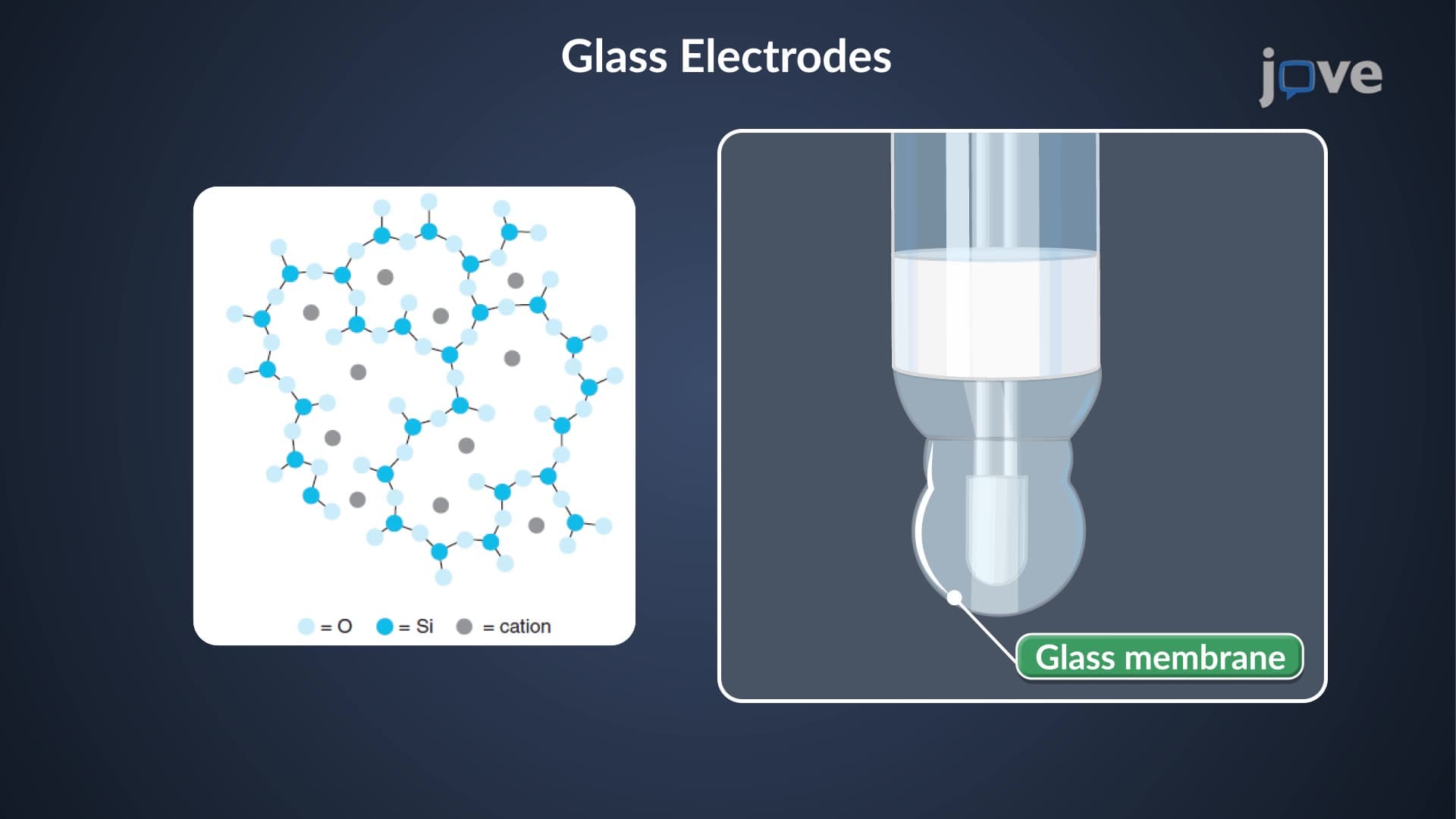
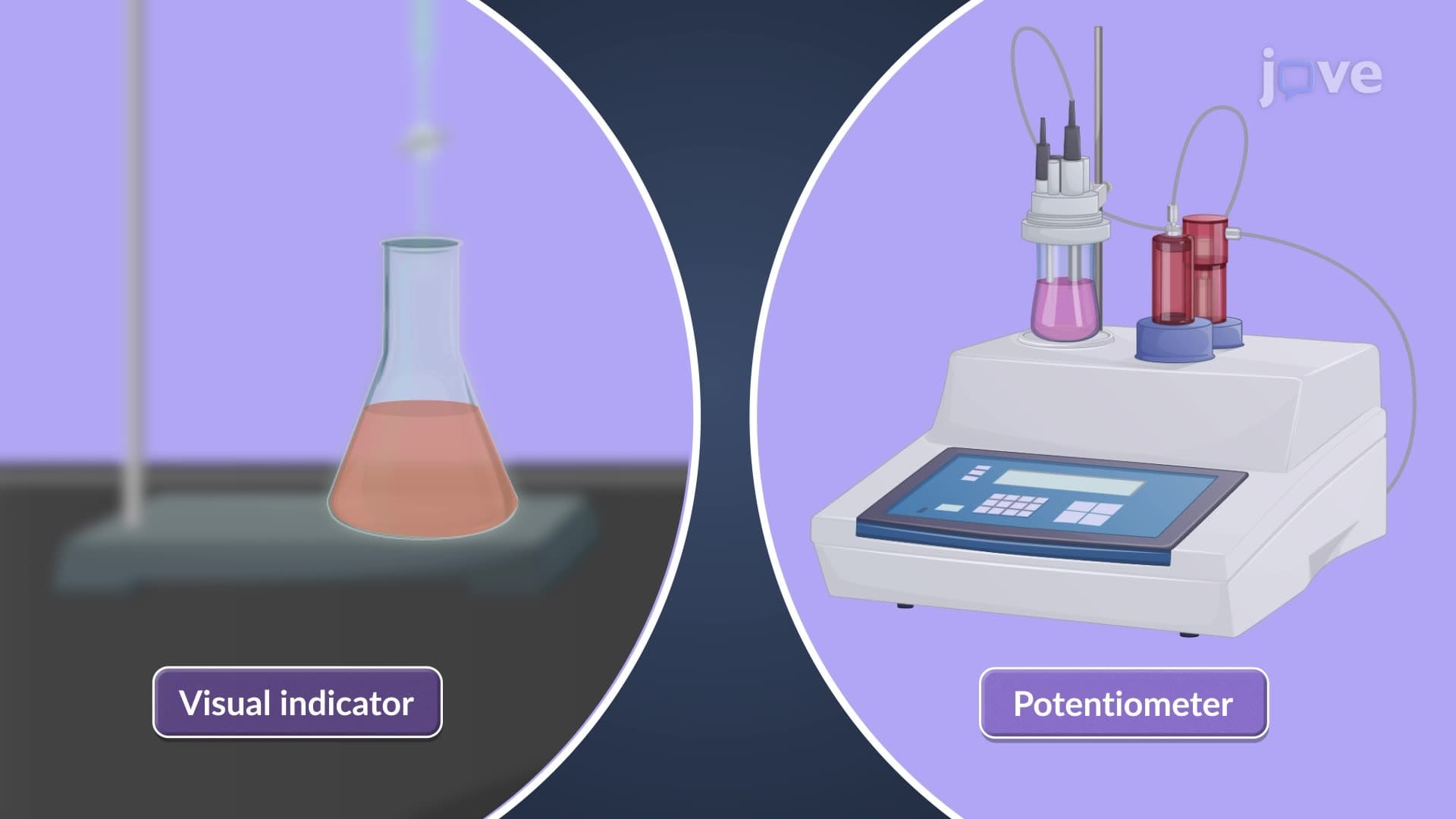
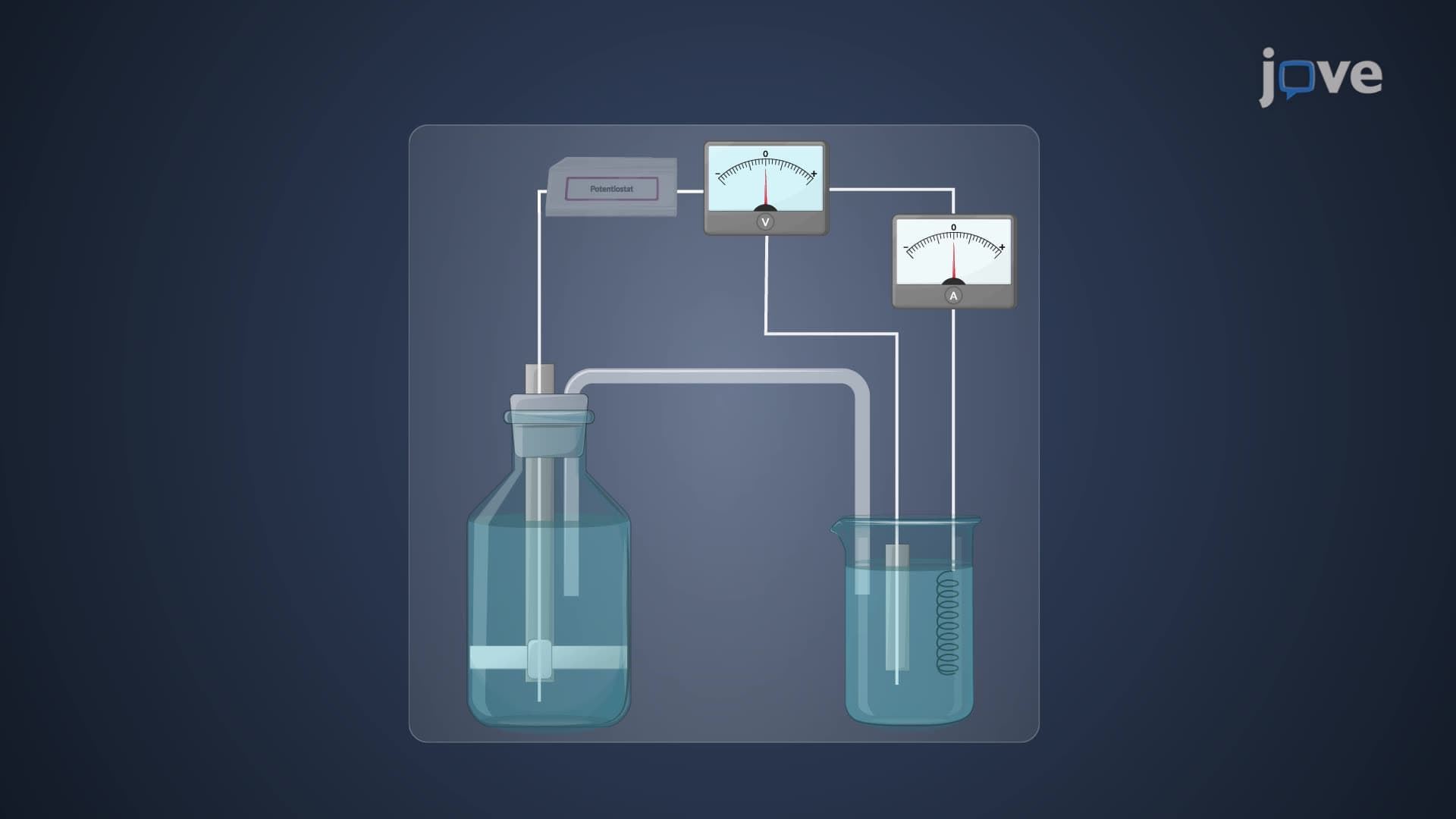
Static interfacial electrochemical methods operate under equilibrium conditions where minimal current flows through the system. Potentiometry, the most common static method, measures the potential difference between electrodes without disturbing the solution composition. This approach is exemplified by pH meters used in every high school chemistry lab across America-from testing soil samples in environmental science classes to monitoring buffer solutions in AP Chemistry experiments.
The beauty of static methods lies in their non-faradaic process nature, meaning no net chemical reaction occurs during measurement. This makes them ideal for continuous monitoring applications like the ion-selective electrodes used in clinical laboratories throughout the United States to measure sodium, potassium, and chloride levels in patient blood samples.
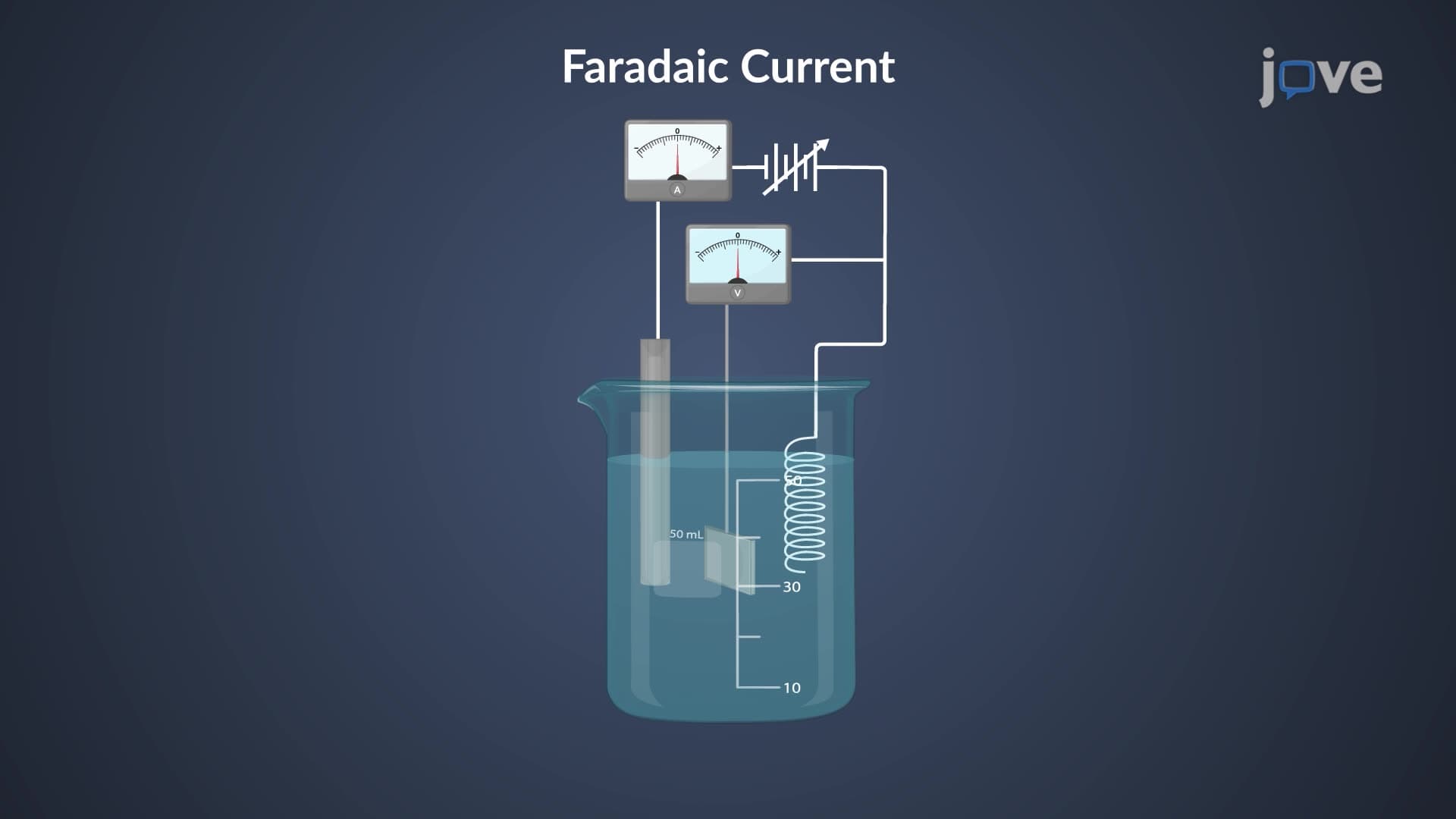
Dynamic electrochemical interfacial methods explained involve deliberate faradaic processes where electrons transfer across the interface, causing chemical changes in the analyte. These methods divide into two main approaches based on experimental control parameters.
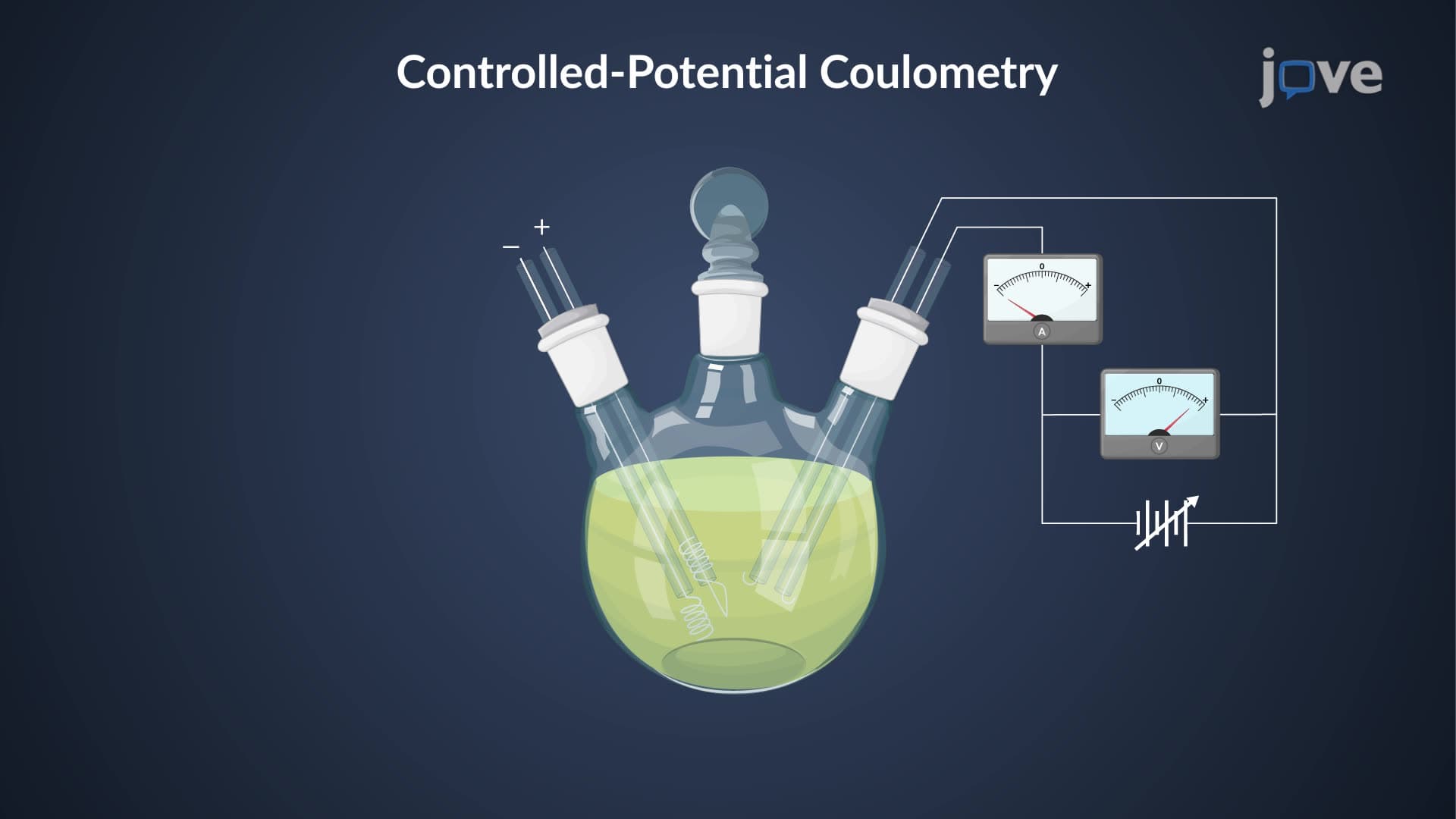
Controlled-current coulometry maintains constant current flow while monitoring voltage changes over time. This technique finds practical application in electroplating industries across the Midwest and in forensic laboratories that use coulometric titrations for precise drug concentration measurements in legal proceedings.
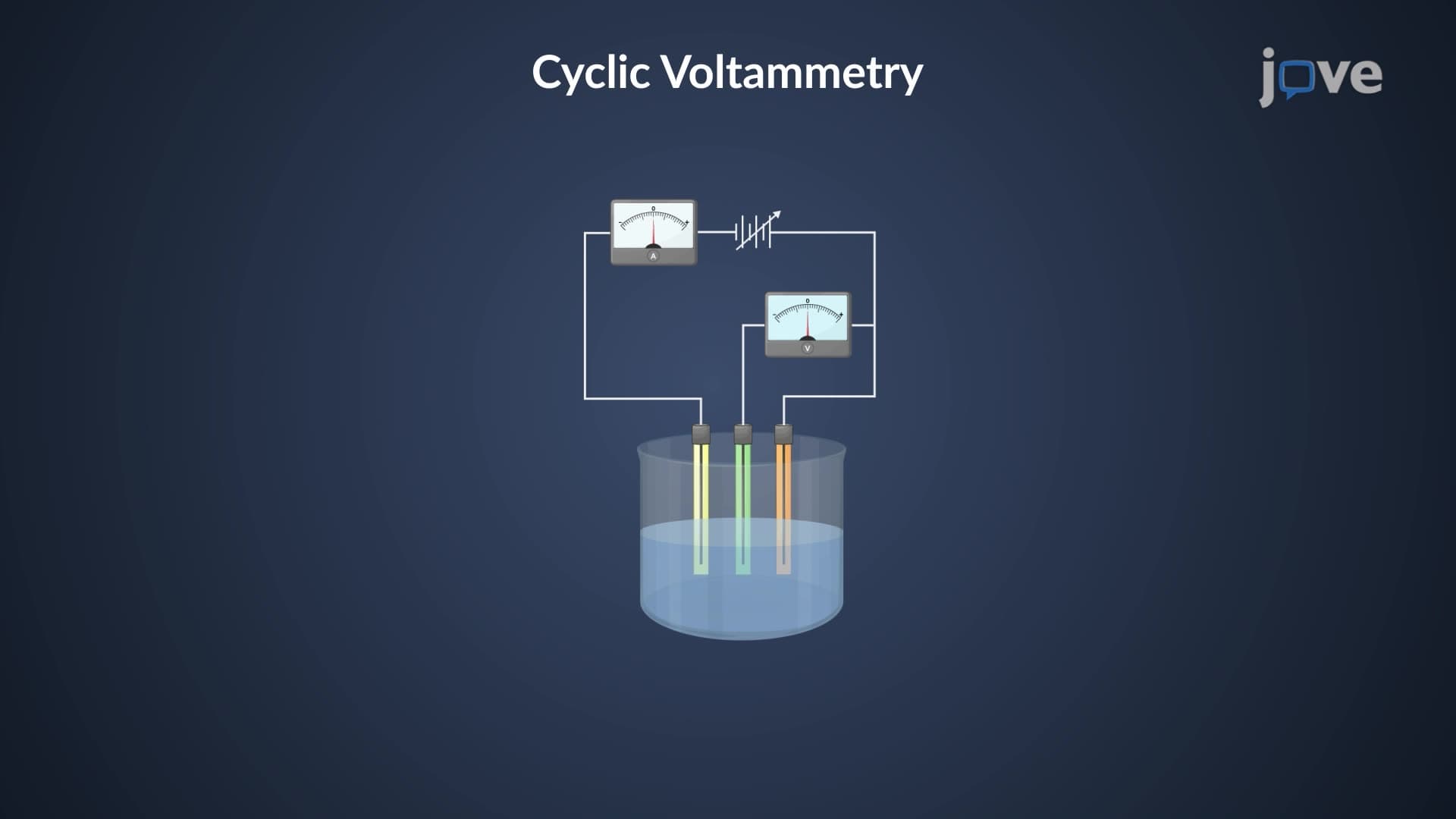
Amperometry, a controlled-potential method, maintains constant voltage while measuring current variations. The glucose monitors used by millions of diabetic Americans rely on amperometric detection, making this concept directly relevant to healthcare applications that students encounter daily.
For students preparing for the MCAT or pursuing chemistry degrees, understanding electrode interface analytical techniques becomes crucial for biochemistry and analytical chemistry coursework. These methods appear frequently in college laboratory courses and serve as foundation knowledge for advanced topics in electroanalytical chemistry, materials science, and biomedical engineering programs at universities nationwide.
Related Micro-courses