Loading subject page…


33,043 views

Video Summary: What are Potentiometry Membrane Electrodes
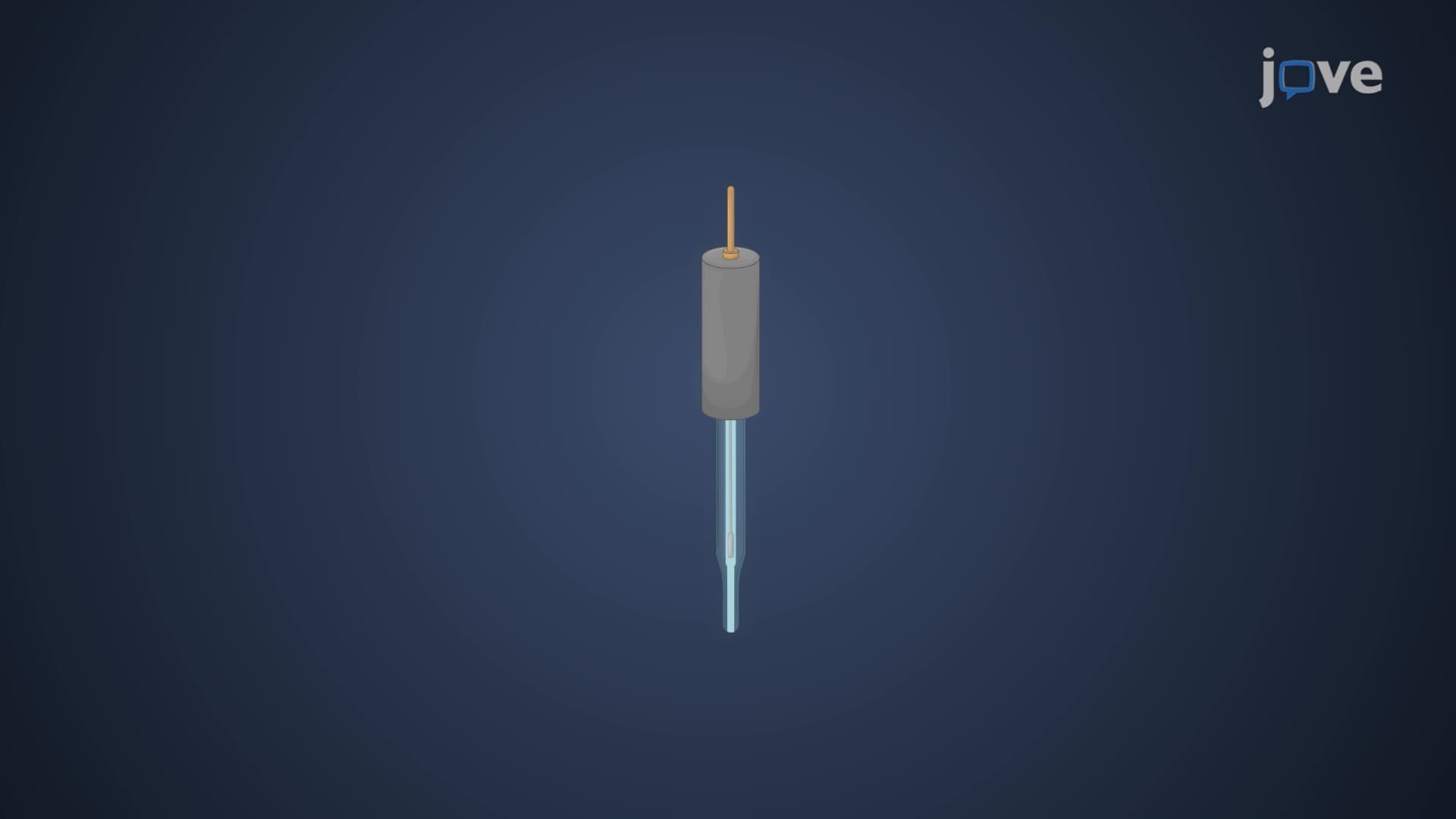
Did you know that the pH meter used in your high school chemistry lab relies on potentiometry membrane electrodes to measure hydrogen ion concentrations with incredible precision? Potentiometry membrane electrodes are specialized sensors that generate electrical potentials by selectively interacting with specific ions through various membrane types. From glass electrodes measuring pH in water treatment facilities across the United States to biosensors detecting glucose levels in diabetic patients, these devices form the backbone of modern analytical chemistry. Watch the full video on JoVE Coach to master this concept with expert-led visuals and step-by-step explanations.
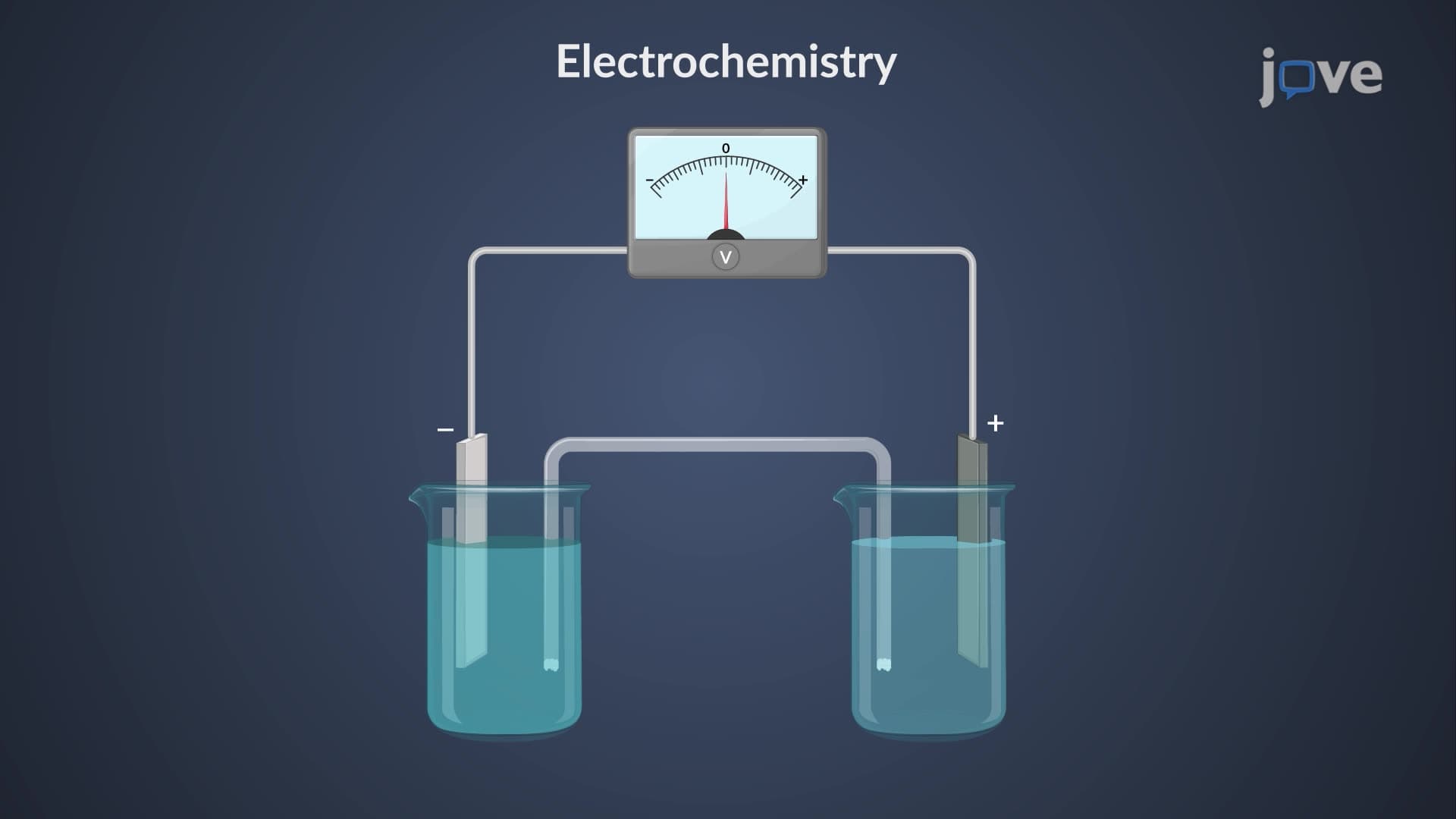
Potentiometry membrane electrodes represent a cornerstone technology in analytical chemistry, functioning as highly selective sensors that convert chemical information into measurable electrical signals. These sophisticated devices operate on the principle that specific membrane materials can selectively interact with target ions, creating a potential difference that correlates directly with analyte concentration. This electrochemical relationship forms the theoretical foundation tested extensively in AP Chemistry exams and college-level analytical chemistry courses.
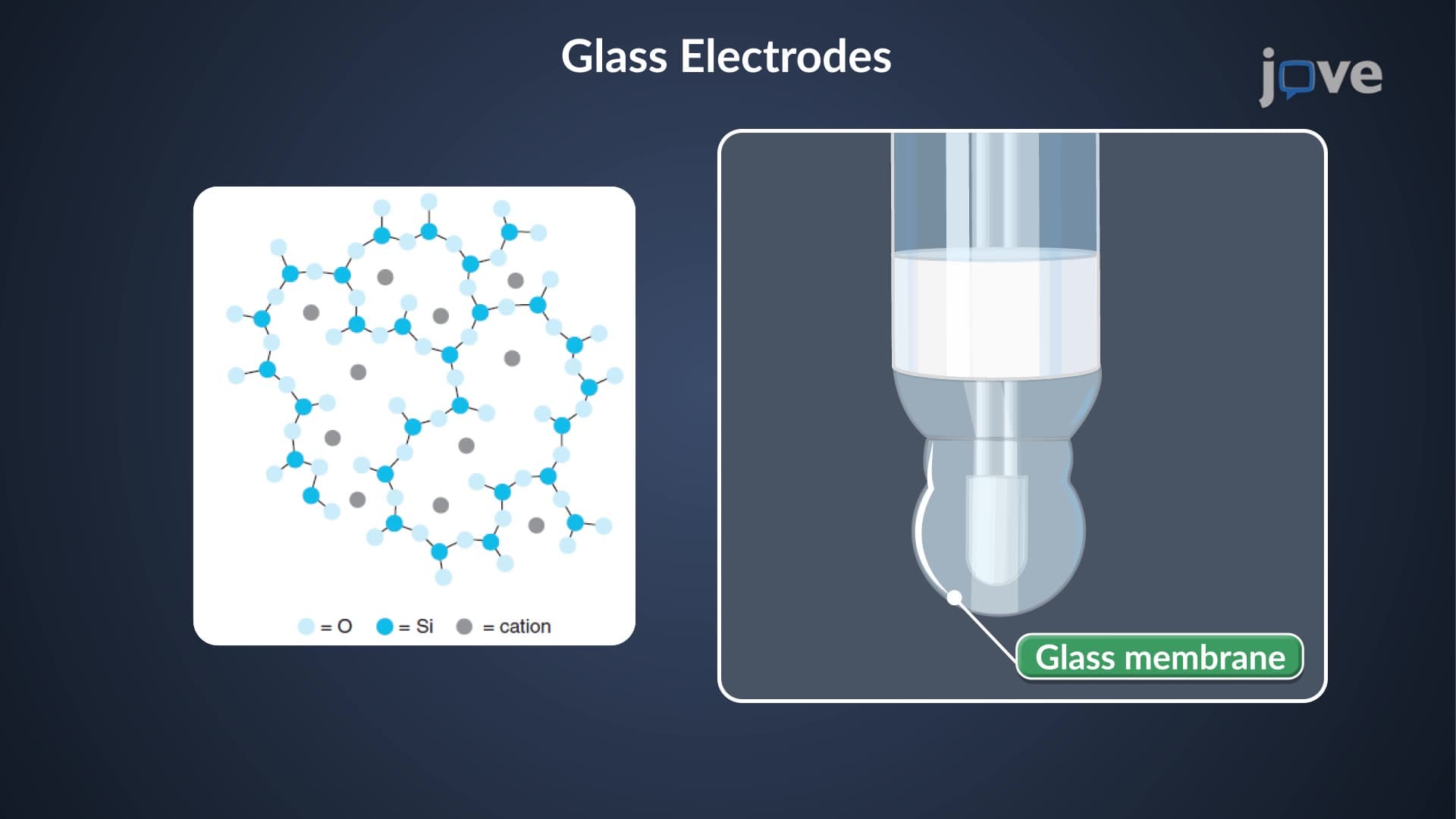
Glass membrane electrodes dominate pH measurements in laboratories across the United States, from high school chemistry classes to EPA water quality monitoring stations. The glass membrane contains metal ions (typically sodium) that hydrate upon contact with aqueous solutions, forming negatively charged silicate sites. When hydrogen ions encounter these sites, they displace the metal counterions with remarkable selectivity at pH ranges below 9. This ion selective membrane electrode behavior explains why pH meters lose accuracy in highly alkaline solutions-a critical concept for students preparing for the MCAT's chemical foundations section.
Crystalline solid-state electrodes utilize inorganic salt crystals as selective barriers, with the crystal lattice structure determining ion specificity. For example, a silver chloride membrane electrode responds selectively to chloride ions, making it invaluable for monitoring salt levels in food processing facilities. Meanwhile, liquid membrane electrodes employ hydrophobic membranes containing organic ion exchangers dissolved in water-immiscible solvents. These systems excel in detecting large organic ions and find applications in pharmaceutical analysis and environmental monitoring.
Gas-sensing electrodes extend potentiometric principles to gaseous analytes by incorporating gas-permeable membranes. Carbon dioxide sensors in hospital ventilators exemplify this technology, where CO2 diffuses through the membrane into an internal electrolyte, generating measurable potential changes. Potentiometric biosensors represent the cutting edge, combining biological recognition elements with electrochemical detection. Glucose biosensors used by millions of American diabetics demonstrate how enzymes immobilized on electrode surfaces can provide highly specific measurements crucial for medical management.
Related Micro-courses