Loading video…


 24 Concepts
 33.1K views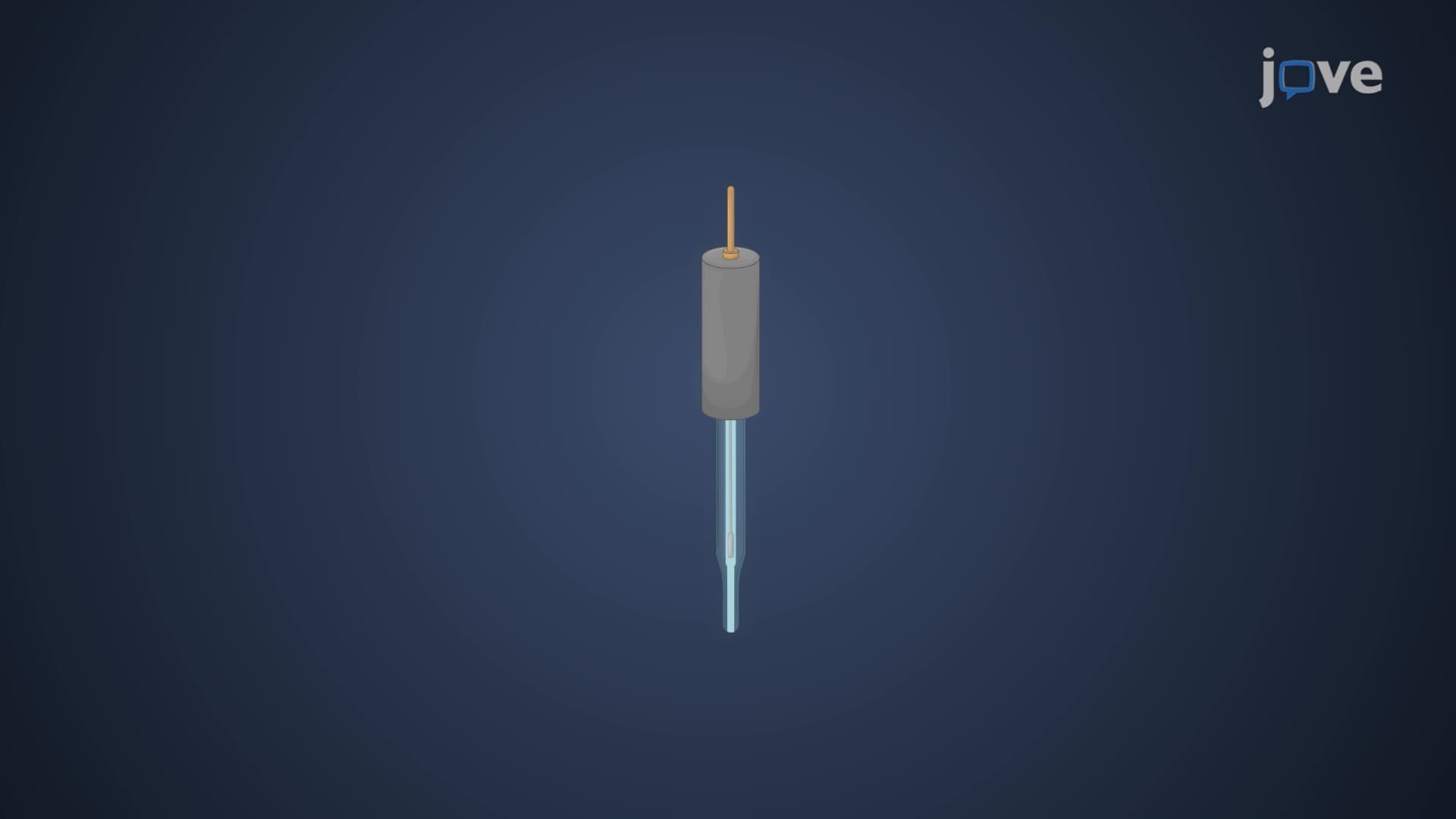

Video Summary: What are Potentiometry Types of Electrodes
Ever wondered how water treatment plants monitor pH levels in millions of gallons daily? Potentiometry electrode types make this precision possible through specialized sensors that measure electrical potential differences in solutions. From the saturated calomel electrode used in EPA water quality testing to types of electrodes in potentiometry like ion-selective membranes, these tools are essential for accurate chemical analysis across industries. Watch the full video on JoVE Coach to master this concept with expert-led visuals and step-by-step explanations.
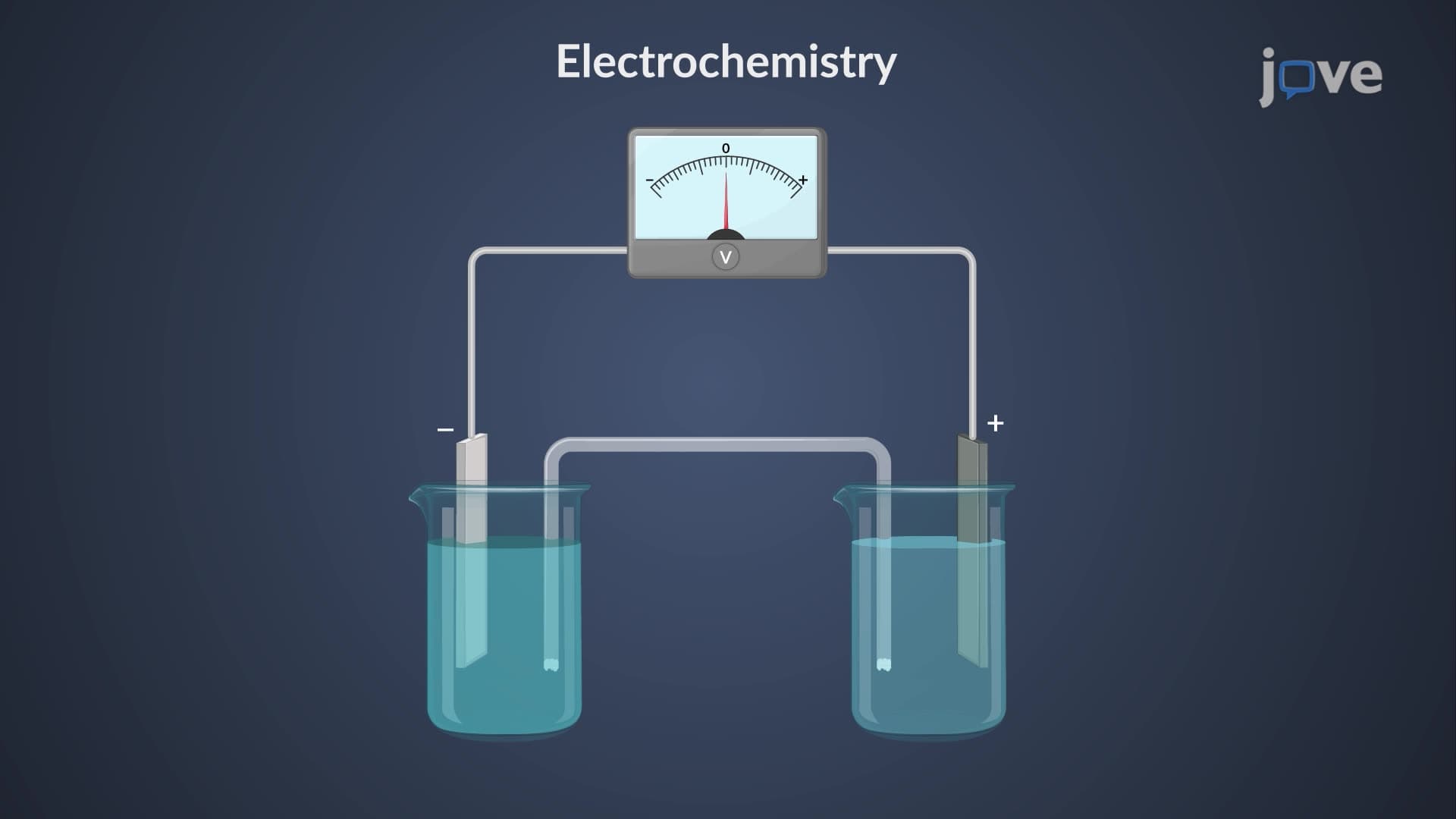
Potentiometric electrodes form the foundation of modern analytical chemistry, enabling precise measurement of electrical potential differences that reveal solution composition. These sophisticated sensors operate on the principle that different ions and compounds create measurable voltage changes, making them indispensable tools in everything from pharmaceutical quality control to environmental monitoring.
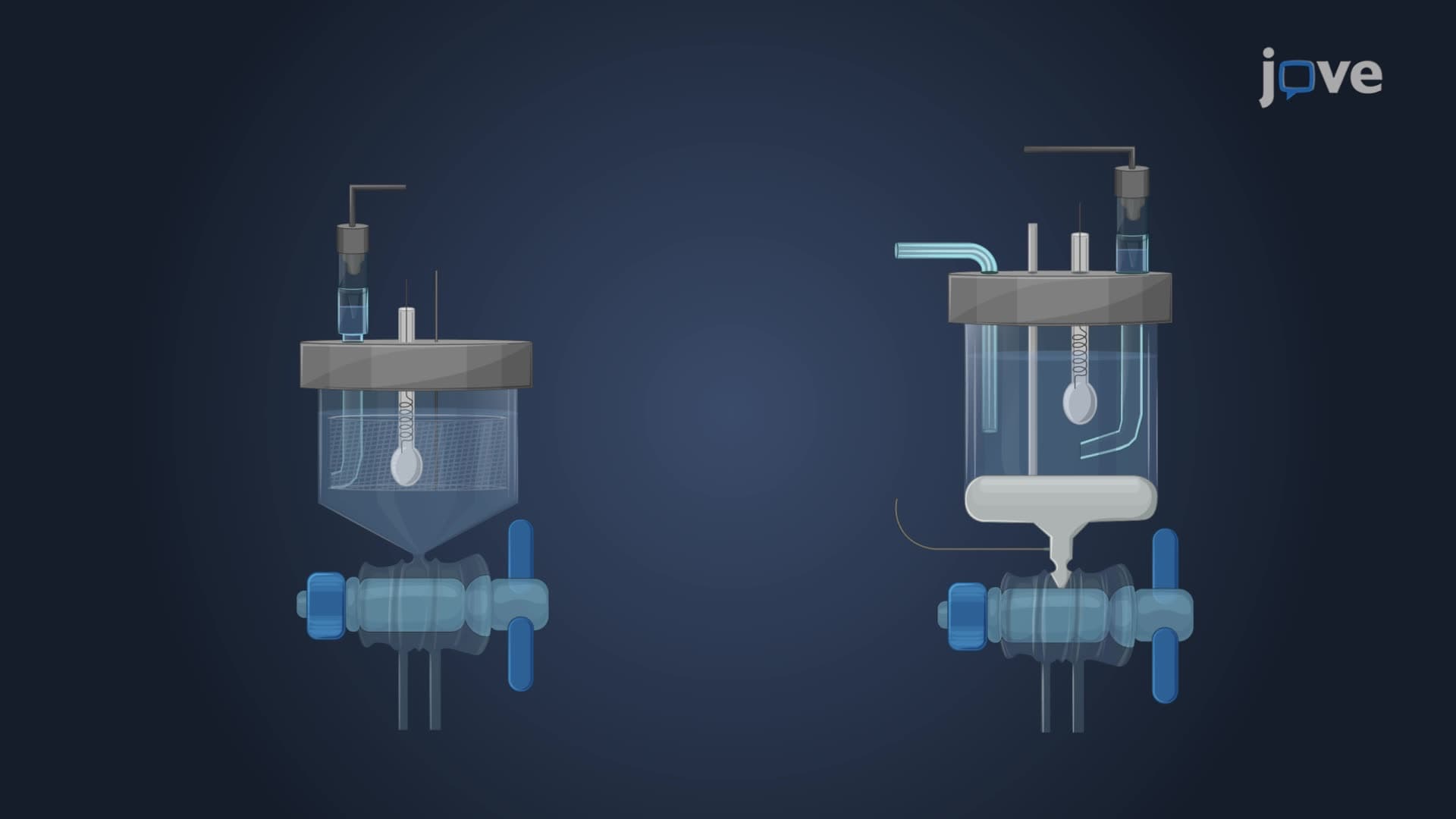
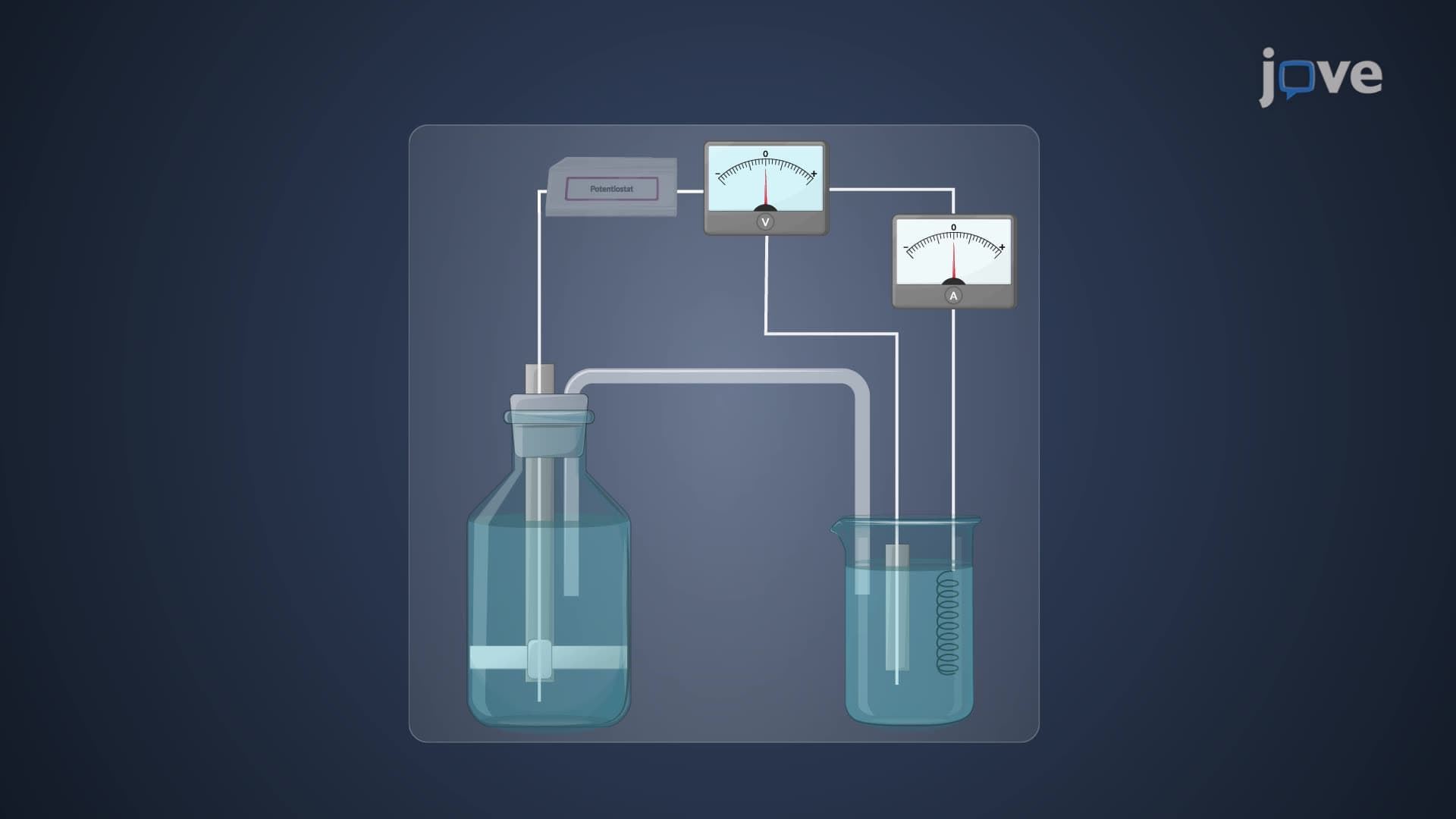
Reference electrode potentiometry relies on electrodes that maintain constant, known potentials regardless of solution composition. The standard hydrogen electrode (SHE), defined as zero potential under standard conditions, serves as the universal reference point but requires continuous hydrogen gas flow, making it impractical for routine use. The saturated calomel electrode (SCE) offers greater convenience with its stable mercury-based system, though temperature sensitivity and potential mercury contamination limit its applications in modern laboratories.
The silver/silver chloride reference electrode has become increasingly popular in U.S. clinical laboratories and water treatment facilities. While it handles higher temperatures better than SCE, junction plugging from analyte reactions can compromise measurements. These practical considerations explain why AP Chemistry and college analytical chemistry courses emphasize electrode selection criteria alongside theoretical principles.
Indicator electrode potentiometry encompasses electrodes designed to respond predictably to specific solution components. Metallic indicator electrodes operate through direct reactions with target cations or form sparingly soluble compounds with specific anions. For example, silver electrodes respond to silver ions or chloride through silver chloride formation, making them valuable in pharmaceutical analysis and environmental testing.
Inert metallic electrodes, typically platinum or gold, function differently by facilitating electron transfer in redox reactions without participating chemically. These electrodes are crucial in industrial applications like battery manufacturing and metal processing, where redox potential monitoring ensures product quality.
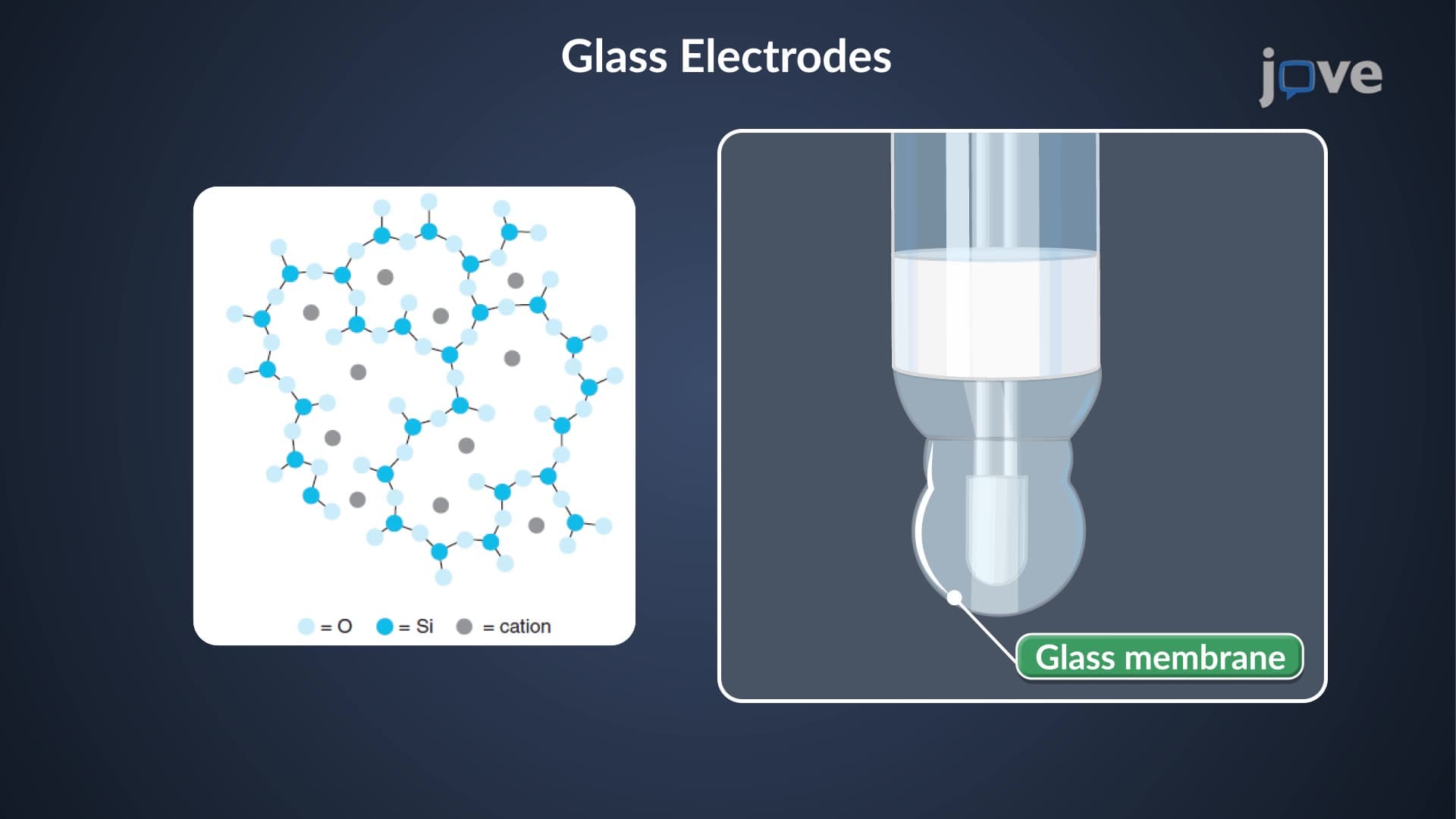
Ion selective electrode types represent the most sophisticated category, using specialized membranes to achieve remarkable selectivity. Glass electrode potentiometry dominates pH measurements in U.S. laboratories, from high school chemistry classes to FDA pharmaceutical testing. These electrodes utilize thin glass membranes that respond specifically to hydrogen ions, providing the accuracy required for regulatory compliance.
Modern membrane electrodes extend beyond pH measurement to detect specific ions like sodium, potassium, and calcium. Clinical laboratories use these for electrolyte panels in patient diagnosis, while food manufacturers employ them for quality control. Understanding electrode classification potentiometry helps students appreciate how membrane composition determines selectivity-knowledge essential for MCAT preparation and analytical chemistry coursework.
Related Micro-courses