Loading subject page…


33,040 views


Video Summary: What are Voltammetry Stripping Methods
Did you know that trace amounts of lead in drinking water-as little as 15 parts per billion-can be detected using voltammetry stripping methods? These powerful analytical techniques preconcentrate metal ions onto electrode surfaces before measuring them, making it possible to detect contamination levels that would otherwise be impossible to measure. The EPA relies on these methods to monitor heavy metals in US water supplies. What are voltammetry stripping methods and how do they achieve such incredible sensitivity? Watch the full video on JoVE Coach to master this concept with expert-led visuals and step-by-step explanations.
Voltammetry stripping methods represent a revolutionary approach in analytical chemistry, combining the selectivity of voltammetry with powerful preconcentration techniques. Unlike conventional voltammetric methods that measure analytes directly in solution, stripping methods first accumulate target species onto an electrode surface, dramatically improving detection limits. This preconcentration step is what makes these techniques invaluable for trace analysis applications, from environmental monitoring to pharmaceutical quality control.
The fundamental principle involves two distinct phases: accumulation and stripping. During accumulation, analytes concentrate on the electrode surface through reduction, oxidation, or adsorption. The stripping phase then removes these accumulated species while measuring the resulting current, which directly correlates with the original analyte concentration in the sample.
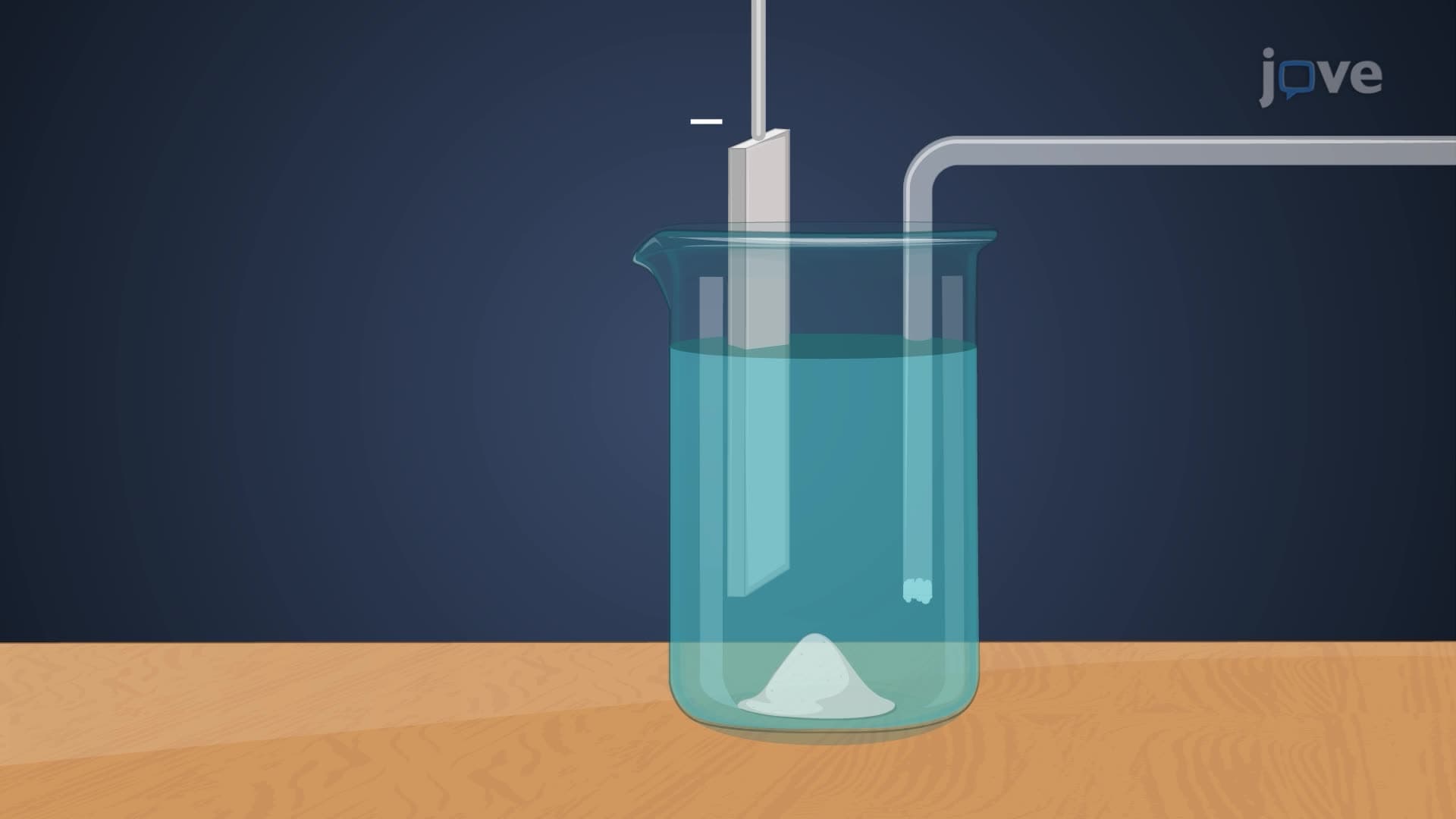
Anodic stripping voltammetry (ASV) stands as the most widely used stripping method, particularly effective for detecting heavy metals like lead, cadmium, and zinc. The process begins with applying a negative (cathodic) potential to reduce metal ions in solution to their metallic forms, which deposit onto the working electrode surface. This preconcentration step typically lasts several minutes, allowing significant accumulation even from dilute solutions.
The stripping phase involves scanning the potential in the positive (anodic) direction, oxidizing the deposited metals back to their ionic forms. As each metal strips off at its characteristic potential, a distinct current peak appears. The peak height directly relates to the amount of metal originally present in the sample. This technique routinely achieves detection limits in the parts-per-billion range, making it essential for EPA water quality assessments and FDA food safety testing.
Cathodic stripping voltammetry offers unique advantages for analyzing certain anions and organic compounds. This method typically uses mercury electrodes, where the mercury itself undergoes oxidation to form compounds with the target analytes. These compounds deposit as insoluble films on the electrode surface. The stripping occurs by scanning toward more negative potentials, measuring the cathodic current as the films dissolve back into solution.
Adsorptive stripping voltammetry provides the most versatile approach, capable of analyzing species that don't readily undergo electron transfer reactions. Instead of electrolytic deposition, analytes simply adsorb onto the electrode surface through physical or chemical interactions. This method proves particularly valuable for organic compounds and metal complexes, expanding stripping voltammetry's applicability beyond simple metal ions.
Students preparing for AP Chemistry exams or college analytical chemistry courses should focus on understanding how the preconcentration principle enhances sensitivity and why different stripping modes suit different types of analytes. MCAT preparation often includes questions about electrochemical detection methods in biological systems, where these concepts frequently appear.
Related Micro-courses