Loading subject page…


33,043 views


Video Summary: What are Voltammograms
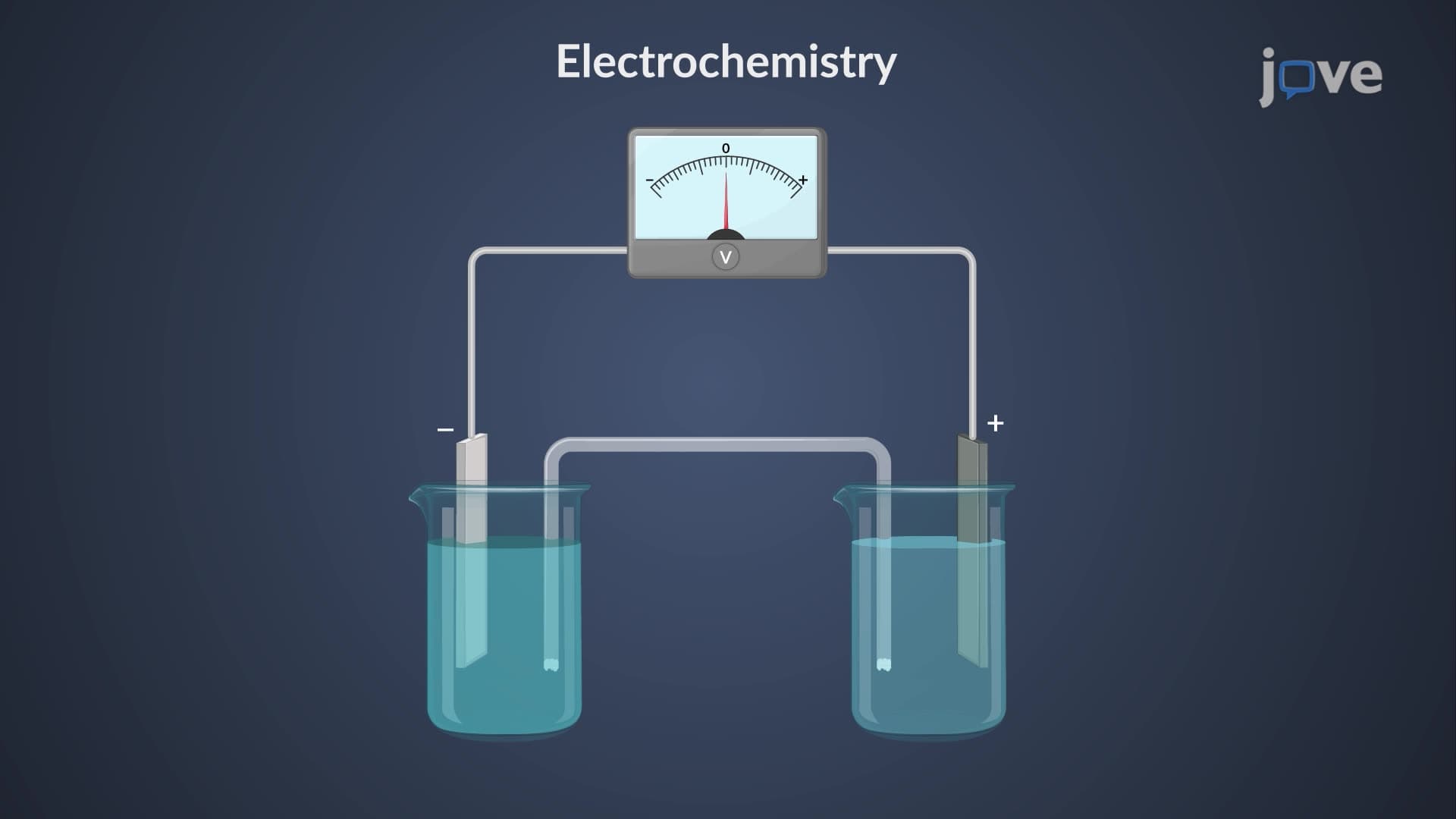
Ever wondered how forensic labs determine exact drug concentrations in blood samples? Voltammograms explained through electrochemical analysis make this precision possible by plotting current versus applied voltage to reveal chemical fingerprints. The FDA uses these current-voltage curves to verify medication purity in pharmaceutical manufacturing across facilities from California to New York. Understanding what voltammograms are opens doors to careers in analytical chemistry, environmental monitoring, and medical diagnostics. Watch the full video on JoVE Coach to master this concept with expert-led visuals and step-by-step explanations.
What is a voltammogram in analytical chemistry? At its core, a voltammogram serves as an electrochemical fingerprint, plotting electrical current (y-axis) against applied voltage or potential (x-axis). This fundamental tool transforms invisible molecular interactions into visual data that chemists can interpret and quantify. Students preparing for AP Chemistry or college-level analytical chemistry courses encounter voltammograms as essential diagnostic tools that bridge theoretical electrochemistry with practical laboratory applications.
The shape of a current voltage curve voltammogram reveals critical information about experimental conditions and analyte behavior. Under convective conditions-where solution stirring creates fluid movement-voltammograms display characteristic sigmoid (S-shaped) curves. This occurs because mechanical stirring maintains a constant diffusion layer thickness, allowing current to plateau at a limiting value. Conversely, static conditions without convection produce peaked voltammograms as the diffusion layer expands over time, creating the distinctive peak current voltammogram profile that analytical chemists recognize immediately.
Voltammogram peak potential measurements provide quantitative insights into redox reactions. The peak current directly correlates with analyte concentration-doubling the concentration doubles the peak height. This proportional relationship enables precise quantitative analysis, explaining why pharmaceutical companies like Pfizer and Johnson & Johnson rely on voltammetric methods for drug purity testing. Meanwhile, voltammogram shape analysis reveals reaction mechanisms, with sharp peaks indicating reversible reactions and broader peaks suggesting coupled chemical reactions.
Cathodic anodic voltammogram analysis finds extensive use across American industries. Environmental Protection Agency laboratories employ voltammetric techniques to monitor heavy metal contamination in drinking water supplies. Hospital laboratories use these methods for therapeutic drug monitoring, ensuring patients receive appropriate medication dosages. Students studying for the MCAT encounter voltammetry in biochemistry contexts, particularly when learning about enzyme kinetics and metabolic pathways where electron transfer plays crucial roles.
Understanding voltammograms prepares students for advanced coursework in physical chemistry, biochemistry, and materials science, while providing practical skills valued by employers in pharmaceutical, environmental, and forensic science sectors.
Related Micro-courses