Loading subject page…


33,041 views


Video Summary: What Is Amperometry
Ever wonder how your glucose meter instantly measures blood sugar levels with just a tiny drop of blood? Amperometry analytical chemistry makes this life-saving technology possible by measuring electric current at a fixed voltage to determine chemical concentrations. This electroanalytical technique powers everything from diabetic glucose monitors used by millions of Americans to dissolved oxygen sensors in hospital blood gas analyzers. What is amperometry transforms complex chemical detection into precise, quantifiable measurements that save lives daily. Watch the full video on JoVE Coach to master this concept with expert-led visuals and step-by-step explanations.
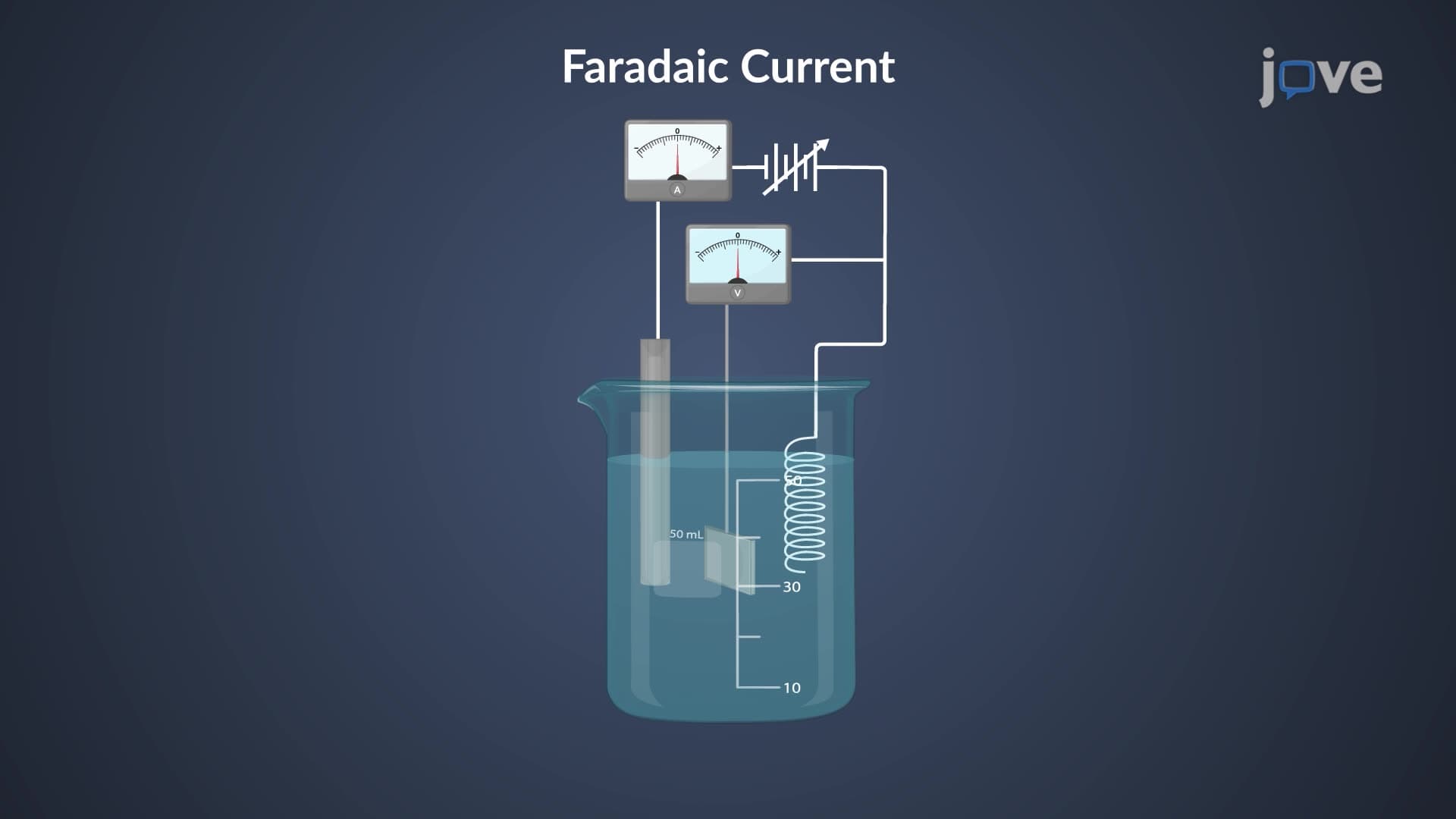
Amperometry analytical chemistry represents one of the most practical and widely-used electroanalytical methods in modern science and medicine. At its core, amperometry measures the electric current produced when target molecules undergo oxidation or reduction reactions at an electrode surface while maintaining a constant applied voltage. This fixed potential amperometry approach ensures that only specific chemical species react, providing both selectivity and quantitative accuracy.
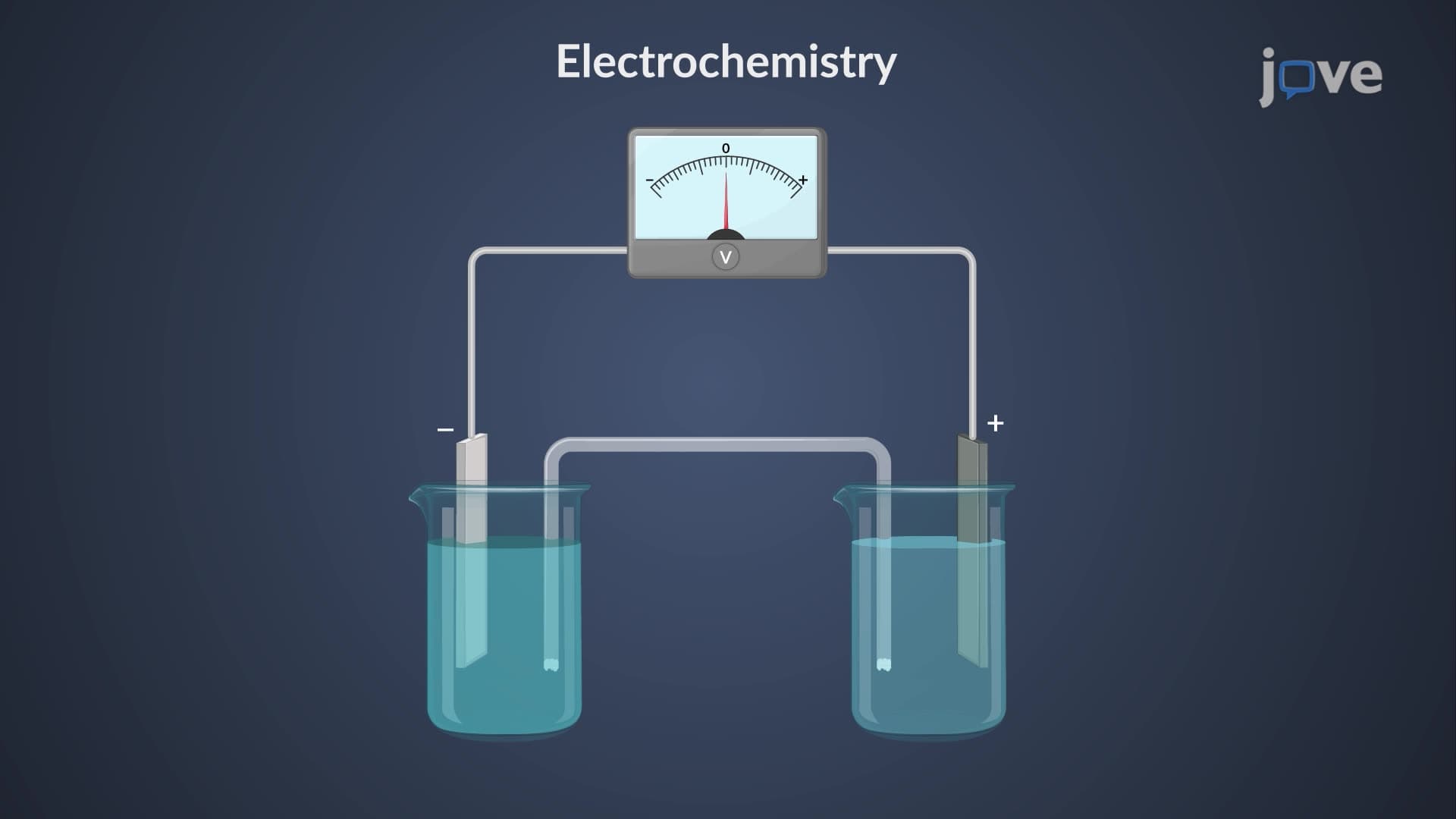
The fundamental principle relies on Faraday's laws of electrolysis, where the measured current directly correlates with the number of electrons transferred during the electrochemical reaction. This relationship makes amperometric measurement explained through the simple equation: current = (number of electrons) × (reaction rate) × (Faraday constant). Students preparing for AP Chemistry or college-level analytical chemistry courses should recognize this as a practical application of electrochemistry principles.
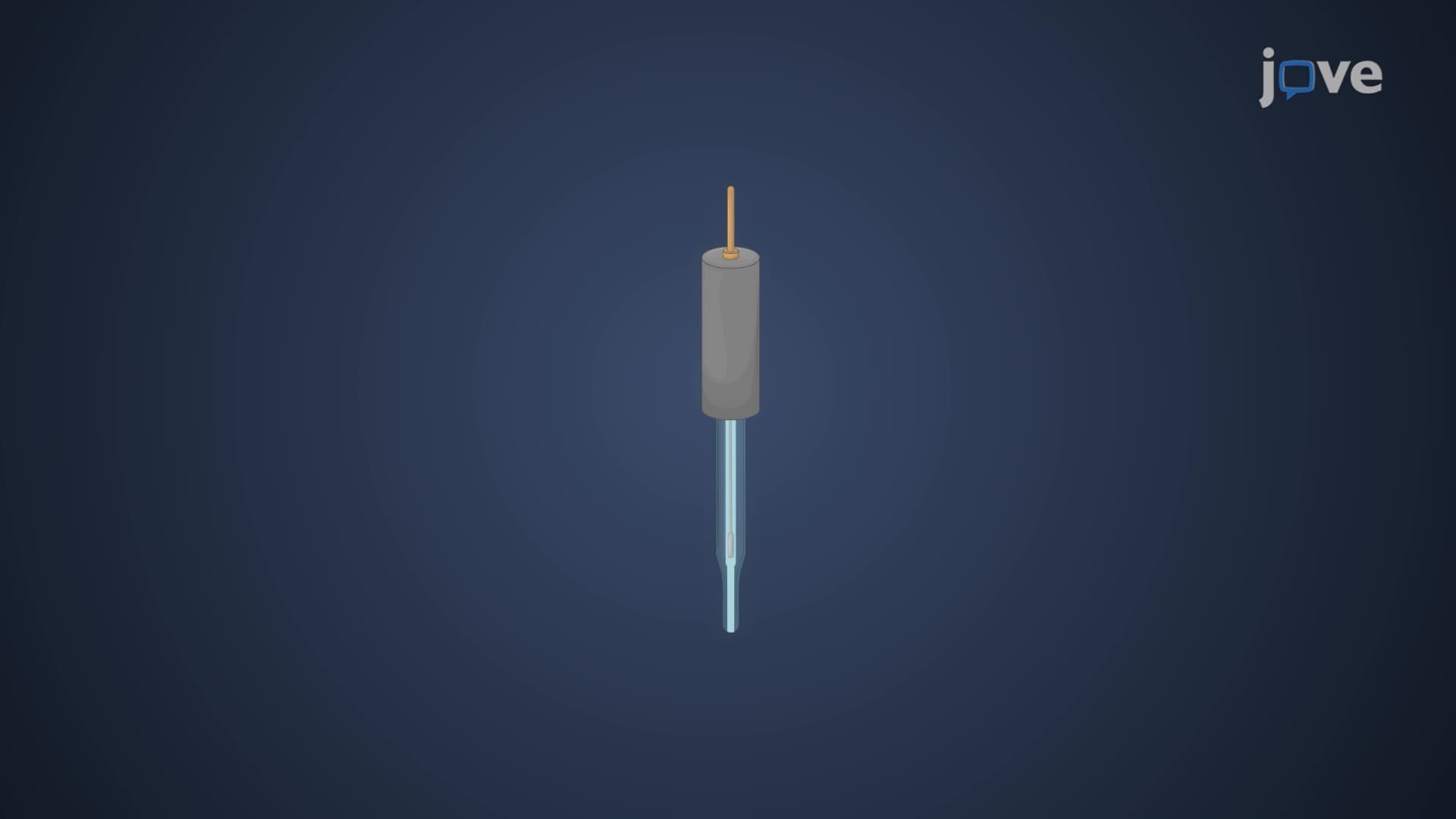
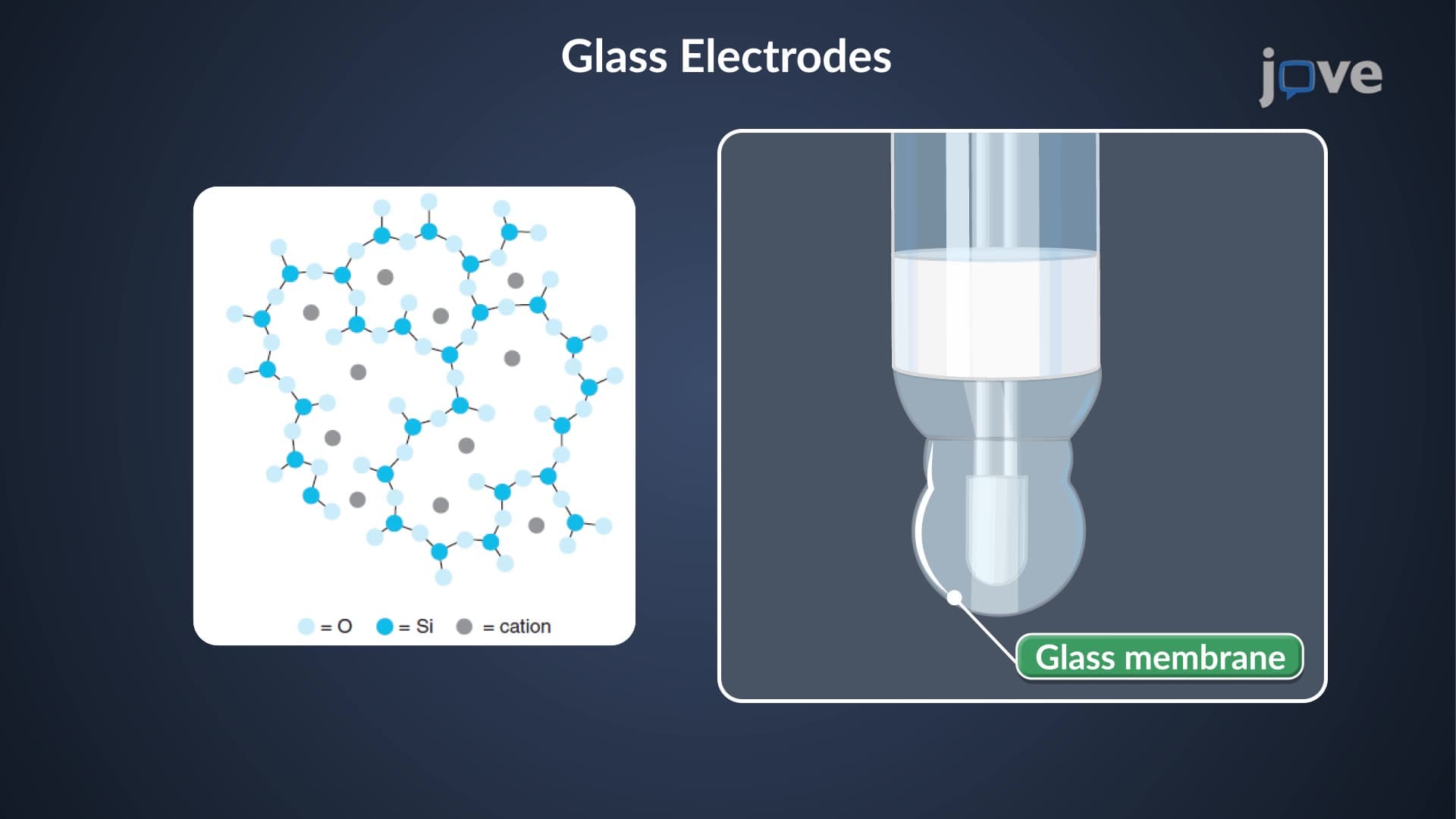
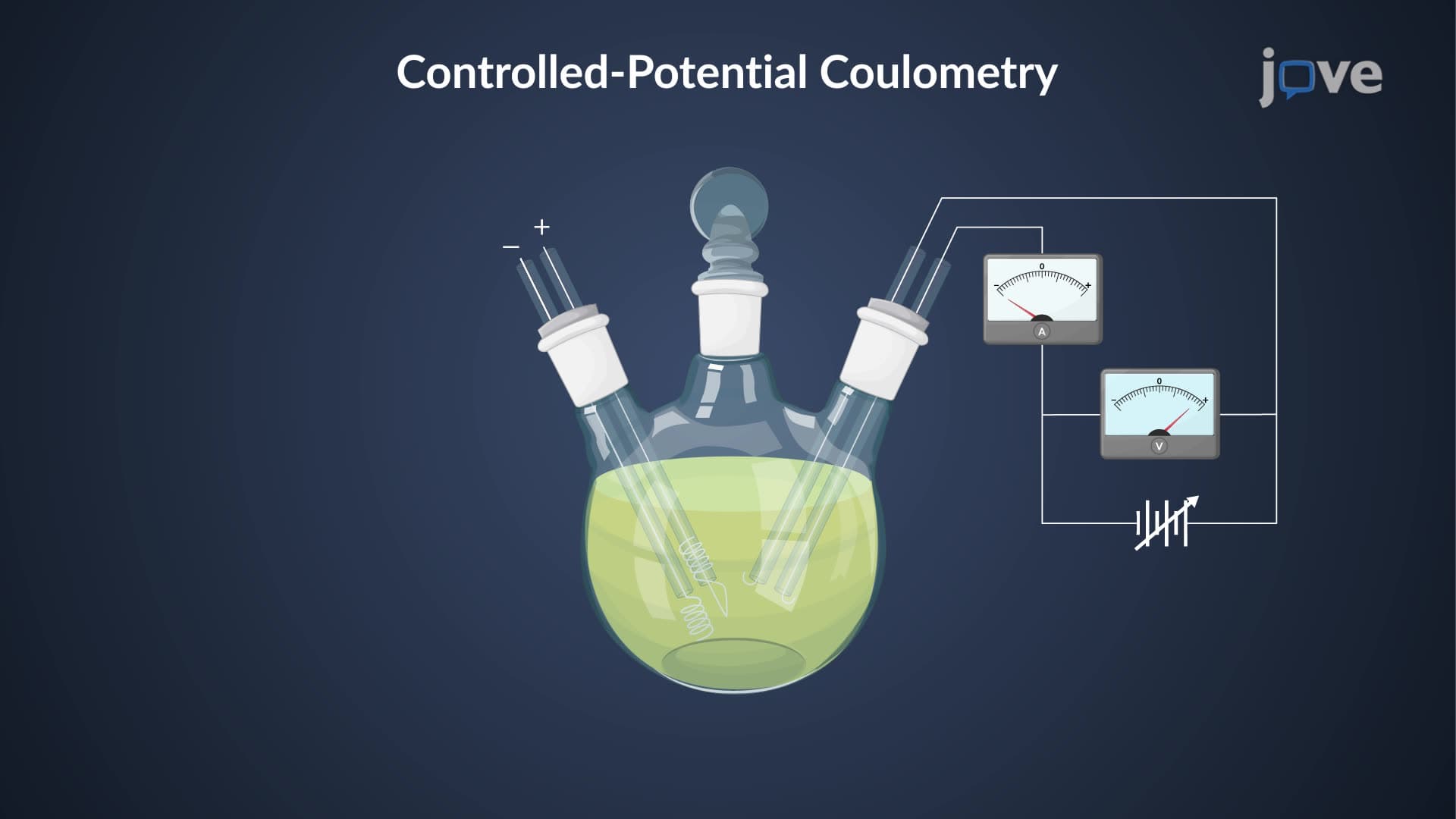
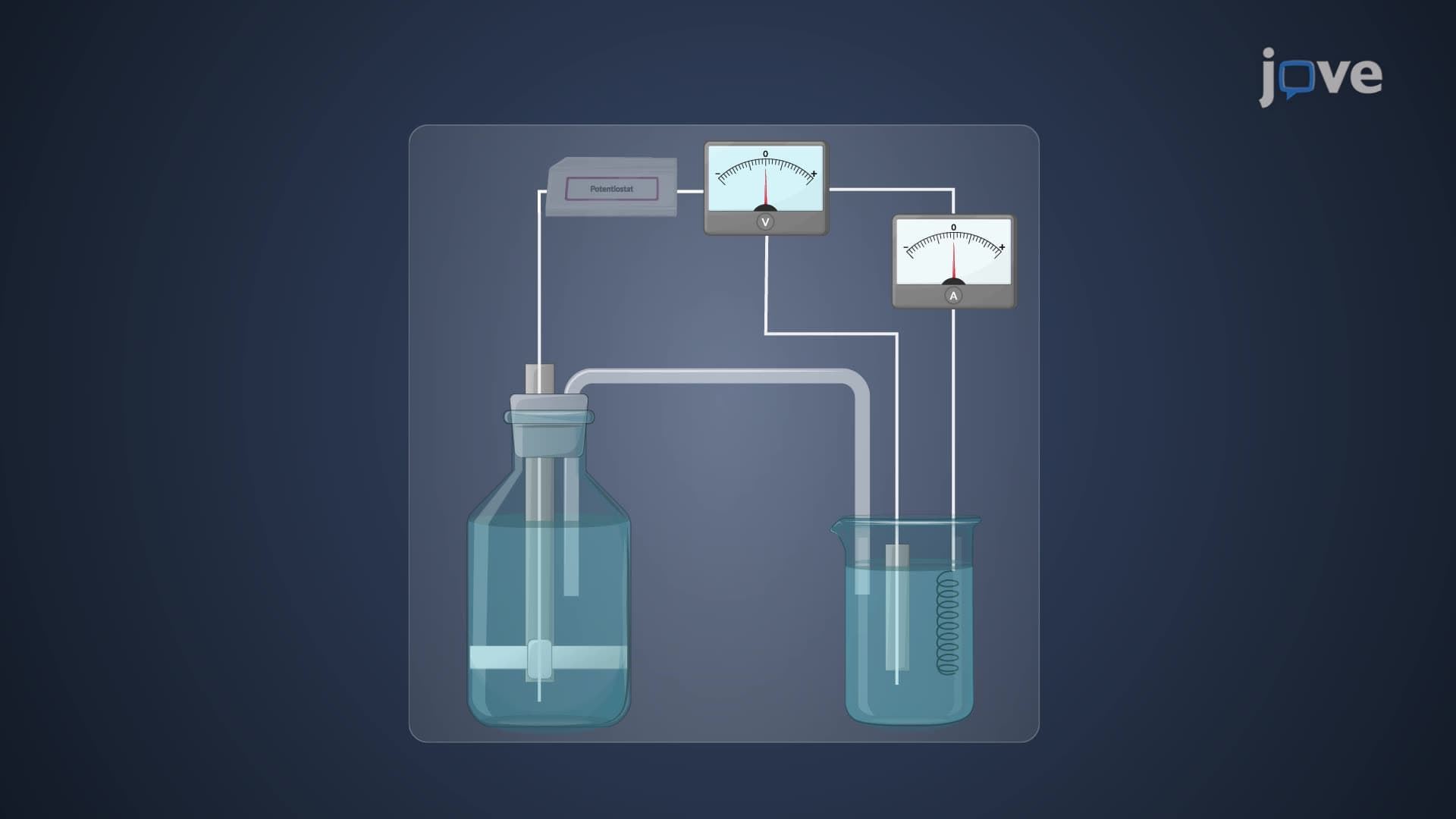
The amperometric sensor electrode system typically consists of three main components: a working electrode where the reaction occurs, a reference electrode that maintains stable potential, and often a counter electrode to complete the circuit. The Clark oxygen sensor, developed at Cincinnati Children's Hospital, exemplifies this design with its platinum cathode and silver-silver chloride anode separated by a gas-permeable membrane.
In biosensor amperometry, enzymes add another layer of specificity. Glucose oxidase in diabetic test strips catalyzes glucose oxidation, producing electrons that generate measurable current. This enzyme-electrode coupling explains why glucose meters can distinguish glucose from other sugars in blood samples-a concept frequently tested on MCAT biochemistry sections.
American healthcare relies heavily on amperometric devices. Emergency rooms use blood gas analyzers with oxygen sensors to assess patient respiratory status, while over 30 million Americans with diabetes depend on glucose meters for daily monitoring. Environmental applications include water treatment facilities monitoring dissolved oxygen levels and food industry sensors detecting spoilage compounds.
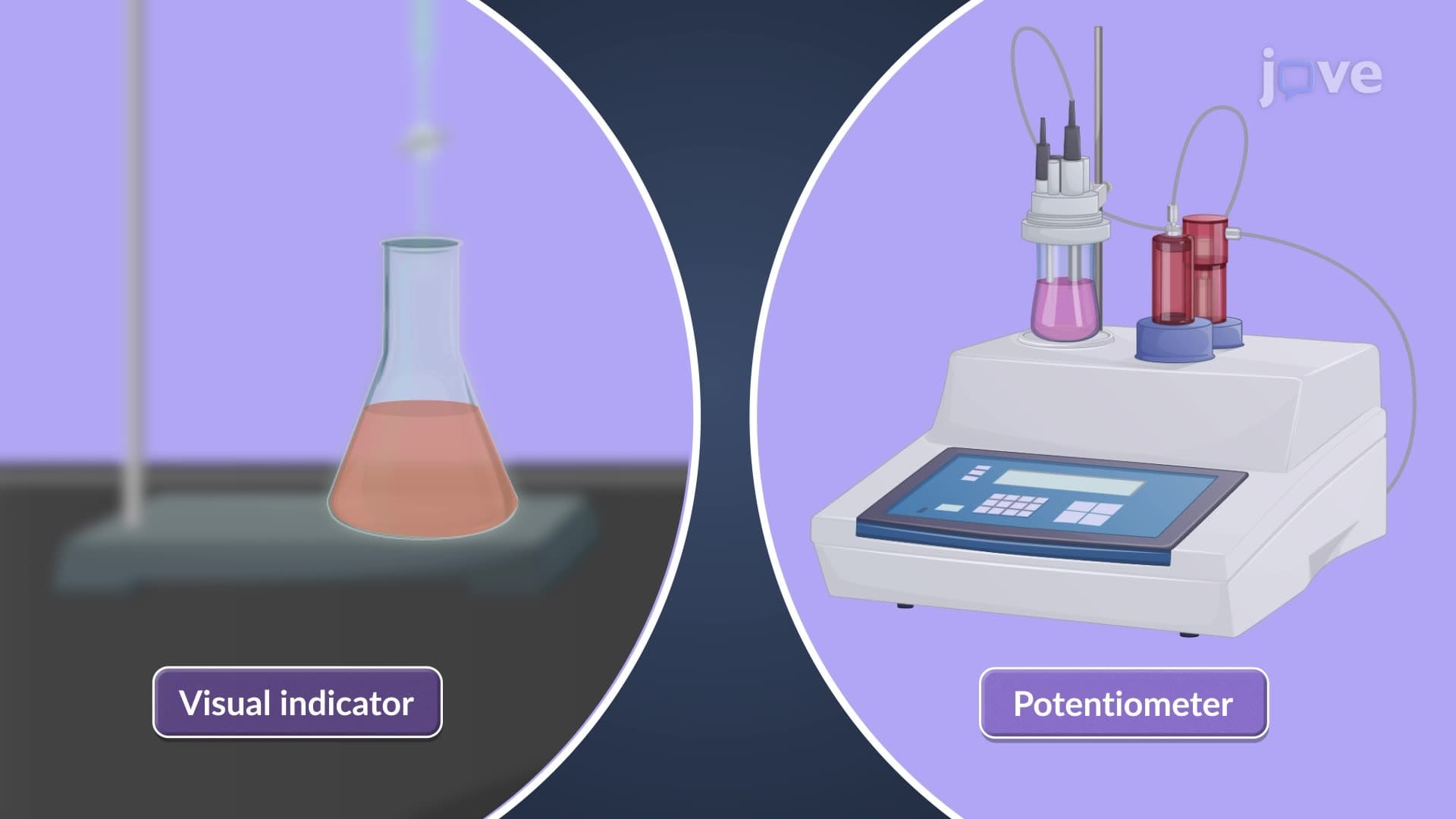
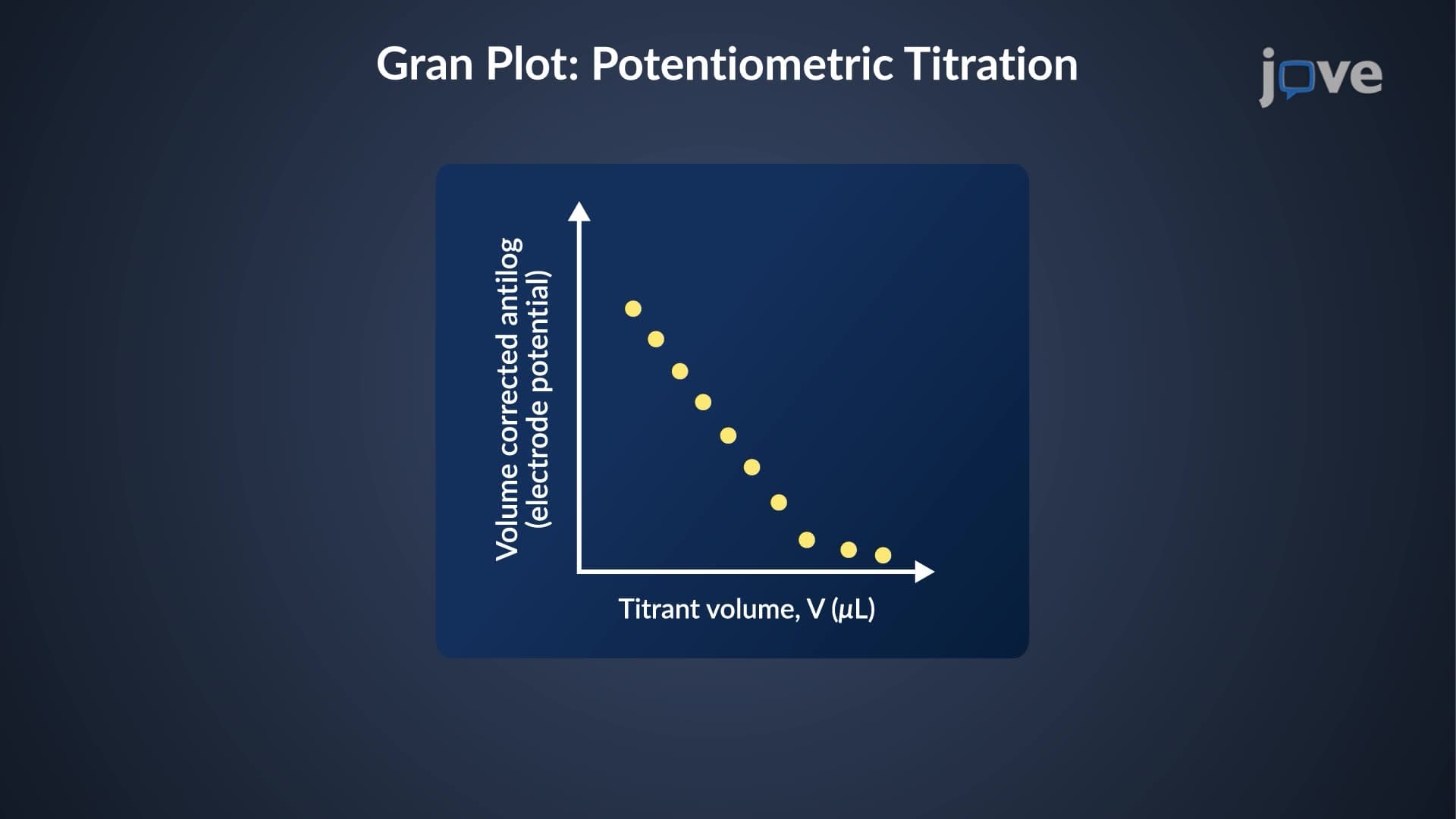
Amperometric titration method applications extend to pharmaceutical quality control and research laboratories. Students studying for chemistry standardized tests should understand how amperometric endpoints provide more precise results than traditional visual indicators, especially in colored or turbid solutions.
Current response amperometry characteristics include rapid response times (typically seconds), wide linear ranges, and excellent sensitivity. However, students must also understand limitations: potential interference from electroactive species, electrode fouling over time, and temperature dependencies. These factors become crucial when interpreting real analytical data or troubleshooting sensor performance-skills essential for laboratory courses and professional practice.
Related Micro-courses