Loading subject page…


33,041 views


Video Summary: What Is Controlled Current Coulometry
Ever wondered how scientists can measure the exact amount of a substance by simply applying electricity? Controlled current coulometry revolutionizes analytical chemistry by maintaining constant electrical current during electrolysis, allowing precise quantification through charge measurement. The FDA uses this technique to verify drug purity in pharmaceutical manufacturing, ensuring medications meet exact specifications. What is controlled current coulometry becomes clear when you see how multiplying current by time reveals total charge transferred. Watch the full video on JoVE Coach to master this concept with expert-led visuals and step-by-step explanations.
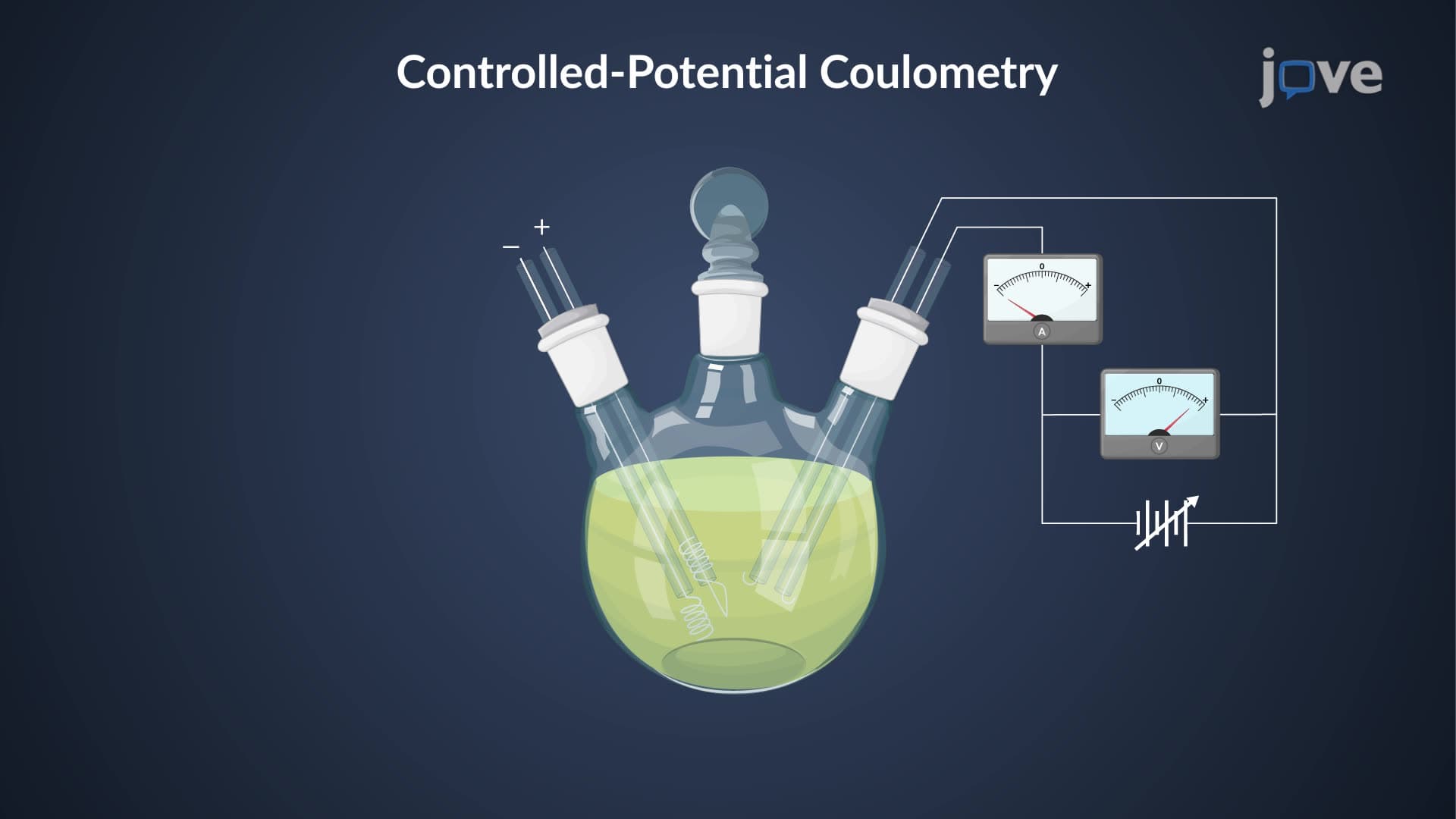
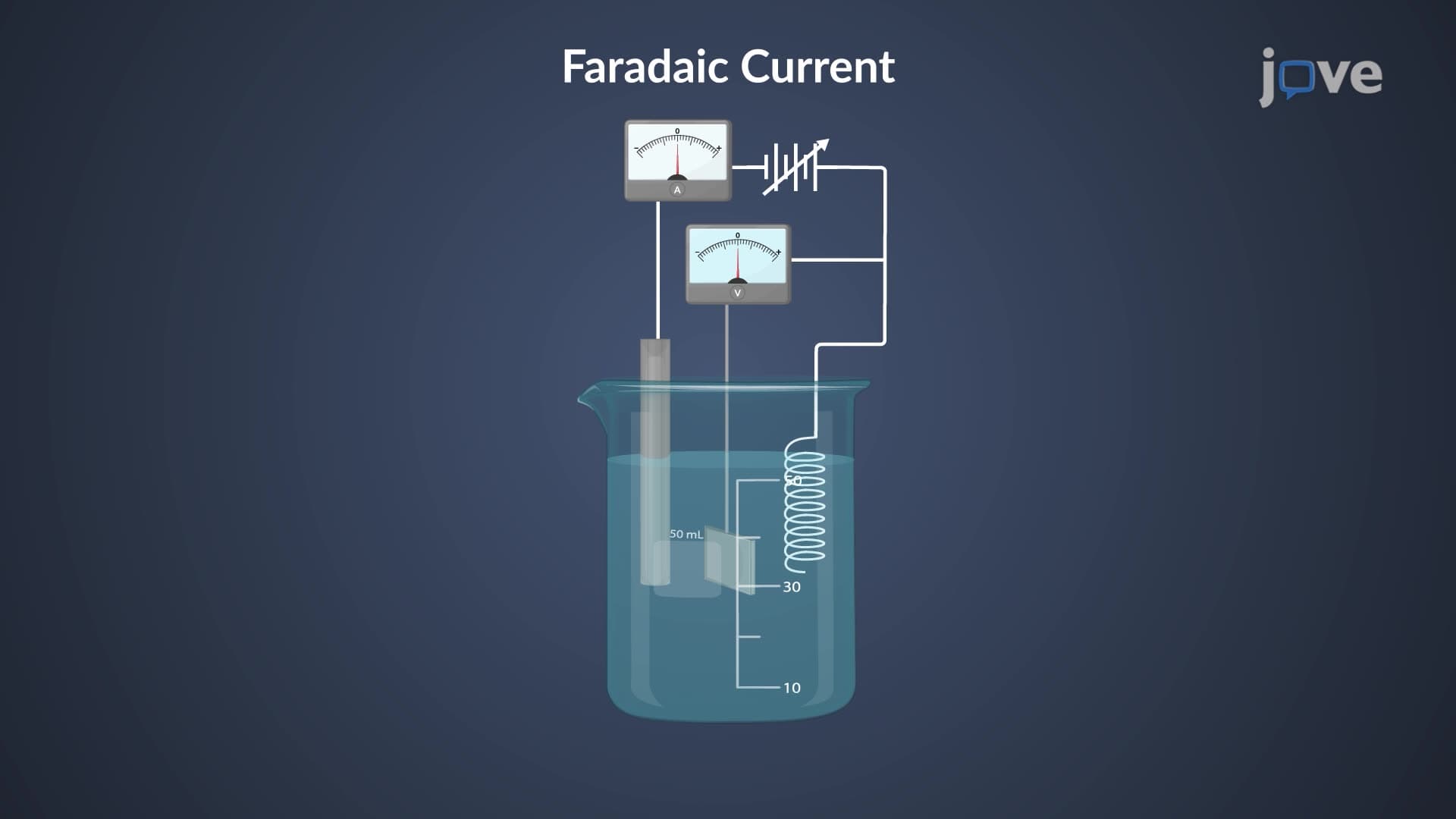
Controlled current coulometry, also known as galvanostatic coulometry, represents a powerful electroanalytical technique where constant electrical current drives electrolysis reactions for quantitative analysis. Unlike potentiostatic methods that maintain constant voltage, this approach keeps current steady while automatically adjusting cell potential to compensate for changing analyte concentrations.
The fundamental principle relies on Faraday's first law: the amount of substance produced during electrolysis is directly proportional to the quantity of electricity passed through the solution. By multiplying constant current (amperes) by electrolysis time (seconds), analysts calculate total charge (coulombs), which directly correlates to analyte amount.
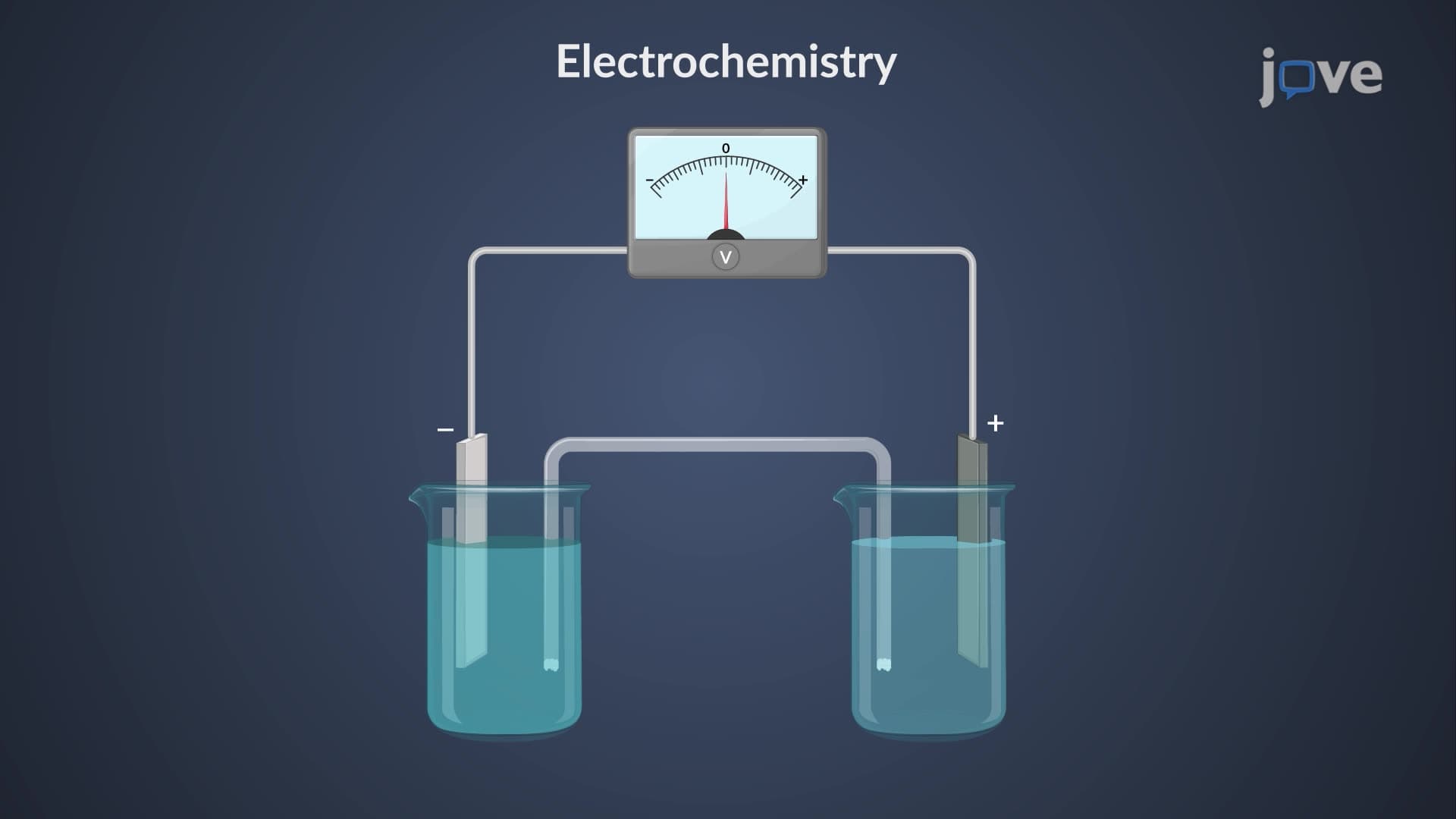
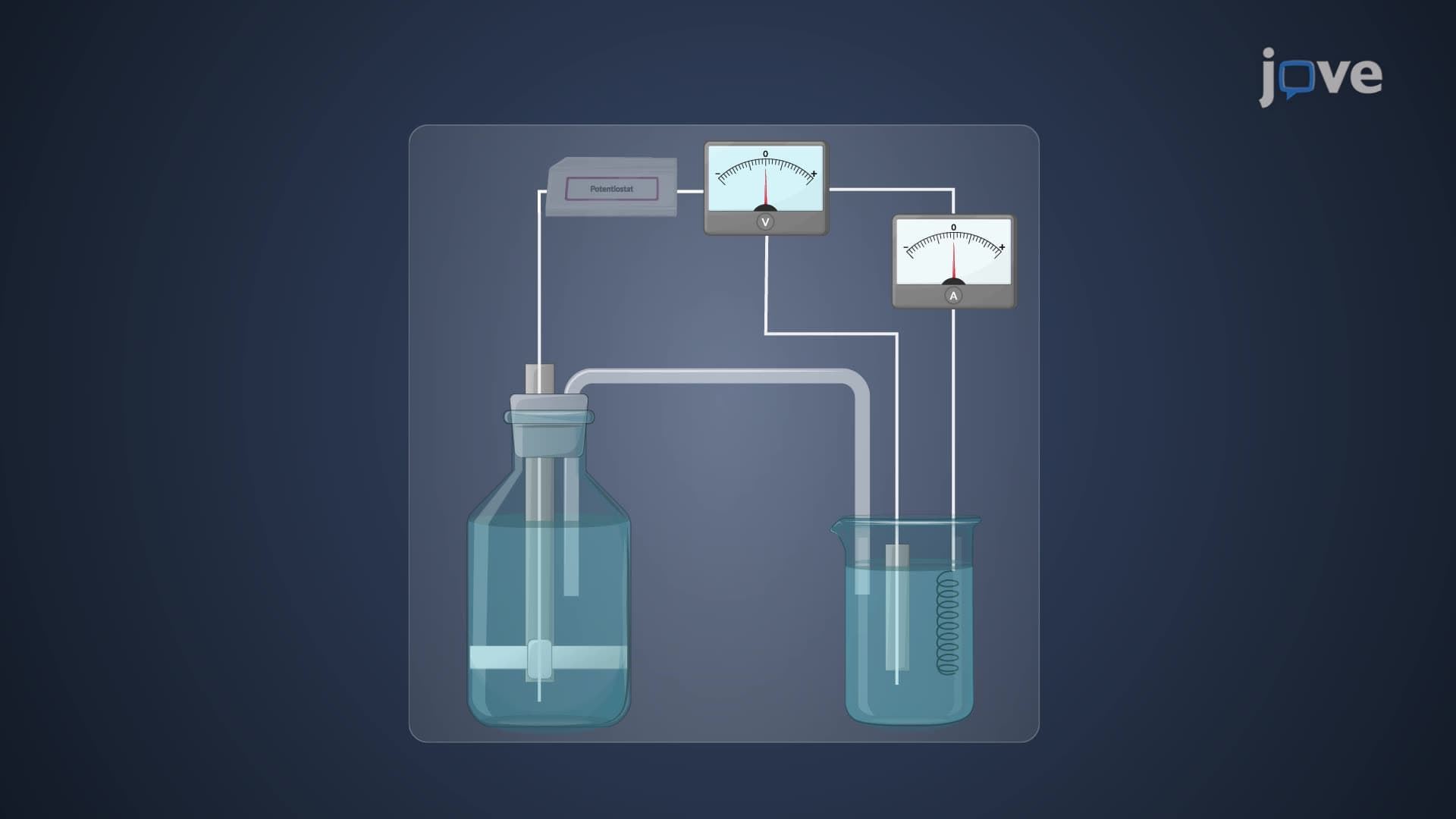
A typical galvanostatic coulometry setup requires four critical components: a galvanostat (constant current source), a two-electrode electrochemical cell, a precision timer, and a control switch. The galvanostat automatically increases cell potential as electrolysis proceeds, maintaining steady current despite declining analyte concentration.
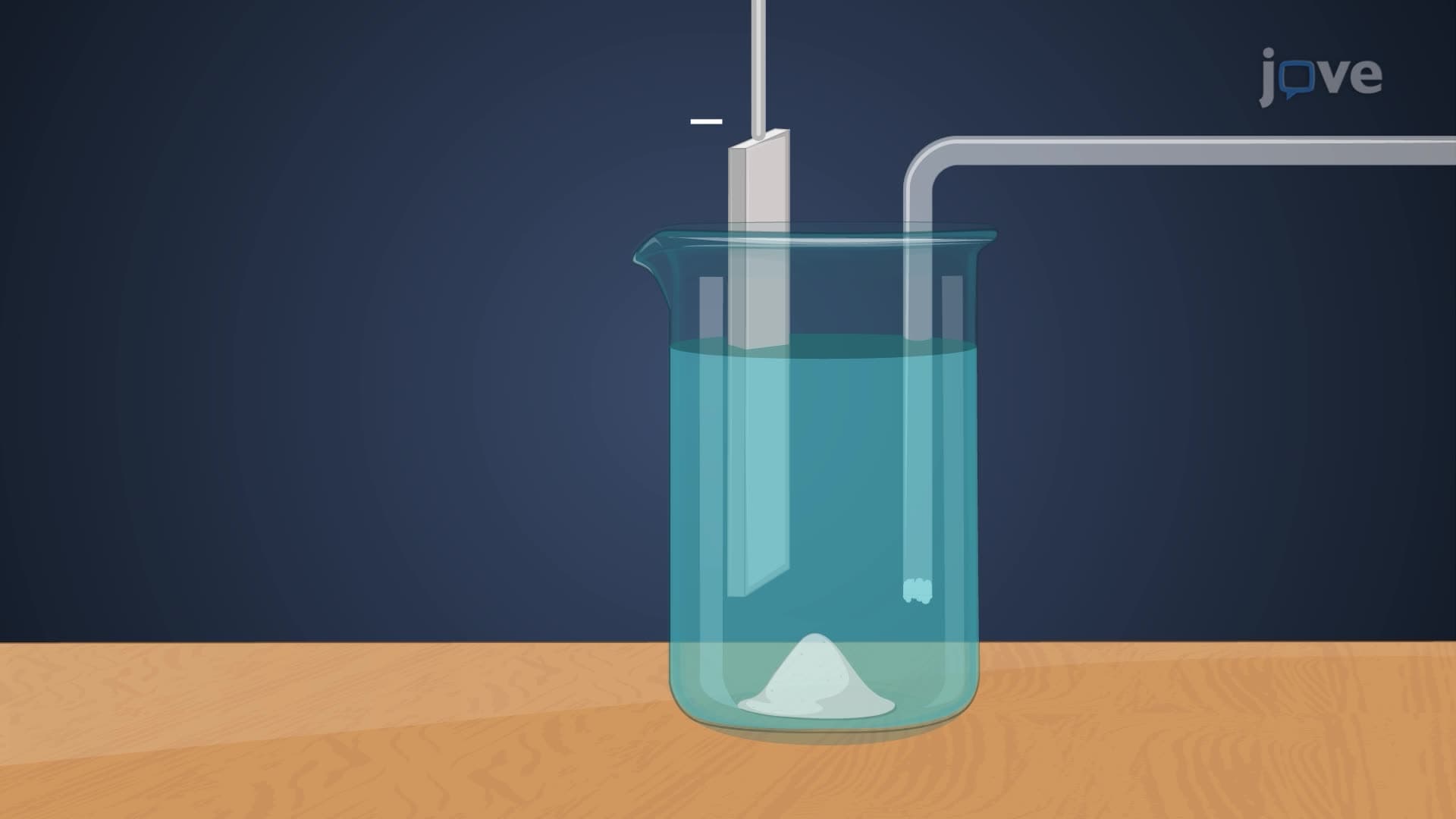
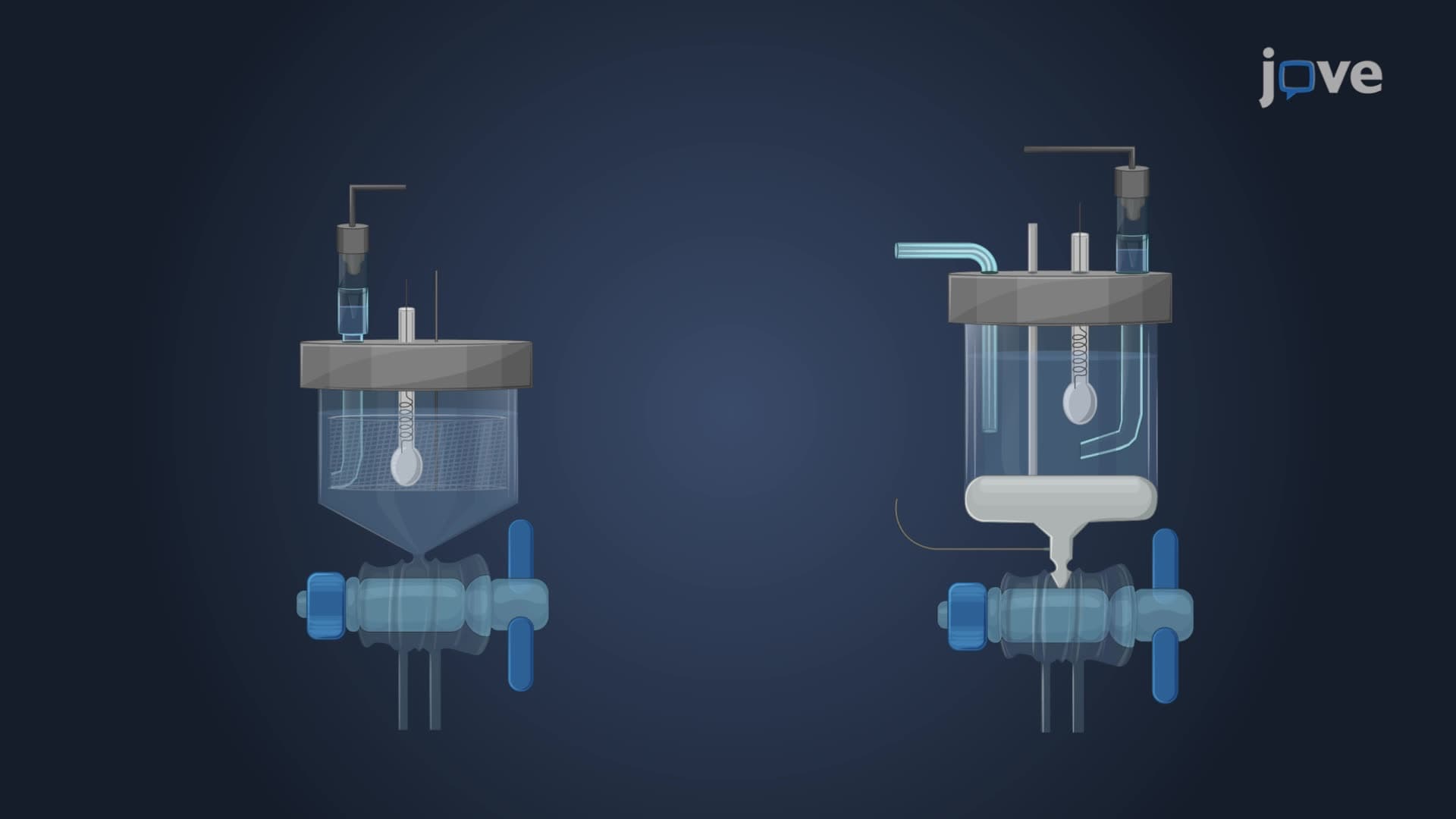
The electrochemical cell features working and counter electrodes separated by a salt bridge or porous frit. This separation prevents interference between analyte electrolysis and counter-electrode reactions, ensuring accurate measurements. Many university analytical chemistry labs use Princeton Applied Research or CH Instruments galvanostats for undergraduate experiments.
Current efficiency represents the percentage of applied current actually used for target analyte conversion. Side reactions at the generator electrode can reduce efficiency below 100%, compromising analytical accuracy. Two strategies maximize current efficiency: mediator addition and external reagent generation.
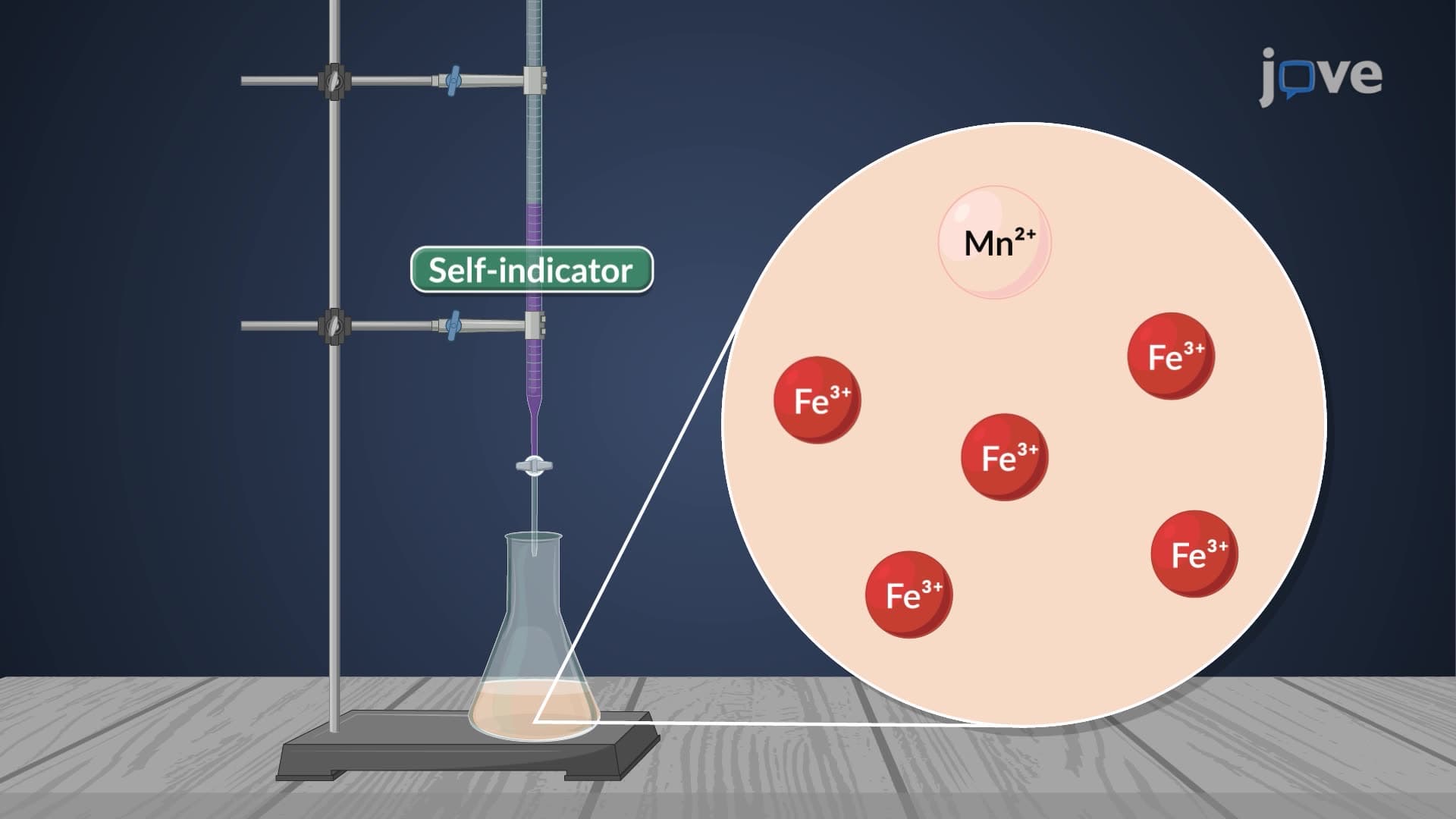
Mediators like cerium(IV) or bromine react quantitatively with remaining analyte after direct electrolysis becomes inefficient. Alternatively, externally generated oxidizing agents (chlorine, iodine) or reducing agents ensure complete analyte conversion. The EPA employs these techniques for water quality analysis, measuring trace metals with exceptional precision.
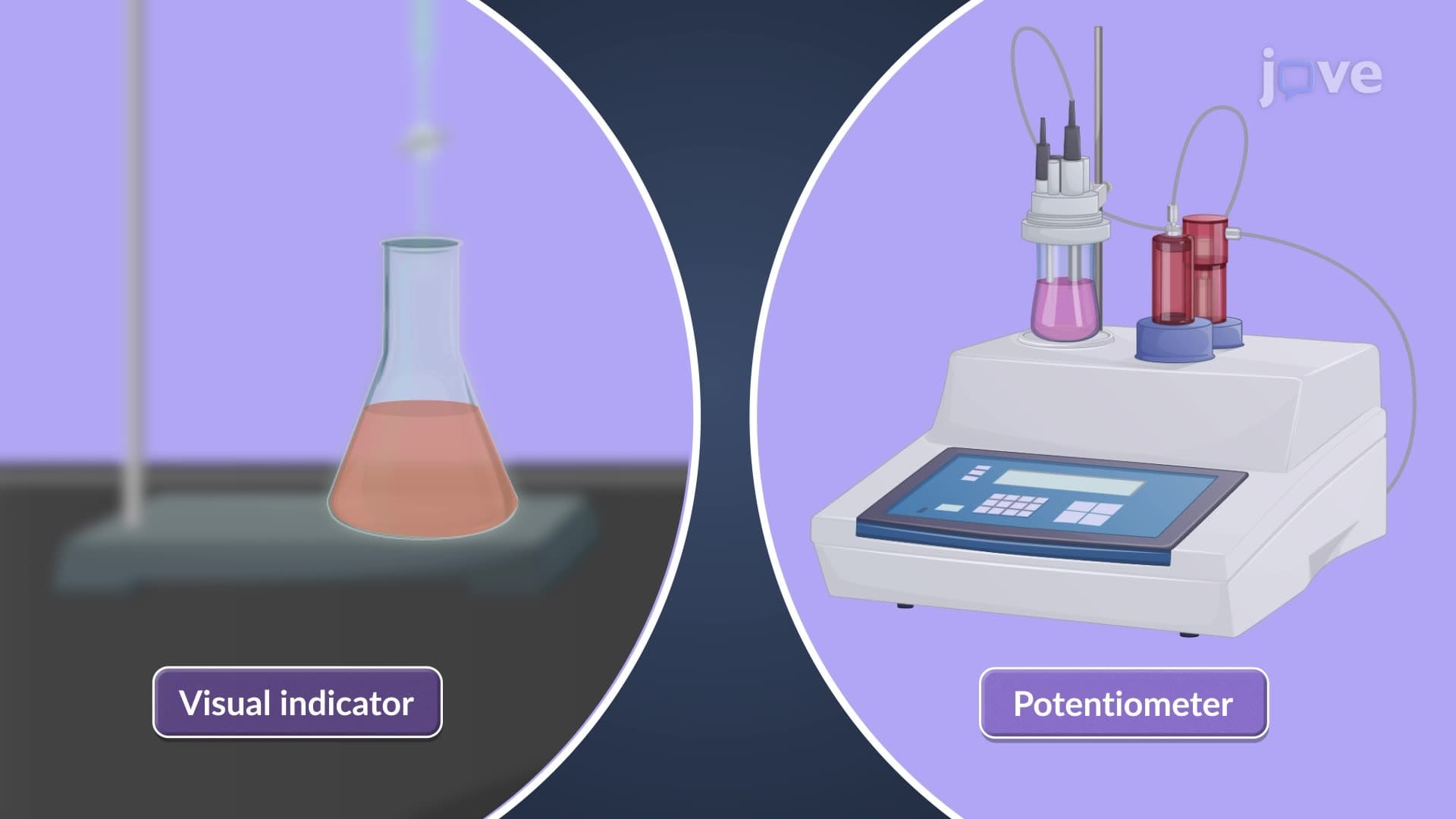
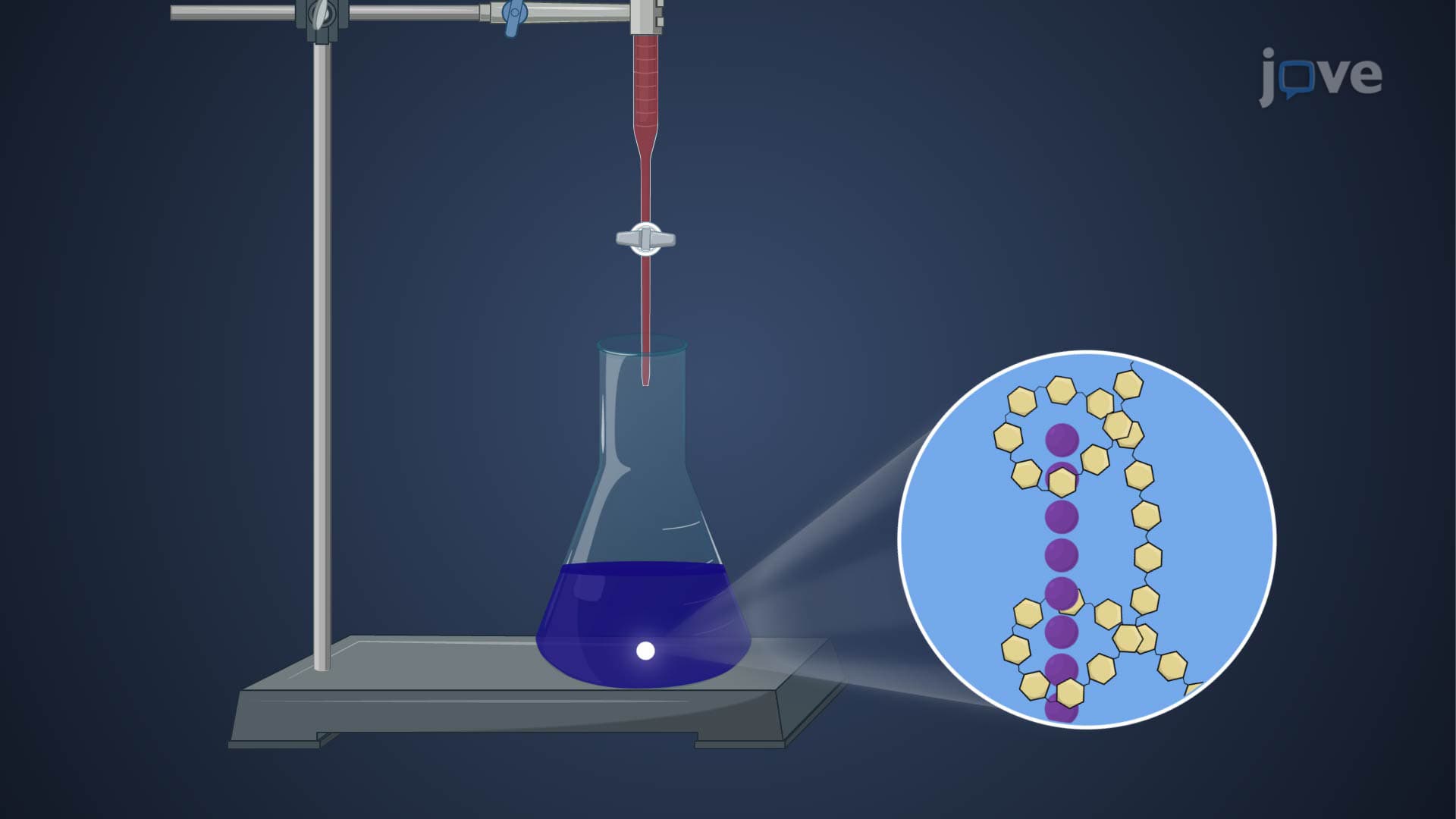
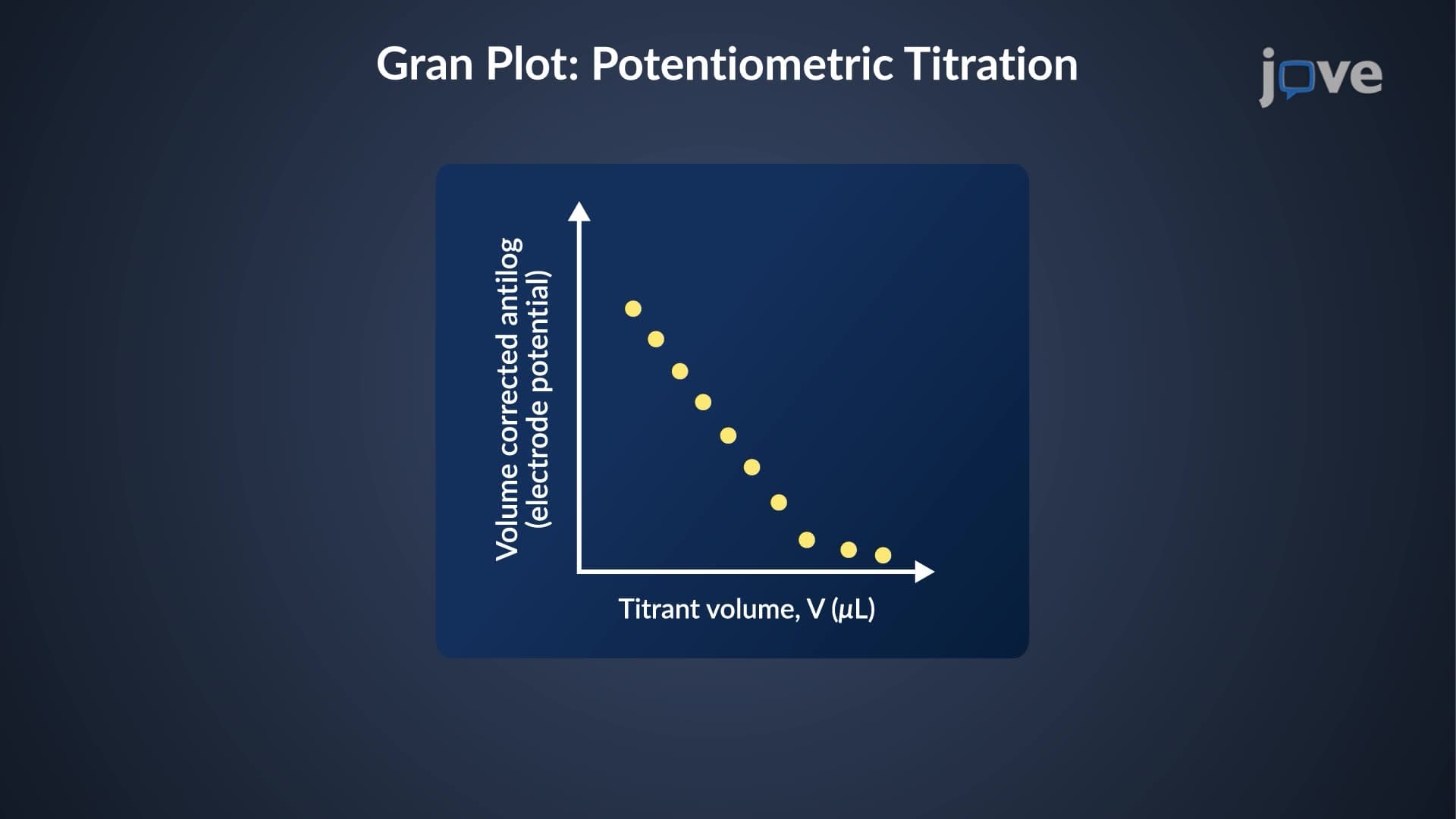
Endpoint detection signals complete analyte conversion, crucial for accurate quantitative results. Visual indicators provide simple color-change endpoints, while instrumental methods offer enhanced precision. Potentiometric detection monitors electrode potential changes, and conductometric detection tracks solution conductivity variations.
Pharmaceutical companies routinely use controlled current coulometry for drug purity analysis. The technique appears in AP Chemistry curricula and features prominently in analytical chemistry courses at institutions like MIT and UC Berkeley. Students preparing for MCAT chemistry sections benefit from understanding these electrochemical principles, as they frequently appear in passage-based questions about analytical techniques.
Related Micro-courses