Loading subject page…


33,042 views


Video Summary: What Is Coulometry
Ever wonder how forensic labs determine the exact amount of drugs in evidence without reference standards? Coulometry analytical chemistry revolutionizes quantitative analysis by measuring electrical charge during complete electrolysis of samples. The FBI Crime Lab uses coulometric techniques to precisely quantify controlled substances in seizures, relying on Faraday's laws to convert electrical measurements into molecular quantities. This powerful method eliminates the need for calibration standards, making it invaluable for accurate analytical determinations. What is coulometry transforms how chemists approach quantitative electroanalysis across industries. Watch the full video on JoVE Coach to master this concept with expert-led visuals and step-by-step explanations.
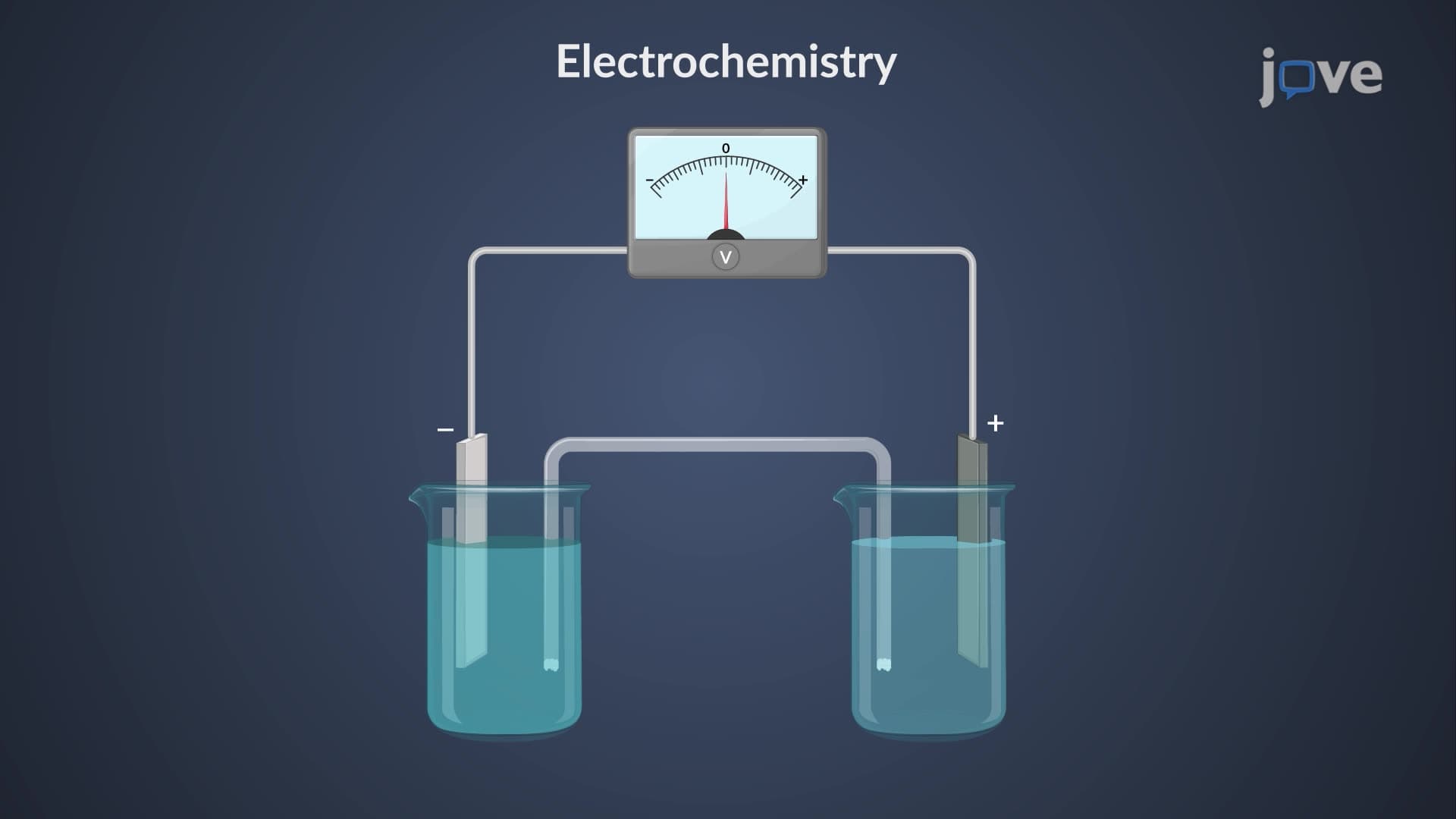
What is coulometry in analytical chemistry represents a sophisticated electroanalytical technique that measures the total electrical charge required for complete electrolysis of an analyte. Unlike traditional methods requiring calibration standards, coulometric analysis explained relies on fundamental electrochemical principles to achieve absolute quantitative measurements. This technique proves especially valuable when reference materials are unavailable or prohibitively expensive.
Faraday's law coulometry establishes the theoretical foundation linking electrical charge to chemical quantities. The relationship states that one mole of electrons (96,485 coulombs) will react with one equivalent of analyte. For coulometric determination, analysts must ensure complete electrolysis by supplying charge equal to Faraday's constant multiplied by the number of electrons in the relevant half-reaction. This direct relationship eliminates systematic errors common in comparative analytical methods.
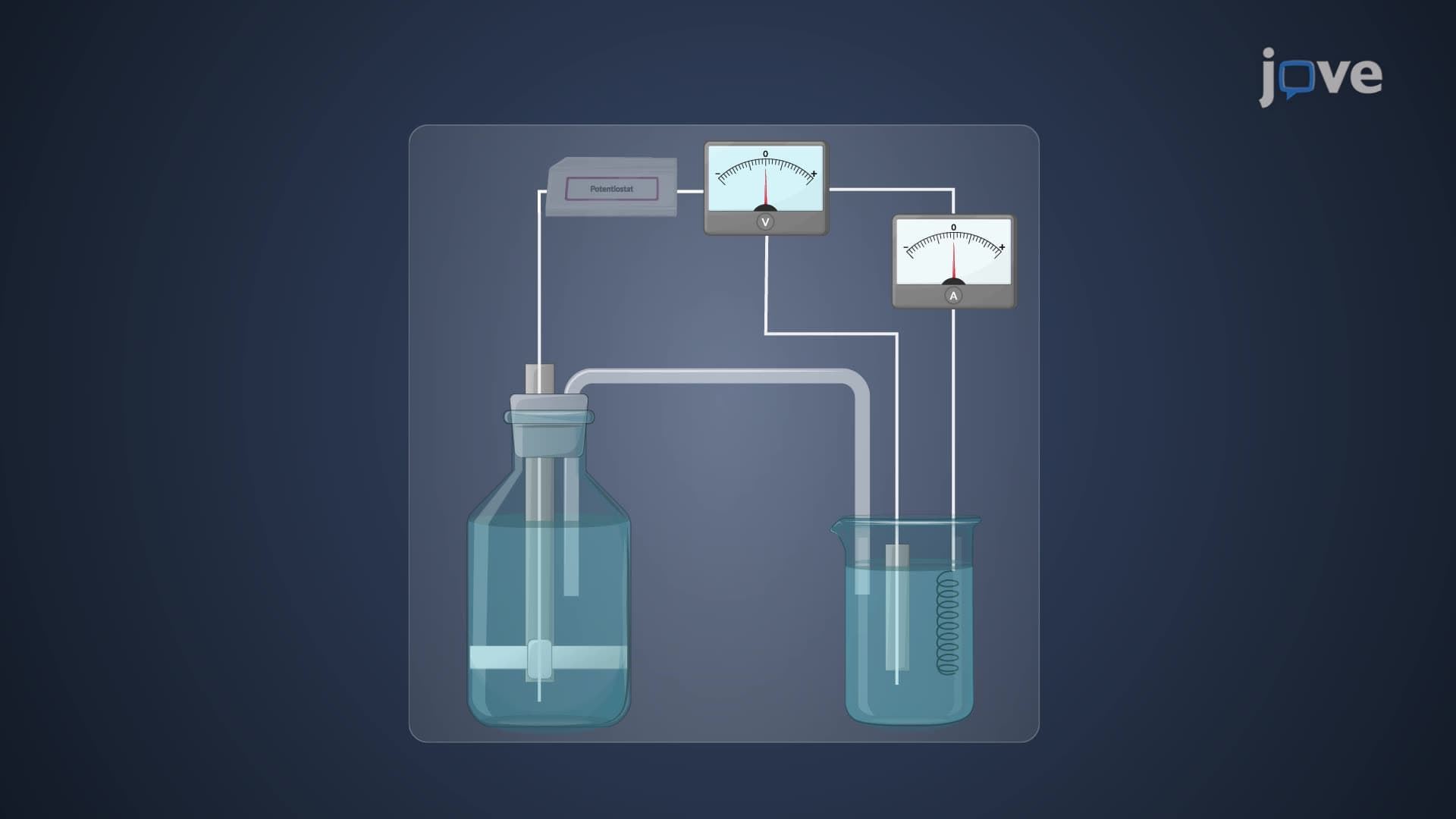
The electrolytic coulometric method employs two distinct approaches. Constant-current coulometry maintains steady current while measuring charge over time, making it ideal for rapid analyses where reaction kinetics are well-understood. The EPA uses this technique for water quality monitoring, particularly measuring dissolved oxygen levels. Controlled-potential coulometry applies fixed voltage and monitors current changes, providing superior selectivity for complex samples. Pharmaceutical companies favor this approach for drug purity testing, especially when multiple electroactive compounds are present.
Electron transfer coulometry appears frequently on AP Chemistry and college analytical chemistry exams. Students typically encounter problems calculating analyte concentrations from charge measurements or determining required electrolysis times. For MCAT preparation, understanding coulometric principles helps with electrochemistry passages involving quantitative analysis. Industrial applications include precious metal assaying, where mining companies use coulometric titrations to determine gold content in ore samples, and semiconductor manufacturing, where ultra-pure silicon requires precise impurity quantification.
Modern coulometric instruments integrate computer control with electrochemical cells, enabling automated analyses in quality control laboratories. The National Institute of Standards and Technology (NIST) maintains coulometric primary standards for electrical measurements, ensuring traceability across analytical laboratories nationwide.
Related Micro-courses