Loading subject page…


33,043 views

Video Summary: What Is Electrochemistry
Ever wonder how your smartphone battery powers up or how crime labs analyze evidence using electric currents? Electrochemistry basics explained involves the fascinating intersection where electrical energy meets chemical reactions. This field analyzes redox reactions by measuring electrical quantities like current and voltage, revealing crucial information about electron transfer processes. From the lithium-ion batteries in Tesla vehicles to the electroplating process used in manufacturing US coins, what is electrochemistry demonstrates the powerful connection between electricity and chemistry. Watch the full video on JoVE Coach to master this concept with expert-led visuals and step-by-step explanations.
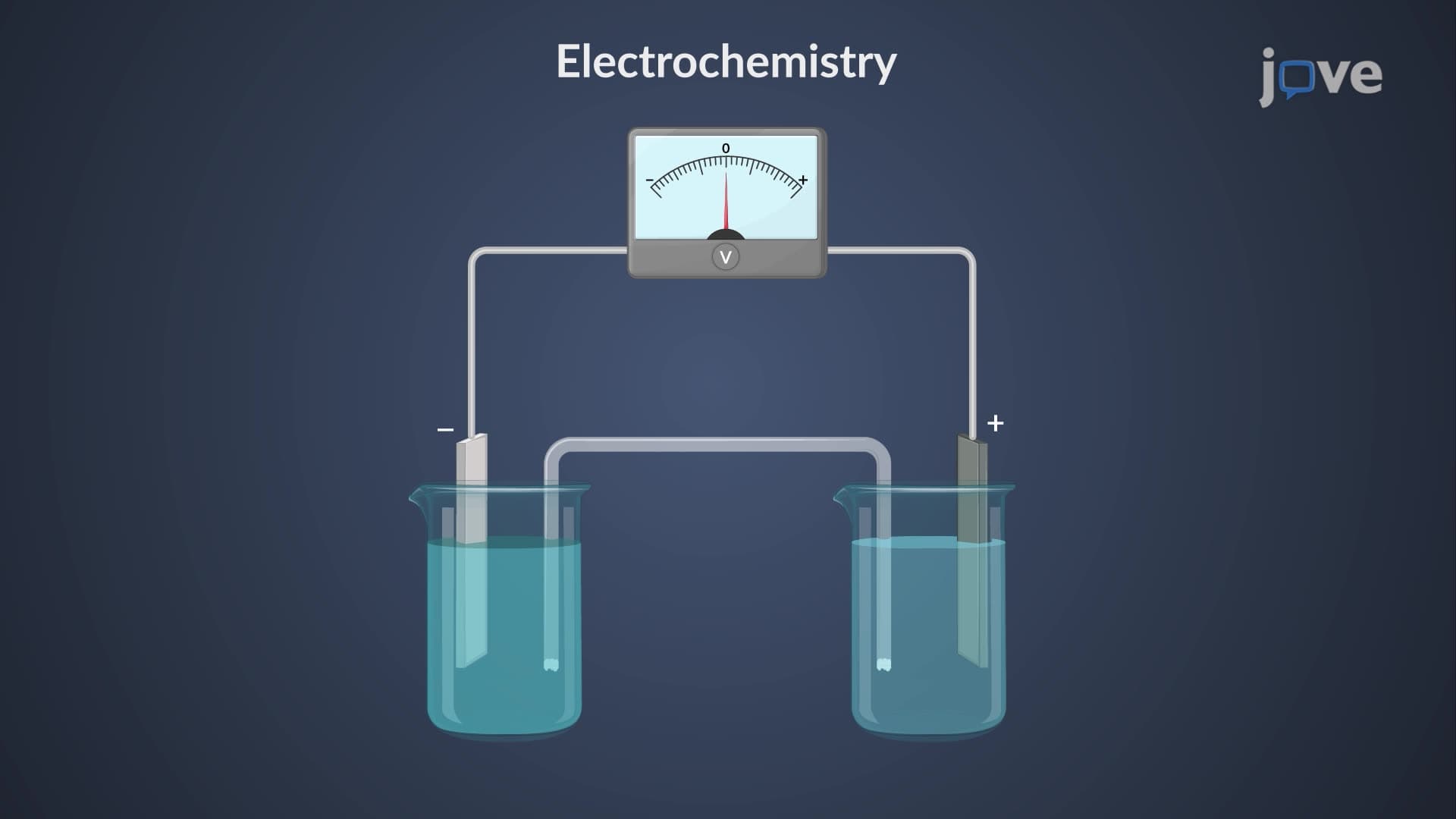
Electrochemistry definition and principles center on the study of chemical processes that cause electrons to move, creating electrical current, or the use of electrical current to drive chemical changes. This field bridges the gap between chemistry and physics, providing powerful tools for both analysis and energy storage. At its core, electrochemistry examines how chemical energy converts to electrical energy and vice versa.
Redox reaction electrochemistry forms the foundation of all electrochemical processes. Every electrochemical system involves oxidation-reduction reactions where electrons transfer from one species (the reducing agent) to another (the oxidizing agent). When these half-reactions occur in separate locations connected by an external circuit, electron flow creates measurable current. For example, in a standard alkaline battery used in American households, zinc undergoes oxidation while manganese dioxide experiences reduction, generating the 1.5 volts that power our devices.
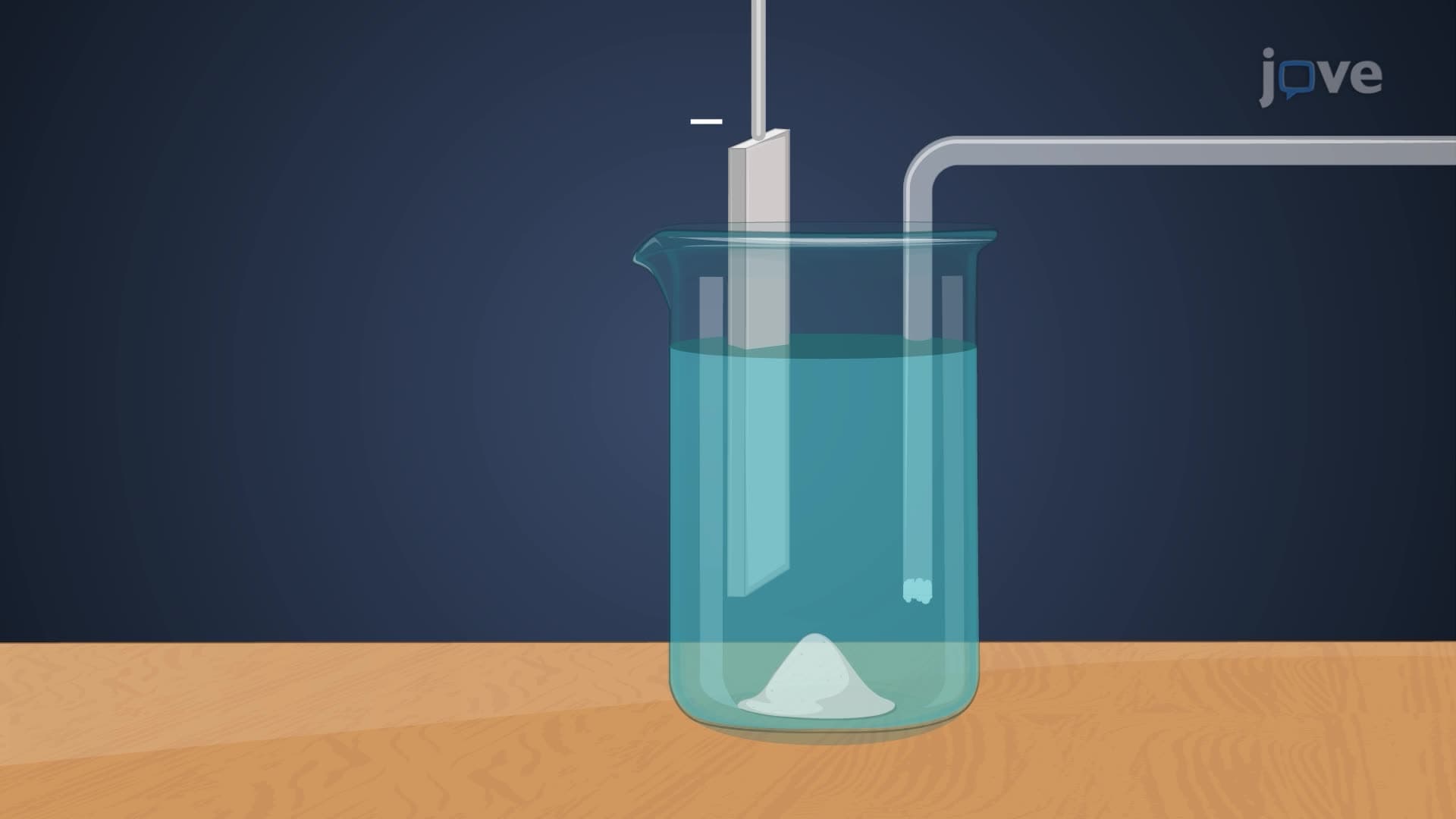
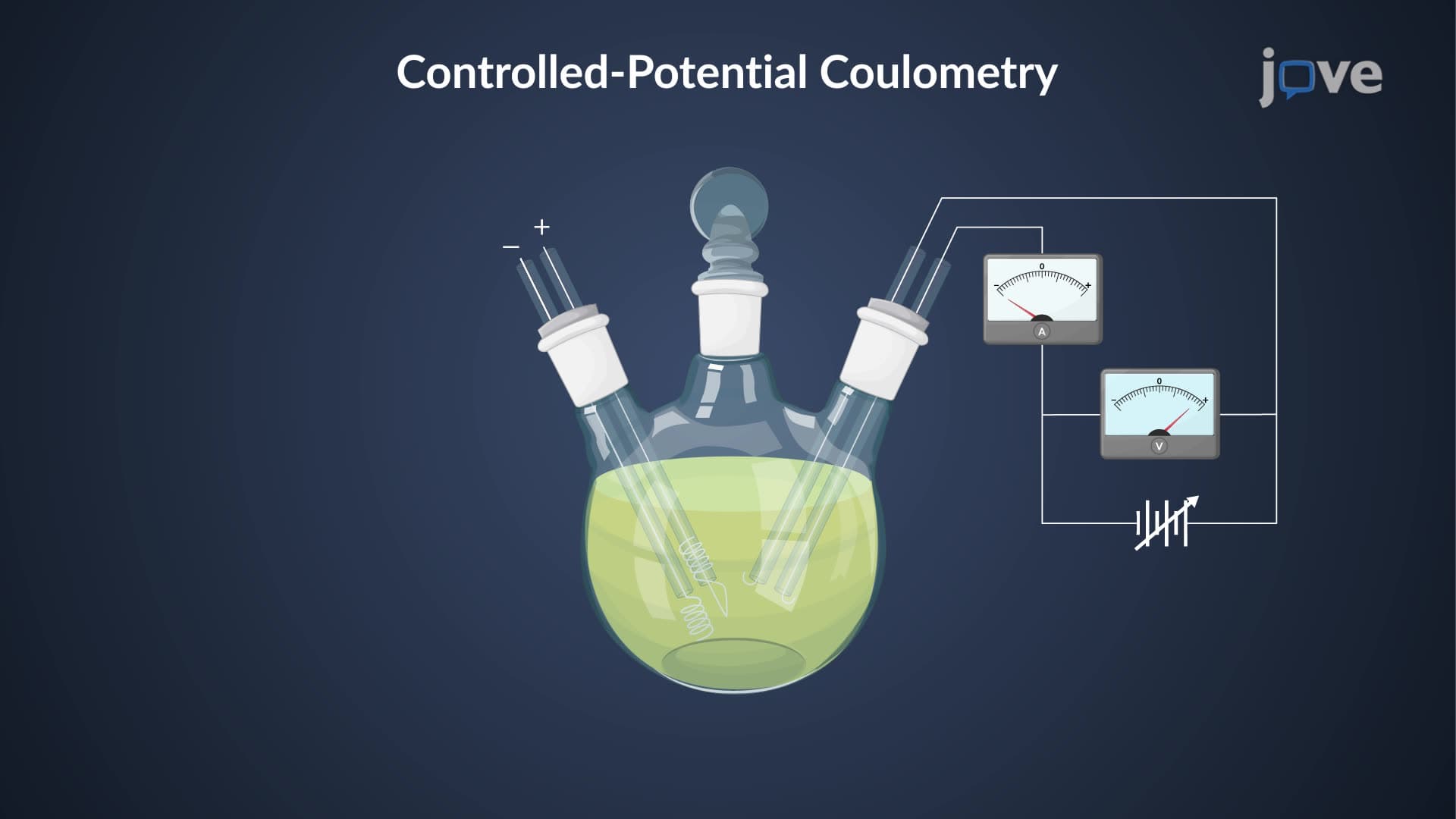
Electrochemical cell principles govern how we harness and measure these electron transfer processes. Galvanic cells, like car batteries, spontaneously generate electrical energy from chemical reactions. Conversely, electrolytic cells use external electrical energy to drive non-spontaneous chemical changes, such as the electroplating process used by jewelry manufacturers in states like California and New York. The relationship between electrical potential (voltage) and free energy change provides crucial thermodynamic information about reaction feasibility and energy requirements.
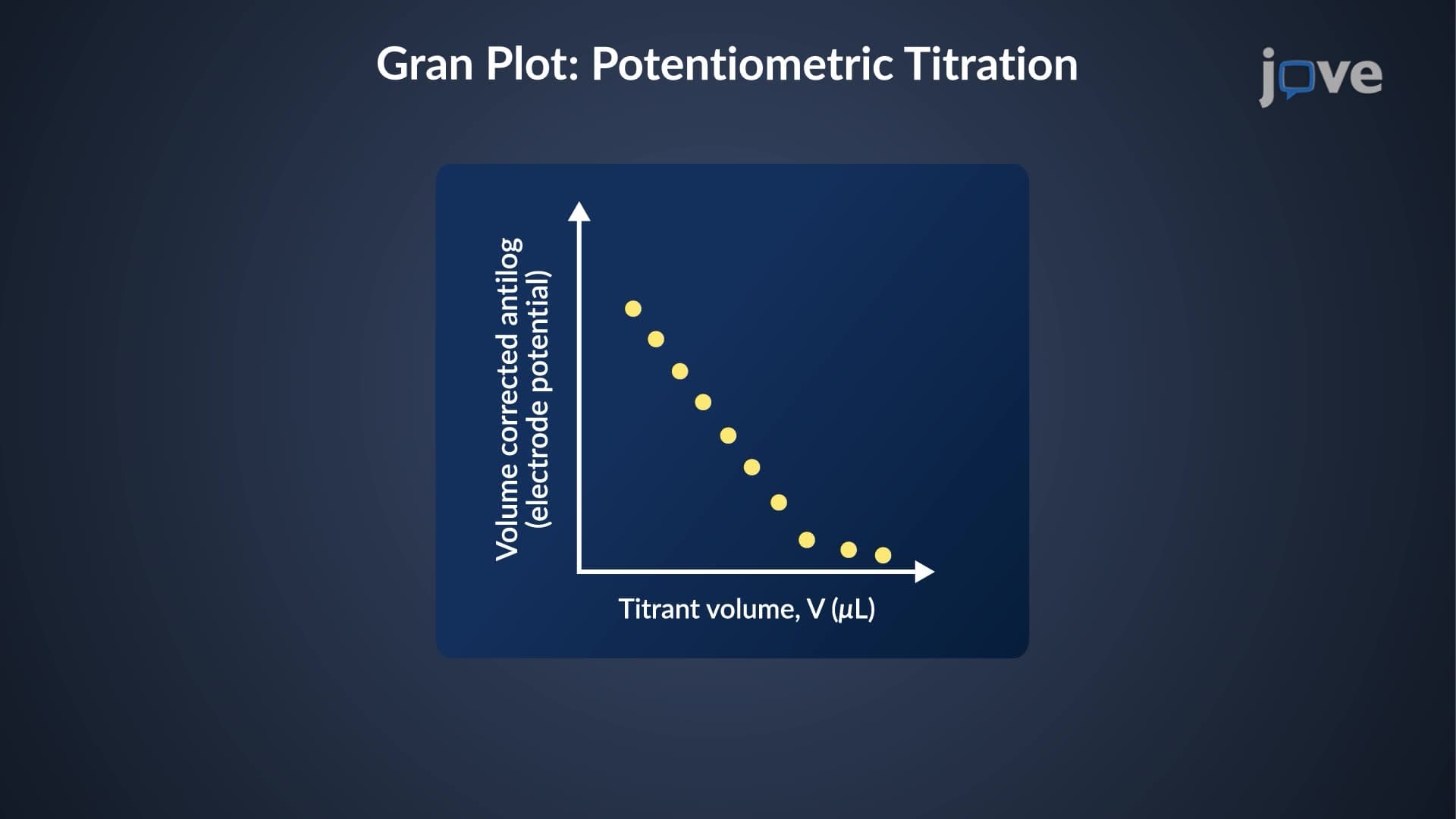
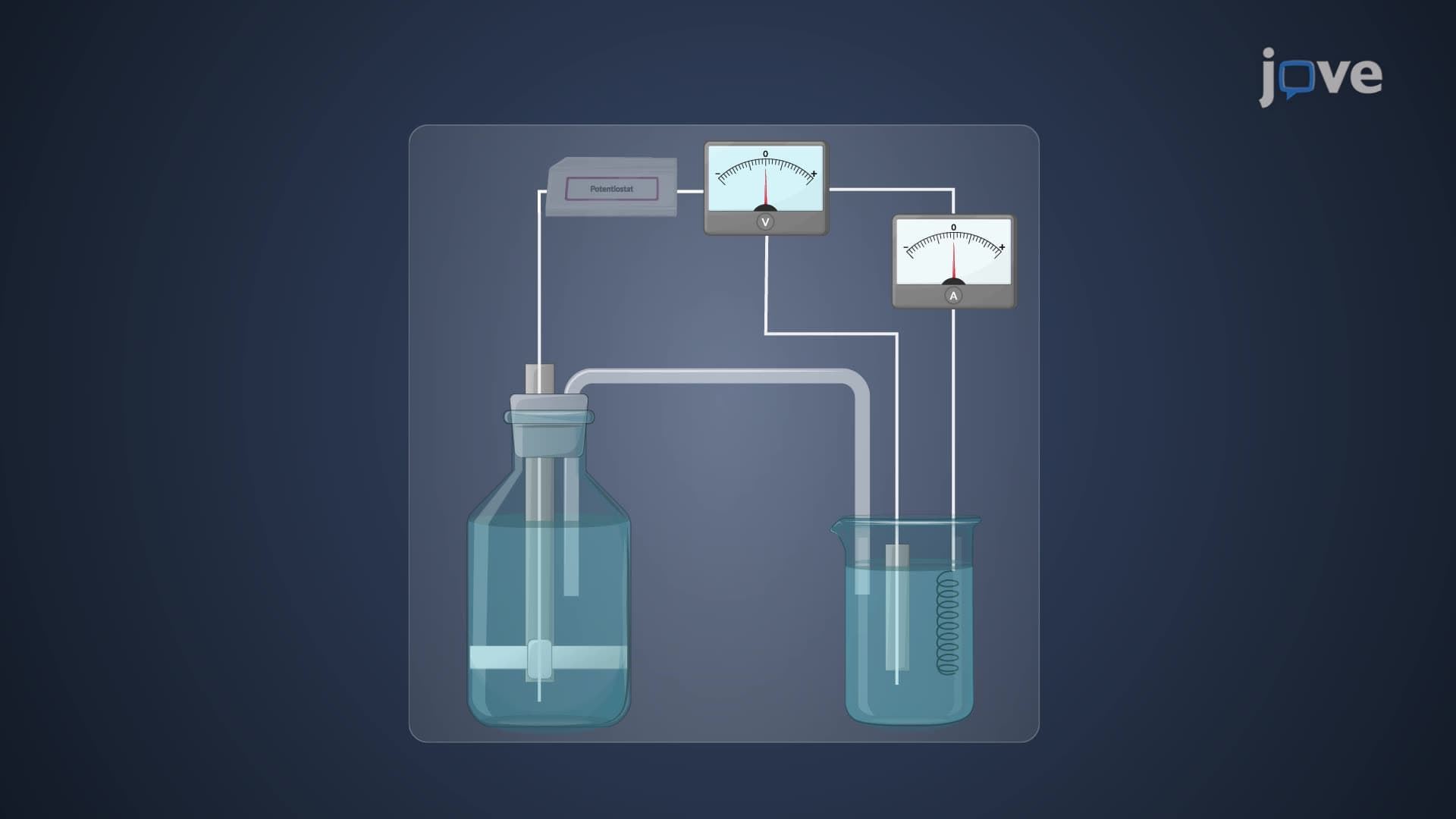
What is electrochemistry in analytical chemistry extends far beyond basic definitions. Modern analytical laboratories use electrochemical techniques like potentiometry and voltammetry to determine concentrations of ions in environmental samples from the EPA or clinical blood work in hospitals across the United States. Students preparing for AP Chemistry exams encounter electrochemistry in multiple contexts, from calculating standard cell potentials to predicting reaction spontaneity. College-level courses in analytical chemistry and physical chemistry extensively cover electrochemical methods, making this knowledge essential for pre-med students taking the MCAT and chemistry majors pursuing research careers.
Related Micro-courses