Loading subject page…


33,042 views


Video Summary: What Is Electrogravimetric Analysis
Ever wondered how forensic labs determine the exact amount of metal ions in evidence samples? Electrogravimetric analysis explained reveals how scientists use electrical current to separate and weigh specific metals with incredible precision. This electrogravimetry analytical method works by depositing target metals onto pre-weighed electrodes, allowing chemists to calculate exact concentrations by measuring weight changes. The EPA uses this technique to monitor heavy metals in drinking water across the United States. Watch the full video on JoVE Coach to master this concept with expert-led visuals and step-by-step explanations.
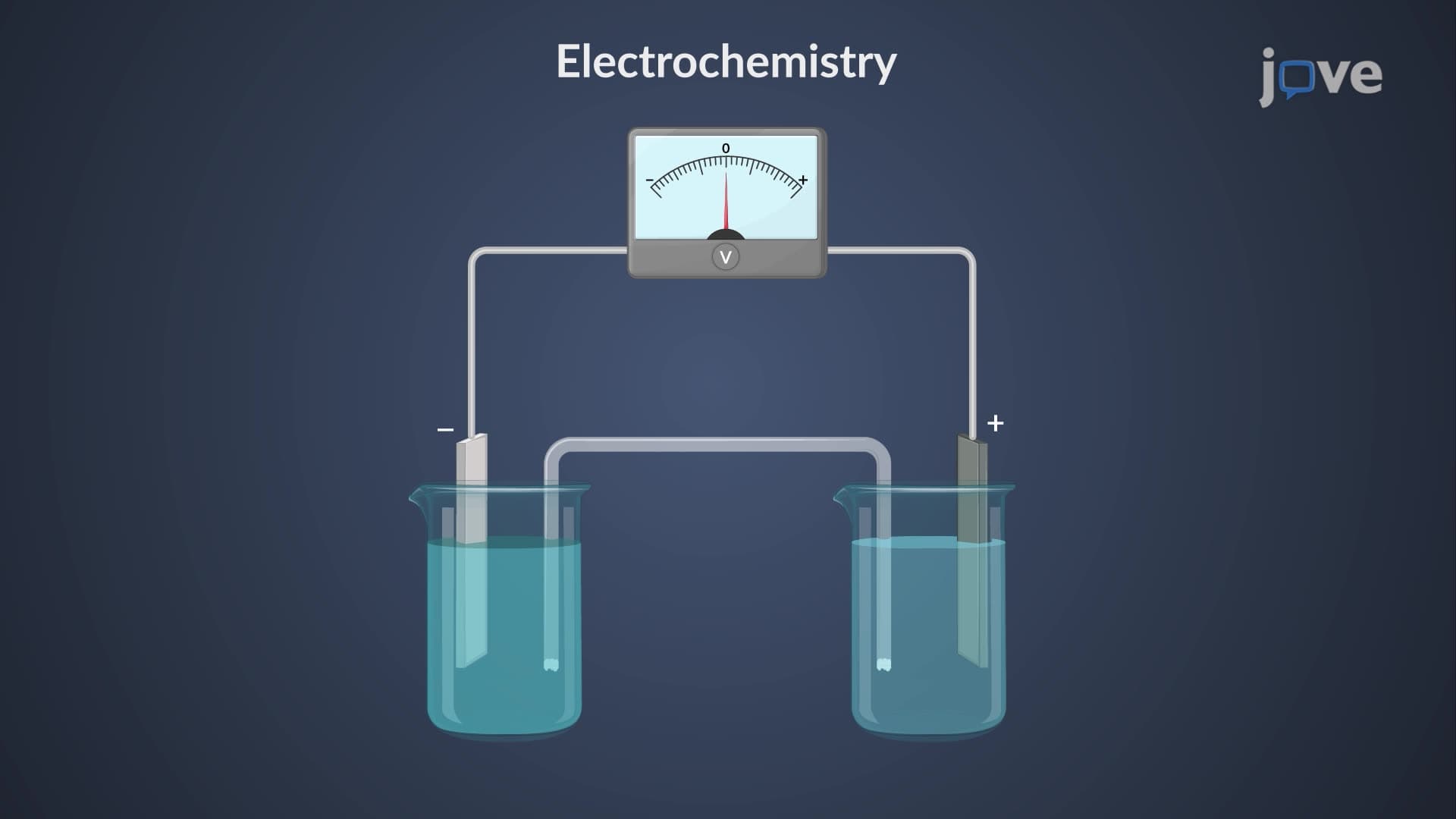
What is electrogravimetric analysis in chemistry starts with a simple principle: using electrical energy to separate specific metals from solution and weighing them directly. This powerful analytical technique combines electrochemistry with gravimetric analysis, making it invaluable for determining precise metal concentrations in everything from environmental samples to pharmaceutical products.
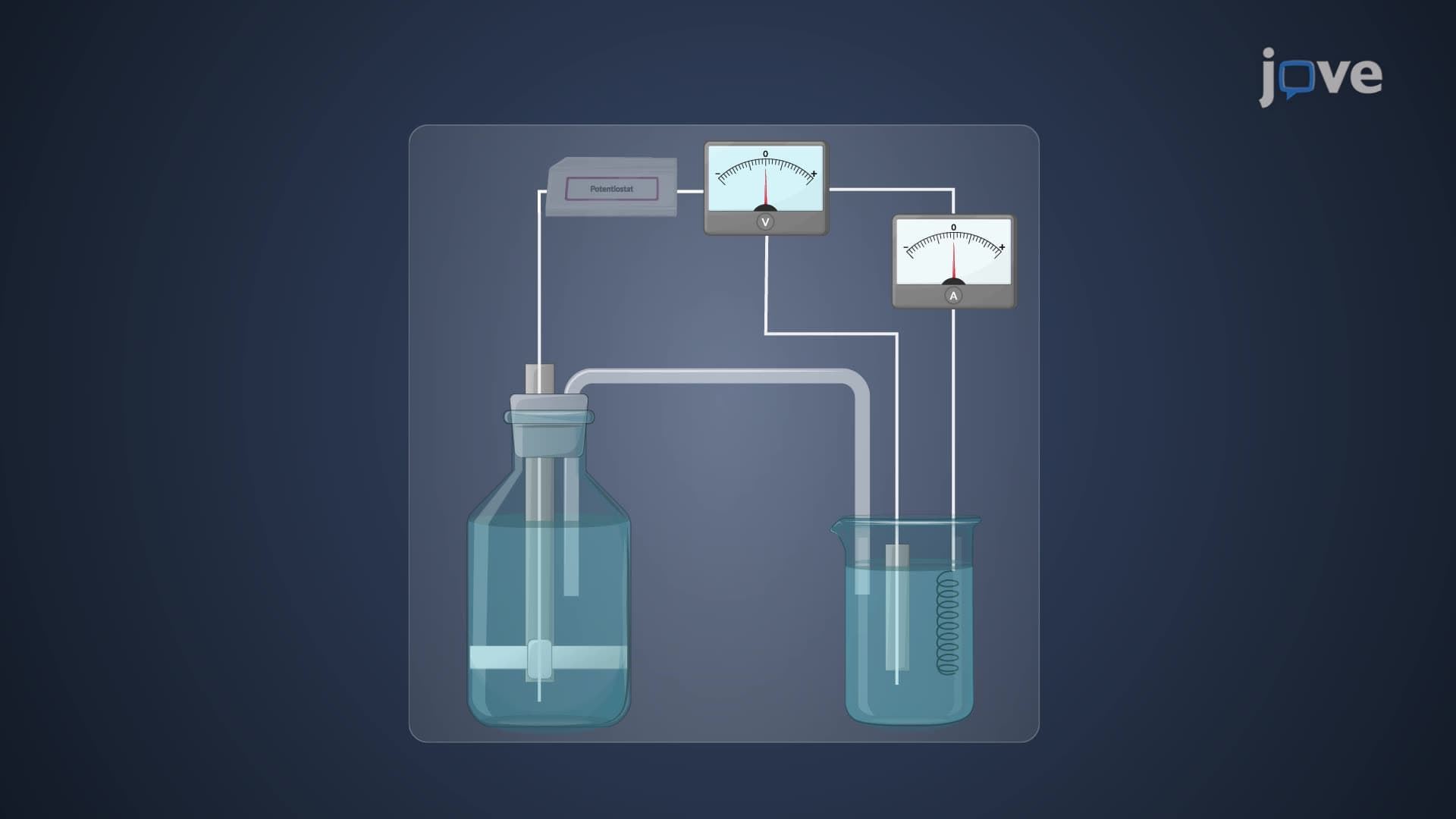
The process begins with a carefully prepared sample solution containing the target analyte. A pre-weighed working electrode serves as the collection surface, while controlled electrical potential drives the separation process. Unlike other analytical methods that rely on indirect measurements, electrogravimetric analysis provides direct mass determination through simple weight difference calculations.
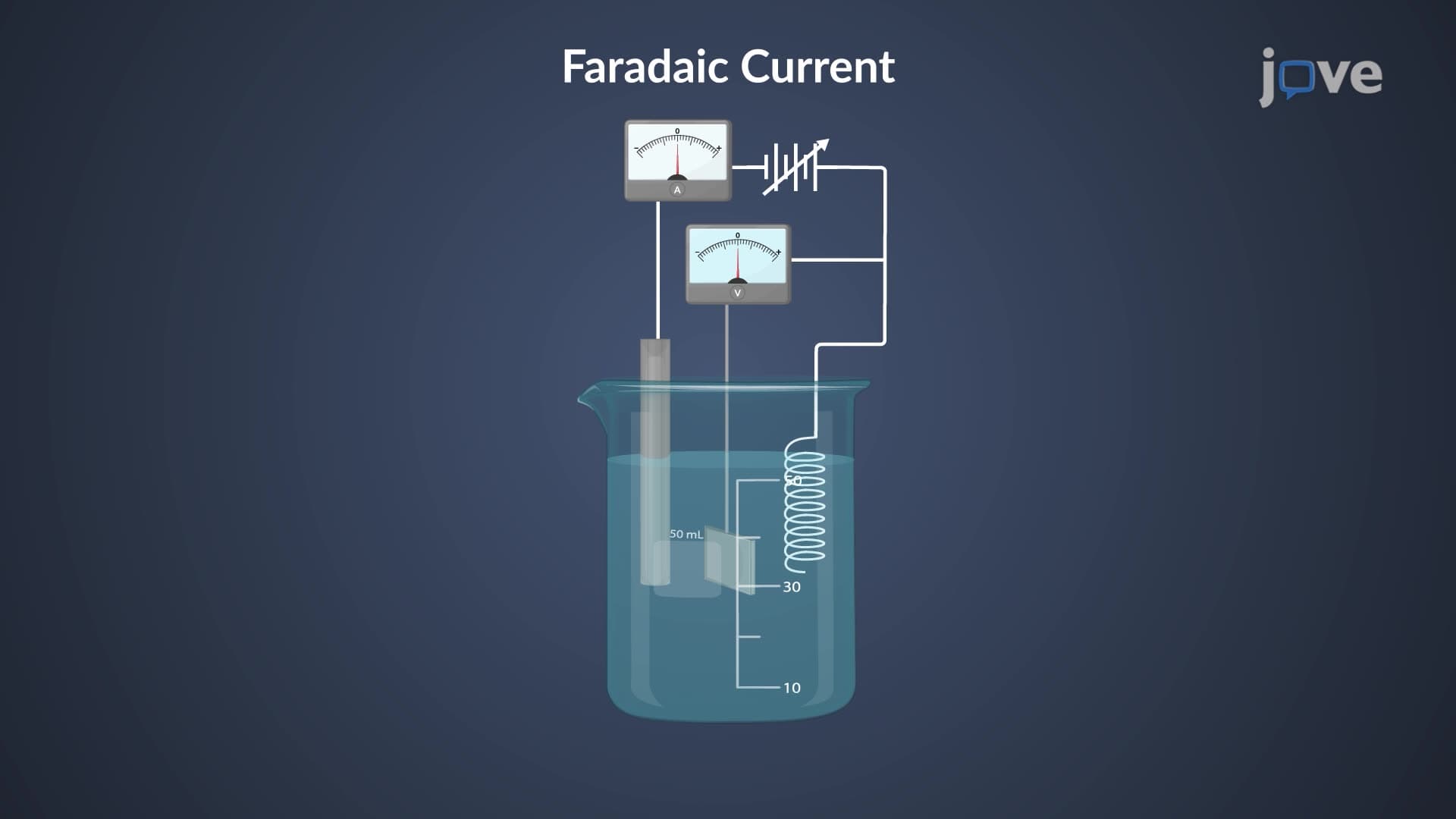
The heart of this technique lies in electrodeposition gravimetry, where metal cations in solution migrate toward the negatively charged cathode. Upon reaching the electrode surface, these ions gain electrons and deposit as solid metal. The reaction follows predictable electrochemical principles, with deposition efficiency depending on factors like potential, current density, and solution conditions.
For successful analysis, chemists must apply sufficient overpotential-voltage beyond the theoretical minimum required for reduction. This ensures complete metal deposition rather than just surface monolayer formation. However, excessive overpotential can trigger unwanted side reactions, potentially compromising results accuracy.
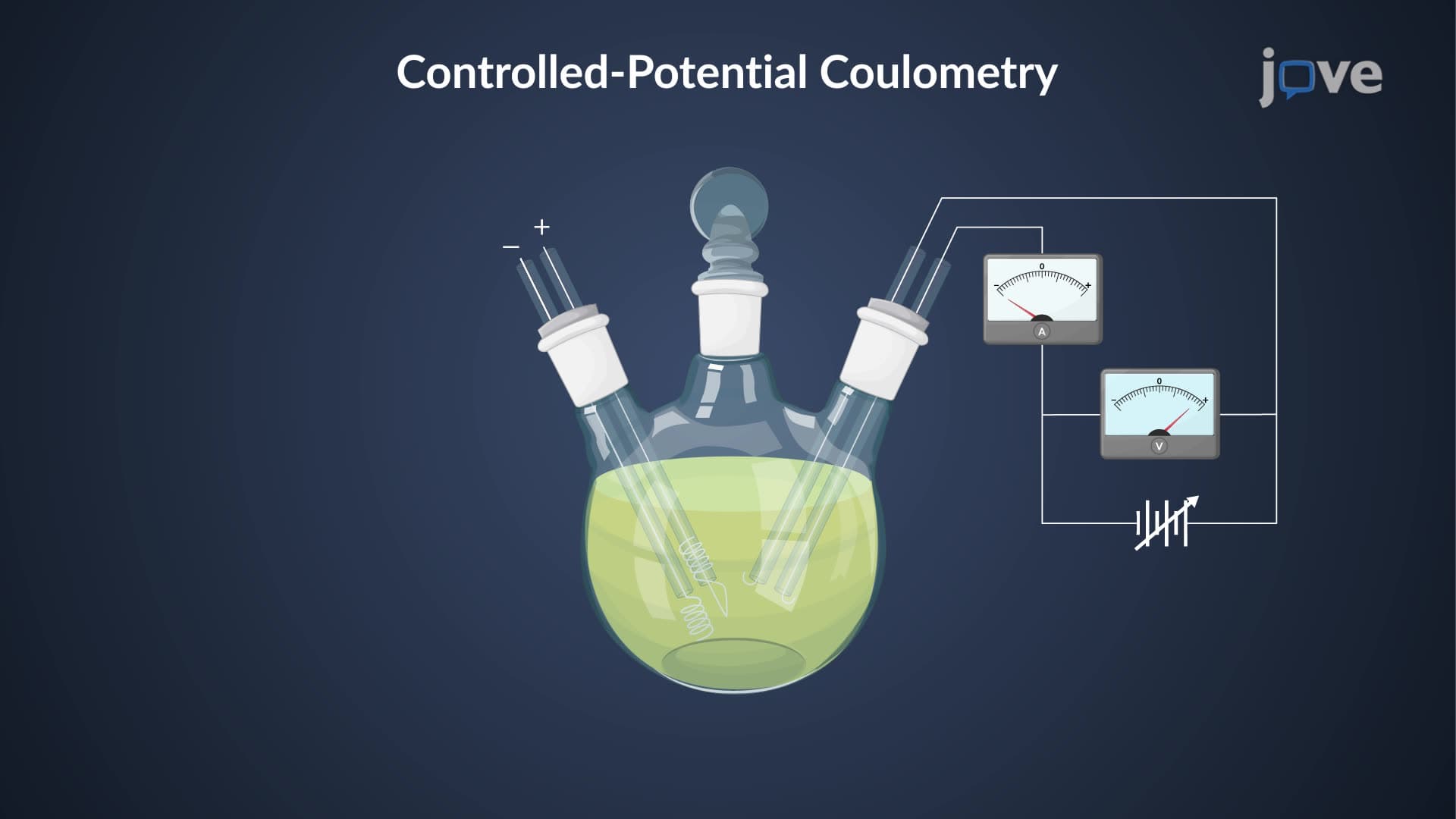
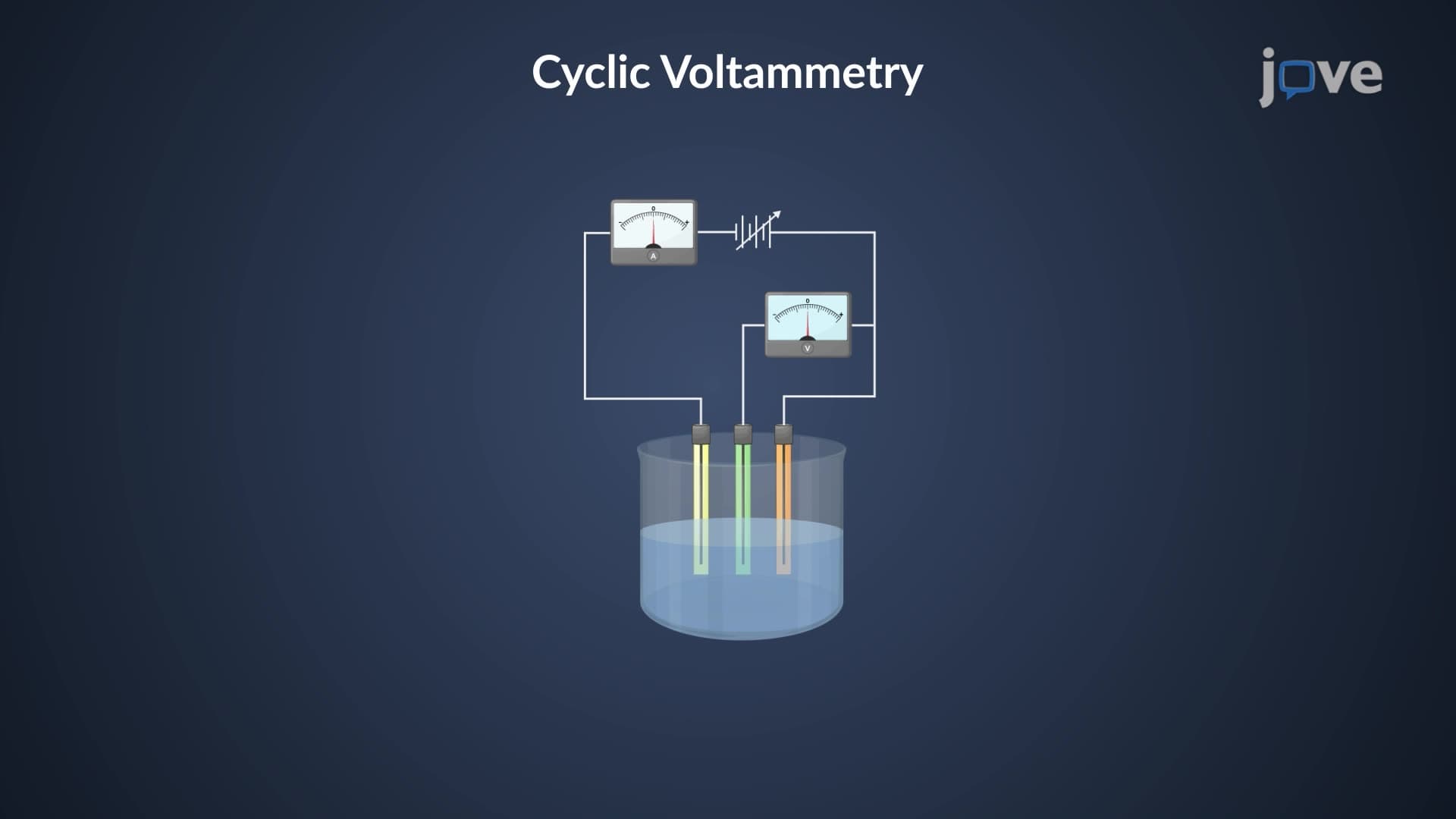
Modern laboratories prefer controlled potential electrolysis weight methods over constant-current approaches. By maintaining precise electrode potential, analysts avoid interference from competing reactions while ensuring selective deposition of target metals. This control proves especially critical when analyzing complex mixtures containing multiple metal species.
Depolarizers play a crucial role in maintaining reaction selectivity. These chemical agents consume excess electrons that might otherwise drive unwanted reactions, helping preserve analytical accuracy. Common depolarizers include nitrate ions or dissolved oxygen, which undergo reduction without interfering with the primary analysis.
Students encounter electrogravimetric analysis in AP Chemistry courses when studying electrochemistry applications. College analytical chemistry labs frequently use this technique for quantitative analysis projects, while the method appears regularly on MCAT practice questions covering electrochemical concepts.
Professional applications span numerous industries. The EPA employs electrogravimetric methods for heavy metal monitoring in water supplies, while pharmaceutical companies use the technique for purity analysis of metal-containing drugs. Mining operations rely on this method for ore analysis, and forensic laboratories apply it to evidence examination in criminal investigations.
Related Micro-courses