Loading subject page…


33,043 views


Video Summary: What Is Potentiometric Titration
Ever wonder how pharmaceutical companies at Pfizer ensure precise medication dosages? Potentiometric titration explained through electrode measurements provides the answer, this analytical technique determines unknown concentrations by monitoring electrical potential changes as titrant is added. Unlike traditional color-change indicators, potentiometric titration uses electrode potential differences to pinpoint exact endpoints with remarkable precision. Watch the full video on JoVE Coach to master this concept with expert-led visuals and step-by-step explanations.
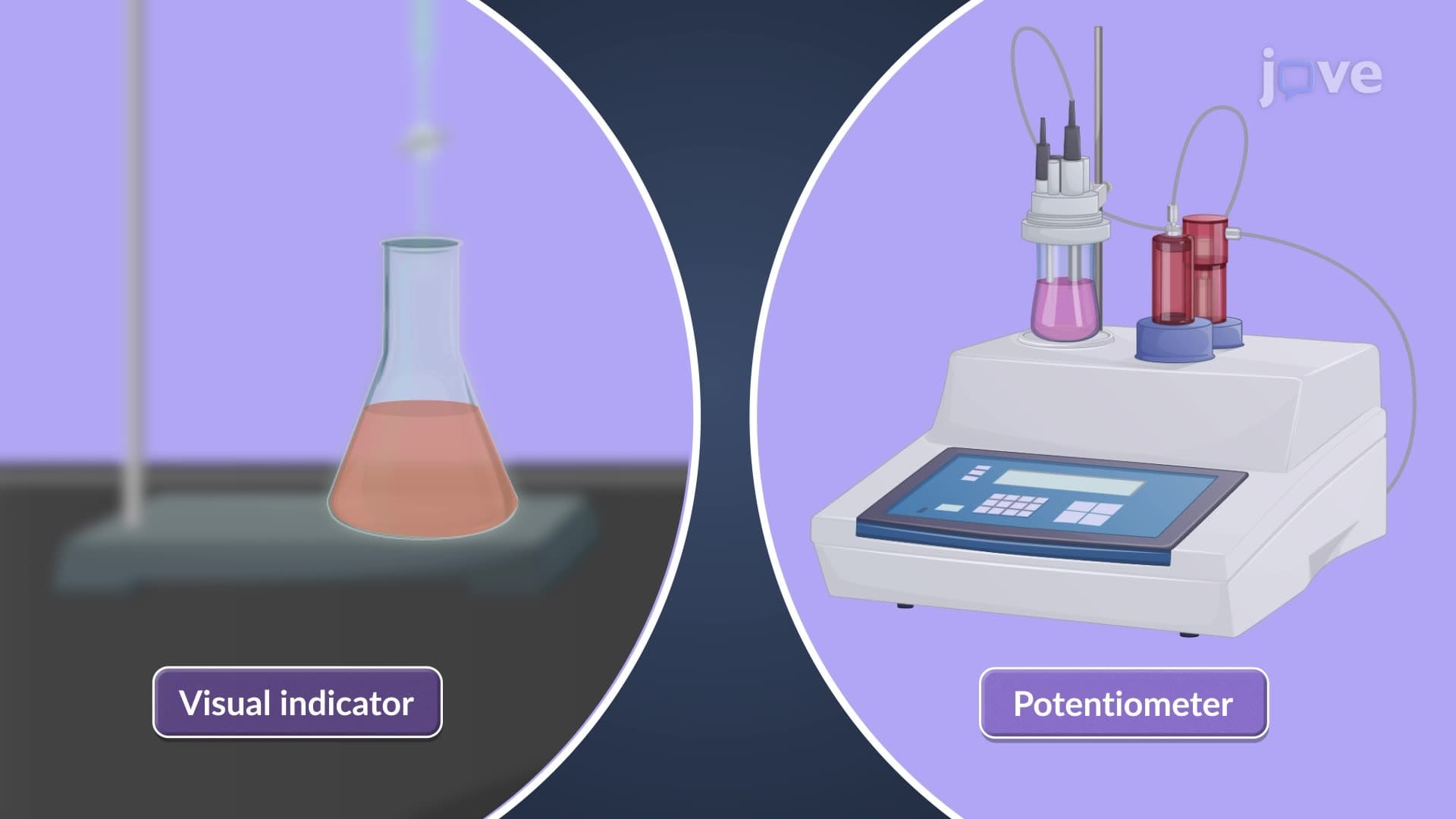
Potentiometric titration represents a sophisticated analytical approach that measures electrical potential changes to determine analyte concentrations with exceptional precision. This electrochemical method surpasses traditional visual indicators by providing quantitative endpoint detection through electrode potential measurements, making it indispensable in modern analytical chemistry.
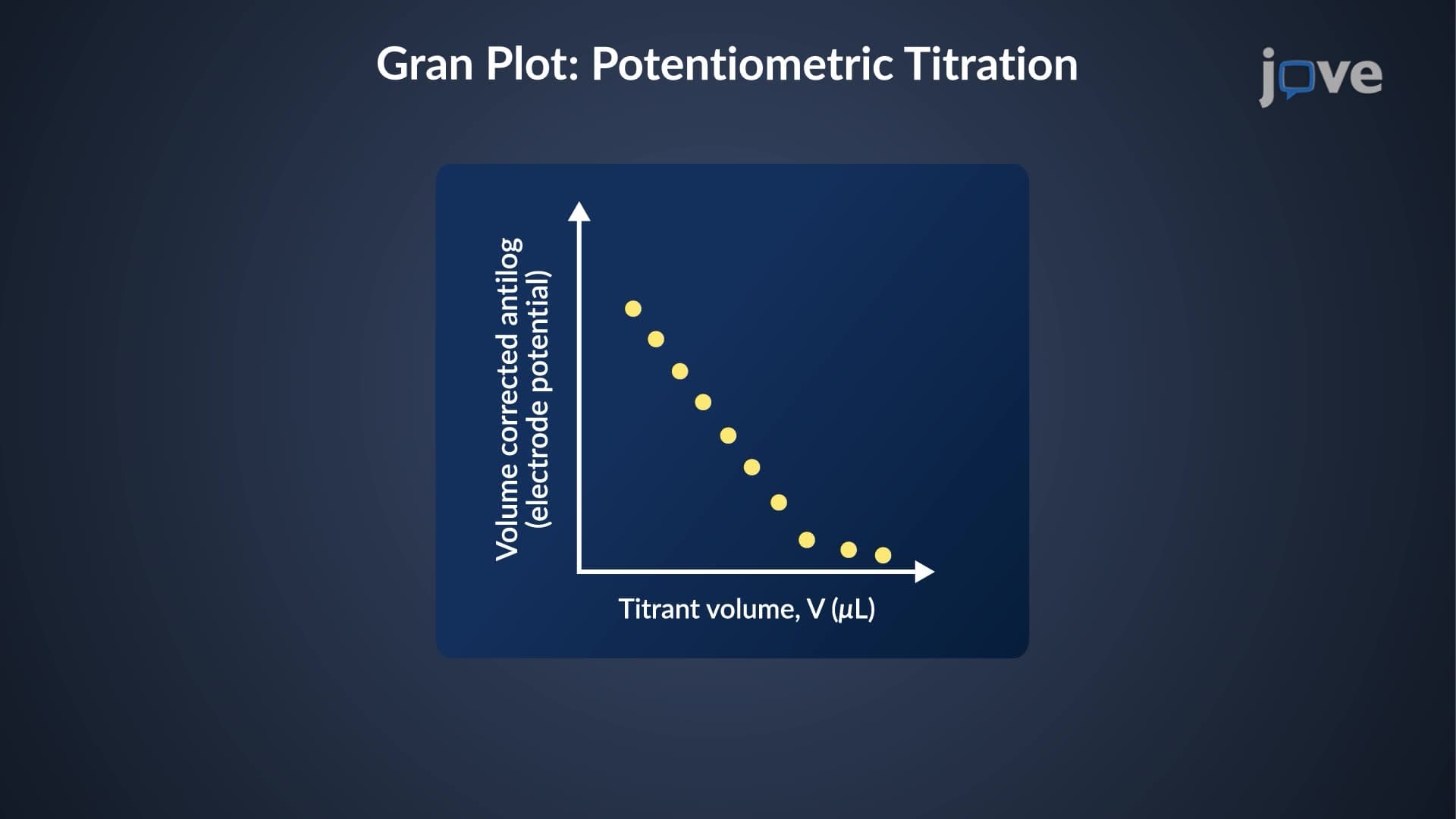
The technique operates on the principle that as titrant is added to the analyte solution, the electrical potential between two electrodes changes predictably. When plotted against titrant volume, these potential measurements create characteristic S-shaped curves with sharp inflection points marking the equivalence point, the exact moment when stoichiometrically equivalent amounts of analyte and titrant have reacted.
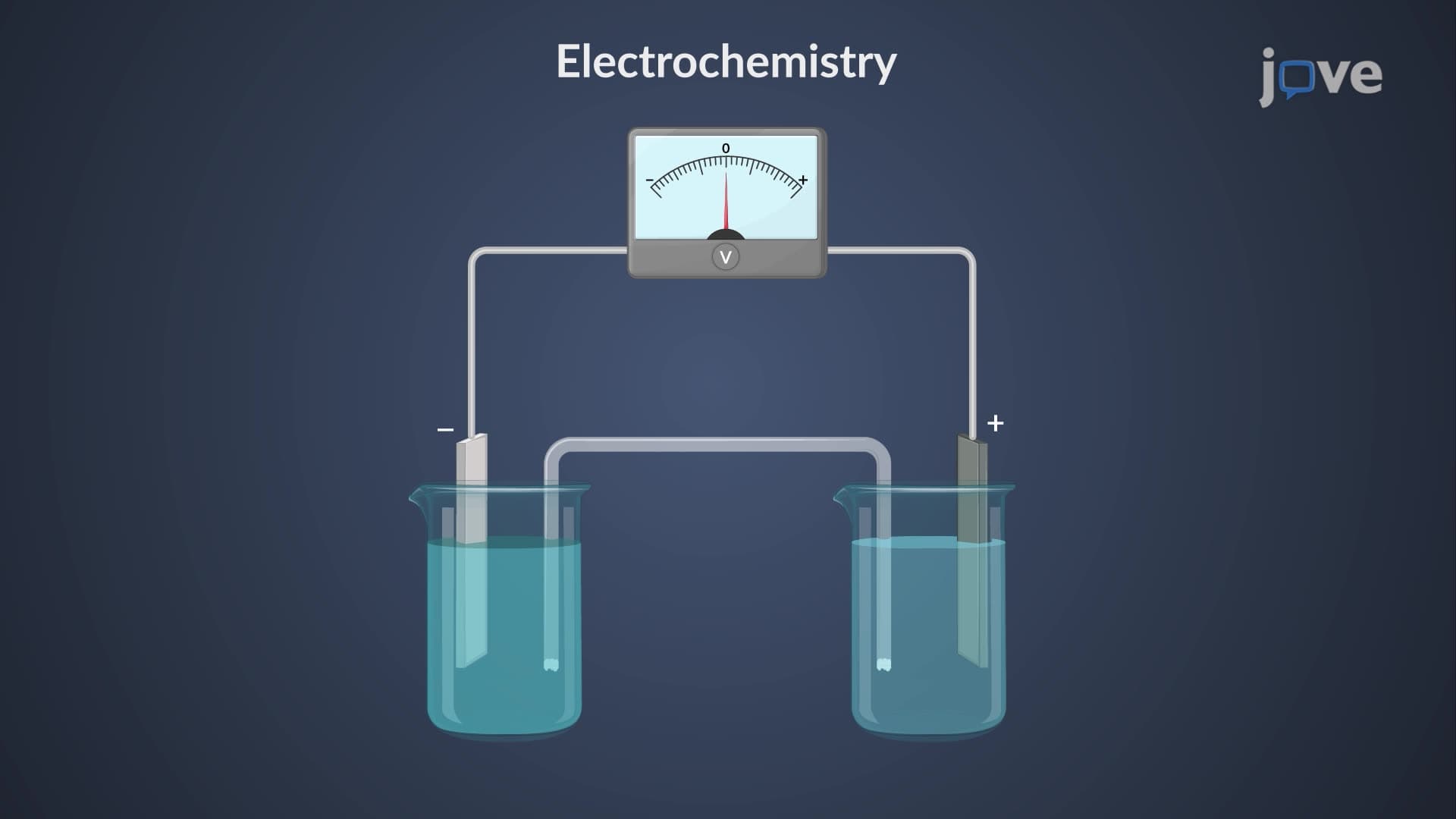
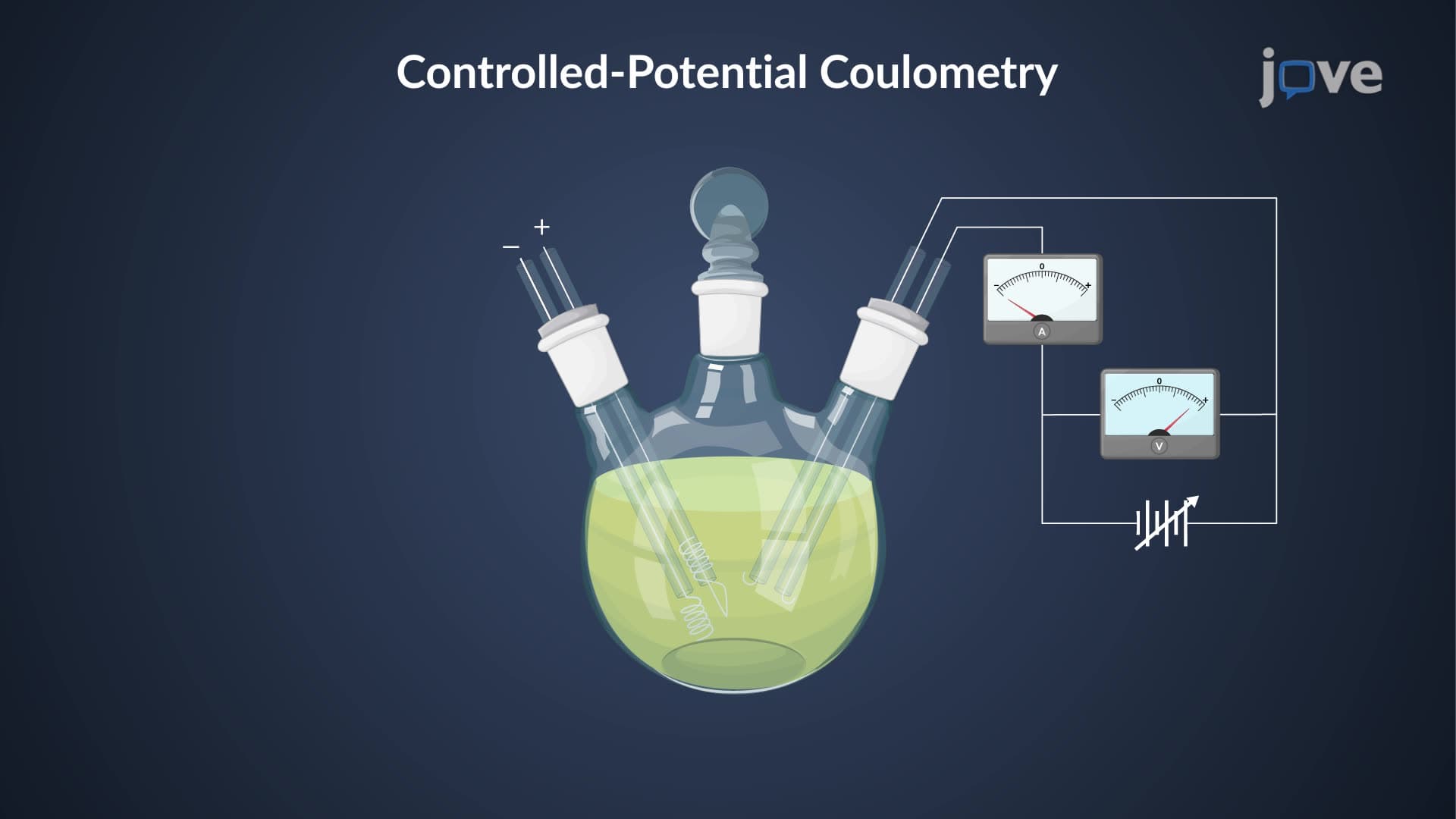
The potentiometric titration method chemistry involves three essential components: a reference electrode (providing constant potential), an indicator electrode (responding to analyte concentration changes), and a high-impedance voltmeter measuring potential differences. For acid-base titrations, glass pH electrodes serve as indicator electrodes, while silver-silver chloride electrodes commonly function as reference electrodes.
Students preparing for AP Chemistry exams frequently encounter potentiometric titrations in electrochemistry units. The Nernst equation governs electrode response: E = E° - (RT/nF) × ln(Q), where electrode potential (E) relates logarithmically to ion concentrations. This relationship enables precise concentration determinations even in colored or turbid solutions where visual indicators fail.
Four main categories dominate potentiometric applications. Acid-base titrations using pH electrodes are standard in pharmaceutical quality control, companies like Johnson & Johnson routinely use these methods for drug purity analysis. Precipitation titrations employ ion-selective electrodes to monitor anion or cation concentrations during precipitate formation. Complexometric titrations track metal-ion concentration changes as complexing agents like EDTA bind target ions. Redox titrations utilize inert platinum electrodes to monitor electron transfer reactions.
Environmental laboratories across the United States, including those monitoring Chesapeake Bay water quality, rely on potentiometric titrations for chloride, sulfate, and heavy metal determinations. The EPA frequently specifies potentiometric methods in official analytical procedures due to their objectivity and precision.
Beyond simple potential-volume plots, derivative potentiometric titration techniques offer enhanced endpoint precision. The first derivative (dE/dV) maximizes at the equivalence point, while the second derivative (d²E/dV²) crosses zero precisely at the endpoint. These mathematical approaches eliminate subjective interpretation and provide reproducible results crucial for regulatory compliance in pharmaceutical and environmental applications.
Related Micro-courses