Loading subject page…


33,043 views

Video Summary: What Is Redox Titration
Ever wonder how scientists determine the concentration of vitamin C in orange juice or hydrogen peroxide in disinfectants? Redox titration basics involve analyzing chemical reactions where electrons transfer between substances, making this technique essential in quality control labs across the US pharmaceutical industry. What is redox titration becomes clear when you see how it measures unknown concentrations through controlled oxidation-reduction reactions between an analyte and titrant. Watch the full video on JoVE Coach to master this concept with expert-led visuals and step-by-step explanations.
Oxidation reduction titration explained as a quantitative analytical technique that determines unknown concentrations by measuring electron transfer reactions. Unlike acid-base titrations that track proton movement, redox titrations monitor how electrons move between chemical species. This fundamental difference makes redox methods particularly valuable for analyzing metals, environmental pollutants, and pharmaceutical compounds.
US college chemistry courses emphasize redox titrations because they appear frequently on AP Chemistry exams and MCAT questions. Students must understand both the theoretical electron transfer principles and practical laboratory applications that span from water treatment facilities to hospital laboratories.
The titrant oxidizing agent serves as the solution with known concentration, while the analyte contains the unknown substance being measured. However, many samples require pretreatment with auxiliary reagents to ensure uniform oxidation states. For example, iron samples often need reduction to Fe²⁺ before titration with potassium permanganate solutions.
This preparation step distinguishes redox titrations from simpler analytical methods. US pharmaceutical companies routinely use these techniques to verify drug potency, where precise sample preparation ensures accurate results that meet FDA requirements.
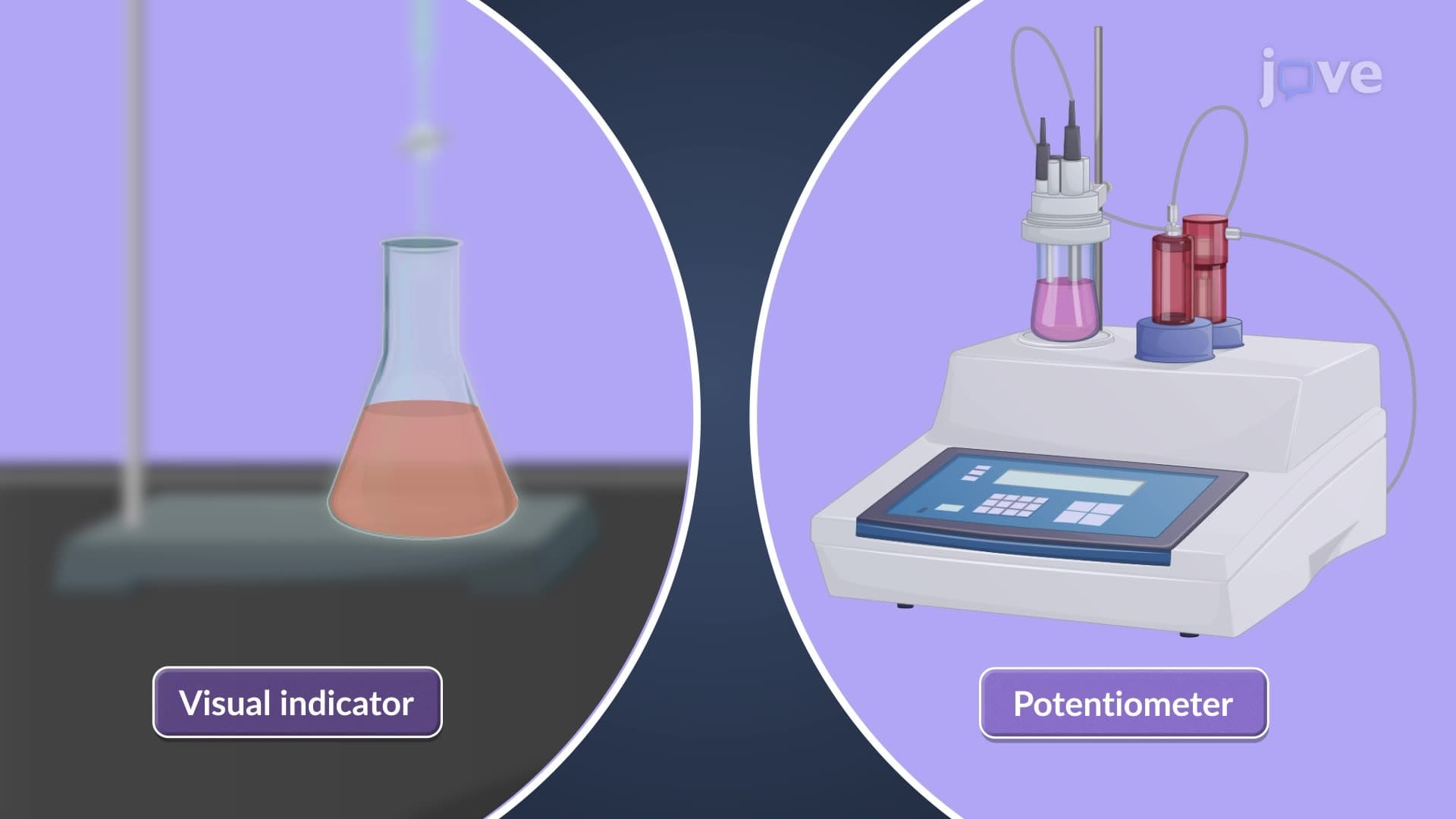
Redox endpoint detection employs three distinct approaches, each suited for specific applications. Redox indicator titration uses colored dyes like ferroin or diphenylamine that change color when the solution's electrical potential shifts at the equivalence point. These indicators work because their oxidized and reduced forms display dramatically different colors.
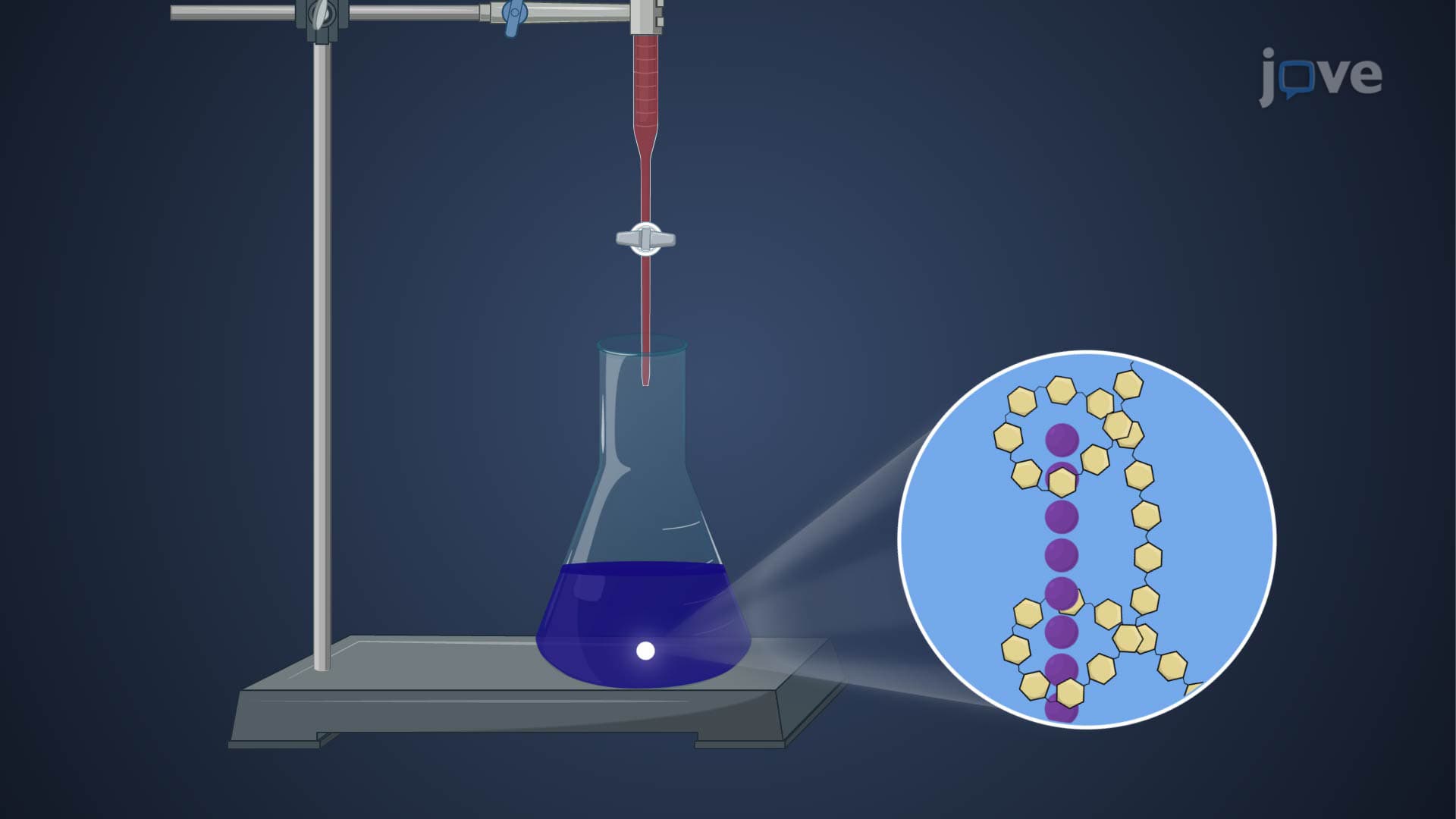
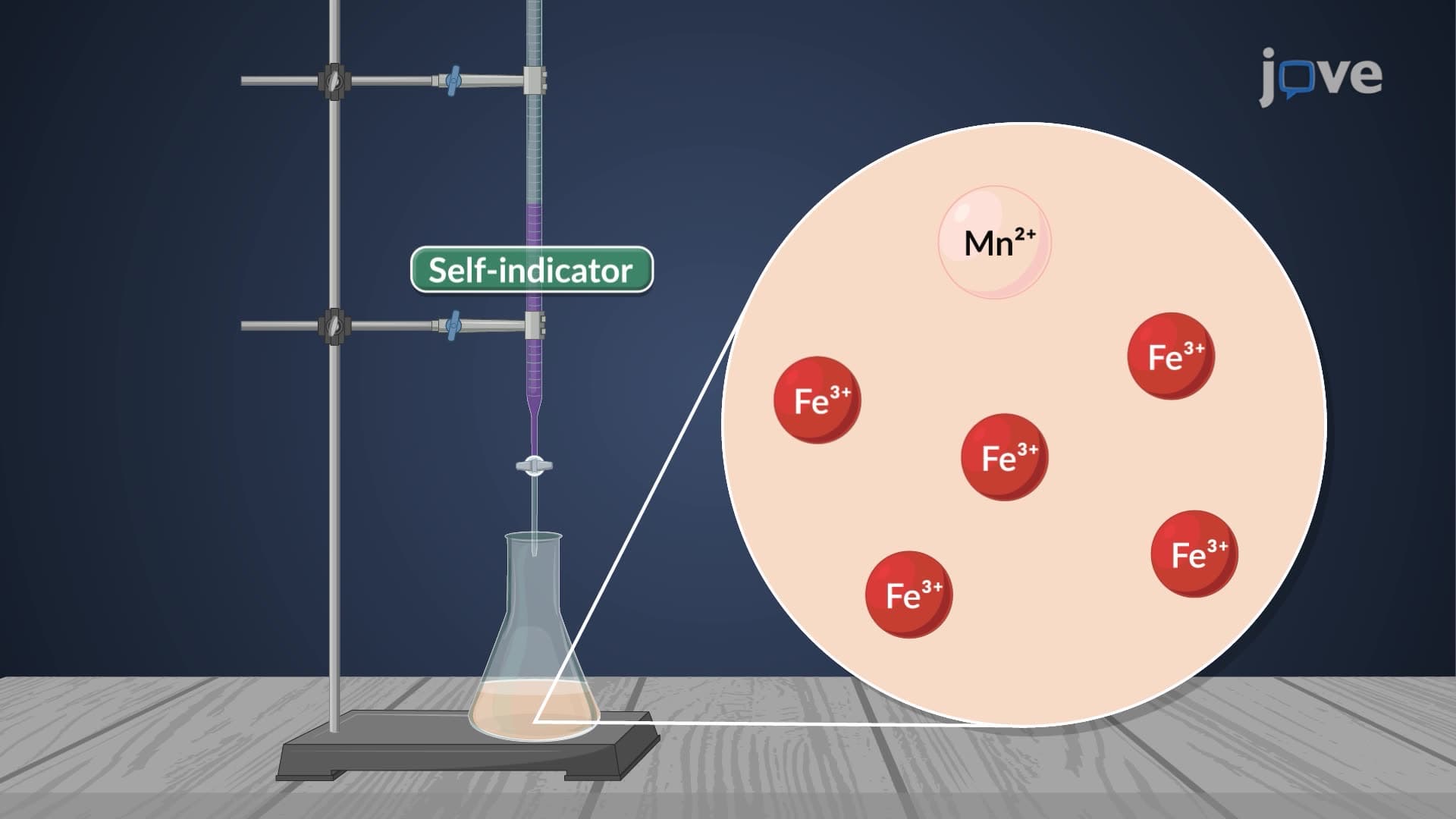
Starch indicators specifically serve iodine-based titrations, forming the characteristic dark-blue complex that disappears at the endpoint. Self-indicators eliminate the need for separate indicator solutions since the titrant itself changes color-permanganate redox titration exemplifies this approach as the purple permanganate ion becomes colorless when reduced.
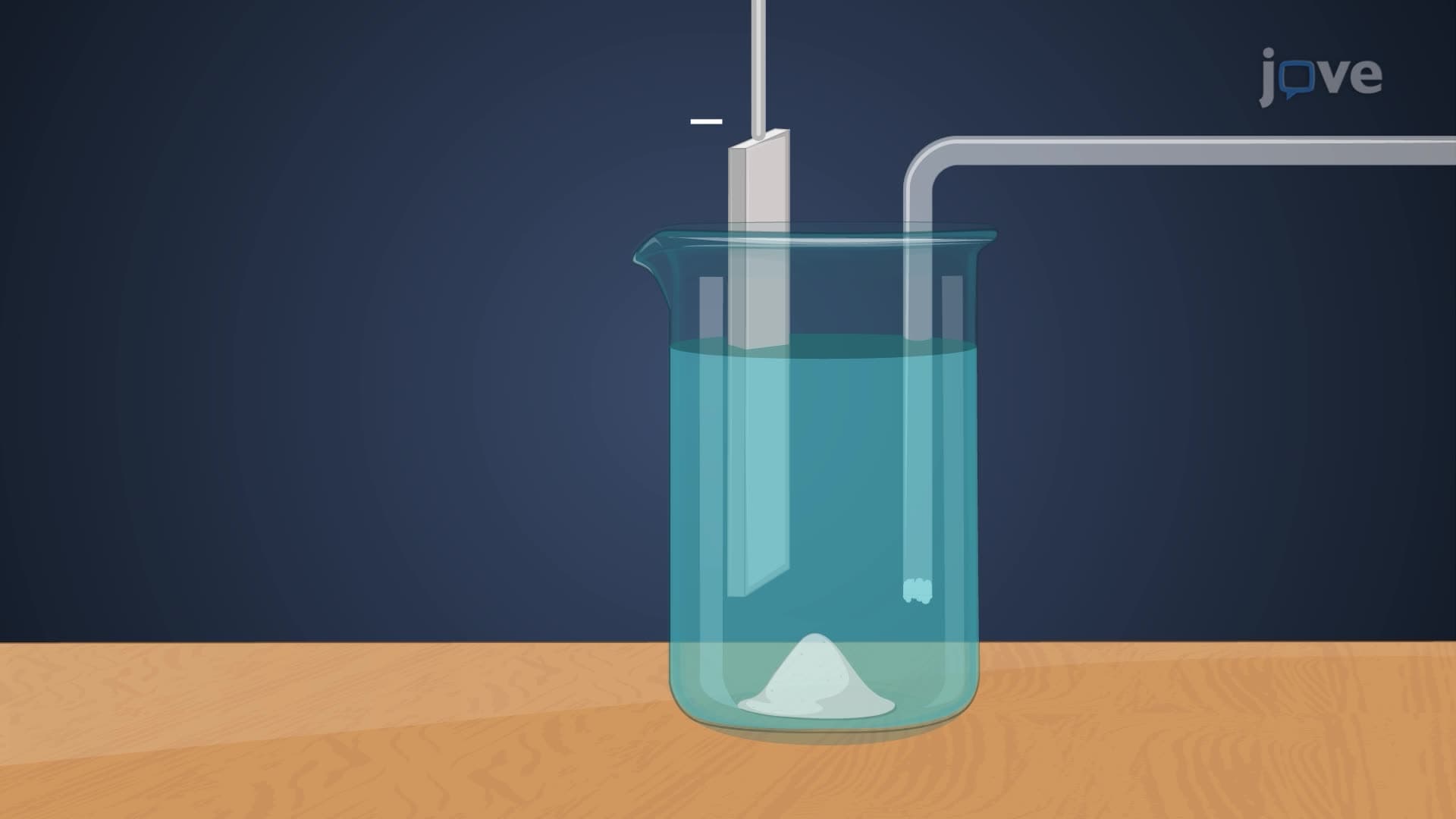
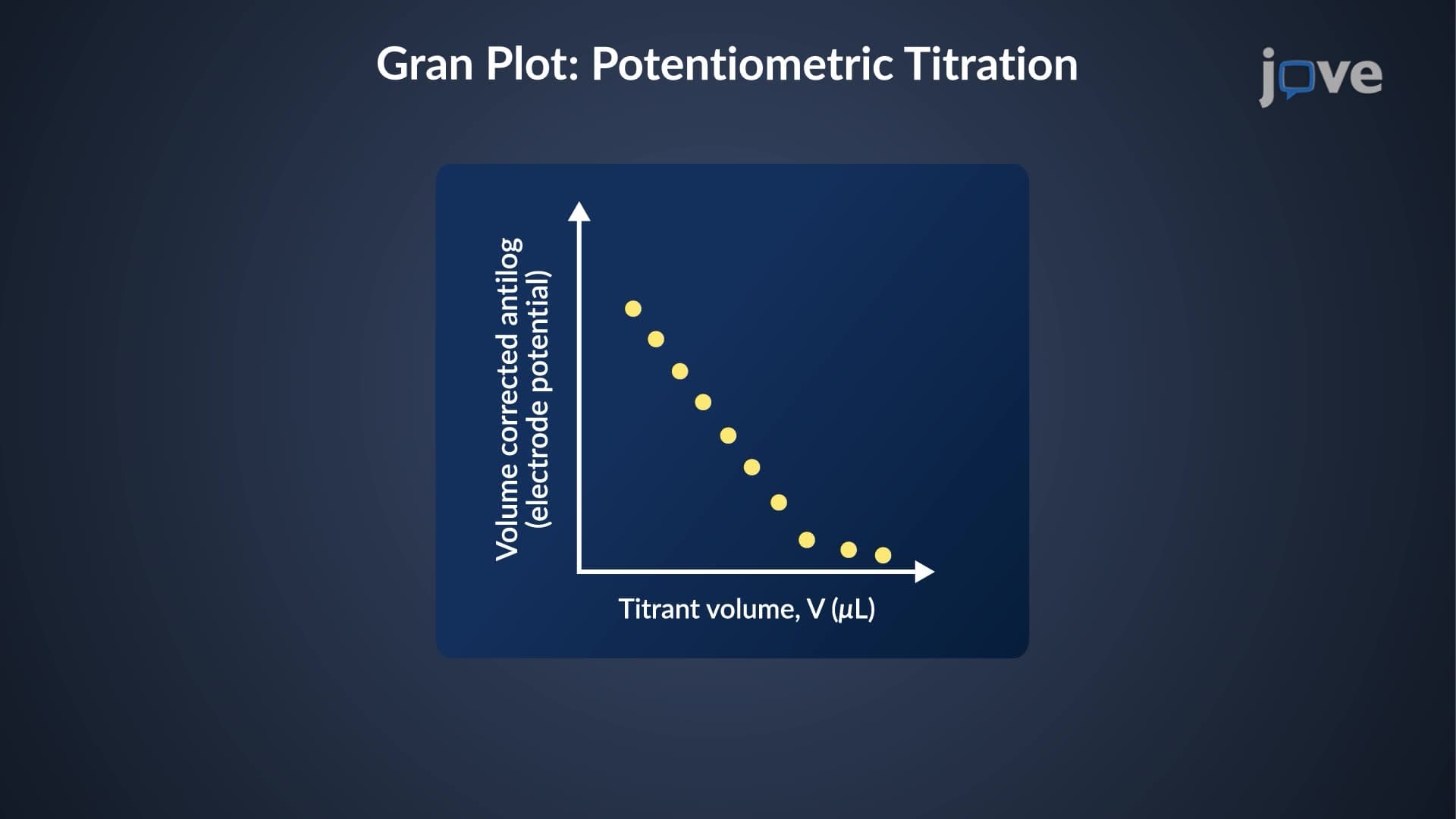
Volumetric redox analysis generates S-shaped curves when plotting electrical potential against titrant volume. These curves show gradual potential increases followed by sharp jumps near the equivalence point-a pattern that helps analysts identify precise endpoints even in complex mixtures.
US environmental laboratories use these principles to monitor water quality, measuring dissolved oxygen levels and heavy metal contamination. Similarly, food industry applications include determining antioxidant levels in products and verifying preservative concentrations that ensure consumer safety.
Related Micro-courses