Loading subject page…


33,043 views


Video Summary: What Is Voltammetric Techniques Pulse Voltammetry
Did you know that detecting trace amounts of heavy metals in drinking water requires techniques sensitive enough to measure currents smaller than a billionth of an ampere? The pulse voltammetry technique revolutionizes electrochemical analysis by eliminating interfering background currents that plague traditional methods. The EPA uses these advanced voltammetric techniques pulse voltammetry methods to monitor lead contamination in municipal water systems across the United States. What is voltammetric techniques pulse voltammetry reveals how differential pulse and square wave methods achieve unprecedented analytical sensitivity through clever pulse timing strategies. Watch the full video on JoVE Coach to master this concept with expert-led visuals and step-by-step explanations.
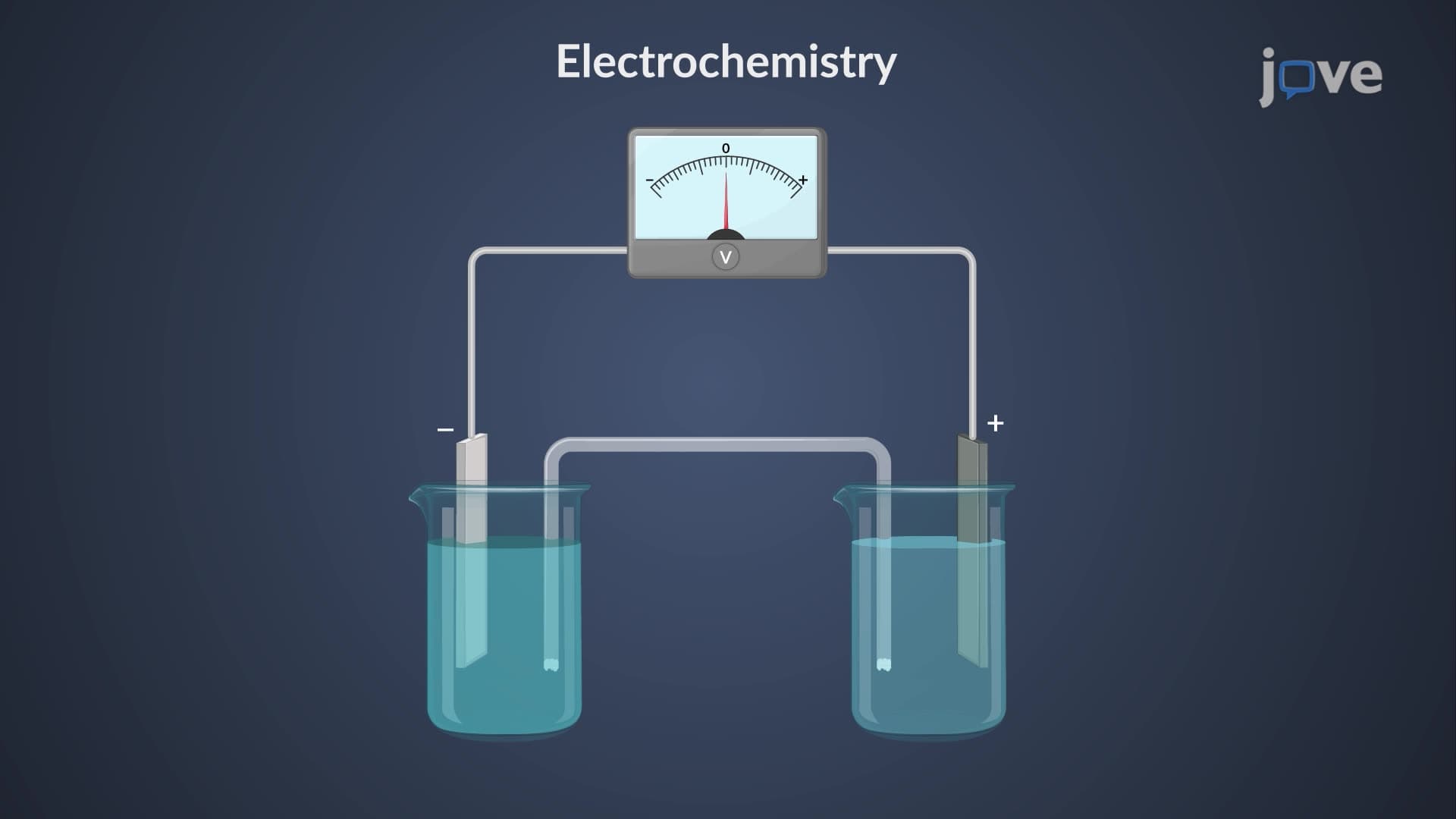
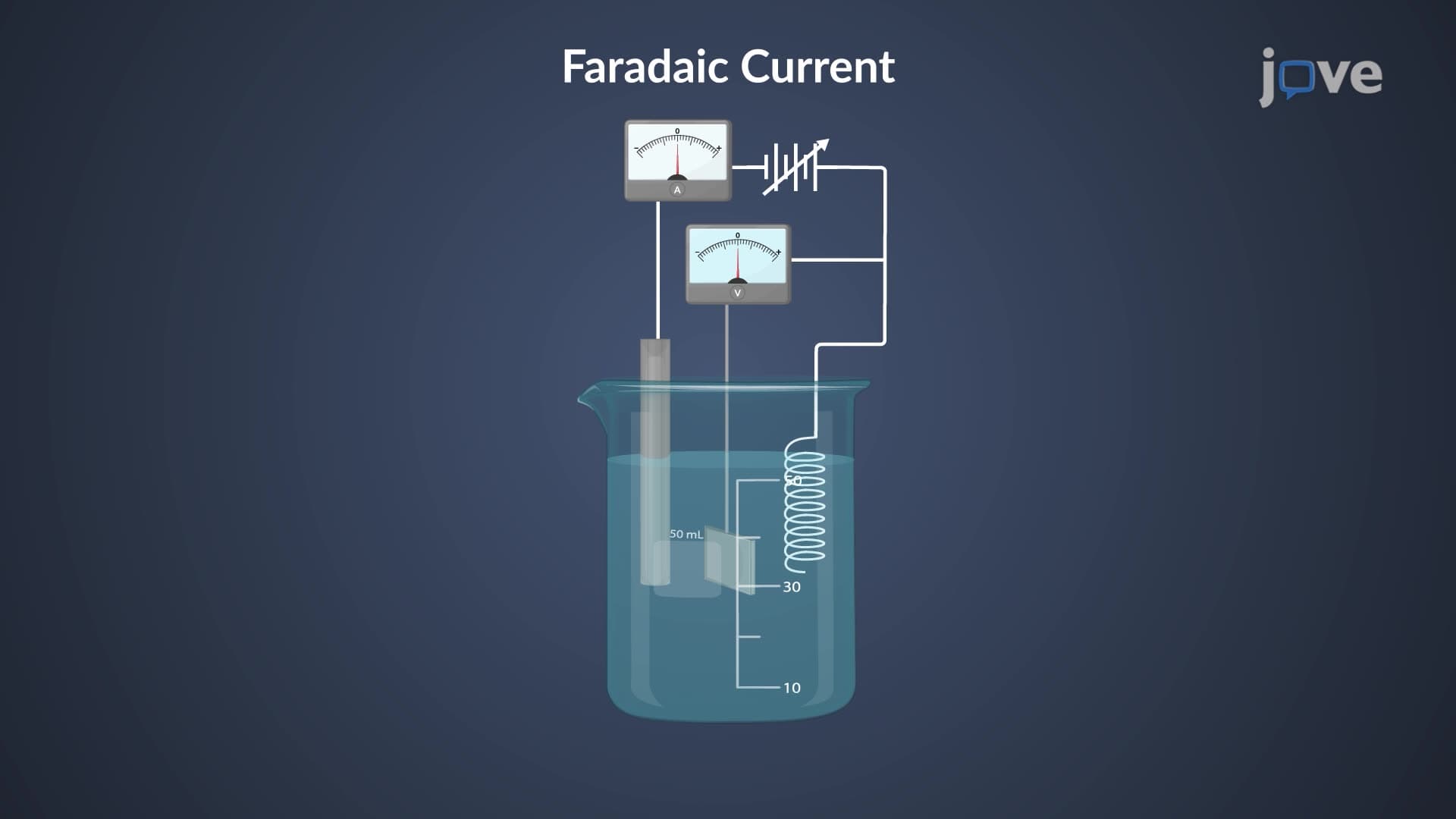
Voltammetric techniques pulse voltammetry represents a sophisticated evolution in electrochemical analysis, addressing critical limitations that researchers at institutions like MIT and Stanford encountered with traditional linear-scan methods. The fundamental challenge lies in separating the analytical signal (faradaic current from electron transfer reactions) from the interfering background noise (charging current from double-layer formation). This separation becomes crucial when analyzing environmental samples for the EPA or conducting pharmaceutical quality control for FDA compliance.
The genius of how pulse voltammetry works analytically lies in its temporal discrimination approach. When a potential pulse is applied to an electrode, two types of current flow simultaneously: the desired faradaic current from analyte oxidation/reduction and the unwanted charging current from electrical double-layer formation. Charging current decays exponentially with time (following i = I₀ × e^(-t/RC)), while faradaic current decays more slowly (proportional to t^(-1/2)). By measuring current at the end of each pulse rather than continuously, pulse methods effectively eliminate most charging current interference.
Differential pulse voltammetry DPV employs a staircase potential ramp with small amplitude pulses (typically 10-100 mV) superimposed at each step. The current measurement protocol involves sampling just before pulse application and again near the pulse end, then plotting the difference. This differential measurement amplifies the analytical signal while canceling baseline drift and charging effects. Pharmaceutical companies use DPV to detect drug impurities at parts-per-million levels, while environmental laboratories employ it for heavy metal analysis in compliance with Clean Water Act regulations.
Square wave voltammetry SWV combines the advantages of pulse methods with rapid analysis capabilities essential for high-throughput applications. The technique applies a symmetrical square wave superimposed on a staircase potential, creating alternating oxidation and reduction conditions. During forward pulses, analyte undergoes oxidation, while reverse pulses promote reduction. The current difference between these opposing processes generates a net signal that's both larger and more selective than conventional methods. This approach proves invaluable for MCAT preparation topics involving enzyme kinetics and for AP Chemistry students studying electrochemical cell behavior.
Students preparing for college-level analytical chemistry courses will encounter pulse voltammetry in quantitative analysis labs, where these techniques demonstrate the relationship between instrumental sensitivity and detection limits-concepts frequently tested on graduate school entrance exams and professional certification assessments.
Related Micro-courses