Loading subject page…

- Analytical Chemistry
- Molecular Vibrational Spectroscopy
- IR Spectroscopy: Hooke's Law Approximation of Molecular Vibration
Micro-course: Molecular Vibrational Spectroscopy
28,167 views
Learn key concepts and earn your certificate.




IR Spectroscopy: Hooke's Law Approximation of Molecular Vibration

00:00
01:16
Video Summary: Ir Spectroscopy Hookes Law Explained
Ever wonder why a guitar's thicker strings produce deeper sounds than thinner ones? Hooke's law IR spectroscopy follows the same principle, modeling molecular bonds as tiny vibrating springs to predict infrared absorption frequencies. Just like how NASA scientists use IR spectroscopy to identify atmospheric gases on Mars, chemists apply IR Spectroscopy Hooke's Law Explained concepts to determine molecular structures in everything from pharmaceuticals to forensic evidence. This fundamental relationship connects bond strength and atomic mass to vibrational frequency, making it essential for understanding molecular behavior. Watch the full video on JoVE Coach to master this concept with expert-led visuals and step-by-step explanations.
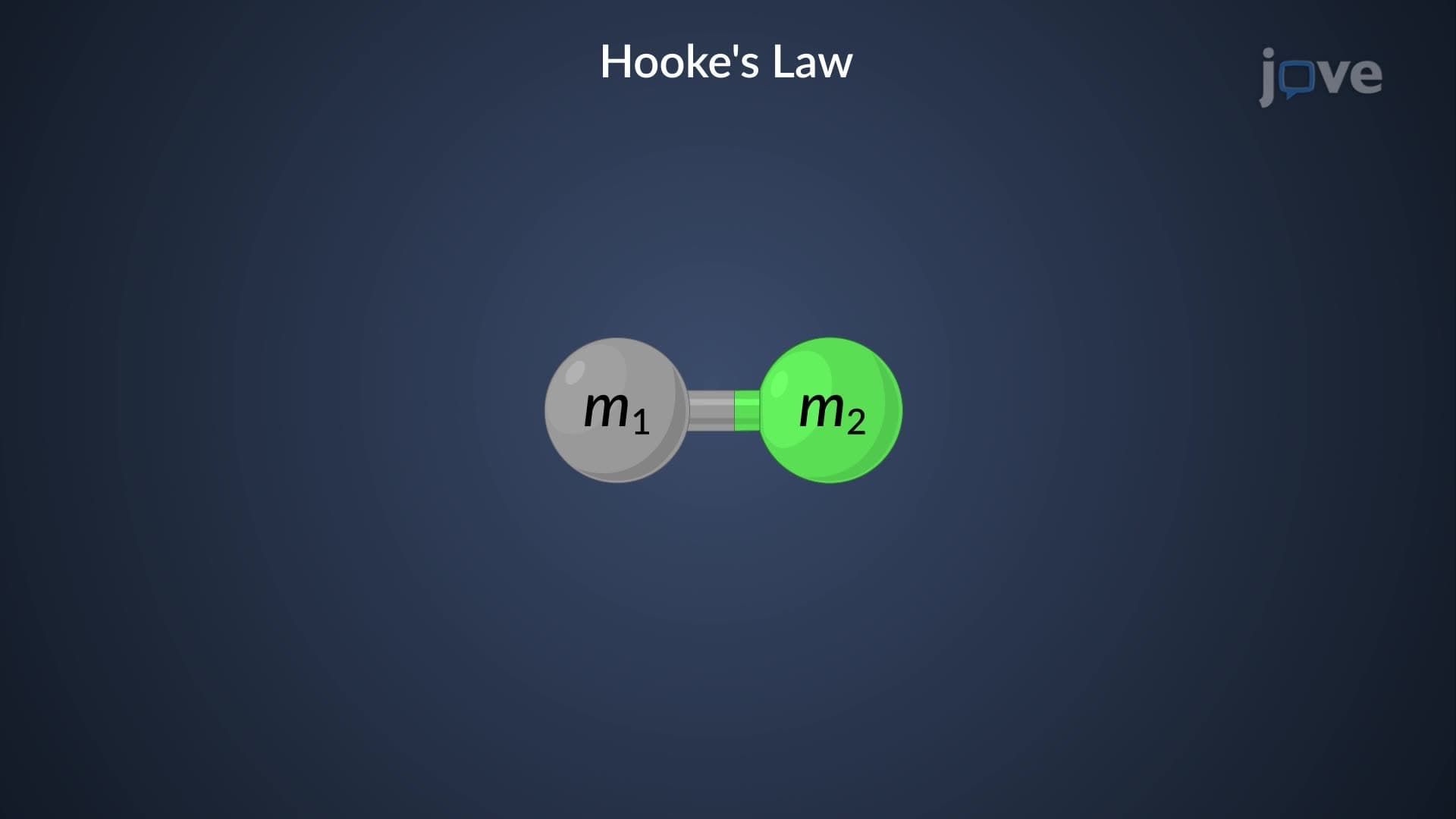
- Understand how IR Spectroscopy Hooke's Law Explained models molecular bonds as harmonic oscillators with springs connecting vibrating masses
- Identify the relationship between force constants, reduced mass, and vibrational frequencies in IR spectroscopy
- Analyze why bonds between heavier atoms vibrate at lower frequencies than those between lighter atoms
- Compare stretching and bending vibrations to explain why C-H stretching occurs at higher frequencies than C-H bending
- Evaluate how bond strength affects vibrational frequency, explaining why triple bonds vibrate at higher frequencies than double or single bonds
- Apply the reduced mass concept to predict relative IR absorption frequencies for different molecular bonds
- Recognize the direct relationship between force constants and bond strength in determining IR spectral positions
- Explore how harmonic oscillator models simplify complex molecular vibrations for practical spectroscopic analysis
Understanding IR Spectroscopy Hooke's Law Explained Fundamentals
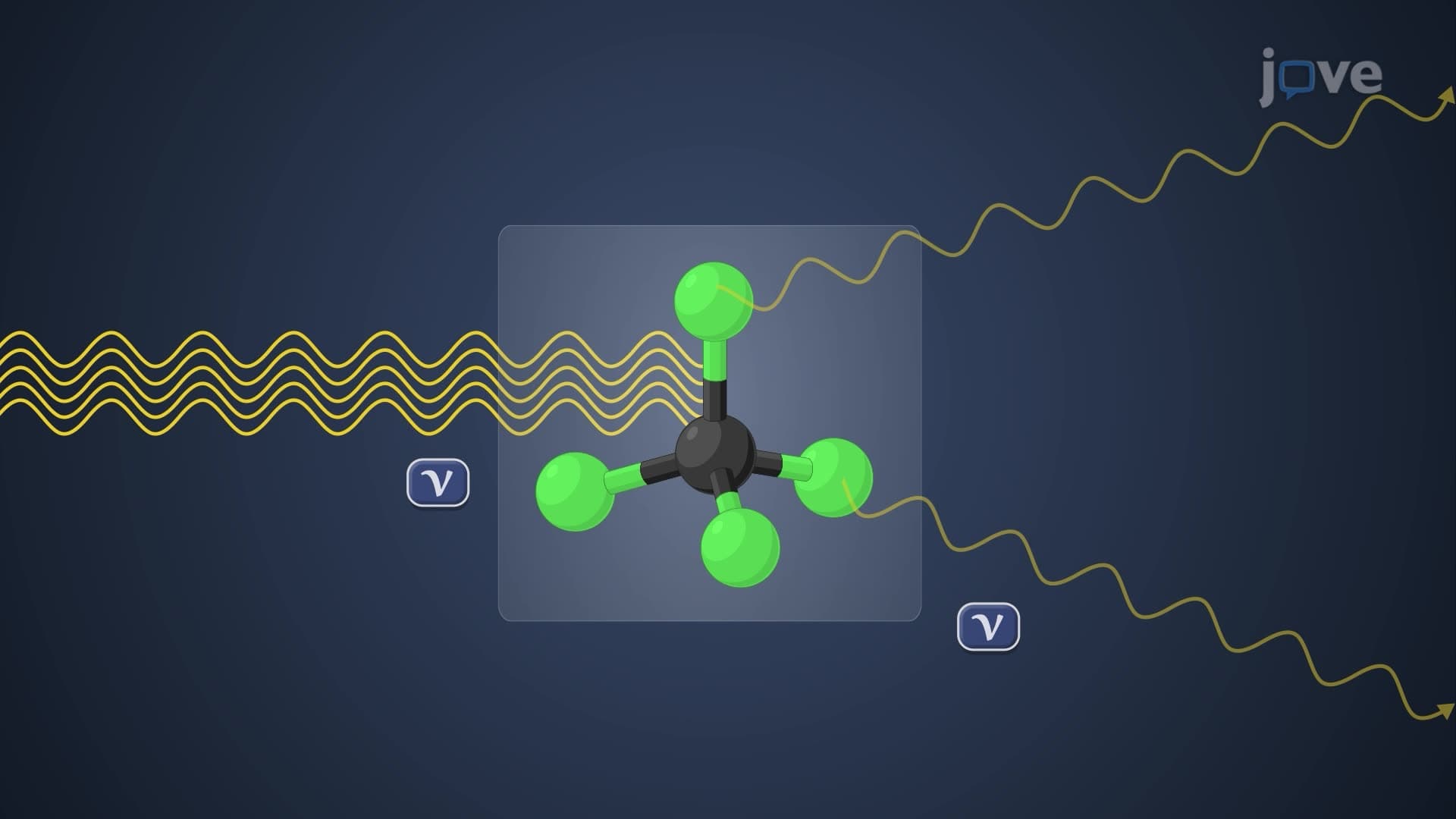
Hooke's law IR spectroscopy revolutionizes how we understand molecular vibrations by treating chemical bonds as tiny springs. When infrared light strikes a molecule, bonds absorb energy at specific frequencies corresponding to their natural vibrational modes. This harmonic oscillator IR model transforms complex quantum mechanical behavior into manageable classical mechanics, making it accessible for high school and undergraduate chemistry students.
The fundamental equation governing this behavior relates vibrational frequency to two key molecular properties: the force constant IR Hooke's law (representing bond stiffness) and the reduced mass of bonded atoms. Students preparing for AP Chemistry or college organic chemistry courses must grasp how this relationship explains spectral patterns observed in laboratory experiments.
Force Constants and Bond Strength Relationships
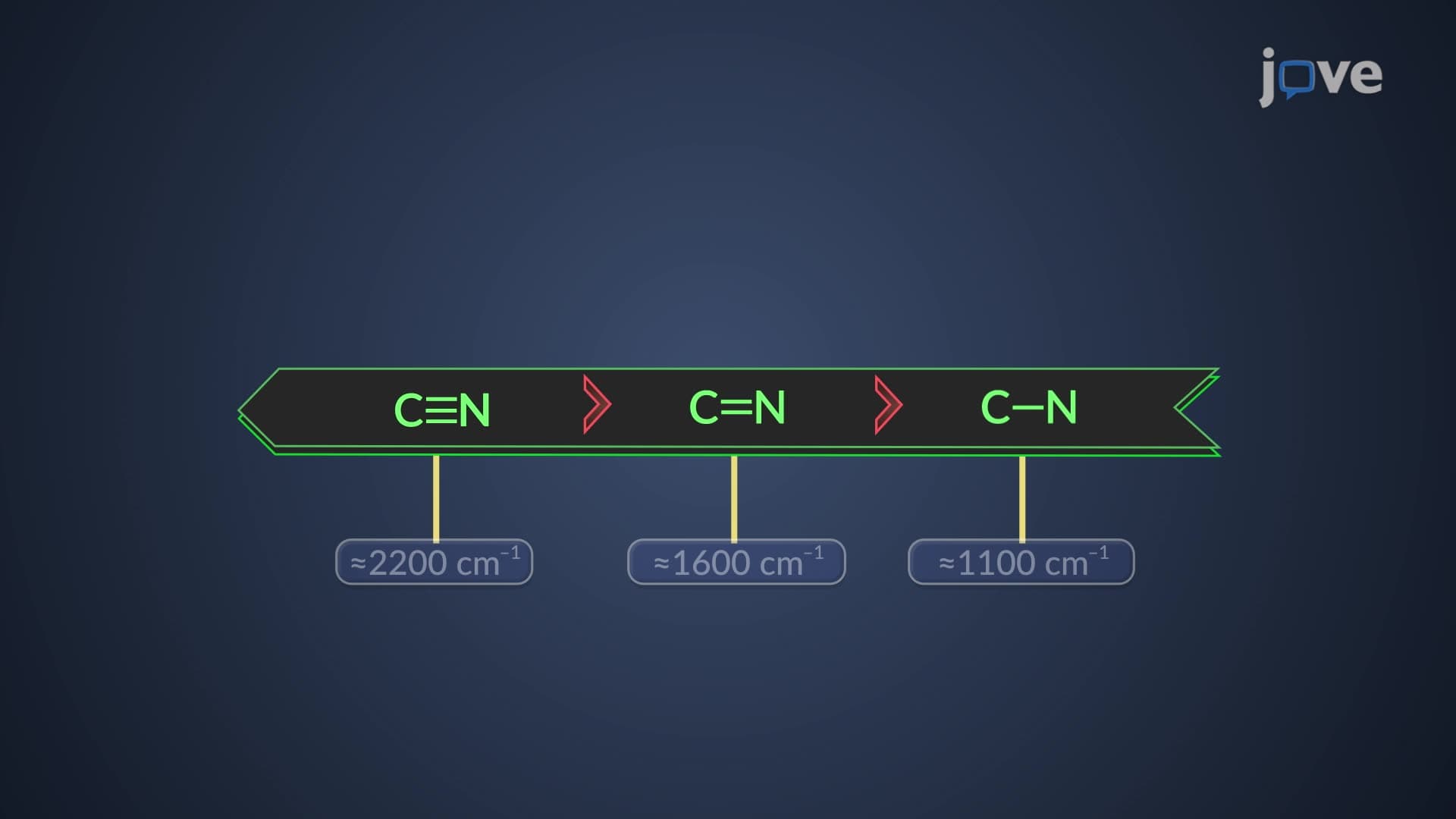
Bond strength IR frequency correlations provide powerful tools for molecular identification. Triple bonds, like those in acetylene (C≡C), possess higher force constants than double bonds (C=C in ethylene) or single bonds (C-C in ethane). This hierarchy directly translates to IR absorption frequencies: C≡C stretches appear around 2100-2260 cm⁻¹, C=C stretches near 1620-1680 cm⁻¹, and C-C stretches around 800-1300 cm⁻¹.
Pharmaceutical companies like Pfizer routinely use these principles during drug development, identifying functional groups in new compounds by their characteristic IR frequencies. Students tackling MCAT preparation will encounter similar applications in biological molecule analysis, where how Hooke's law applies to IR spectroscopy helps distinguish between different protein secondary structures.
Reduced Mass Effects on Vibrational Frequencies
Reduced mass vibration calculations explain why C-H bonds (involving light hydrogen) vibrate at higher frequencies than C-C bonds (involving heavier carbon atoms). The reduced mass formula, μ = (m₁ × m₂)/(m₁ + m₂), shows how atomic masses influence vibrational behavior. Lighter atoms create smaller reduced masses, leading to higher frequencies according to Hooke's law molecular vibration IR principles.
This concept proves essential when analyzing isotope effects. Deuterium substitution (replacing H with D) significantly shifts IR frequencies because deuterium's doubled mass increases the reduced mass, lowering vibrational frequencies. Forensic laboratories exploit these isotope effects to trace chemical origins in criminal investigations.
Stretching vs. Bending Vibrations
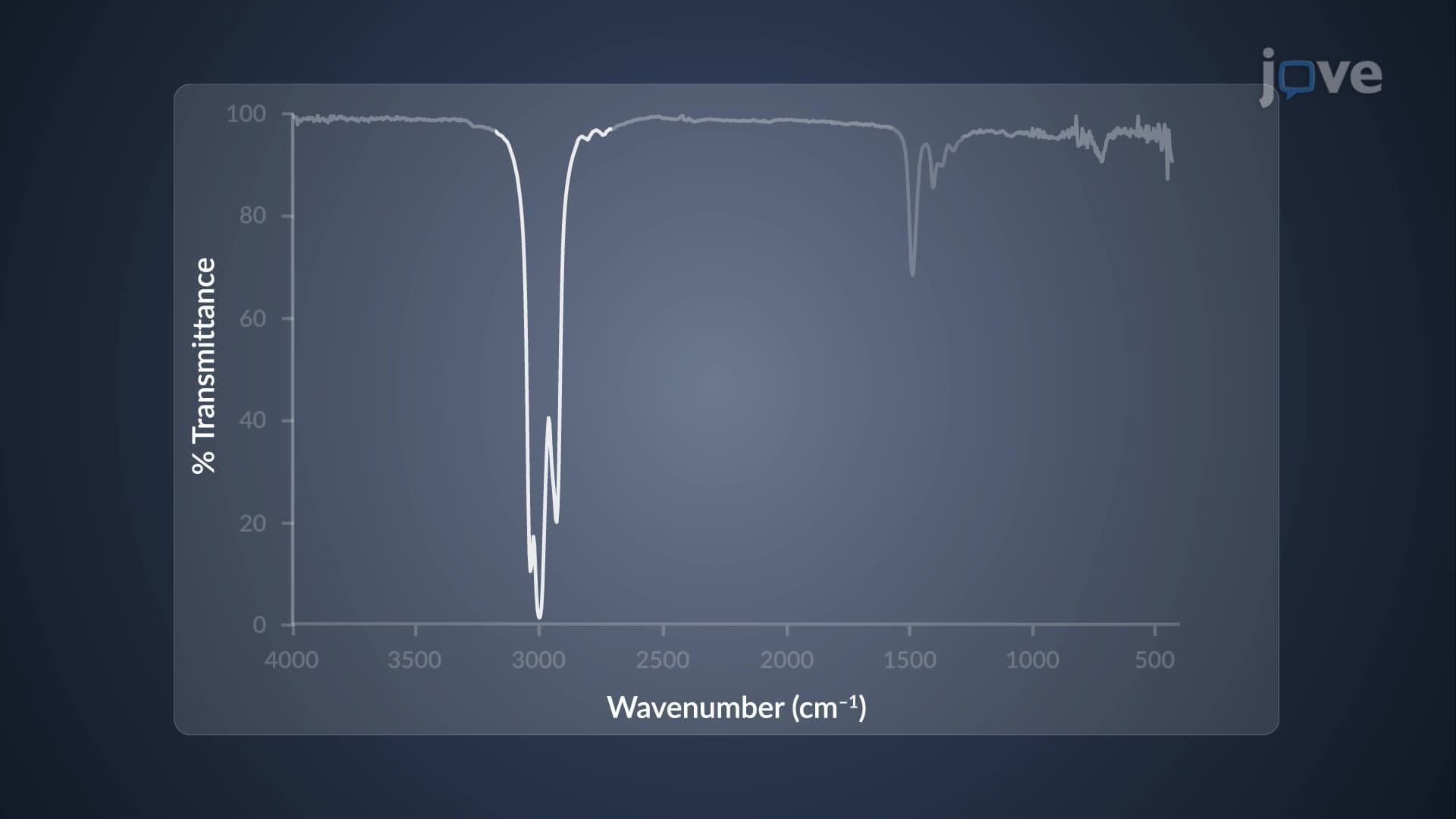
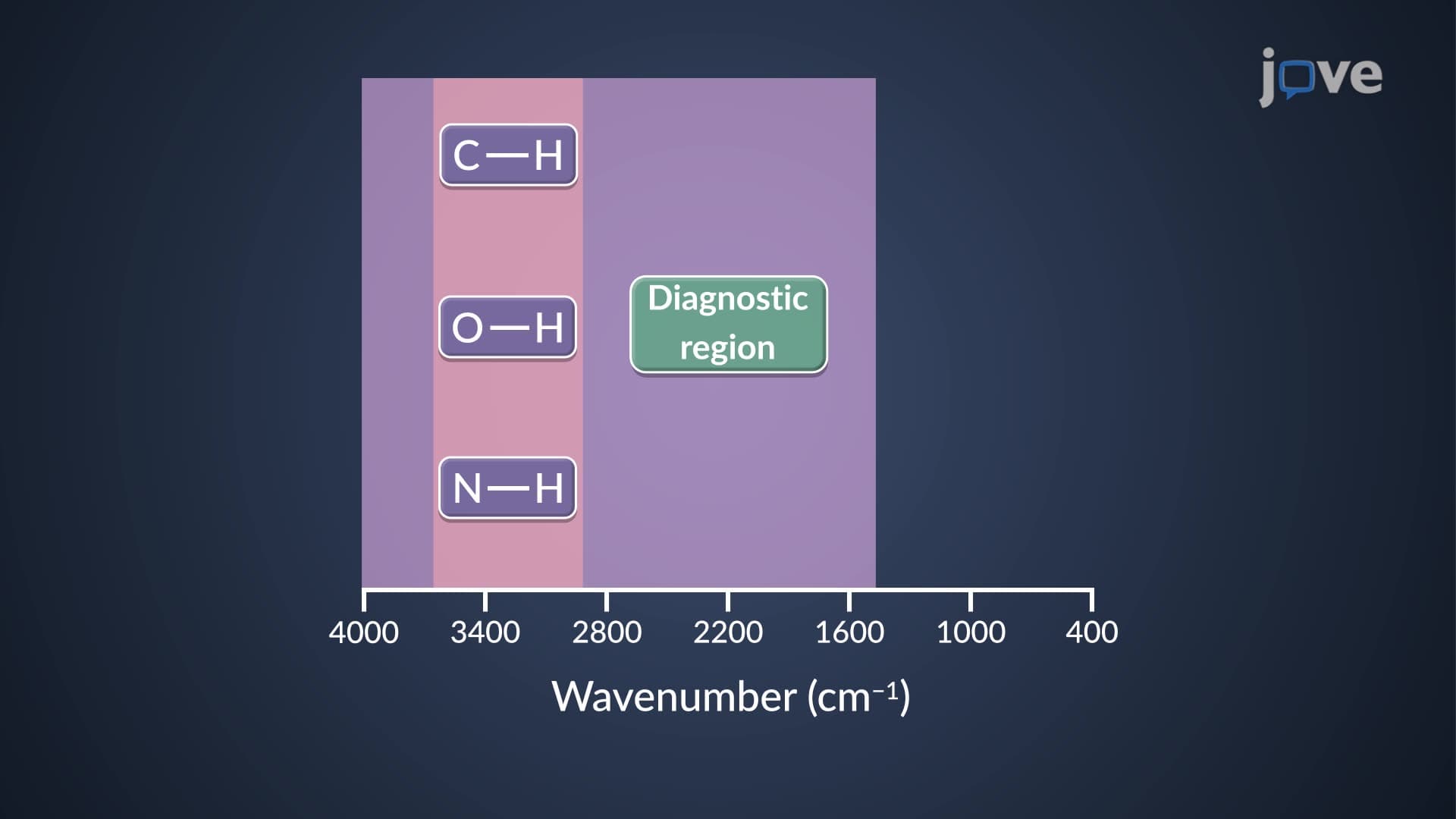
Hooke's law stretching frequency calculations differ markedly from bending frequency predictions because bending motions involve smaller force constants. C-H stretching vibrations typically appear around 2850-3000 cm⁻¹, while C-H bending modes occur near 1350-1480 cm⁻¹. This frequency separation allows chemists to distinguish between different vibrational modes within the same molecule, providing detailed structural information crucial for compound identification and purity analysis in industrial quality control processes.
Frequently Asked Questions
IR Spectroscopy Hooke's Law Explained describes how molecular bonds behave like tiny springs, vibrating at specific frequencies when absorbing infrared light. This model allows chemists to identify functional groups and molecular structures by analyzing IR spectra. It's fundamental for AP Chemistry, organic chemistry courses, and MCAT preparation because it connects theoretical bond properties to practical analytical techniques used in pharmaceuticals, forensics, and environmental analysis.
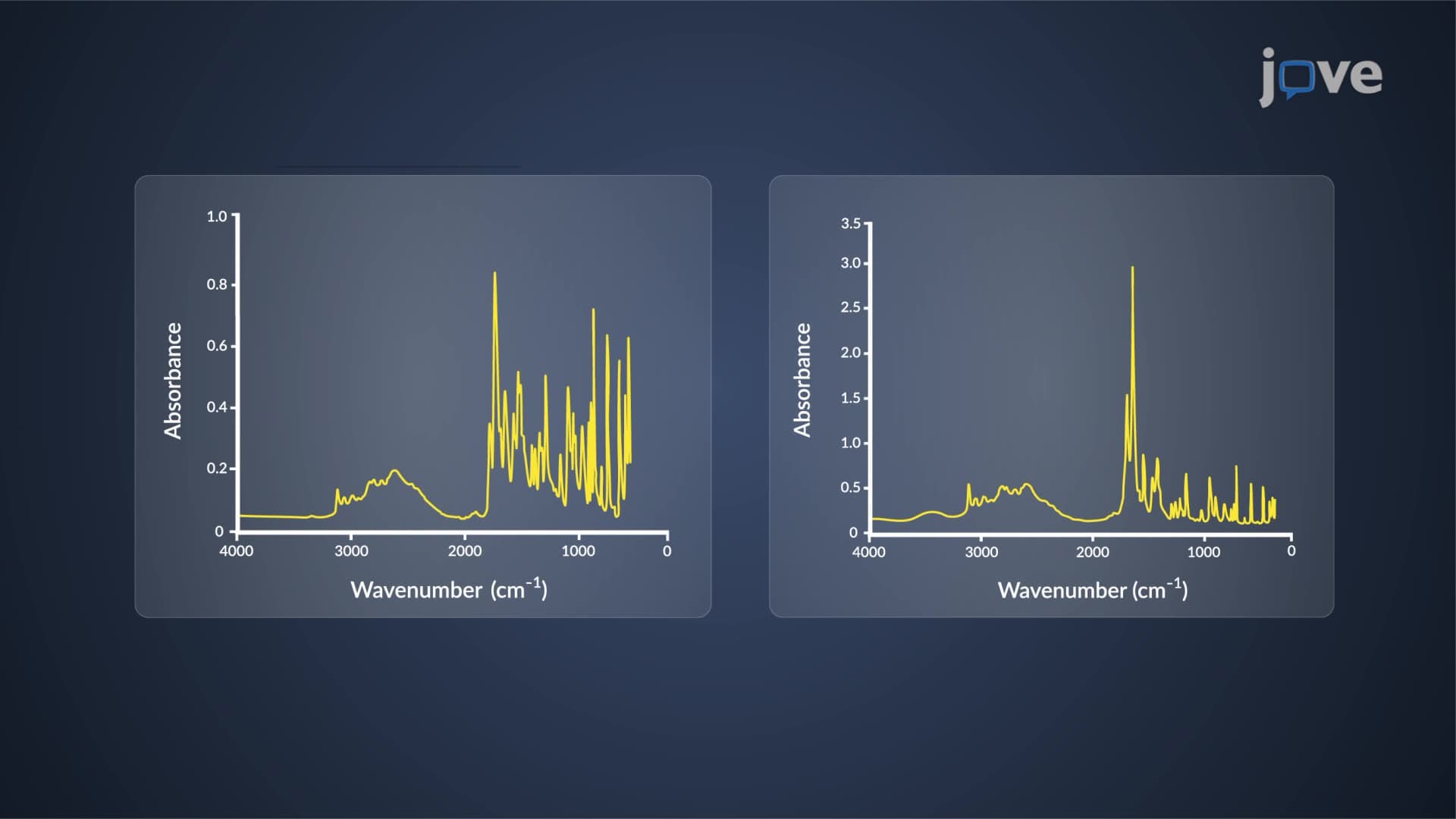
MCAT questions often test your ability to predict relative IR frequencies based on bond strength and atomic masses. AP Chemistry exam problems may ask you to explain why C-H stretching occurs at higher frequencies than C-C stretching, or to rank vibrational frequencies for different bonds. College organic chemistry midterms frequently include spectrum interpretation problems requiring Hooke's law principles to identify unknown compounds from their IR absorption patterns.
Absolutely - reduced mass concepts frequently appear on standardized exams testing spectroscopy knowledge. You'll need to explain why bonds involving lighter atoms vibrate at higher frequencies, and how isotope substitution affects IR spectra. Many AP Chemistry and college exam questions test your ability to apply the relationship between atomic mass, bond strength, and vibrational frequency without requiring complex mathematical calculations.
Pharmaceutical companies like Johnson & Johnson use IR spectroscopy daily to verify drug compound structures and monitor reaction progress during synthesis. Scientists apply Hooke's law principles to identify functional groups, detect impurities, and confirm molecular modifications. FDA regulations require IR spectroscopic data for drug approval processes, making this knowledge essential for careers in pharmaceutical research, quality control, and regulatory affairs.
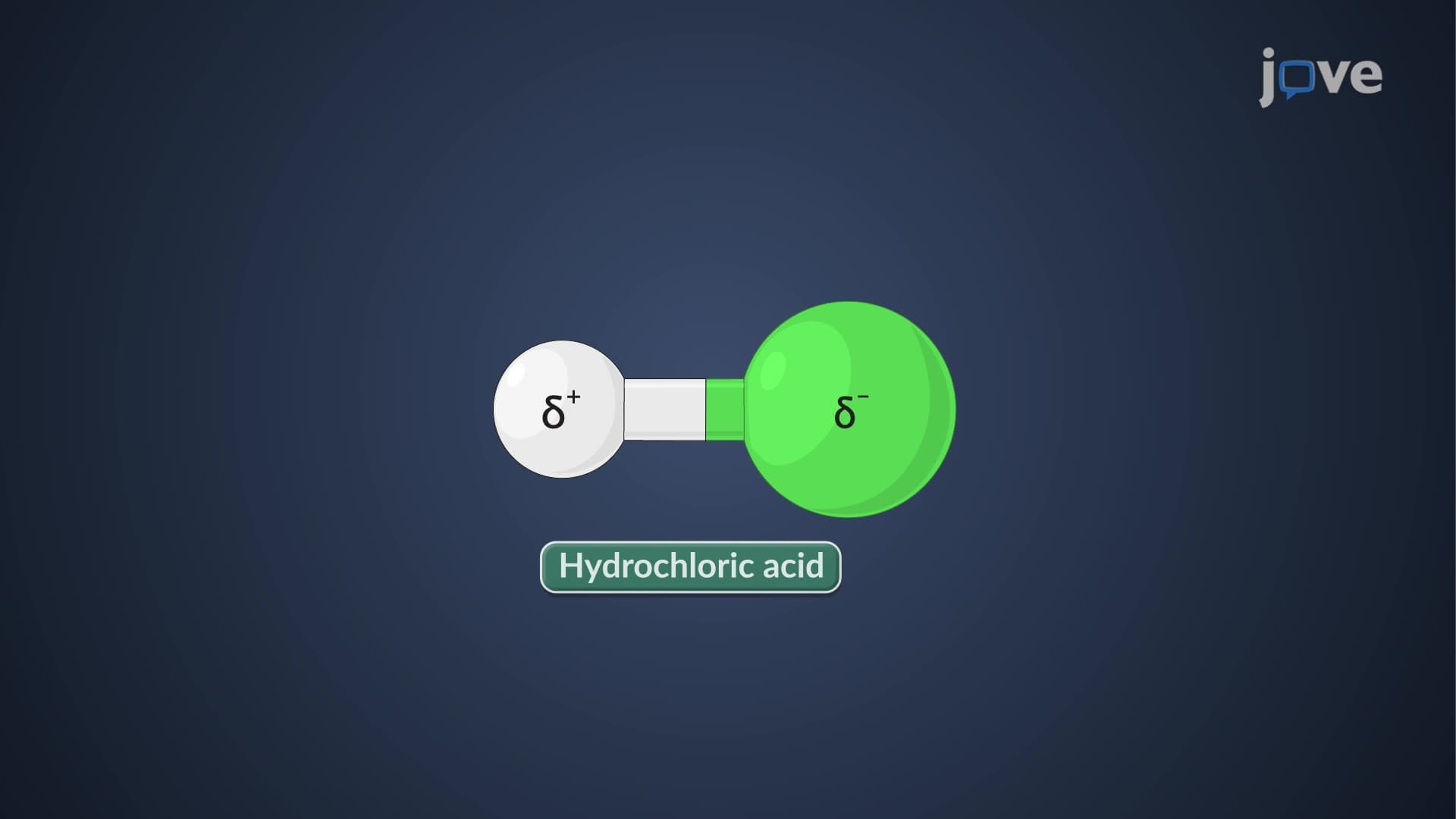
Not at all - the basic concepts are very accessible when you think of bonds as springs connecting balls. You don't need advanced calculus to understand why stronger bonds vibrate faster or why lighter atoms create higher frequencies. Start with simple diatomic molecules like HCl, then progress to more complex structures. Most high school chemistry textbooks introduce these concepts using analogies to musical instruments and playground swings.
Focus on understanding patterns rather than memorizing exact numbers. Remember that triple bonds > double bonds > single bonds for frequency, and bonds to hydrogen are always high frequency (around 3000 cm⁻¹). Create concept maps linking bond strength to frequency ranges, and practice with real spectra from your textbook. Many students find success using mnemonic devices like "Strong bonds, Strong frequencies" to remember the direct relationship.
Progress to NMR spectroscopy, which uses similar harmonic oscillator concepts but focuses on nuclear spins rather than bond vibrations. Advanced topics include Raman spectroscopy, UV-Vis absorption, and mass spectrometry - all building on the fundamental relationship between molecular structure and energy absorption. These techniques work together in modern analytical chemistry, particularly in pharmaceutical development and forensic analysis.
Force constants directly relate to bond enthalpy, electronegativity differences, and molecular orbital theory - all crucial topics in general and organic chemistry. Understanding these connections helps explain reaction mechanisms, molecular stability, and thermodynamic properties. This knowledge proves essential for advanced courses like physical chemistry and biochemistry, where molecular vibrations influence enzyme activity and protein folding.
Related Micro-courses

17 Concepts

15 Concepts