Loading subject page…

- Anatomy and Physiology
- Cell Membrane Structure and Functions
- What are Membranes?
Micro-course: Cell Membrane Structure and Functions
84,100 views
Learn key concepts and earn your certificate.


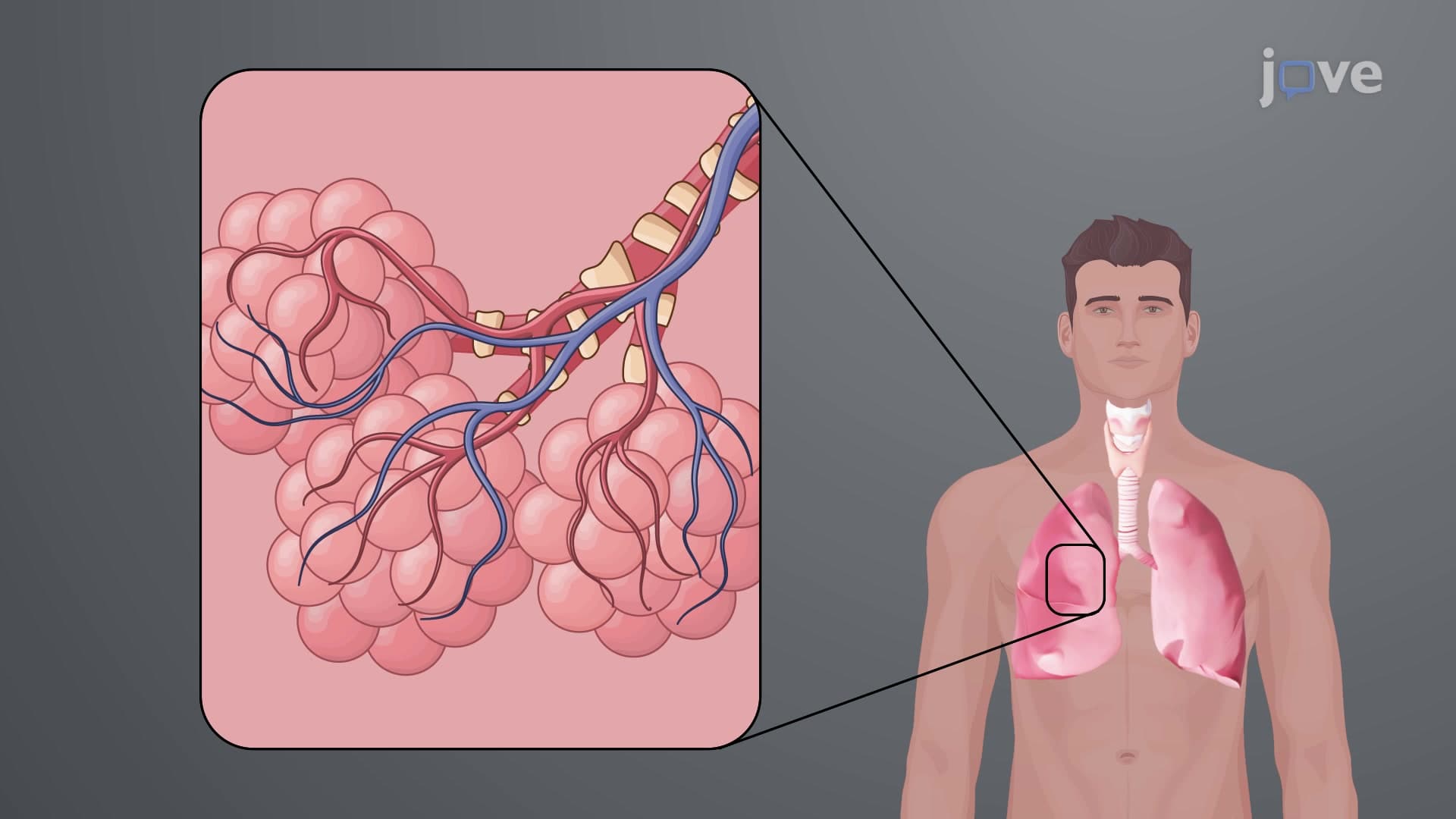

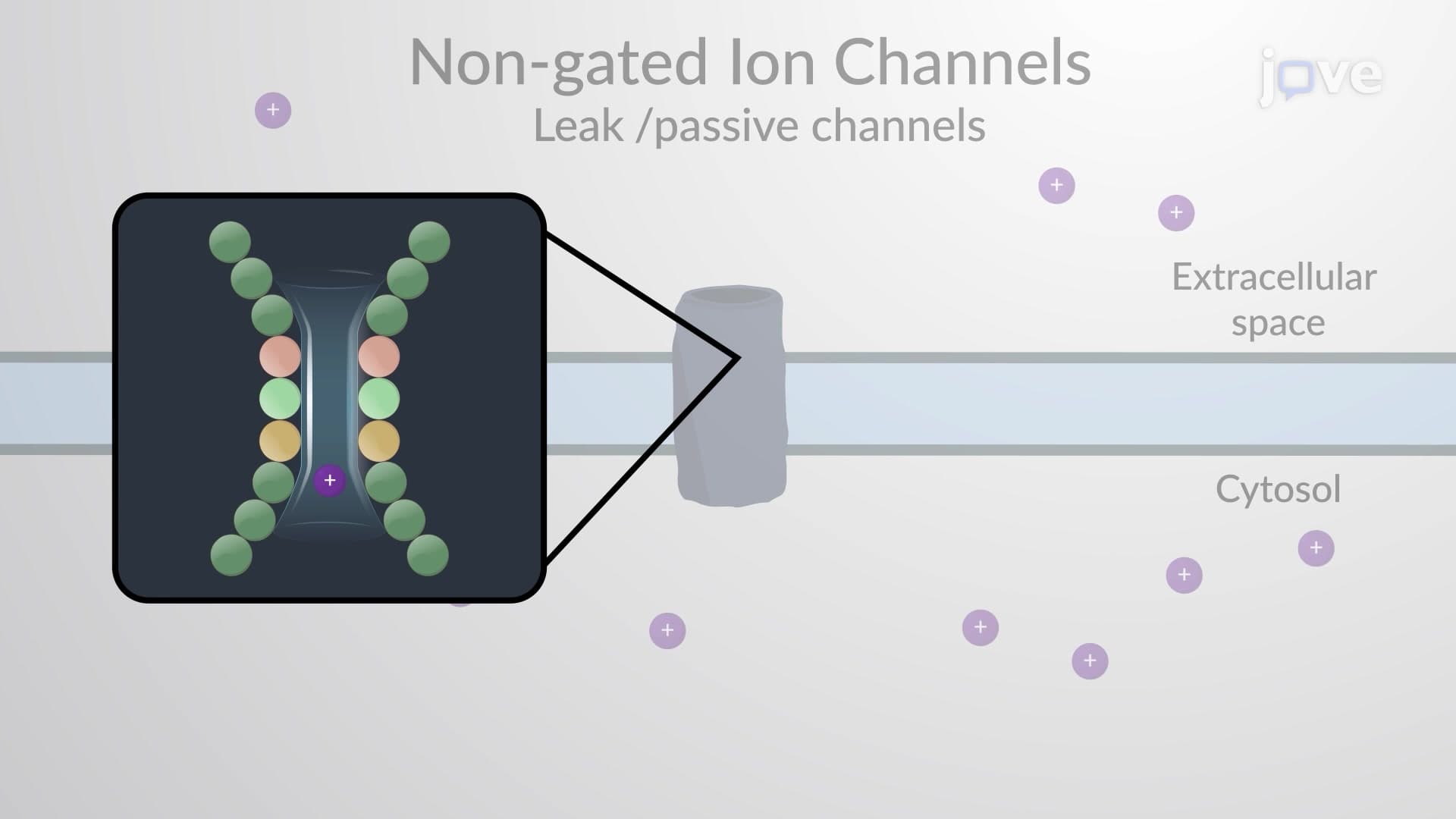
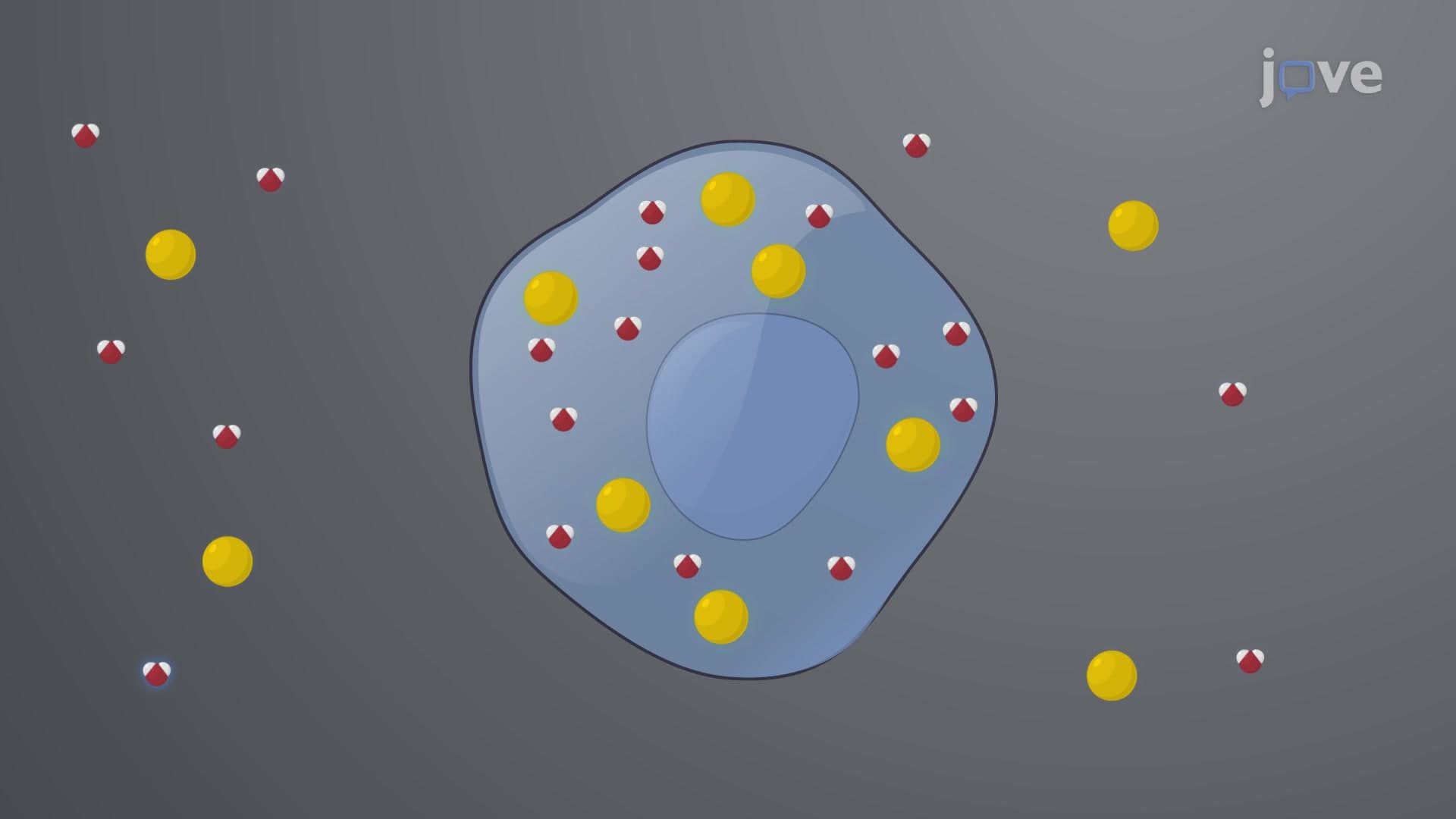
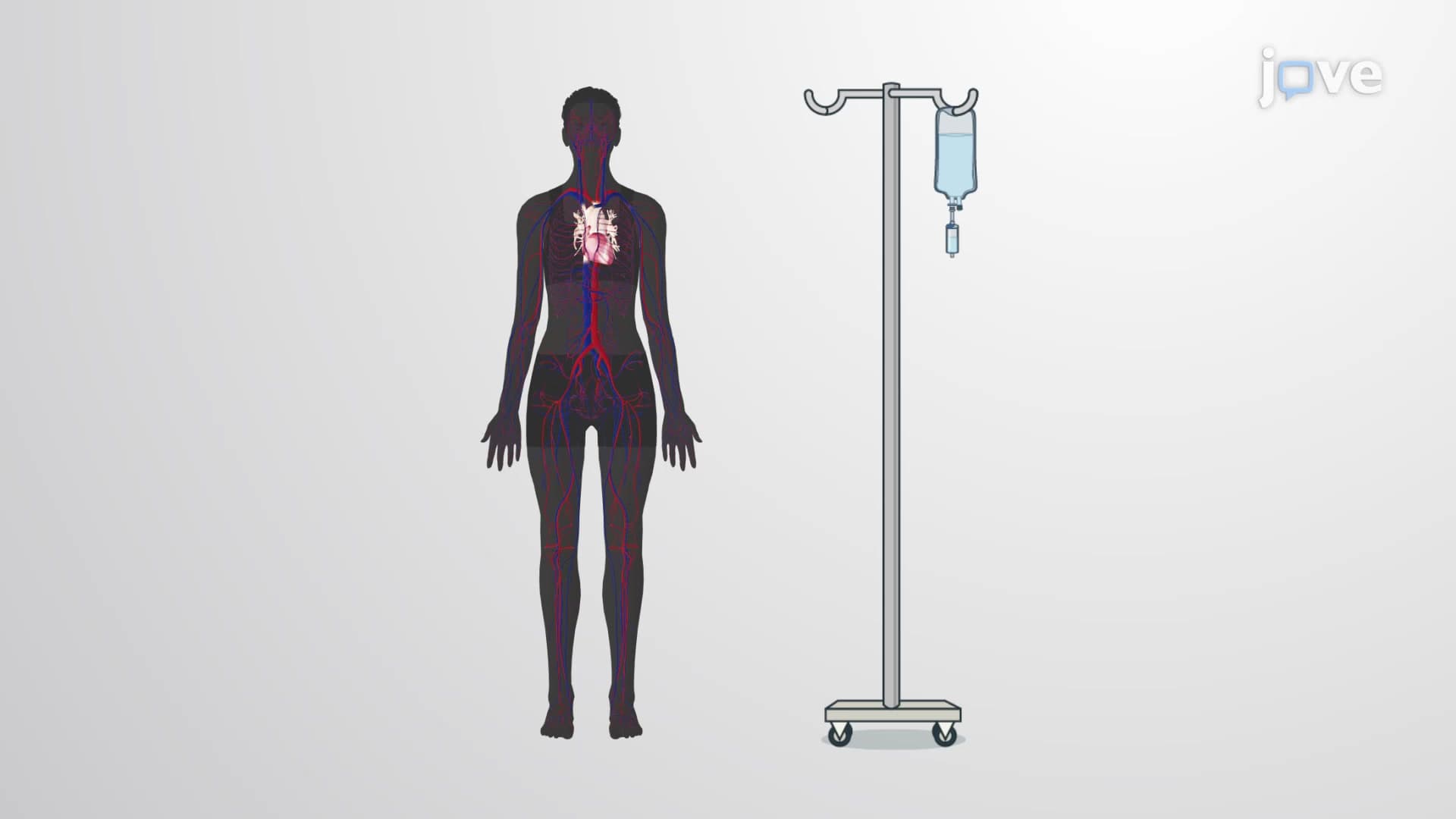
What are Membranes?

00:00
01:24
Video Summary: What are Membranes Structure Composition and Function
Ever wondered how your smartphone screen protects its delicate components while still allowing touch interaction? Cell membrane structure function operates similarly-these biological barriers selectively control what enters and exits cells. From the blood-brain barrier protecting your neurons to the specialized membranes in kidney dialysis machines used in US hospitals, understanding what are membranes structure composition and function reveals how life maintains order at the cellular level. Watch the full video on JoVE Coach to master this concept with expert-led visuals and step-by-step explanations.
- Understand what are membranes structure composition and function, including their role as selective barriers in living systems
- Identify the key components of the phospholipid bilayer and how membrane proteins contribute to cellular processes
- Analyze the fluid mosaic model and explain how membrane fluidity affects cellular function
- Compare different types of membrane proteins and their specific roles in transport, communication, and enzymatic activities
- Evaluate how cholesterol and other lipids influence membrane properties and cellular homeostasis
- Apply knowledge of membrane selectivity to understand drug delivery mechanisms and disease processes
- Recognize the asymmetrical nature of biological membranes and its functional significance
- Explore real-world applications of membrane science in biotechnology and medical treatments
Understanding What Are Membranes: The Foundation of Life
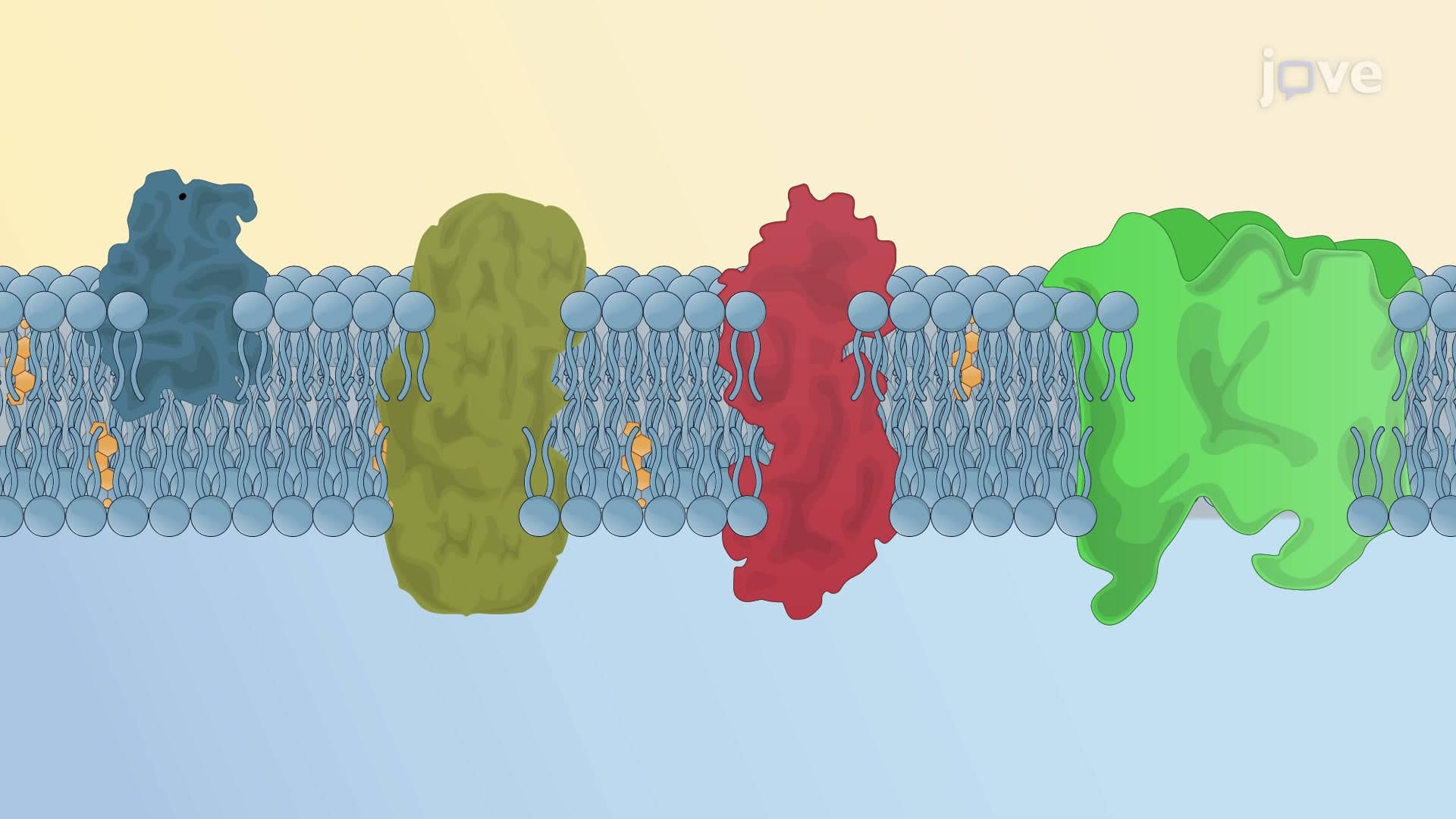
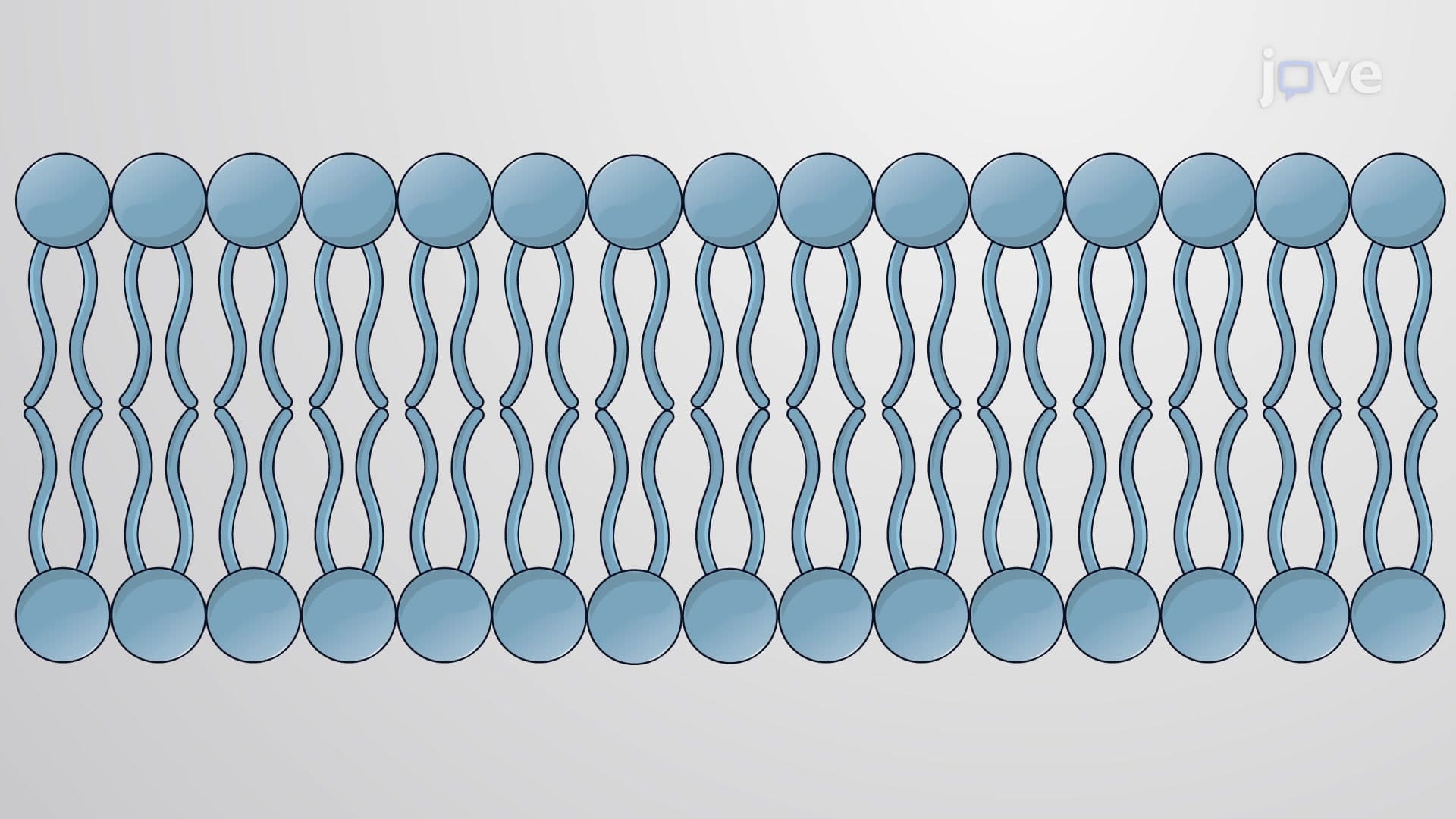
Cell membrane structure function represents one of biology's most elegant solutions to a fundamental problem: how to create boundaries that separate while still allowing necessary communication and transport. Biological membranes are dynamic, semi-permeable barriers composed primarily of phospholipids arranged in a double layer, with embedded proteins that perform specialized functions.
The Phospholipid Bilayer: Architecture of Cellular Boundaries
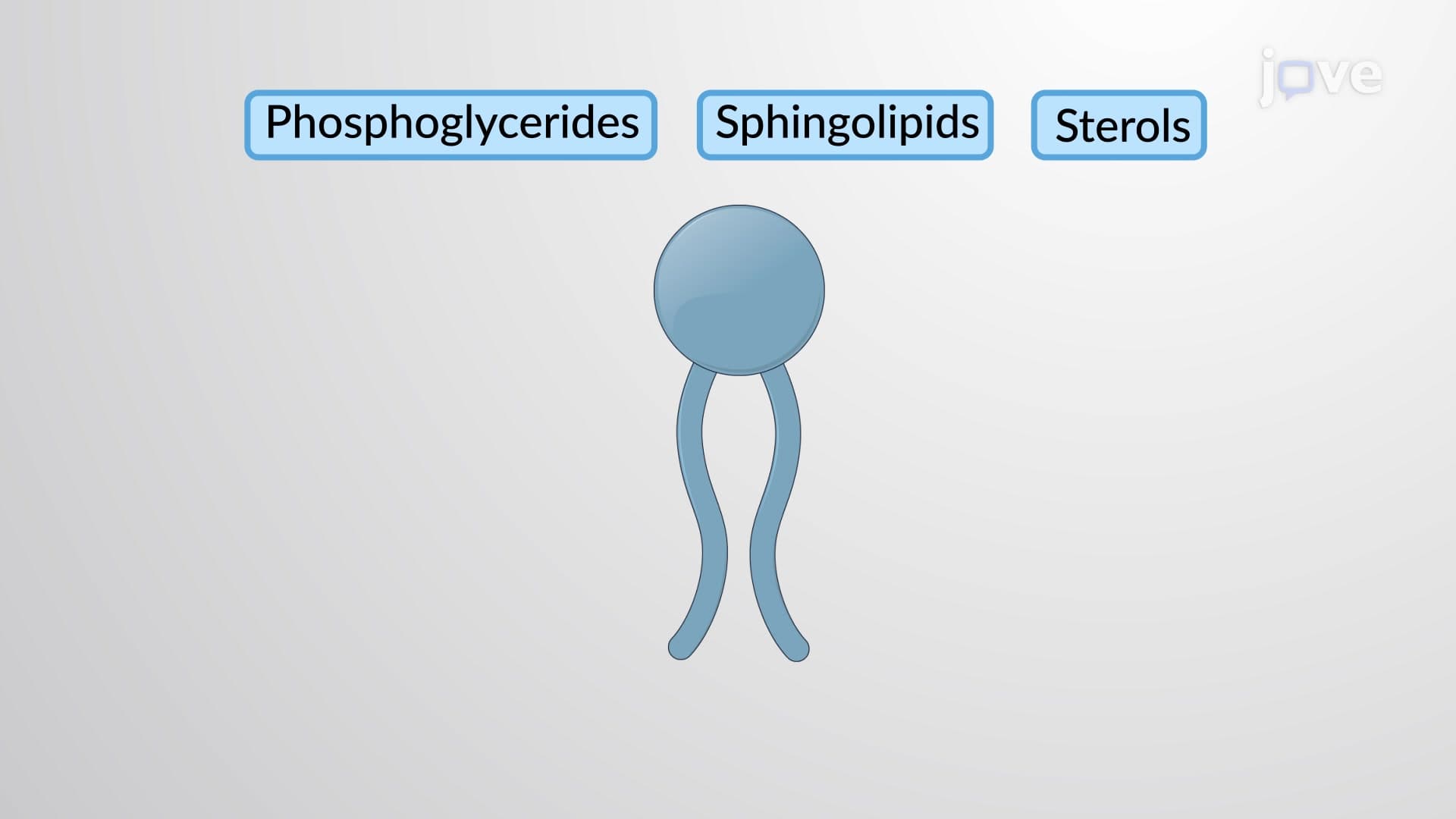
The phospholipid bilayer membrane forms the structural backbone of all cellular membranes. Each phospholipid molecule contains a hydrophilic (water-loving) head and hydrophobic (water-fearing) tails, creating a natural barrier that spontaneously assembles in aqueous environments. This arrangement is crucial for maintaining cellular integrity-consider how the membranes in red blood cells must remain flexible enough to squeeze through capillaries only 5 micrometers wide, yet strong enough to maintain their biconcave shape throughout their 120-day lifespan in circulation.
Membrane Proteins: The Functional Workhorses
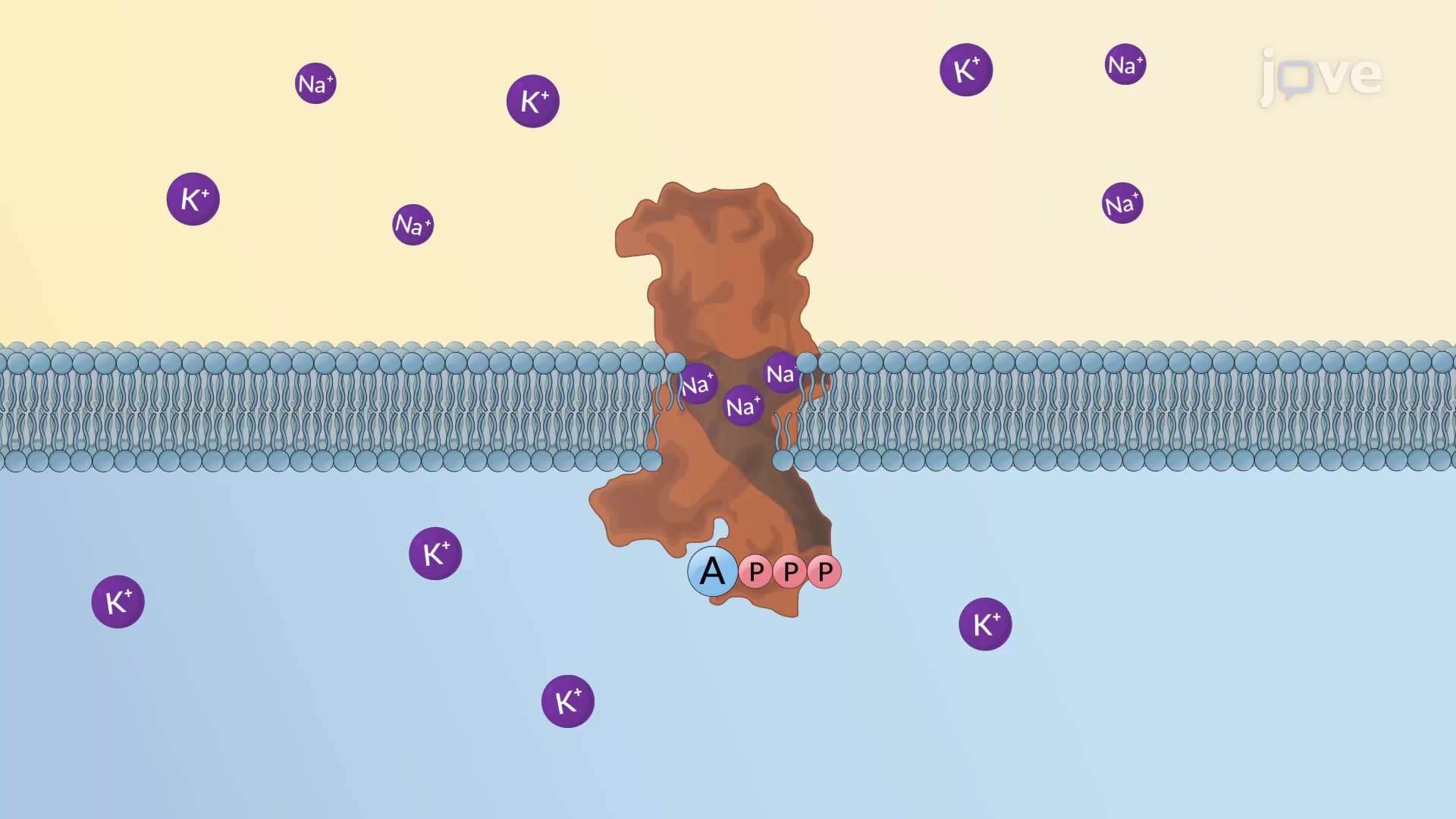
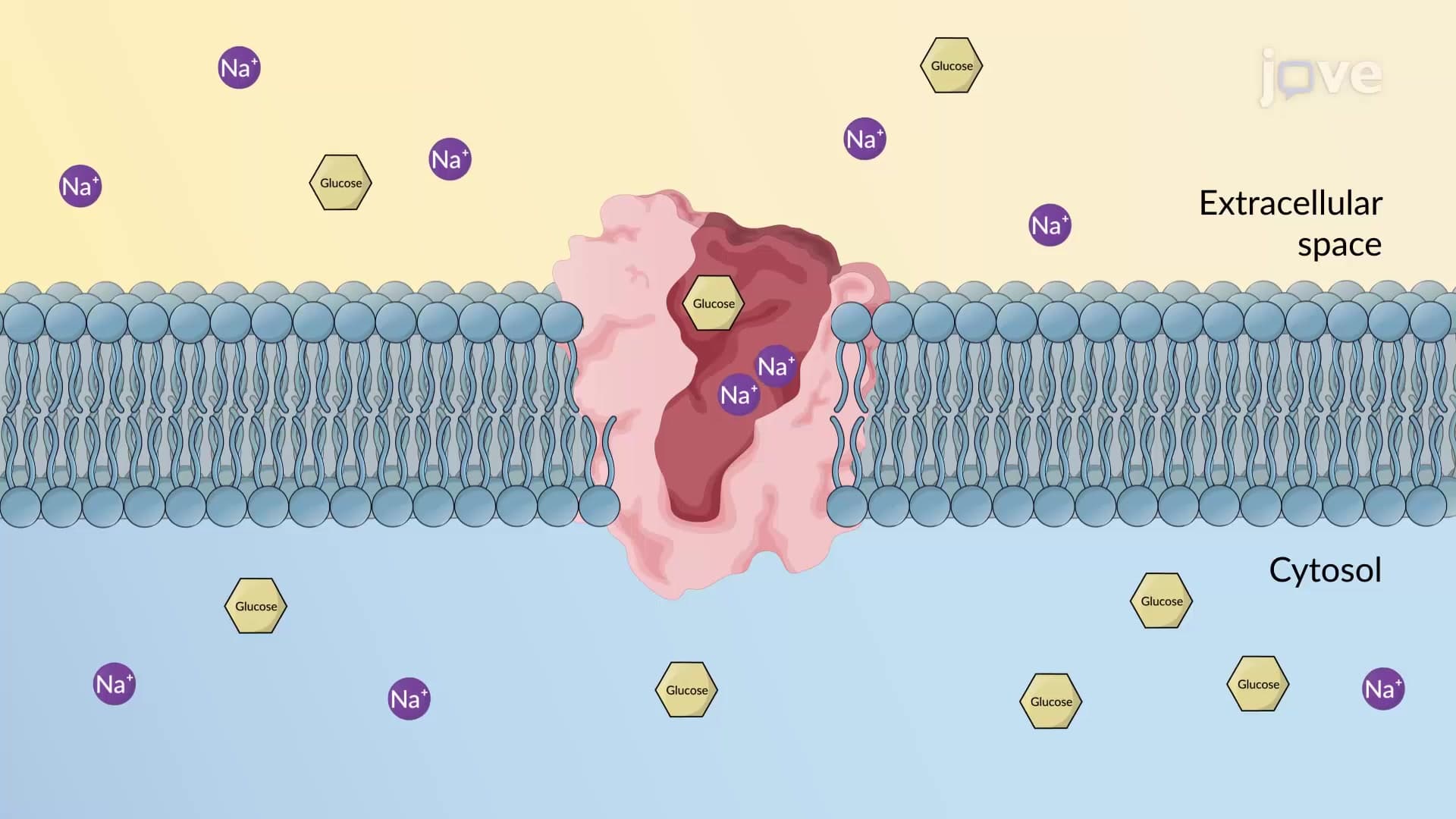
Membrane protein function extends far beyond simple structural support. Integral proteins span the entire membrane thickness, serving as channels, carriers, and receptors. For example, the sodium-potassium pump, essential for nerve signal transmission, moves three sodium ions out for every two potassium ions moved in, maintaining the electrical gradient necessary for neurons to fire. This process is fundamental to understanding neurological conditions studied in US medical schools and tested on the MCAT.
The Fluid Mosaic Model: Dynamic Cellular Interfaces
The fluid mosaic model membrane concept, developed by Singer and Nicolson in 1972, revolutionized our understanding of membrane behavior. This model describes membranes as flexible, two-dimensional fluids where proteins float like icebergs in a sea of lipids. Temperature, cholesterol content, and fatty acid saturation all influence membrane fluidity-principles directly applicable to understanding why hypothermia affects cellular function and why certain medications require specific storage temperatures in US hospitals and pharmacies.
Students preparing for AP Biology or college-level cell biology courses should focus on how membrane composition biology affects function, as this relationship frequently appears in exam questions and laboratory exercises across American educational institutions.
Frequently Asked Questions
Membranes are flexible barriers made of phospholipids and proteins that surround cells and organelles. They control what substances can enter or leave, maintain cell shape, and enable communication between cells. Think of them as intelligent security systems that protect while facilitating necessary interactions.
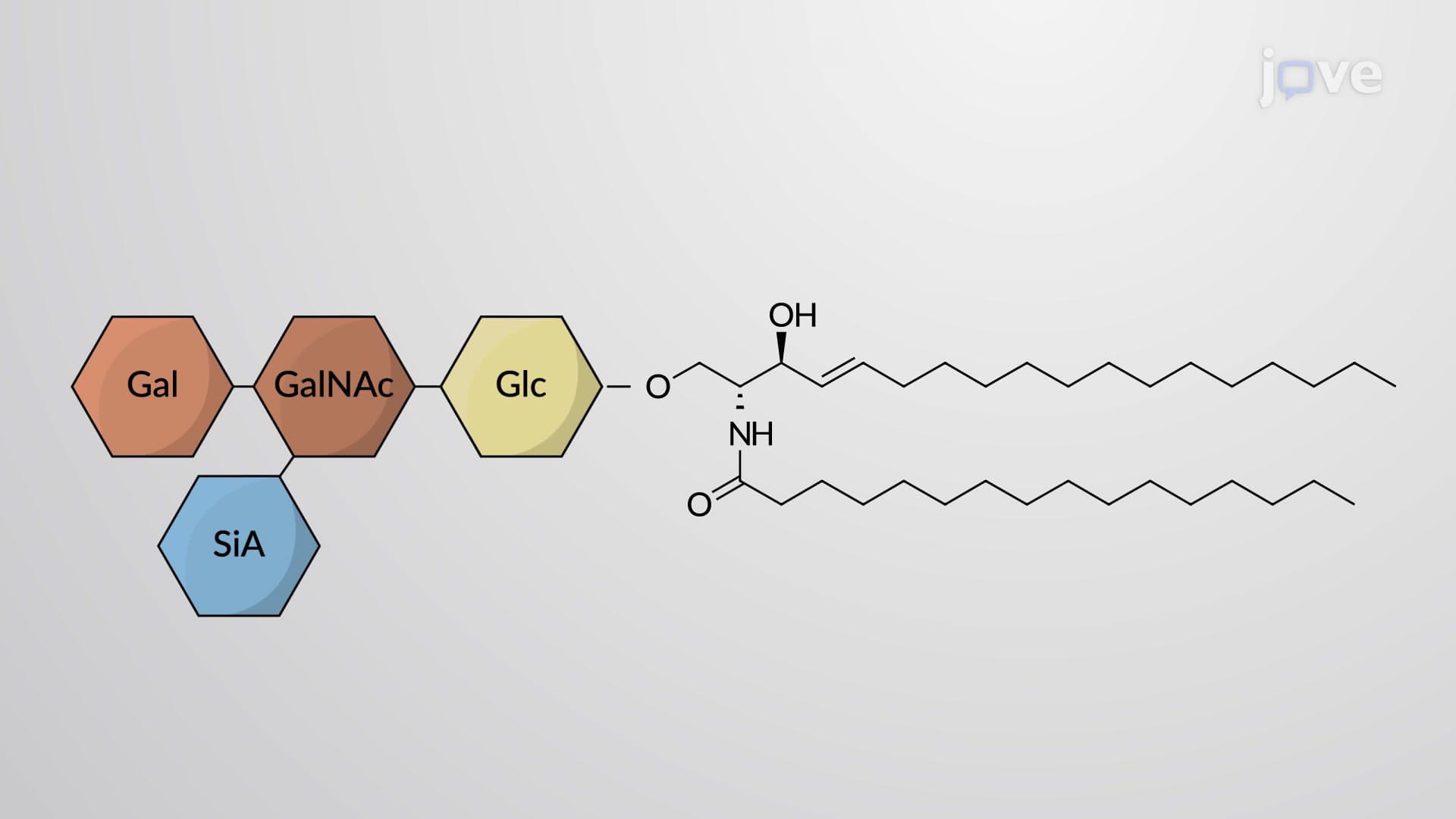
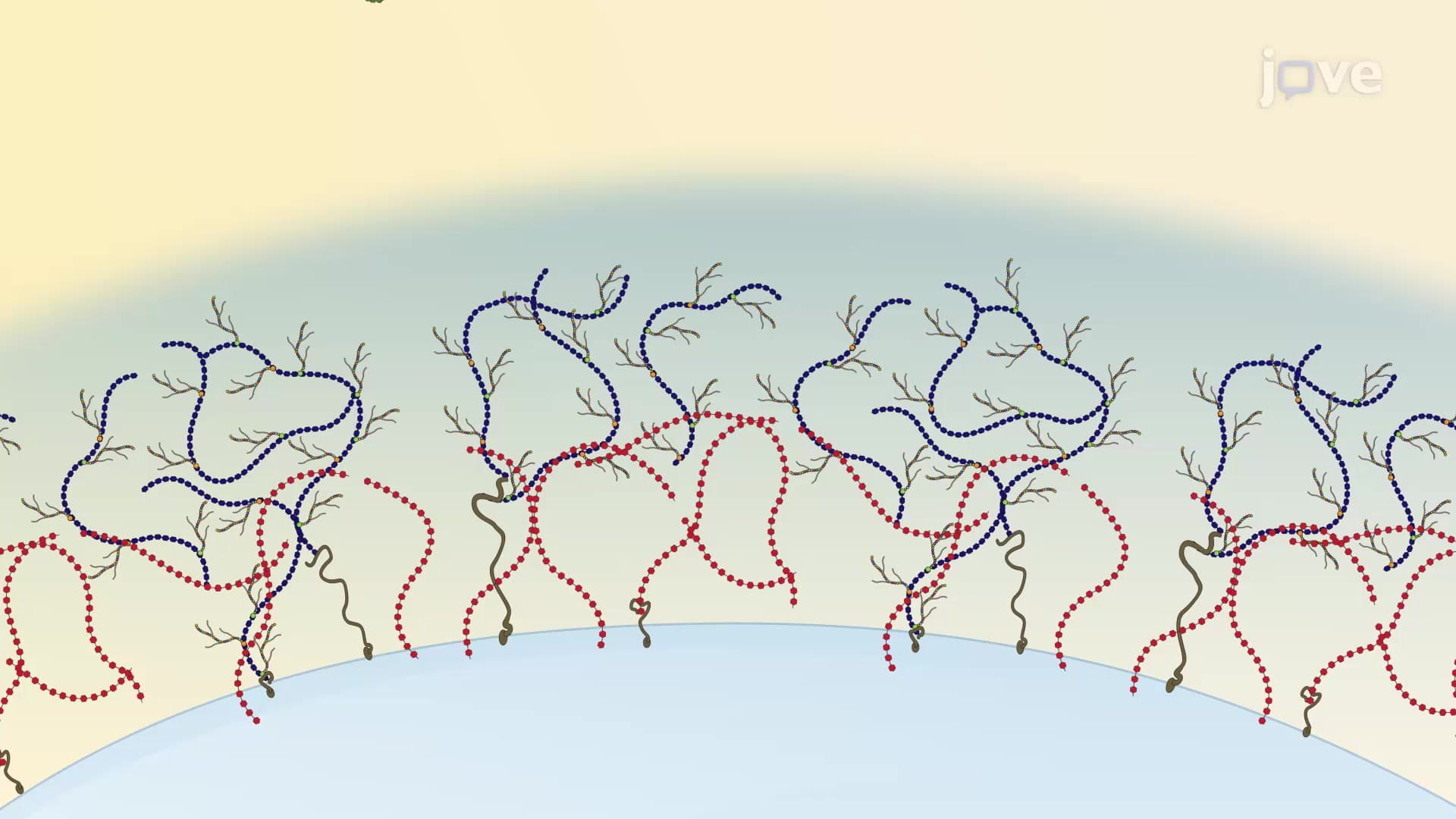
Biological membranes consist of a phospholipid bilayer with embedded proteins, cholesterol, and carbohydrates. The phospholipids form two layers with hydrophilic heads facing outward and hydrophobic tails facing inward. This creates a selective barrier that allows some substances to pass while blocking others.
The MCAT frequently tests membrane composition, the fluid mosaic model, and protein functions through passage-based questions. Students must understand how membrane fluidity affects permeability, the role of cholesterol, and transport mechanisms. Practice identifying membrane components in diagrams and predicting how environmental changes affect membrane function.
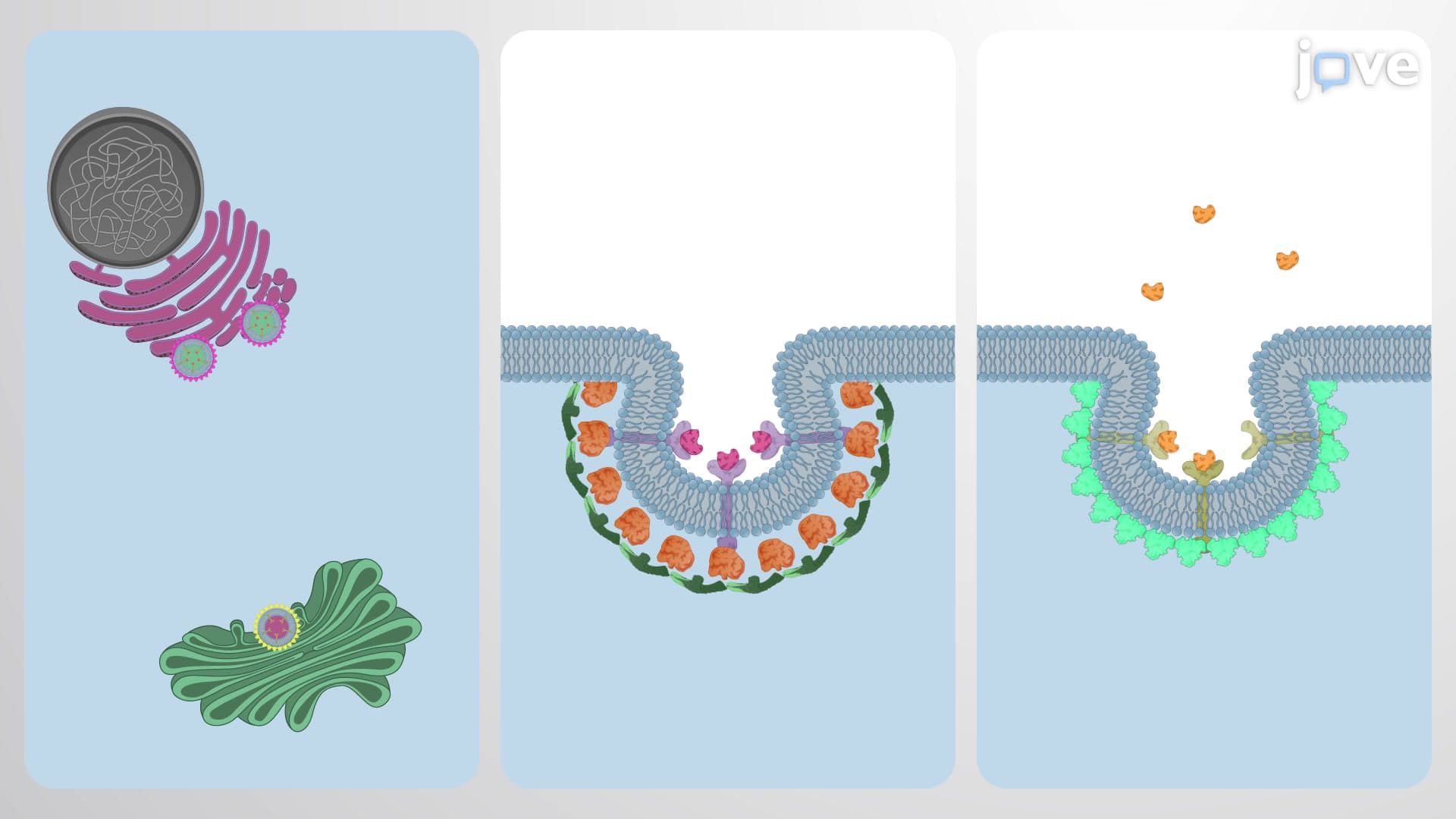
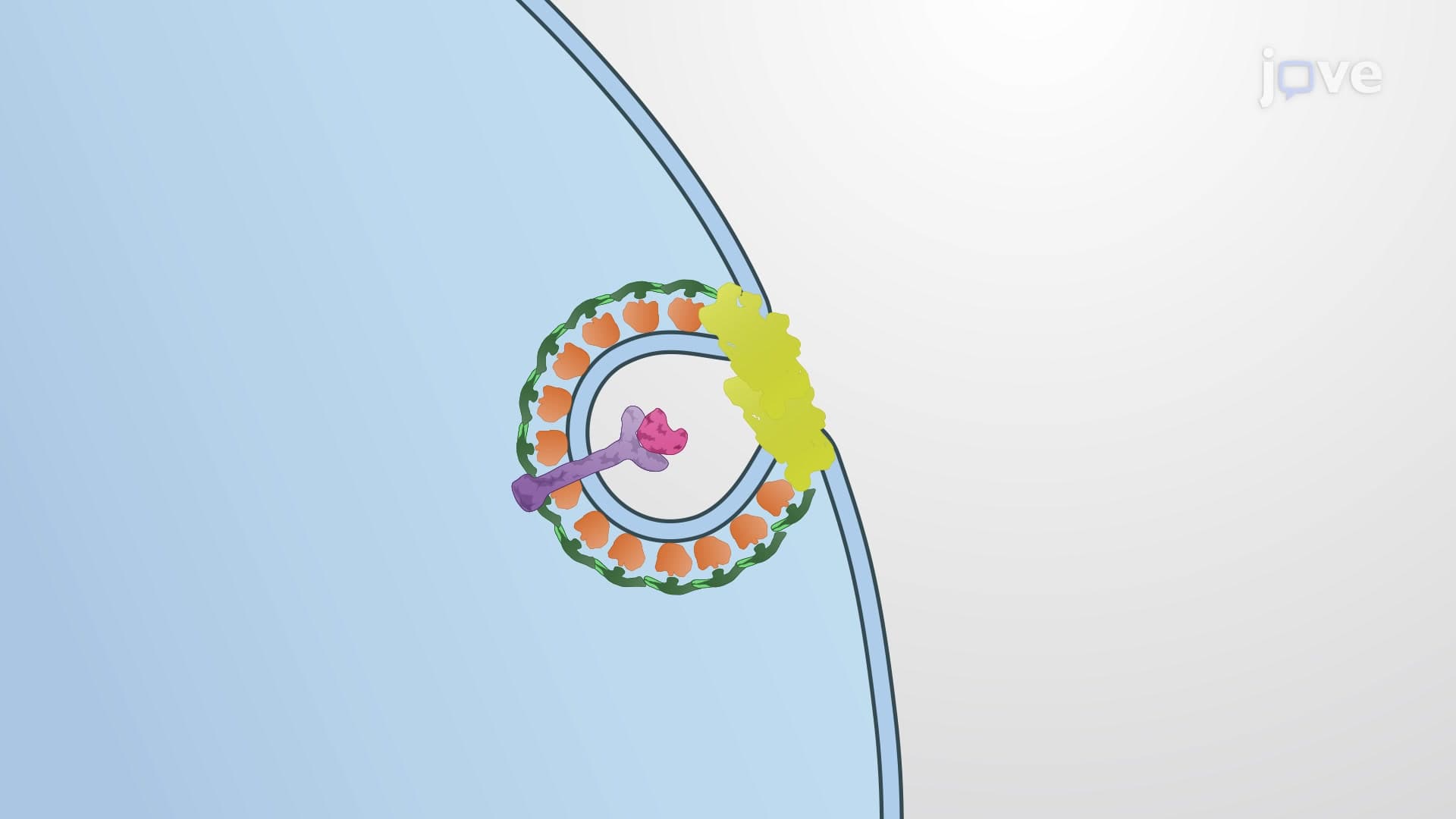
AP Biology emphasizes membrane transport (passive and active), signal transduction, and the relationship between structure and function. Students should master osmosis, diffusion, endocytosis, and how membrane proteins facilitate cellular processes. The College Board frequently includes membrane-related laboratory questions and data analysis problems.
Hospital dialysis machines use artificial membranes to filter waste from blood in kidney failure patients. Drug delivery systems exploit membrane permeability to target specific tissues, while membrane-disrupting antibiotics treat bacterial infections. Understanding membrane function helps explain how anesthetics work and why certain drugs have side effects.
Basic chemistry concepts like polarity, hydrogen bonding, and molecular interactions are helpful but not essential initially. High school students can grasp membrane function by focusing on the relationship between structure and purpose. Advanced chemistry becomes more important in upper-level college courses and professional programs.
Create diagrams showing phospholipid arrangement and protein locations, then practice explaining how structure relates to function. Use flashcards for membrane protein types and their roles. Focus on understanding concepts rather than memorizing, as exam questions often require applying knowledge to new scenarios.
Explore specific transport mechanisms (active transport, ion channels), signal transduction pathways, and membrane-related diseases. Advanced topics include membrane biogenesis, lipid rafts, and specialized membranes like the blood-brain barrier. This foundation prepares students for advanced cell biology and biochemistry courses.
Related Micro-courses
16 Concepts
26 Concepts

18 Concepts