Loading subject page…


178,812 views

Video Summary: Specialized Characteristics of Cardiac Muscles Explained
Ever wonder why your heart beats continuously without you thinking about it, even during sleep? The cardiac muscle special characteristics make this possible through autorhythmicity-the ability to generate its own electrical impulses without brain control. Unlike skeletal muscles that need conscious signals, cardiac pacemaker cells in your sinoatrial node automatically fire about 75 times per minute, just like the natural pacemakers surgically implanted in over 200,000 Americans annually. These specialized characteristics of cardiac muscles ensure your heart works as one coordinated unit. Watch the full video on JoVE Coach to master this concept with expert-led visuals and step-by-step explanations.
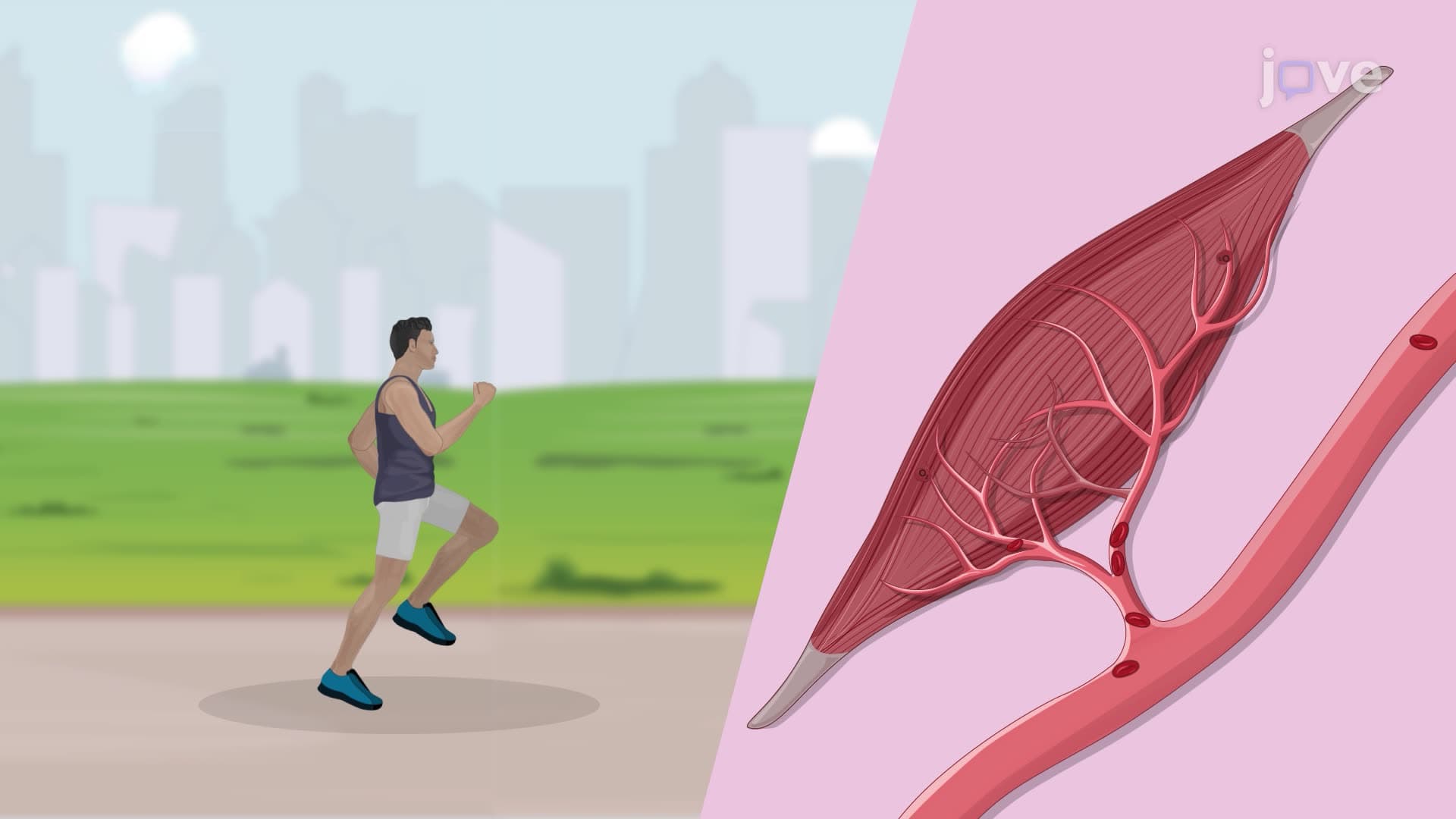
Cardiac muscle tissue possesses unique properties cardiac muscle that set it apart from all other muscle types in the human body. These specialized adaptations ensure the heart functions as a reliable, self-regulating pump throughout your entire lifetime-averaging over 3 billion beats over 80 years.
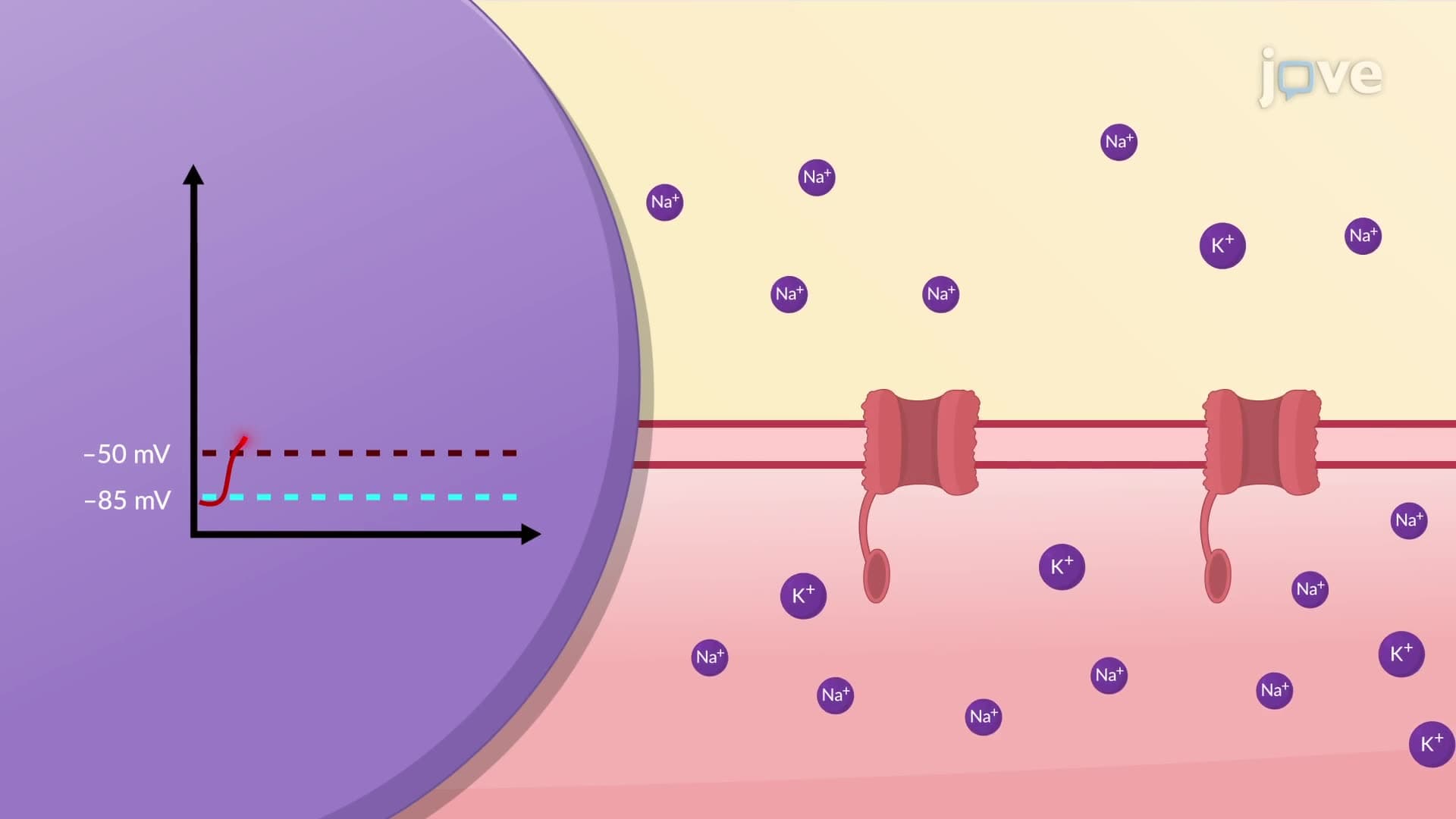
The most remarkable of all cardiac muscle special characteristics is autorhythmicity. Unlike skeletal muscles that require conscious neural signals from your brain, cardiac muscle generates its own electrical impulses through specialized pacemaker cells located in the sinoatrial (SA) node. These cells spontaneously depolarize approximately 75 times per minute, creating the foundation for your resting heart rate.
This autorhythmic cardiac pacemaker system explains why heart transplant patients can survive-the transplanted heart continues beating even when disconnected from the recipient's nervous system. Medical devices like artificial pacemakers, used by over 3 million Americans, mimic this natural autorhythmic property when the heart's electrical system fails.
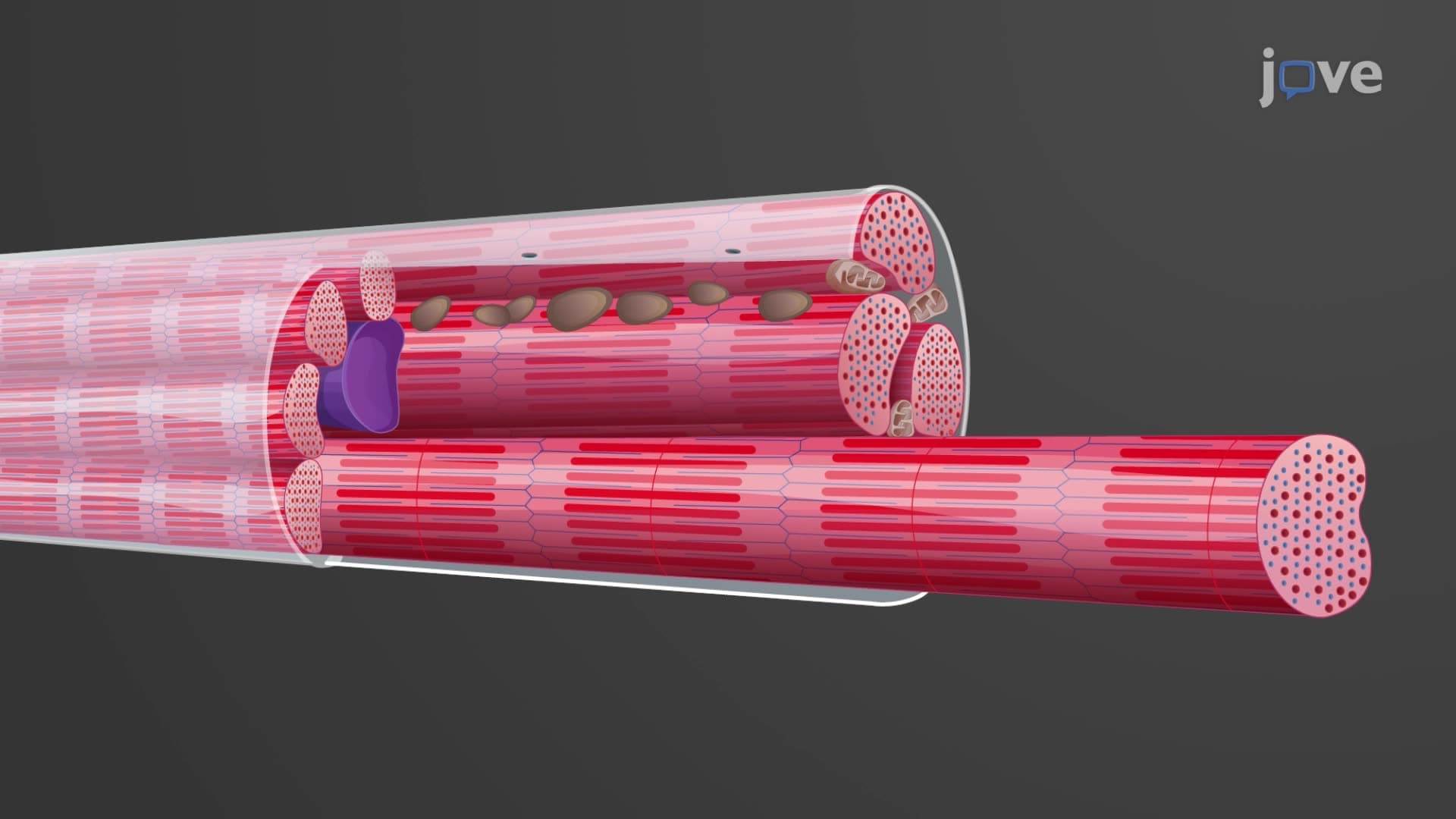
The cardiac syncytium property ensures all cardiac muscle cells contract simultaneously as one unit. Gap junctions-specialized protein channels connecting adjacent cardiomyocytes-allow electrical signals to spread rapidly throughout the heart muscle. This creates what physiologists call a "functional syncytium," where individual cells work together seamlessly.
This coordinated contraction is essential for effective blood pumping. If cardiac muscle cells contracted randomly like skeletal muscle fibers, the heart would merely quiver ineffectively-a dangerous condition called fibrillation that affects over 6 million Americans with atrial fibrillation.
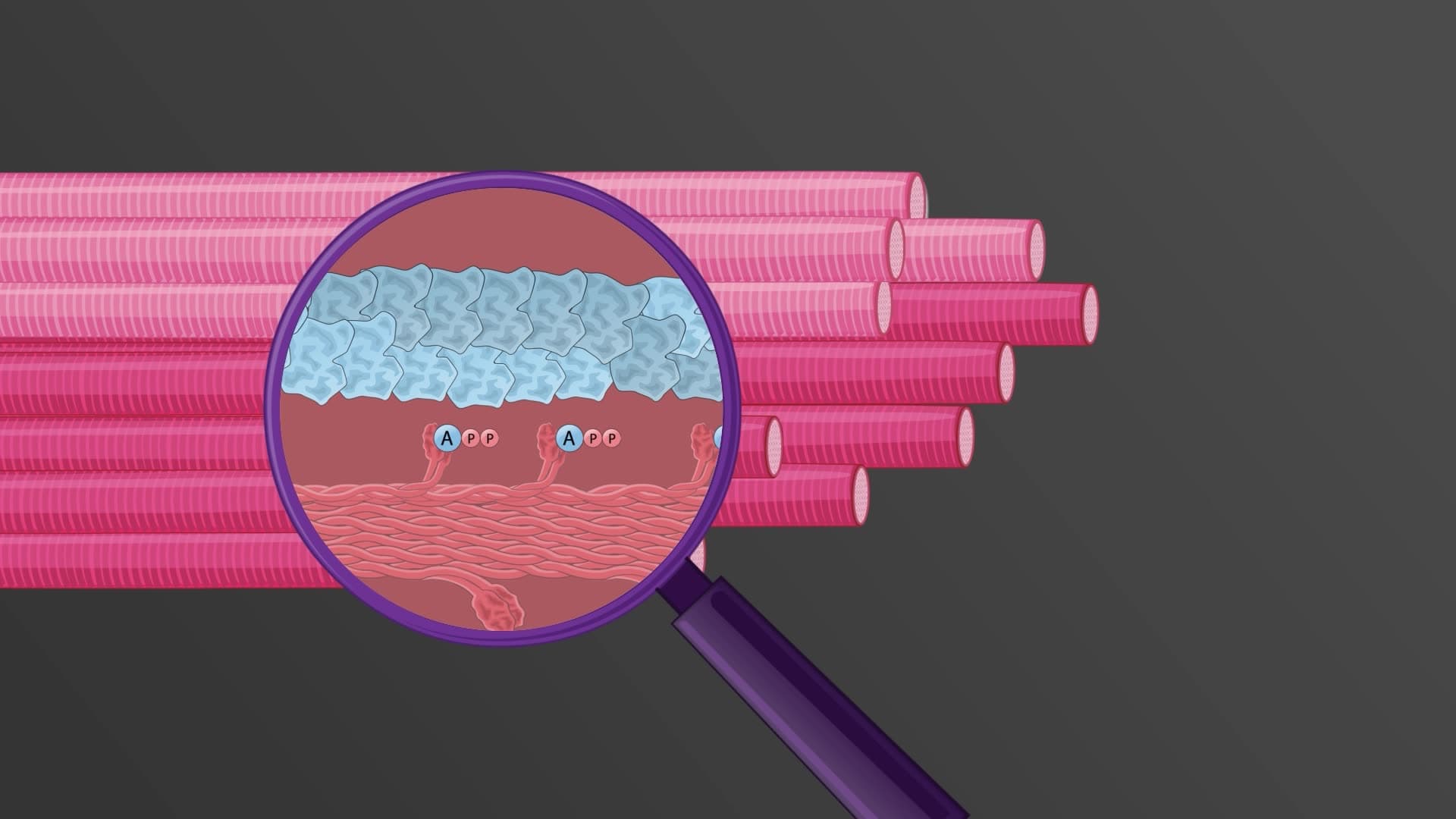
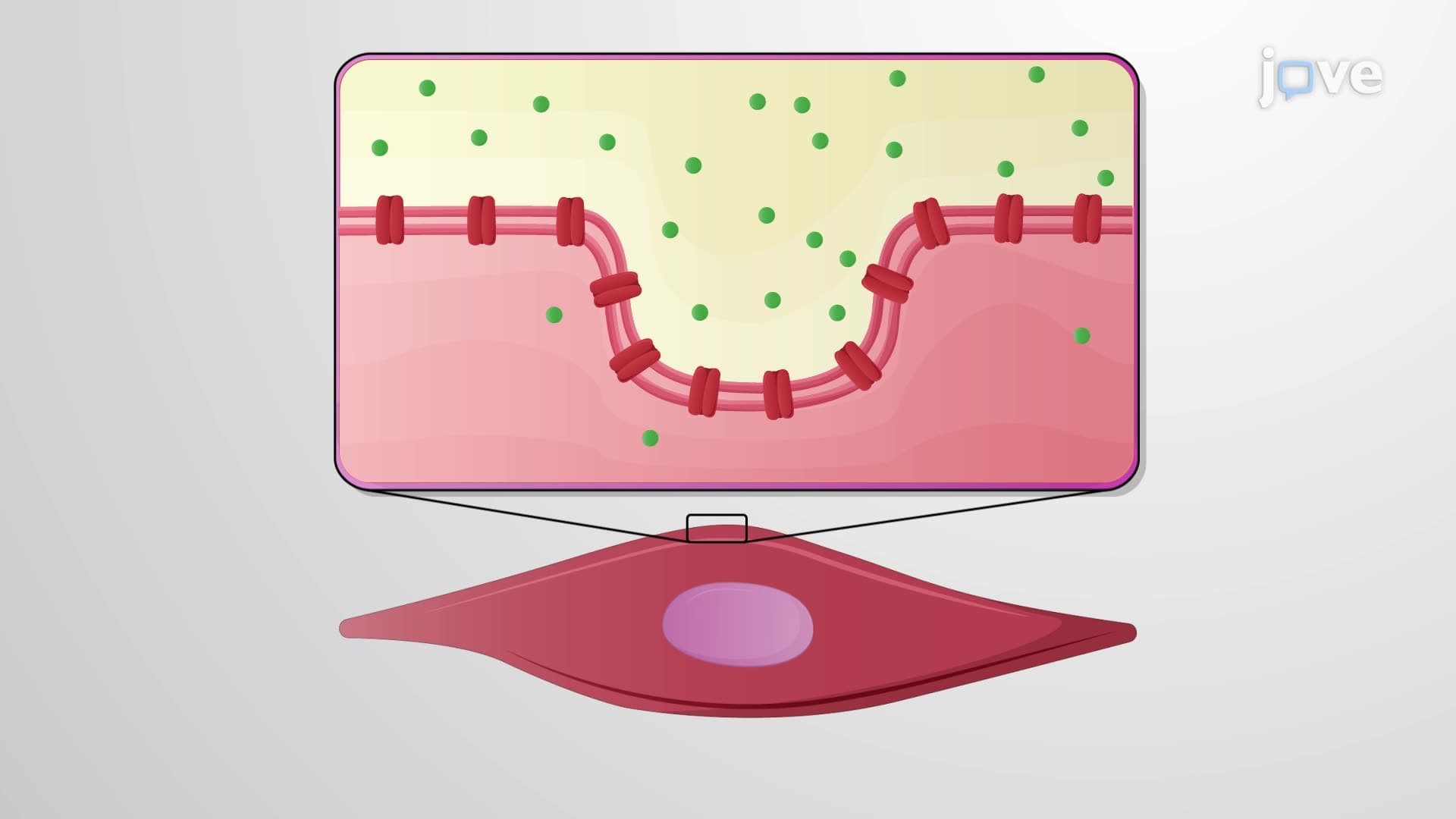
Cardiac muscle contractions last significantly longer (200 milliseconds) compared to skeletal muscle (40-120 milliseconds). This extended duration results from prolonged calcium ion release from both the sarcoplasmic reticulum and extracellular space. The absolute refractory period cardiac muscle experiences coincides with this extended contraction, preventing new action potentials during the contraction phase.
This protective mechanism prevents tetanic contractions-sustained, non-relaxing muscle contractions that would be fatal in cardiac tissue. Understanding this concept is crucial for AP Biology students and appears frequently on MCAT physiology sections, particularly in questions comparing muscle types and their functional adaptations.
Related Micro-courses