Loading subject page…


178,811 views


Video Summary: What are Disorders Skeletal Muscle
Every year, over 600,000 Americans visit emergency rooms for muscle-related injuries, yet many people don't realize that skeletal muscle disorders types extend far beyond simple strains. From basketball players at Duke University developing tendonitis to families dealing with inherited conditions like Duchenne muscular dystrophy, understanding what are disorders skeletal muscle reveals a complex spectrum of conditions affecting our body's movement system. These disorders fall into two main categories: musculoskeletal injuries from physical stress and neuromuscular diseases affecting nerve-muscle communication. Watch the full video on JoVE Coach to master this concept with expert-led visuals and step-by-step explanations.
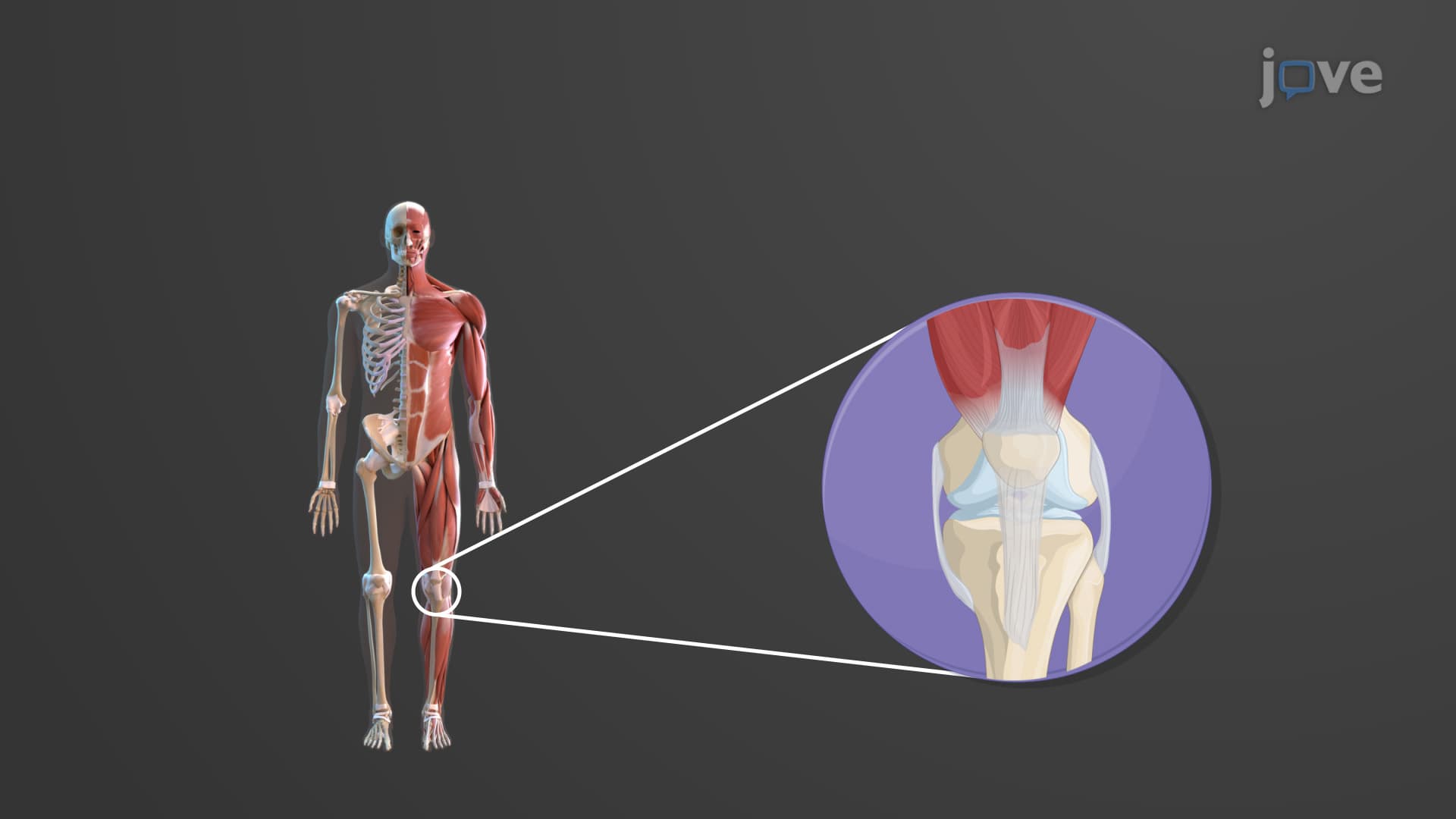
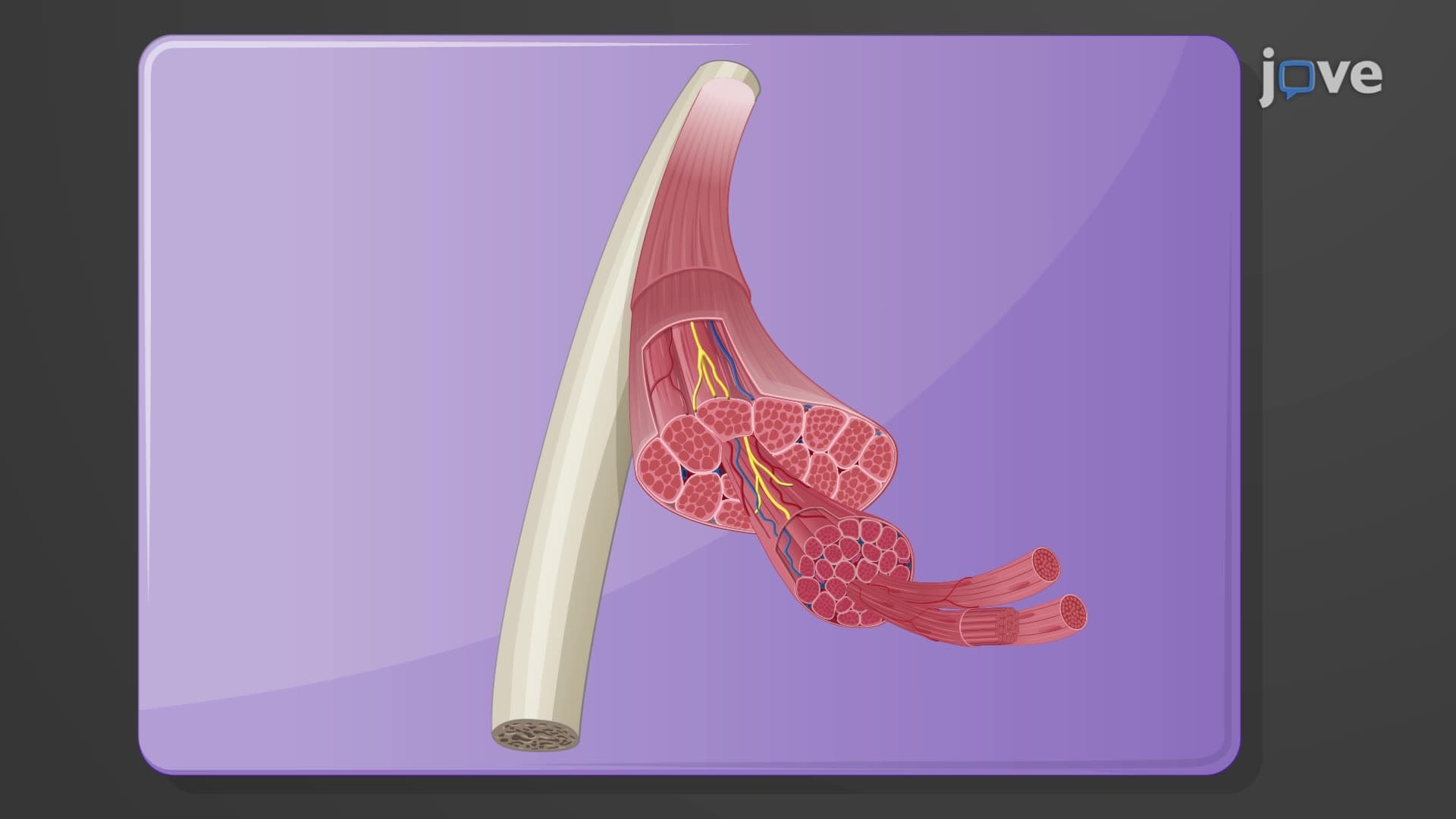
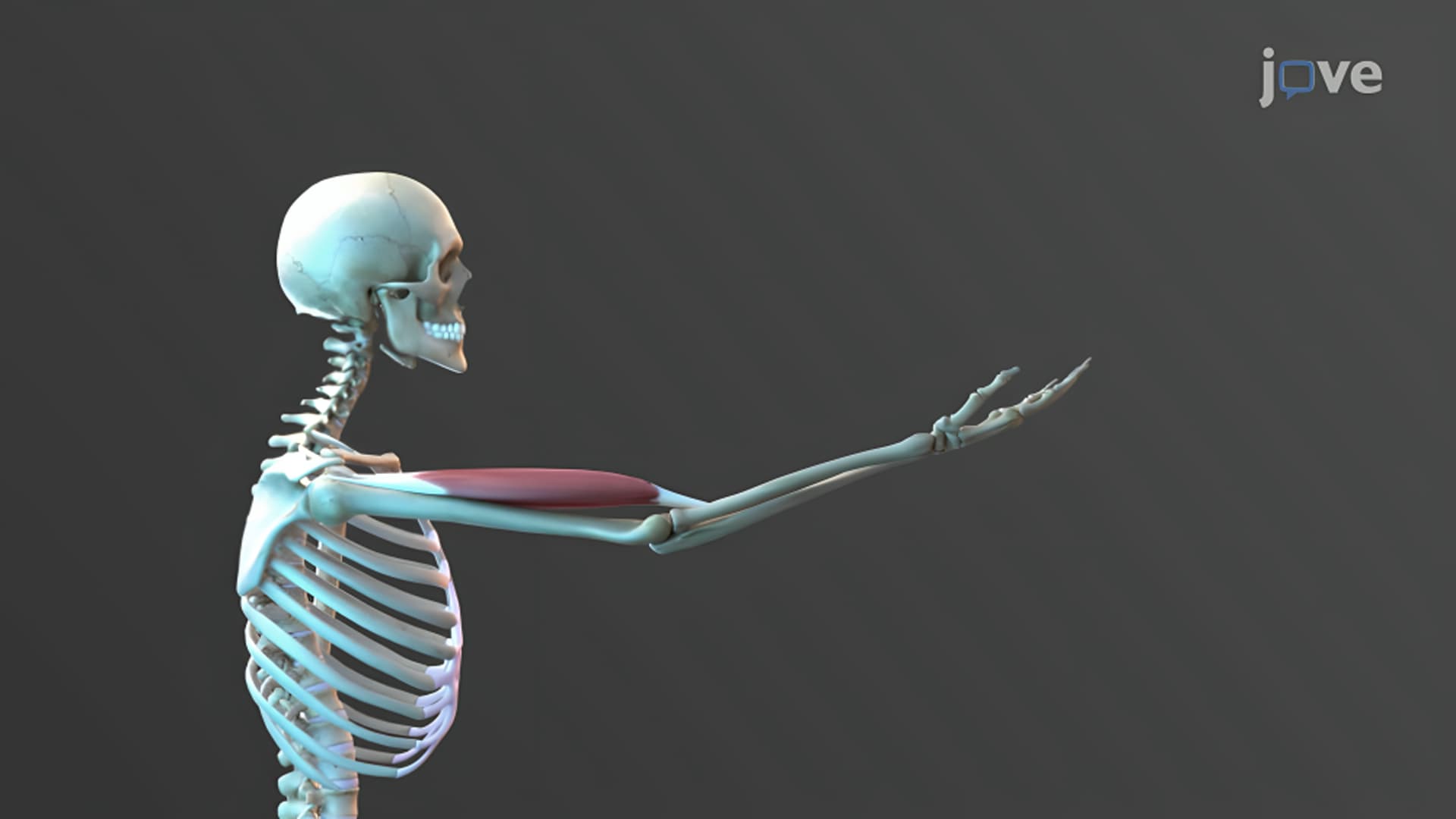
Skeletal muscle disorders types encompass a broad spectrum of conditions that impair our body's ability to move, maintain posture, and perform daily activities. These disorders affect the 600+ skeletal muscles that make up approximately 40% of our body weight, disrupting everything from simple tasks like writing to complex athletic movements.
The classification system divides these conditions into two primary categories based on their underlying mechanisms. Musculoskeletal disorders primarily involve mechanical damage to muscle fibers, tendons, or associated connective tissues. Neuromuscular disorders, conversely, affect the nervous system's control over muscle function, often involving genetic or autoimmune factors that disrupt nerve-muscle communication pathways.
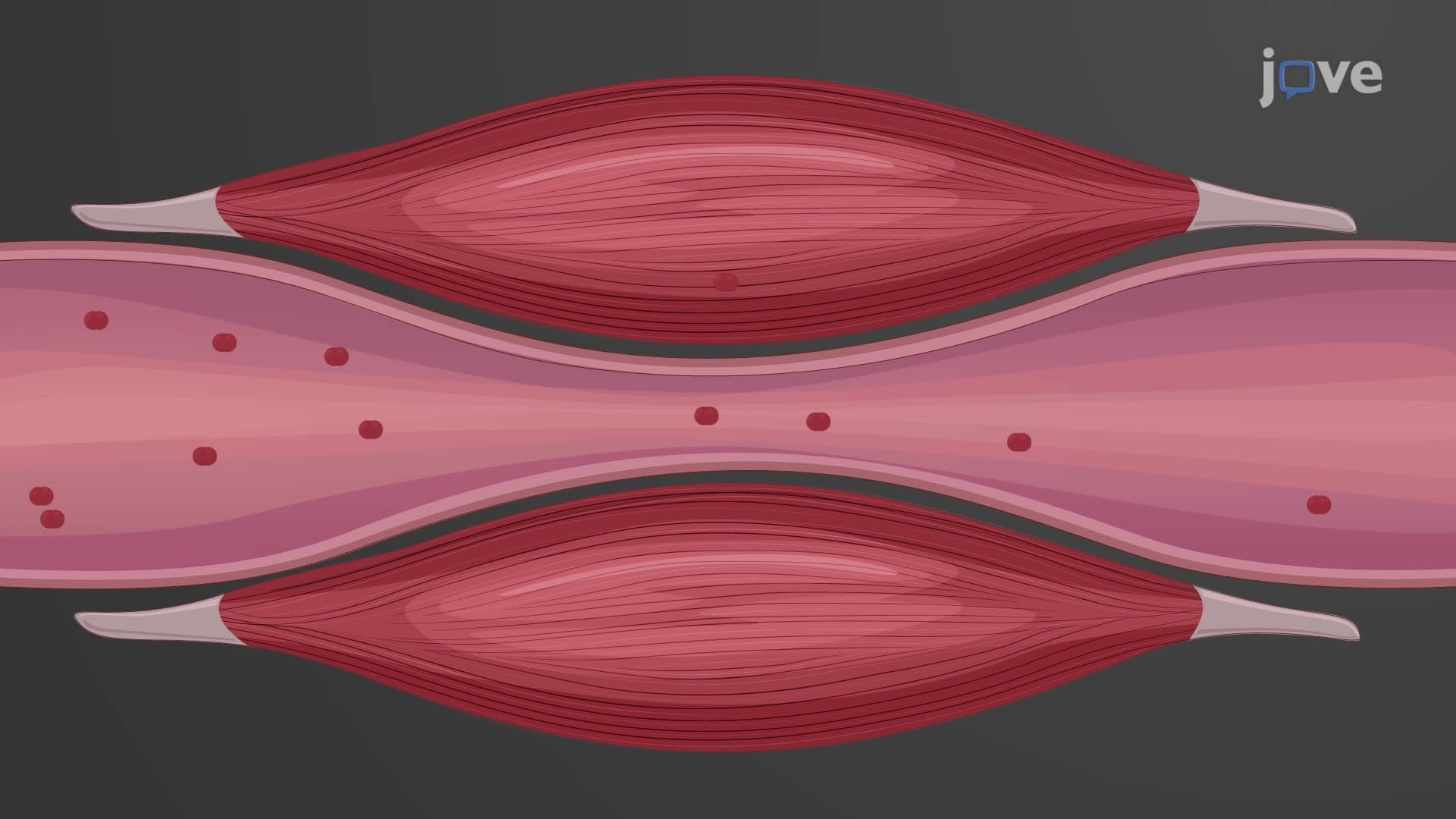
Musculoskeletal injuries represent the most commonly encountered skeletal muscle disorders in clinical practice. These conditions result from biomechanical stress that exceeds the tissue's capacity to adapt and repair. The spectrum ranges from minor muscle strains affecting weekend athletes to severe tendon ruptures requiring surgical intervention.
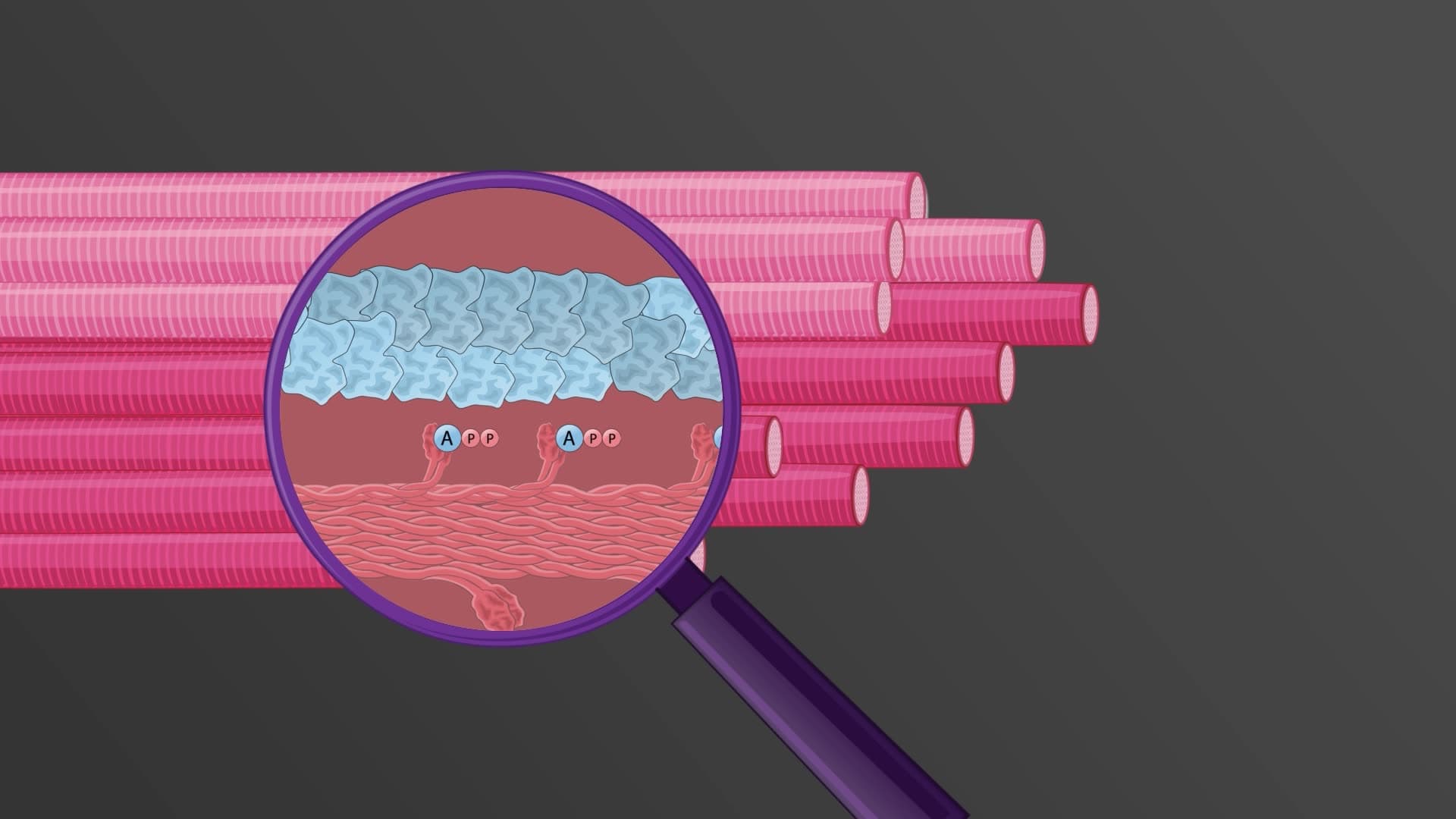
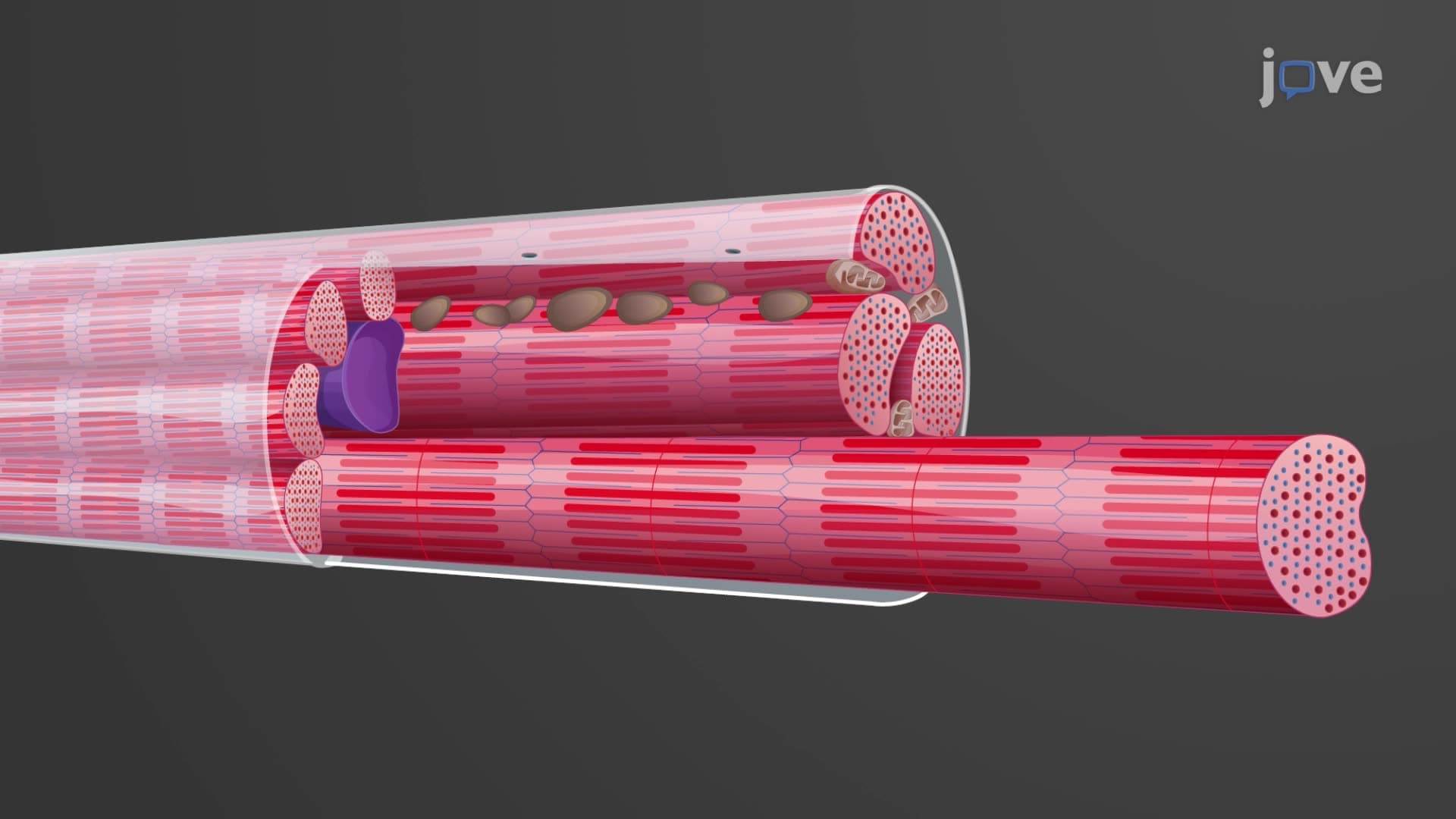
Acute muscle strains occur when muscle fibers tear due to sudden, forceful contractions or excessive stretching. For example, a high school sprinter might experience a hamstring strain during the acceleration phase of a 100-meter dash. The injury mechanism involves microscopic tears in the muscle's contractile elements, triggering an inflammatory response that produces the characteristic pain, swelling, and functional limitation.
Overuse injuries develop gradually through repetitive microtrauma that accumulates faster than the tissue can repair itself. Tennis players frequently develop lateral epicondylitis ("tennis elbow"), while runners commonly experience Achilles tendonitis. These conditions demonstrate how muscle disorder biology involves complex interactions between mechanical stress, cellular repair mechanisms, and inflammatory responses.
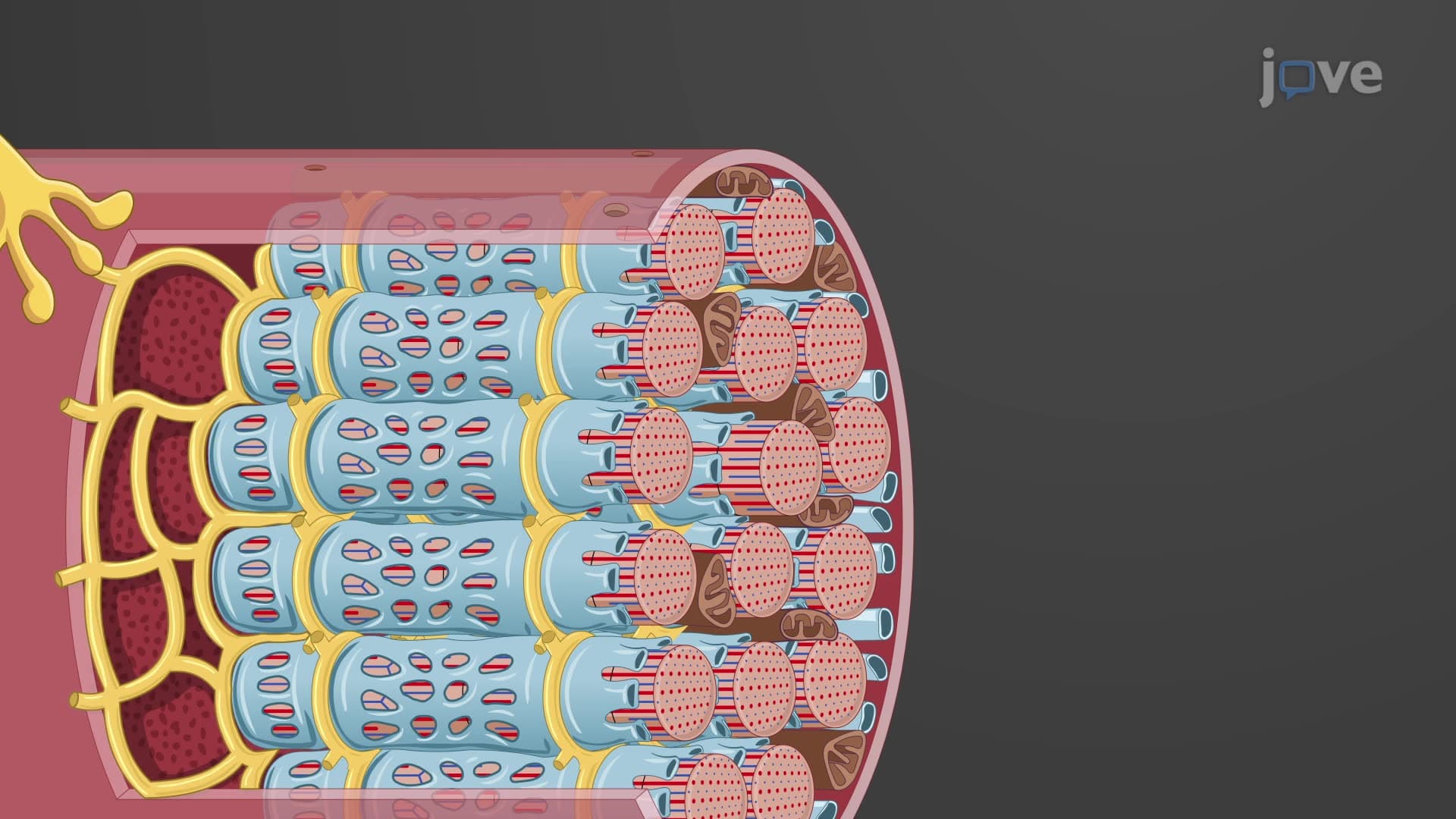
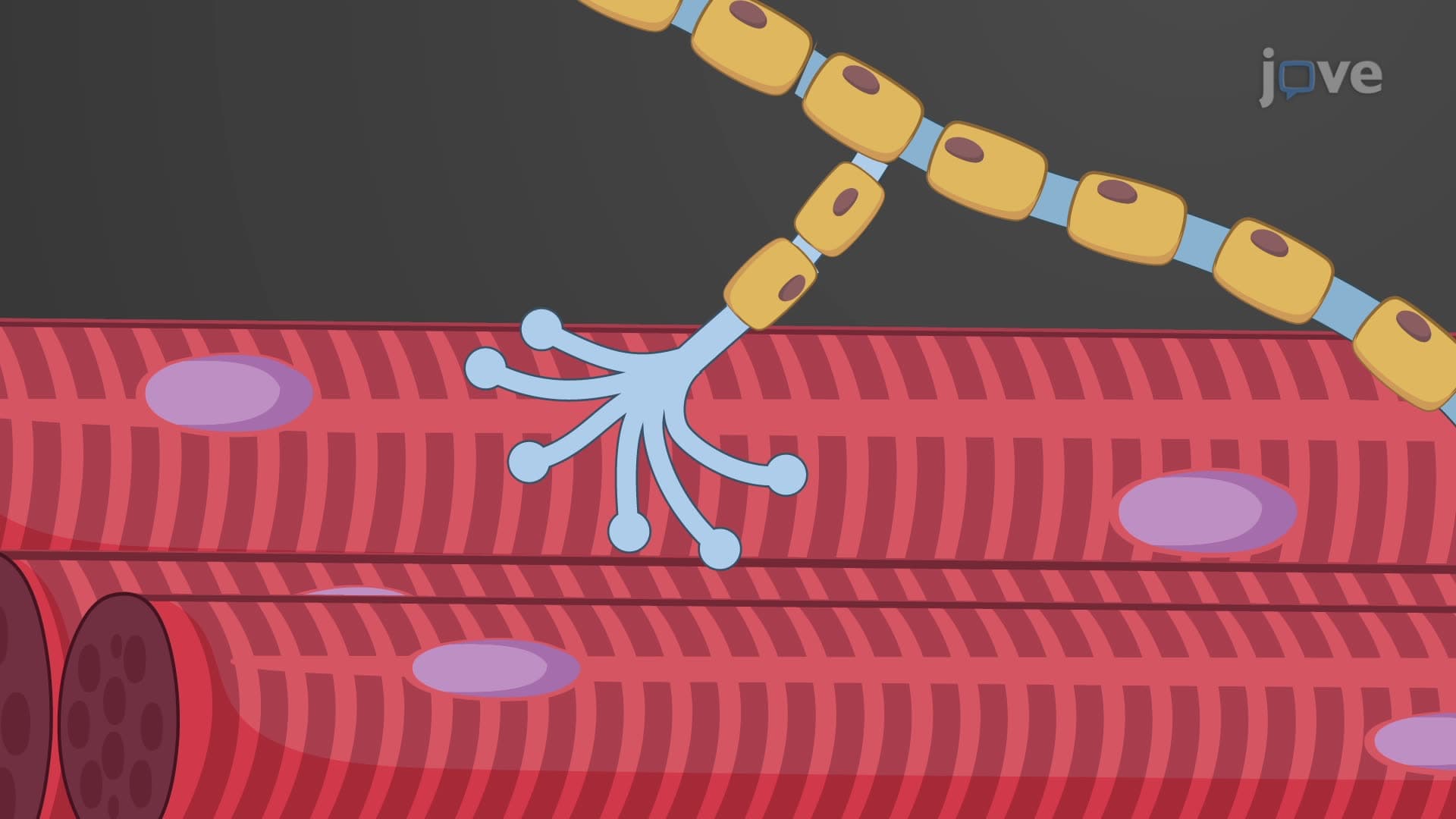
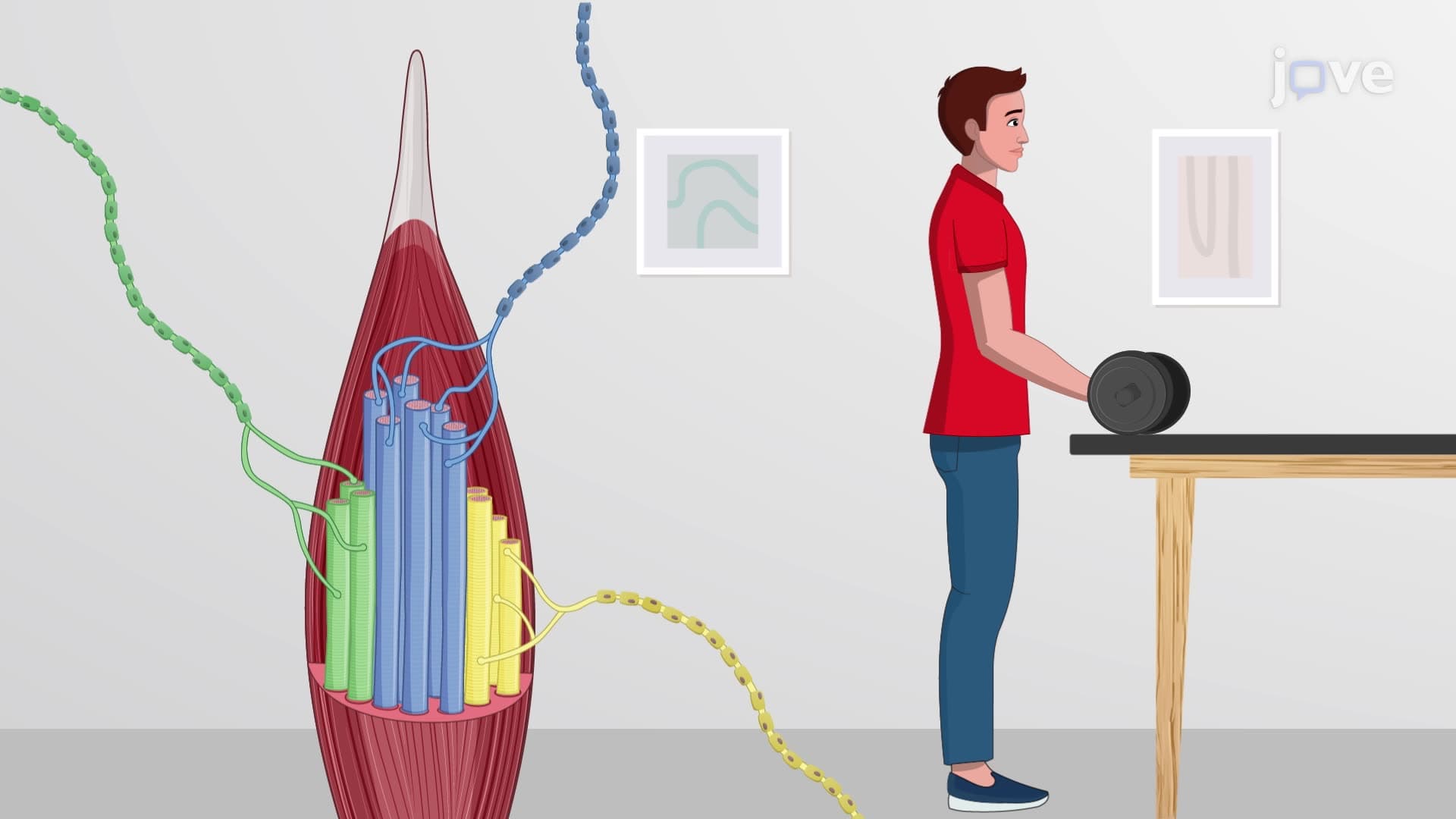
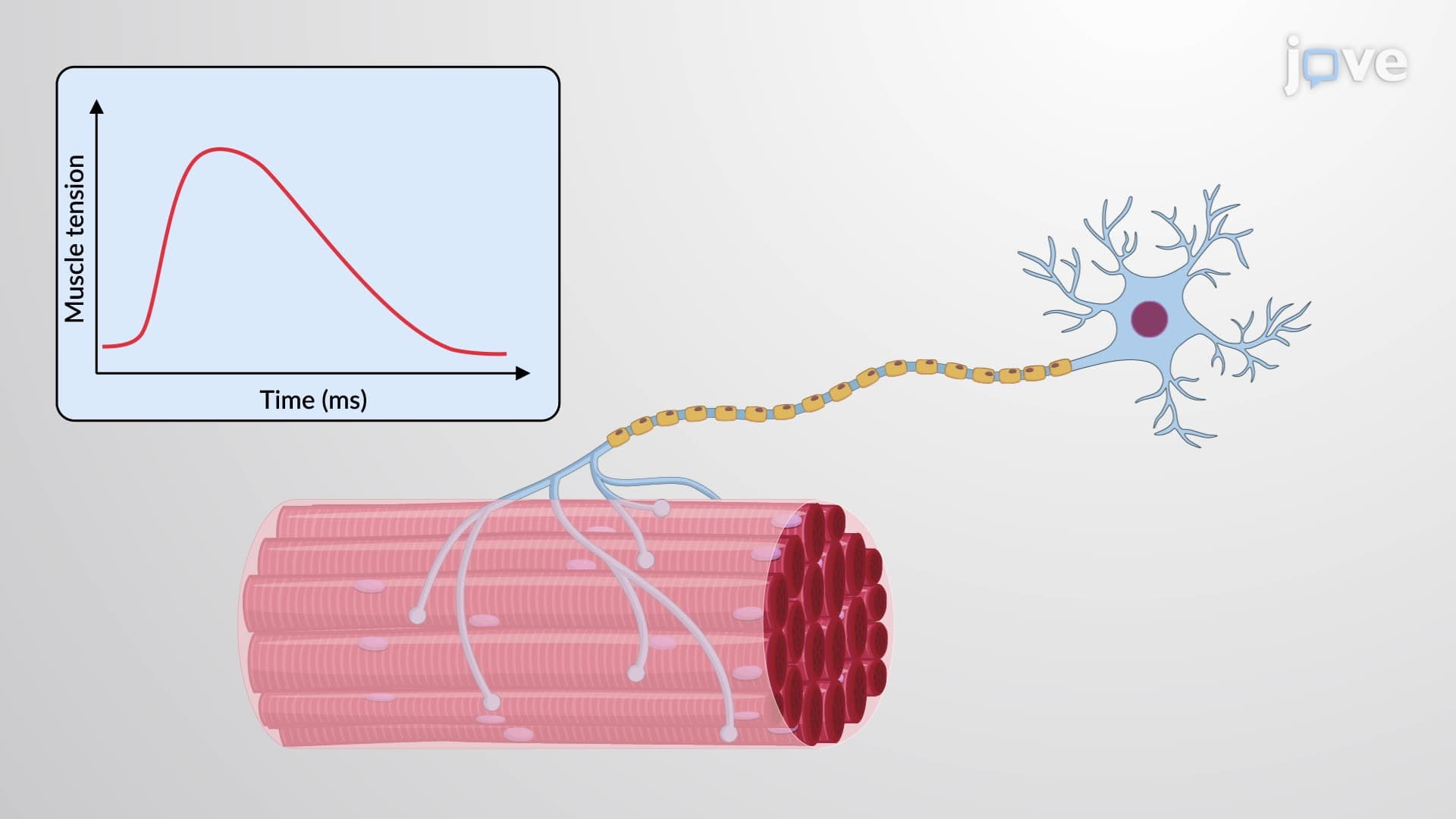
Neuromuscular diseases represent a more complex category of skeletal muscle pathology that affects the motor unit-the functional combination of a motor neuron and the muscle fibers it innervates. These disorders often have genetic origins and typically affect multiple muscle groups simultaneously, leading to progressive weakness and disability.
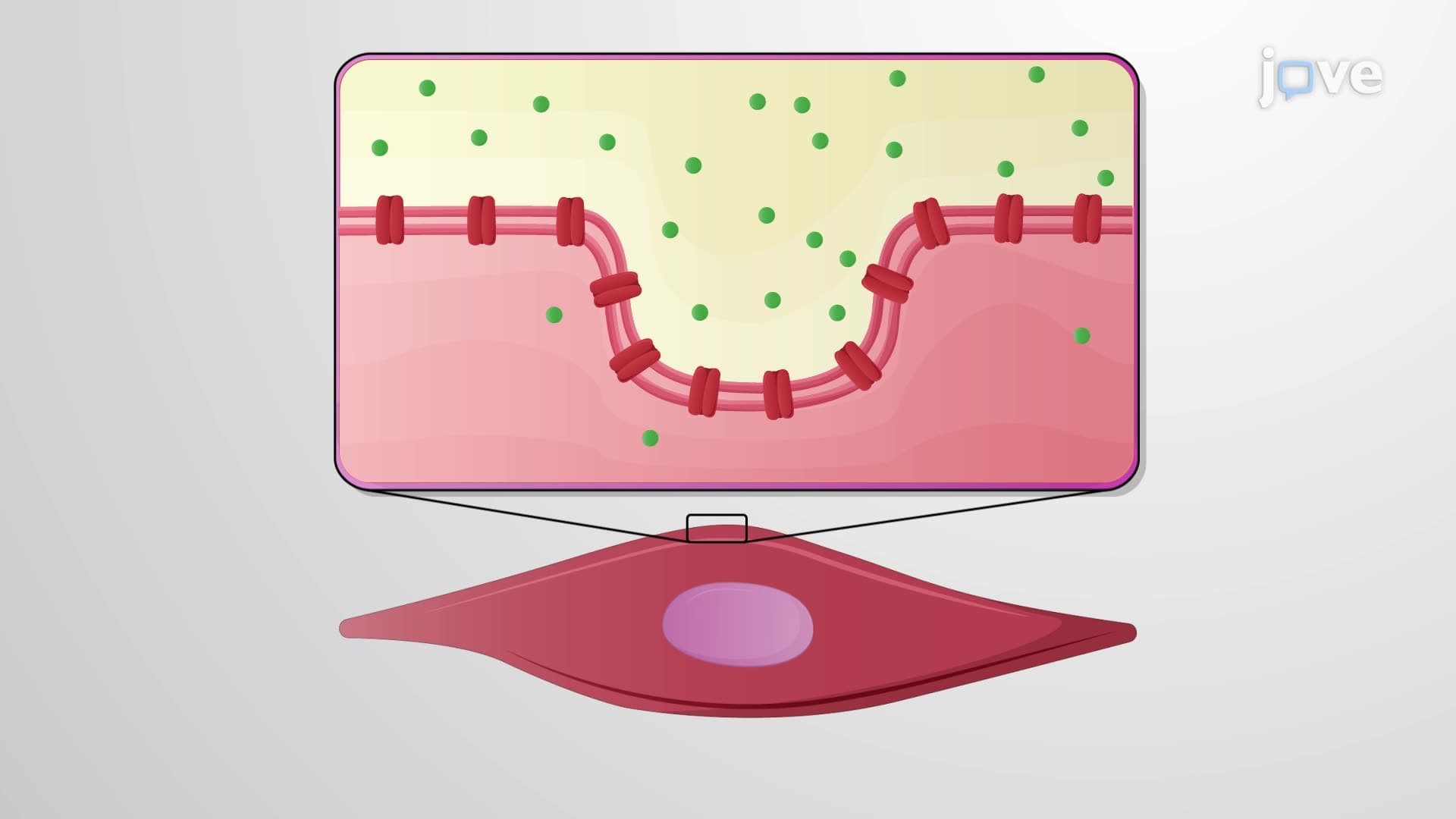
Duchenne muscular dystrophy exemplifies inherited neuromuscular disease, affecting approximately 1 in 3,500 male births in the United States. This X-linked recessive disorder results from mutations in the dystrophin gene, producing a defective protein crucial for maintaining muscle fiber integrity. Without functional dystrophin, muscle membranes become fragile and prone to damage during normal contractions, leading to progressive muscle atrophy wasting disorder.
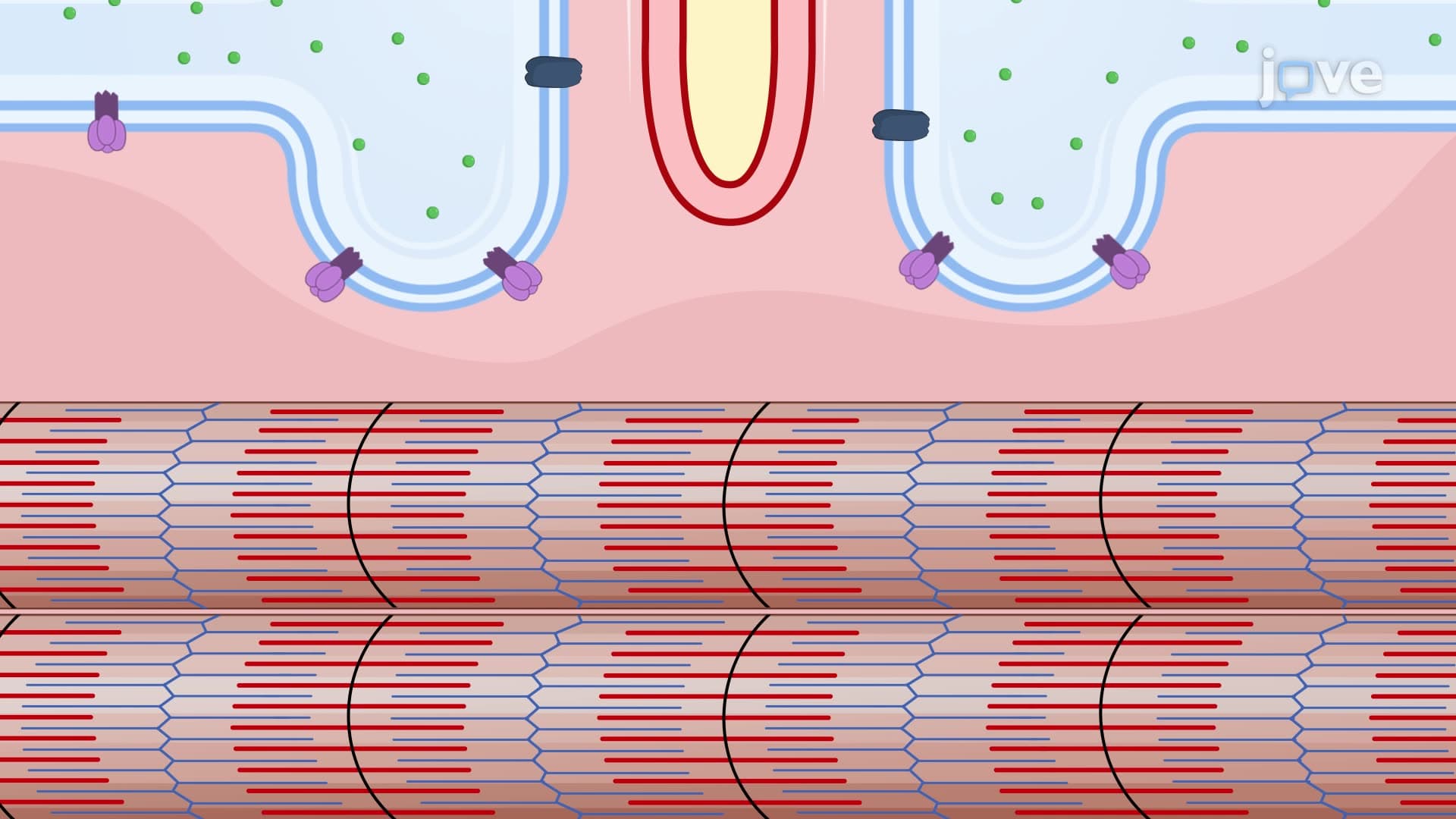
Myasthenia gravis autoimmune disease demonstrates how the immune system can target neuromuscular junctions. This condition affects roughly 20 per 100,000 Americans, with antibodies blocking or destroying acetylcholine receptors at the motor endplate. Patients experience fluctuating weakness that worsens with activity and improves with rest, creating a characteristic pattern that helps distinguish it from other muscle disorders.
Understanding these concepts proves essential for students preparing for advanced coursework and standardized exams. The AP Biology exam frequently tests students' knowledge of muscle physiology and disease mechanisms, while pre-medical students encounter detailed questions about neuromuscular disorders on the MCAT. College physiology courses extensively cover these topics, emphasizing the clinical relevance and underlying molecular mechanisms that drive disease pathogenesis.
Related Micro-courses