Loading video…


 22 Concepts
 178.8K views

Video Summary: What are Types of Skeletal Muscle
Ever wonder why marathon runners have different muscle composition than Olympic sprinters? Skeletal muscle fiber types determine whether you excel at endurance activities or explosive power movements. Your muscles contain three distinct fiber types-slow oxidative (Type I), fast oxidative (Type IIa), and fast glycolytic (Type IIb)-each optimized for specific energy demands. Understanding what are the different types of skeletal muscle fibers explains why some athletes dominate distance running while others excel at powerlifting. Watch the full video on JoVE Coach to master this concept with expert-led visuals and step-by-step explanations.
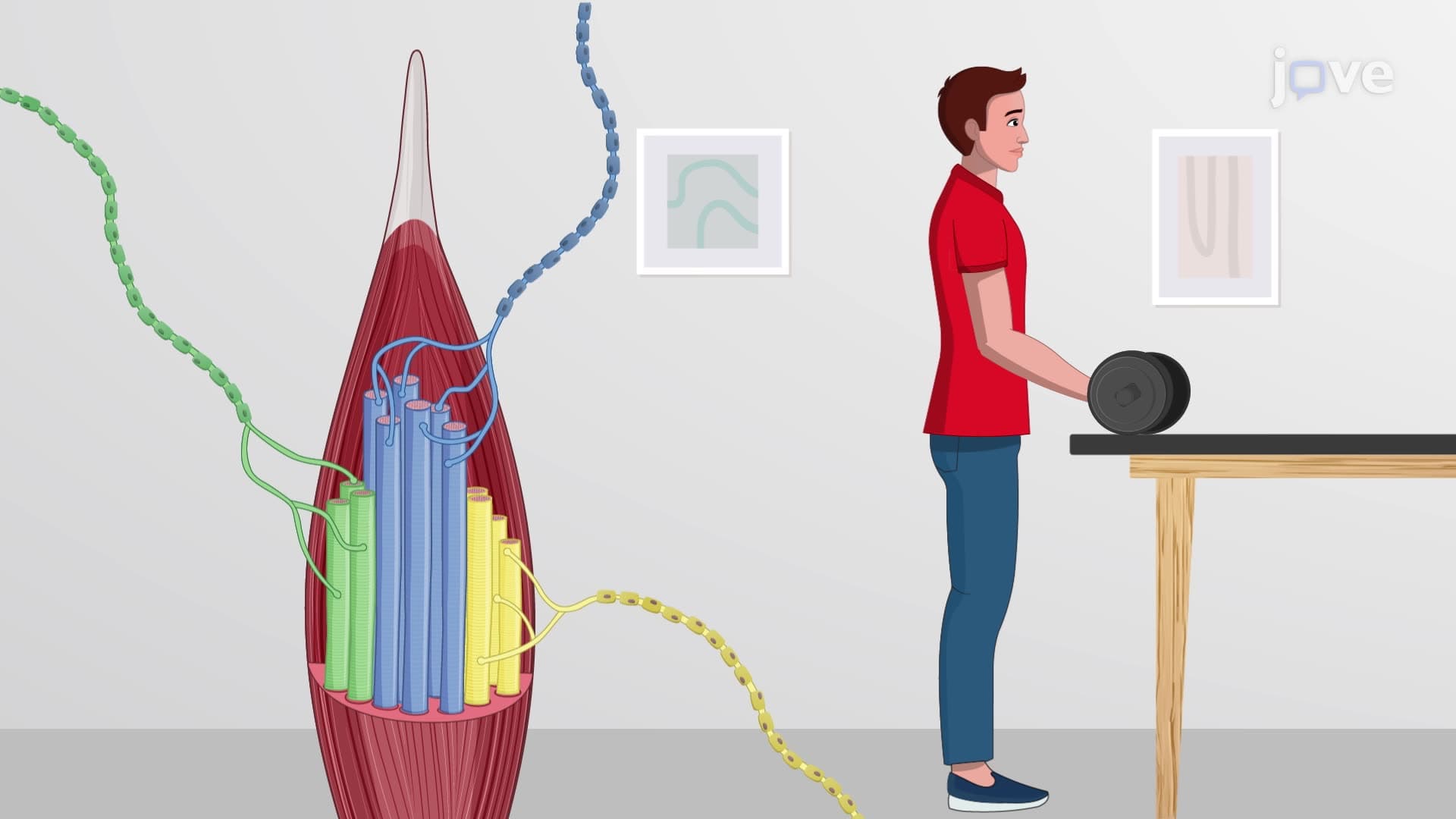
What are types of skeletal muscle fibers represents a fundamental concept in exercise physiology and human anatomy. The classification system divides muscle fibers into three primary categories based on their contractile properties and metabolic characteristics. This classification directly impacts athletic performance, rehabilitation strategies, and understanding of muscle diseases studied in advanced biology courses and pre-med programs.
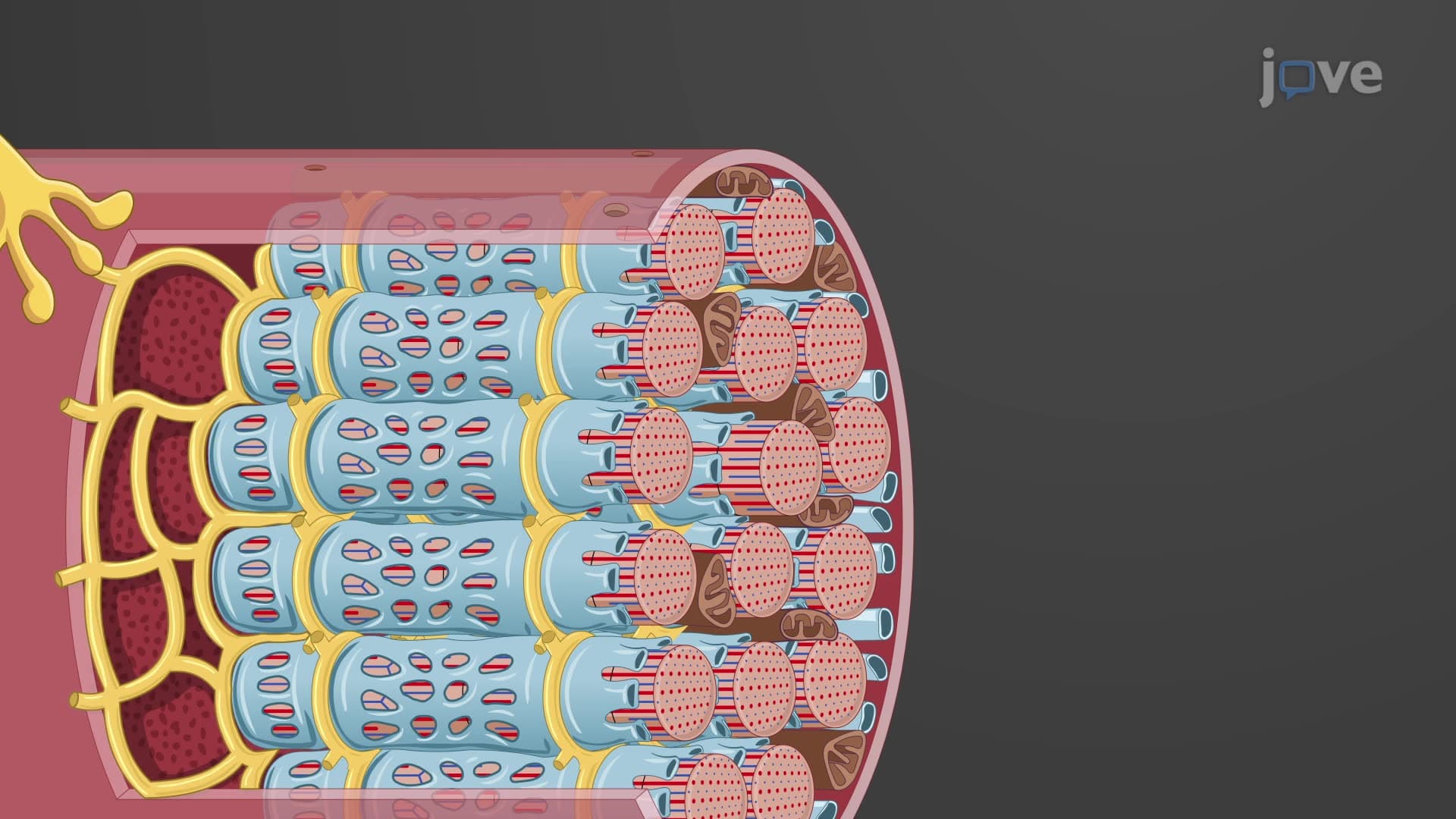
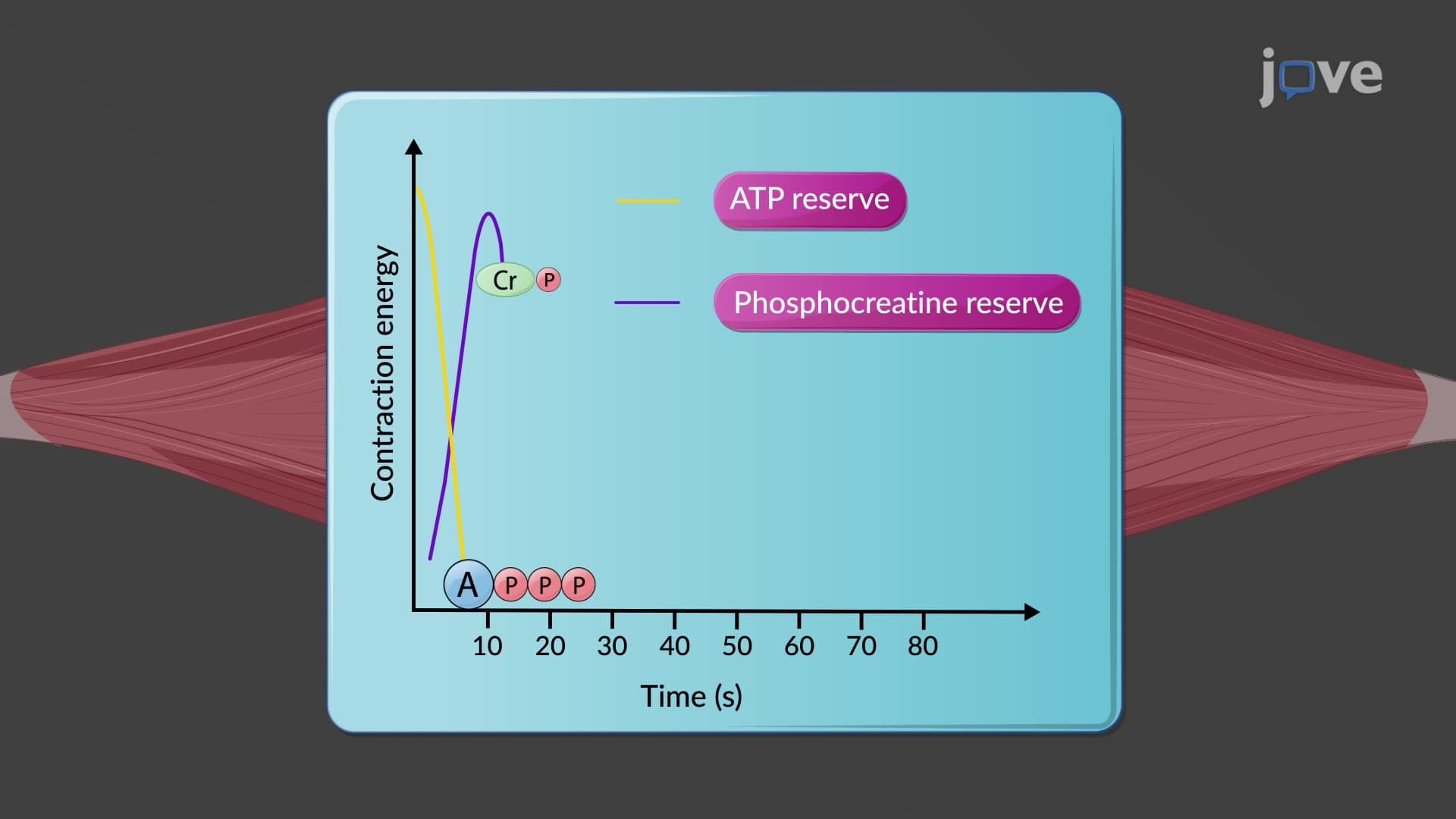
Slow oxidative fibers, or Type I fibers, serve as the body's endurance workhorses. These slow oxidative type I fibers contain high concentrations of mitochondria and myoglobin, giving them their characteristic red appearance. Their slow-functioning myosin ATPase allows for sustained contractions without rapid fatigue. Elite distance runners like those competing in the Boston Marathon typically possess 70-80% Type I fibers in their leg muscles, enabling them to maintain steady pace for hours. These fibers primarily use aerobic respiration for ATP production, making them highly efficient for activities requiring prolonged muscle activation.
Fast oxidative type IIa fibers represent the middle ground between endurance and power. These fibers can generate ATP through both aerobic respiration and anaerobic glycolysis, making them adaptable to varying energy demands. Soccer players and basketball athletes benefit from high Type IIa fiber percentages, as these sports require both sustained activity and explosive movements. In laboratory settings, Type IIa fibers demonstrate moderate contractile speed while maintaining reasonable fatigue resistance-a combination that proves essential for activities lasting several minutes.
Fast glycolytic type IIb fibers prioritize explosive power over endurance. These fibers rely exclusively on anaerobic glycolysis for ATP production, enabling rapid, forceful contractions but with limited duration. Olympic weightlifters and NFL linemen typically possess high percentages of Type IIb fibers, allowing them to generate tremendous force during brief, intense efforts. While these fibers fatigue quickly due to lactate accumulation, they're essential for activities requiring maximum power output.
Understanding skeletal muscle fiber types proves crucial for AP Biology students studying muscle physiology and college students preparing for MCAT examinations. The concept frequently appears in questions about metabolic pathways, muscle adaptation, and exercise physiology on standardized tests.
Related Micro-courses