Loading subject page…

- Anatomy and Physiology
- Muscle Tissue
- Exercise and Muscle Performance
Micro-course: Muscle Tissue
178,810 views
Learn key concepts and earn your certificate.



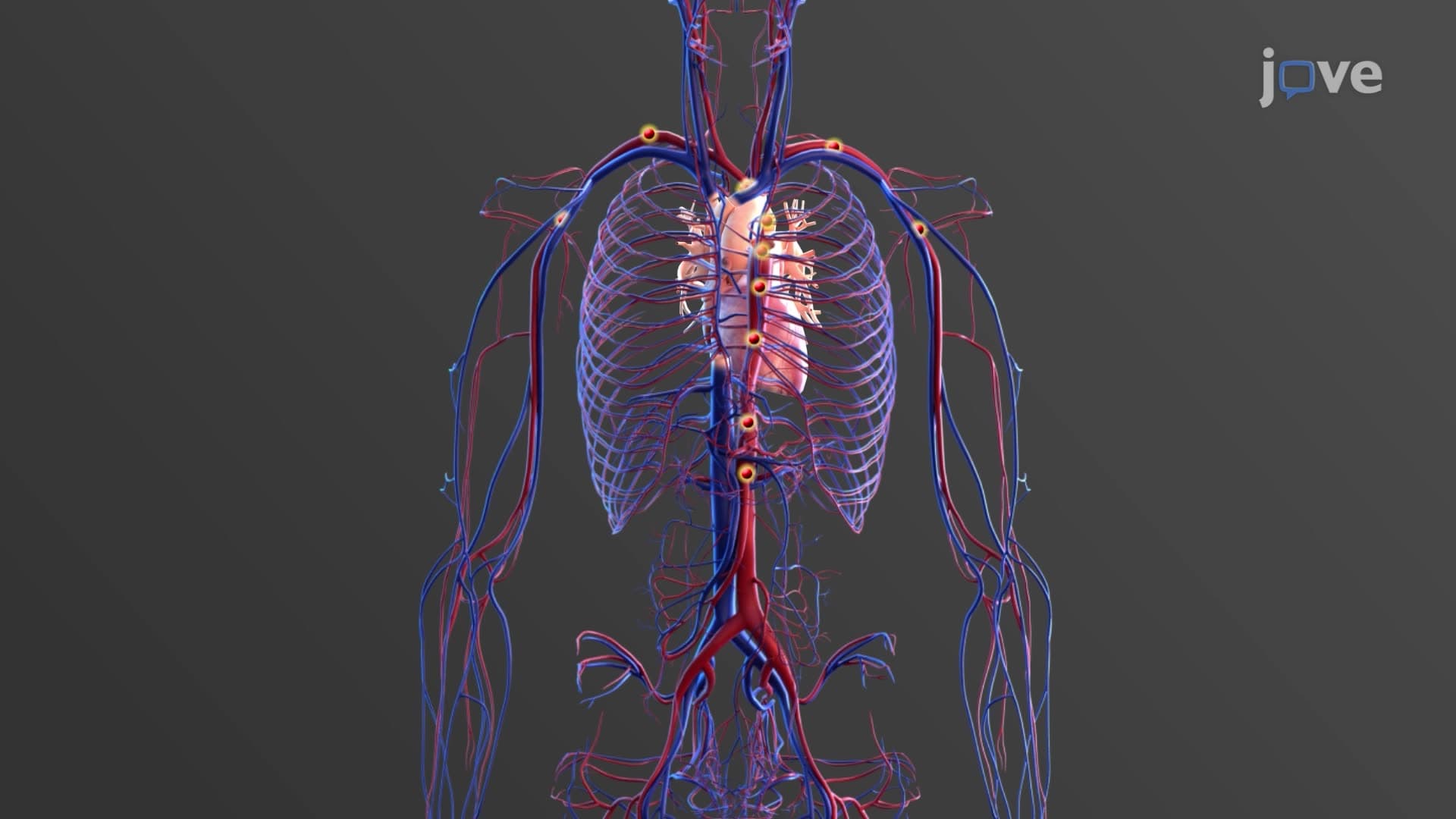
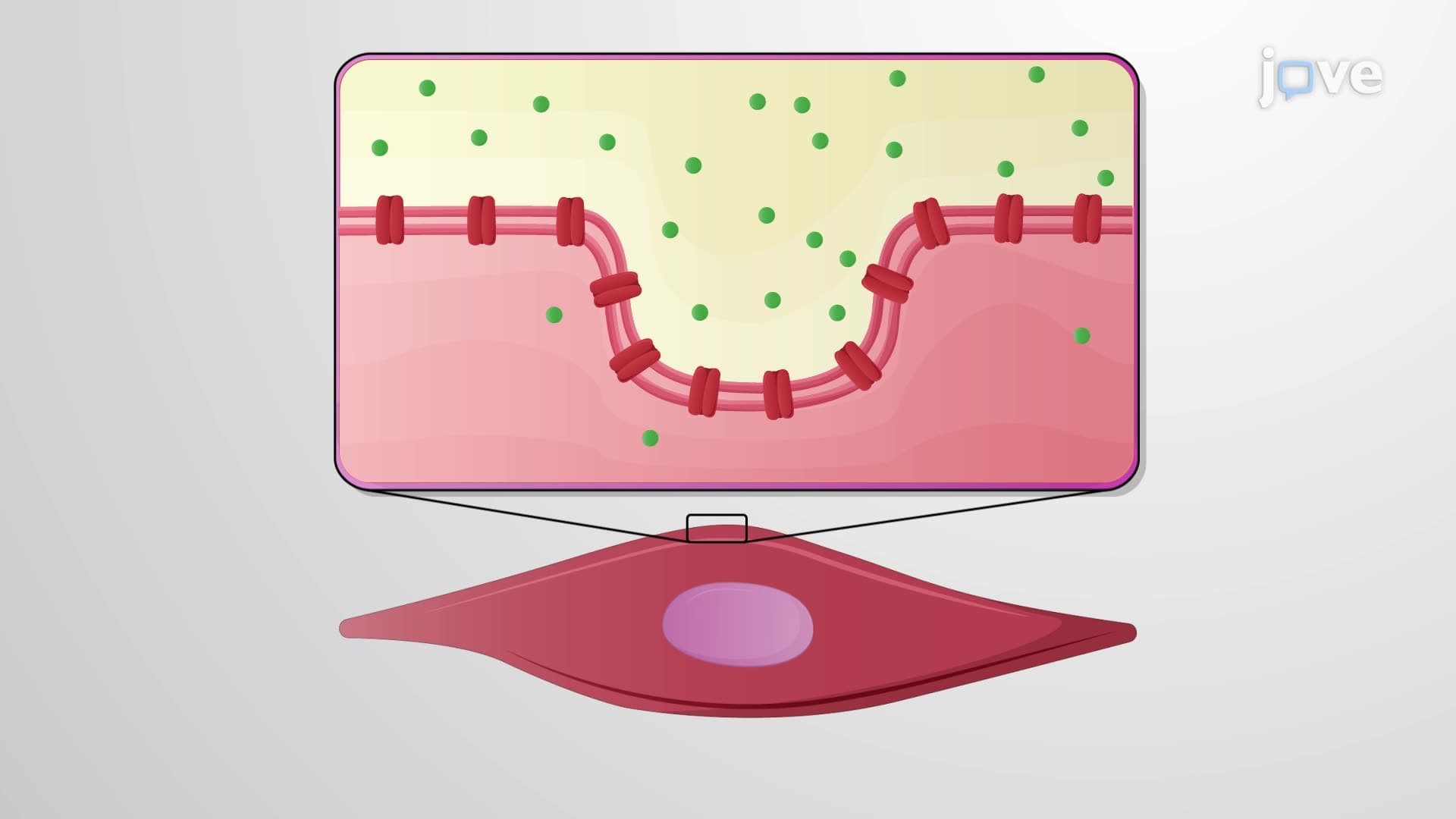

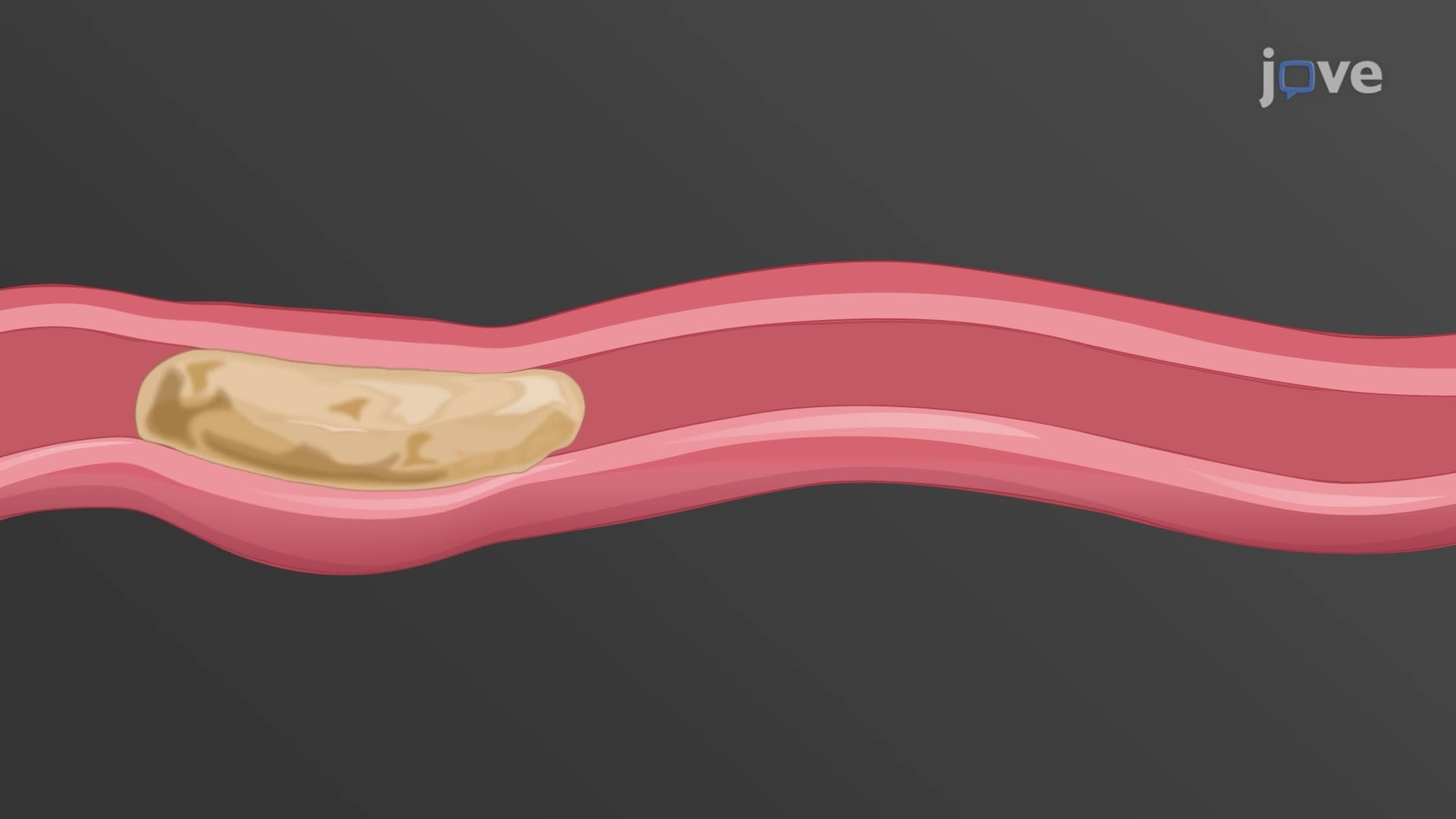
Exercise and Muscle Performance

00:00
01:27
Video Summary: What Is Exercise and Muscle Performance
Ever wonder why marathon runners look different from Olympic sprinters? The exercise muscle performance effect reveals how different training types literally reshape our muscles at the cellular level. Consider how a powerlifter's massive biceps develop through resistance training hypertrophy, while a cyclist's lean legs excel in endurance. Understanding what is exercise and muscle performance unlocks the science behind athletic specialization and personal fitness goals. Watch the full video on JoVE Coach to master this concept with expert-led visuals and step-by-step explanations.
- Understand what is exercise and muscle performance by distinguishing between endurance and resistance training adaptations
- Identify how different muscle fiber types respond to specific exercise stimuli and training protocols
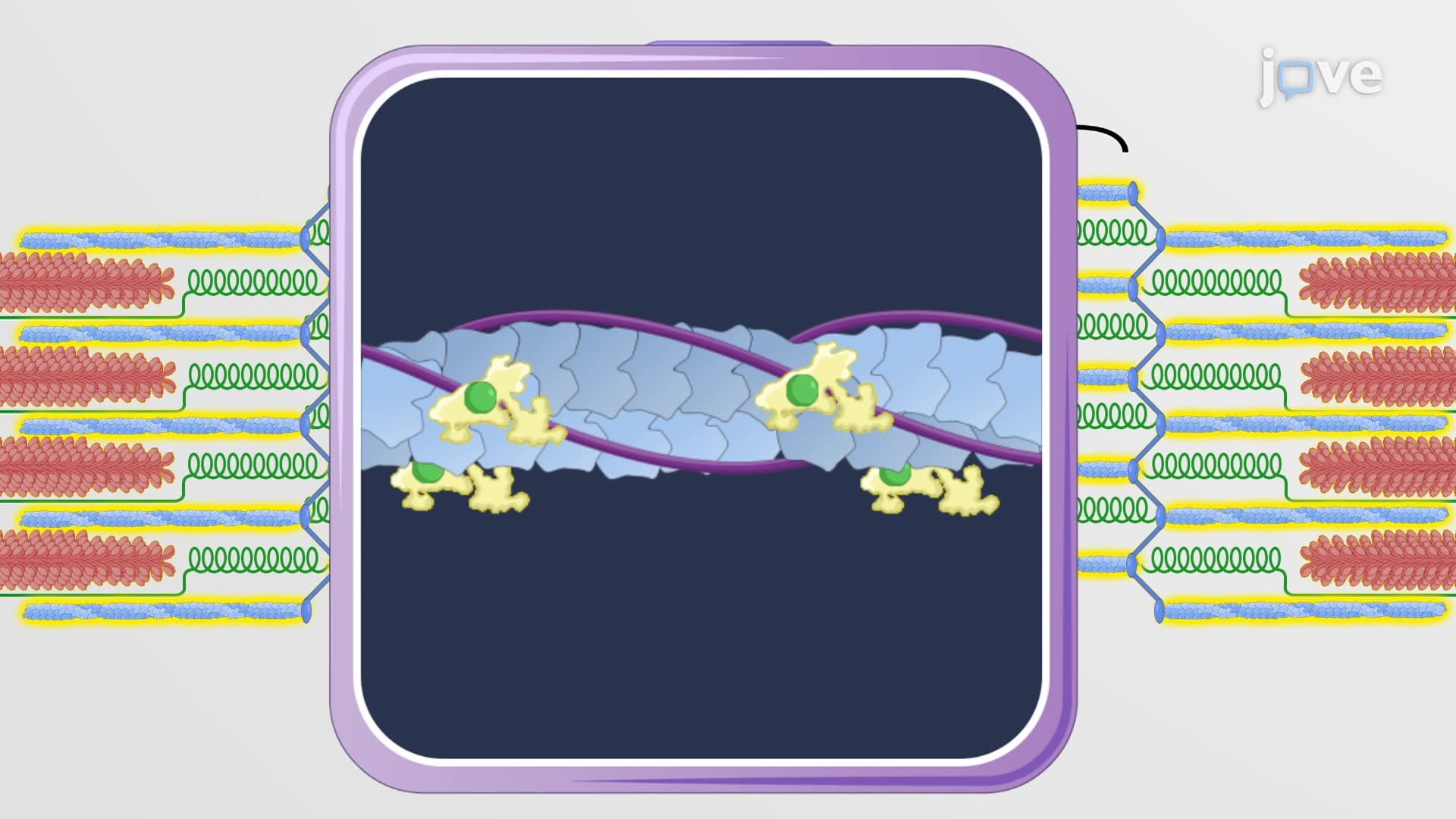
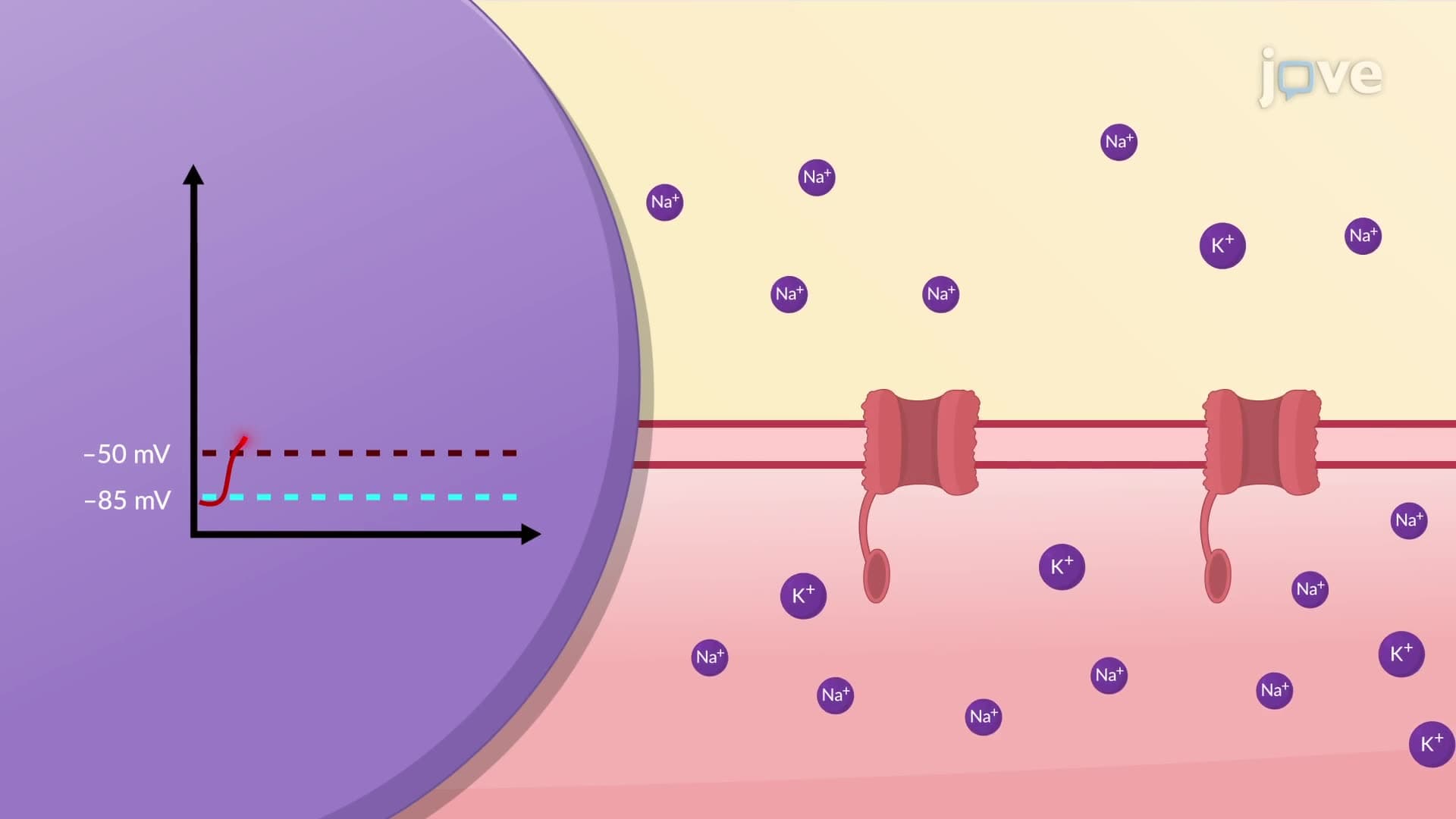
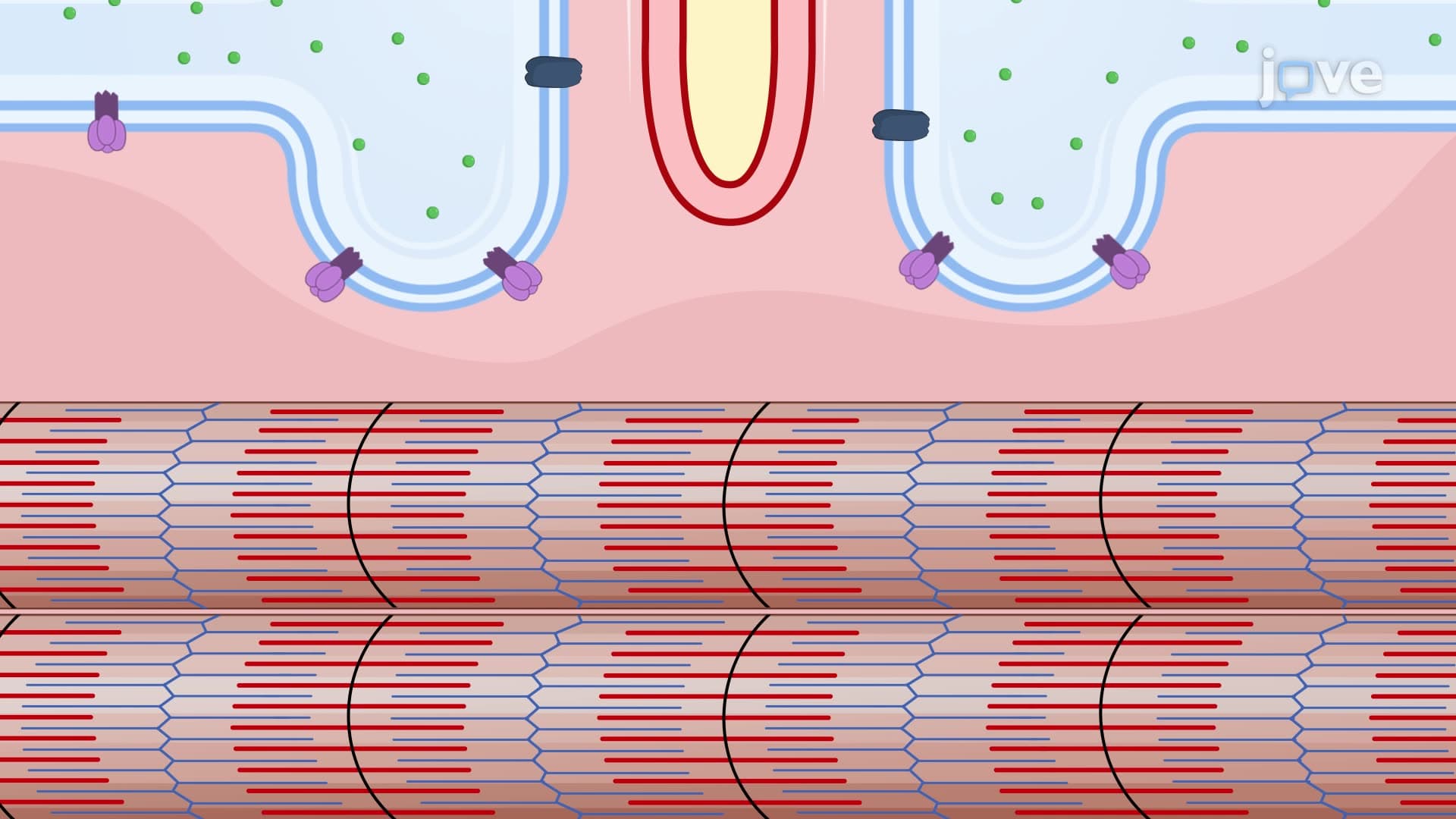
- Analyze the physiological mechanisms behind exercise adaptation skeletal muscle changes at the cellular level
- Compare the metabolic pathways utilized during endurance versus resistance training sessions
- Evaluate how exercise effect on skeletal muscle varies between slow-twitch and fast-twitch fiber recruitment
- Apply knowledge of muscle fiber type change exercise to explain athletic performance differences
- Recognize the role of angiogenesis and protein synthesis in performance training muscle adaptations
- Explore how resistance training hypertrophy and endurance training oxidative changes support different athletic goals
Understanding What is Exercise and Muscle Performance
Exercise muscle performance effect encompasses the complex physiological adaptations that occur when skeletal muscles respond to training stimuli. This relationship forms the foundation of exercise science, explaining why a 400-meter sprinter develops explosive power while a marathon runner builds extraordinary endurance capacity.
Muscle Fiber Types and Training Adaptations
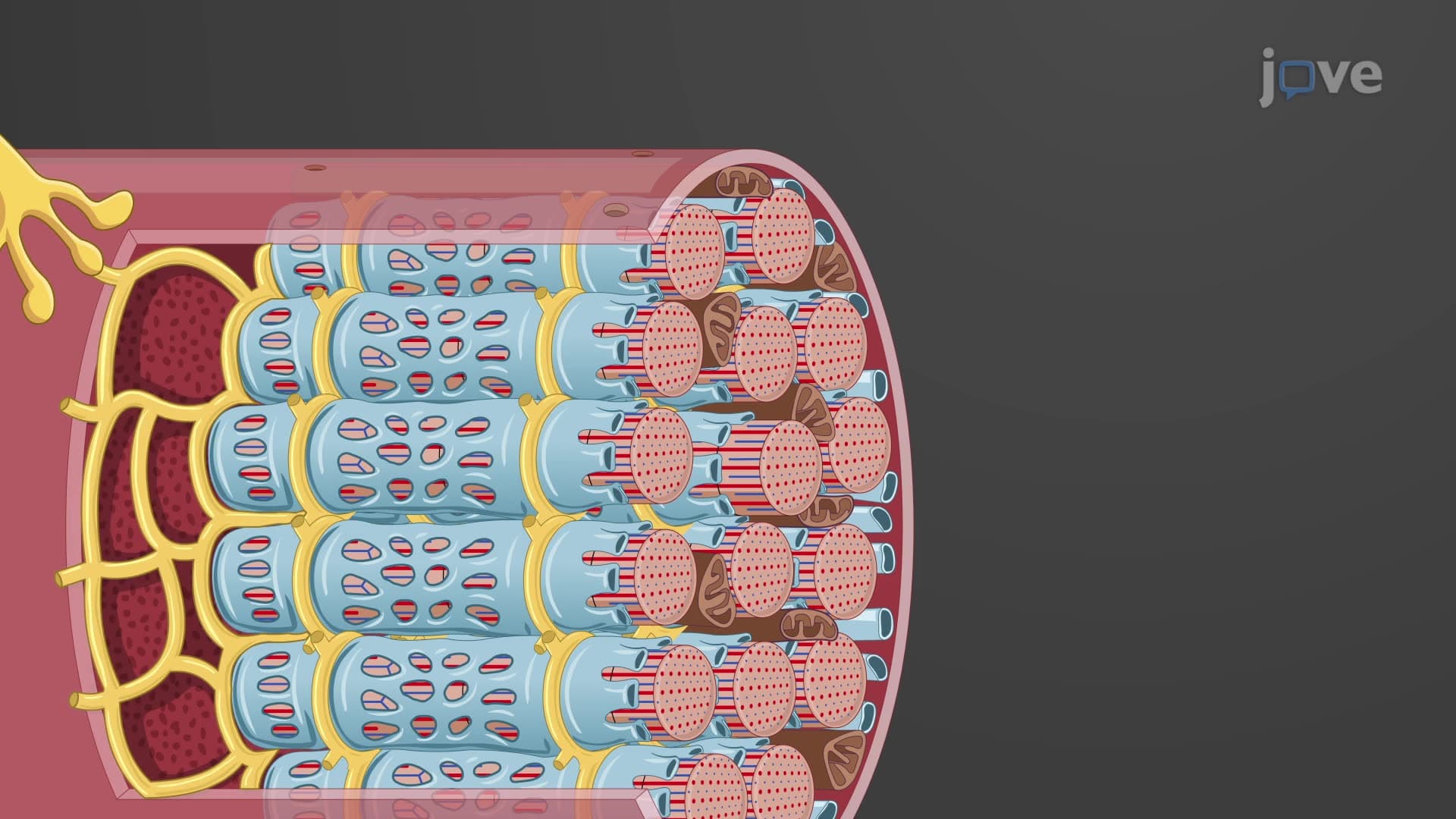
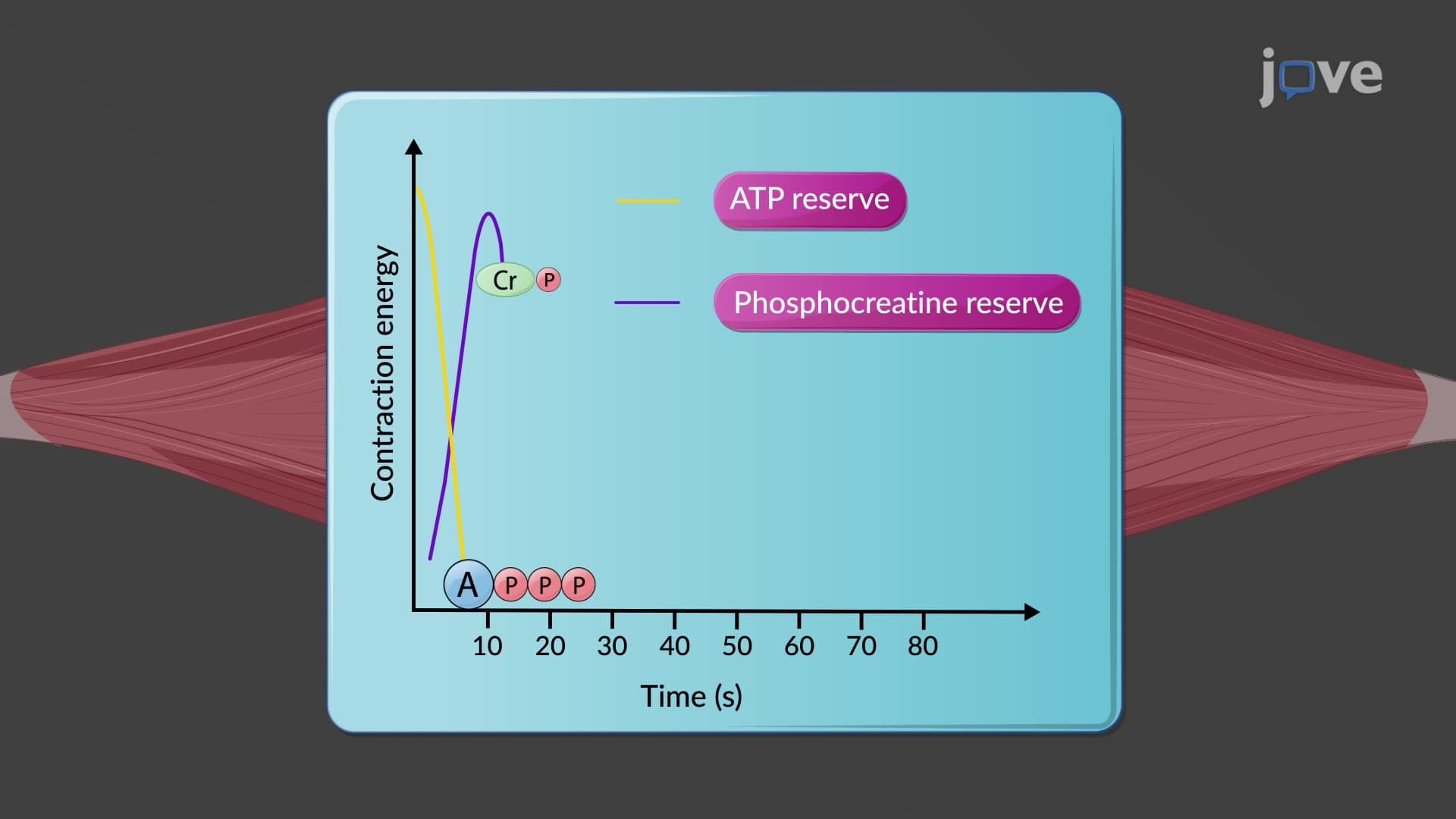
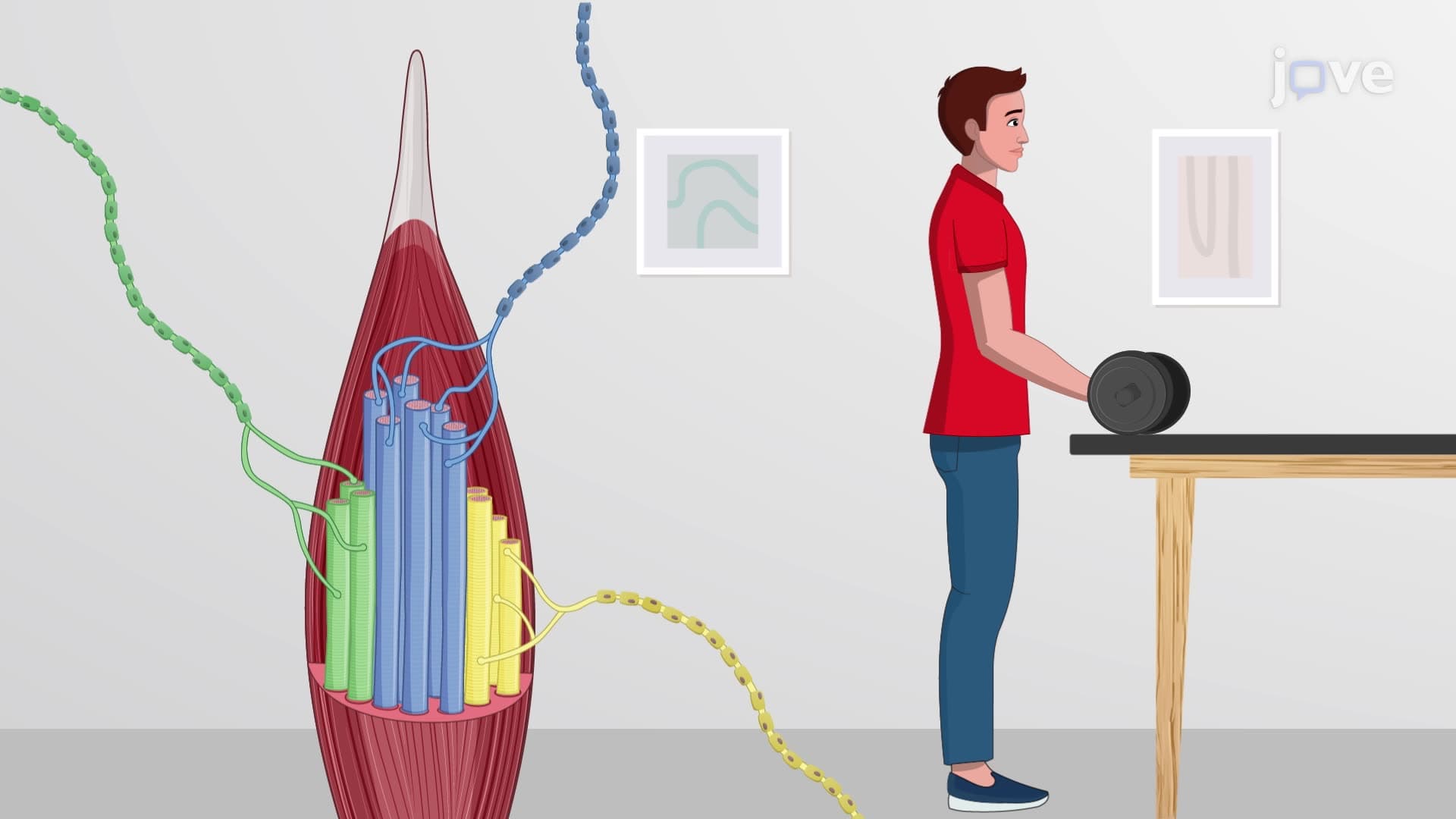
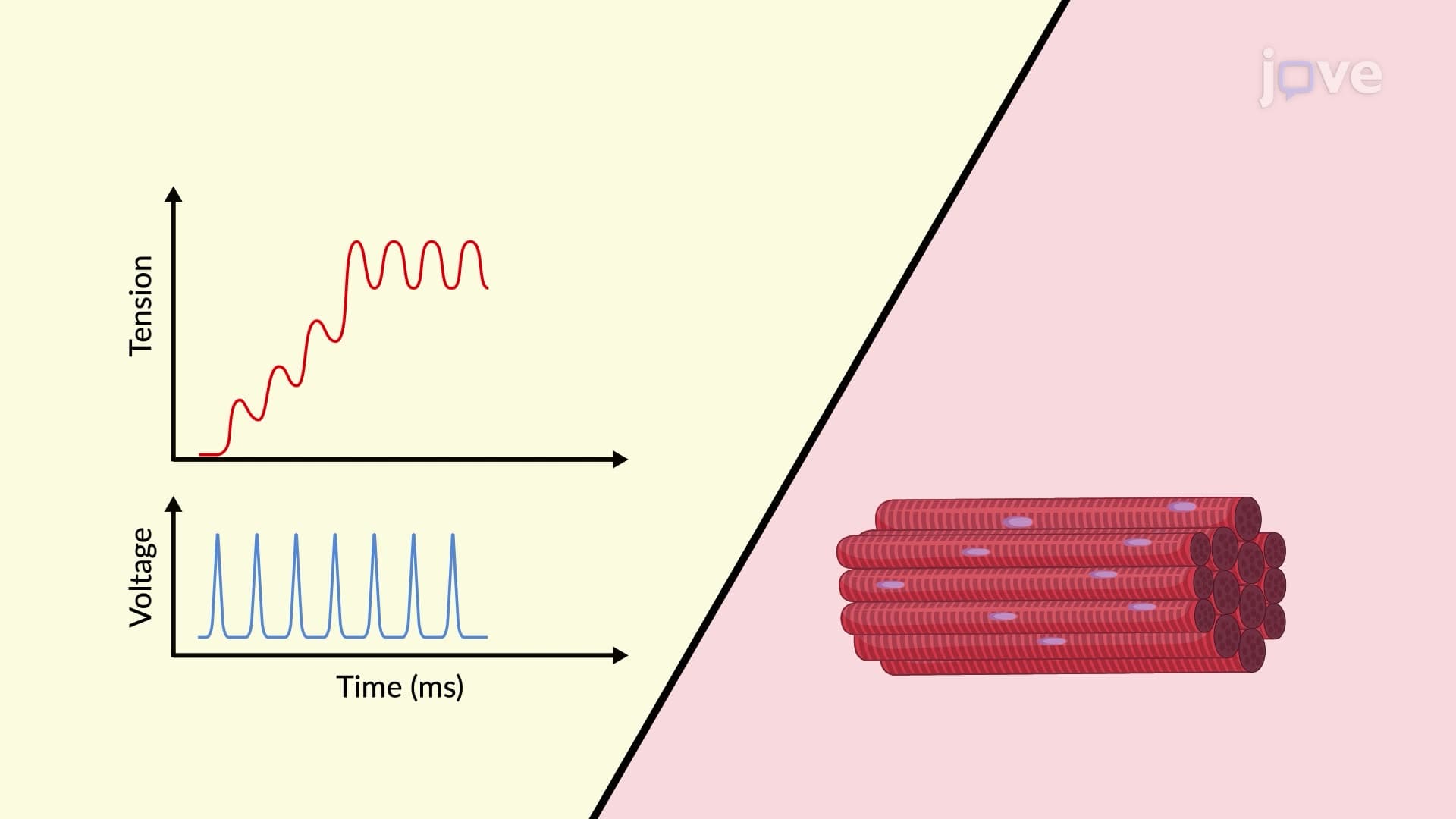
The exercise effect on skeletal muscle depends largely on fiber type recruitment. Slow-twitch (Type I) fibers dominate endurance activities like the Boston Marathon, utilizing oxidative metabolism for sustained energy production. These fibers contain abundant mitochondria and myoglobin, giving them exceptional fatigue resistance. Conversely, fast-twitch fibers (Type IIa and IIx) power explosive movements seen in NFL combines or Olympic weightlifting, relying on phosphocreatine and glycolytic systems for rapid force generation.
Muscle fiber type change exercise represents one of the most remarkable adaptations. Research from the University of Alabama demonstrates that consistent resistance training can convert Type IIa (fast oxidative) fibers to Type IIx (fast glycolytic) fibers, enhancing power output. This concept frequently appears on MCAT physiology sections and AP Biology exams.
Metabolic Pathways in Exercise Performance
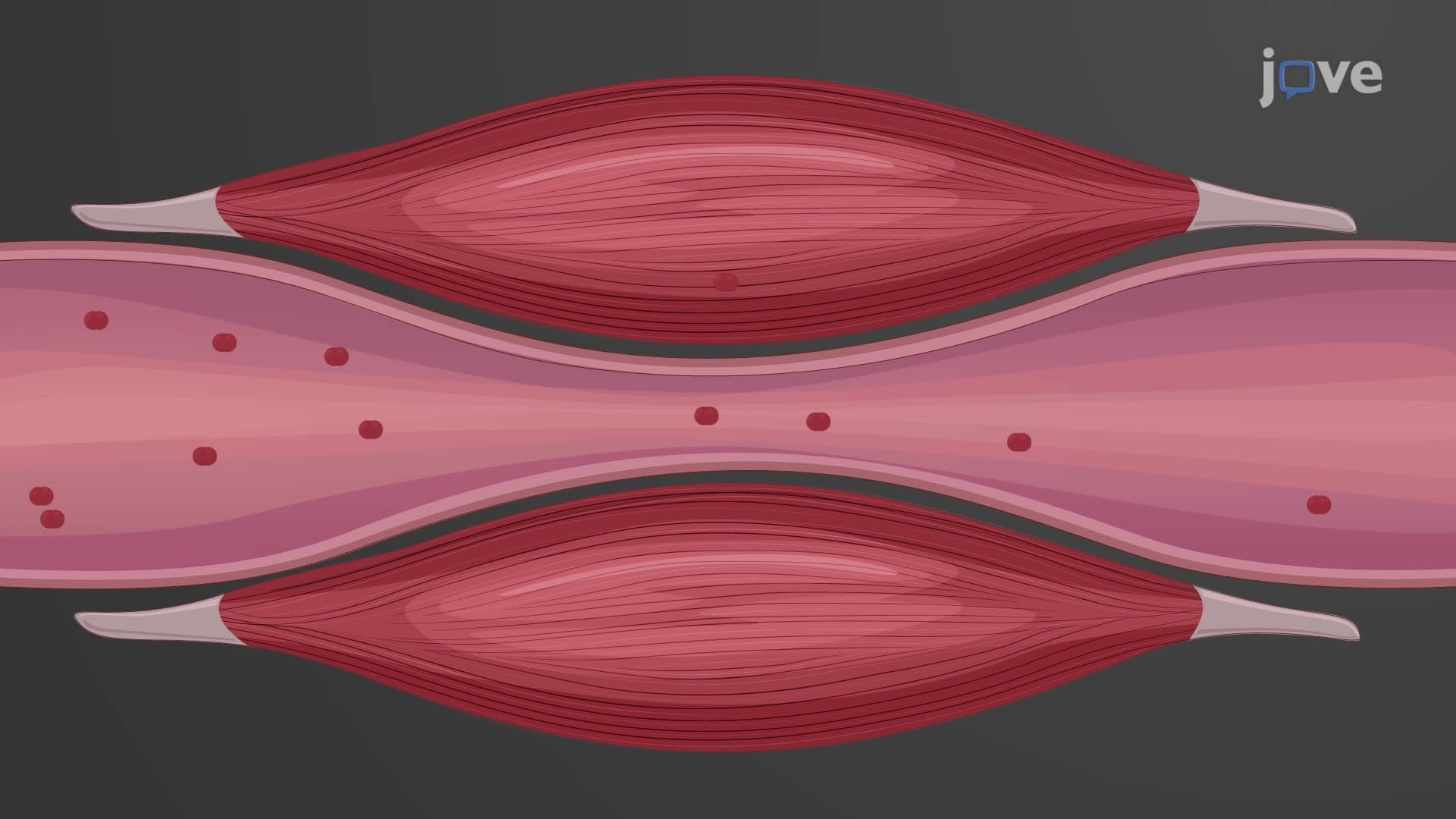
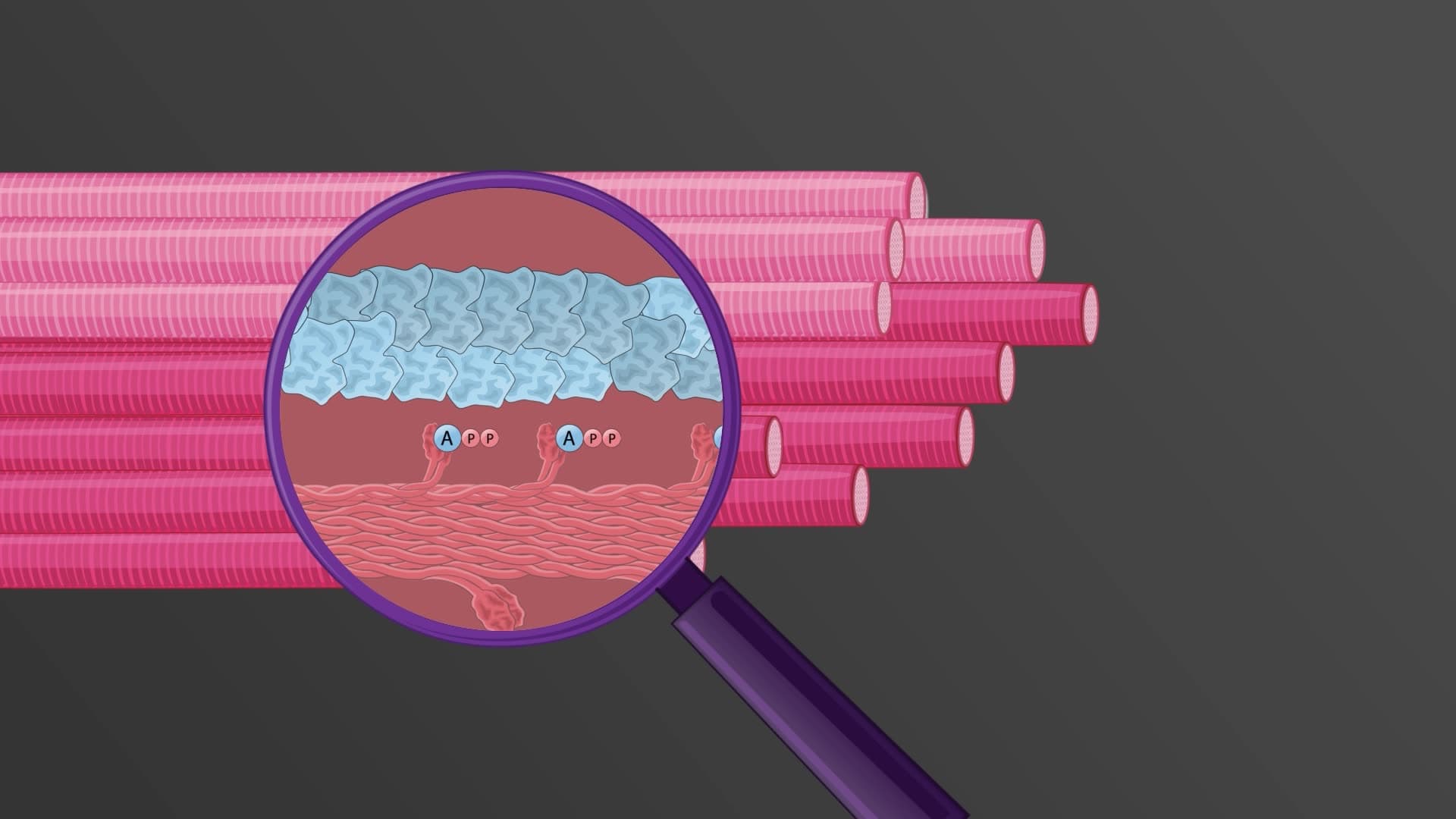
How does exercise affect muscle performance becomes clear when examining energy systems. During a 5K run at a Division I university, slow fibers initially use stored ATP, creatine phosphate, and glycogen. As these reserves deplete, endurance training oxidative adaptations allow muscles to efficiently extract nutrients from circulating blood, supporting continued contraction through aerobic metabolism.
Resistance training hypertrophy follows a different pathway. When a college athlete performs bench presses, fast fibers rapidly exhaust phosphocreatine stores and shift to anaerobic glycolysis. This creates metabolic stress that triggers protein synthesis, leading to increased fiber cross-sectional area-the hallmark of muscle growth.
Structural Adaptations and Performance Enhancement
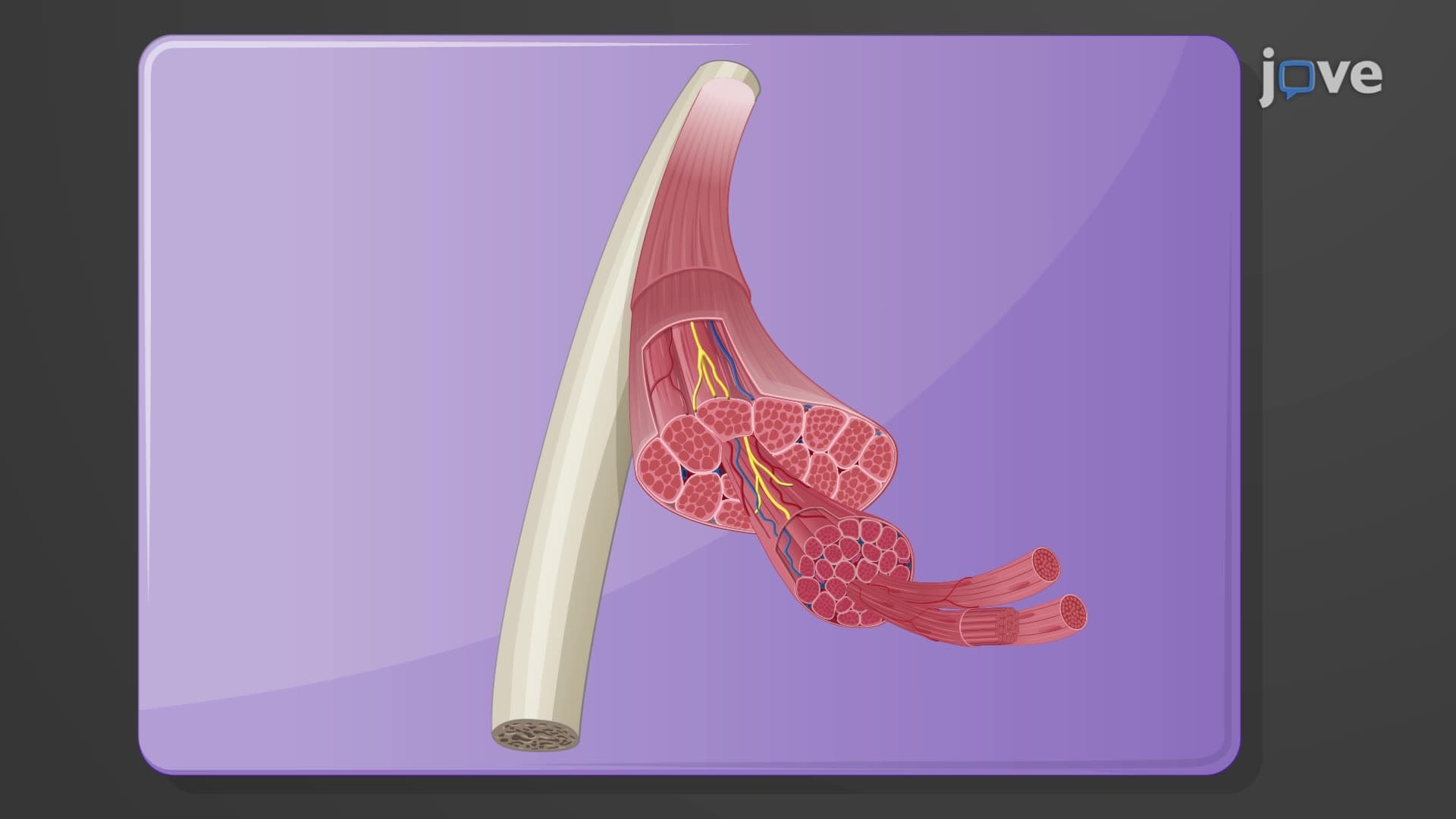
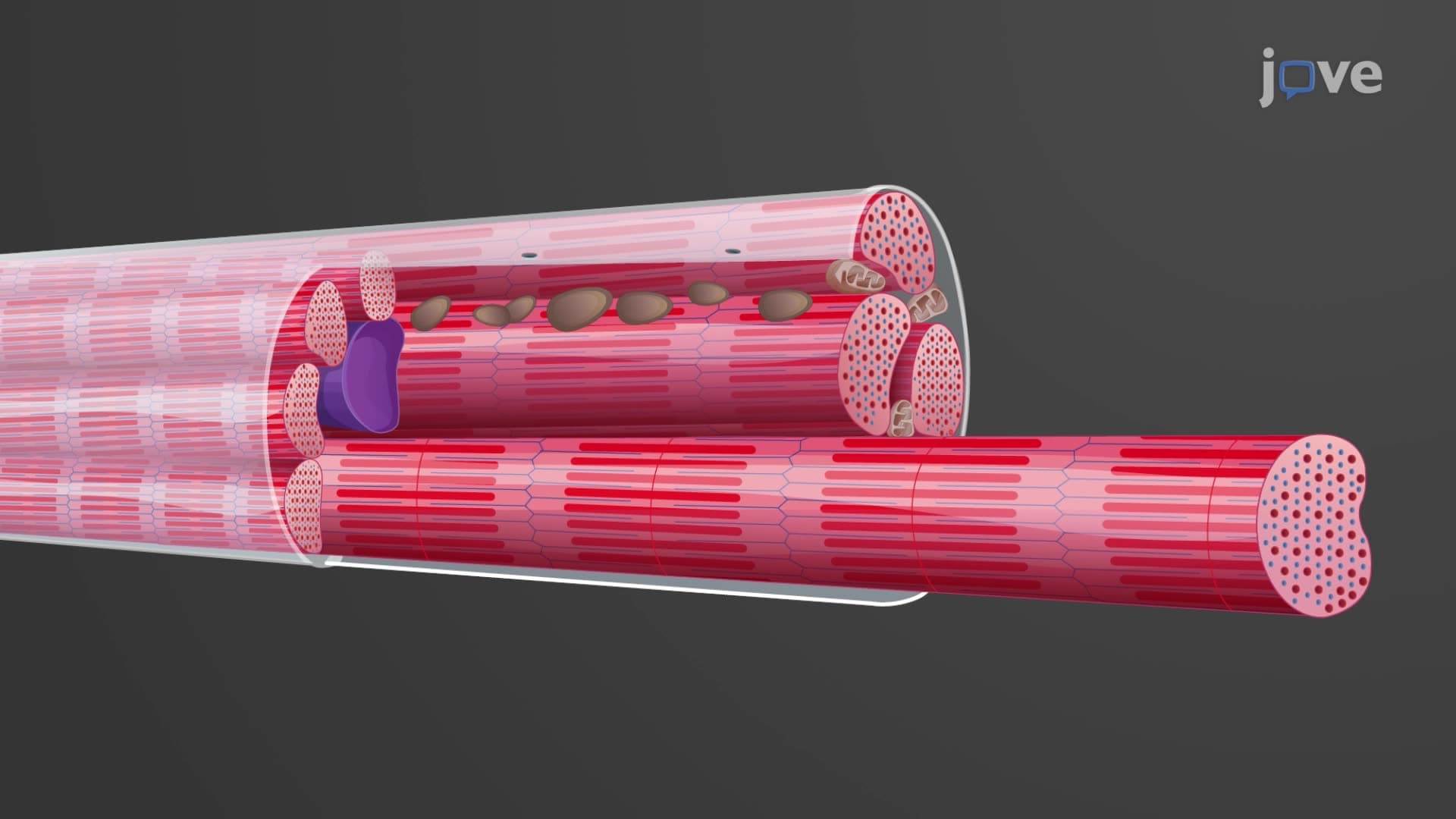
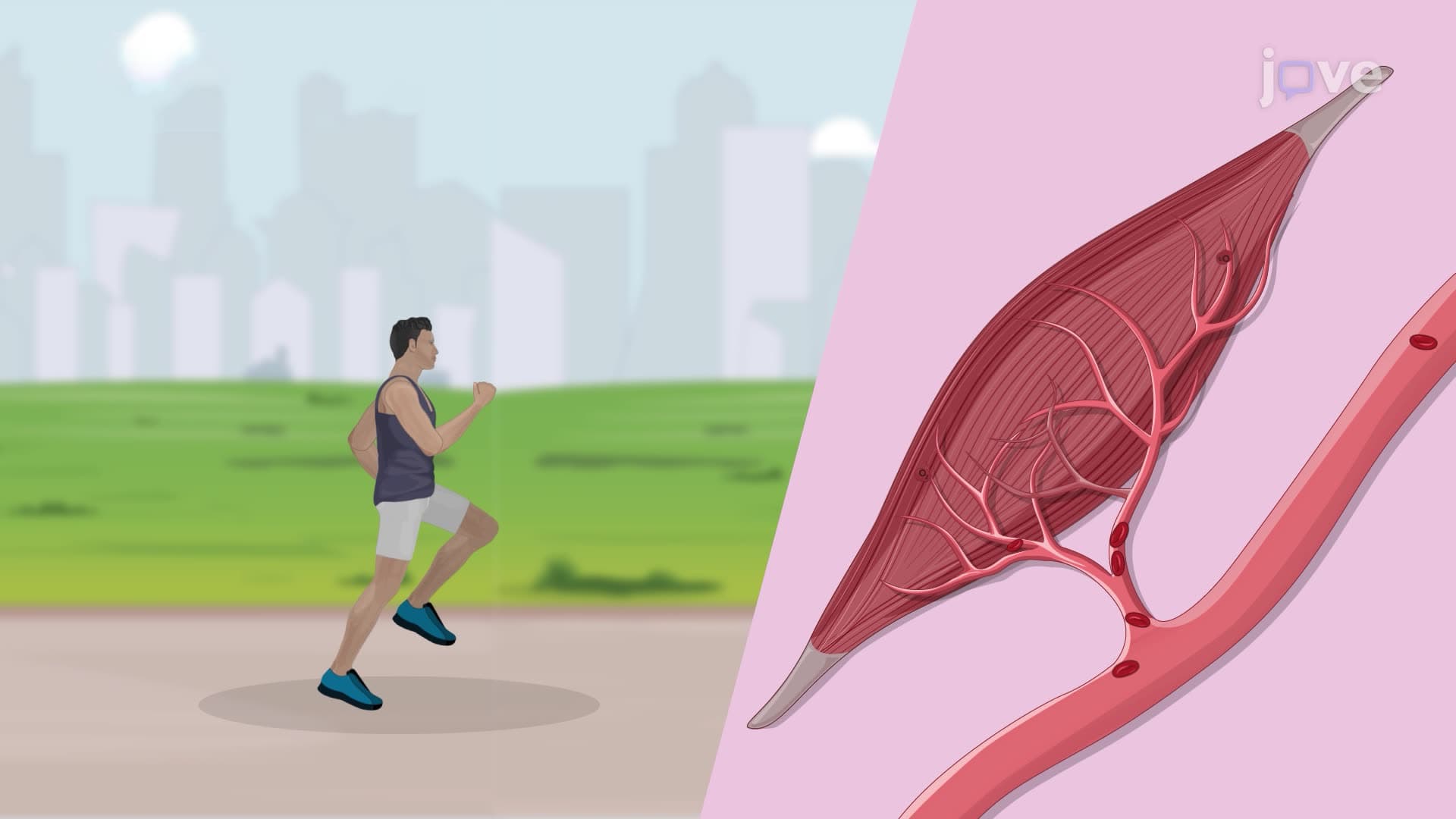
Performance training muscle adaptations extend beyond individual fibers. Exercise adaptation skeletal includes increased capillarization (angiogenesis) around endurance-trained muscles, enhanced mitochondrial density, and strengthened tendons and ligaments. These changes explain why CrossFit athletes can transition between different movement patterns while maintaining performance across varied time domains.
Understanding these mechanisms helps students excel on standardized tests like the ACSM certification exam and provides practical knowledge for careers in exercise science, physical therapy, and athletic training.
Frequently Asked Questions
Exercise and muscle performance refers to how muscles adapt and improve their function in response to physical training. Different types of exercise create specific changes in muscle fibers, energy systems, and structural components. These adaptations determine whether you develop endurance, strength, power, or size based on your training approach.
MCAT questions often test muscle fiber types, metabolic pathways, and training adaptations in passages about athletic performance. AP Biology exams focus on cellular respiration connections to muscle contraction and how exercise affects protein synthesis. Students should understand aerobic versus anaerobic metabolism and structural muscle adaptations.
You should understand basic muscle anatomy, the sliding filament theory, and cellular respiration pathways. Knowledge of ATP production, protein synthesis, and cardiovascular physiology will help. These topics typically covered in introductory anatomy, physiology, or biology courses provide the foundation for understanding exercise adaptations.
NFL prospects follow periodized programs emphasizing heavy compound movements like squats and deadlifts to maximize fast-twitch fiber recruitment. They manipulate training variables-load, volume, and rest periods-to stimulate protein synthesis and increase muscle cross-sectional area. This approach develops the explosive power needed for combine performance and game situations.
Create comparison charts between endurance and resistance training adaptations, including fiber types, energy systems, and structural changes. Practice drawing metabolic pathways and connecting them to specific exercise examples. Use active recall by explaining concepts aloud and relating them to real athletic performances you observe.
Physical therapists design rehabilitation programs based on muscle fiber recruitment patterns and metabolic demands. Exercise physiologists prescribe training protocols for cardiac rehabilitation or diabetes management. Athletic trainers prevent injuries by understanding how different training stresses affect muscle adaptation and recovery requirements.
Yes, muscle performance adaptations link directly to biomechanics, sports nutrition, and recovery physiology. Understanding energy systems helps explain nutritional timing strategies. Knowledge of structural adaptations connects to injury prevention and movement mechanics. These concepts form the foundation for advanced study in exercise prescription and sports performance.
Improved capillarization and mitochondrial density from endurance training enhance oxygen delivery and utilization throughout your body. This means climbing stairs, walking long distances, or playing recreational sports becomes easier and less fatiguing. These same adaptations also support cardiovascular health and metabolic function in daily life.
Explore exercise prescription principles, periodization theory, and sports nutrition timing. Study how hormones like testosterone and growth hormone influence training adaptations. Advanced topics include muscle damage and repair mechanisms, heat and altitude adaptations, and the role of genetics in training responsiveness.
Related Micro-courses

20 Concepts

26 Concepts