Loading subject page…

- Biology
- Metabolism
- Phosphorylation
Micro-course: Metabolism
1,097,517 views
Learn key concepts and earn your certificate.







Phosphorylation

00:00
01:02
Video Summary: What Is Phosphorylation
Did you know that every time you move a muscle or think a thought, millions of cellular switches are flipping on and off through phosphorylation? Phosphorylation is the cellular process where phosphate groups are added to proteins to control their activity. Consider how insulin regulates blood sugar in diabetic patients-this life-saving mechanism relies entirely on phosphorylation cascades. This fundamental biochemical process acts like a molecular on/off switch, allowing cells to rapidly respond to changing conditions. What is phosphorylation becomes clear when you understand it as nature's way of fine-tuning protein function in real-time. Watch the full video on JoVE Coach to master this concept with expert-led visuals and step-by-step explanations.
- Understand what is phosphorylation and how it serves as a critical cellular regulatory mechanism
- Identify the key players: protein kinases that add phosphate groups and phosphatases that remove them
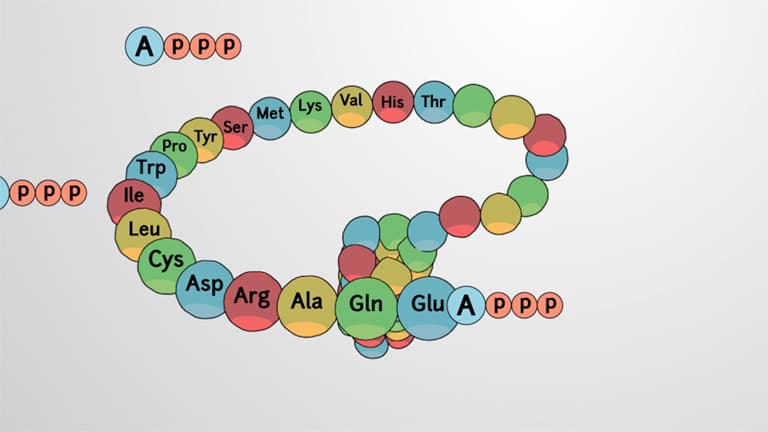
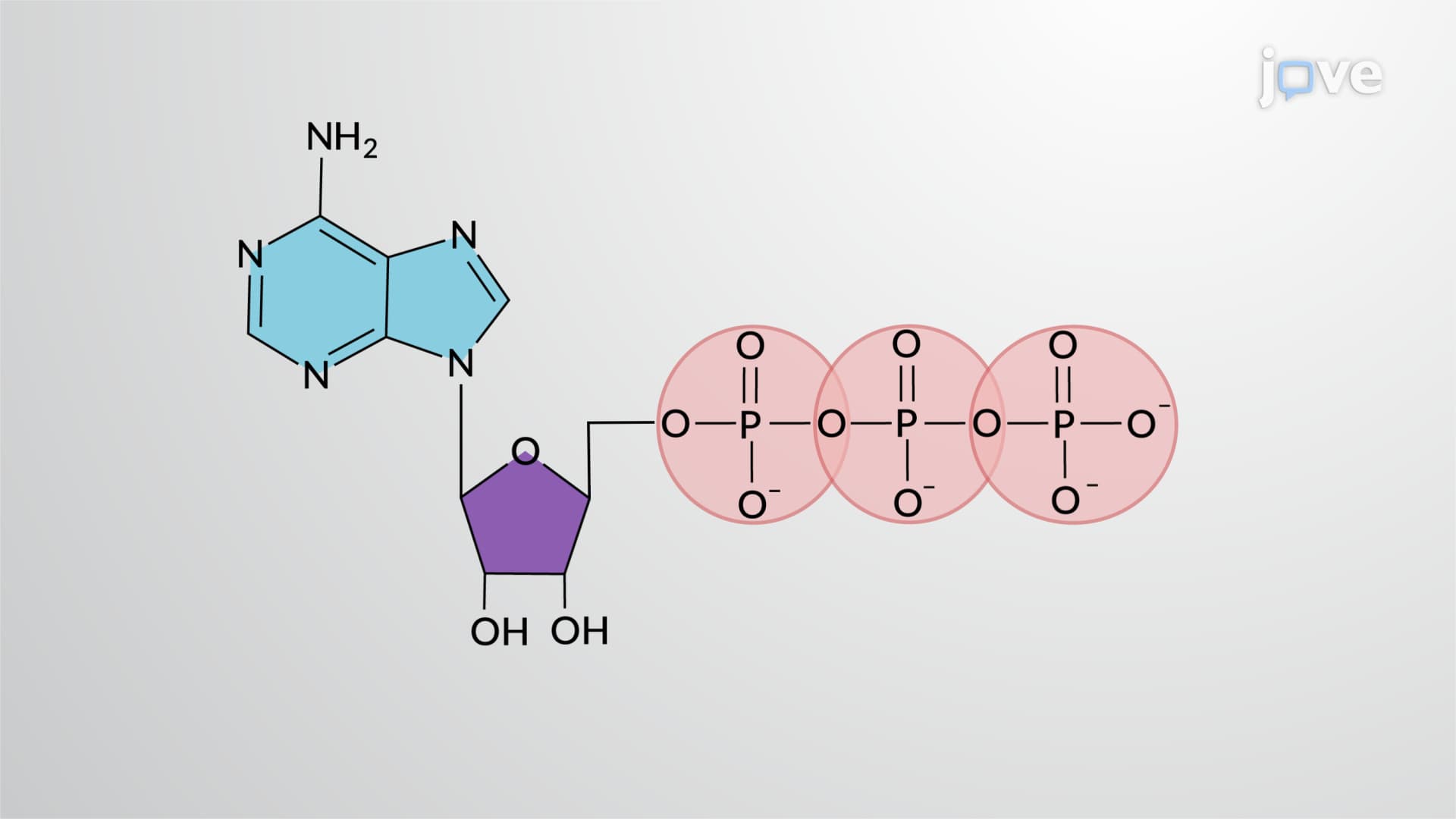
- Analyze how ATP provides the phosphate groups that modify target proteins during phosphorylation
- Compare the effects of phosphorylation on different amino acid side chains and resulting protein conformational changes
- Evaluate how phosphorylation creates new protein binding sites and alters molecular interactions
- Apply knowledge of reversible phosphorylation to explain cellular signaling pathways
- Recognize the role of phosphorylation in protein activation and deactivation cycles
- Explore real-world applications of phosphorylation in disease states and therapeutic interventions
Understanding Phosphorylation: The Cellular Control System
Phosphorylation represents one of biology's most elegant regulatory mechanisms-a reversible chemical modification that allows cells to instantly control protein function. At its core, phosphorylation involves the strategic addition of phosphate groups (PO₄³⁻) to specific amino acids within target proteins, fundamentally altering their structure and activity.
The Molecular Players and Mechanism
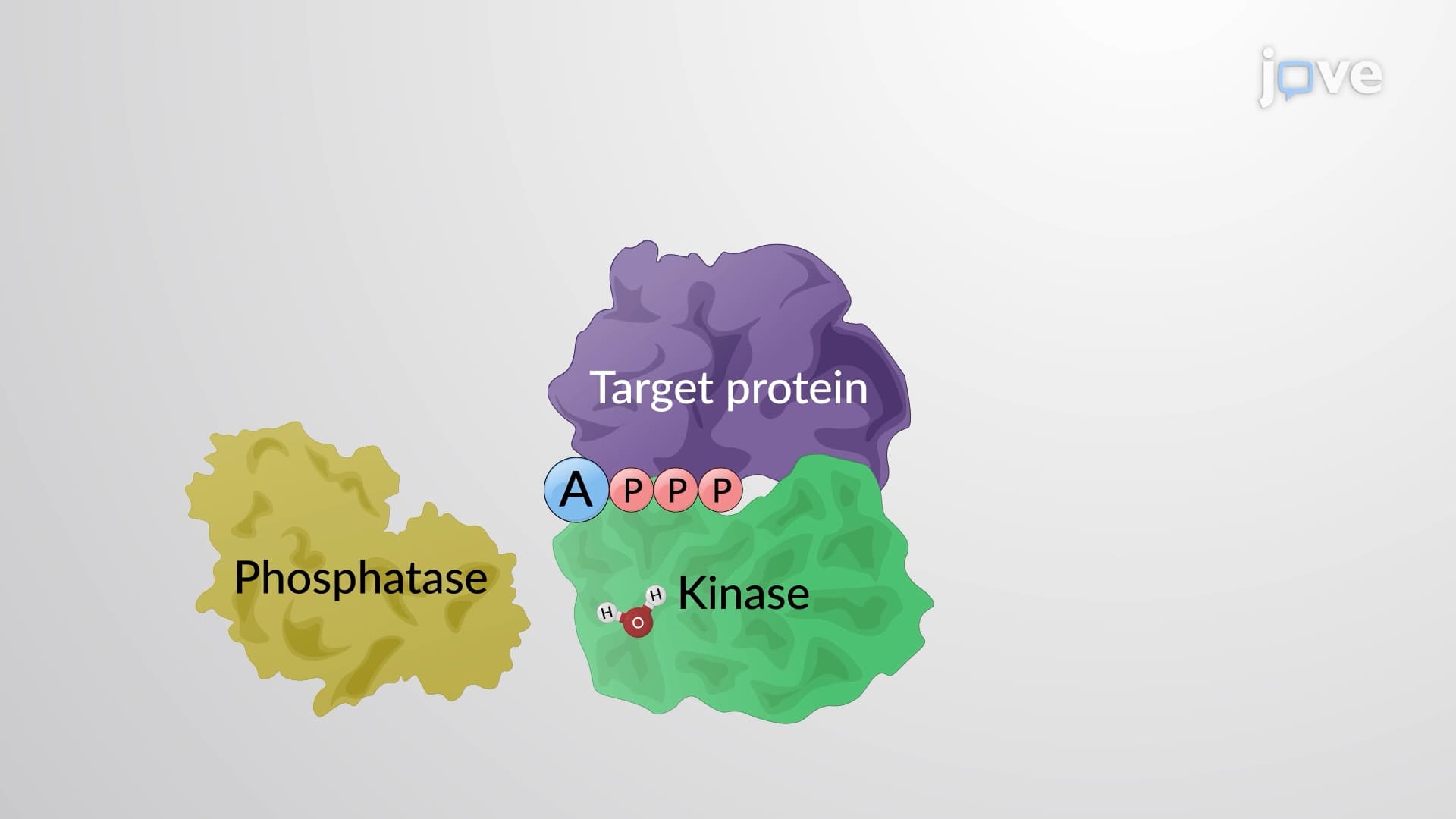
The phosphorylation process requires three essential components: ATP as the phosphate donor, protein kinases as the catalytic enzymes, and target proteins containing suitable amino acid residues. Protein kinases specifically recognize serine, threonine, and tyrosine residues, transferring the terminal (gamma) phosphate from ATP to these amino acids. This transfer creates a covalent phosphoester bond, permanently altering the protein's chemical properties until reversed.
The reverse process, dephosphorylation, involves protein phosphatases that hydrolyze these phosphoester bonds, removing phosphate groups and returning proteins to their original state. This dynamic equilibrium between kinases and phosphatases creates a sophisticated regulatory system that responds to cellular needs in real-time.
Functional Consequences and Cellular Impact
Phosphorylation triggers two primary molecular changes that dramatically affect protein function. First, the addition of negatively charged phosphate groups can induce conformational changes in protein structure, exposing or hiding active sites and altering enzymatic activity. Second, phosphorylated regions often serve as recognition motifs, creating new binding sites for regulatory proteins or disrupting existing protein-protein interactions.
These changes enable rapid protein activation or deactivation without requiring new protein synthesis-a crucial advantage in time-sensitive cellular processes. For example, glycogen phosphorylase, a key enzyme in glucose metabolism, becomes active only when phosphorylated, allowing muscle cells to rapidly access energy stores during exercise.
Real-World Applications and Clinical Significance
Phosphorylation plays critical roles in human health and disease. Cancer researchers at institutions like Johns Hopkins University and Memorial Sloan Kettering focus extensively on aberrant phosphorylation patterns, as many oncogenes and tumor suppressors are regulated through phosphorylation cascades. Diabetes management relies on understanding insulin receptor phosphorylation, while neurological conditions often involve disrupted phosphorylation in synaptic signaling.
Students preparing for the MCAT or AP Biology exams should focus on signal transduction pathways, where phosphorylation cascades amplify cellular responses. Common exam topics include the insulin signaling pathway, cell cycle checkpoints controlled by cyclin-dependent kinase phosphorylation, and neurotransmitter receptor regulation.
Frequently Asked Questions
Phosphorylation is the process of adding phosphate groups to proteins, acting like molecular switches that turn protein functions on or off. Think of it as your cell's way of instantly controlling which proteins are active at any given moment. This process is essential for everything from muscle contraction to hormone signaling, making it one of biology's most important regulatory mechanisms.
MCAT questions frequently test phosphorylation in signal transduction pathways, enzyme regulation, and metabolic control. You'll encounter it in passages about cancer biology, diabetes, and neuroscience. AP Biology emphasizes phosphorylation in Unit 4 (Cell Communication) and Unit 3 (Cellular Energetics), often asking students to trace signaling cascades or explain how cells respond to environmental changes.
Phosphorylation adds phosphate groups via kinases using ATP, while dephosphorylation removes them via phosphatases through hydrolysis. Exam questions often test the regulatory balance between these processes. Remember that kinases require ATP and create ADP, while phosphatases use water to cleave phosphoester bonds, releasing inorganic phosphate.
Many FDA-approved drugs target phosphorylation pathways, particularly kinase inhibitors for cancer treatment like imatinib (Gleevec) for chronic myeloid leukemia. Insulin therapy for diabetes directly involves phosphorylation cascades that regulate glucose uptake. These real-world applications demonstrate why understanding phosphorylation is crucial for pre-med students and healthcare professionals.
Not at all-phosphorylation builds on basic chemistry concepts you already know like chemical bonds and protein structure. If you understand that enzymes change shape to work and that ATP provides cellular energy, you have the foundation needed. Start with the simple concept of molecular switches, then gradually add mechanistic details as your comfort grows.
Create flowcharts showing kinase and phosphatase actions, practice drawing before-and-after protein conformations, and memorize key pathways like insulin signaling. Use active recall by explaining the process aloud without notes. For MCAT prep, focus on experimental passages that manipulate phosphorylation states and predict functional outcomes.
Serine, threonine, and tyrosine are the primary phosphorylation targets because they contain hydroxyl (-OH) groups that can form phosphoester bonds. Tyrosine phosphorylation often initiates signaling cascades, while serine/threonine phosphorylation frequently regulates enzyme activity. Understanding these distinctions helps predict functional consequences and appears frequently on biochemistry exams.
Progress to specific signaling pathways like MAPK cascades, cell cycle regulation, and metabolic pathway control. Explore how phosphorylation malfunctions contribute to diseases like cancer and diabetes. Advanced topics include phosphorylation site prediction, mass spectrometry analysis of phosphoproteins, and the development of kinase inhibitor drugs.
Related Micro-courses