Loading subject page…


1,181,011 views

Video Summary: What Is the Blood Brain Barrier
Ever wonder why alcohol affects your brain within minutes, but many life-saving medications can't cross from your bloodstream into your brain tissue? The blood brain barrier acts as your brain's highly selective security system, determining which substances can enter this critical organ. This protective mechanism is why stroke patients at Johns Hopkins often receive specialized treatments designed to bypass or temporarily open this barrier. What is the blood brain barrier and how does it maintain this crucial protection while allowing essential nutrients through? Watch the full video on JoVE Coach to master this concept with expert-led visuals and step-by-step explanations.
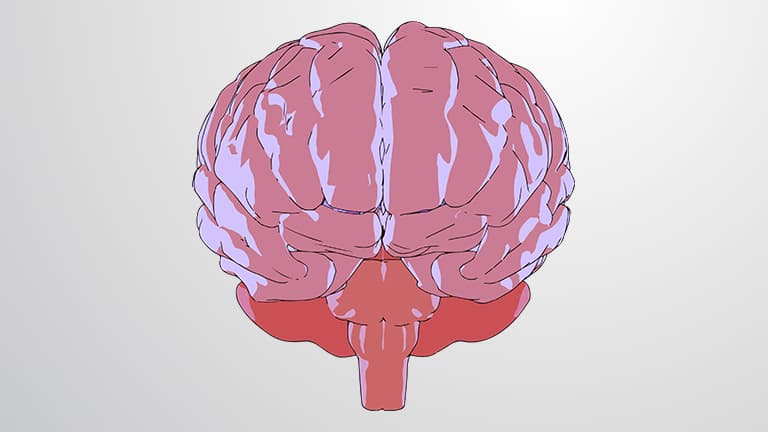
The blood brain barrier represents one of the most sophisticated biological security systems in the human body. Unlike regular blood vessels throughout your body that allow relatively free exchange of substances, the capillaries in your brain and spinal cord are fortified with specialized structures that create an almost impermeable wall between your circulatory system and neural tissue.
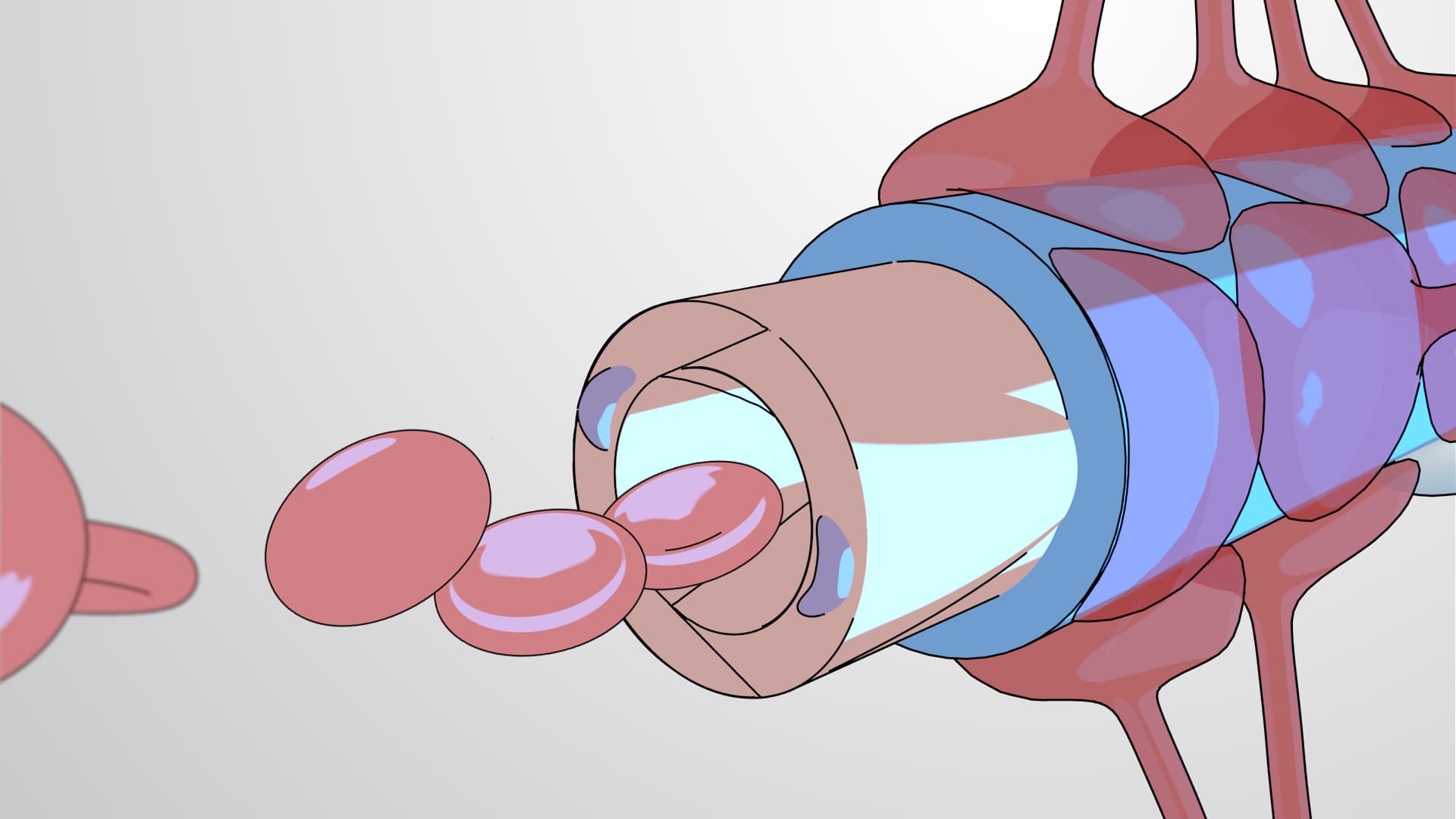
This barrier consists of three critical components working in harmony. The endothelial cells lining brain capillaries are the primary gatekeepers, connected by extremely tight junctions that prevent most substances from squeezing between cells. These junctions are significantly tighter than those found in peripheral blood vessels, creating what researchers at the National Institutes of Health describe as a "fortress-like" protection system.
The basement membrane provides structural support, while astrocytes-specialized glial cells-extend foot-like projections that wrap around capillaries like protective sleeves. These astrocytes don't just provide physical support; they actively regulate barrier function and respond to brain injury by modifying permeability.
Transport across this barrier follows strict rules. Lipid-soluble compounds like oxygen, carbon dioxide, and certain anesthetics can dissolve through cell membranes relatively easily. This explains why gas anesthetics used in surgery at Cleveland Clinic take effect so rapidly. However, water-soluble substances-including most medications, glucose, and amino acids-require specialized transport proteins to cross.
Understanding barrier function is crucial for AP Biology students and pre-med undergraduates, as questions about selective permeability and transport mechanisms frequently appear on the MCAT. The barrier's selectivity creates both protection and challenges. While it prevents bacterial toxins and many harmful chemicals from reaching brain tissue, it also blocks potentially beneficial medications.
Researchers at pharmaceutical companies like Pfizer and Johnson & Johnson invest billions developing strategies to overcome this barrier for treating brain tumors, Alzheimer's disease, and stroke. Techniques include using focused ultrasound to temporarily open tight junctions or designing drugs that mimic naturally transported substances.
When the blood brain barrier fails, as occurs during stroke or traumatic brain injury, the consequences can be severe. Patients at trauma centers like those at UCLA Medical Center may experience brain swelling and inflammation as immune cells and plasma proteins enter brain tissue where they don't belong. This understanding drives current research into neuroprotective strategies and targeted drug delivery systems that could revolutionize neurological treatment.
Related Micro-courses