Loading…
Loading video…

51,500 views
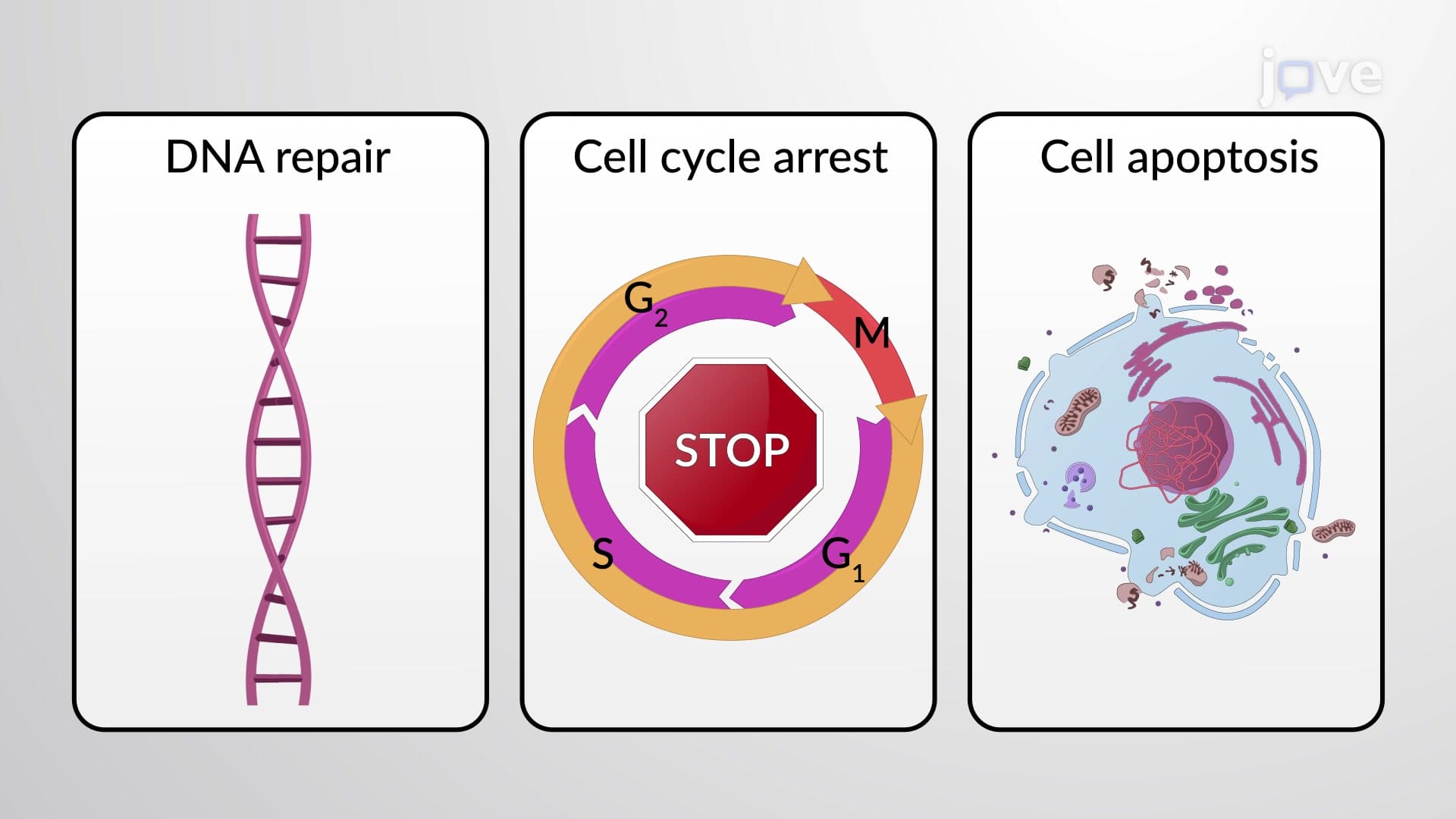
Why do cancer cells multiply uncontrollably while healthy skin cells know exactly when to stop dividing? The cell cycle control system acts as a molecular brake and accelerator, precisely timing when cells should divide through intricate checkpoints and regulatory proteins. At MD Anderson Cancer Center in Houston, researchers study how disruptions in this system lead to tumor formation, making cell cycle regulation a cornerstone of cancer therapy development. Watch the full video on JoVE Coach to master this concept with expert-led visuals and step-by-step explanations.
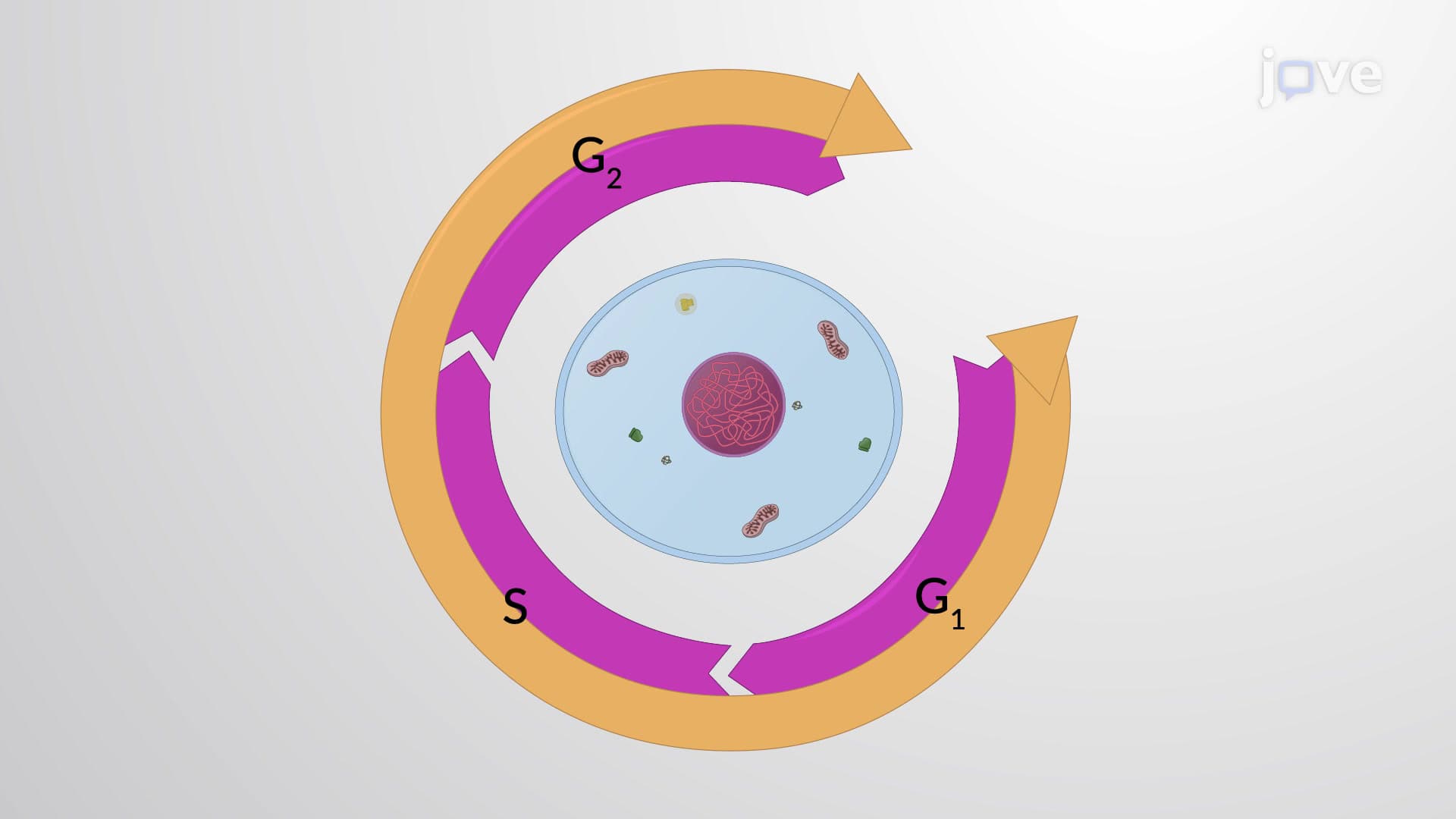
The cell cycle control system represents one of biology's most sophisticated regulatory networks, ensuring that cellular division occurs with remarkable precision and timing. This intricate molecular machinery coordinates the duplication and distribution of genetic material, preventing the catastrophic consequences of uncontrolled cell proliferation. At its core, the system relies on cyclical fluctuations of regulatory proteins that act as molecular switches, determining when a cell progresses from one phase to the next.
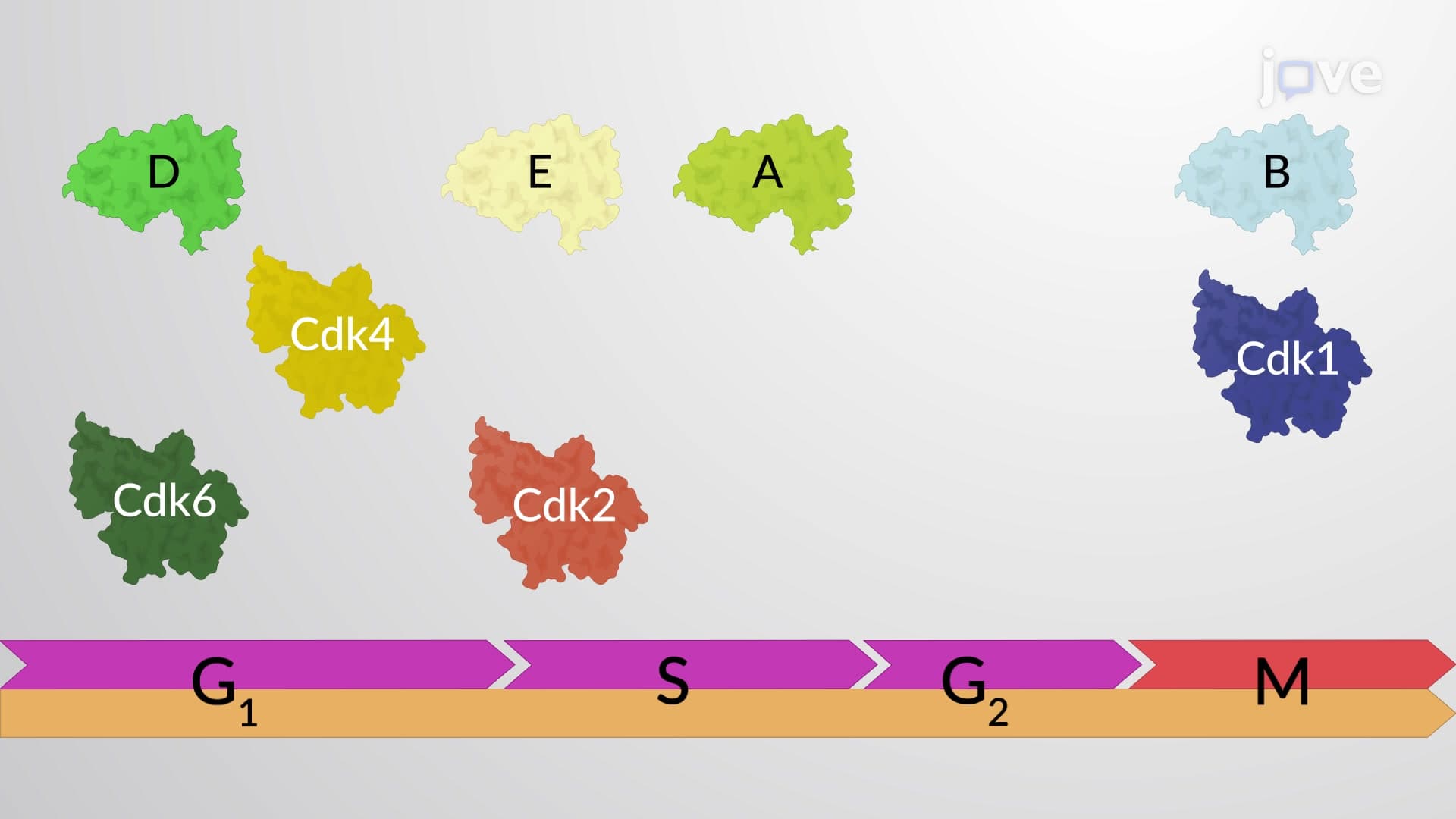
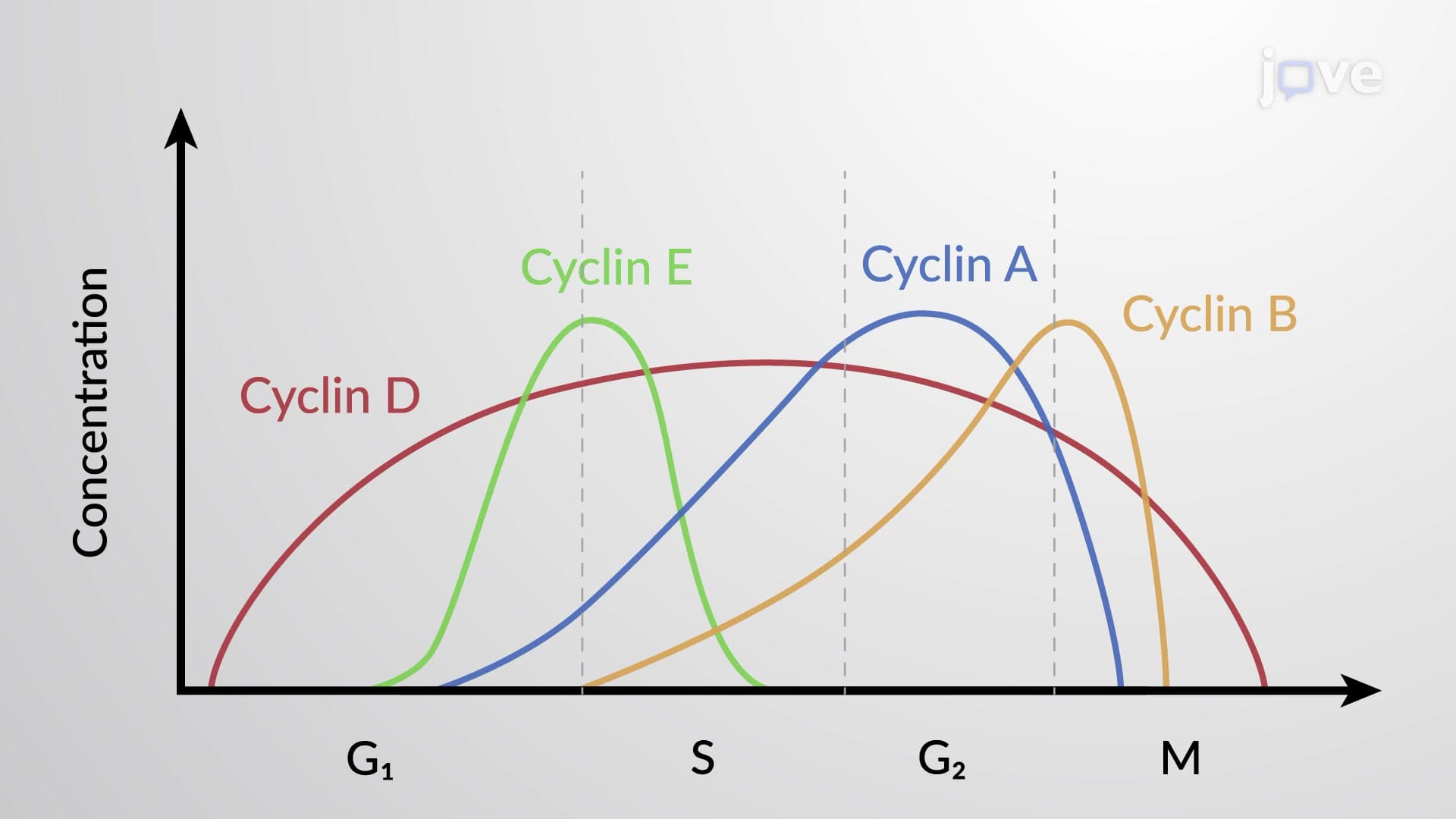
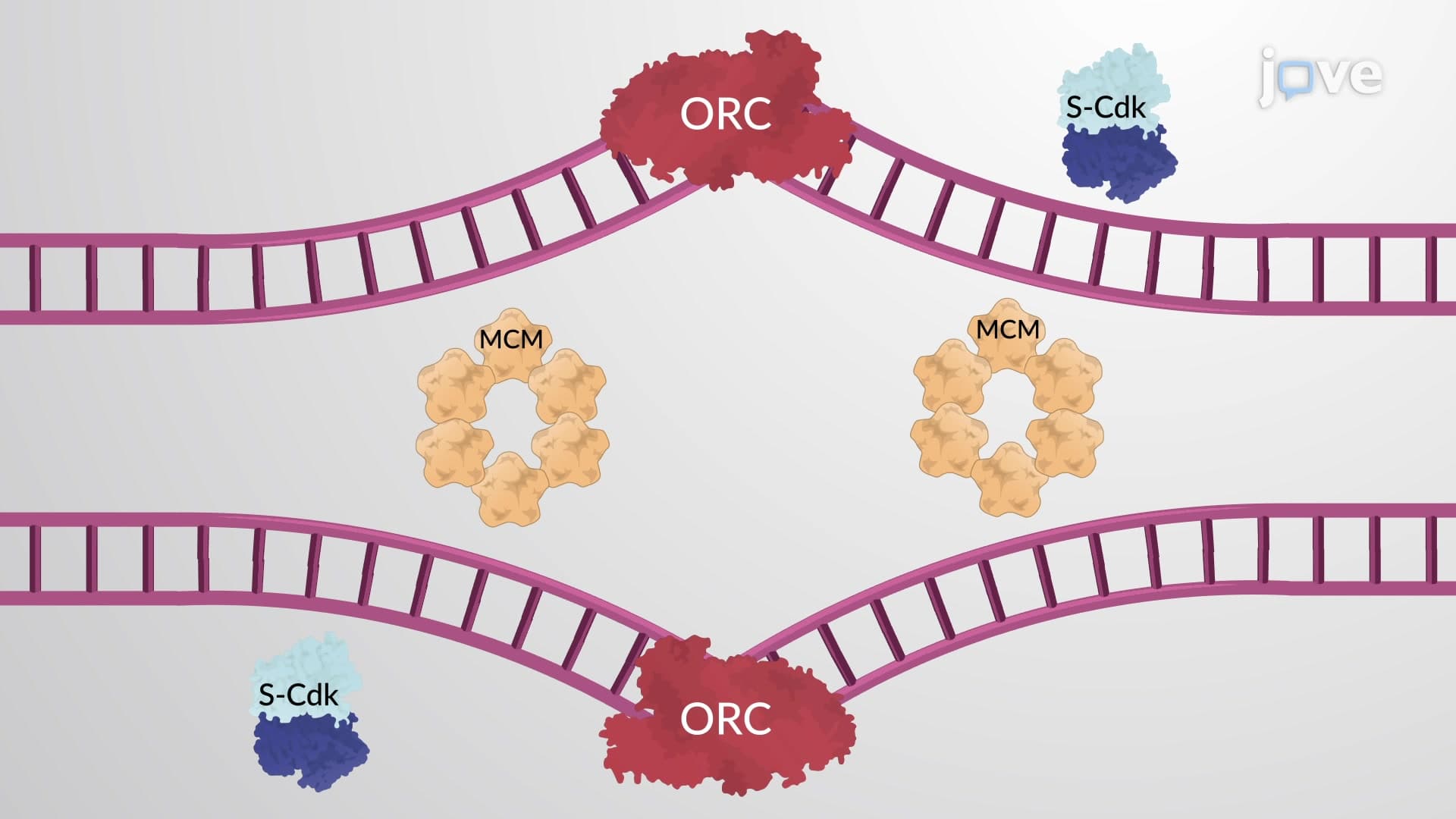
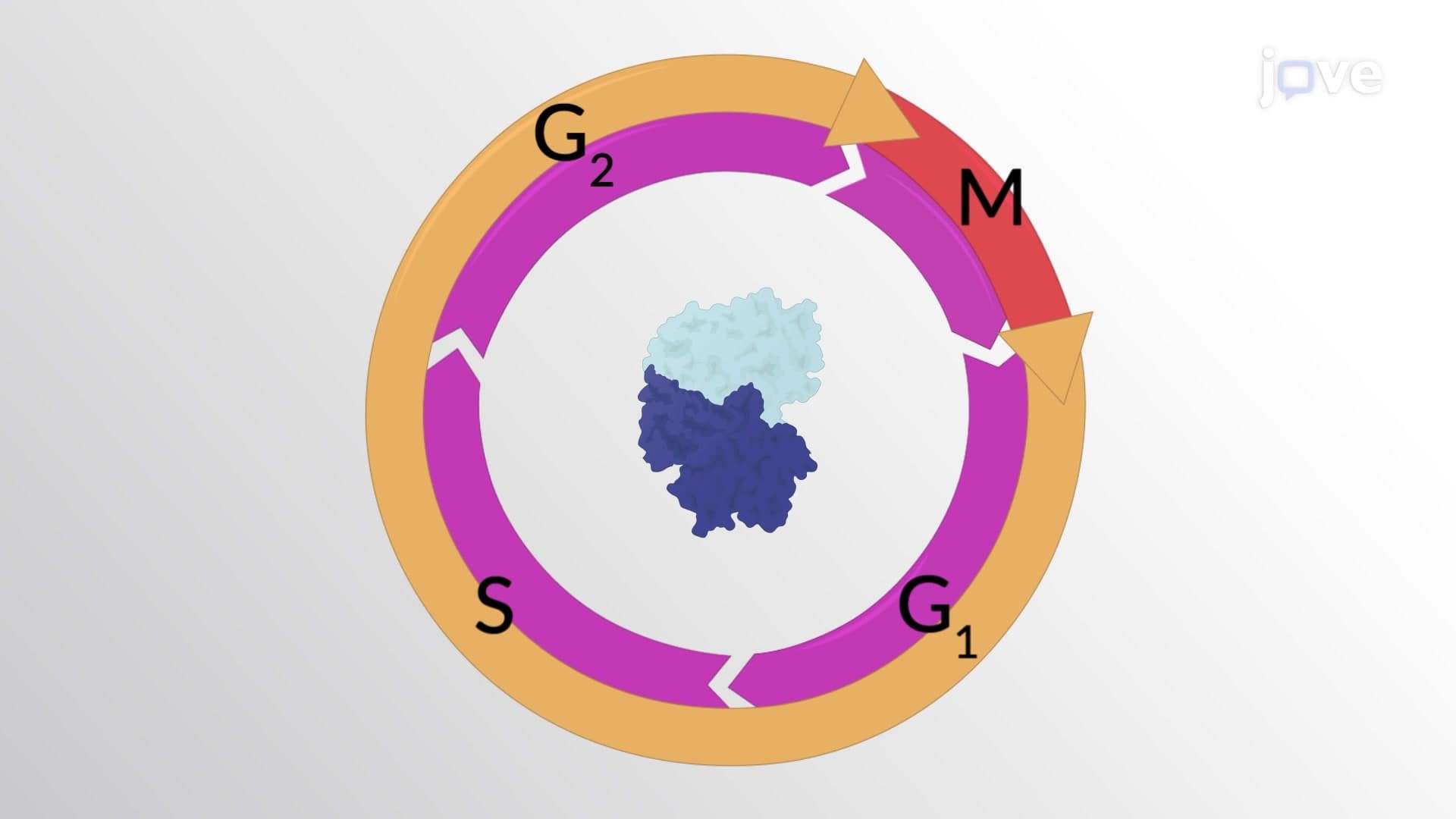
The cell cycle regulation explained centers on the dynamic interaction between cyclins and cyclin-dependent kinases (CDKs). These proteins form CDK cyclin complexes that serve as the engine driving cells through G1, S, G2, and M phases. Unlike CDKs, which remain at relatively constant levels, cyclins exhibit dramatic concentration changes throughout the cycle—rising to activate their CDK partners and then rapidly degrading to allow phase transitions. For students preparing for the MCAT or AP Biology exams, understanding this cyclin-CDK dance is crucial, as questions frequently test the relationship between protein levels and cell cycle progression.
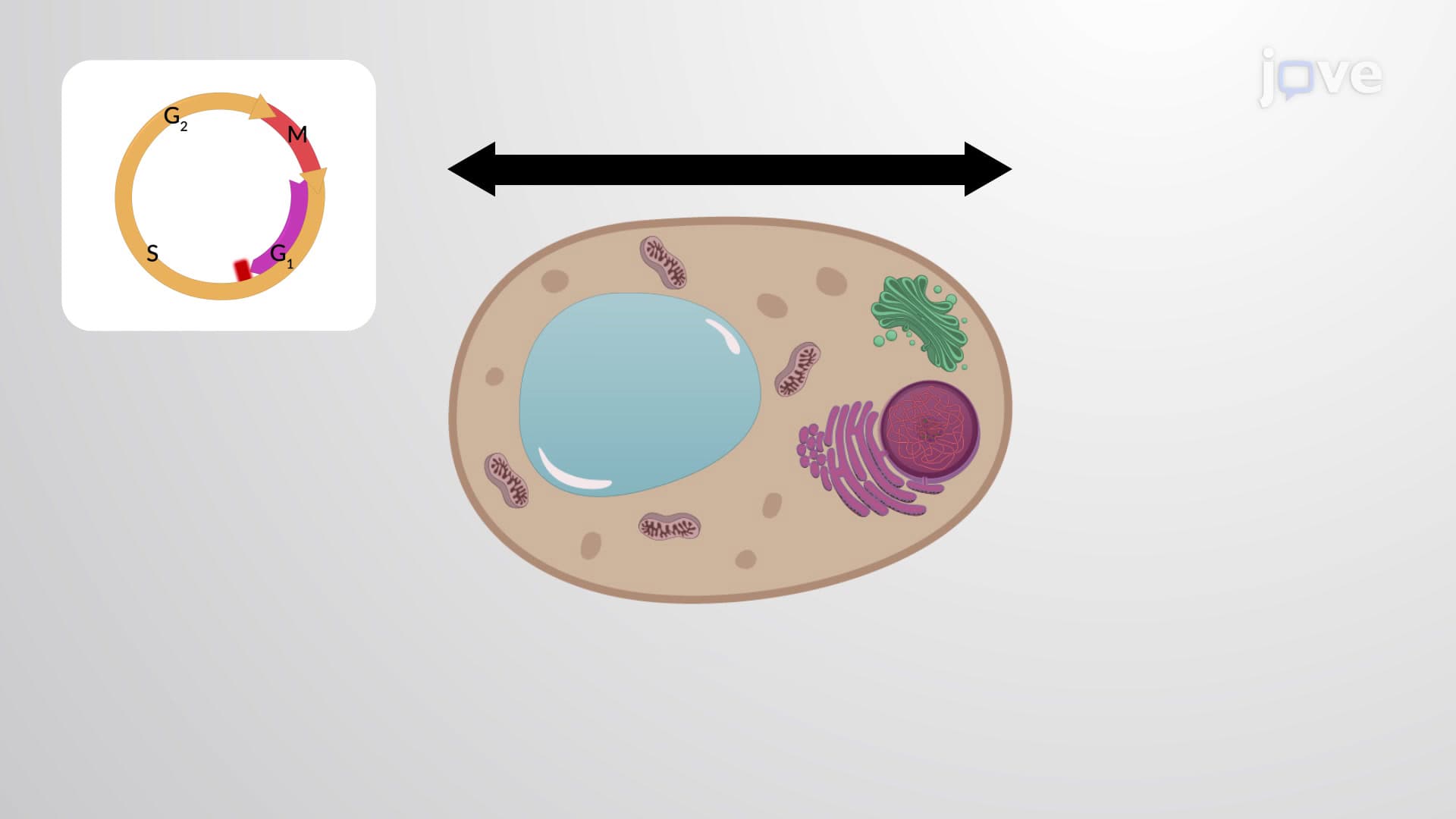
Cell cycle checkpoints function as quality control mechanisms, monitoring both internal cellular conditions and external environmental cues. The G1 S checkpoint, also known as the restriction point, represents perhaps the most critical decision point where cells commit to DNA replication. Here, cell cycle regulatory proteins like p53—often called the "guardian of the genome"—assess DNA integrity and nutrient availability. When DNA damage is detected, p53 activates p21, which inhibits CDK2-cyclin E complexes, effectively halting progression until repairs are completed.
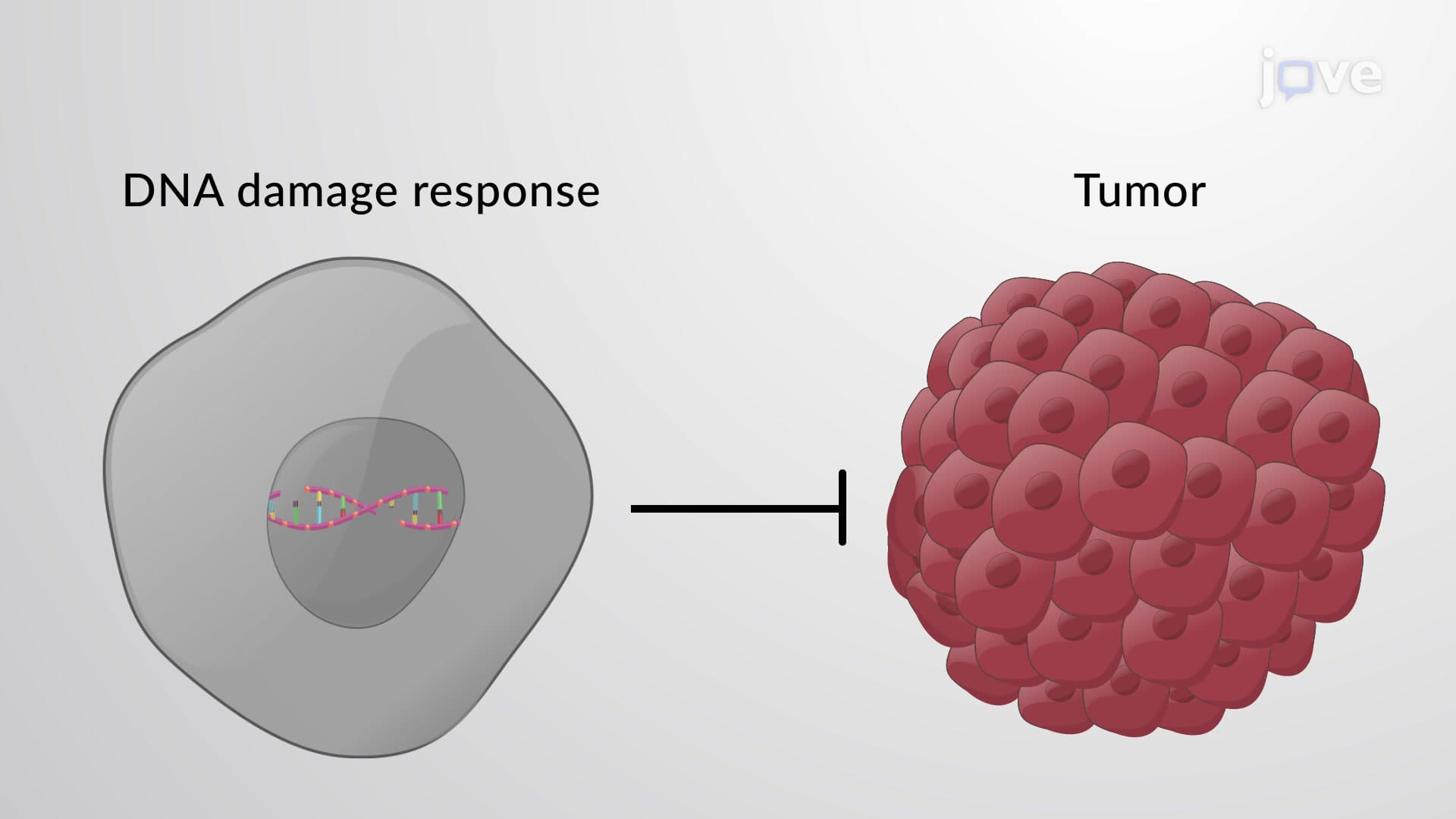
The clinical significance of how the cell cycle control system works becomes evident in cancer research and treatment. At institutions like Memorial Sloan Kettering Cancer Center in New York, oncologists exploit differences between normal and cancer cell cycle regulation. Many chemotherapy drugs, including taxanes and antimetabolites, specifically target rapidly dividing cells by interfering with DNA synthesis or spindle formation. The tumor suppressor cell cycle pathway, particularly p53 mutations found in over 50% of human cancers, demonstrates how checkpoint failures lead to malignant transformation. Understanding these mechanisms helps explain why certain cancer treatments work and guides the development of targeted therapies that college students studying biochemistry or pre-medicine will encounter in advanced coursework.
Frequently Asked Questions
The cell cycle control system is a sophisticated network of checkpoints and regulatory proteins that ensures cells divide accurately and at appropriate times. This system prevents cancer by monitoring DNA integrity, coordinating chromosome duplication, and halting division when problems are detected. Without proper cell cycle control, organisms would develop tumors, experience developmental abnormalities, and ultimately face cellular chaos that threatens survival.
MCAT and AP Biology frequently test cyclin-CDK interactions, checkpoint mechanisms, and cancer biology connections. Focus on understanding how cyclin levels fluctuate while CDK levels remain constant, and memorize key checkpoint functions—G1/S for DNA damage, G2/M for DNA replication completion, and spindle checkpoints for chromosome attachment. Practice interpreting graphs showing cyclin concentrations throughout the cell cycle, as these commonly appear on standardized tests.
Checkpoint failures lead to cancer development, as seen in patients with Li-Fraumeni syndrome who inherit defective p53 genes. These individuals develop multiple cancers at young ages because their cells cannot properly respond to DNA damage. At MD Anderson and other cancer centers, doctors use this knowledge to develop treatments that exploit remaining functional checkpoints in cancer cells.
While intricate, cell cycle regulation follows logical patterns that build on basic biology concepts you already know. Start with understanding that cells need quality control (checkpoints) and timing signals (cyclins) to divide safely. The molecular details become manageable when you focus on the "why" behind each mechanism rather than memorizing isolated facts.
Create a timeline diagram showing cyclin levels and checkpoint activities throughout G1, S, G2, and M phases. Use active recall by covering sections and explaining how CDK-cyclin complexes change at each transition. Practice with MCAT-style questions that test your ability to predict outcomes when specific proteins are mutated or inhibited.
Many chemotherapy drugs exploit differences between normal and cancer cells by targeting rapidly dividing cells. Taxanes like paclitaxel freeze the mitotic spindle, while antimetabolites like 5-fluorouracil interfere with DNA synthesis during S phase. Cancer cells, which often have defective checkpoints, are more vulnerable to these disruptions than healthy cells with intact control systems.
Explore advanced topics like epigenetic regulation of cell cycle genes, the role of microRNAs in checkpoint control, and emerging cancer immunotherapies that target cell cycle proteins. Consider taking upper-level courses in molecular biology, cancer biology, or cell and developmental biology to deepen your understanding of these regulatory networks.
Cells enter different fates based on internal and external signals processed through the cell cycle control system. Neurons typically exit the cycle permanently and enter G0, while stem cells in your intestines and bone marrow continue dividing throughout life to replace damaged tissues. The decision depends on growth factors, contact inhibition, and developmental programming that influences checkpoint sensitivity.
Related Micro-courses
Related Subjects