Loading…
Loading video…

46,903 views
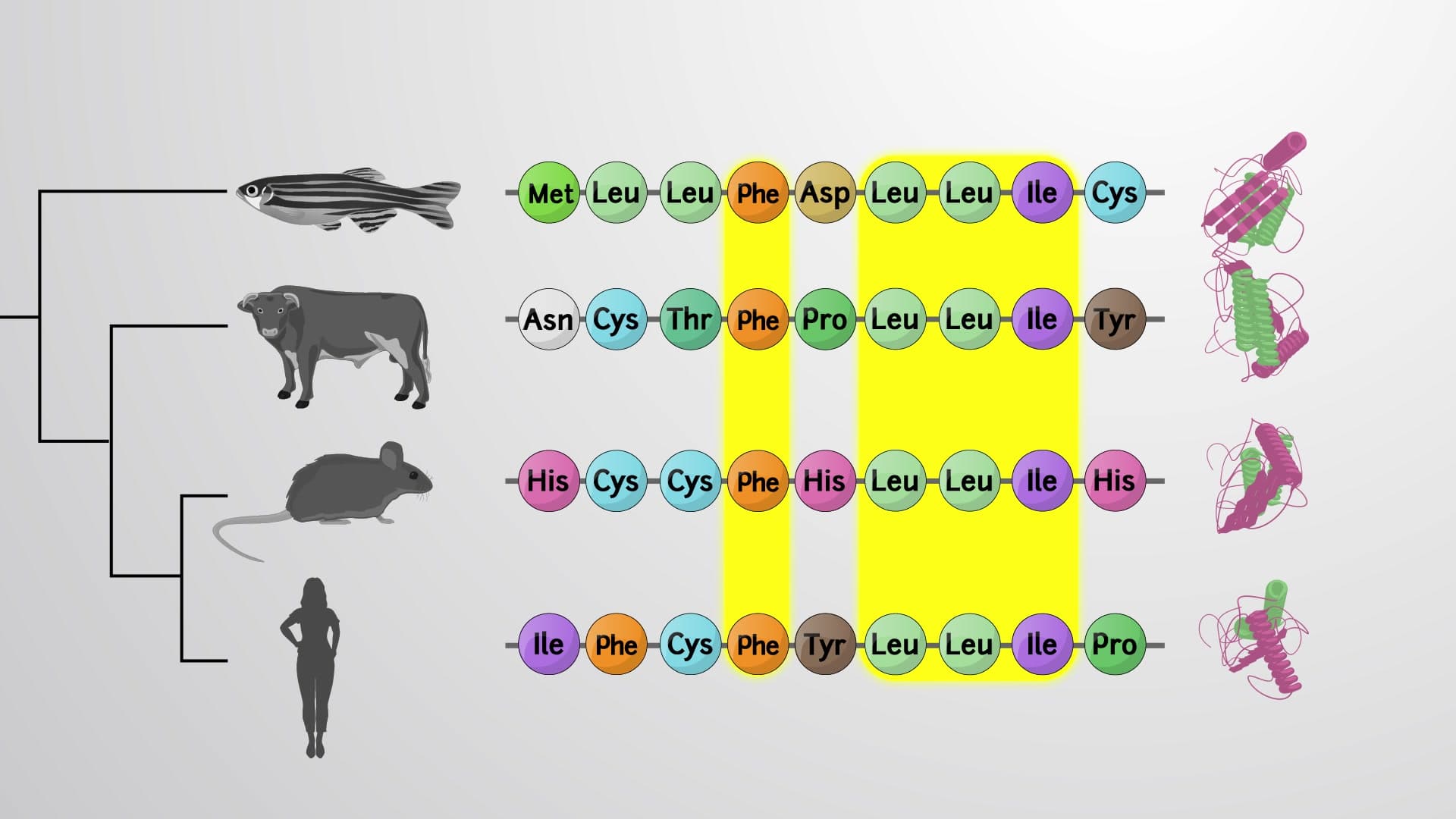
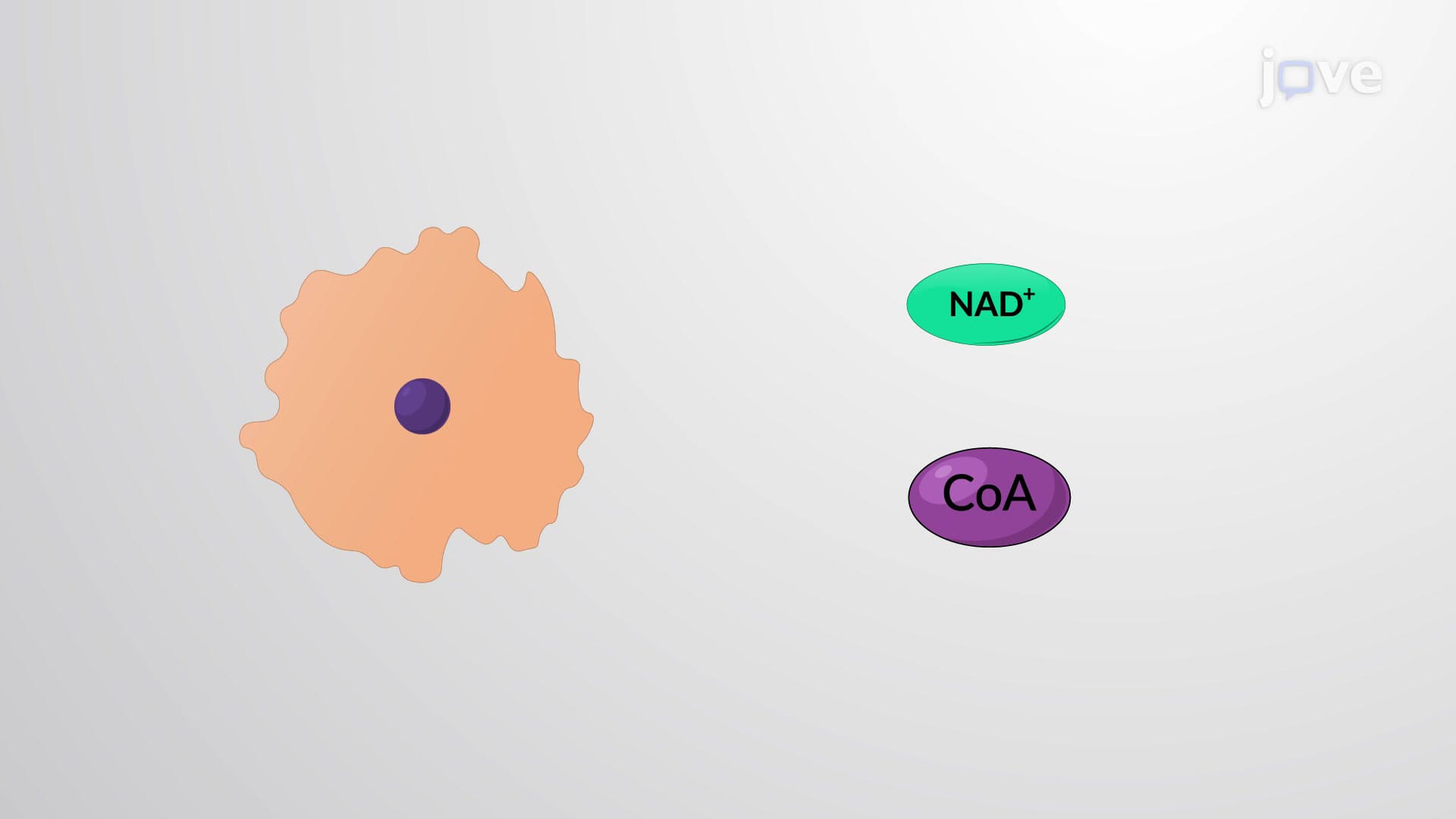
Why do antibiotics like penicillin work against countless bacterial species? The answer lies in conserved binding sites—protein regions that evolution has preserved across species due to their critical functions. These molecular "fingerprints" represent unchanged amino acid sequences that bind essential molecules like substrates, cofactors, and drugs. For instance, penicillin targets conserved sites in bacterial cell wall enzymes, making it effective against diverse pathogens. Understanding what are conserved binding sites reveals how proteins maintain their life-sustaining functions across millions of years. Watch the full video on JoVE Coach to master this concept with expert-led visuals and step-by-step explanations.
Conserved binding sites represent one of evolution's most compelling success stories. These are specific regions within proteins where amino acid sequences have remained virtually unchanged across different species, sometimes spanning hundreds of millions of years. The conservation occurs because these sites perform absolutely essential functions—binding to substrates, cofactors, DNA, or other proteins that are critical for life.
The principle driving conservation is straightforward: natural selection ruthlessly eliminates organisms with mutations in these critical regions. When a protein's binding site changes, it often loses its ability to recognize its target molecule, leading to cellular dysfunction or death. This selective pressure maintains the precise three-dimensional structure and chemical properties needed for molecular recognition. For example, the active site of cytochrome c oxidase, an enzyme crucial for cellular respiration, shows remarkable conservation across species from bacteria to humans.
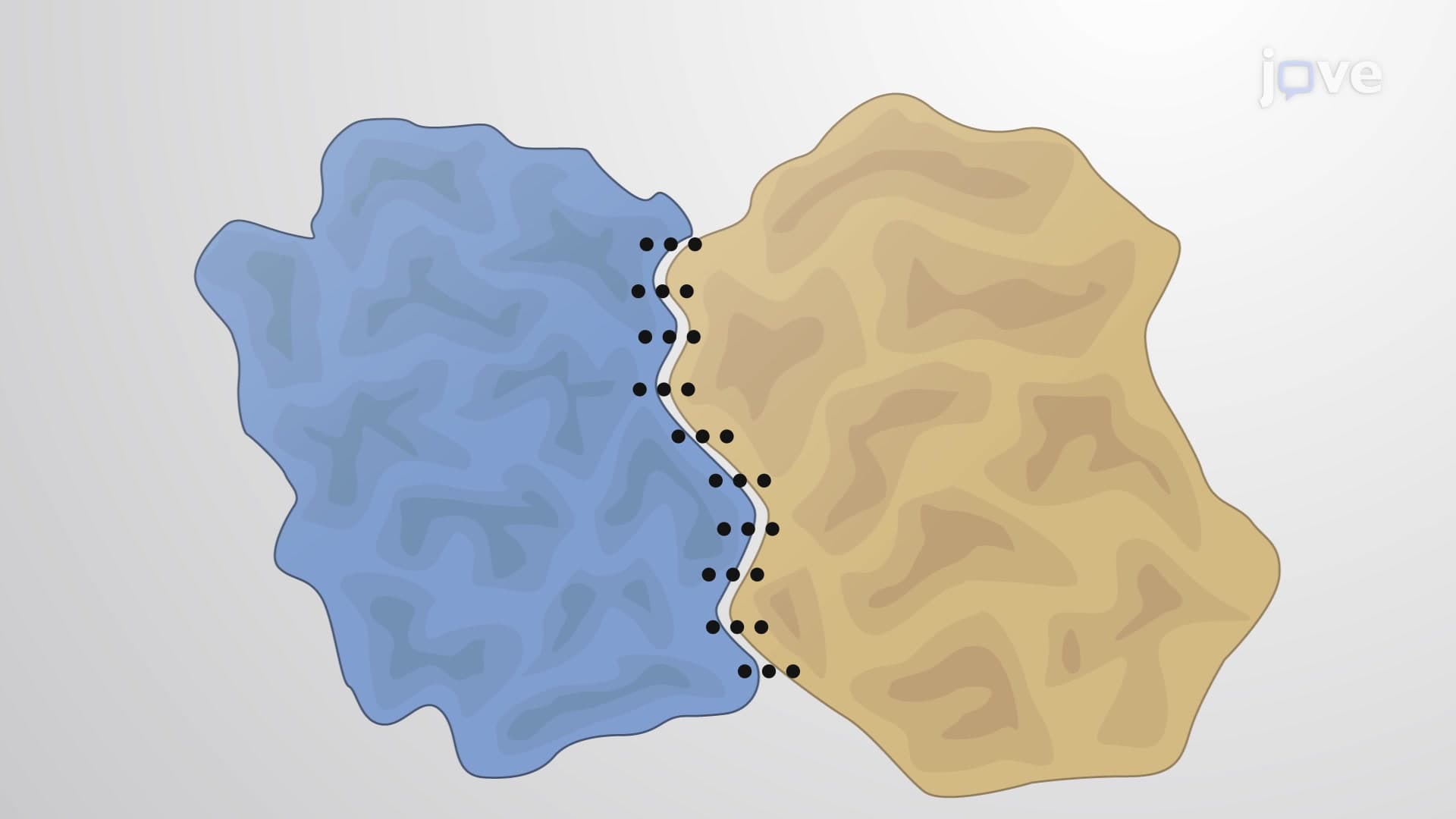
Conserved binding sites achieve their specificity through precise spatial arrangements of amino acids. These residues create complementary surfaces that match their target molecules like molecular keys and locks. The conservation extends beyond just sequence—it preserves the exact geometry, charge distribution, and hydrogen bonding patterns necessary for recognition. This is why hemoglobin's heme-binding site looks nearly identical in mammals, birds, and fish, despite these species diverging hundreds of millions of years ago.
Understanding conserved binding sites has revolutionized drug development in the United States. Pharmaceutical companies routinely target these sites because drugs designed against conserved regions often work across multiple disease-causing organisms. Aspirin targets a conserved site in cyclooxygenase enzymes, explaining its broad anti-inflammatory effects. Similarly, many cancer drugs target conserved binding sites in proteins that regulate cell division.
For students preparing for the MCAT or AP Biology exams, recognizing conserved binding sites helps predict protein function and evolutionary relationships. College biochemistry courses emphasize these concepts when teaching enzyme kinetics and protein structure-function relationships. The ability to identify conservation patterns appears frequently on standardized tests, particularly in questions about molecular evolution and drug mechanisms.
Frequently Asked Questions
Conserved binding sites are protein regions where amino acid sequences remain unchanged across different species due to their critical functional importance. They matter because they reveal essential biological processes and serve as targets for developing broad-spectrum medications. These sites represent evolution's blueprint for maintaining life-sustaining protein functions.
These concepts frequently appear in questions about protein structure, enzyme function, and molecular evolution on both exams. Students might analyze sequence alignments, predict functional consequences of mutations, or explain why certain drugs work across species. Understanding conservation helps answer comparative biology and biochemistry questions effectively.
College students typically use BLAST databases for sequence comparisons and multiple sequence alignment software like ClustalW. These computational tools identify conserved regions by comparing protein sequences from different organisms. Many undergraduate biochemistry labs include hands-on exercises using these platforms to analyze real protein data.
American pharmaceutical companies target conserved sites because drugs designed against these regions often work broadly across related diseases or pathogens. For example, Pfizer's development of protease inhibitors targets conserved sites in viral enzymes, making treatments effective against multiple virus strains. This approach reduces development costs and increases therapeutic success rates.
Basic high school chemistry and introductory biology provide sufficient background for understanding these concepts. While advanced structural biochemistry adds depth, the fundamental principles rely on simple ideas about molecular shapes and chemical interactions. Most students grasp these concepts well with standard prerequisites.
Focus on understanding the evolutionary logic behind conservation rather than memorizing specific sequences. Practice interpreting sequence alignments and predicting functional consequences of mutations. Create concept maps linking conservation to drug action, enzyme function, and evolutionary relationships for comprehensive understanding.
Explore protein folding mechanisms, allosteric regulation, and enzyme kinetics to deepen your understanding of protein function. These topics build naturally on conservation concepts and frequently appear together in advanced biology courses and professional school entrance exams.
Related Micro-courses

Related Subjects