Loading subject page…

- Cell Biology
- Protein Function
- Cooperative Allosteric Transitions
Micro-course: Protein Function
46,911 views
Learn key concepts and earn your certificate.

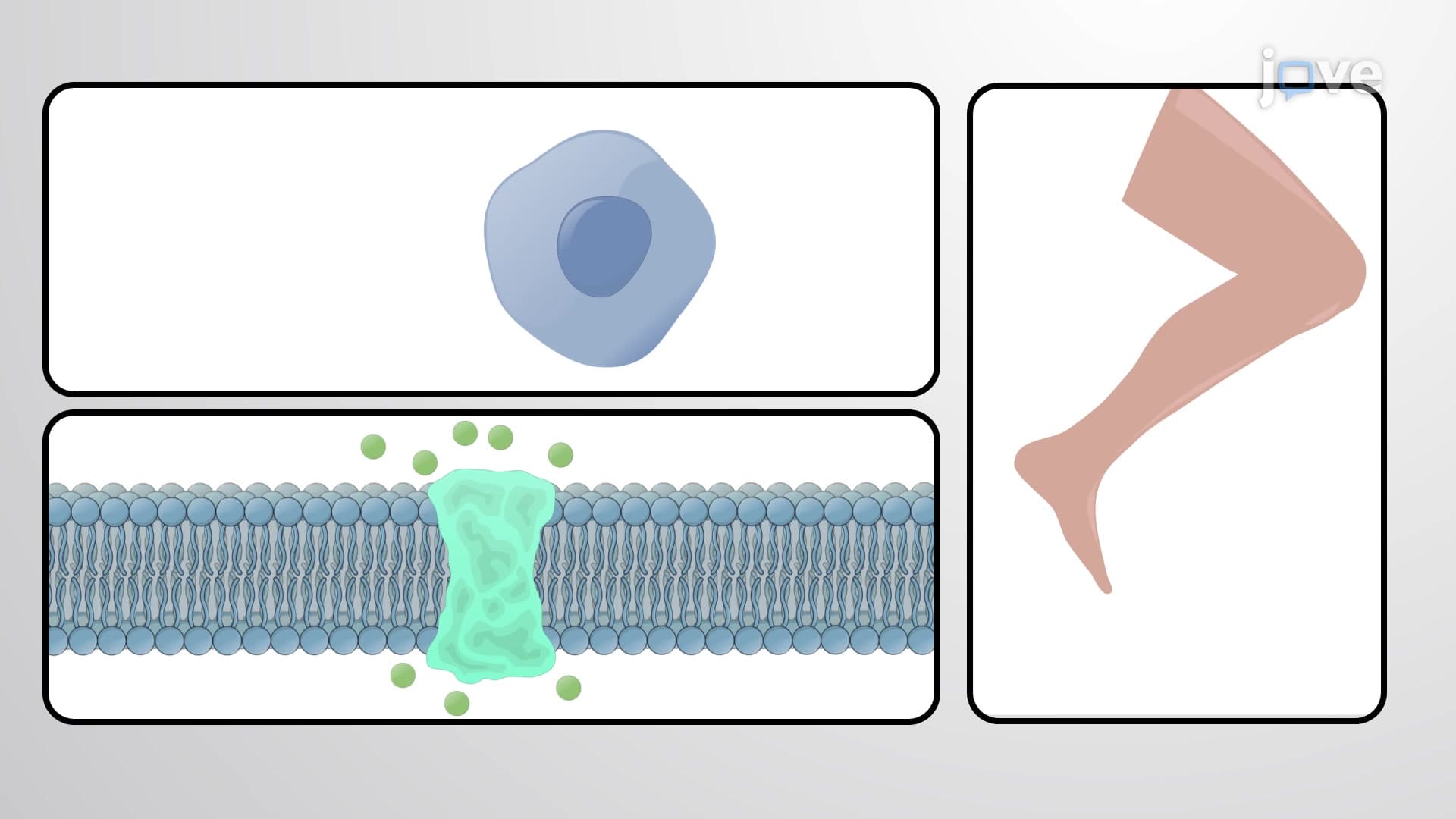
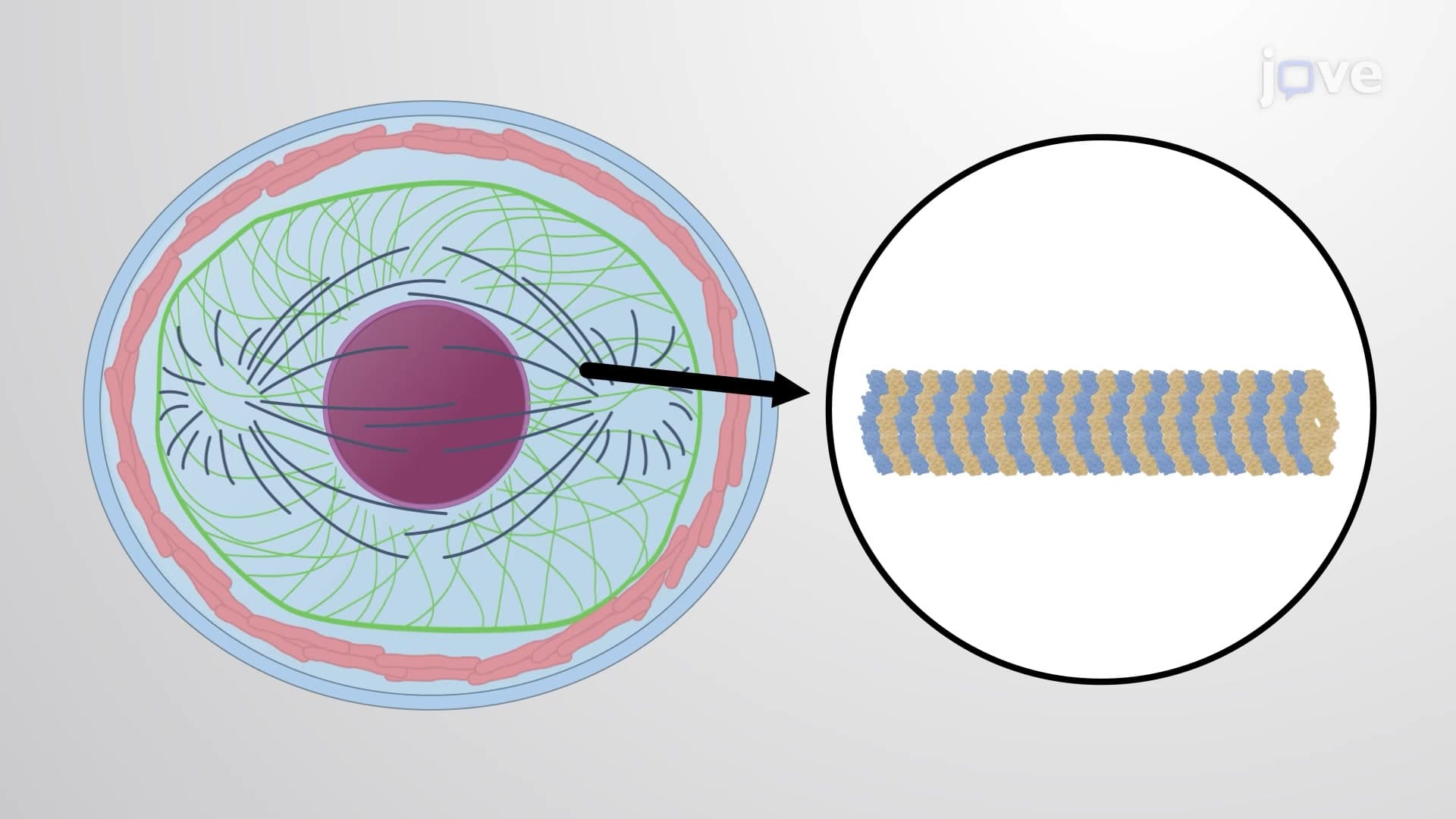

Cooperative Allosteric Transitions

00:00
01:58
Video Summary: What are Cooperative Allosteric Transitions
Ever wonder how your body knows to grab more oxygen when you exercise? Cooperative allosteric transitions enable proteins like hemoglobin to become increasingly efficient at binding oxygen as demand rises. This remarkable molecular mechanism allows one binding event to enhance the likelihood of additional bindings at different sites on the same protein. In the human respiratory system, this cooperativity ensures oxygen delivery scales perfectly with tissue needs. Watch the full video on JoVE Coach to master this concept with expert-led visuals and step-by-step explanations.
- Understand how cooperative allosteric transitions allow proteins to undergo conformational changes that affect binding at multiple sites simultaneously
- Identify the difference between positive cooperativity (enhanced binding) and negative cooperativity (reduced binding) in allosteric proteins
- Analyze the molecular mechanisms behind hemoglobin's oxygen transport efficiency using cooperative binding principles
- Compare the Monod-Wyman-Changeux (MWC) and Koshland-Némethy-Filmer (KNF) theoretical models for allosteric behavior
- Evaluate how cooperative allosteric transitions contribute to sensitive biological responses and cellular homeostasis
- Apply knowledge of allosteric cooperativity to predict protein behavior under varying ligand concentrations
- Recognize the role of cooperative allosteric transitions in enzyme regulation and signal transduction pathways
- Explore clinical applications where allosteric drug targeting modulates protein function for therapeutic benefit
Understanding Cooperative Allosteric Transitions at the Molecular Level
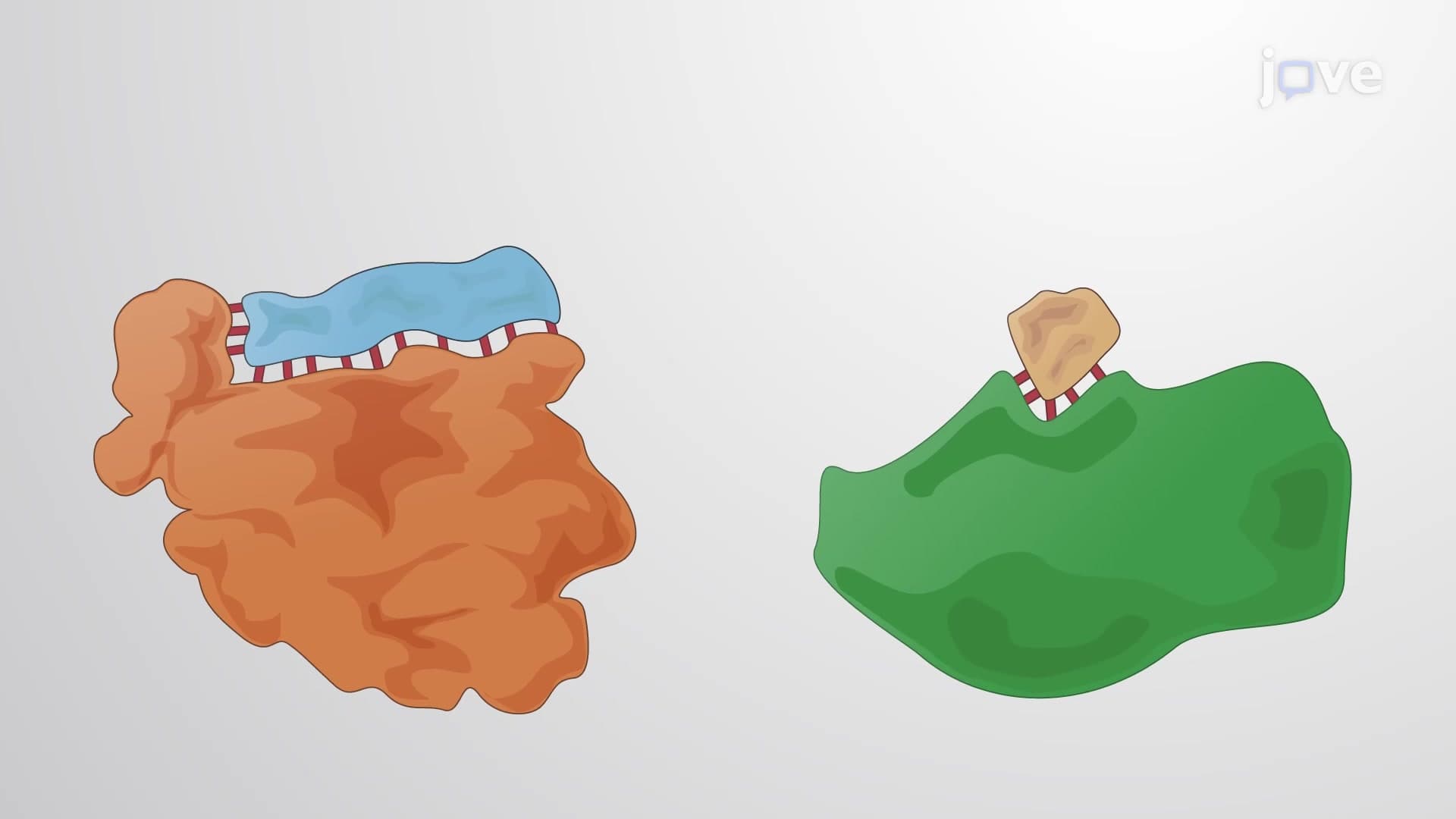
Cooperative allosteric transitions represent one of biology's most elegant regulatory mechanisms, where the binding of one ligand to a protein influences the binding affinity of additional ligands at distant sites. This phenomenon occurs through conformational changes that propagate throughout the protein structure, creating a communication network between binding sites that can be separated by significant distances.
The mathematical description of cooperative binding deviates from simple Michaelis-Menten kinetics, instead following a sigmoidal (S-shaped) binding curve. This shape reflects the protein's increasing enthusiasm for ligand binding as more sites become occupied. Students preparing for the MCAT or AP Biology exams should remember that positive cooperativity produces Hill coefficients greater than 1, while negative cooperativity yields values less than 1.
Clinical Significance in Human Physiology
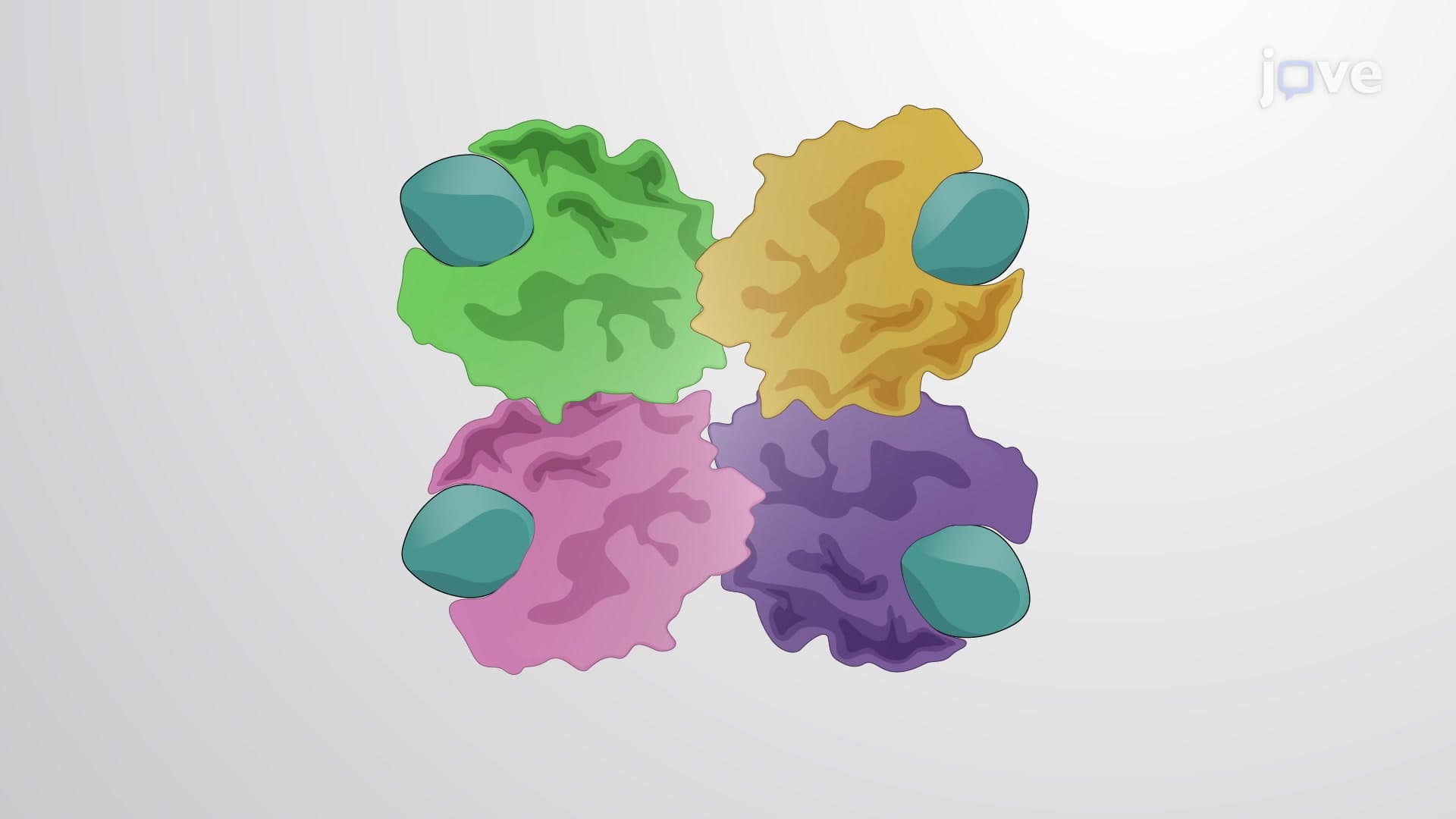
Hemoglobin serves as the textbook example of cooperative allosteric transitions in action. When oxygen binds to one of hemoglobin's four subunits in the lungs (where oxygen concentration is high), it triggers a conformational shift from the "tense" (T) state to the "relaxed" (R) state. This transition increases the oxygen affinity of the remaining three subunits, ensuring maximum oxygen loading. Conversely, in tissues where oxygen is scarce, the release of one oxygen molecule facilitates the release of others, optimizing oxygen delivery precisely where needed.
This cooperativity is crucial for conditions like sickle cell anemia, where mutations affect hemoglobin's allosteric properties. Medical students studying for the USMLE should understand how these disruptions lead to altered oxygen transport and the characteristic sickling of red blood cells under low-oxygen conditions.
Theoretical Models and Applications
Two primary models explain cooperative allosteric transitions. The MWC model proposes that proteins exist in equilibrium between distinct conformational states, with ligands shifting this equilibrium. The KNF model suggests sequential conformational changes upon individual ligand binding events. Both models appear in advanced undergraduate biochemistry courses and provide frameworks for understanding diverse biological systems.
Beyond oxygen transport, cooperative allosteric transitions govern enzyme regulation in metabolic pathways. Phosphofructokinase, a key glycolytic enzyme, exhibits positive cooperativity for its substrate fructose-6-phosphate, allowing cells to rapidly increase glucose metabolism when energy demands rise. This principle is fundamental for understanding metabolic control in courses like biochemistry and cell biology.
Frequently Asked Questions
Cooperative allosteric transitions occur when binding a molecule to one site on a protein makes it easier (or harder) for additional molecules to bind at other sites. Think of it like a team sport where one player's success energizes teammates to perform better. This mechanism allows proteins to respond sensitively to changing concentrations of their binding partners, creating efficient biological switches.
The MCAT frequently tests cooperative binding through hemoglobin oxygen transport scenarios and enzyme kinetics problems. You'll need to recognize sigmoidal binding curves, interpret Hill coefficients, and explain how positive cooperativity enhances protein function. Practice identifying allosteric effects in metabolic enzymes and understanding how conformational changes propagate through protein structures for optimal preparation.
Cooperative allosteric transitions appear in AP Biology's molecular biology and physiology units, particularly in enzyme regulation and gas transport systems. You'll encounter this concept when studying metabolic pathways, protein structure-function relationships, and homeostatic mechanisms. Understanding these transitions helps explain how cells fine-tune their responses to environmental changes.
Carbon monoxide poisoning demonstrates cooperative allosteric transitions gone wrong. CO binds hemoglobin with 200 times greater affinity than oxygen, and when one CO molecule binds, it increases the protein's oxygen affinity at remaining sites. This prevents oxygen release in tissues, explaining why even small CO exposures can be dangerous. Emergency departments across the US treat hundreds of CO poisoning cases annually using this understanding.
No advanced mathematics is required for introductory understanding of cooperative allosteric transitions. Basic concepts focus on recognizing sigmoidal curves versus hyperbolic curves and understanding that Hill coefficients greater than 1 indicate positive cooperativity. Most high school and early undergraduate courses emphasize conceptual understanding over complex mathematical derivations.
Focus on hemoglobin as your primary example, understanding both the molecular mechanism and physiological significance. Practice drawing and interpreting binding curves, memorize that positive cooperativity creates sigmoidal curves, and understand how the MWC and KNF models differ. Create concept maps linking allosteric transitions to enzyme regulation and signal transduction for comprehensive understanding.
After understanding basic cooperative allosteric transitions, explore allosteric drug design and how pharmaceutical companies target allosteric sites for therapeutic intervention. Study multi-enzyme complexes where allosteric communication coordinates metabolic pathways, and investigate how allosteric networks enable cellular decision-making processes in systems biology.
Related Micro-courses
10 Concepts

17 Concepts
18 Concepts