Loading subject page…

- Cell Biology
- Protein Function
- Covalently Linked Protein Regulators
Micro-course: Protein Function
46,911 views
Learn key concepts and earn your certificate.


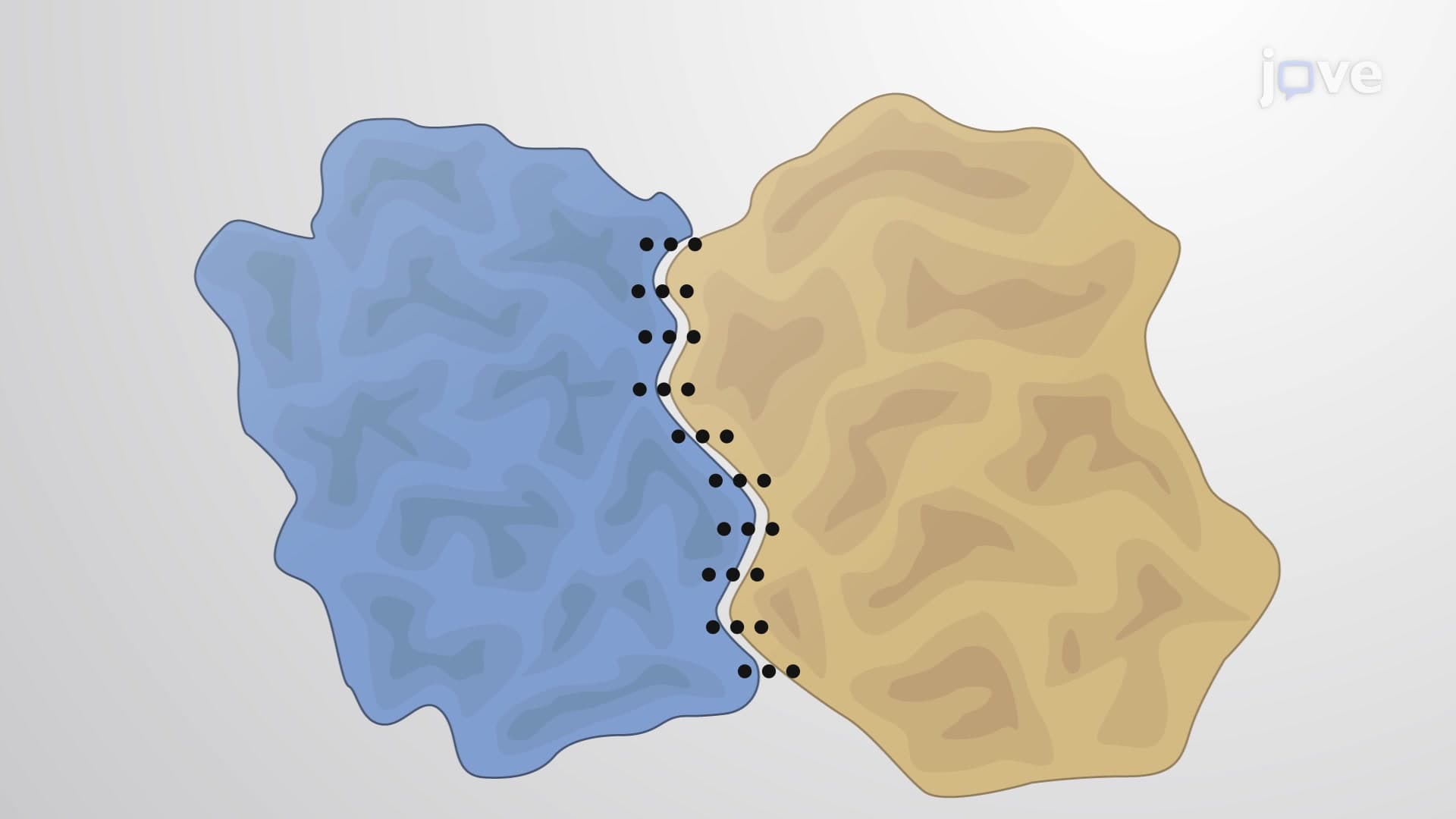
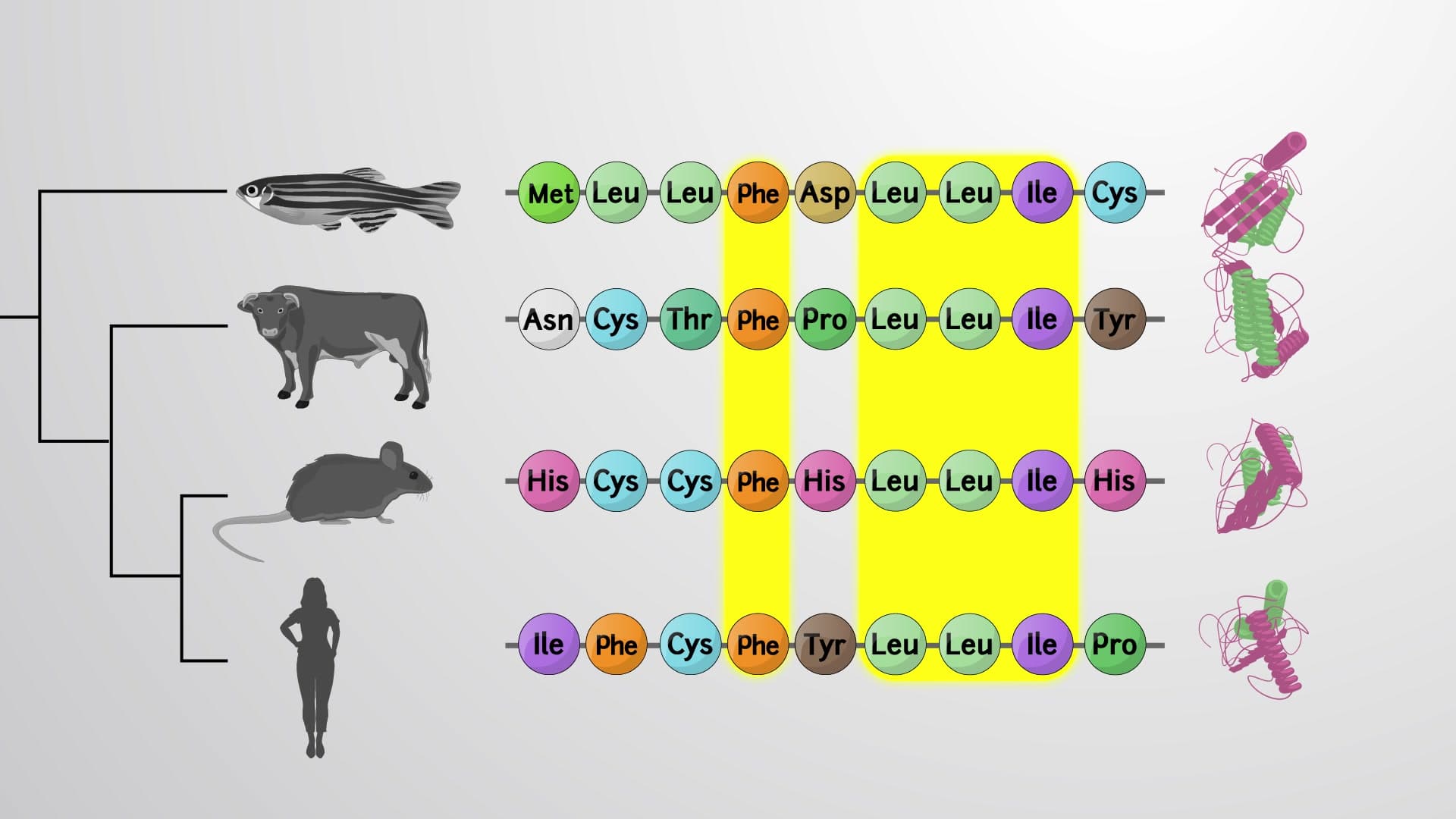
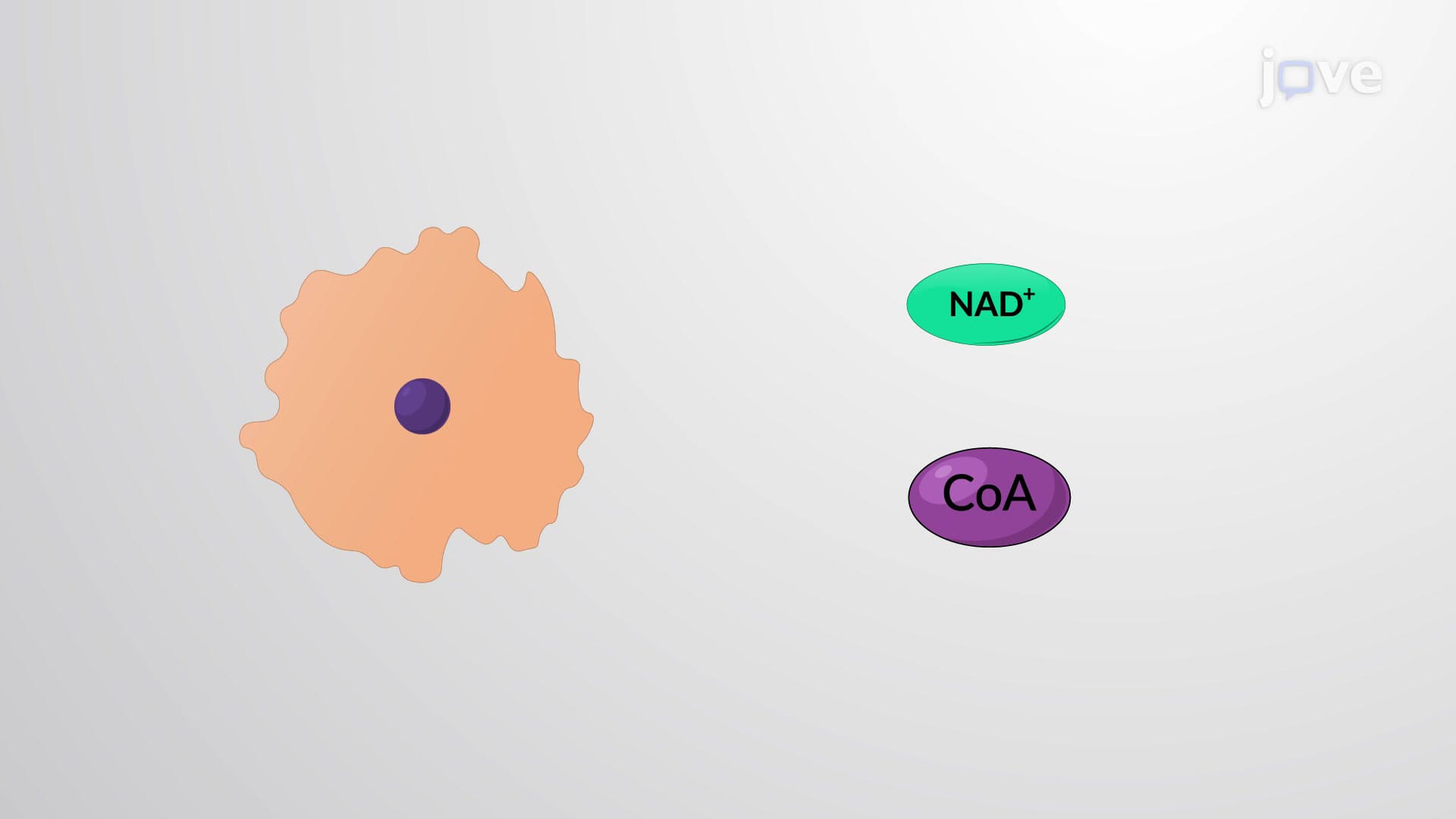
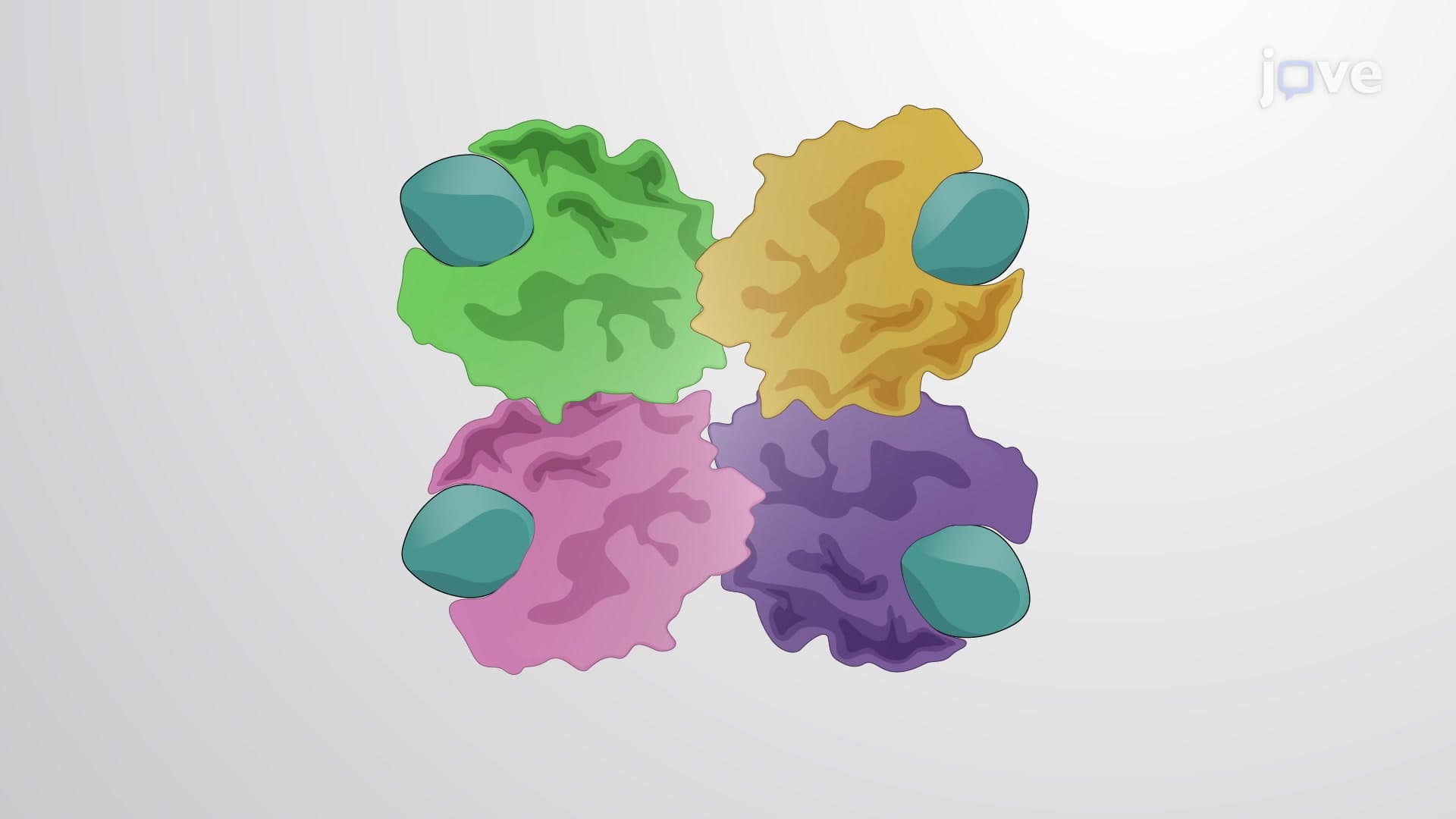
Covalently Linked Protein Regulators

00:00
02:04
Video Summary: What are Covalently Linked Protein Regulators
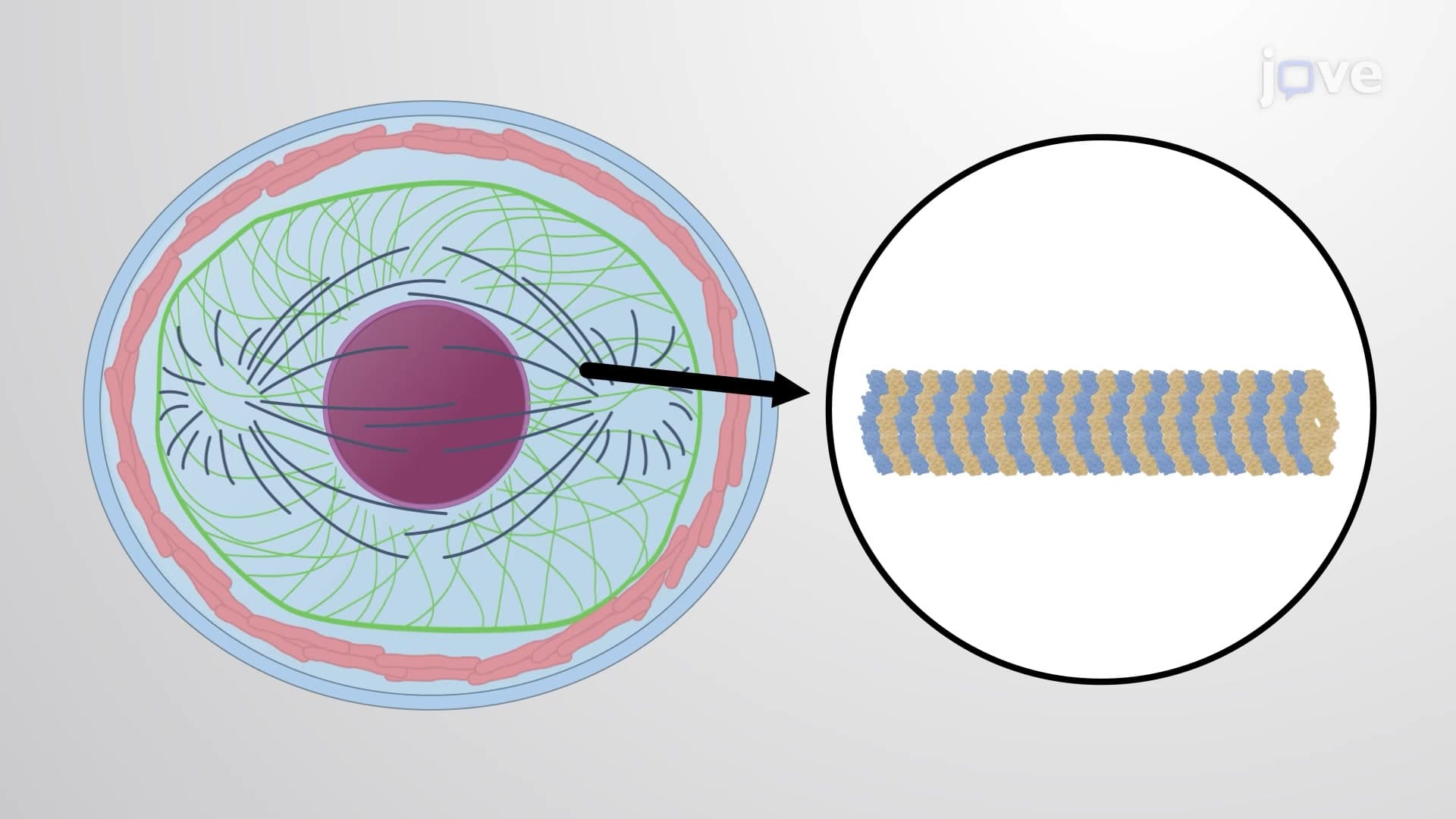
Did you know that your cells use molecular "tags" to control nearly every biological process? Covalently linked protein regulators are specialized proteins that attach chemical modifications to target proteins, fundamentally changing how those proteins behave. Consider insulin signaling-when you eat, phosphorylation modifications help your cells respond to insulin and regulate blood sugar levels. These regulatory mechanisms control everything from gene expression to protein degradation, making them essential for cellular function and human health. Watch the full video on JoVE Coach to master this concept with expert-led visuals and step-by-step explanations.
- Understand what covalently linked protein regulators are and how they modify target proteins through chemical attachments
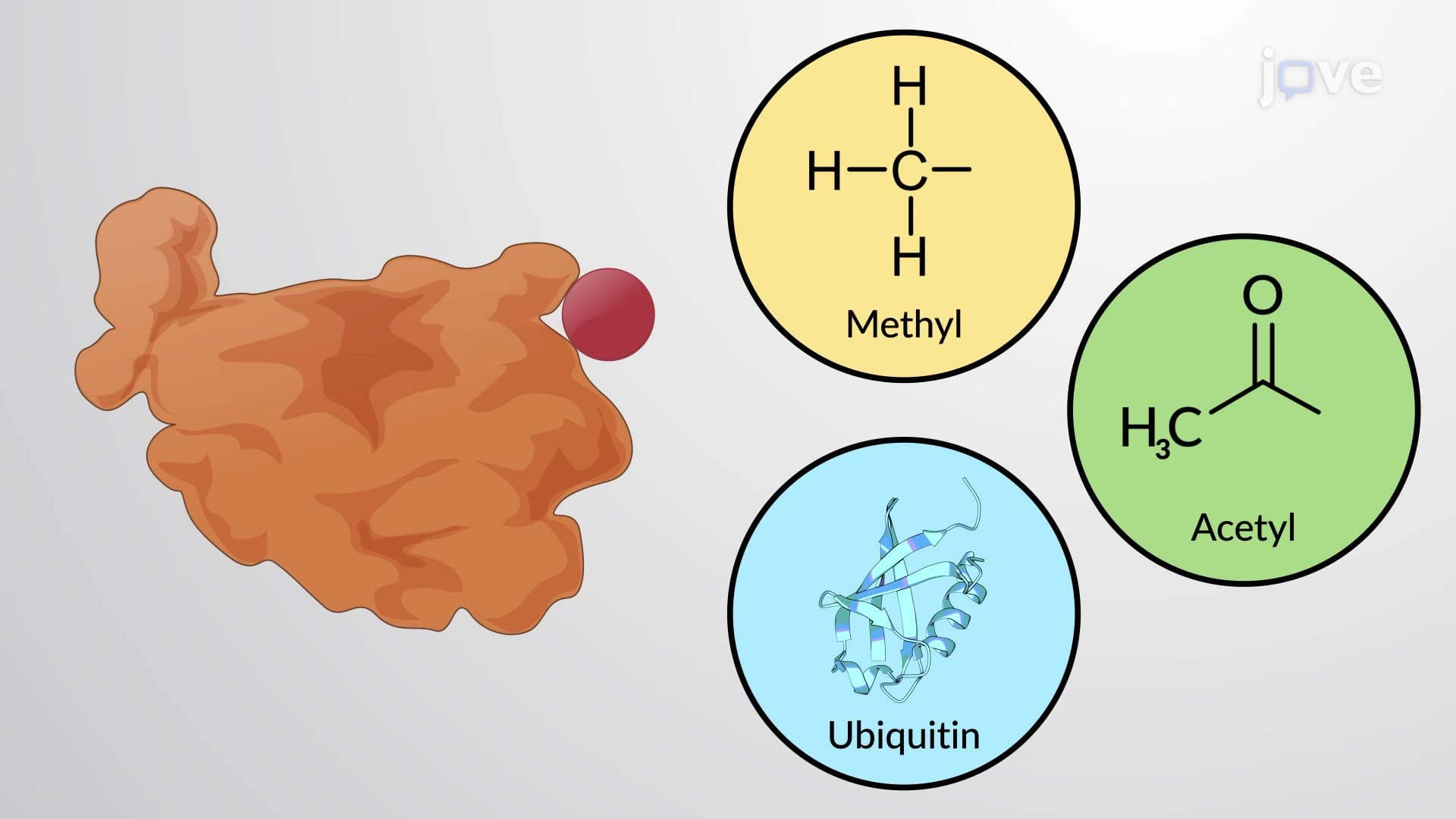
- Identify the five major types of covalent modifications: phosphorylation, ubiquitination, methylation, acetylation, and sumoylation
- Analyze how each modification type serves specific regulatory functions, from protein degradation to gene expression control
- Compare reversible and irreversible covalent modifications and their impact on cellular dynamics
- Evaluate the role of these regulators in disease states, particularly cancer and neurodegeneration
- Apply knowledge of modification crosstalk to predict complex cellular responses
- Recognize how dysregulation of covalent modifications leads to pathological conditions
- Explore therapeutic strategies targeting covalent modification pathways
Understanding Covalently Linked Protein Regulators
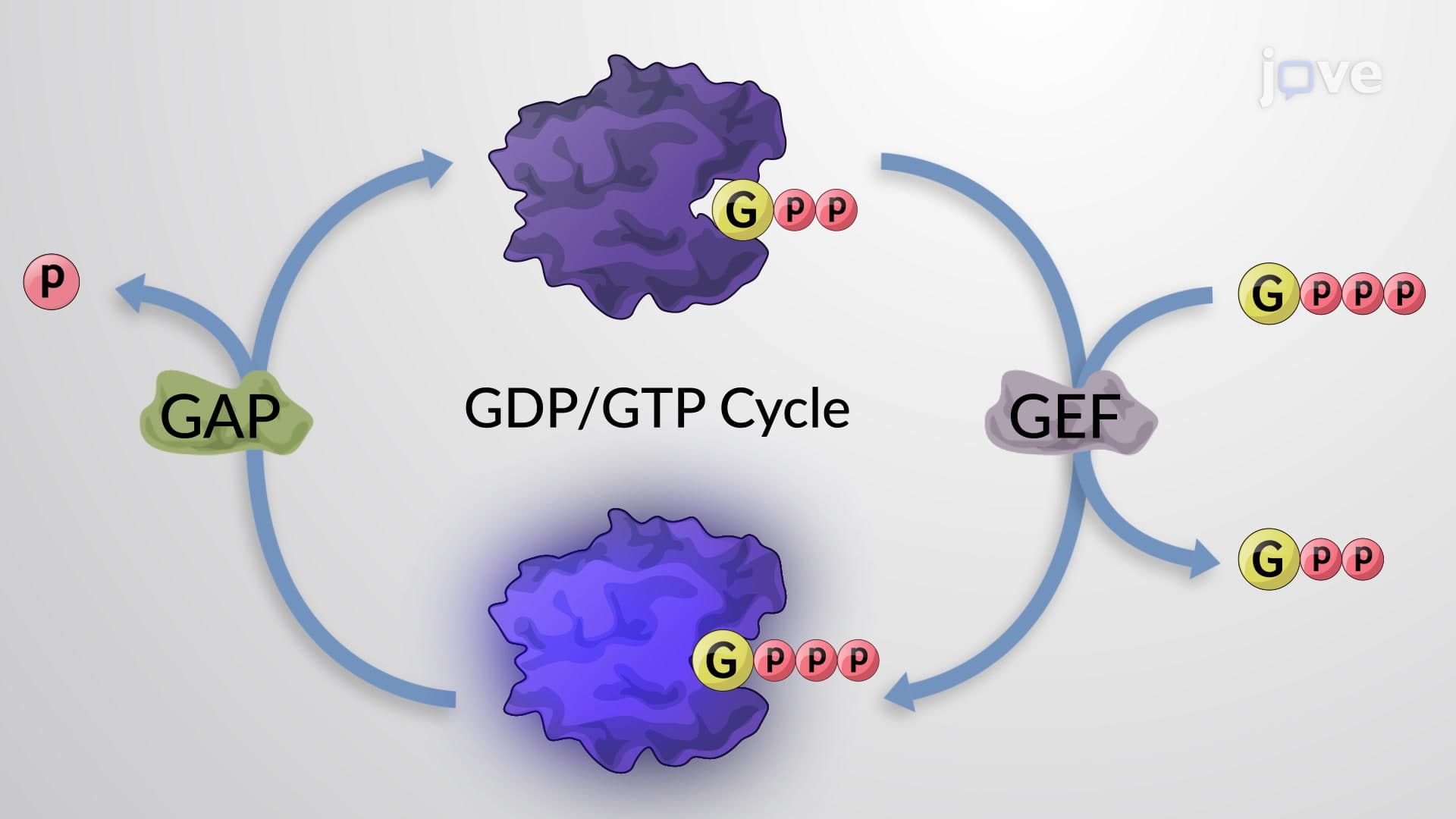
Covalently linked protein regulators represent one of the most sophisticated control systems in cell biology. These regulatory proteins function by forming stable chemical bonds with their target proteins, creating modifications that can dramatically alter protein behavior. Unlike non-covalent interactions, these modifications involve sharing electrons between atoms, creating lasting changes that persist until actively removed by specific enzymes.
The Five Major Covalent Modification Systems
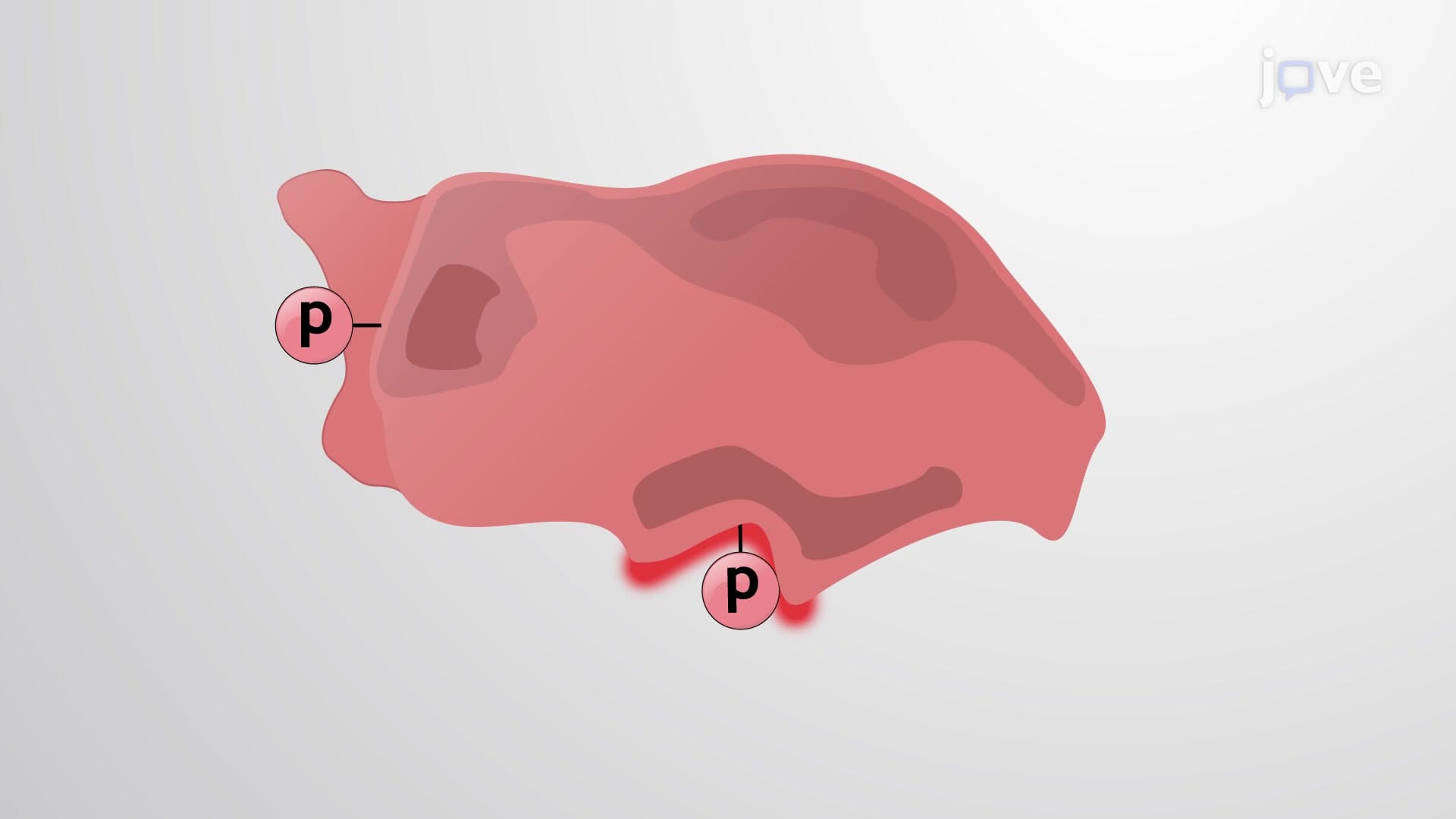
Phosphorylation stands as the most extensively studied modification, involving the addition of phosphate groups typically to serine, threonine, or tyrosine residues. This modification powers cellular signaling cascades-for instance, when growth factors bind to receptor tyrosine kinases, they trigger phosphorylation cascades that ultimately control cell division and survival.
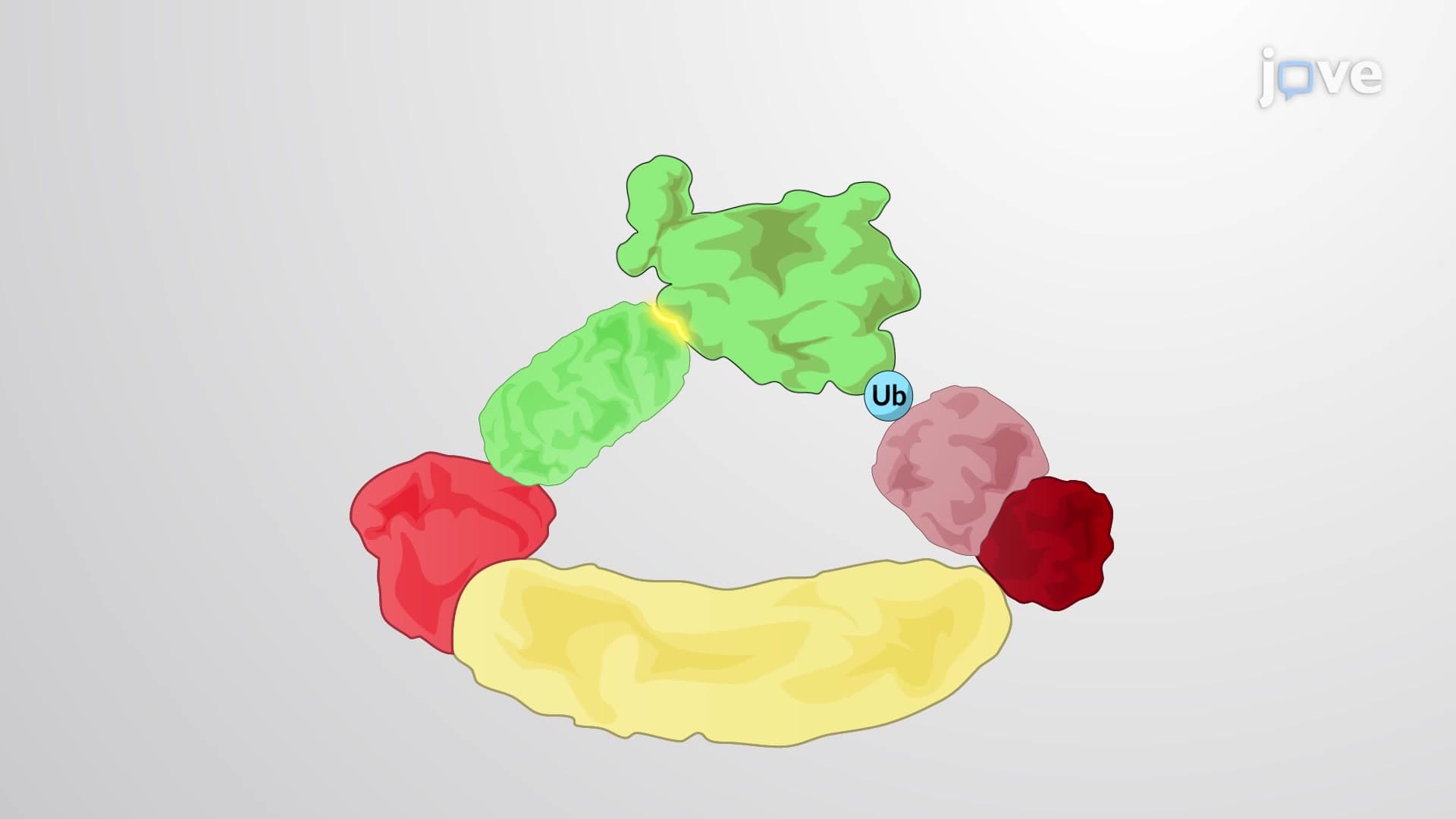
Ubiquitination functions as the cell's quality control and degradation system. This modification tags proteins with ubiquitin molecules, marking them for destruction by the proteasome. Cancer researchers at institutions like Johns Hopkins University have discovered that many oncogenes become dangerous when normal ubiquitination pathways fail.
Methylation primarily regulates gene expression through histone modifications. DNA methylation patterns, studied extensively at Stanford University's epigenetics research centers, determine which genes remain active or silent throughout development and aging.
Acetylation works closely with methylation in chromatin regulation. Histone acetyltransferases and deacetylases control gene accessibility, with HDAC inhibitors now approved by the FDA as cancer treatments.
Clinical and Academic Relevance
These concepts appear prominently on the MCAT Biology section, particularly in passages about cell signaling and gene regulation. AP Biology students encounter covalent modifications when studying cell communication (Big Idea 3) and genetic regulation. College biochemistry courses at universities nationwide dedicate entire units to these regulatory mechanisms.
Understanding covalent modifications has revolutionized drug development. The success of kinase inhibitors like imatinib (Gleevec) demonstrates how targeting phosphorylation pathways can treat diseases. Similarly, epigenetic drugs targeting methylation and acetylation represent growing therapeutic categories.
Disease Connections and Research Applications
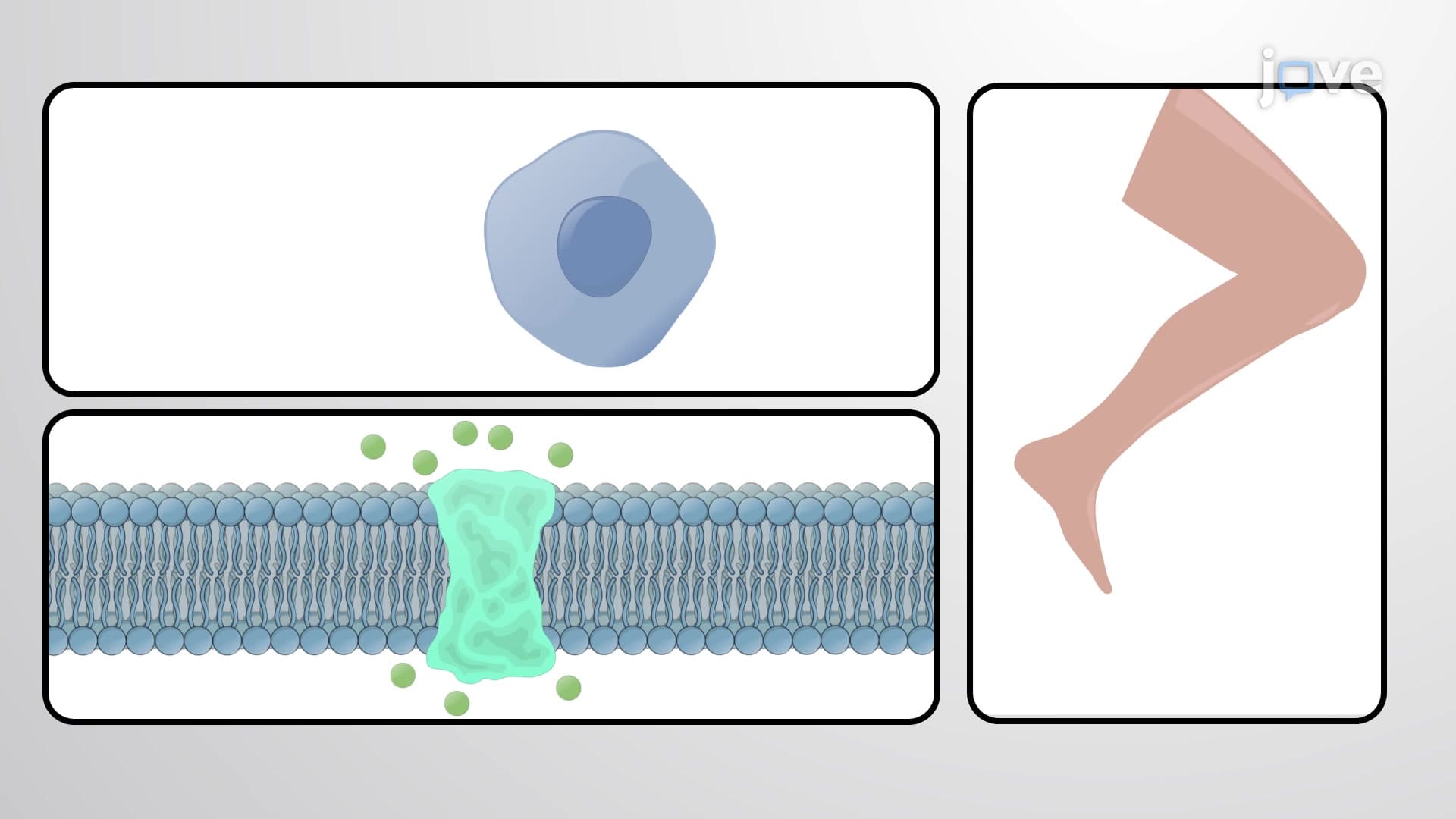
Dysregulation of covalent modifications underlies numerous diseases. Alzheimer's disease involves abnormal tau protein phosphorylation, while many cancers result from defective ubiquitination of tumor suppressors like p53. Research laboratories across the US, from Harvard Medical School to UCSF, continue discovering new modification types and their therapeutic potential.
Frequently Asked Questions
Covalently linked protein regulators are proteins that modify other proteins by forming stable chemical bonds with them. These modifications include adding phosphate groups, ubiquitin tags, methyl groups, or acetyl groups to specific amino acid residues. The modifications change the target protein's shape, activity, location, or stability, allowing cells to control protein function dynamically.
Focus on phosphorylation (cell signaling), ubiquitination (protein degradation), and histone modifications (methylation and acetylation for gene regulation). The MCAT frequently tests these in biochemistry and cell biology passages. Understanding enzyme kinetics of kinases, phosphatases, and ubiquitin ligases is particularly high-yield for exam success.
AP Biology commonly tests covalent modifications in cell communication and gene regulation questions. Expect questions about phosphorylation cascades in signal transduction, histone modifications in gene expression, and how environmental factors influence epigenetic changes. Practice connecting these mechanisms to specific biological processes and outcomes.
Cancer often results from disrupted covalent modifications-oncogenes may escape normal ubiquitination degradation, tumor suppressors may lose activating phosphorylation, or DNA methylation patterns may silence protective genes. Major cancer centers like MD Anderson use drugs targeting these pathways, including kinase inhibitors and HDAC inhibitors, demonstrating their therapeutic importance.
Basic organic chemistry helps but isn't essential for introductory study. Focus on understanding that covalent bonds involve electron sharing and create stable modifications. Knowing amino acid structures (especially serine, threonine, tyrosine, and lysine) provides helpful context, but most biology courses teach the necessary chemical background as you learn.
Create functional associations rather than memorizing lists-phosphorylation for "switching on/off," ubiquitination for "cellular cleanup," methylation for "gene silencing," acetylation for "gene activation." Use acronyms like "PUMA" (Phosphorylation, Ubiquitination, Methylation, Acetylation) and practice connecting each to specific biological examples and diseases.
Epigenetic modifications (methylation and acetylation) represent heritable changes in gene expression without DNA sequence changes. These modifications can be influenced by environment, diet, and lifestyle-research from institutions like Harvard T.H. Chan School shows how maternal nutrition affects offspring through epigenetic modifications, demonstrating their importance beyond individual cells.
Consider studying modification crosstalk (how different modifications interact), newer modifications like SUMOylation and neddylation, or the clinical applications in personalized medicine. Many universities offer specialized courses in epigenetics, protein biochemistry, or cancer biology that build on these fundamental concepts.
Related Micro-courses
10 Concepts

17 Concepts
18 Concepts