Loading subject page…

- Cell Biology
- Visualizing Cells, Tissues, and Molecules
- Protein Dynamics in Living Cells
Micro-course: Visualizing Cells, Tissues, and Molecules
138,515 views
Learn key concepts and earn your certificate.

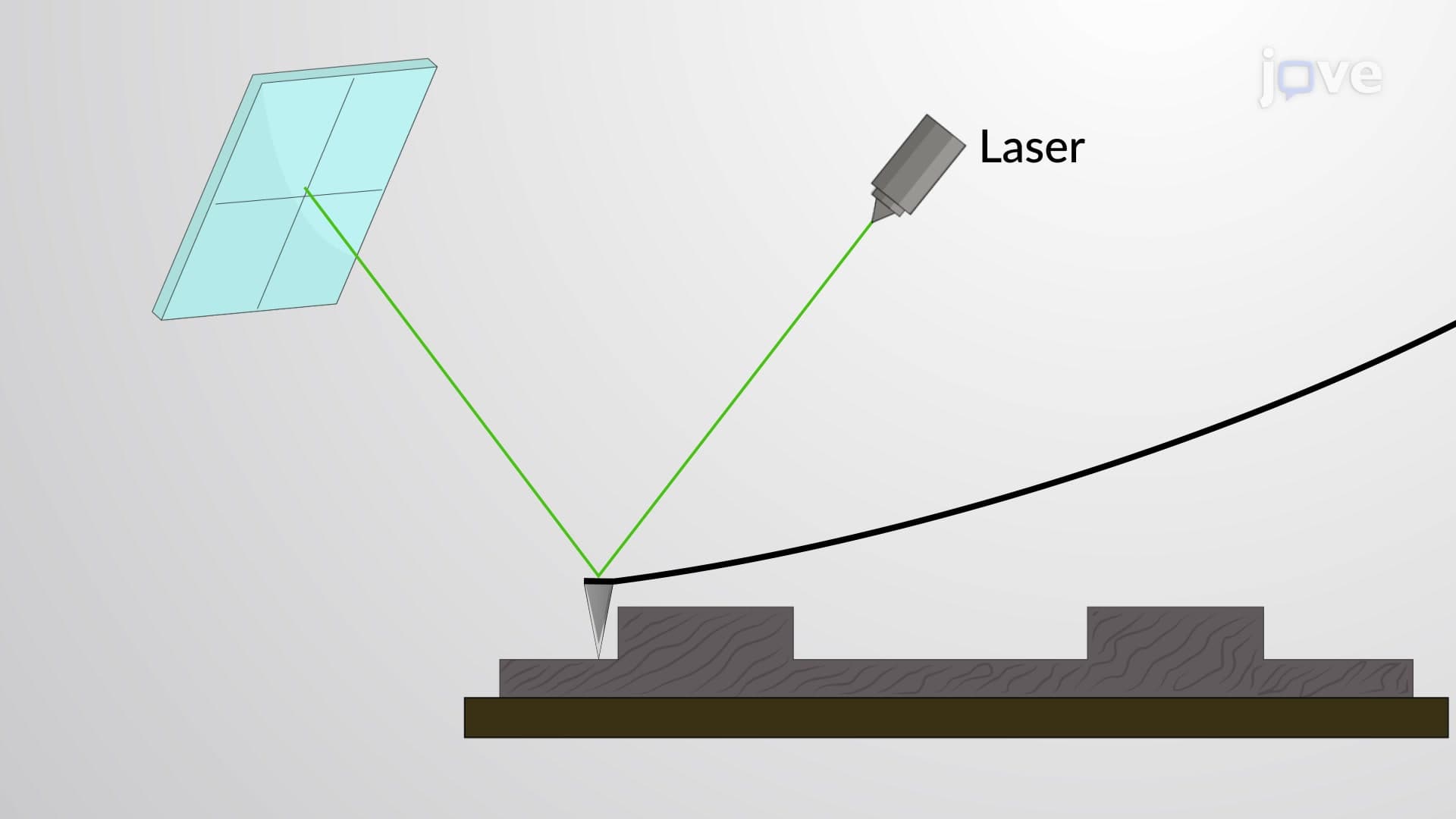
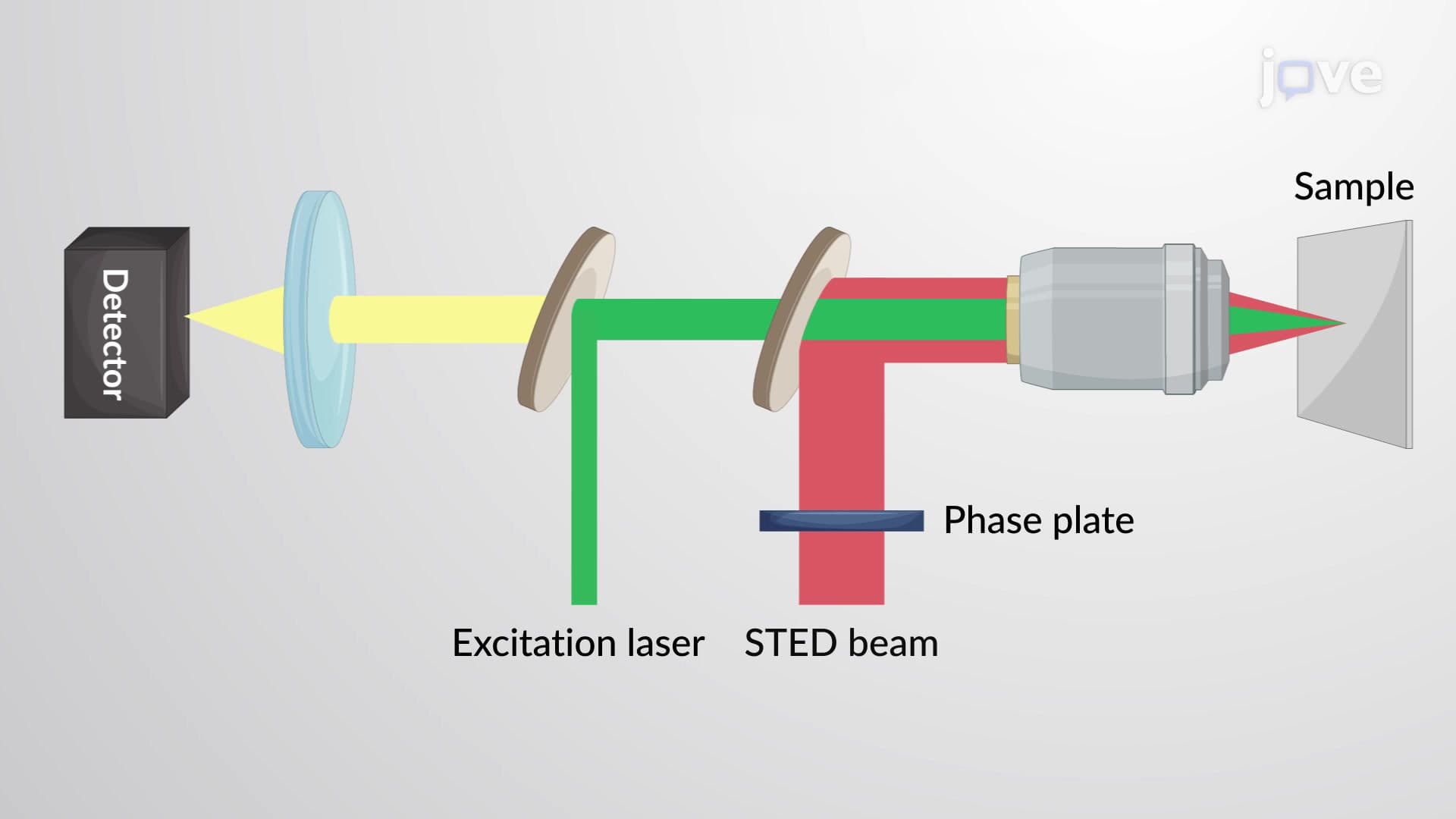
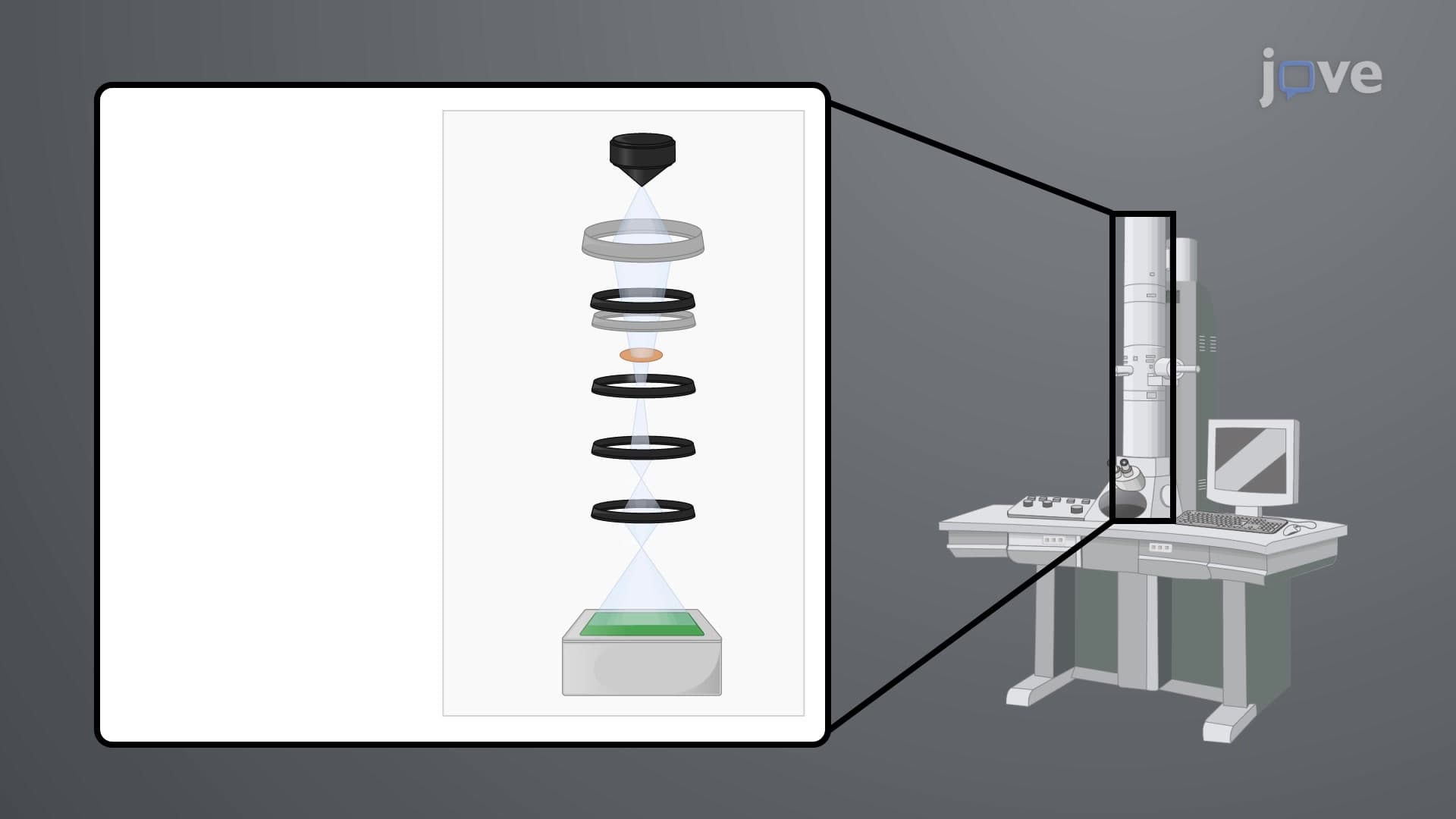
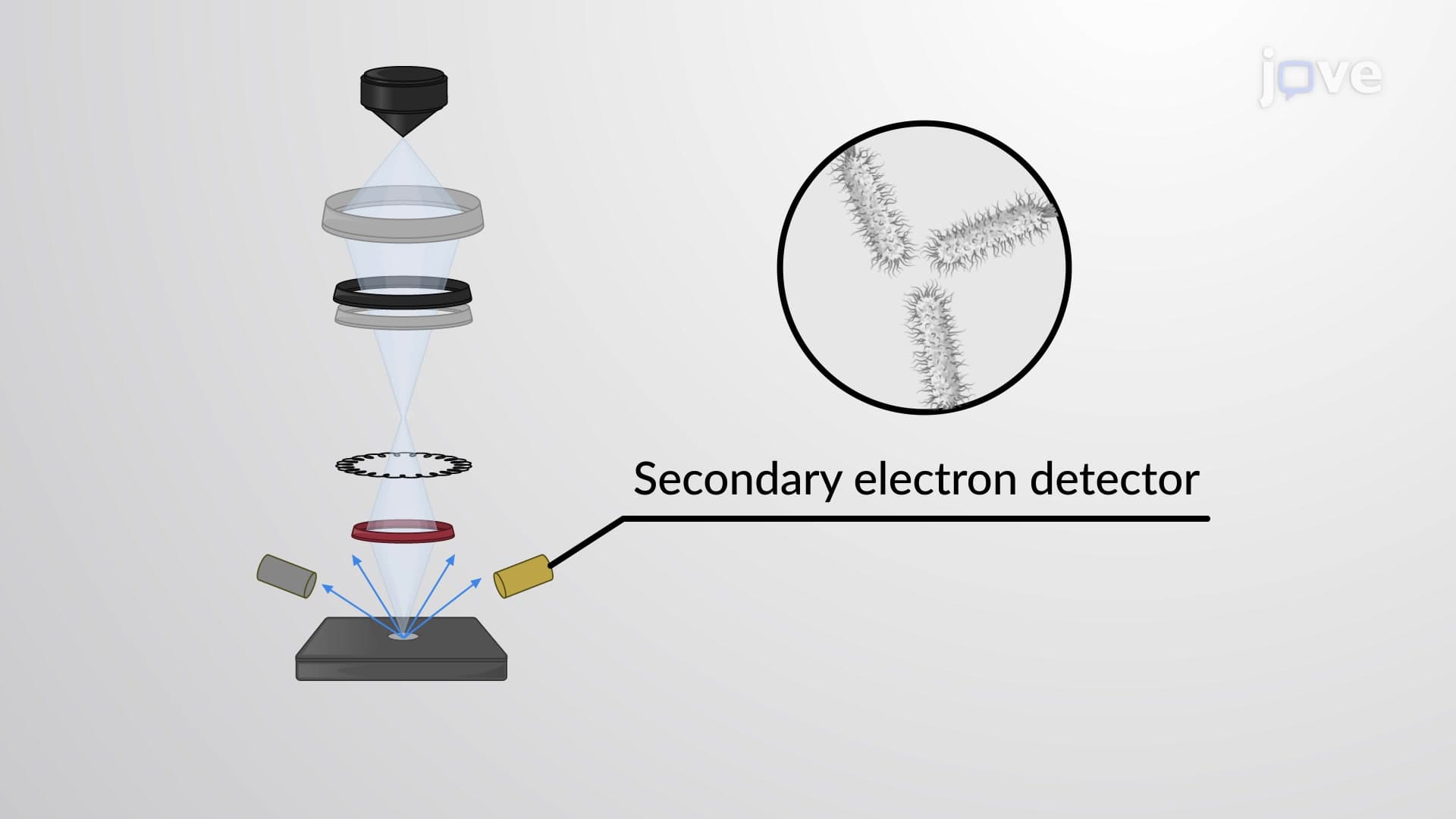


Protein Dynamics in Living Cells

00:00
01:19
Video Summary: What Is Protein Dynamics
Did you know that proteins in your cells are constantly moving and changing shape, much like dancers performing a complex choreography? Protein dynamics refers to the study of how proteins move, interact, and change conformation within living cells. Scientists at institutions like Stanford University use sophisticated fluorescence techniques-including FRAP, SPT, and FRET-to track these molecular movements in real-time, revealing how proteins function in processes from muscle contraction to nerve signal transmission. Watch the full video on JoVE Coach to master this concept with expert-led visuals and step-by-step explanations.
- Understand what is protein dynamics and how it relates to cellular function and protein behavior in living systems
- Identify the three major fluorescence techniques used to study protein movement: FRAP, SPT, and FRET
- Analyze how fluorescence recovery after photobleaching (FRAP) measures protein diffusion rates within cells
- Compare single-particle tracking (SPT) methods for monitoring individual protein movement patterns
- Evaluate how Förster resonance energy transfer (FRET) detects protein-protein interactions at nanometer distances
- Apply knowledge of protein dynamics to understand cellular processes like enzyme function and signal transduction
- Recognize the role of advanced microscopy in modern cell biology research
- Explore how protein dynamics studies contribute to drug discovery and disease research
Understanding What is Protein Dynamics
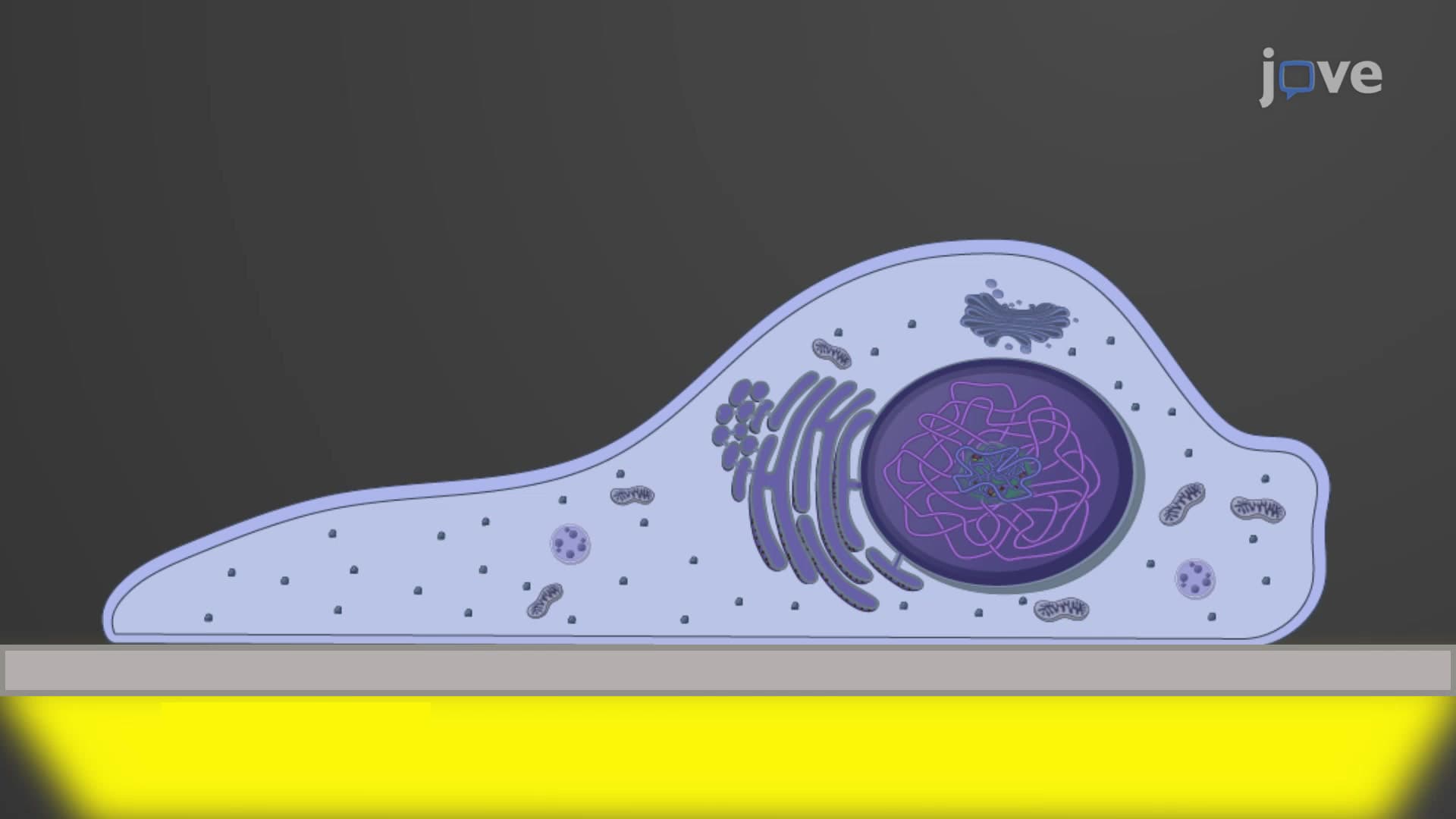
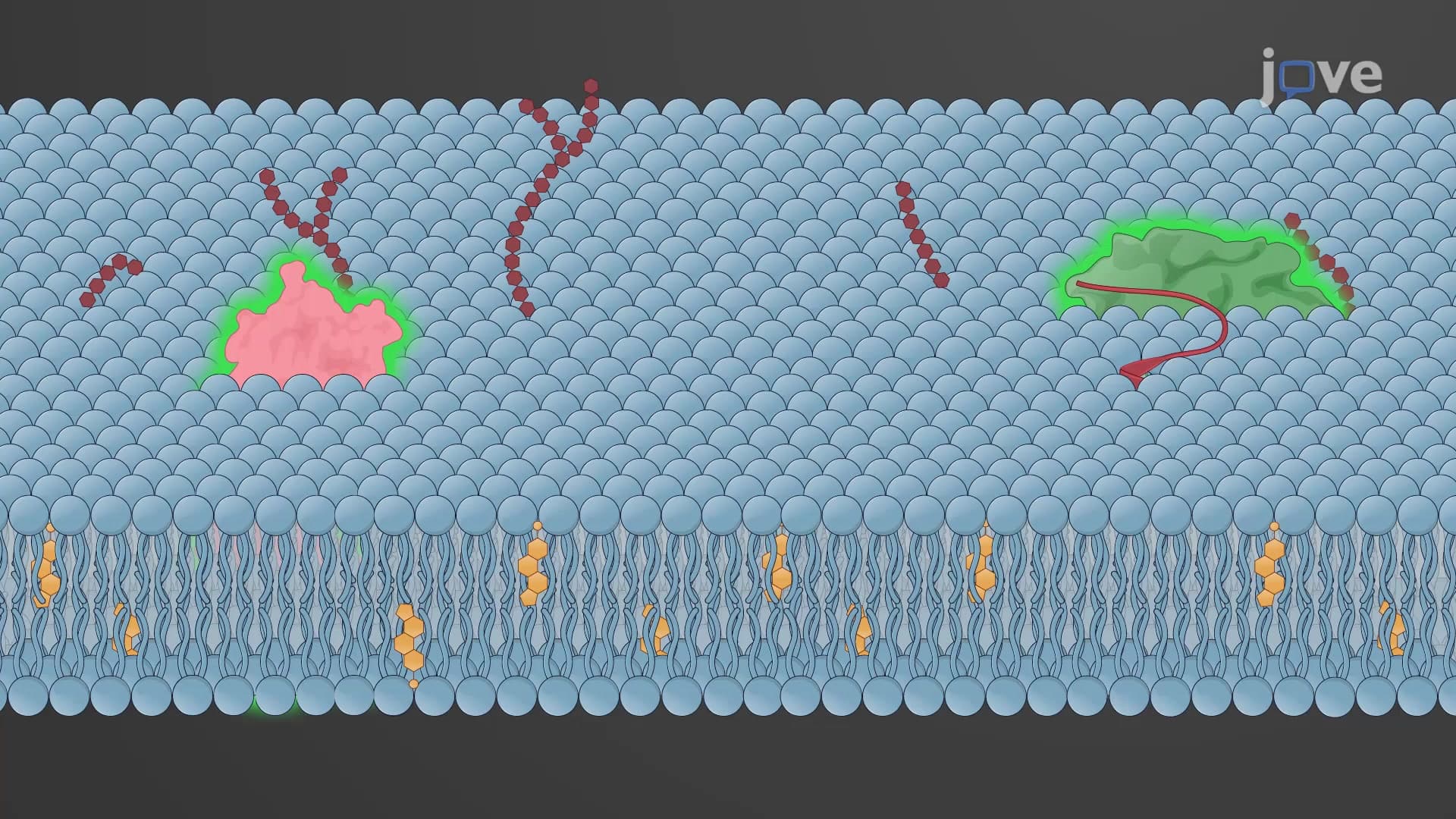
Protein dynamics encompasses the study of how proteins move, fold, and interact within living cells. Unlike static textbook illustrations, proteins are highly dynamic molecules that constantly change shape and position to perform their biological functions. This field combines principles from biochemistry, biophysics, and cell biology to understand how molecular motion drives life processes.
Fluorescence Recovery After Photobleaching (FRAP)
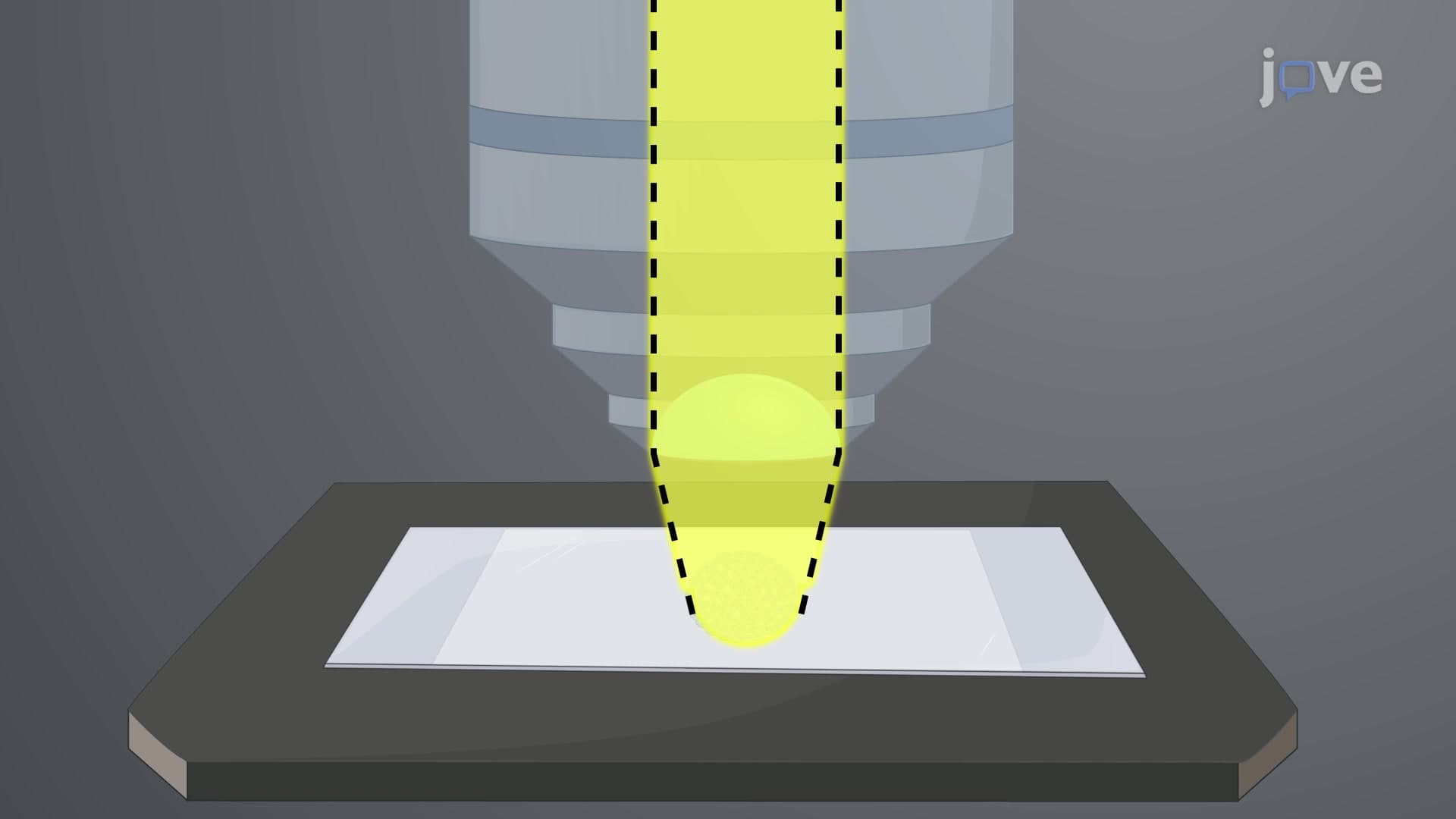
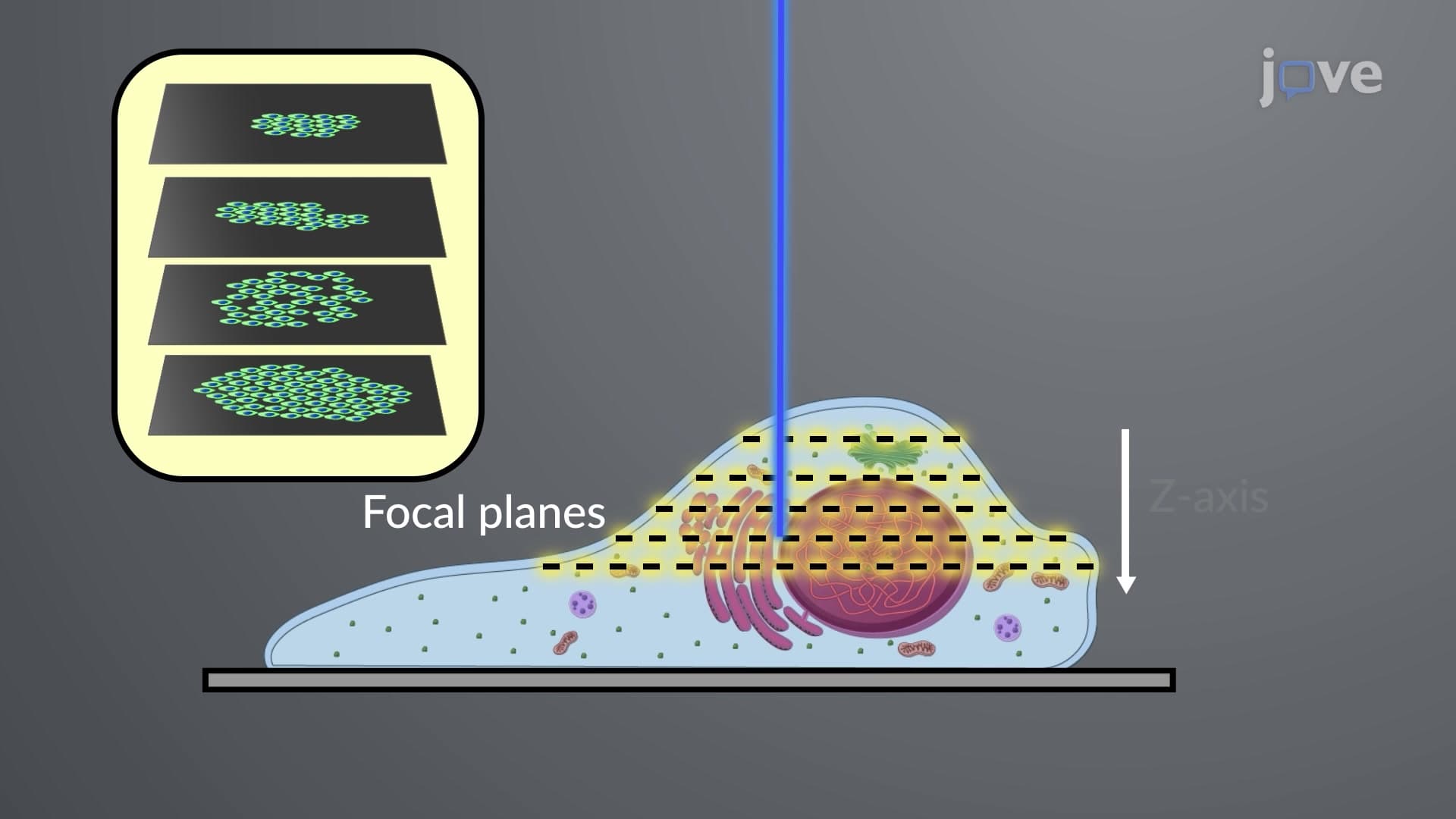
FRAP technology allows researchers to measure how quickly proteins diffuse through cellular environments. In this technique, scientists use a focused laser to permanently bleach fluorescent proteins in a specific cellular region. As unbleached proteins from surrounding areas move into the bleached zone, fluorescence gradually returns. The recovery rate reveals crucial information about protein mobility and binding interactions. For example, researchers at the National Institutes of Health use FRAP to study how quickly membrane proteins move in nerve cells, helping understand neurological disorders.
Single-Particle Tracking and FRET Analysis
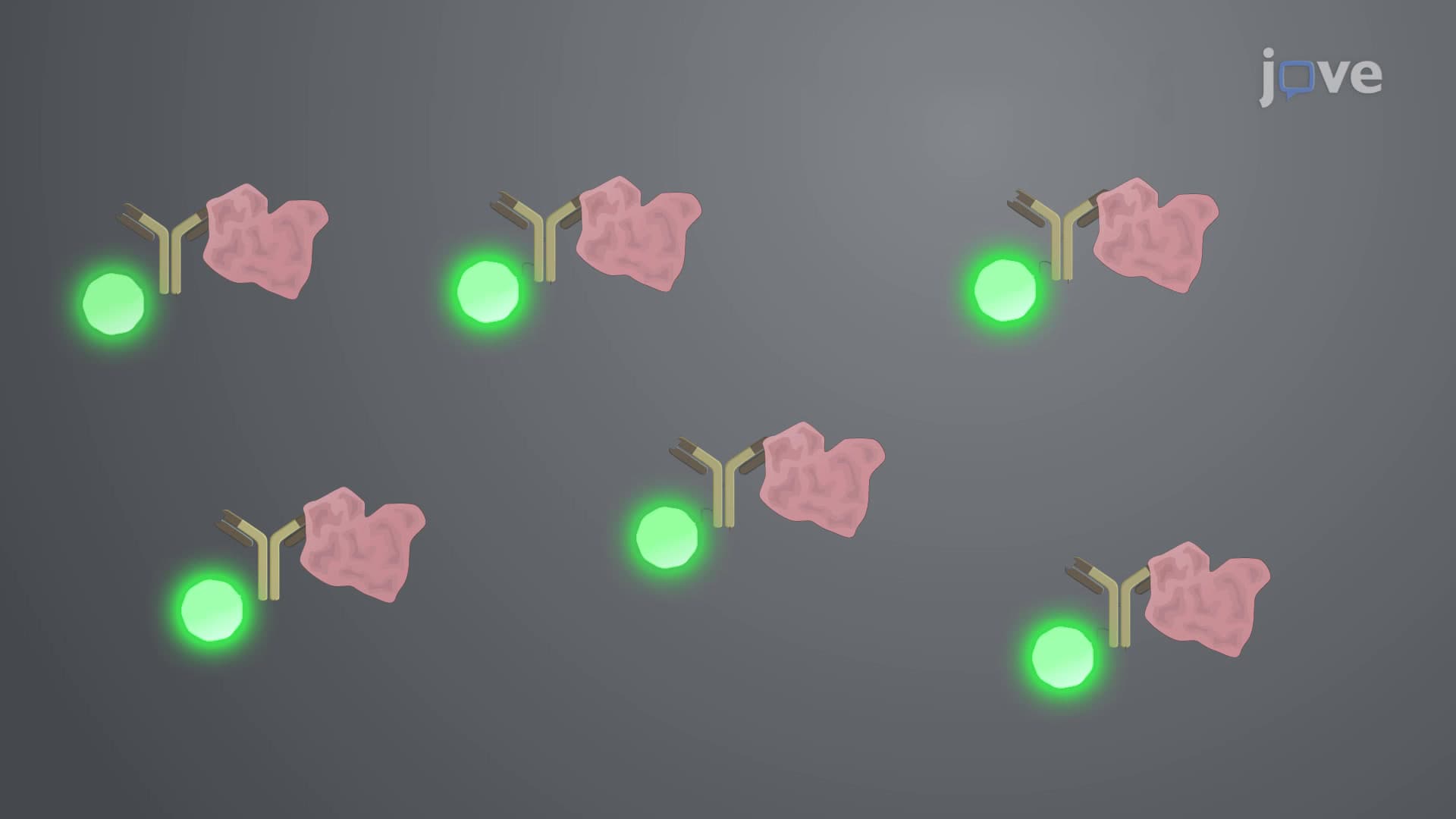
Single-particle tracking (SPT) provides unprecedented detail about individual protein movements. By attaching fluorescent markers to specific proteins, scientists can follow their paths through cells using computer-enhanced microscopy. This technique reveals whether proteins move randomly or follow directed pathways. Förster resonance energy transfer (FRET) measures protein-protein interactions by monitoring energy transfer between closely positioned fluorophores. When two proteins come within 10 nanometers, energy transfers from a donor to acceptor fluorophore, creating detectable changes in fluorescence emission.
Applications in Research and Medicine
Understanding protein dynamics has revolutionized drug development and disease research. At pharmaceutical companies like Pfizer and Merck, scientists use these techniques to study how potential medications affect protein function. In academic settings, protein dynamics research contributes to our understanding of cancer, Alzheimer's disease, and diabetes. Students preparing for the MCAT or AP Biology exams should understand how protein movement relates to enzyme kinetics, cell signaling, and membrane transport-all fundamental concepts in modern biology curricula.
Frequently Asked Questions
Protein dynamics is the study of how proteins move and change shape inside living cells. Think of proteins as tiny machines that must move and bend to do their jobs, like enzymes changing shape to break down food molecules or transport proteins opening and closing to move substances across cell membranes.
Protein dynamics directly connects to major AP Biology topics including enzyme function, cell membrane transport, and signal transduction pathways. Understanding how protein movement affects enzyme-substrate interactions and membrane permeability helps explain many cellular processes tested on the exam.
MCAT questions often focus on how protein conformational changes affect function, particularly in enzyme kinetics and membrane transport. You might encounter scenarios involving allosteric regulation, where protein shape changes alter activity, or questions about how temperature and pH affect protein movement and stability.
Pharmaceutical companies use protein dynamics studies to design better drugs by understanding how medications interact with target proteins. For example, researchers studying Alzheimer's disease examine how amyloid proteins misfold and aggregate, while cancer researchers investigate how growth factor receptors change shape during cell division.
Basic algebra and an understanding of rates and proportions are sufficient for introductory protein dynamics concepts. While research-level work involves complex calculations, high school and early college students can grasp the fundamental principles through conceptual understanding rather than mathematical rigor.
Focus on understanding the relationship between protein structure and function, then learn how movement enables proteins to perform their roles. Practice drawing and explaining how conformational changes affect enzyme activity, and memorize key techniques like FRAP, SPT, and FRET for identifying these techniques in exam questions.
Protein dynamics provides foundational knowledge for cell biology, biochemistry, and molecular biology courses. Understanding how proteins move and interact prepares you for advanced topics like signal transduction cascades, metabolic pathway regulation, and cellular response to environmental changes.
Careers include pharmaceutical research, biotechnology development, academic research, and medical device design. Many graduates work at companies like Genentech, research institutions like the Mayo Clinic, or government agencies like the CDC, studying protein function to develop new treatments and diagnostic tools.
Related Micro-courses