Loading subject page…


561,000 views

Video Summary: What Is Concentration and Rate Law
Ever wonder why hydrogen peroxide bubbles faster when you add catalase enzyme, or why cold milk spoils slower than warm milk? The answer lies in concentration and rate law, the mathematical relationship that governs how fast chemical reactions proceed. In pharmaceutical manufacturing across the US, companies like Pfizer and Merck rely on these principles to optimize drug production rates and ensure consistent medication quality. Understanding What is Concentration And Rate Law helps predict and control reaction speeds in everything from industrial processes to biological systems. Watch the full video on JoVE Coach to master this concept with expert-led visuals and step-by-step explanations.
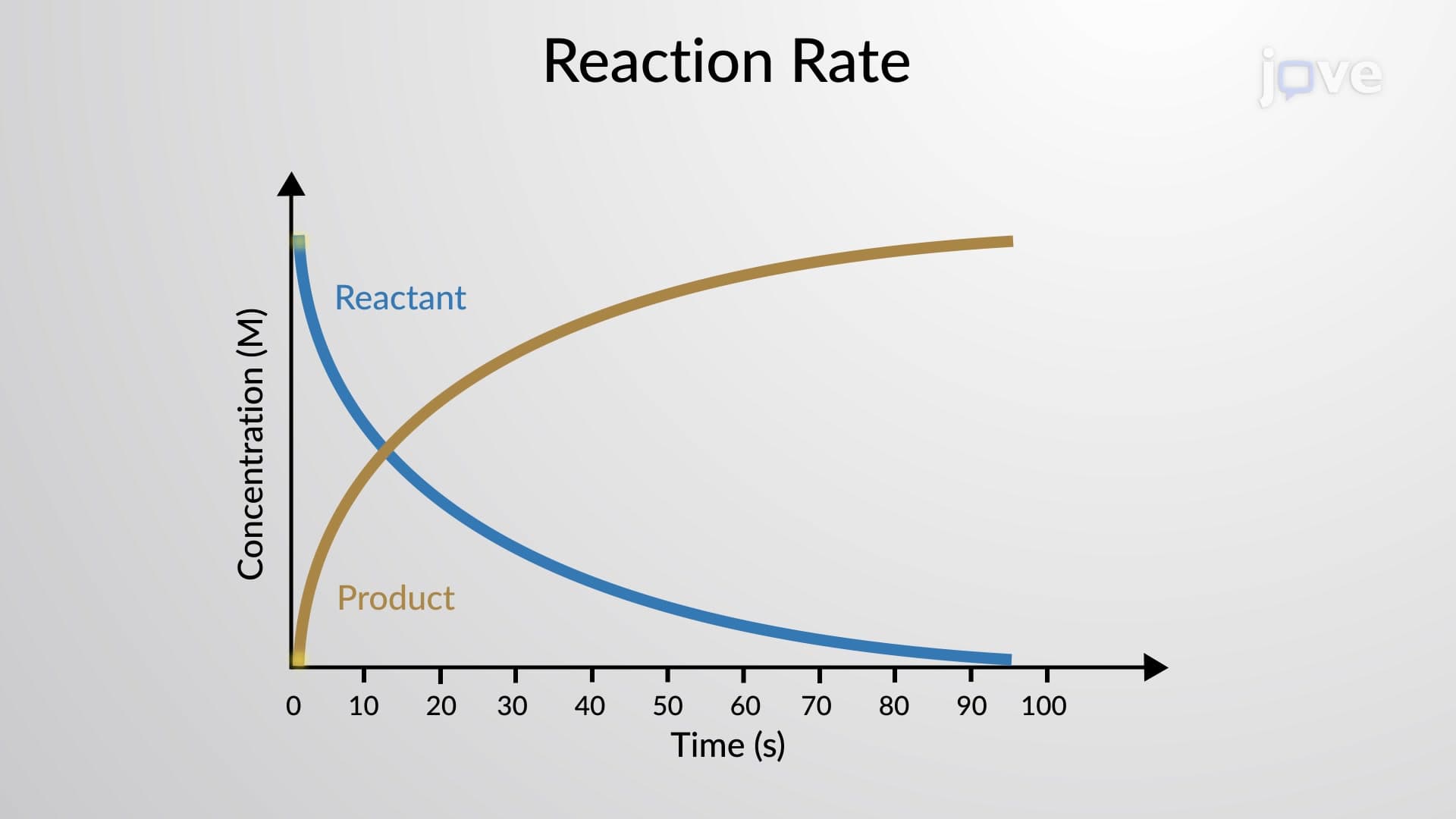
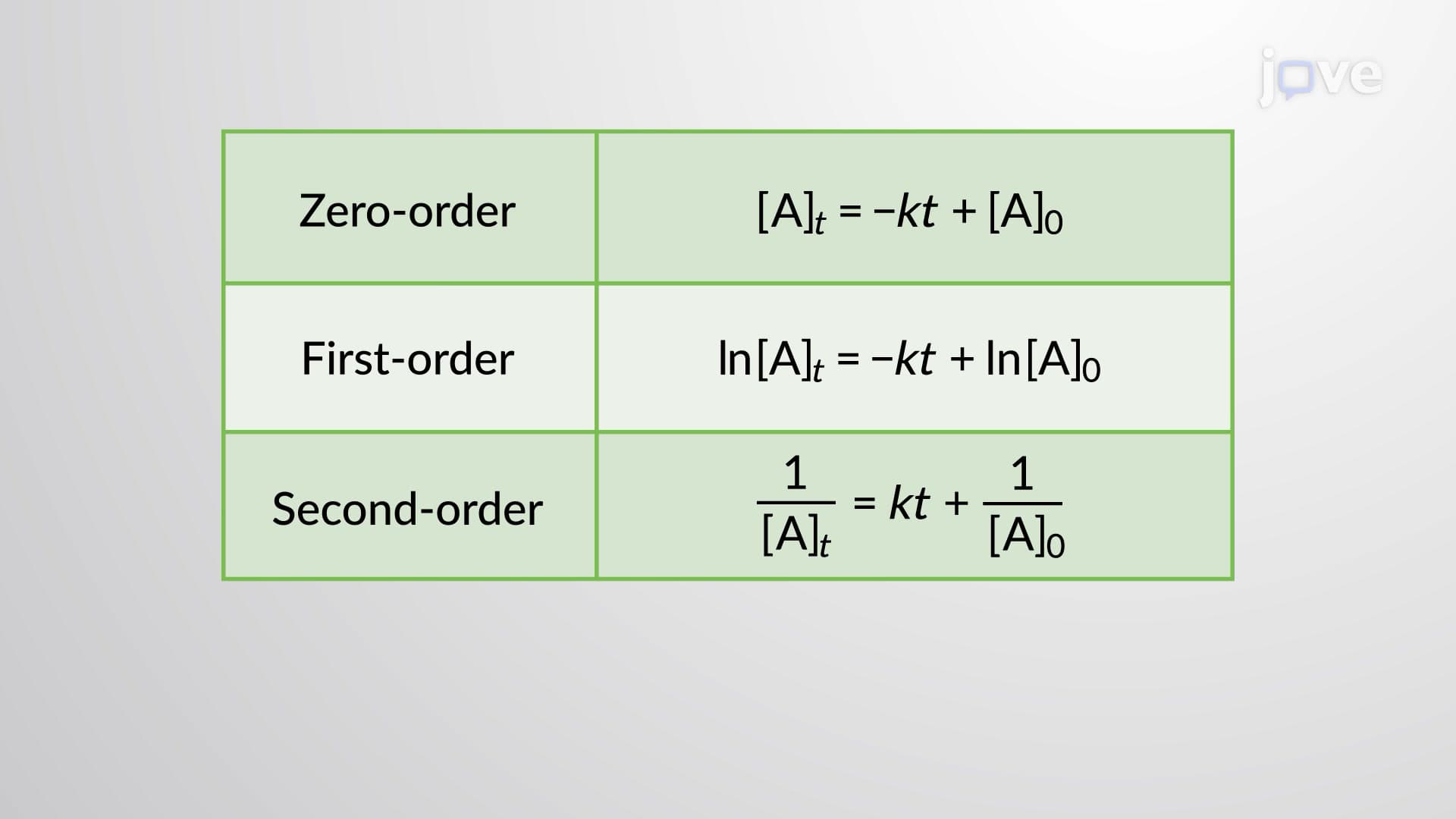
Concentration and rate law represents one of chemistry's most practical concepts, directly connecting molecular behavior to measurable reaction speeds. The rate law equation, expressed as Rate = k[A]^n, where k is the rate constant, [A] represents reactant concentration, and n indicates reaction order, provides a mathematical framework for predicting how fast reactions proceed under specific conditions.
This relationship proves essential for US industries ranging from pharmaceutical manufacturing to environmental remediation. For instance, when Moderna developed COVID-19 vaccines, understanding rate laws helped optimize production timelines and ensure consistent vaccine potency through controlled reaction conditions.
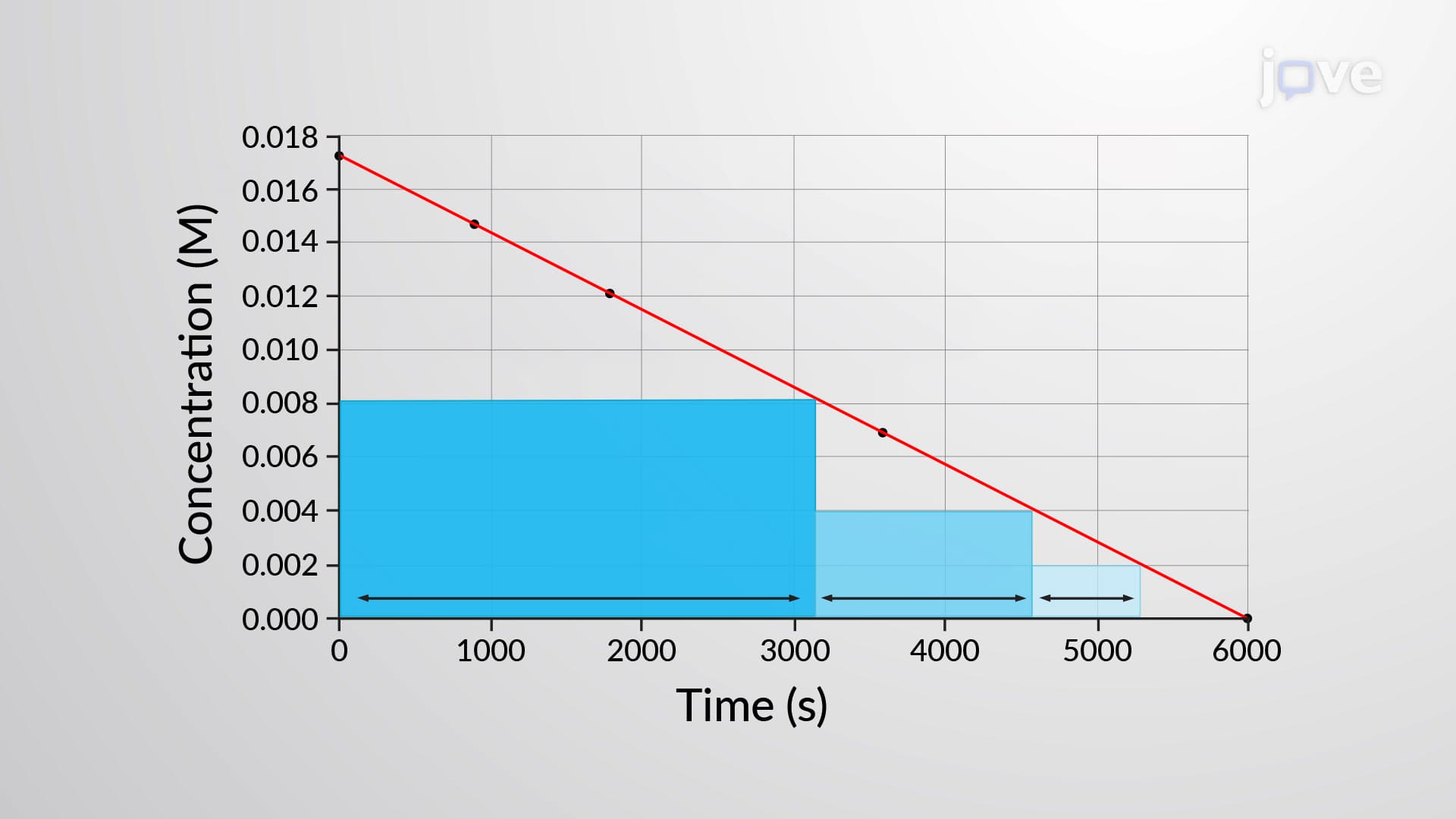
Zero-order reactions maintain constant reaction rates regardless of reactant concentration changes. In these reactions, Rate = k[A]^0 = k, meaning the rate equals the rate constant. This seemingly counterintuitive behavior occurs when reaction rates are limited by factors other than reactant availability, such as enzyme saturation or surface area limitations.
A classic example involves alcohol metabolism in the human body. The enzyme alcohol dehydrogenase becomes saturated at relatively low alcohol concentrations, creating zero-order kinetics. This explains why drinking more alcohol doesn't proportionally increase elimination rates, a principle crucial for forensic toxicology and DUI prosecutions across US courts.
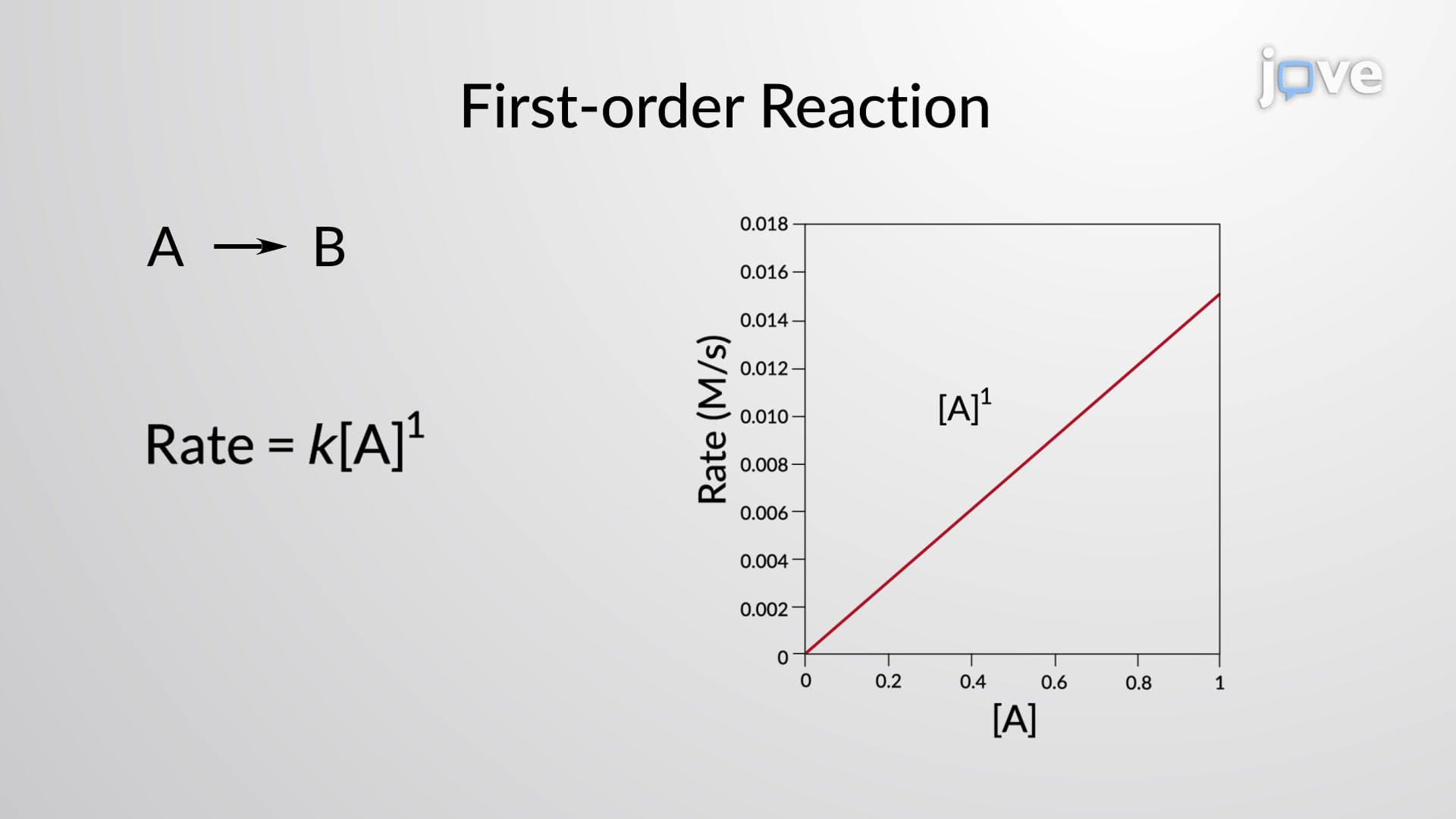
First-order reactions demonstrate direct proportionality between reaction rate and reactant concentration (Rate = k[A]^1). As concentration halves, reaction rate halves accordingly. Radioactive decay exemplifies first-order kinetics, with consistent half-lives regardless of sample size, a principle fundamental to carbon-14 dating and nuclear medicine applications in US hospitals.
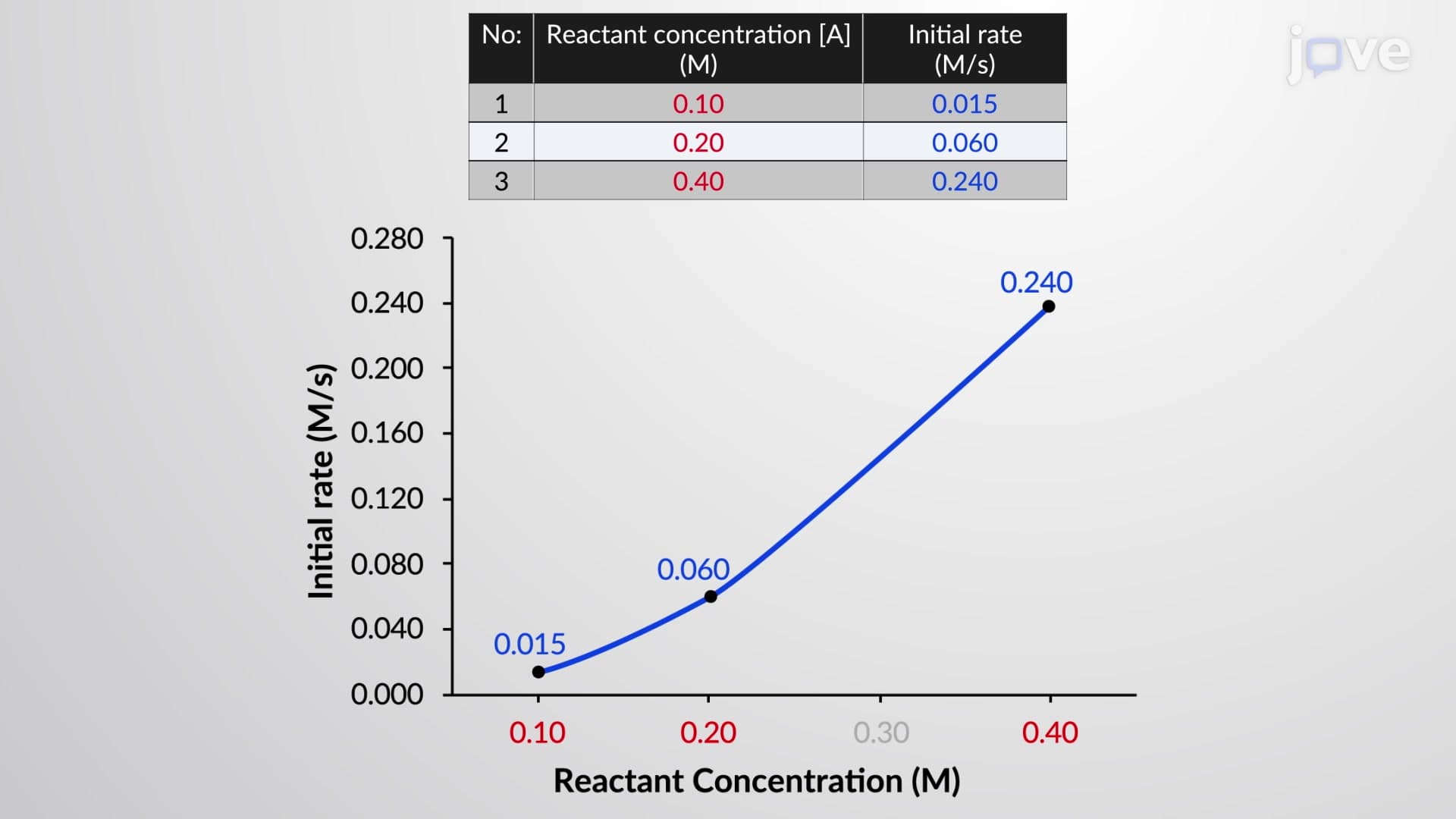
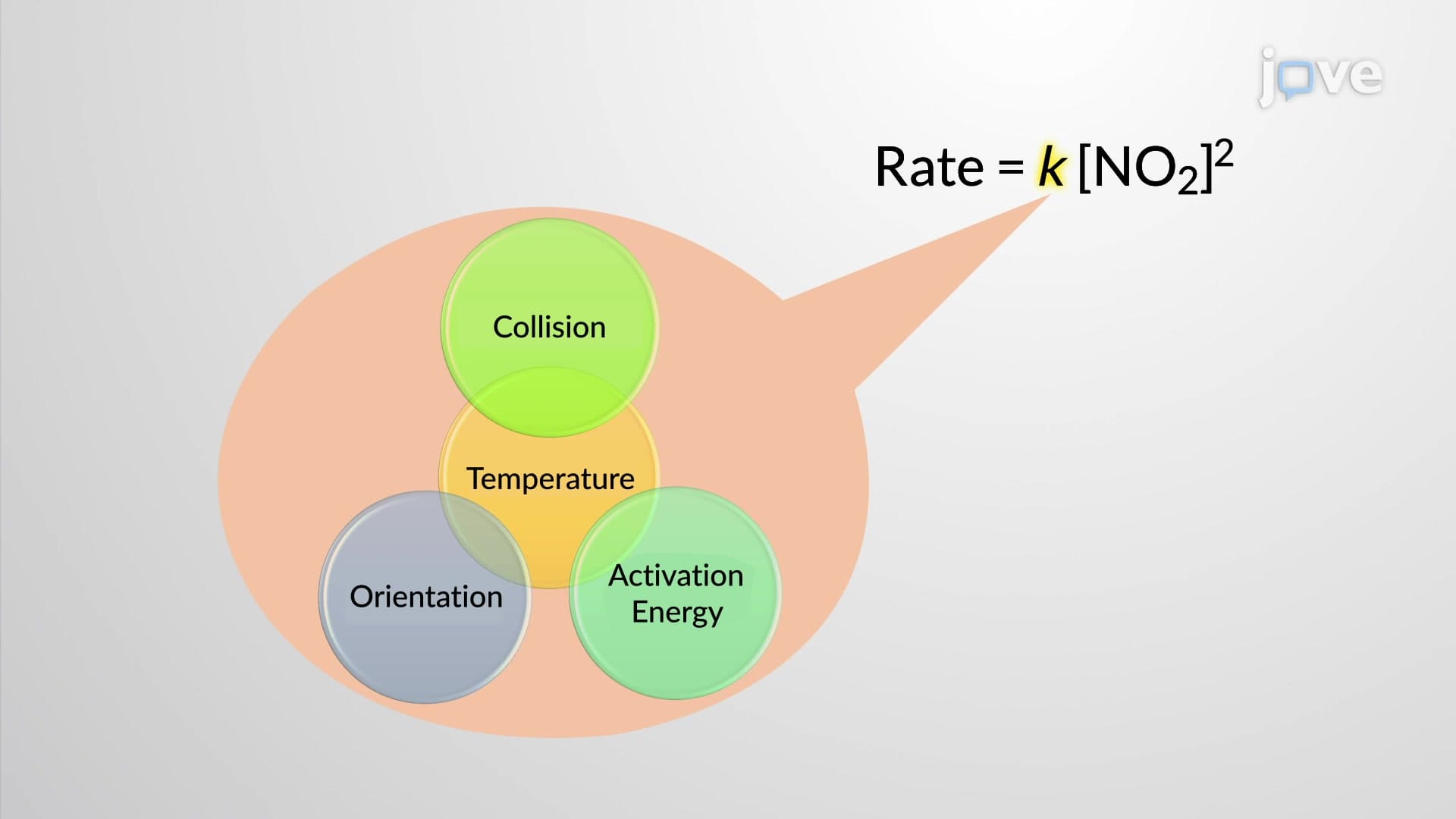
Second-order reactions show quadratic relationships (Rate = k[A]^2), where reaction rates depend on concentration squared. These reactions become increasingly important in organic chemistry and biochemistry, particularly in bimolecular processes where two molecules must collide effectively.
Students encounter concentration and rate law concepts throughout their academic journey, from AP Chemistry courses to college-level physical chemistry. The MCAT extensively tests these principles, particularly in biological contexts where enzyme kinetics follow similar mathematical relationships. Understanding these concepts provides foundation knowledge for advanced coursework in chemical engineering, pharmacology, and environmental science, fields experiencing significant growth in the US job market.
Related Micro-courses