Loading subject page…


561,000 views

Video Summary: What Is Half Life Reaction
Ever wondered why some medications need daily doses while others last weeks in your system? The half life reaction concept explains this phenomenon by measuring how long it takes for a reactant's concentration to decrease by 50%. Take the banned refrigerant trichlorofluoromethane-despite its 45-year atmospheric residence time, understanding its half life reaction helps scientists predict ozone depletion rates. Watch the full video on JoVE Coach to master this concept with expert-led visuals and step-by-step explanations.
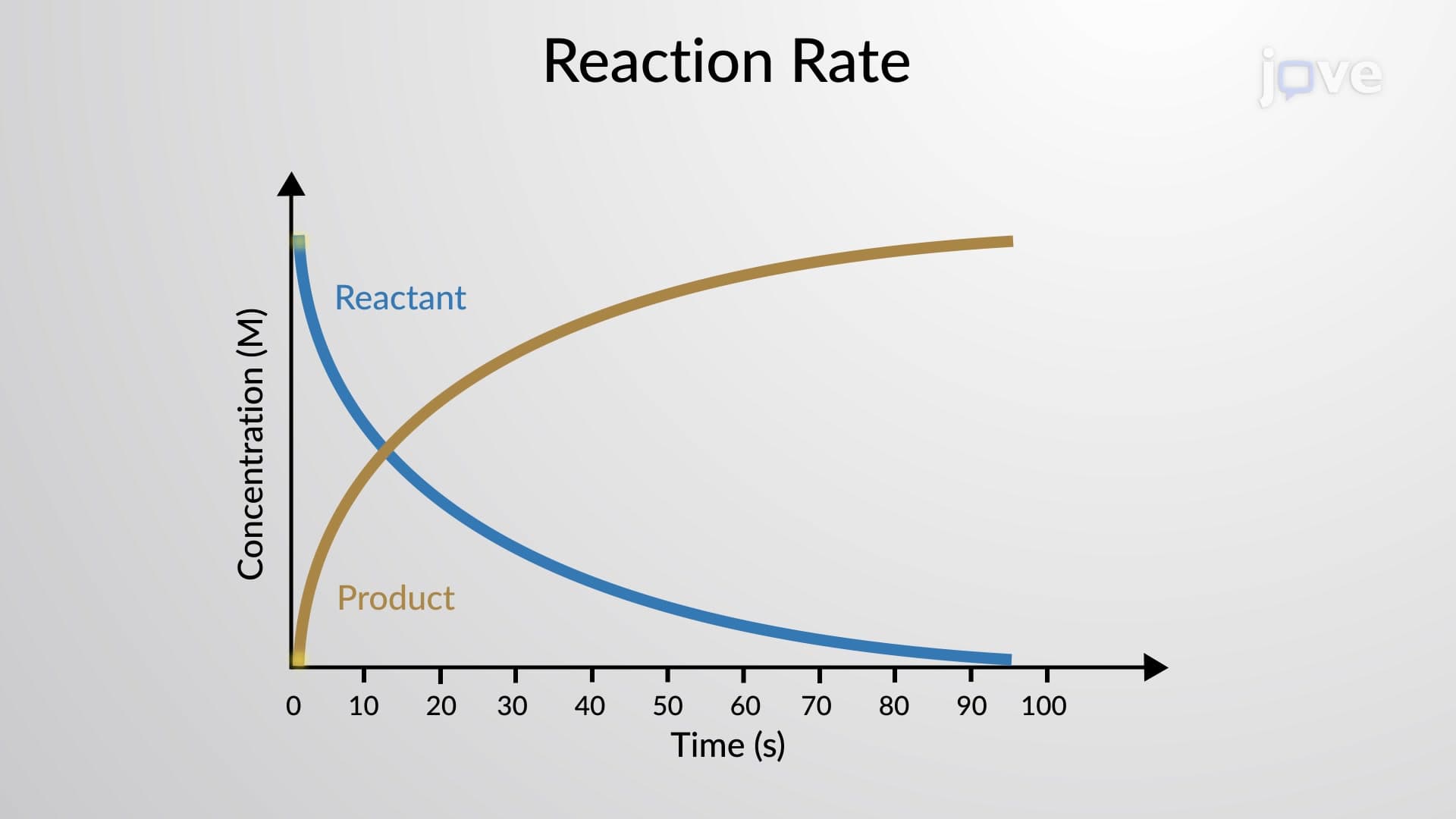
The half life reaction represents a fundamental kinetic parameter that describes how quickly reactants are consumed during chemical processes. This concept extends far beyond academic chemistry-it governs everything from drug metabolism in your liver to the breakdown of pollutants in groundwater. When chemists study reaction kinetics, they need reliable methods to compare reaction speeds and predict concentration changes over time.
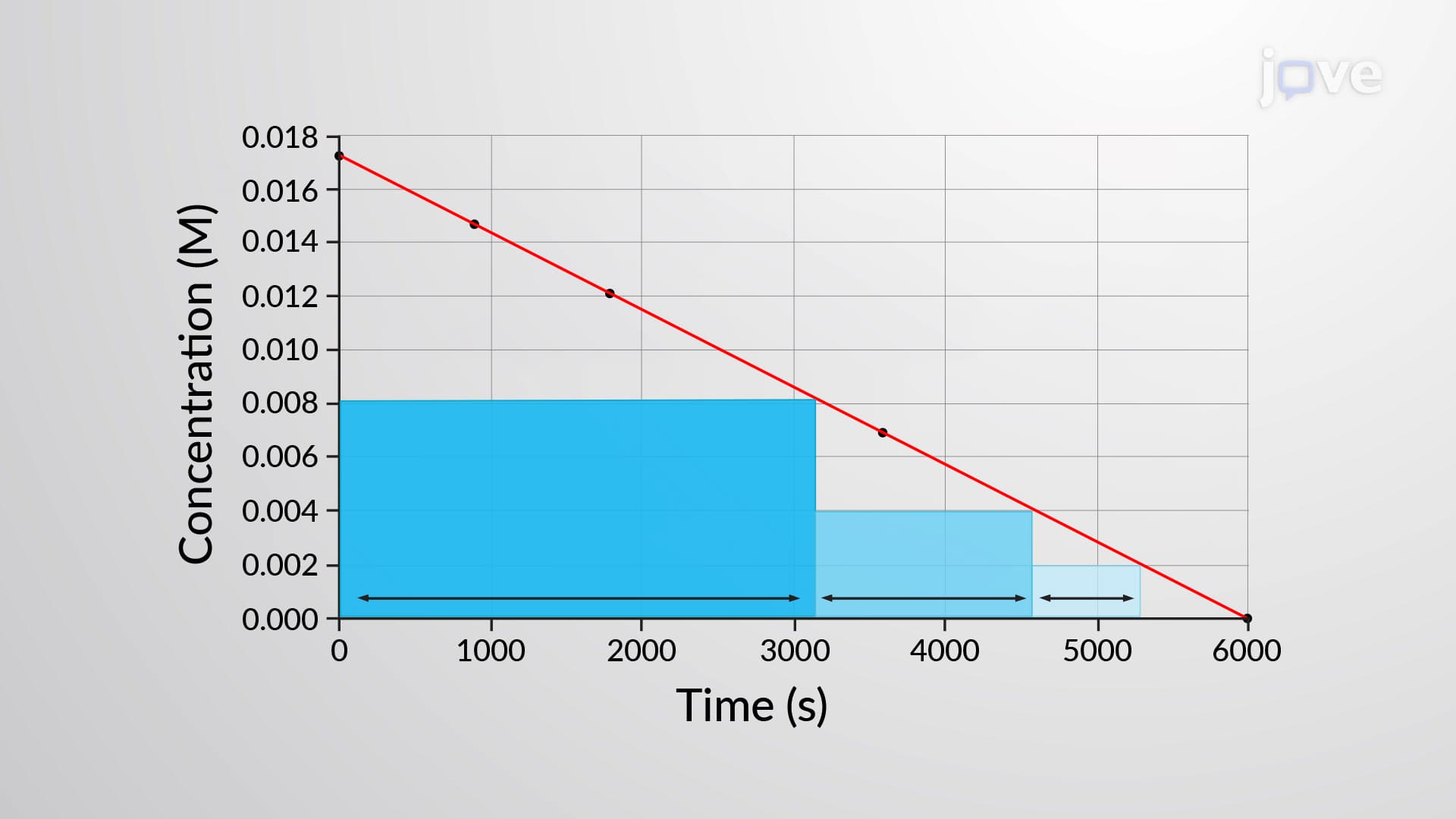
Zero-order reactions exhibit half-lives directly proportional to initial concentration: t(1/2) = [A]₀/(2k). This means as reactant depletes, successive half-lives become shorter. Consider enzyme-catalyzed reactions at saturating substrate concentrations-once all enzyme active sites are occupied, the reaction proceeds at maximum velocity regardless of additional substrate.
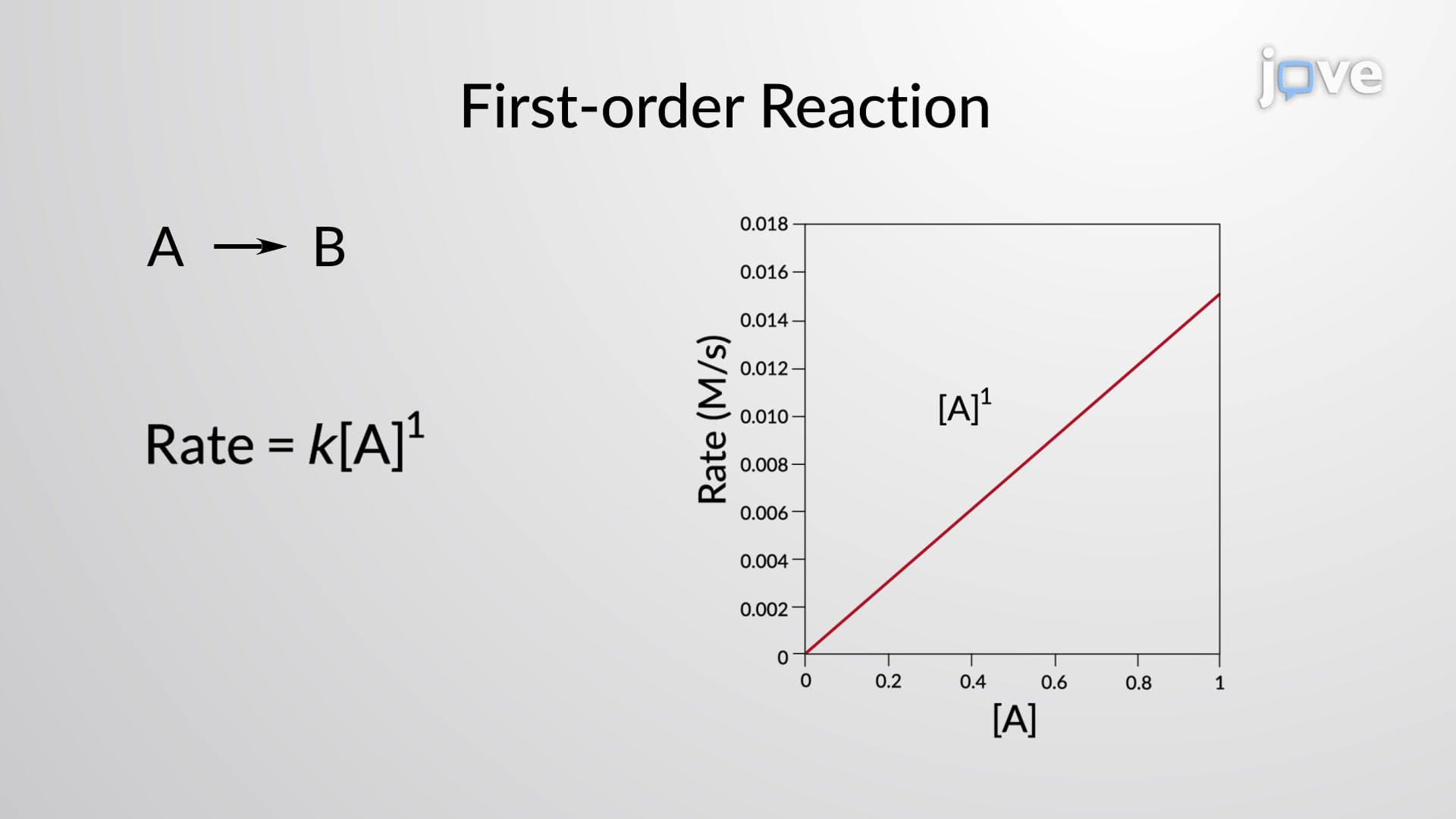
First-order reactions maintain constant half-lives independent of concentration: t(1/2) = 0.693/k. This behavior characterizes radioactive decay and many drug elimination processes. Caffeine metabolism follows first-order kinetics with a 5-6 hour half-life-whether you consume 50mg or 200mg, the time to eliminate half remains consistent.
Second-order reactions display half-lives inversely related to initial concentration: t(1/2) = 1/(k[A]₀). As reactant concentration decreases, half-lives progressively lengthen. Atmospheric ozone depletion by chlorofluorocarbons demonstrates this pattern.
Understanding half life reaction principles proves essential for AP Chemistry students tackling kinetics problems and pre-med students preparing for MCAT chemical processes sections. Medical professionals rely on drug half-life data to determine dosing intervals-medications like warfarin (36-42 hours) require different scheduling than aspirin (2-3 hours).
Environmental scientists use half-life calculations to model pesticide persistence in soil and predict groundwater contamination timelines. The EPA employs these models when establishing safety regulations for agricultural chemicals.
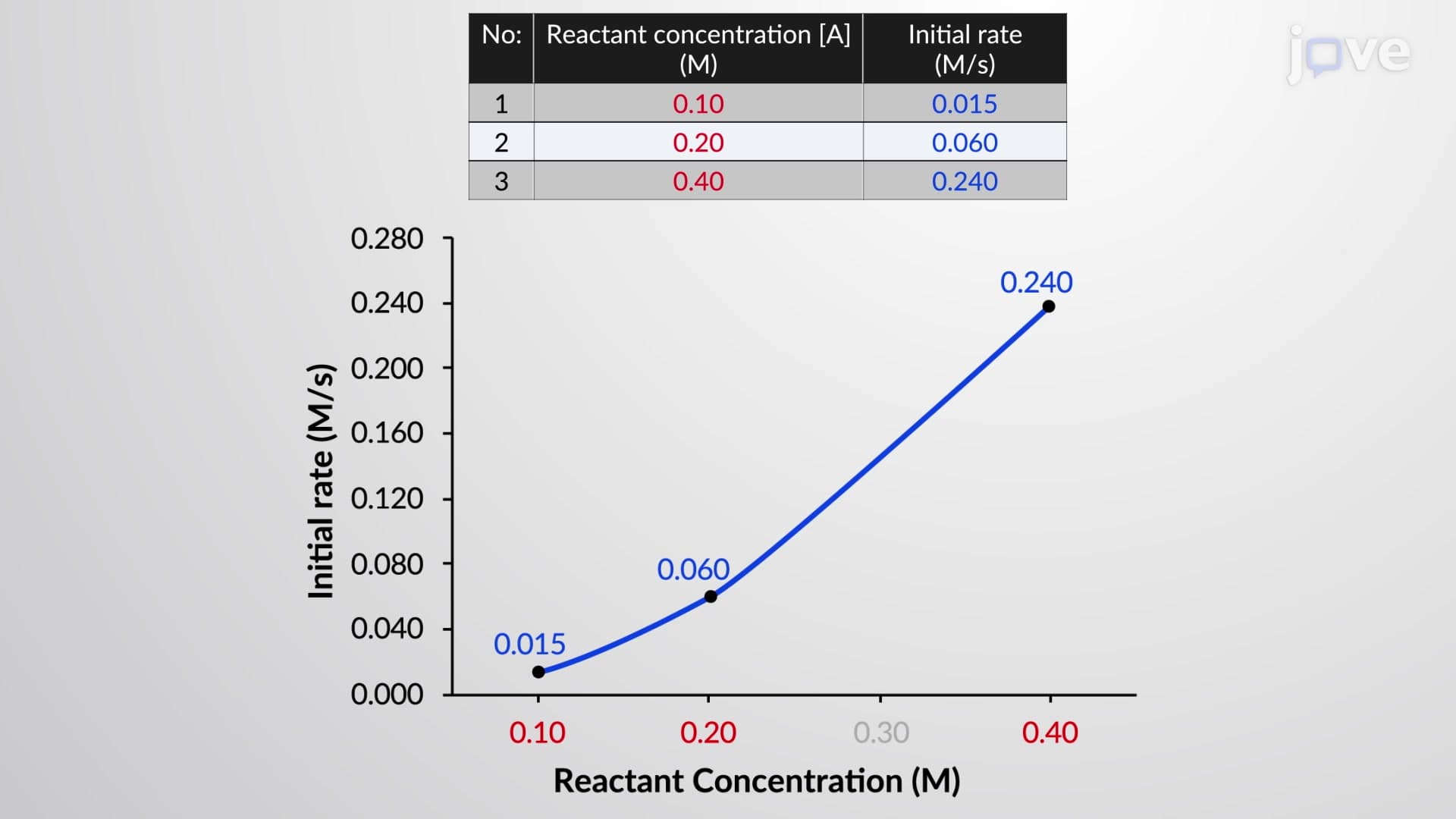
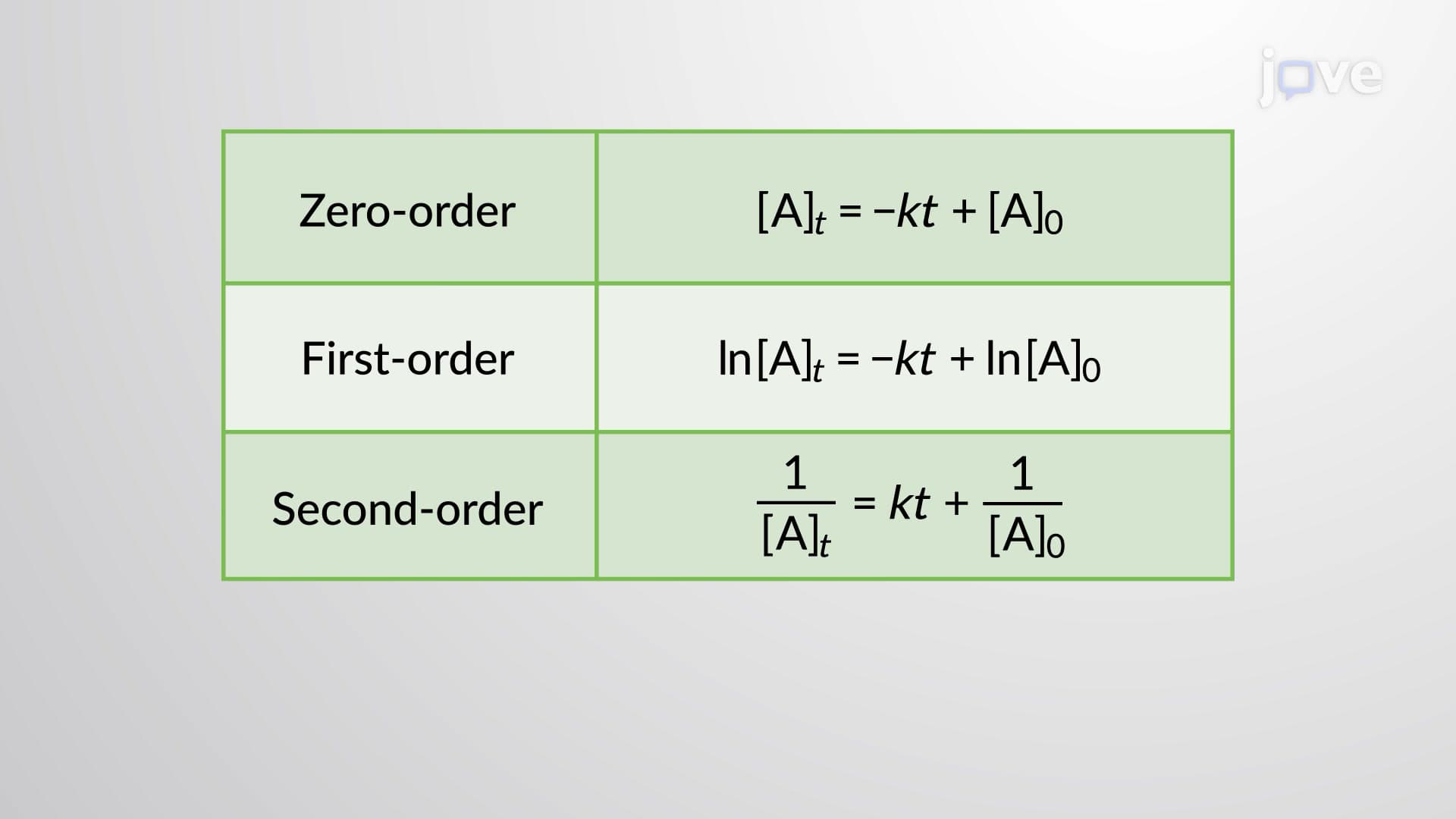
When approaching half life reaction calculations, identify the reaction order first by examining how rate depends on concentration. Plot concentration versus time data-linear plots indicate zero-order, logarithmic plots suggest first-order, and reciprocal plots point toward second-order kinetics. This systematic approach helps students excel on college chemistry exams and standardized tests.
Related Micro-courses