Loading subject page…


561,000 views

Video Summary: What Is Measuring Reaction Rates
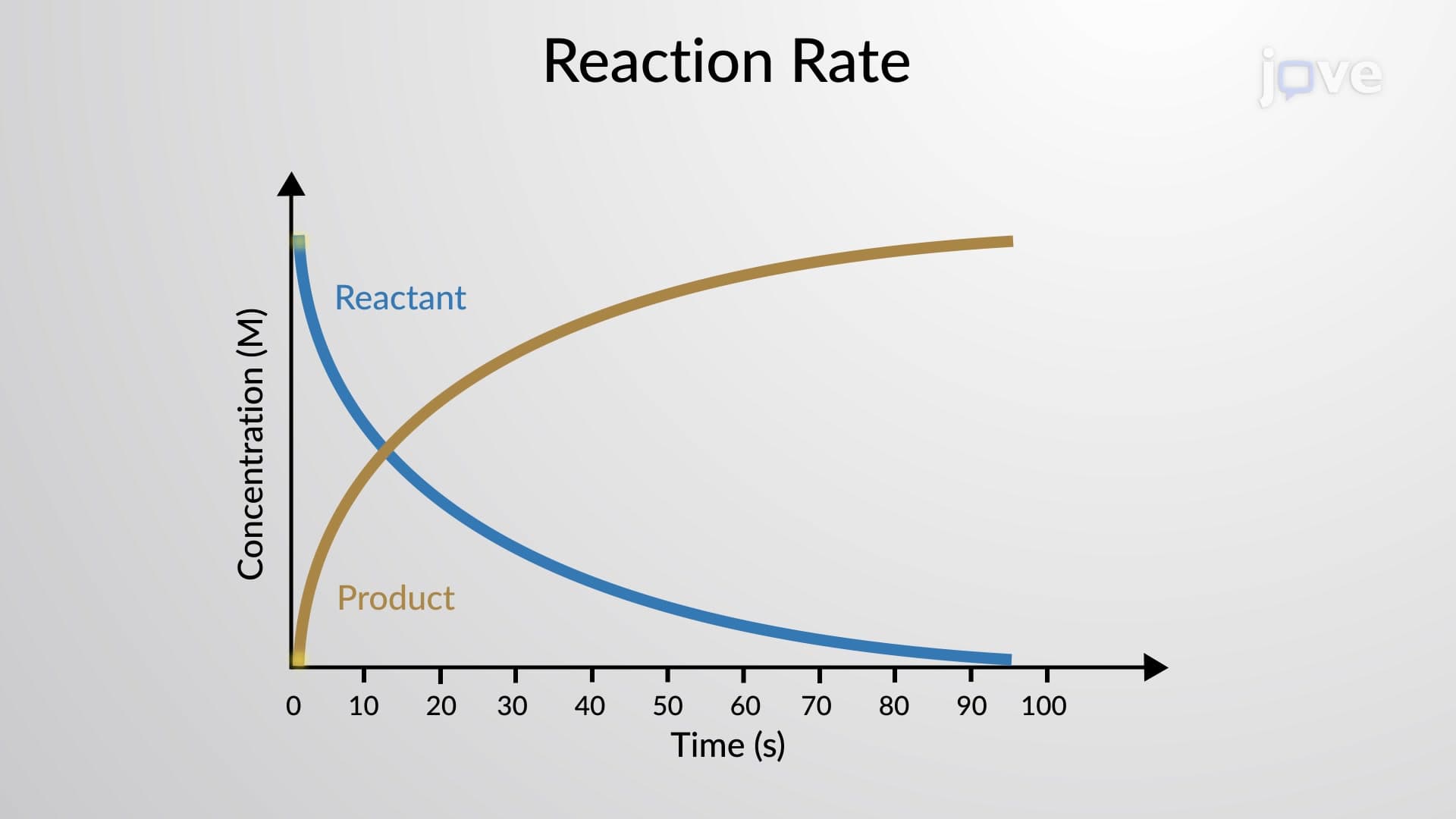
Ever wondered how pharmaceutical companies at Pfizer determine the exact speed at which their medications break down in your body? Measuring reaction rates allows chemists to track how fast reactants transform into products by monitoring concentration changes over time. This fundamental concept in kinetics uses sophisticated techniques like spectroscopy and polarimetry to quantify chemical transformations in real-time. Watch the full video on JoVE Coach to master this concept with expert-led visuals and step-by-step explanations.
Measuring reaction rates forms the cornerstone of chemical kinetics, enabling scientists to quantify how rapidly reactants convert to products. This process involves systematically tracking concentration changes as a function of time using sophisticated analytical techniques. For AP Chemistry students and college undergraduates, mastering these measurement principles is essential for understanding reaction mechanisms and predicting chemical behavior in laboratory and industrial settings.
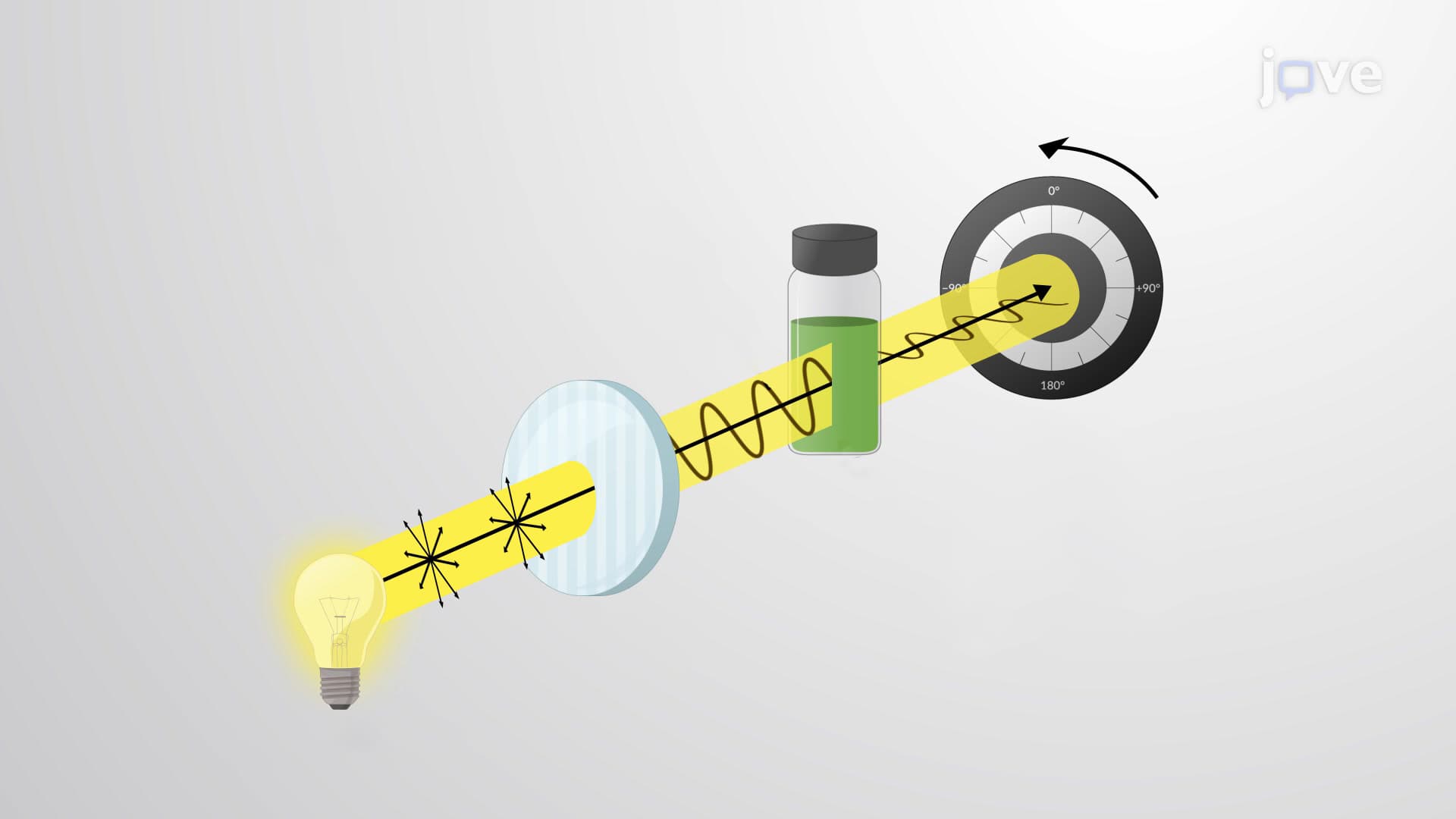
Polarimetry exploits the unique ability of certain molecules to rotate plane-polarized light, making it invaluable for studying carbohydrate reactions. During sucrose hydrolysis-a reaction commonly studied in organic chemistry courses-the initial clockwise rotation gradually shifts to counterclockwise as glucose and fructose form. This optical change provides real-time concentration data without disturbing the reaction mixture.
Spectrophotometric methods leverage the Beer-Lambert law (A = εbc) to correlate light absorption with concentration. When studying the reaction between hydrogen gas and iodine vapor-a classic example in physical chemistry textbooks-the decreasing violet color intensity directly reflects iodine consumption. Students preparing for the MCAT will encounter similar spectroscopic applications in biochemistry contexts, particularly when analyzing enzyme kinetics.
For reactions involving gaseous components, pressure measurements offer a direct pathway to concentration determination. The decomposition of hydrogen peroxide, frequently demonstrated in high school chemistry classes, illustrates this principle perfectly. As oxygen gas evolves, manometer readings increase proportionally, allowing calculation of reaction rates through the ideal gas equation (PV = nRT).
This technique proves especially valuable in industrial applications, such as monitoring catalytic processes in petroleum refineries across Texas and Louisiana. Students encountering gas-phase kinetics on standardized exams like the AP Chemistry test should focus on converting pressure data to concentration units effectively.
For extended reactions lasting hours or days, periodic sampling enables comprehensive kinetic analysis. Techniques like gas chromatography and mass spectrometry-standard tools in pharmaceutical companies like Johnson & Johnson-provide precise composition data at discrete time intervals. These methods are particularly relevant for students pursuing careers in analytical chemistry or pharmaceutical research.
Related Micro-courses