Loading subject page…

- Chemistry
- Periodic Properties of the Elements
- Periodic Classification of the Elements
Micro-course: Periodic Properties of the Elements
290,608 views
Learn key concepts and earn your certificate.


Periodic Classification of the Elements

00:00
04:00
Video Summary: What Is the Elements Classification
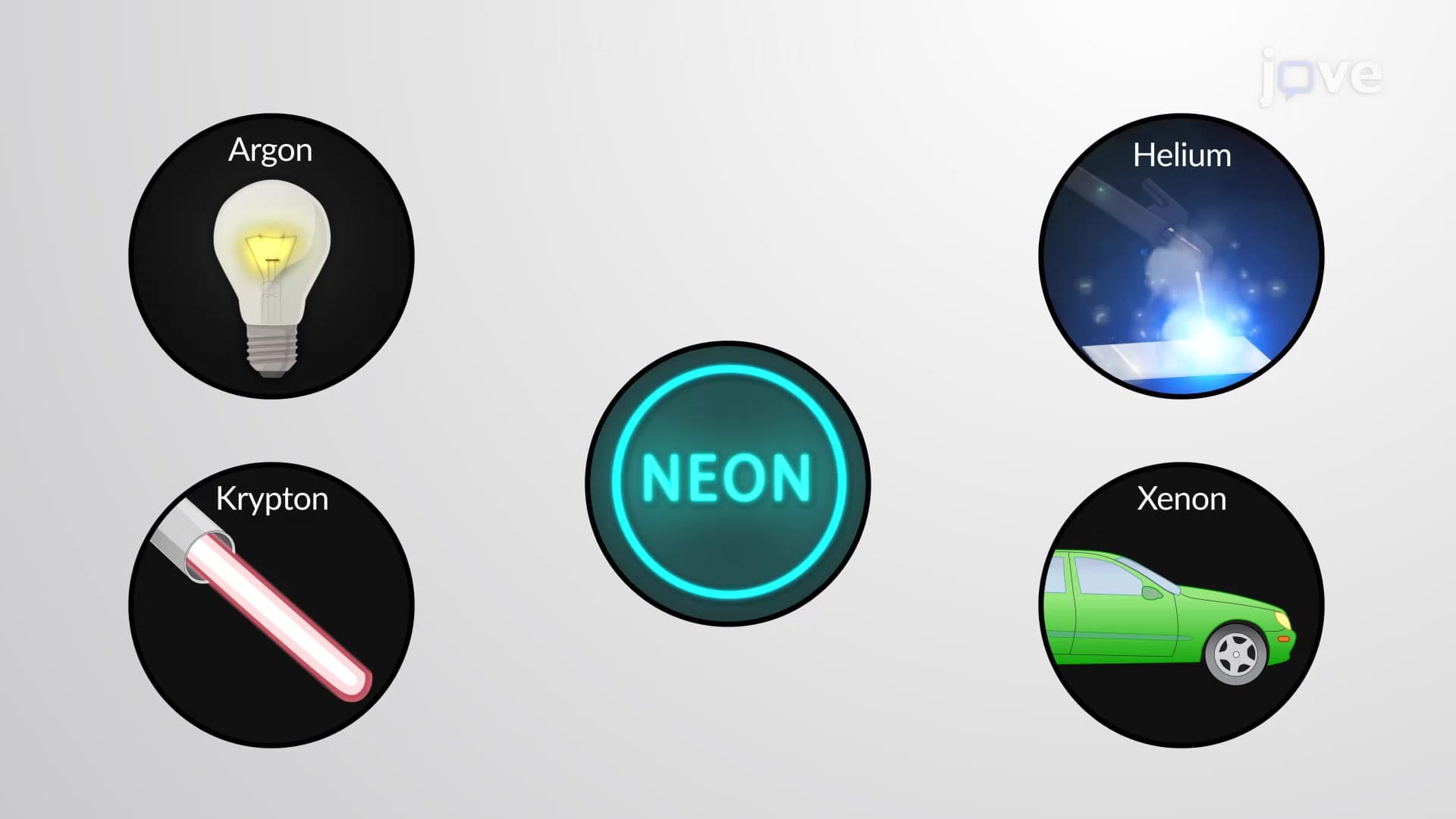
Ever wonder why sodium explodes in water while neon does nothing? The elements classification explains this through electron arrangements that determine chemical behavior. From the explosive reactivity of alkali metals used in fireworks across America to the inert noble gases in LED signs, understanding how electrons organize in atoms reveals why elements behave so differently. This systematic organization forms the foundation of modern chemistry. Watch the full video on JoVE Coach to master this concept with expert-led visuals and step-by-step explanations.
- Understand what is the elements classification and how electron configurations determine chemical properties
- Identify valence electrons and core electrons in different atomic structures
- Analyze the relationship between periodic table position and electron arrangement
- Compare the four main blocks (s, p, d, f) and their characteristic properties
- Evaluate how group numbers relate to valence electron counts for main-group elements
- Apply electron configuration principles to predict chemical reactivity patterns
- Recognize the connection between orbital filling patterns and periodic table organization
- Explore how principal quantum numbers increase down groups while valence electrons remain constant
Understanding The Elements Classification Framework
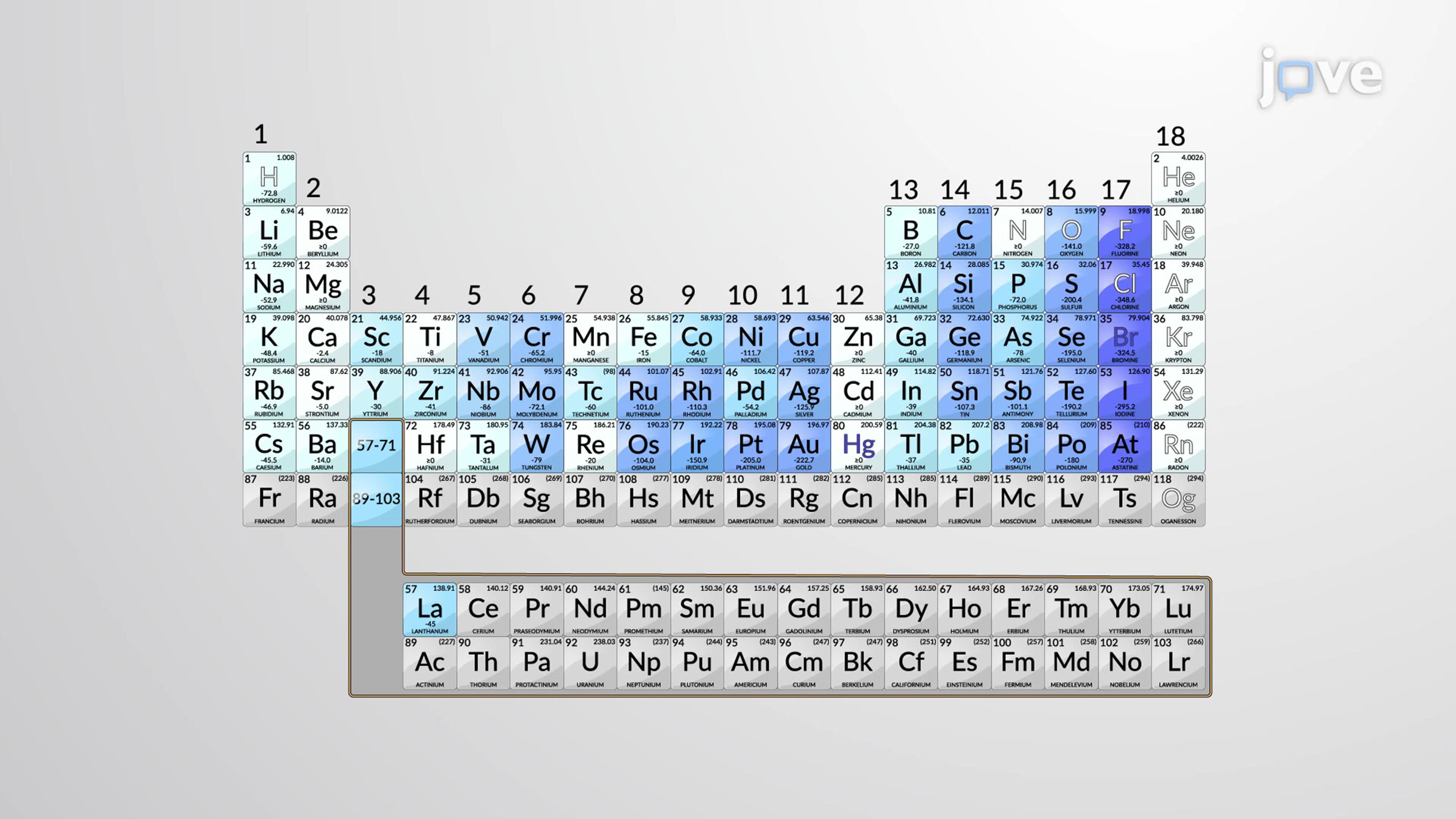
The elements classification represents one of chemistry's most elegant organizational systems, built entirely on how electrons arrange themselves around atomic nuclei. This classification goes far beyond simple memorization-it's a predictive tool that explains why certain elements behave similarly and others dramatically differently.
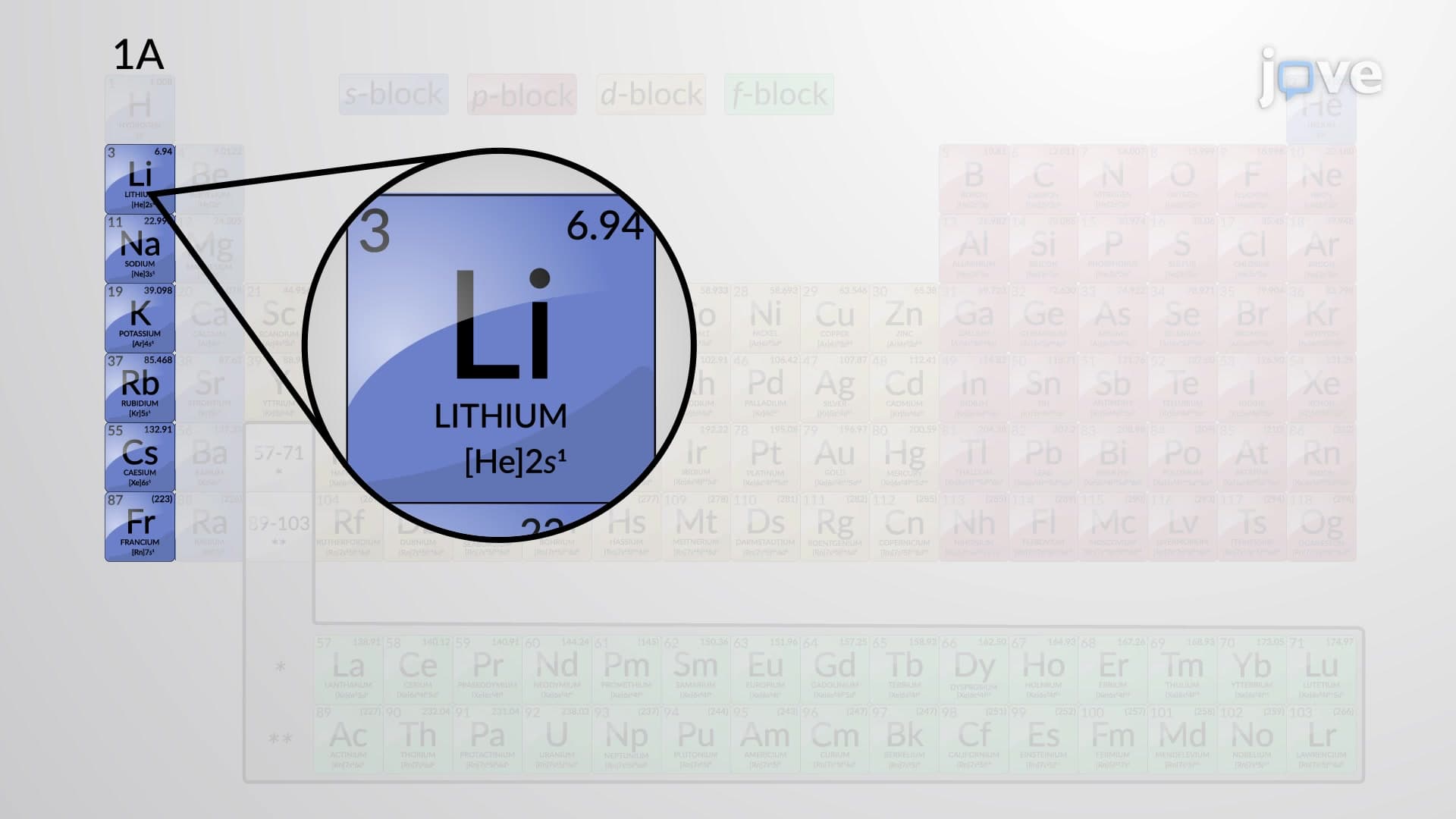
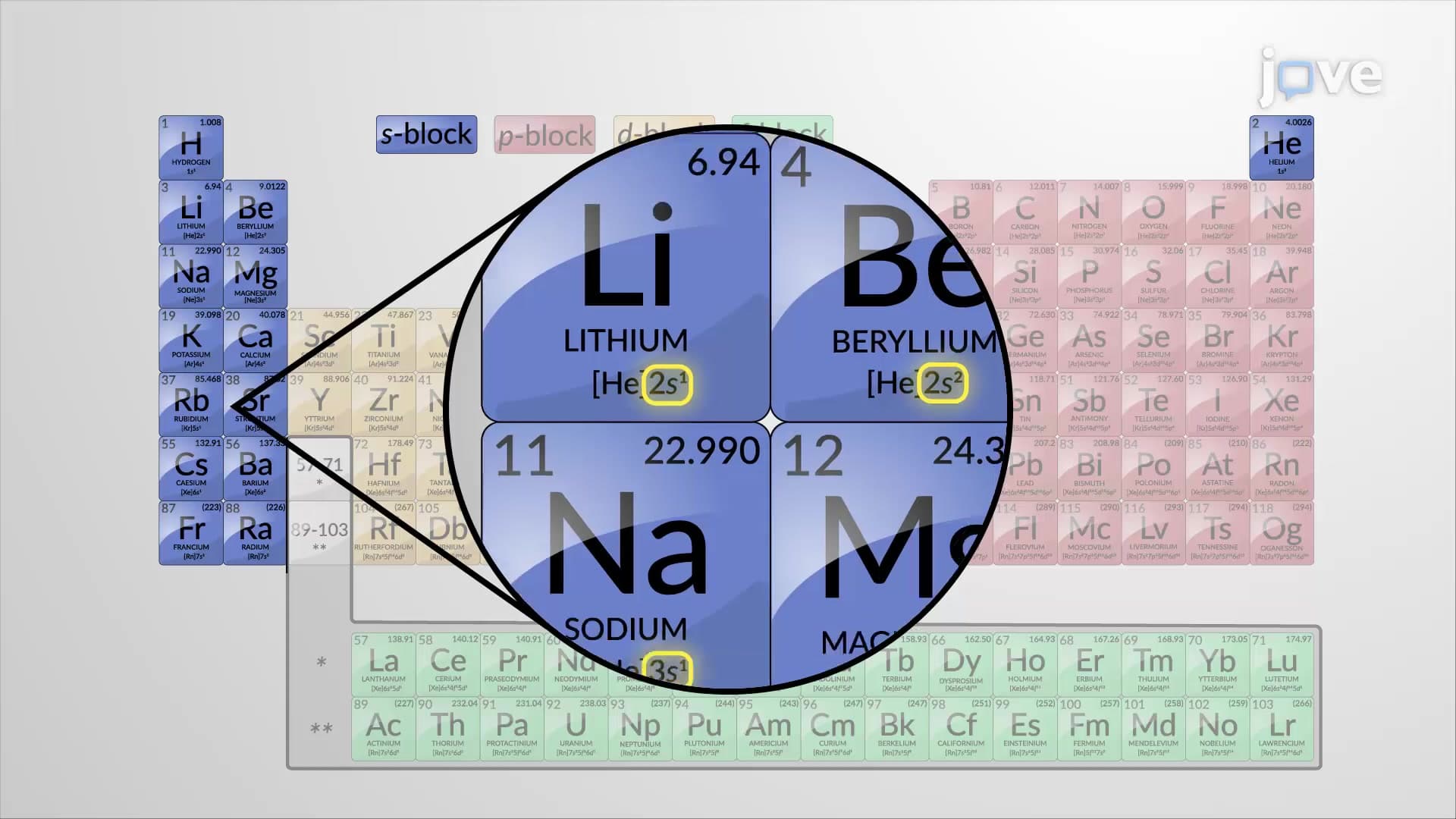
At its core, this system distinguishes between valence electrons (those in the outermost shell) and core electrons (those in inner shells). Sodium's electron configuration [Ne]3s¹ perfectly illustrates this: ten core electrons create a stable foundation, while one valence electron makes sodium highly reactive. This single outer electron explains why sodium metal must be stored in oil and why it's used in street lamps across American cities.
The Four-Block System: A Complete Elements Classification Overview
The periodic table's block system provides the elements classification definition through orbital filling patterns. The s-block elements (Groups 1-2) have their outermost electrons in spherical s-orbitals. Alkali metals like lithium, used in smartphone batteries, demonstrate extreme reactivity due to their single valence electron. Alkaline earth metals like magnesium, essential in aircraft construction, show more moderate reactivity with two valence electrons.
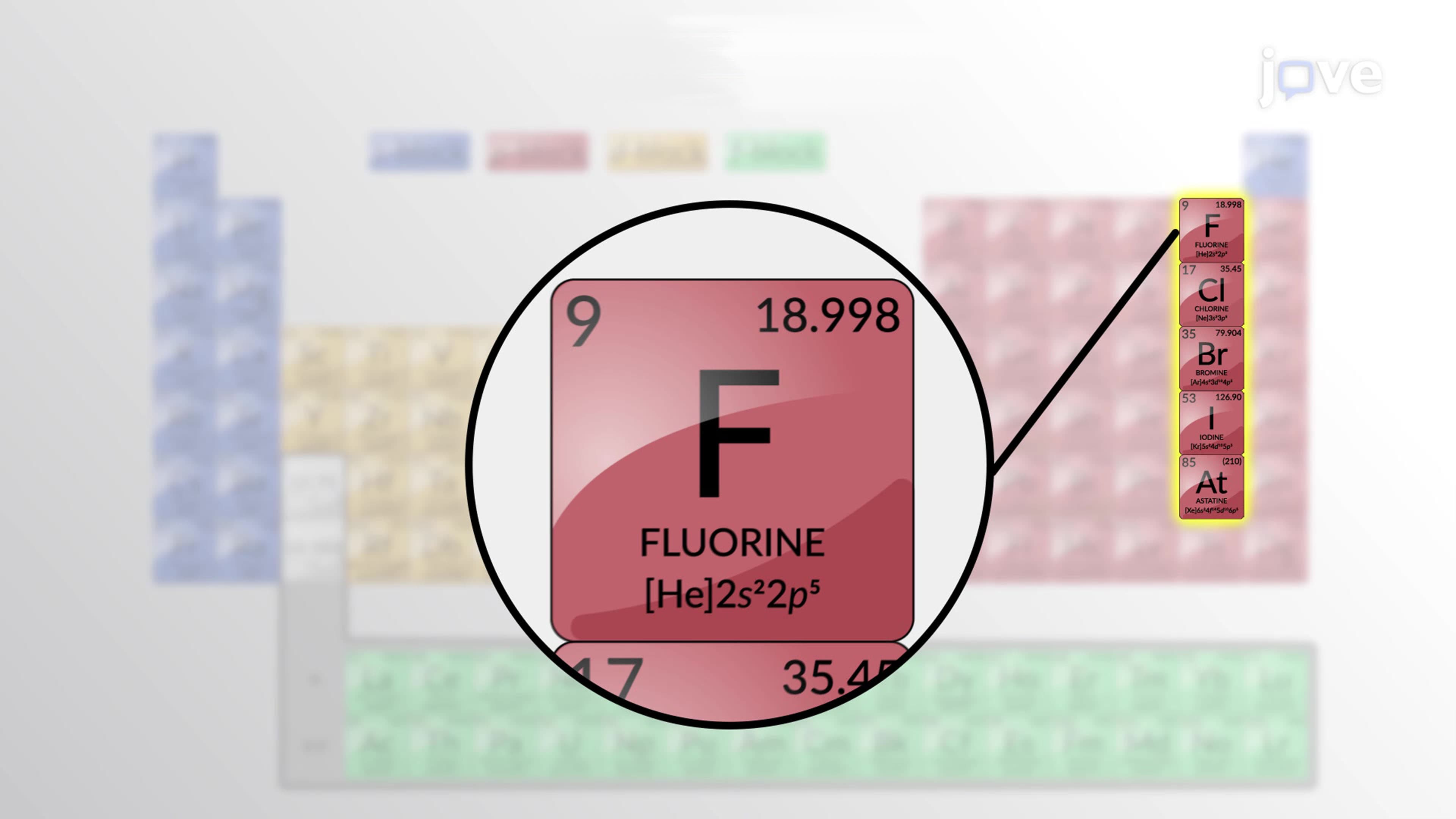
The p-block elements (Groups 13-18) fill p-orbitals and include everything from aluminum in soda cans to chlorine in swimming pools. These six columns represent the most diverse chemical behaviors, from metalloids like silicon powering computer chips to noble gases like argon protecting welding processes.
Advanced Classification: Transition and Inner Transition Elements
What is the elements classification in detail becomes more complex with d-block and f-block elements. Transition metals occupy the periodic table's center, with electrons filling d-orbitals in the shell one level below the period number. Iron in steel construction and copper in electrical wiring exemplify how these elements' partially filled d-orbitals create unique properties like variable oxidation states and colored compounds.
Inner transition elements split into lanthanides and actinides, with f-orbital filling patterns. While rare earth elements in smartphone screens represent lanthanides, actinides like uranium power nuclear reactors across the United States.
Practical Applications in Academic Success
Understanding the elements classification basics proves crucial for AP Chemistry, SAT Subject Tests, and college general chemistry courses. The MCAT heavily tests these concepts, particularly electron configuration and periodic trends. Students who master orbital filling rules can predict chemical properties, balance equations more effectively, and understand reaction mechanisms that appear throughout undergraduate chemistry curricula. This systematic approach transforms chemistry from memorization into logical pattern recognition.
Frequently Asked Questions
The elements classification organizes all chemical elements based on their electron configurations and resulting properties. It's essentially the periodic table's underlying logic that explains chemical behavior. This system helps predict how elements will react, what compounds they'll form, and why certain combinations work while others don't, making it fundamental for success in AP Chemistry, college courses, and professional exams like the MCAT.
The elements classification definition refers to grouping elements by their electron arrangements, particularly valence electrons. Elements with similar valence electron counts exhibit similar chemical properties. For example, all Group 1 elements (except hydrogen) have one valence electron and react explosively with water, while Group 18 elements have complete outer shells and remain chemically inert.
AP Chemistry tests this concept through electron configuration problems, periodic trend questions, and chemical bonding scenarios. Students must identify valence electrons, predict reactivity patterns, and explain why certain elements behave similarly. Free-response questions often require connecting electron arrangements to chemical properties and reaction predictions.
Absolutely-the MCAT extensively tests periodic trends, electron configurations, and chemical bonding principles. Strong grasp of elements classification enables quick identification of element properties, prediction of molecular behavior, and understanding of biochemical processes. This knowledge directly applies to organic chemistry reactions and general chemistry problem-solving strategies.
Start by identifying an element's position in the periodic table to determine its block (s, p, d, or f). Count valence electrons using group numbers for main-group elements. Use this information to predict bonding patterns, oxidation states, and chemical reactivity. Practice with elements commonly used in American industry, like silicon in electronics or iron in construction.
Pharmaceutical companies use these principles to design drugs with specific molecular properties. Environmental chemists apply classification knowledge to understand pollutant behavior. Materials scientists use electron configurations to develop new alloys and semiconductors. Even quality control technicians in food processing rely on these concepts to ensure product safety and consistency.
Not at all-while the concept has depth, the basic principles are quite accessible. Start with main-group elements and simple electron counting, then gradually explore transition metals and orbital filling patterns. Most high school chemistry courses introduce these concepts progressively, building from atomic structure through periodic trends to chemical bonding.
Focus on understanding patterns rather than pure memorization. Create periodic table maps highlighting different blocks and practice electron configurations daily. Use mnemonic devices for orbital filling order and connect abstract concepts to real-world examples like household chemicals or industrial materials. Regular practice with AP-style problems reinforces pattern recognition skills essential for exam success.
Related Micro-courses