Loading subject page…

- Civil Engineering
- Aggregates and Water
- Shape and Texture of Coarse Aggregate
Micro-course: Aggregates and Water
8,112 views
Learn key concepts and earn your certificate.



Shape and Texture of Coarse Aggregate

00:00
01:25
Video Summary: Shape and Texture of Coarse Aggregate Explained
Did you know that the shape of a single piece of gravel can determine whether a concrete highway in Texas withstands decades of traffic or develops cracks within years? The shape and texture of coarse aggregate are fundamental properties that civil engineers evaluate through two key characteristics: roundness (indicating edge sharpness) and sphericity (measuring how sphere-like the particle appears). From the angular limestone quarried in Florida to the smooth river rocks found along California's coastlines, these properties directly impact construction quality and durability. Watch the full video on JoVE Coach to master this concept with expert-led visuals and step-by-step explanations.
- Understand how shape and texture of coarse aggregate are defined through roundness, sphericity, and surface characteristics in construction materials
- Identify elongated, flaky, and combination aggregate shapes using standard measurement techniques and visual assessment methods
- Analyze the relationship between weathering processes and the transformation from angular to rounded aggregate particles over geological time
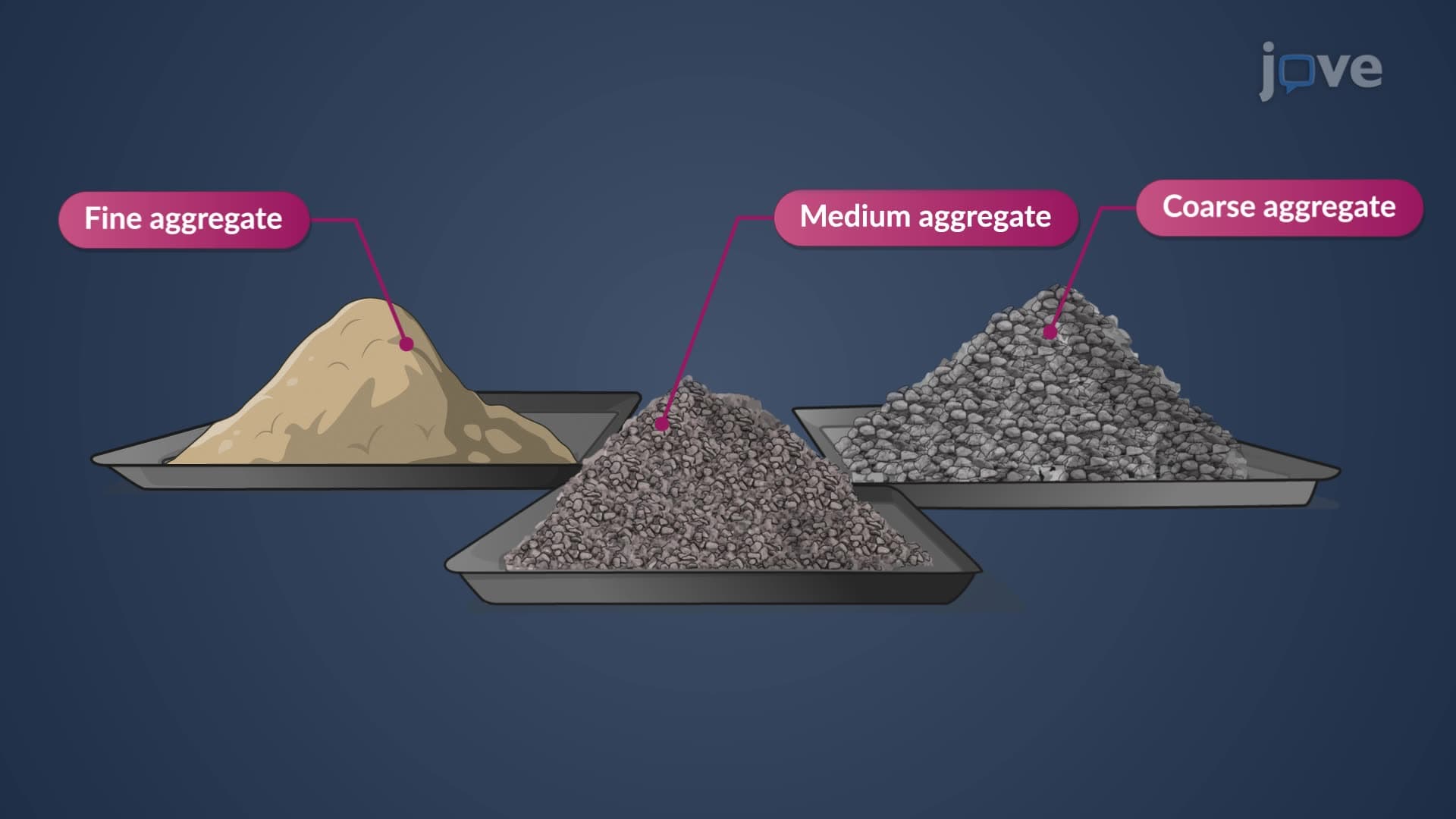
- Compare rough-textured freshly crushed rock aggregates with smooth-textured naturally weathered particles found in riverbeds
- Evaluate how surface texture influences aggregate packing density and compaction efficiency in concrete mixtures
- Apply shape and texture principles to predict concrete workability and strength characteristics in real construction scenarios
- Recognize the impact of aggregate geometry on construction quality, from highway pavements to high-rise building foundations
- Explore standardized testing methods used by materials engineers to classify and specify aggregate properties for construction projects
Understanding Shape and Texture of Coarse Aggregate Fundamentals
The shape and texture of coarse aggregate represent critical material properties that construction professionals must master to ensure structural integrity and performance. These characteristics directly influence how aggregate particles interact within concrete mixtures, affecting everything from workability during placement to long-term durability under load.
Geometric Classification: Roundness and Sphericity
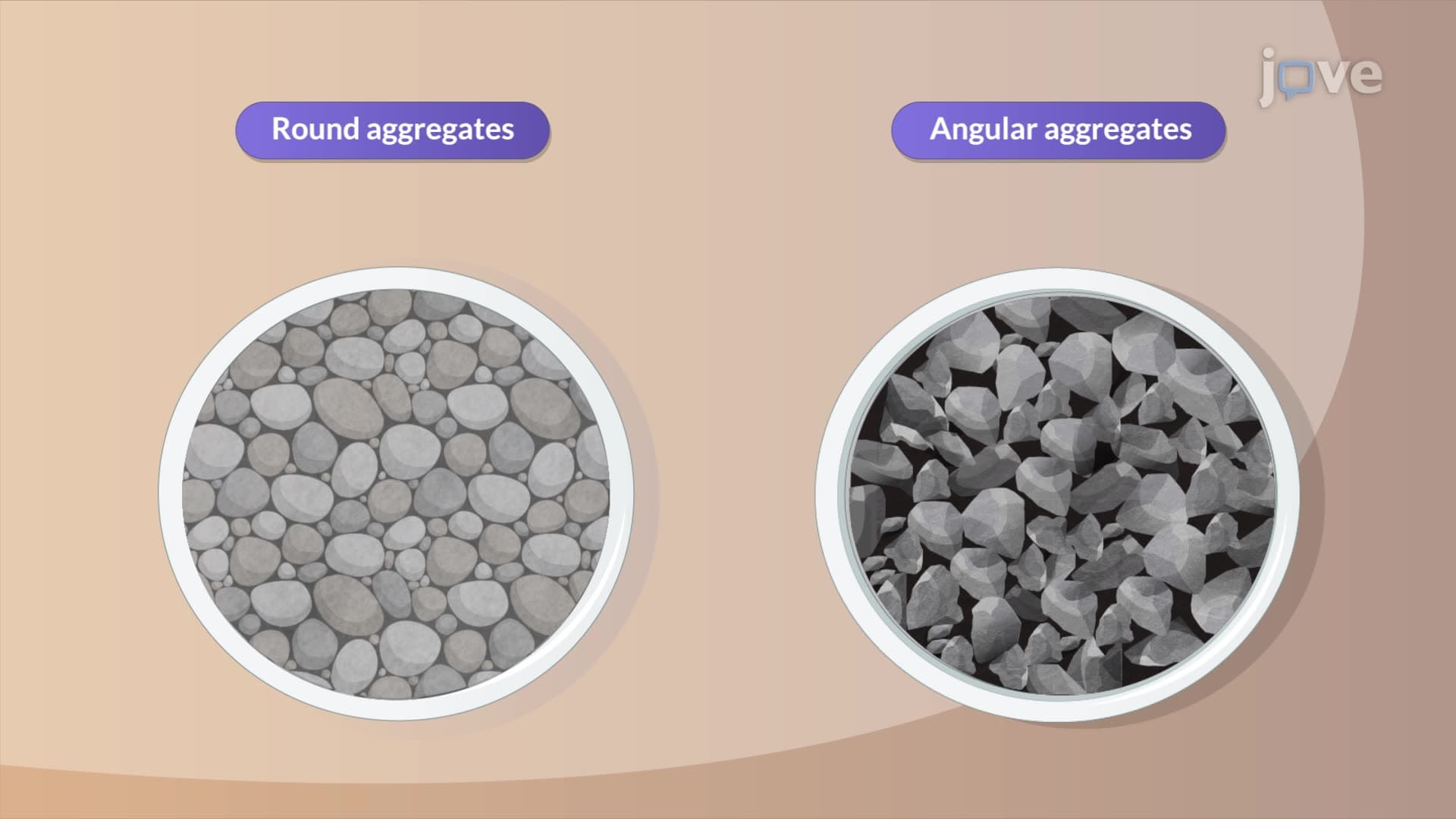
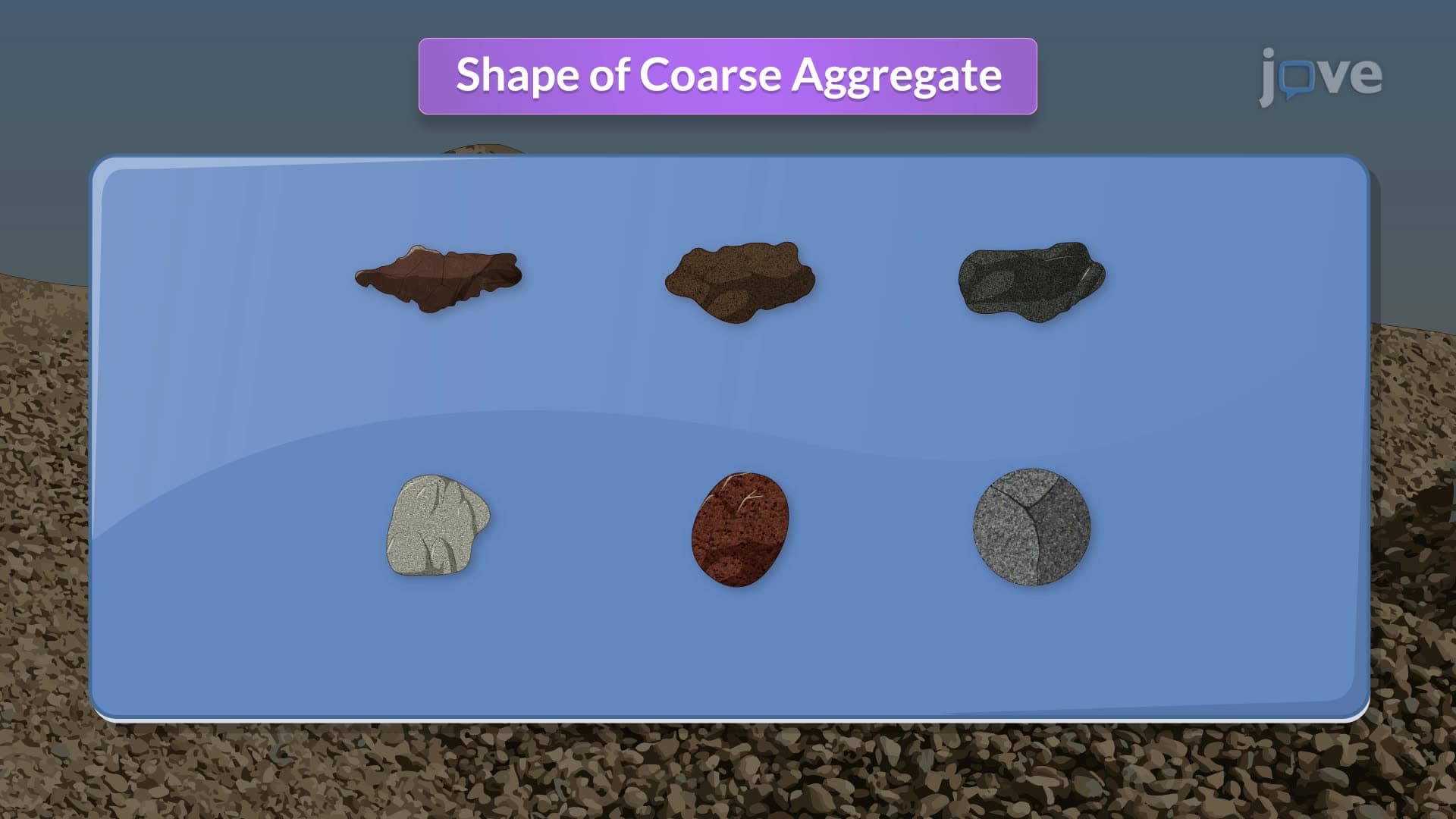
Aggregate shape classification relies on two fundamental geometric measurements. Roundness quantifies the sharpness of particle edges and corners, ranging from highly angular (freshly quarried granite with sharp, defined edges) to well-rounded (ocean-tumbled pebbles with smooth, curved surfaces). Sphericity measures how closely a particle approximates a perfect sphere, independent of surface roughness.
Engineers use standardized visual comparison charts and mechanical gauges to classify particles as elongated (length significantly exceeds other dimensions), flaky (thickness notably smaller than length and width), or combination shapes. For instance, slate fragments commonly exhibit flaky characteristics, while certain metamorphic rocks may display both elongated and flaky properties. These classifications matter because elongated and flaky particles create weak planes in concrete, potentially compromising structural performance under stress.
Surface Texture Development Through Geological Processes
The surface texture of coarse aggregates tells the story of their geological journey. Freshly crushed quarry stone, like limestone from Michigan quarries, exhibits angular geometry with rough, fractured surfaces that provide excellent mechanical interlock in concrete. This rough texture increases the surface area available for cement paste bonding, typically resulting in higher concrete strength.
As weathering agents transport these particles through natural processes, abrasion gradually smooths rough surfaces and rounds sharp corners. River gravels from Colorado's mountain streams exemplify this transformation, displaying smooth textures and rounded shapes after centuries of water transport. While these smooth aggregates may reduce concrete strength slightly, they improve workability and reduce mixing energy requirements.
Practical Applications in Construction and Testing
Understanding aggregate shape and texture proves essential for students preparing for materials engineering courses and professional certification exams. The Concrete Industry Board examination and Materials Testing Technician certifications frequently test these concepts. In practice, highway departments like Caltrans specify aggregate shape requirements for asphalt concrete, recognizing that angular particles provide superior rutting resistance under heavy traffic loads.
Construction professionals routinely evaluate these properties using ASTM testing standards, ensuring aggregate compatibility with project specifications and performance requirements.
Frequently Asked Questions
Shape and texture of coarse aggregate refers to the geometric characteristics and surface properties of construction materials larger than 4.75mm. These properties directly influence concrete workability, strength, and durability by affecting particle packing density and cement paste bonding. Understanding these characteristics helps engineers select appropriate aggregates for specific construction applications, from highway pavements to structural concrete elements.
AP Environmental Science tests often include aggregate properties when discussing sustainable construction materials and quarrying impacts. Students encounter questions about weathering processes that transform angular quarried stone into rounded particles, connecting geological processes to human infrastructure needs. These concepts also appear in materials cycling questions that examine how construction aggregates move through natural and engineered systems.
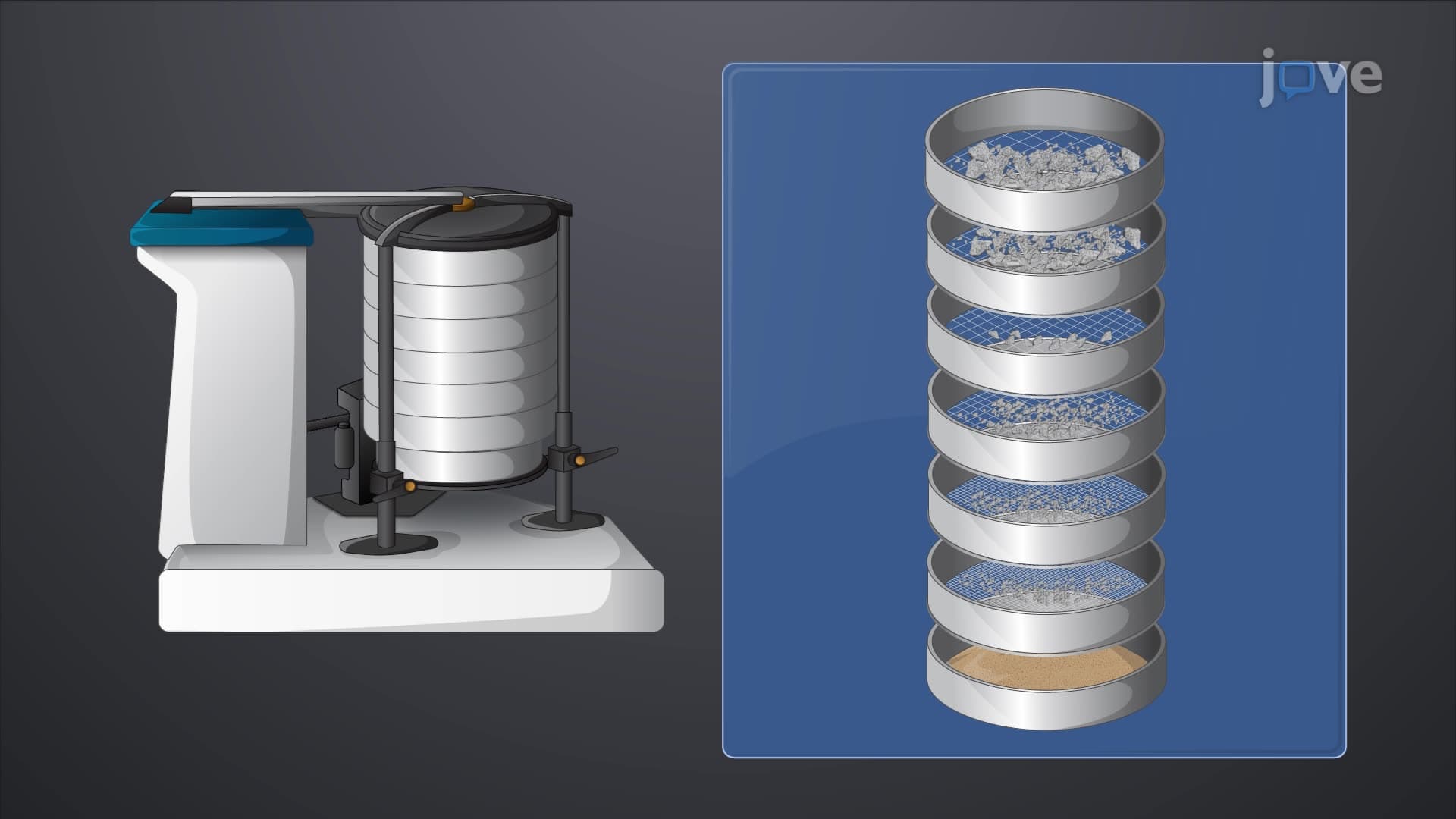
College materials engineering exams frequently test aggregate classification methods, the relationship between particle shape and concrete workability, and standardized testing procedures like ASTM D4791 for flat and elongated particles. Students must interpret aggregate gradation curves, predict concrete performance based on aggregate properties, and solve problems involving particle packing theory and surface area calculations.
Major contractors like Bechtel and Turner Construction specify aggregate shape requirements in project specifications, particularly for high-performance concrete applications. State DOTs require specific aggregate angularity values for asphalt concrete to ensure rutting resistance, while precast concrete manufacturers select aggregates based on surface texture to optimize strength development and finish quality.
Basic geometry and ratio calculations provide sufficient mathematical background for most aggregate shape and texture concepts. Students comfortable with measuring dimensions, calculating ratios, and interpreting standardized charts can successfully master these principles. The focus remains on visual classification skills and understanding material behavior rather than complex mathematical derivations.
Create visual comparison charts linking aggregate types to their typical shapes and textures, then practice classifying real samples using ASTM standards. Focus on connecting geological formation processes to resulting particle characteristics, and memorize key relationships between shape/texture and concrete performance. Many students find success using flashcards that pair aggregate photos with their classification and typical applications.
Aggregate geometry principles form the foundation for advanced topics including high-performance concrete mix design, fiber-reinforced concrete systems, and sustainable concrete technologies using recycled aggregates. Students who master these basics are better prepared for specialized courses in structural materials, pavement engineering, and construction materials testing that build upon these fundamental concepts.
Related Micro-courses
8 Concepts
18 Concepts
12 Concepts