Loading subject page…


8,112 views

Video Summary: Toughness and Hardness of Aggregate Explained
Did you know that the concrete runway at Los Angeles International Airport must withstand millions of aircraft landings annually? Toughness and hardness of aggregate are critical properties that determine whether concrete structures can handle such extreme forces. These properties measure an aggregate's ability to resist impact damage and surface wear, respectively. Understanding Toughness And Hardness of Aggregate Explained concepts is essential for anyone studying materials engineering or construction technology. Watch the full video on JoVE Coach to master this concept with expert-led visuals and step-by-step explanations.
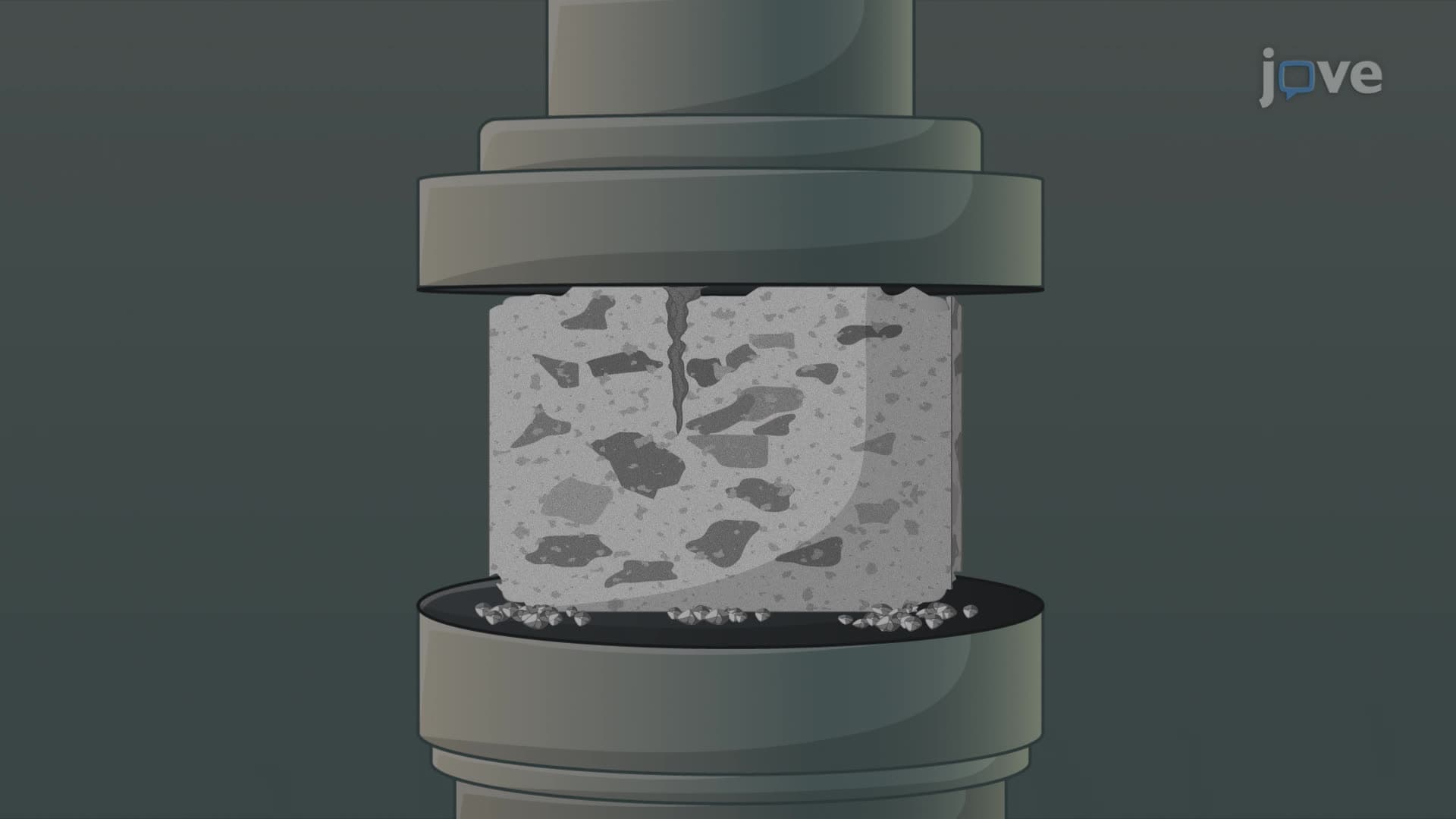
Aggregate toughness and hardness represent two distinct but equally important mechanical properties in concrete technology. Toughness measures an aggregate's ability to absorb energy and resist fracture under sudden impact loads, while hardness quantifies resistance to surface wear and abrasion. These properties directly influence the long-term performance of concrete structures, from highway pavements to airport runways.
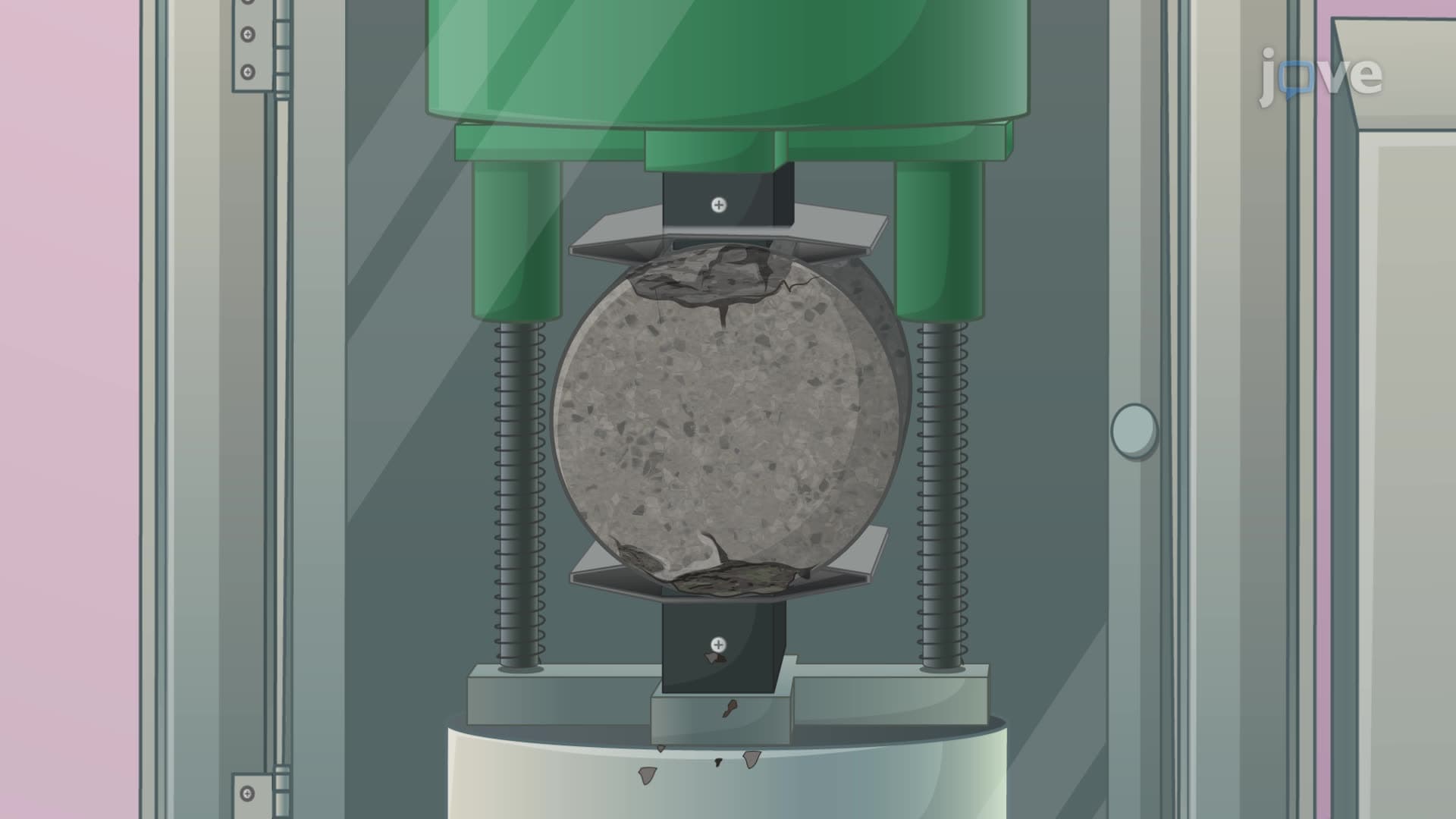
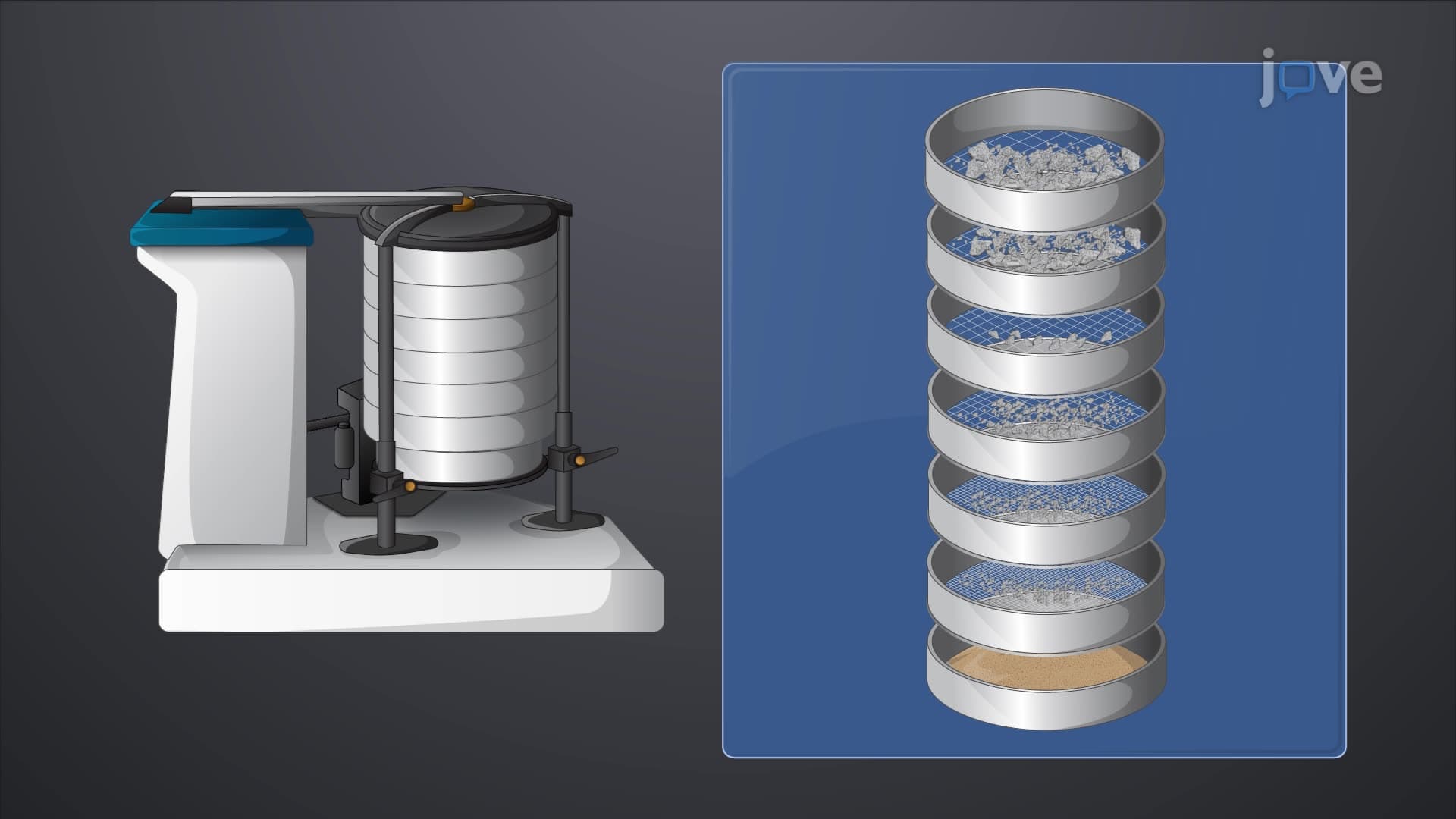
The aggregate impact value test evaluates toughness using carefully controlled laboratory conditions. Aggregates passing a 1/2-inch sieve but retained on a 3/8-inch sieve undergo standardized impact testing. A cylindrical metal cup holds the aggregate sample, which is compacted using a standard tamping rod. A 340-gram hammer falls freely from a height of 15 inches, delivering 15 successive blows. The resulting fragments are sieved through a No. 8 ASTM sieve, and the percentage of material passing this sieve indicates the aggregate's toughness. Lower percentages indicate tougher aggregates, as they produce fewer fine particles under impact.
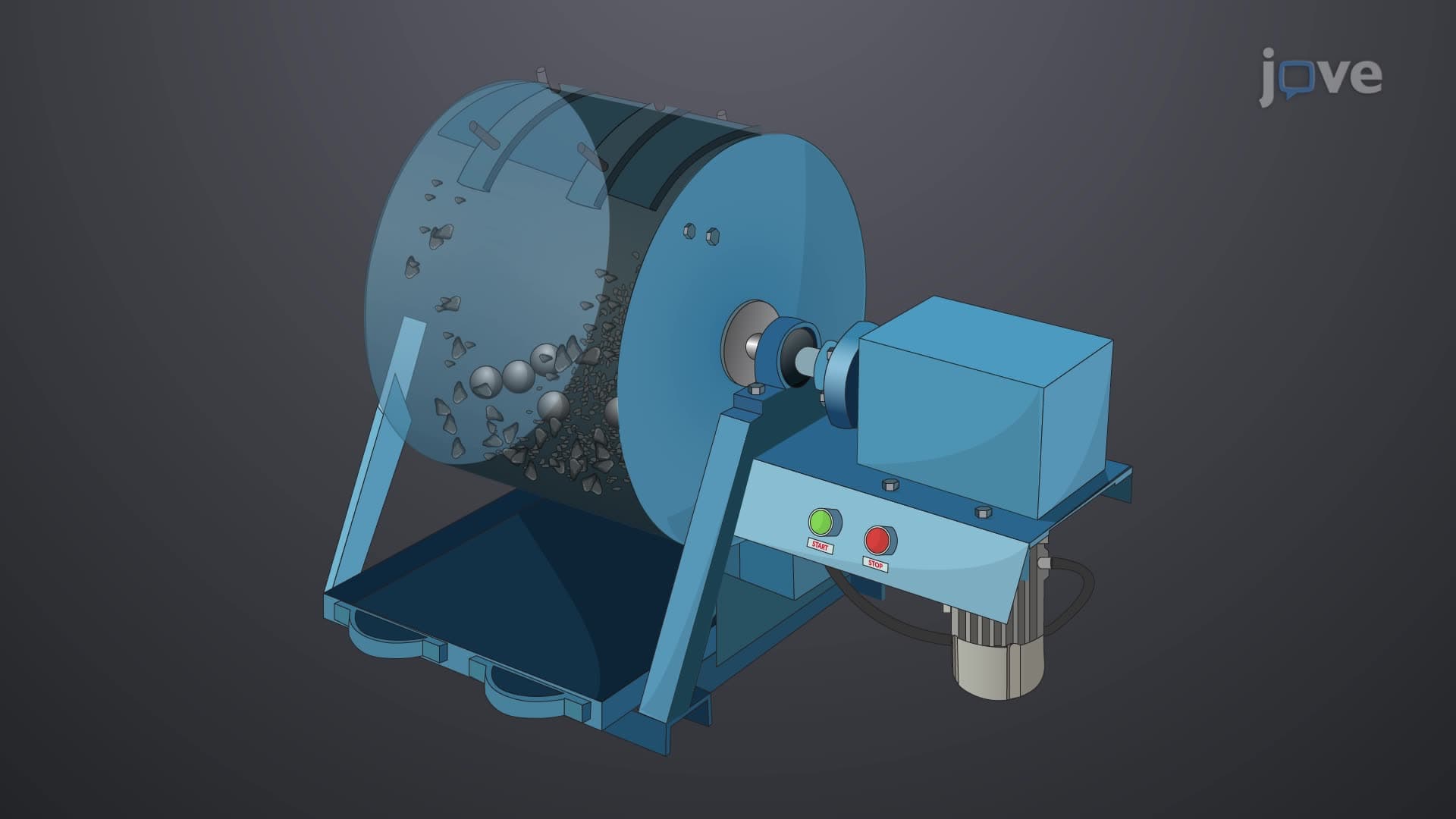
The Los Angeles abrasion test measures aggregate hardness through controlled wearing action. This standardized procedure places aggregates of specific size gradations into a rotating steel drum along with steel balls. The drum rotates at 30-33 RPM for a predetermined number of revolutions (typically 500 for most gradations). The abrasive action between aggregates and steel balls simulates years of traffic wear. After testing, materials passing a No. 12 ASTM sieve are weighed to calculate the Los Angeles abrasion value. Lower abrasion values indicate harder, more durable aggregates.
These concepts frequently appear in AP Environmental Science, college-level materials engineering courses, and professional engineering examinations. Students studying for the Fundamentals of Engineering (FE) exam encounter aggregate testing questions, particularly regarding ASTM standards and test interpretation. Understanding these properties helps explain why certain aggregates perform better in high-traffic applications like Interstate highway systems or airport infrastructure projects at facilities such as Denver International Airport.
Related Micro-courses