Loading subject page…


8,112 views

Video Summary: Unsoundness of Aggregate Due to Explained
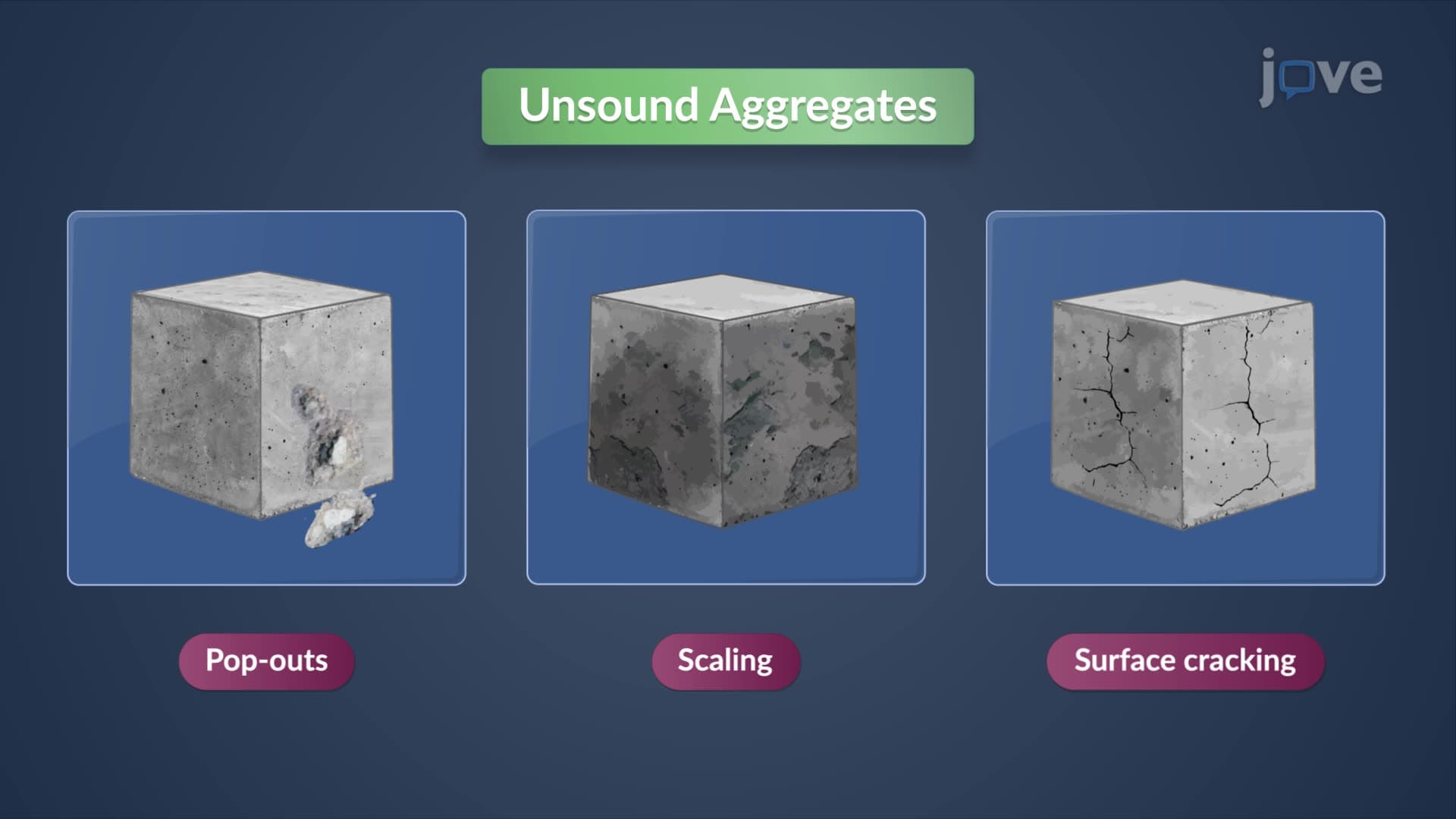
Ever wonder why concrete roads in Minnesota develop cracks and potholes after harsh winters? The unsoundness of aggregate due to freeze-thaw cycles and salt crystallization causes permanent damage to construction materials. When water enters porous aggregates and freezes, it expands with tremendous force, eventually breaking apart the concrete structure-similar to how burst pipes occur during winter storms across the Midwest. Watch the full video on JoVE Coach to master this concept with expert-led visuals and step-by-step explanations.
Aggregate unsoundness represents a critical failure mode in concrete construction, particularly relevant for infrastructure projects across the United States. When aggregates lack soundness, they undergo permanent volume changes that compromise the entire concrete matrix. This phenomenon directly impacts everything from highway construction in northern states to foundation work in areas with extreme temperature variations.
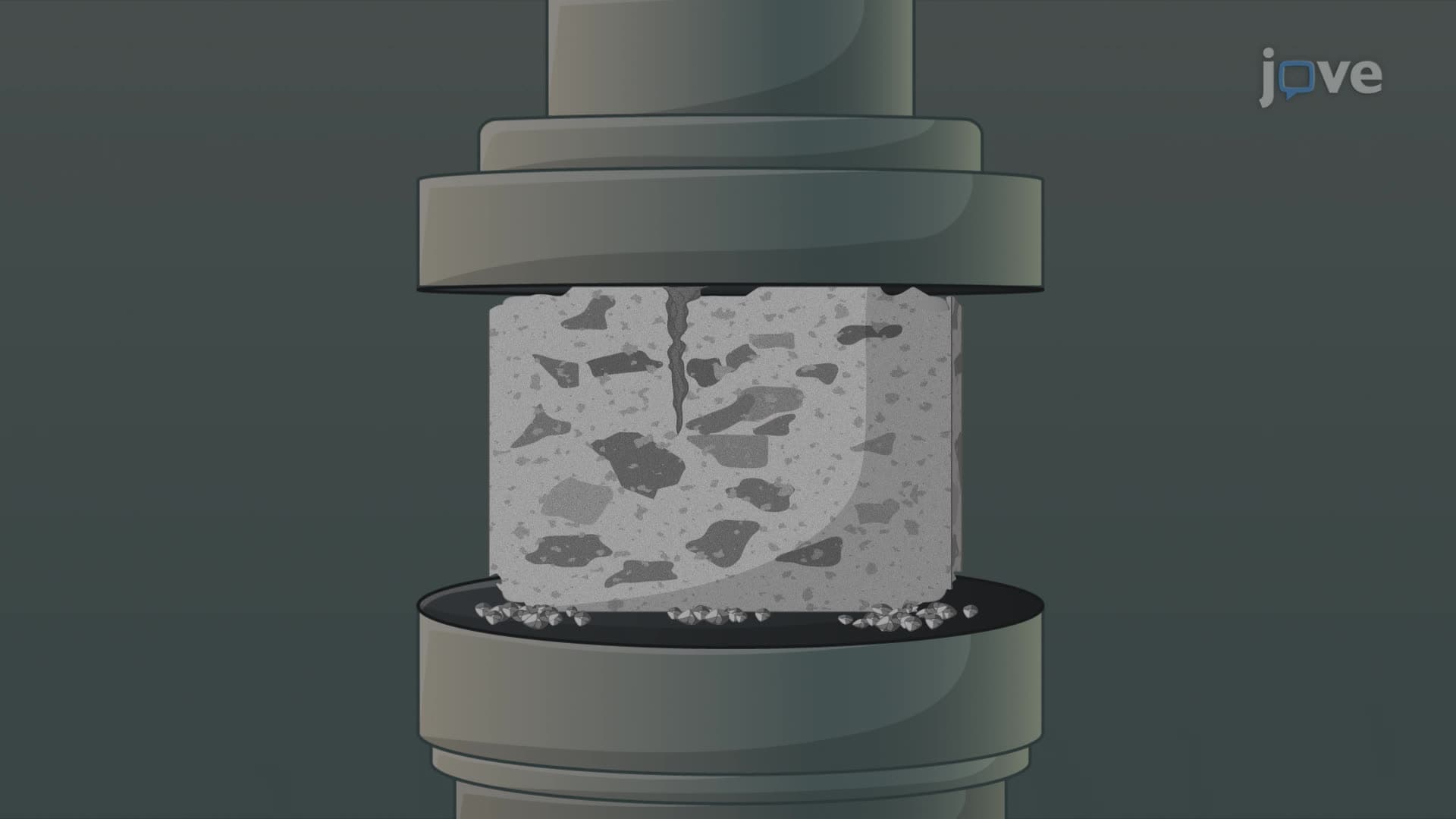
The primary mechanism behind aggregate deterioration involves water infiltration into porous structures. When temperatures drop below freezing-common throughout the northern United States from November through March-trapped water expands by approximately 9% in volume. This expansion creates hydraulic pressures exceeding 2,000 pounds per square inch within aggregate pores.
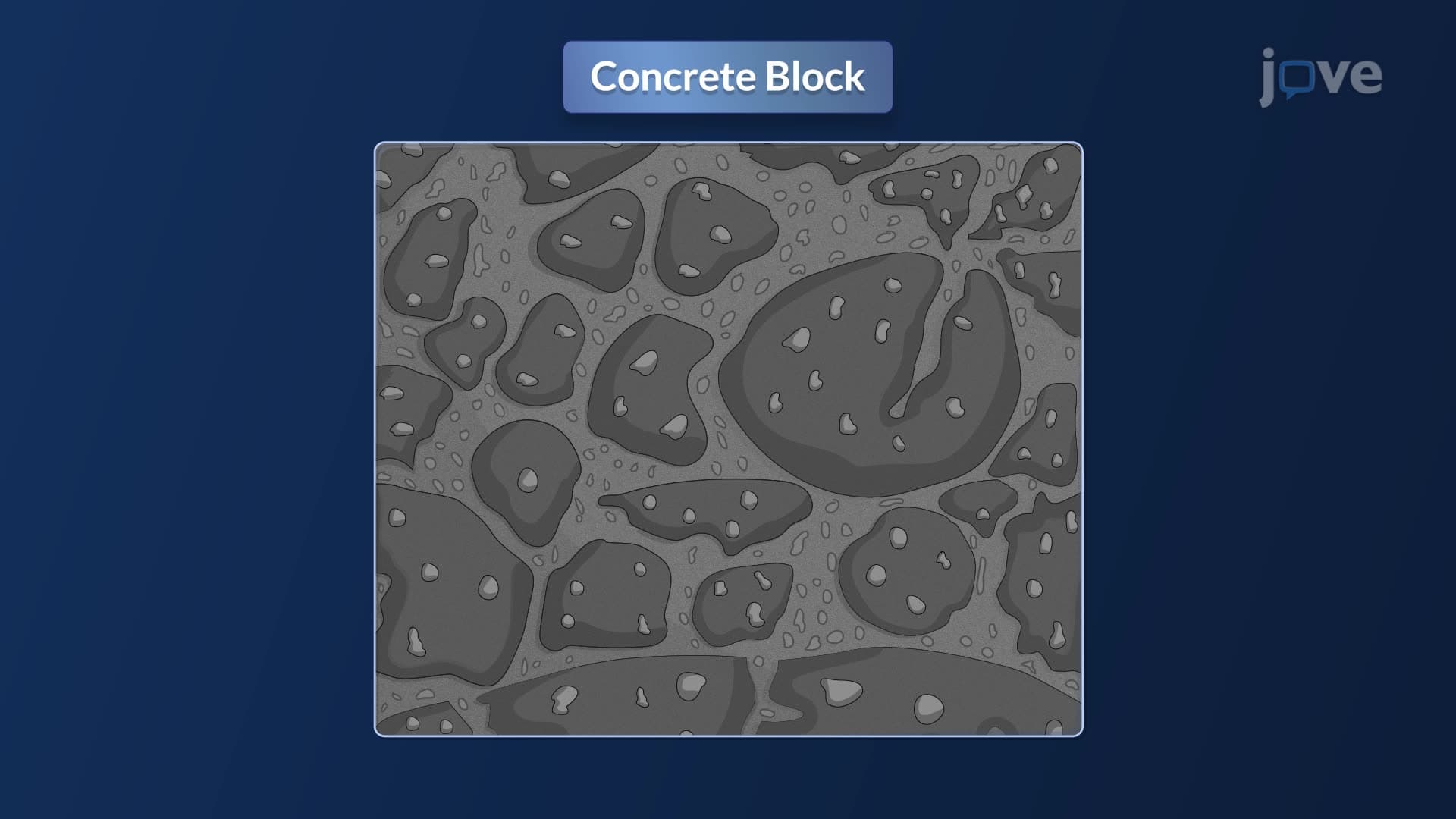
The size and connectivity of these pores determine how severely aggregates will be affected. Large, interconnected pores allow water movement and pressure relief, while small, isolated pores trap expanding ice with devastating consequences. Students preparing for AP Chemistry or college-level materials science courses should understand that this process follows fundamental thermodynamic principles governing phase changes.
Beyond freeze-thaw damage, salt crystallization poses another significant threat to aggregate integrity. In coastal areas like California and Florida, or regions using deicing salts like Pennsylvania and Ohio, repeated wetting and drying cycles cause dissolved salts to crystallize within aggregate pores. These growing crystals exert tremendous pressure, similar to frost action but occurring across broader temperature ranges.
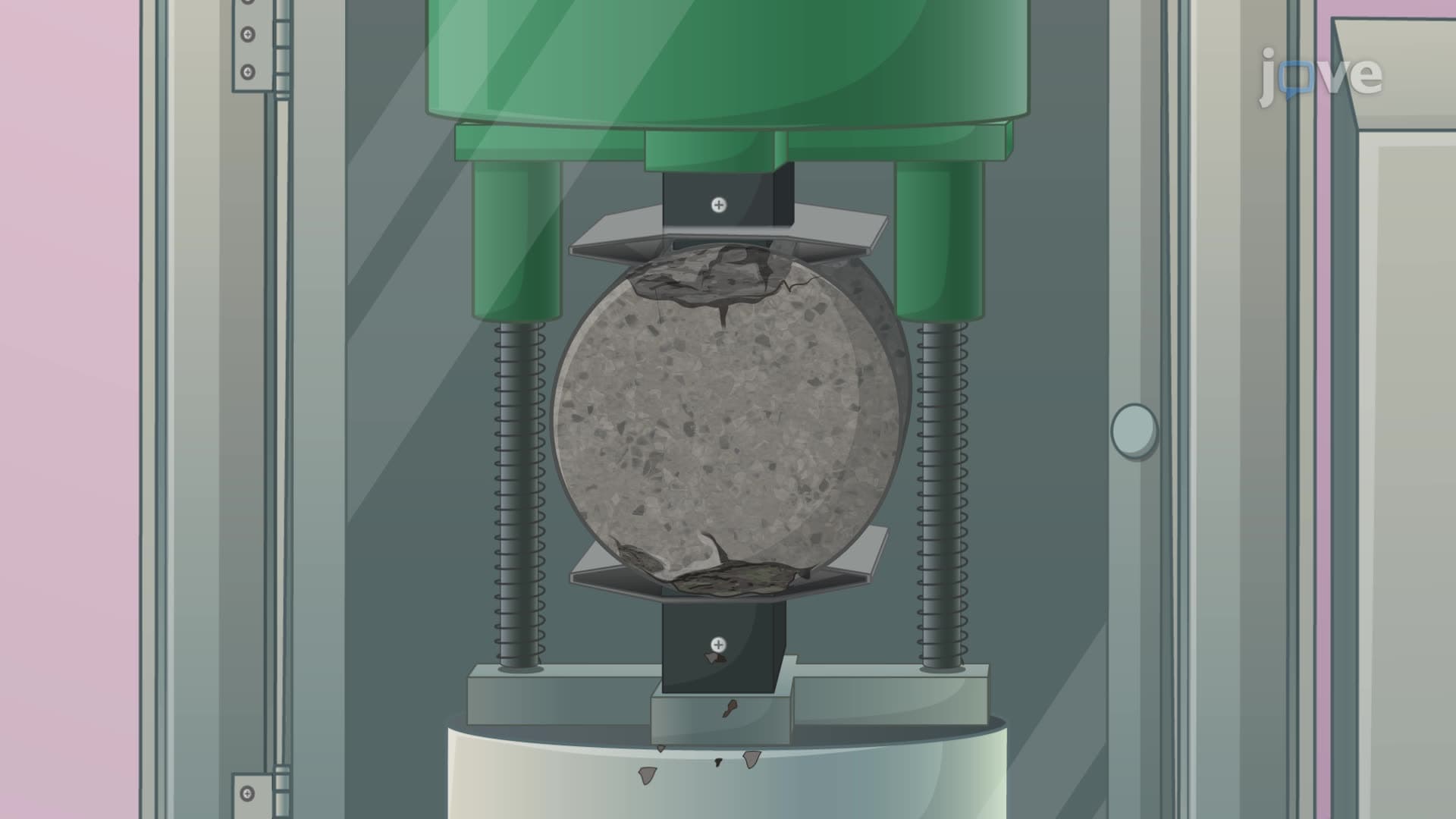
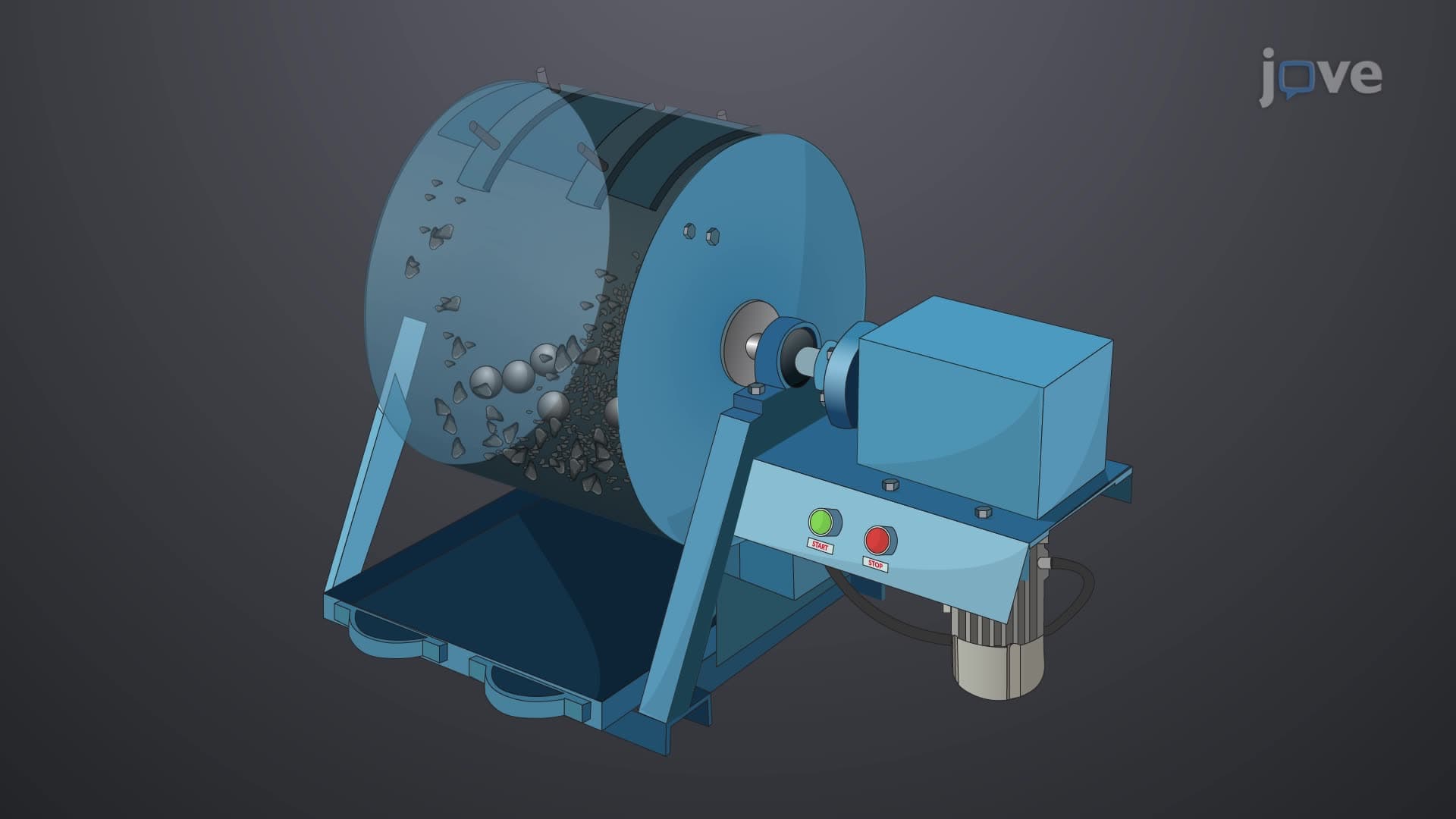
The construction industry employs standardized testing procedures to evaluate aggregate soundness before use. The sodium sulfate soundness test, outlined in ASTM C88, subjects aggregate samples to five cycles of immersion in sodium sulfate solution followed by oven drying. Weight loss exceeding 10-12% typically indicates unsuitable aggregates for concrete construction.
Engineering students studying for the Fundamentals of Engineering (FE) exam should note that these testing protocols simulate accelerated weathering conditions. Freeze-thaw testing using actual temperature cycles provides additional validation, helping predict real-world performance in climates ranging from Alaska's extreme conditions to the more moderate but still challenging environments of the northeastern United States.
Related Micro-courses