Loading subject page…

- Civil Engineering
- Aggregates and Water
- Types of Aggregate Grading
Micro-course: Aggregates and Water
8,112 views
Learn key concepts and earn your certificate.



Types of Aggregate Grading

00:00
01:15
Video Summary: What are Types of Aggregate Grading
Why do some concrete sidewalks crack while others in identical conditions remain smooth for decades? The secret lies in understanding the types of aggregate grading, the strategic distribution of particle sizes that determines concrete strength and durability. From the Golden Gate Bridge's massive foundations to your neighborhood's storm drains, engineers rely on four distinct grading classifications: well-graded, uniform, gap-graded, and open-graded aggregates. Watch the full video on JoVE Coach to master this concept with expert-led visuals and step-by-step explanations.
- Understand what are types of aggregate grading and how particle size distribution affects construction material performance
- Identify the four primary aggregate grading classifications used in civil engineering projects
- Analyze gradation curves to distinguish between well-graded, uniform, gap-graded, and open-graded aggregates
- Compare the structural advantages and limitations of each aggregate grading type
- Evaluate appropriate grading selection for specific construction applications like highways, foundations, and drainage systems
- Apply aggregate grading principles to solve engineering problems involving concrete mix design
- Recognize how void content relates to aggregate particle size distribution
- Explore real-world examples of aggregate grading applications in major US infrastructure projects
Understanding Types of Aggregate Grading Fundamentals
Types of aggregate grading represent systematic classifications based on how particles of different sizes distribute within construction materials. This concept forms the backbone of concrete technology, directly influencing everything from the Interstate Highway System to residential foundations across America. Engineers at the Federal Highway Administration use these classifications to ensure consistent quality in the 4 million miles of US roadways.
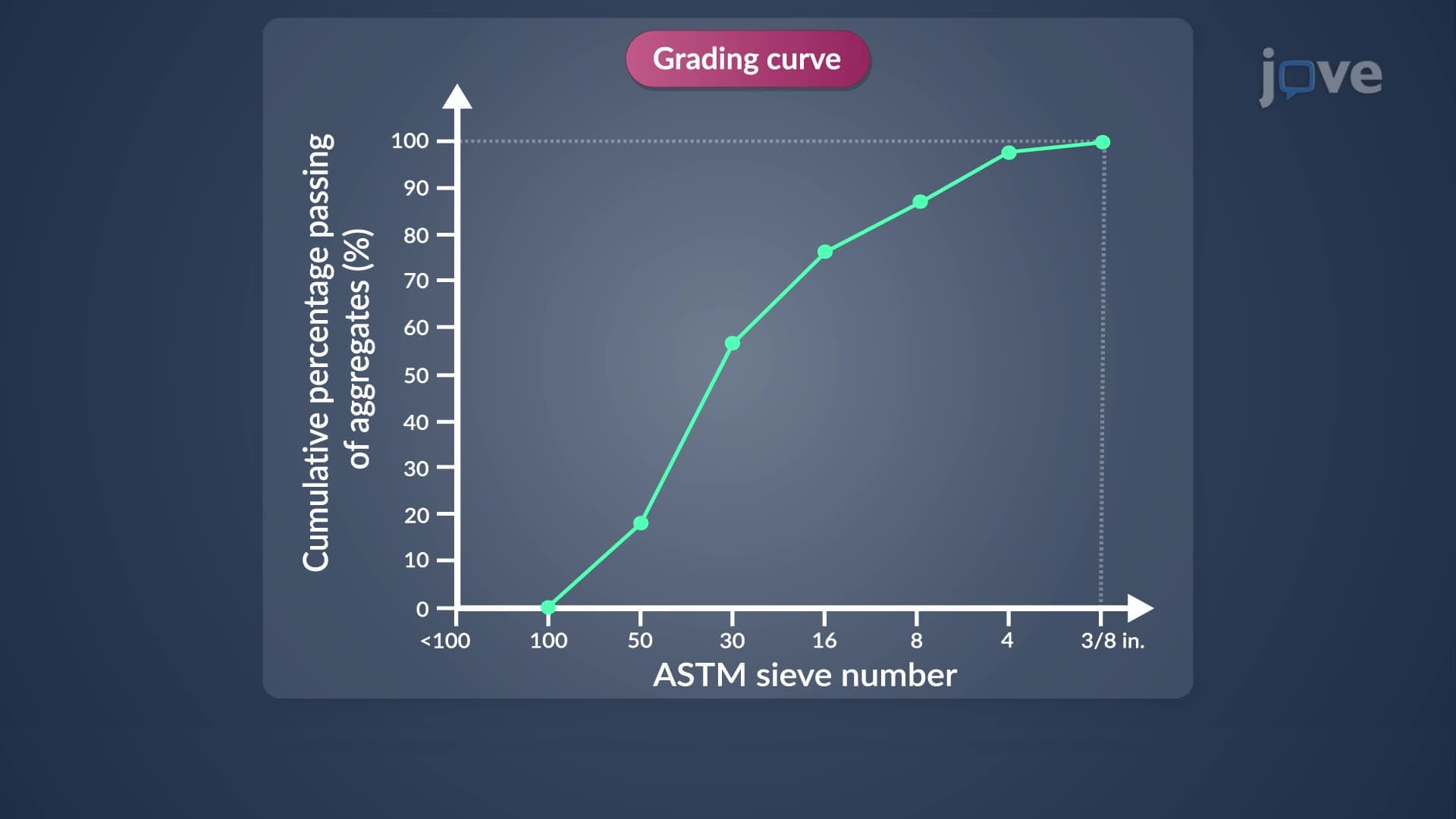
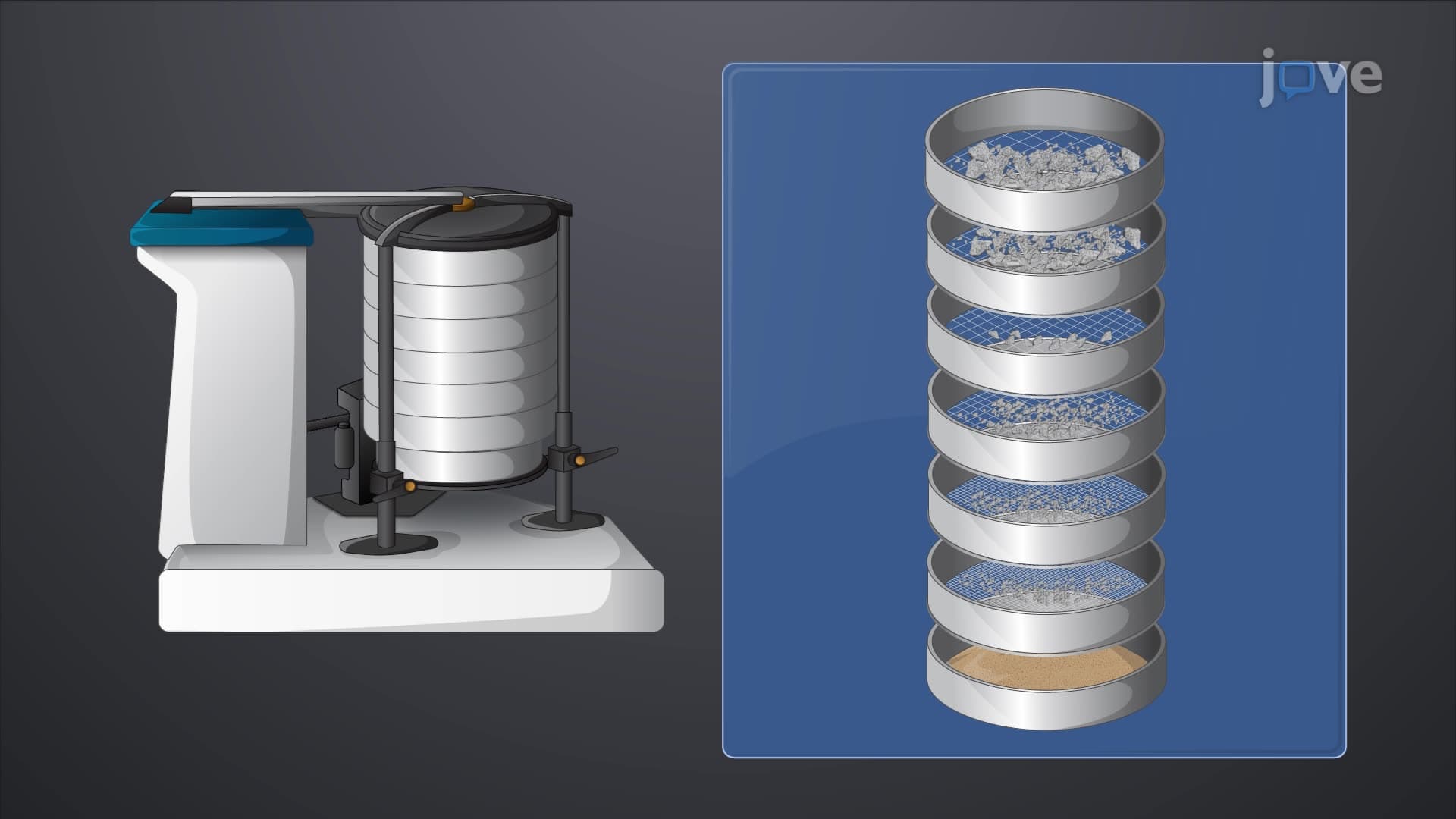
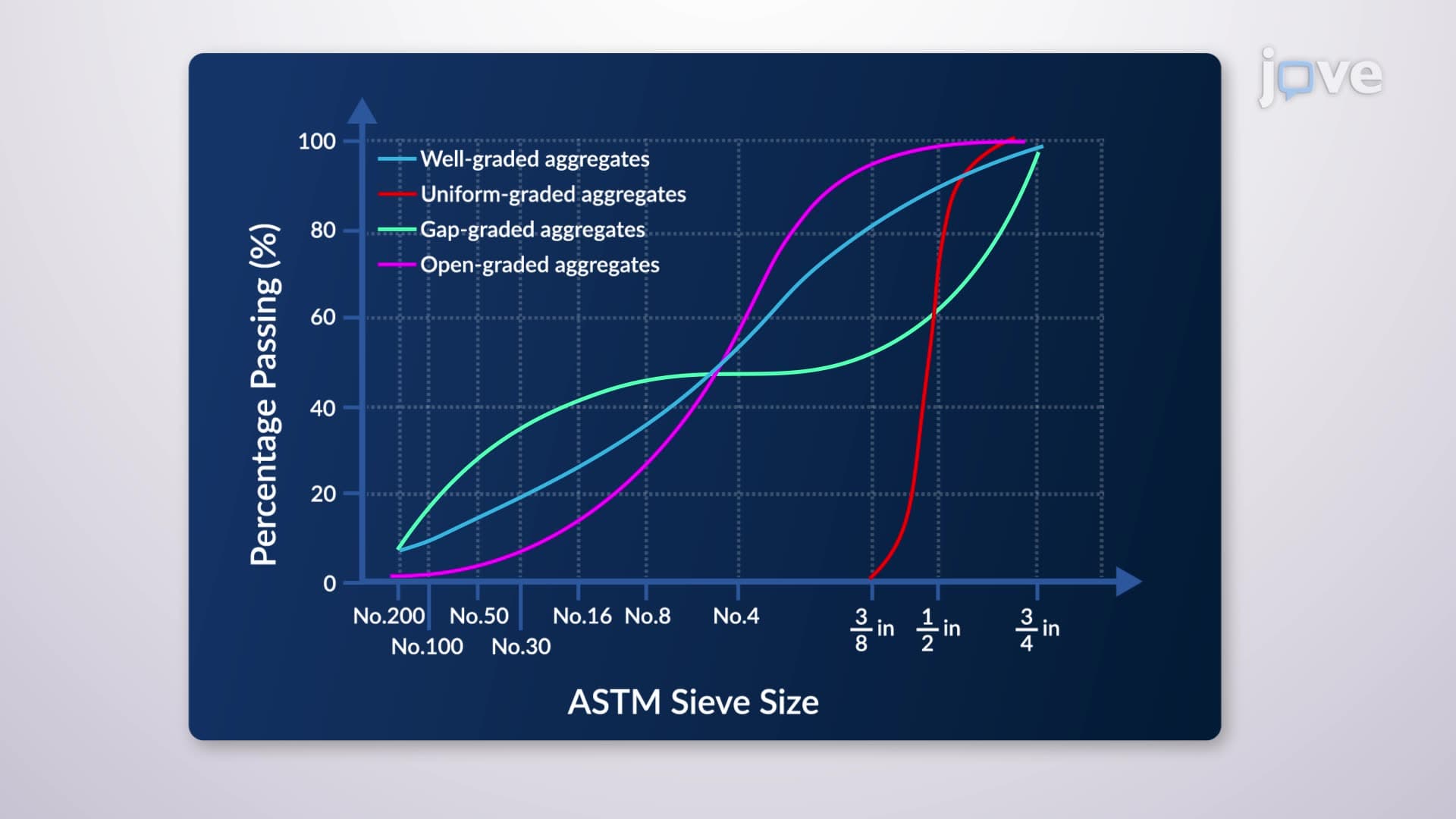
The gradation curve serves as the primary analytical tool, plotting cumulative percentage passing versus sieve size. This visual representation immediately reveals which of the four grading types applies to any given aggregate sample, enabling engineers to predict material behavior before construction begins.
Well-Graded Aggregates: The Gold Standard
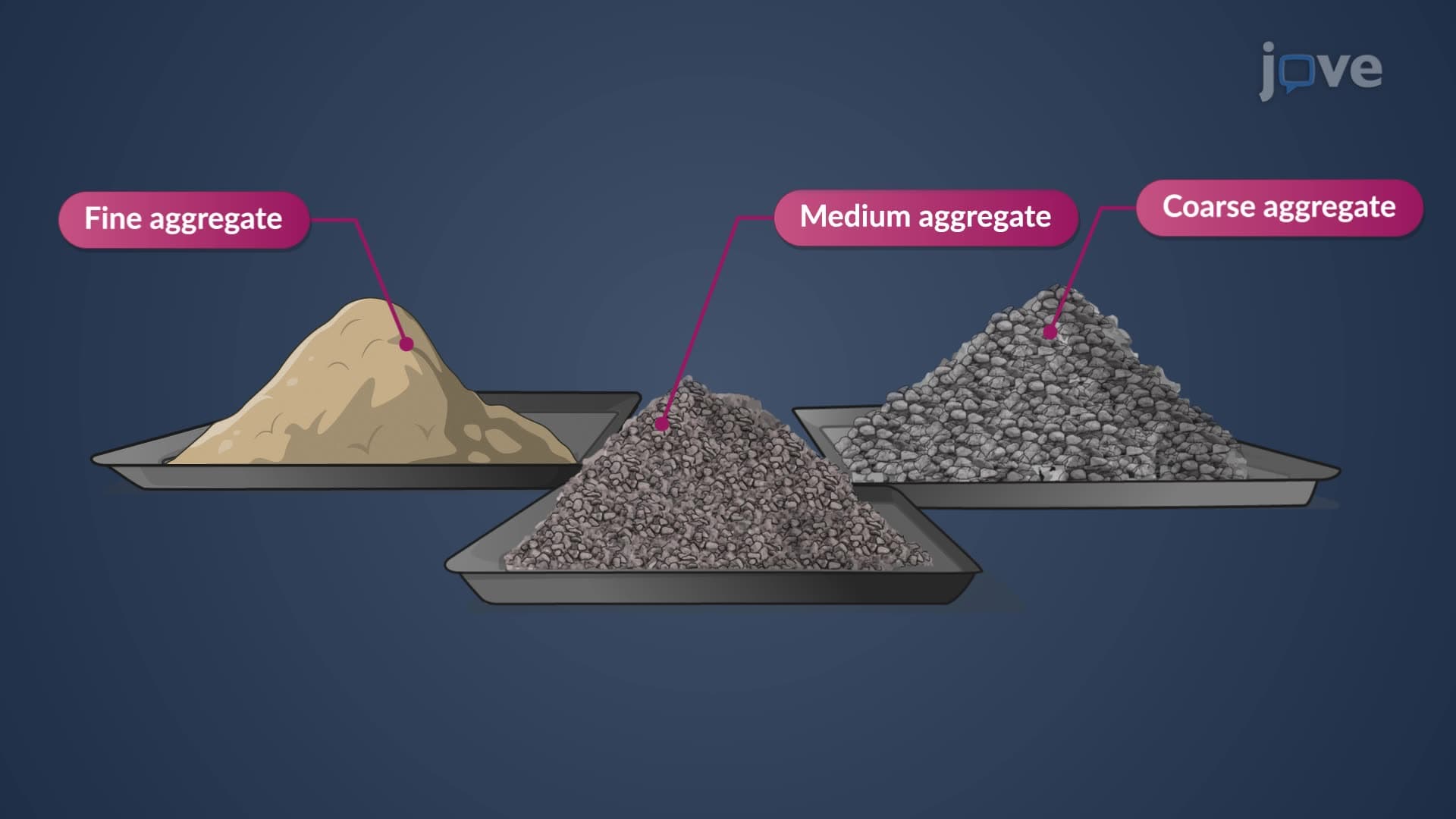
Well-graded aggregates contain particles spanning the complete size spectrum, from fine sand to coarse gravel, distributed in optimal proportions. The gradation curve appears as a smooth, continuous S-shape, indicating minimal voids and maximum density. The Hoover Dam's concrete exemplifies well-graded aggregate application, where engineers needed maximum strength and minimal permeability.
This grading type proves essential for structural concrete applications, including building foundations, bridge decks, and airport runways. Students encountering this concept in AP Physics or college-level Materials Science courses should recognize that well-graded aggregates achieve the highest compressive strength due to their efficient particle packing arrangement.
Uniform Grading: Single-Size Applications
Uniform or single-sized aggregates consist predominantly of particles within a narrow size range, producing an almost vertical gradation curve. While this creates significant void space, uniform grading serves specific purposes in construction. The French drain systems protecting California hillside homes utilize uniform gravel to maximize water flow while maintaining structural stability.
Gap-Graded and Open-Graded Systems
Gap-graded aggregates deliberately omit intermediate particle sizes, creating a horizontal segment on the gradation curve. Though counterintuitive, this controlled void structure benefits specific applications like pervious concrete used in sustainable stormwater management systems across Seattle and Portland.
Open-graded aggregates lack fine particles entirely, maximizing void content for drainage applications. The permeable pavement systems in LEED-certified developments nationwide rely on open-graded aggregates to reduce urban runoff while maintaining load-bearing capacity.
Frequently Asked Questions
Types of aggregate grading classify how particle sizes distribute within construction materials, directly affecting strength, durability, and drainage properties. The four main types-well-graded, uniform, gap-graded, and open-graded-each serve specific engineering purposes. Understanding these classifications helps engineers select appropriate materials for everything from highway construction to foundation design, ensuring structures meet safety standards while optimizing cost and performance.
Exam questions typically present gradation curves requiring students to identify grading types and predict material properties. Students might analyze particle size distribution data, calculate void ratios, or recommend appropriate aggregate types for specific applications. Practice problems often involve interpreting sieve analysis results or explaining how grading affects concrete strength, particularly relevant for students pursuing civil or materials engineering degrees.
Aggregate grading directly relates to AP Physics topics including particle systems, density calculations, and mechanical properties of materials. Students apply concepts of packing efficiency, void ratios, and stress distribution when analyzing how different grading types affect structural performance. This connection helps reinforce physics principles while introducing practical engineering applications students encounter in advanced coursework.
American infrastructure projects strategically use each grading type: well-graded aggregates in Interstate highways and skyscraper foundations for maximum strength, uniform grading in drainage systems and decorative applications, gap-graded materials in specialized concrete mixes, and open-graded aggregates in permeable pavements and filtration systems. Major projects like the Second Avenue Subway in New York demonstrate how proper grading selection ensures long-term structural integrity.
Basic algebra and graph interpretation skills suffice for understanding aggregate grading fundamentals. Students comfortable with percentages, ratios, and coordinate plotting can successfully analyze gradation curves and solve related problems. The concept builds naturally from high school mathematics, making it accessible to students beginning their engineering studies while providing foundation for more advanced materials science coursework.
Create comparison charts highlighting each grading type's characteristics, practice interpreting gradation curves from actual construction projects, and memorize key applications for each classification. Focus on understanding the relationship between particle size distribution and resulting material properties. Many students benefit from sketching gradation curves while studying, as this reinforces the visual patterns associated with each grading type.
Advanced study areas include concrete mix design optimization, aggregate testing standards (ASTM specifications), sustainable aggregate sourcing, and computer-aided gradation analysis. Students planning engineering careers should explore how aggregate grading integrates with topics like soil mechanics, pavement design, and structural analysis, particularly relevant for civil engineering programs at institutions like MIT, Stanford, or the University of California system.
Related Micro-courses

8 Concepts
18 Concepts

12 Concepts