Loading subject page…


8,112 views

Video Summary: What Is Bulk Density of Aggregate
Why do some concrete structures in California highways last decades while others crack within years? The bulk density of aggregate holds the key to this engineering puzzle. This fundamental property measures how much aggregate mass fits into a unit volume, including all the air spaces between particles, typically expressed in pounds per cubic foot. Understanding what is bulk density of aggregate helps explain why rounded river stones from the Colorado River create stronger concrete than crushed angular limestone. Watch the full video on JoVE Coach to master this concept with expert-led visuals and step-by-step explanations.
Bulk density of aggregate represents a critical material property that civil engineers and construction professionals rely on daily. Unlike true density, which measures only the solid material, bulk density accounts for the complete volume occupied by aggregate particles, including all void spaces between them. This measurement, typically expressed in pounds per cubic foot (lb/ft³), directly impacts concrete strength, workability, and material costs in construction projects across the United States.
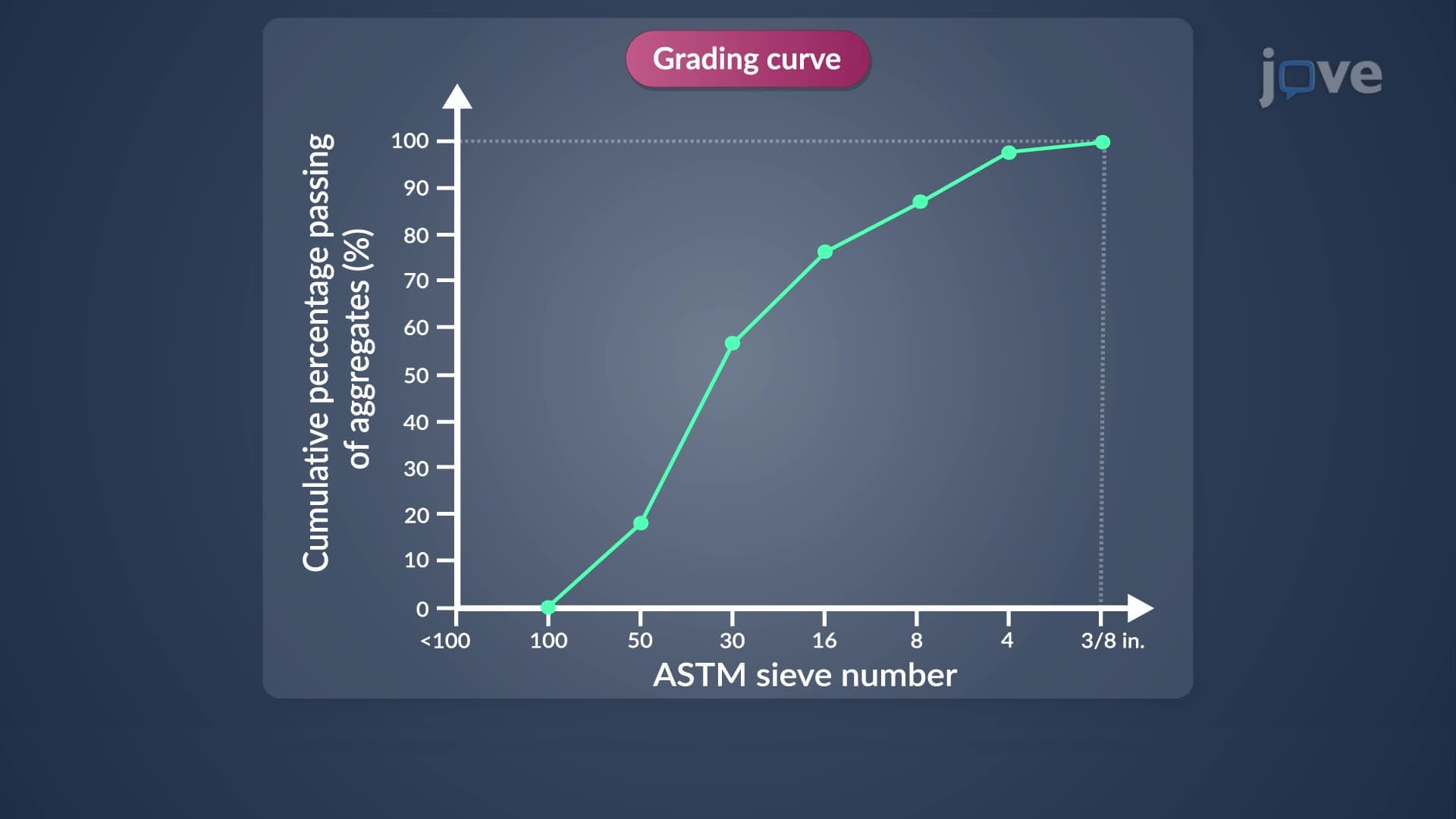
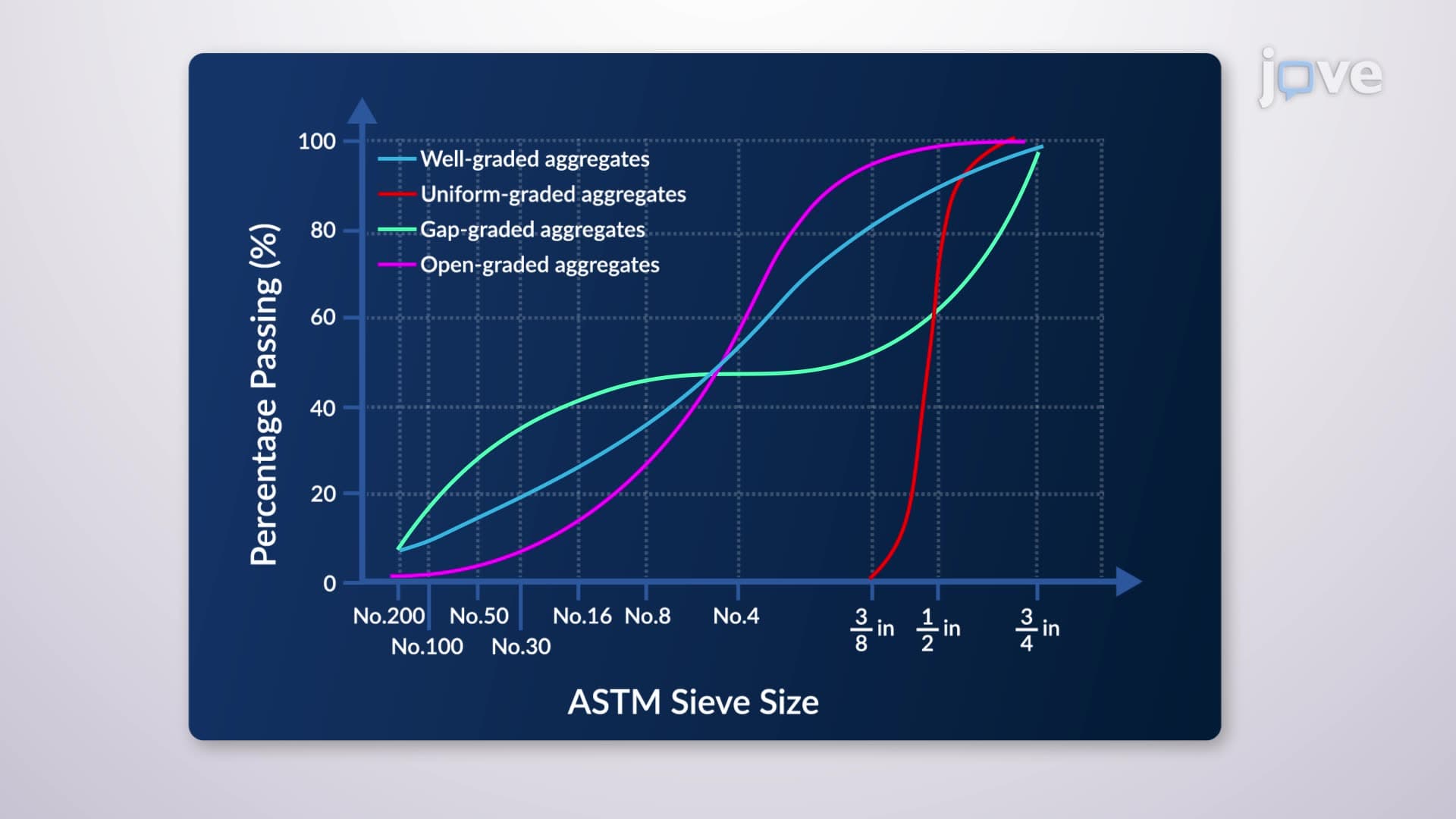
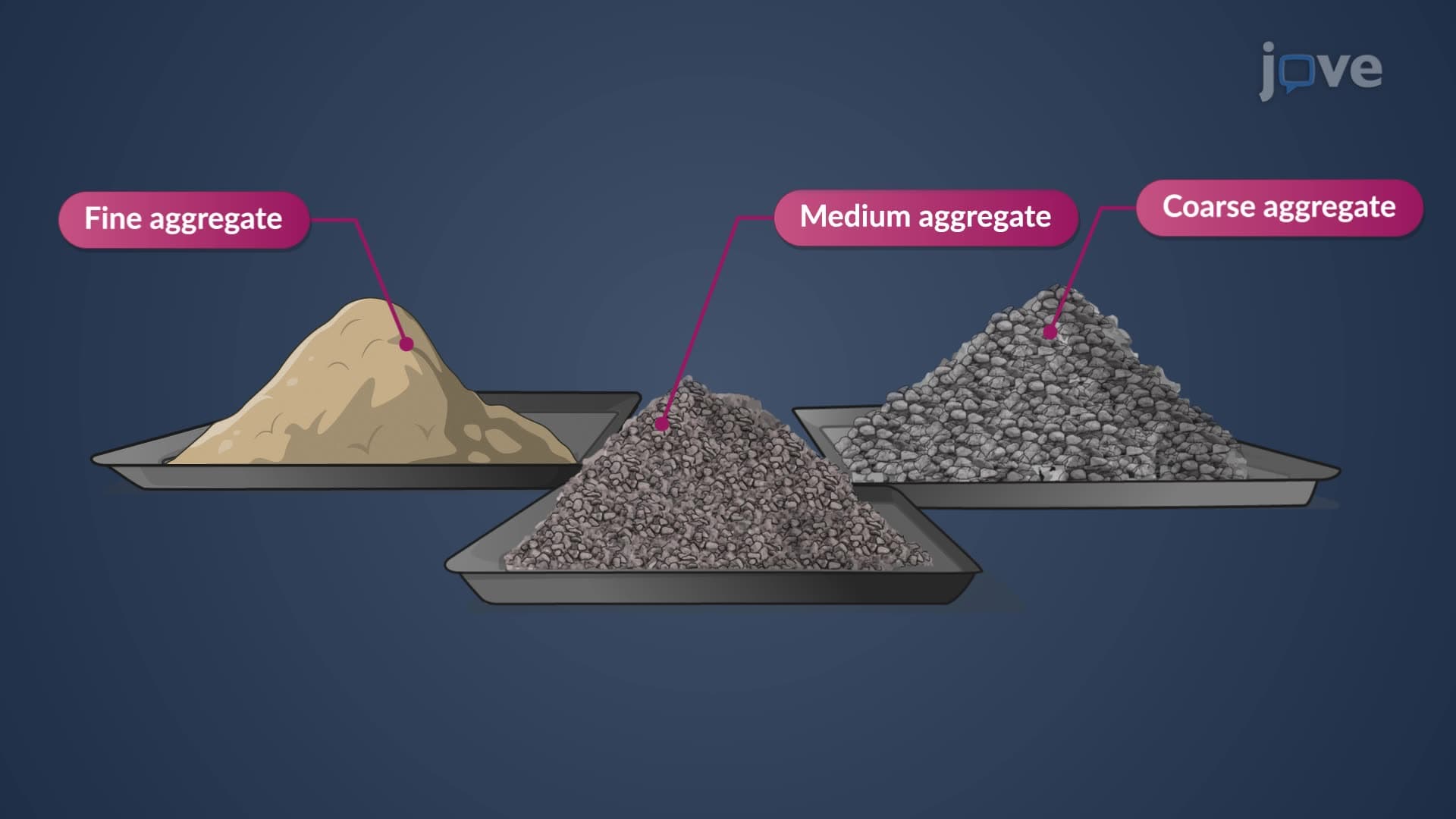
Several key factors determine the bulk density of aggregate values engineers encounter in practice. Particle size distribution plays the primary role-when construction teams combine different aggregate sizes, smaller particles naturally fill gaps between larger ones, creating what engineers call "dense grading." This principle explains why highway departments like Caltrans specify particular aggregate gradations for different pavement applications.
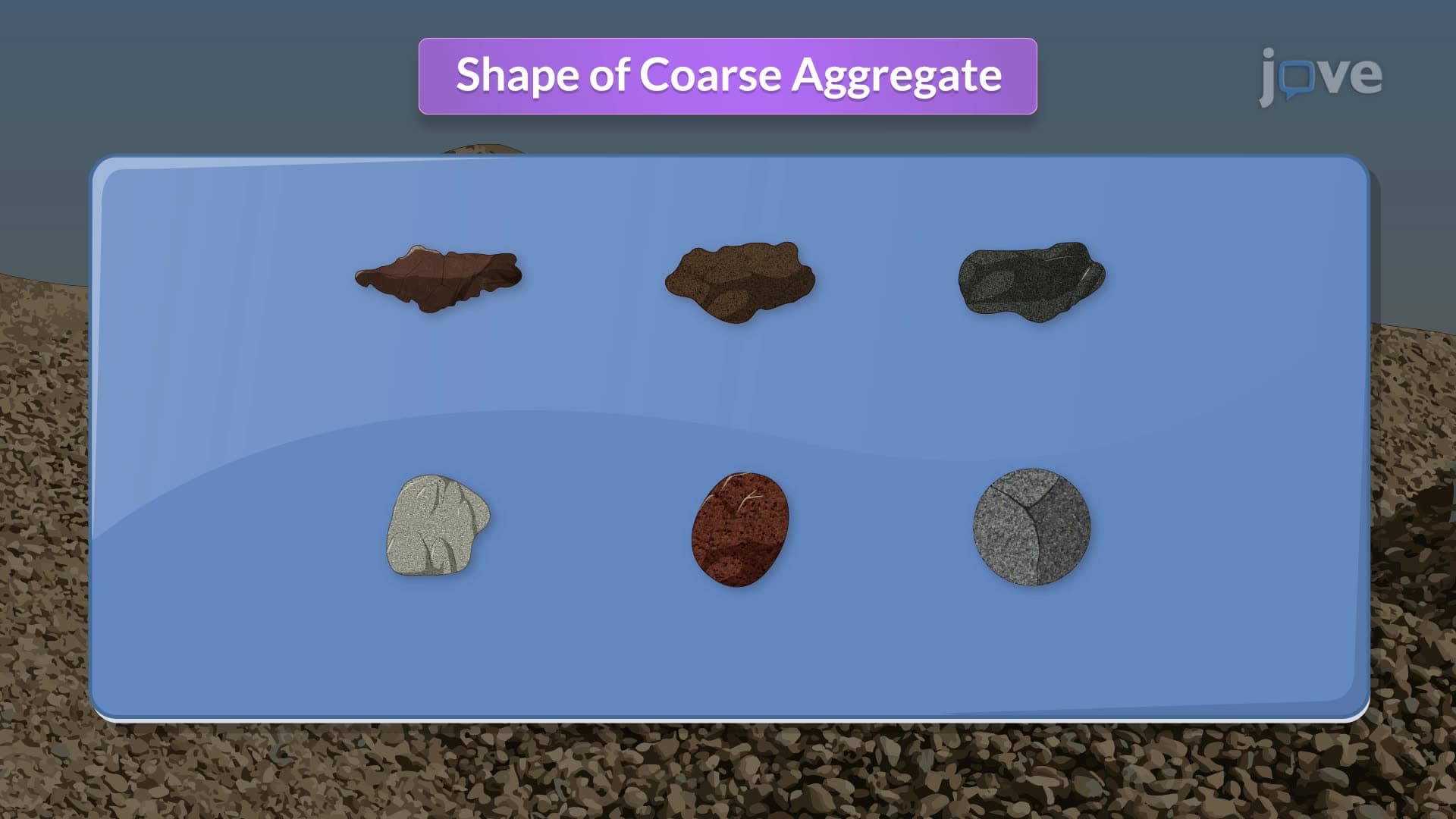
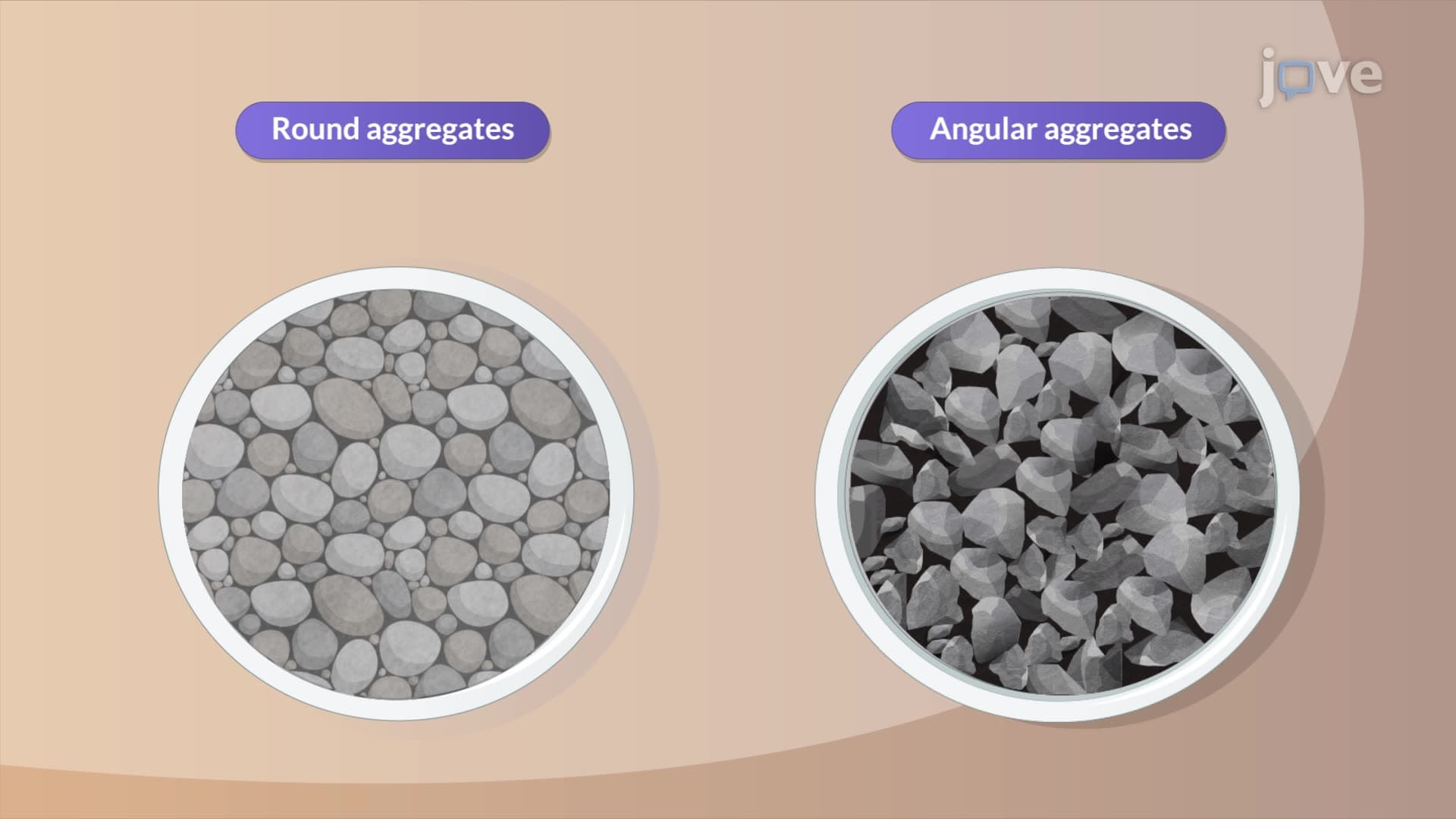
Aggregate shape significantly affects packing efficiency. Rounded aggregates from natural sources like Great Lakes beach deposits achieve higher bulk densities than angular crushed stone from Pennsylvania quarries. The angular particles create more void spaces due to their irregular interlocking, though they provide better mechanical bonding in certain applications.
Surface moisture creates a thin water film around aggregate particles, forcing them apart and reducing bulk density. This phenomenon, known as "bulking," can increase aggregate volume by 15-30% in sand, affecting material calculations for ready-mix concrete plants throughout Texas and Florida. Construction professionals must account for this when batching concrete to maintain proper proportions.
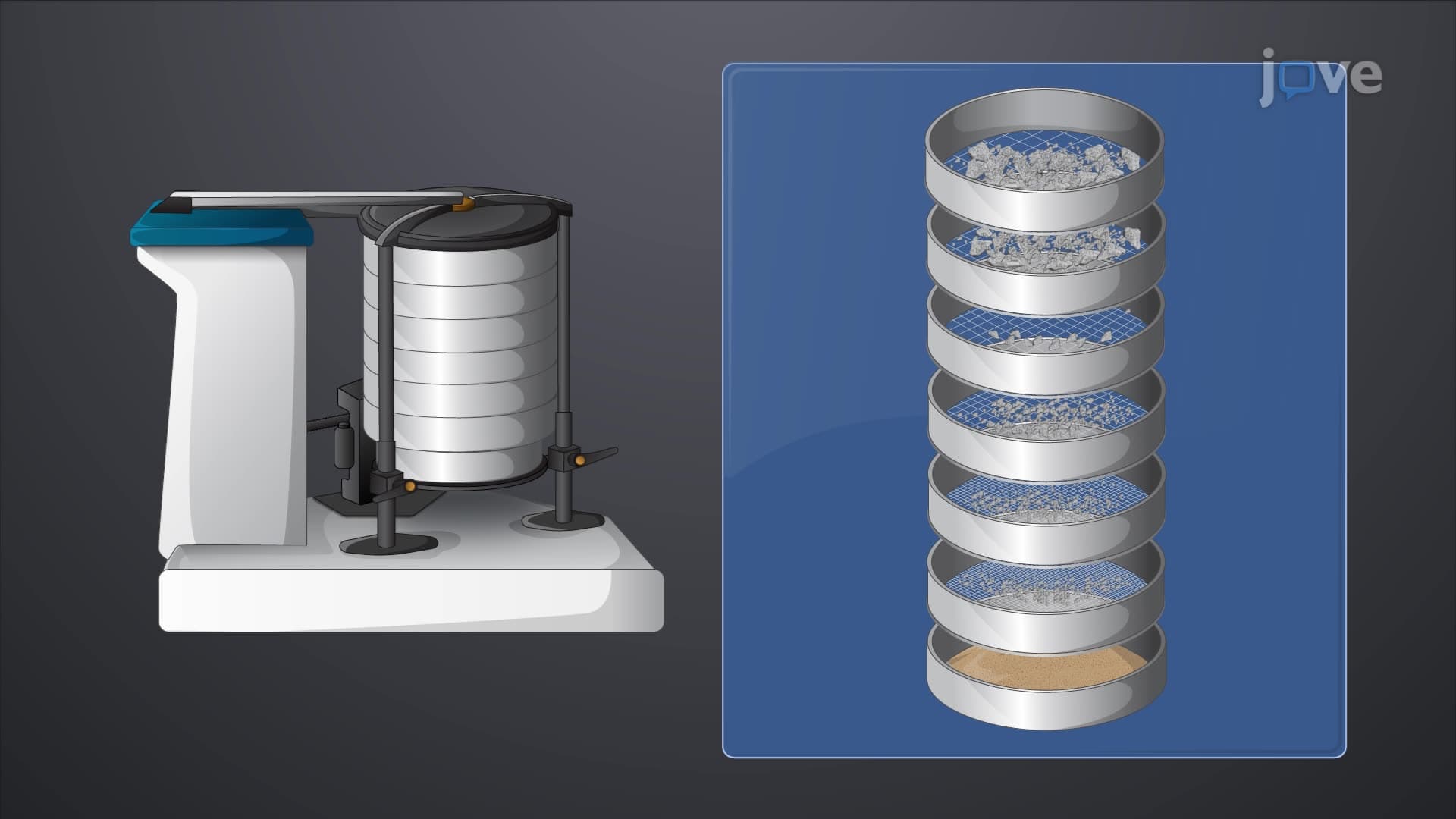
The bulk density of aggregate concept appears frequently in materials engineering coursework and standardized tests. AP Physics students encounter density calculations, while civil engineering majors at universities like Purdue and Georgia Tech use ASTM C29 test procedures to measure bulk density in laboratory courses. Professional engineers apply these principles when designing concrete mixes for projects ranging from residential foundations to interstate bridge decks.
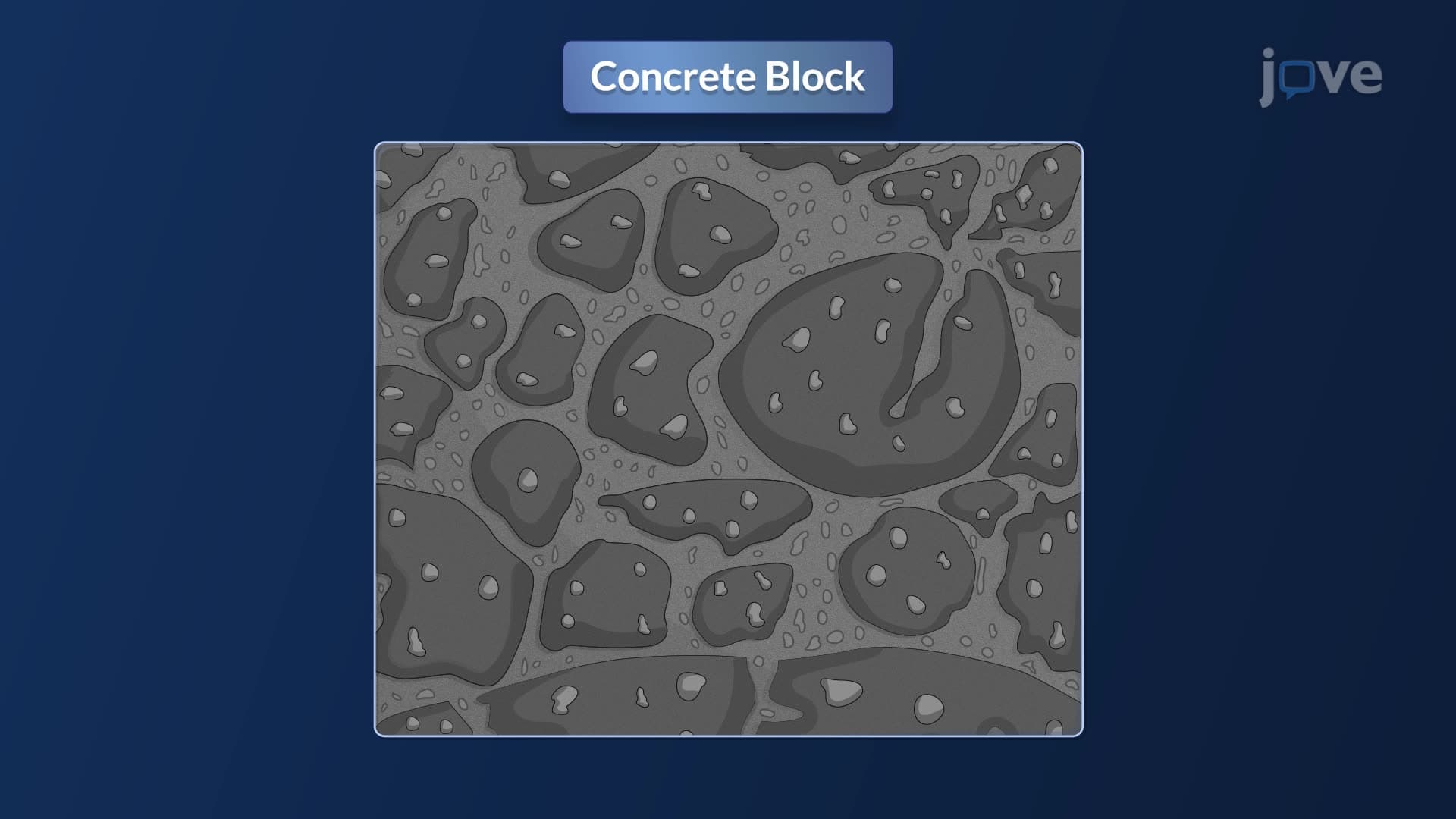
Understanding void percentage calculations helps determine cement paste requirements. Higher bulk density typically means fewer voids, reducing the amount of expensive cement needed to fill spaces between aggregate particles-a critical consideration for large infrastructure projects like airport runways or dam construction.
Related Micro-courses