Loading subject page…

- Civil Engineering
- Aggregates and Water
- Deleterious Substances in Aggregate
Micro-course: Aggregates and Water
8,112 views
Learn key concepts and earn your certificate.


Deleterious Substances in Aggregate

00:00
01:25
Video Summary: What Is Deleterious Substances in Aggregate
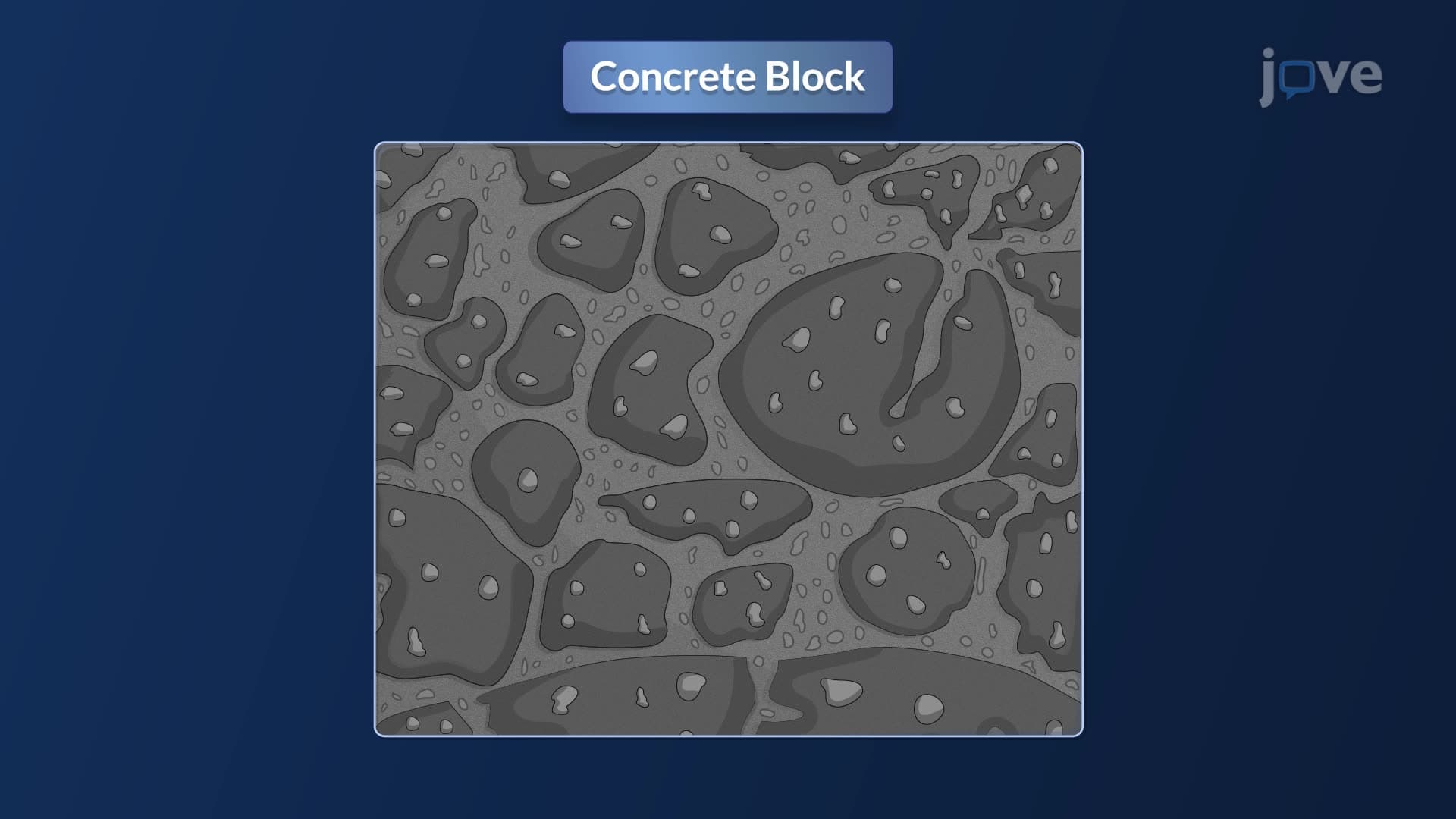
Did you know that seemingly clean construction sand can contain hidden organic matter that weakens concrete structures like those in California's Golden Gate Bridge? Deleterious substances in aggregate are harmful materials-including clay, organic matter, salt, and soft particles-that compromise concrete strength and durability when mixed with cement. These unwanted materials can cause everything from poor bonding to steel corrosion in major infrastructure projects. Watch the full video on JoVE Coach to master this concept with expert-led visuals and step-by-step explanations.
- Understand what deleterious substances in aggregate are and why they pose significant threats to concrete performance and structural integrity
- Identify the main types of harmful materials found in aggregates, including organic impurities, fine particles (clay and silt), excess salts, and low-density inclusions
- Analyze how organic matter interferes with cement hydration and recognize the colorimetric test method used to detect its presence in construction materials
- Compare the effects of different deleterious substances on concrete properties, from increased water requirements to steel reinforcement corrosion
- Evaluate testing methods like the wet sieve technique for detecting fine impurities in coarse aggregates used in construction projects
- Apply knowledge of deleterious substances to predict concrete failure modes, including efflorescence, pitting, and popouts in real structures
- Recognize how excess water requirements caused by fine impurities lead to drying shrinkage and increased cracking susceptibility
- Explore the relationship between aggregate quality control and long-term structural performance in civil engineering applications
Understanding Deleterious Substances in Aggregate
Deleterious substances in aggregate represent one of the most critical quality control challenges in concrete construction. These harmful materials, naturally occurring or introduced during processing, can severely compromise the performance of concrete structures from residential foundations to major infrastructure like the Hoover Dam. Understanding these substances is essential for students preparing for AP Chemistry, materials science courses, and engineering programs across US universities.
Types and Effects of Harmful Materials
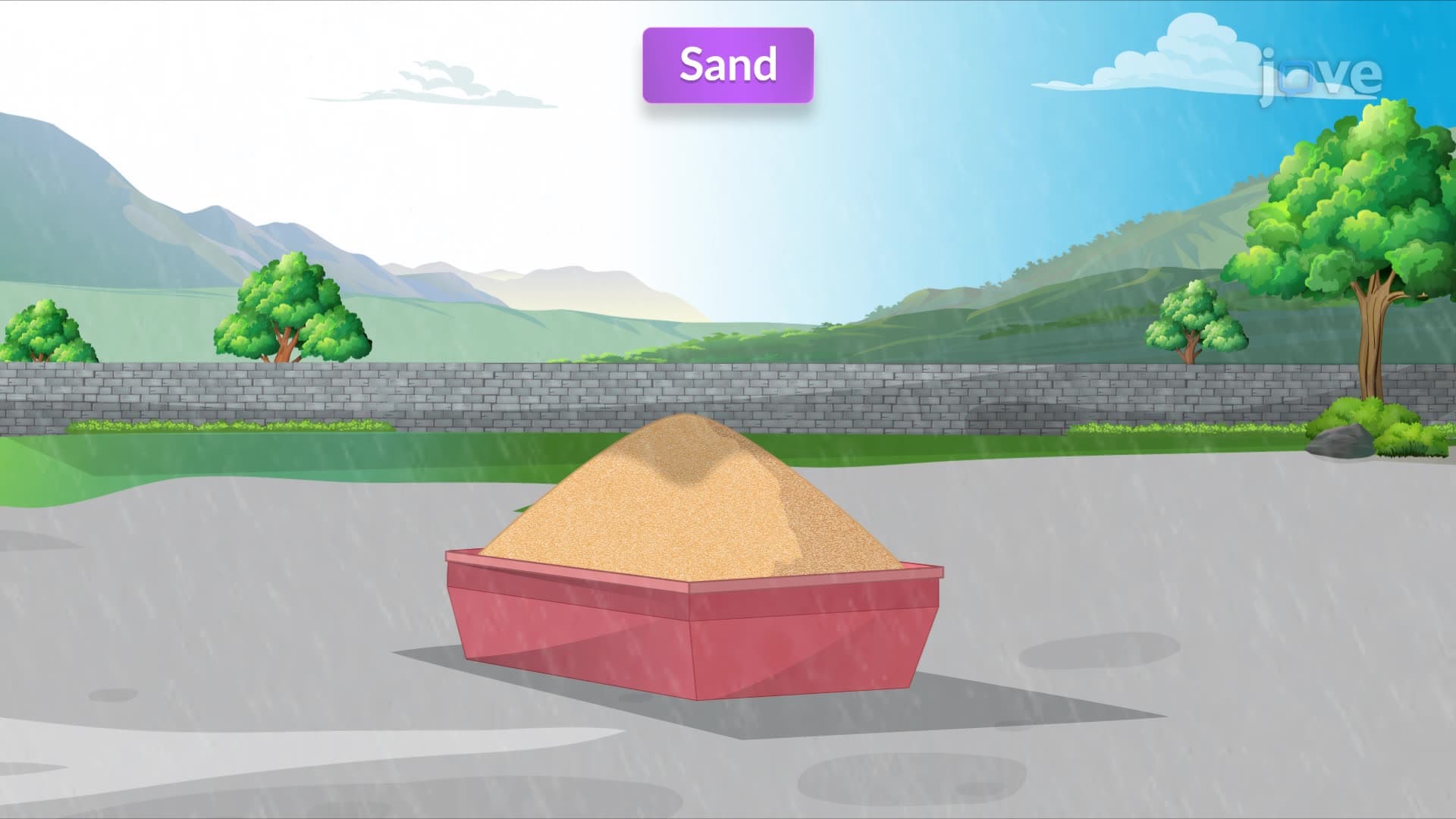
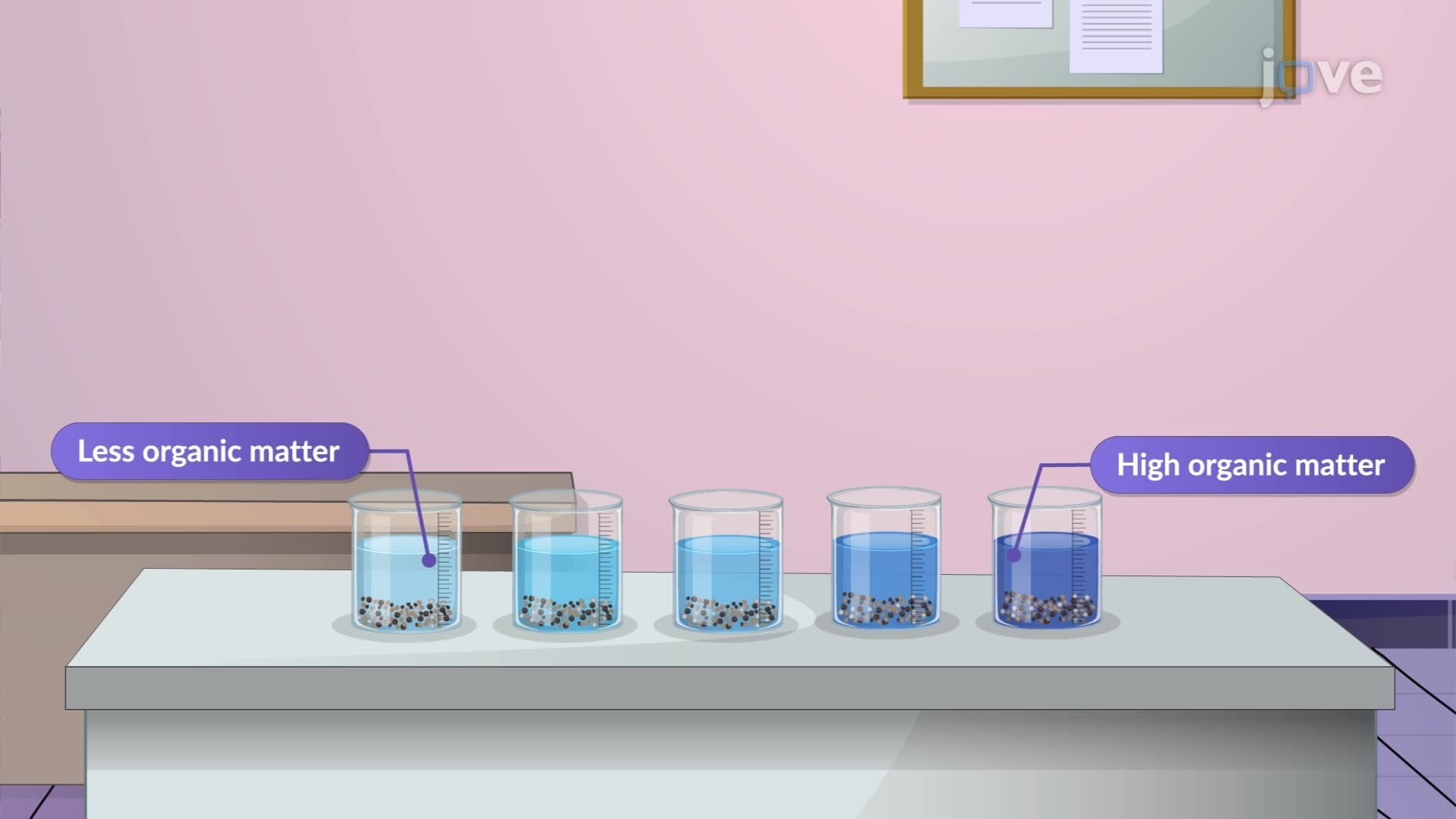
Organic impurities pose the first major category of concern. When natural sand contains decayed vegetative matter, these organic compounds interfere with the chemical hydration process between cement and water. The colorimetric test-a standard procedure taught in materials testing courses-uses a sodium hydroxide solution to detect organic content. The darker the resulting solution, the higher the organic contamination, with implications for concrete strength development.
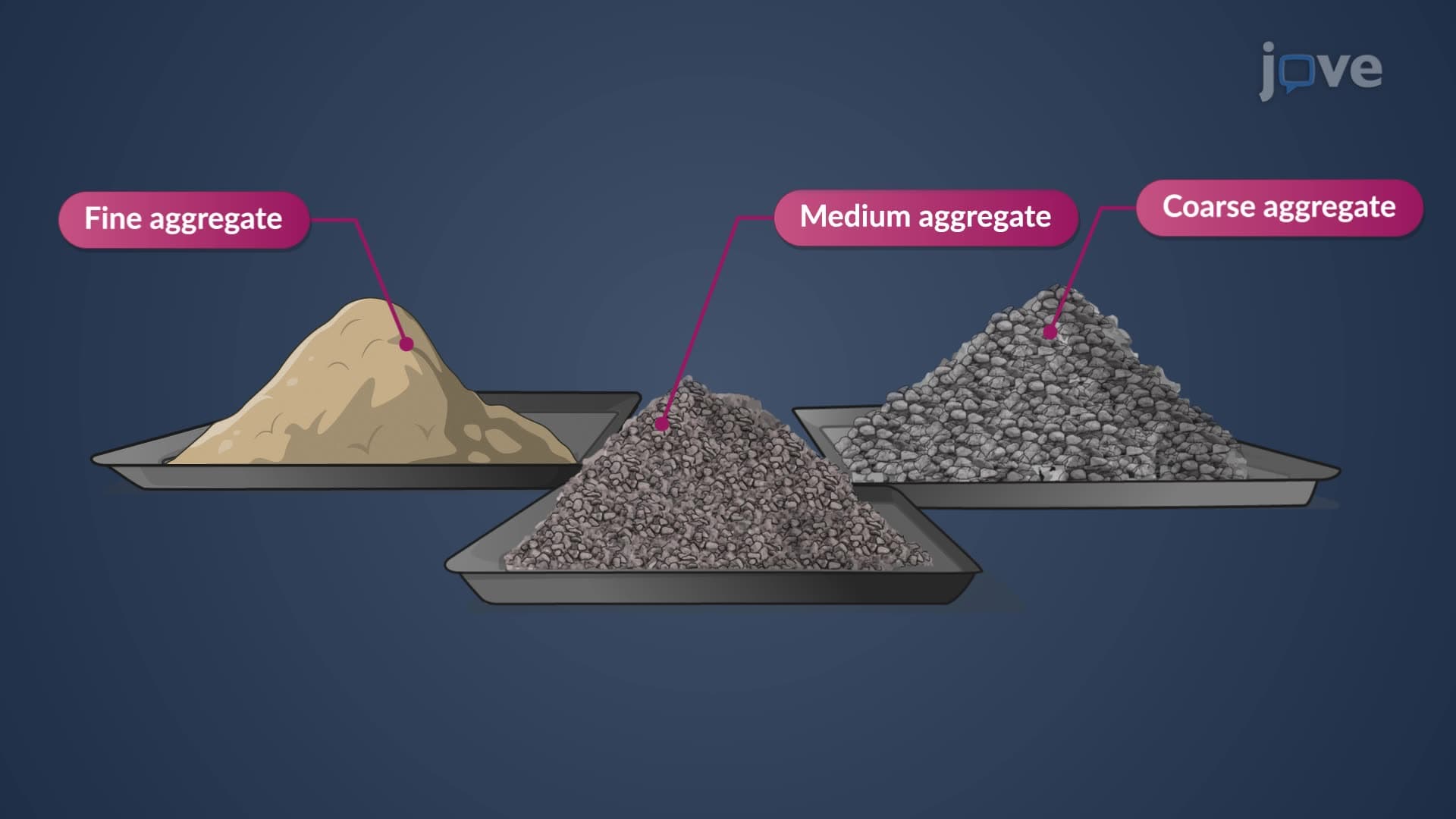
Fine impurities including clay, silt, and crusher dust create a coating effect on aggregate particles. This coating prevents proper bonding between the aggregate and cement paste, similar to trying to glue two surfaces with dust between them. These materials also dramatically increase the surface area requiring water coverage, leading to higher water-to-cement ratios. Students studying for the Fundamentals of Engineering (FE) exam should remember that excess water creates additional porosity, resulting in drying shrinkage and crack formation.
Chemical and Physical Degradation Mechanisms
Salt contamination presents unique challenges, particularly in coastal construction projects like those along Florida's coastline. Excess chloride ions from salt cause electrochemical corrosion of steel reinforcement, while also attracting atmospheric moisture that leads to efflorescence-those white, chalky deposits visible on concrete surfaces.
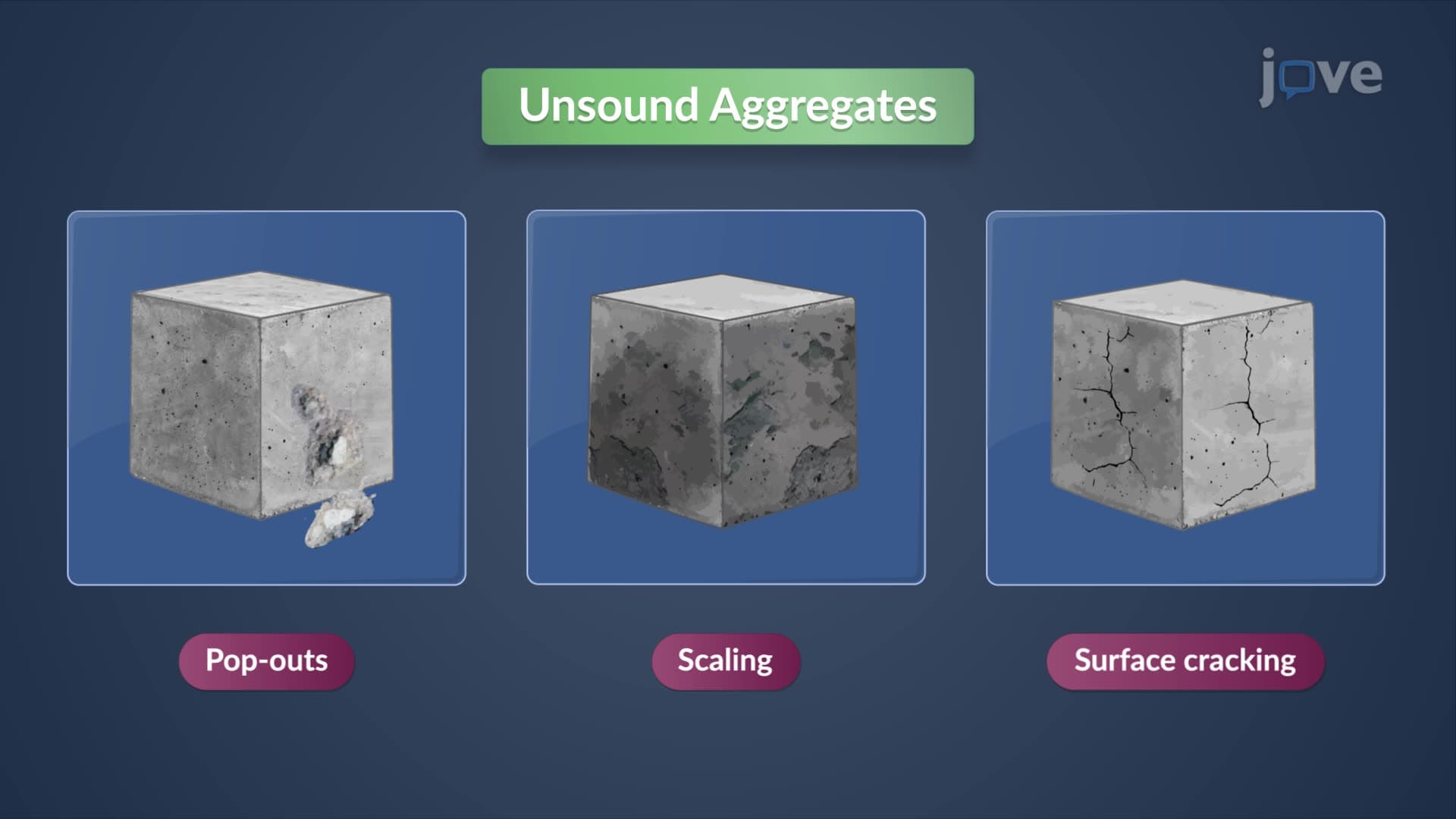
Low-density materials and soft inclusions represent the final category of concern. Materials like shale, clay lumps, coal particles, or wood fragments lack the structural integrity to withstand applied loads. Under stress, these inclusions break down, creating surface defects called pitting and popouts. These phenomena are frequently tested concepts in materials science midterms and professional engineering licensure examinations.
Practical Applications and Testing Standards
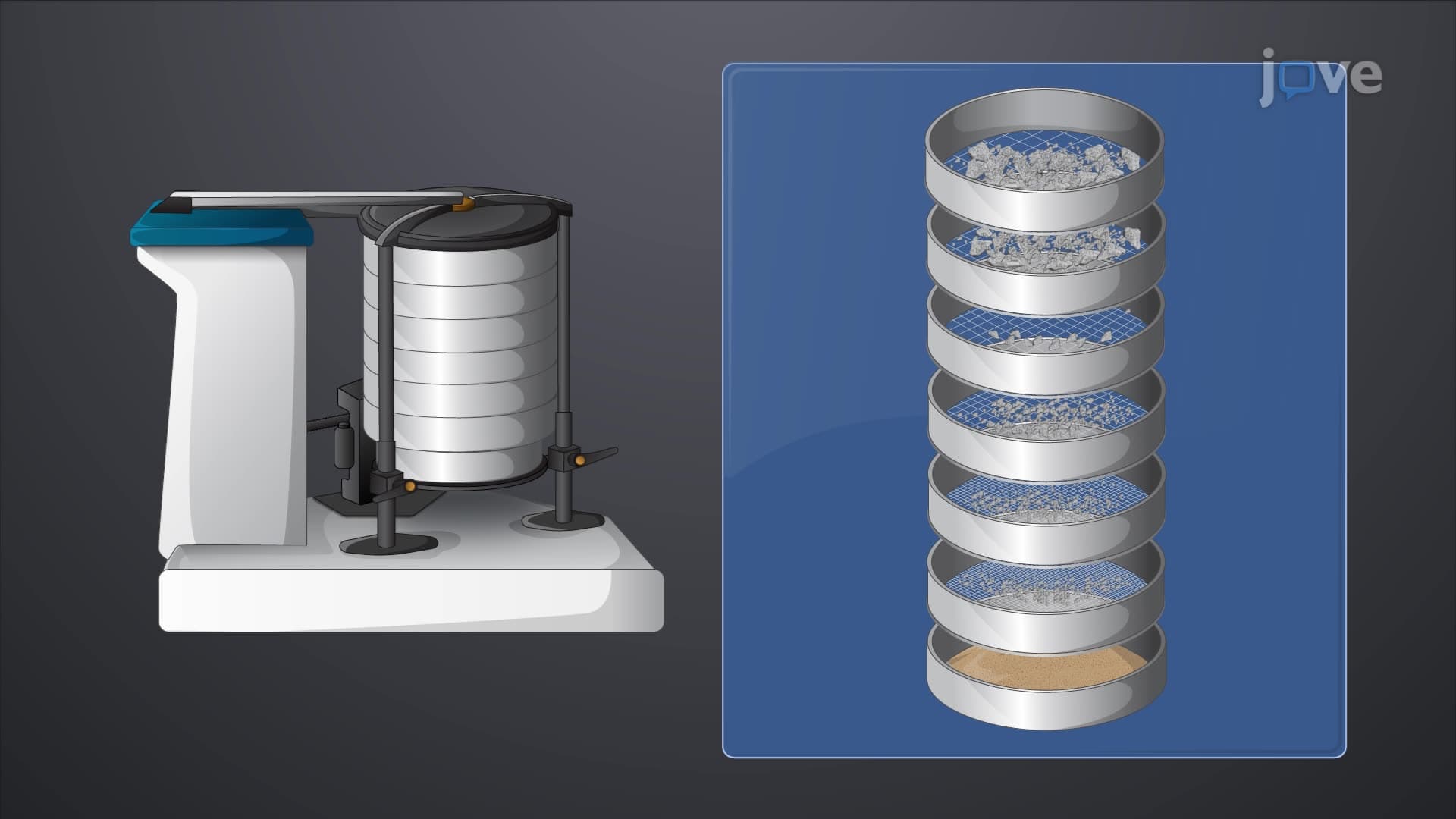
The wet sieve method, standardized by ASTM C117, provides quantitative measurement of fine material content in coarse aggregates. This test, commonly performed in university materials labs, separates particles smaller than the No. 200 sieve (75 μm) to determine cleanliness levels. Understanding these testing protocols prepares students for careers in construction quality control and materials engineering, where aggregate specifications directly impact project success and safety.
Frequently Asked Questions
Deleterious substances in aggregate are harmful materials like organic matter, clay, salt, and soft particles that weaken concrete when mixed with cement. Understanding these substances is crucial because they directly impact structural safety, durability, and construction costs in projects ranging from residential buildings to major infrastructure like bridges and highways.
Deleterious substances include four main categories: organic impurities (decayed plant matter that interferes with cement hydration), fine materials (clay and silt that coat aggregates and increase water needs), excess salts (chlorides that corrode steel reinforcement), and soft inclusions (materials like shale or coal that break down under load). Each type causes specific problems in concrete performance.
The MCAT may include questions about chemical interactions between organic matter and cement hydration, while the FE exam focuses on testing methods like the colorimetric test for organics and wet sieve analysis for fine materials. Students should understand both the chemistry behind material interactions and the quantitative testing standards used in practice.
Yes, these topics frequently appear in AP Chemistry under materials chemistry sections and are standard content in college materials science courses. Expect questions about chemical reactions during cement hydration, the effects of impurities on material properties, and interpretation of test results from standard procedures.
Major examples include salt damage to reinforced concrete in coastal cities like Miami and San Francisco, organic matter problems in concrete using river sand from the Mississippi Delta, and aggregate quality issues in projects like highway construction through the Rocky Mountains where soft rock inclusions can compromise pavement durability.
No advanced chemistry background is required-high school chemistry provides sufficient foundation. The key concepts involve basic chemical reactions, solution chemistry for testing methods, and understanding how different materials interact. Focus on practical applications rather than complex reaction mechanisms.
Create a comparison chart listing each type of deleterious substance, its source, testing method, and effects on concrete. Practice interpreting colorimetric test results and wet sieve data, and memorize the relationship between fine material content and water requirements. Focus on real-world examples and failure modes.
Progress to concrete mix design principles, admixture chemistry, and durability testing methods. Study aggregate gradation, alkali-silica reaction, and freeze-thaw resistance. These topics build directly on deleterious substance concepts and are essential for advanced materials engineering coursework.
Related Micro-courses
8 Concepts
18 Concepts

12 Concepts