Loading subject page…


8,112 views

Video Summary: What Is Maximum Size of Aggregate
Ever wonder why the concrete in your school's parking lot contains different-sized rocks? The maximum size of aggregate directly impacts concrete strength and workability in construction projects across America. Understanding what is maximum size of aggregate helps explain why the Hoover Dam used massive aggregates while residential sidewalks use smaller stones. This fundamental concept in materials engineering affects everything from highway construction to building foundations. Watch the full video on JoVE Coach to master this concept with expert-led visuals and step-by-step explanations.
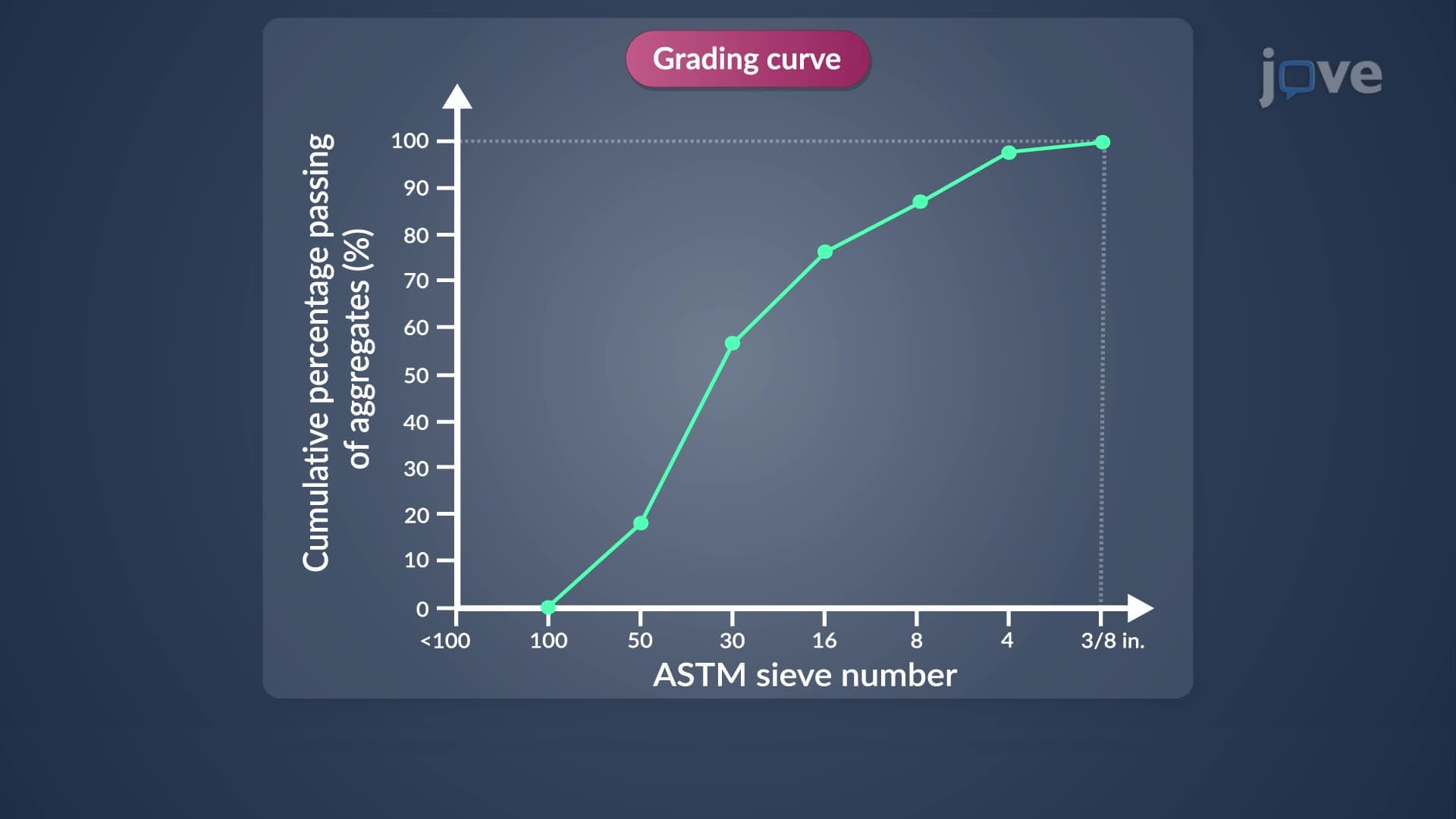
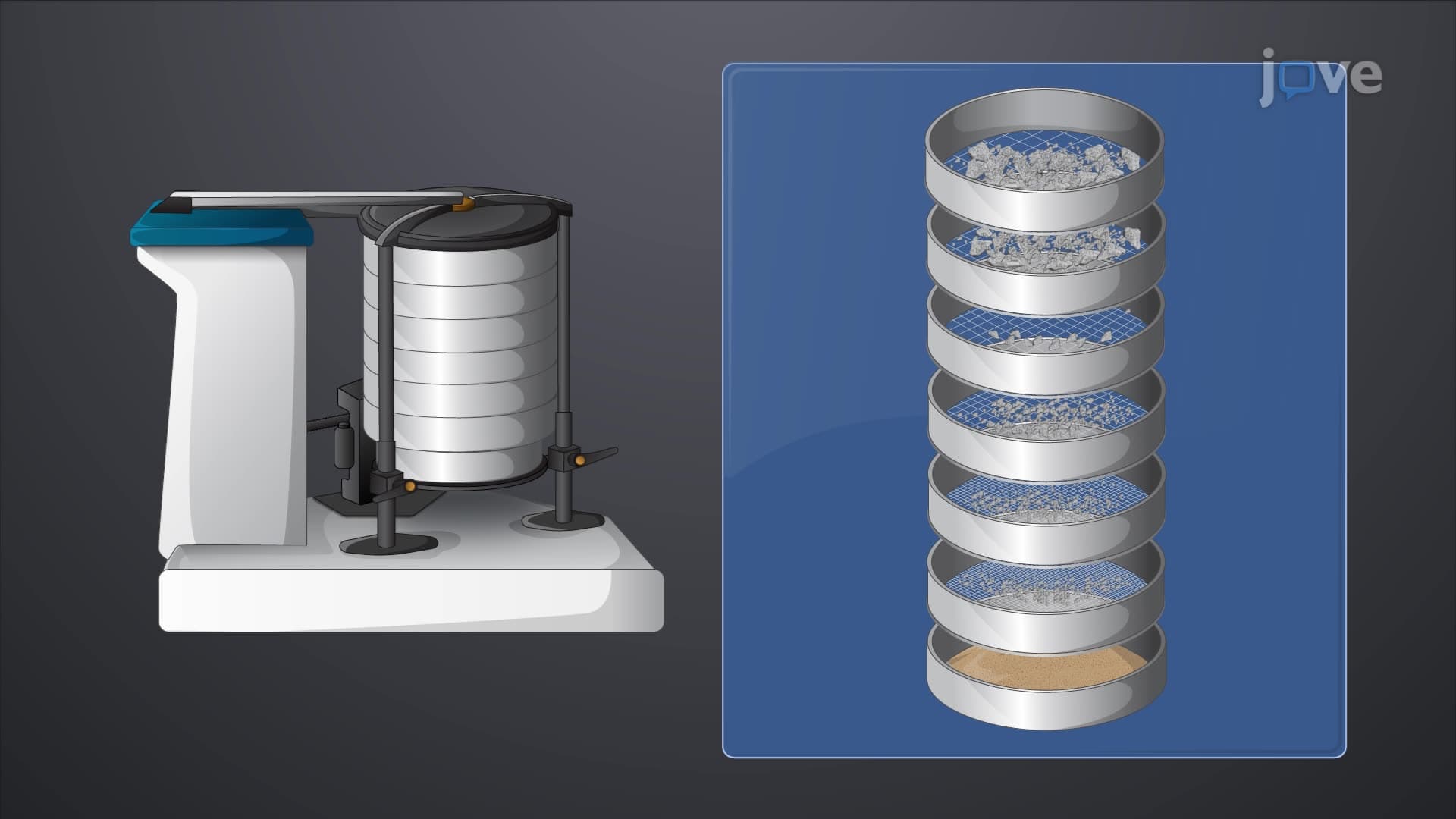
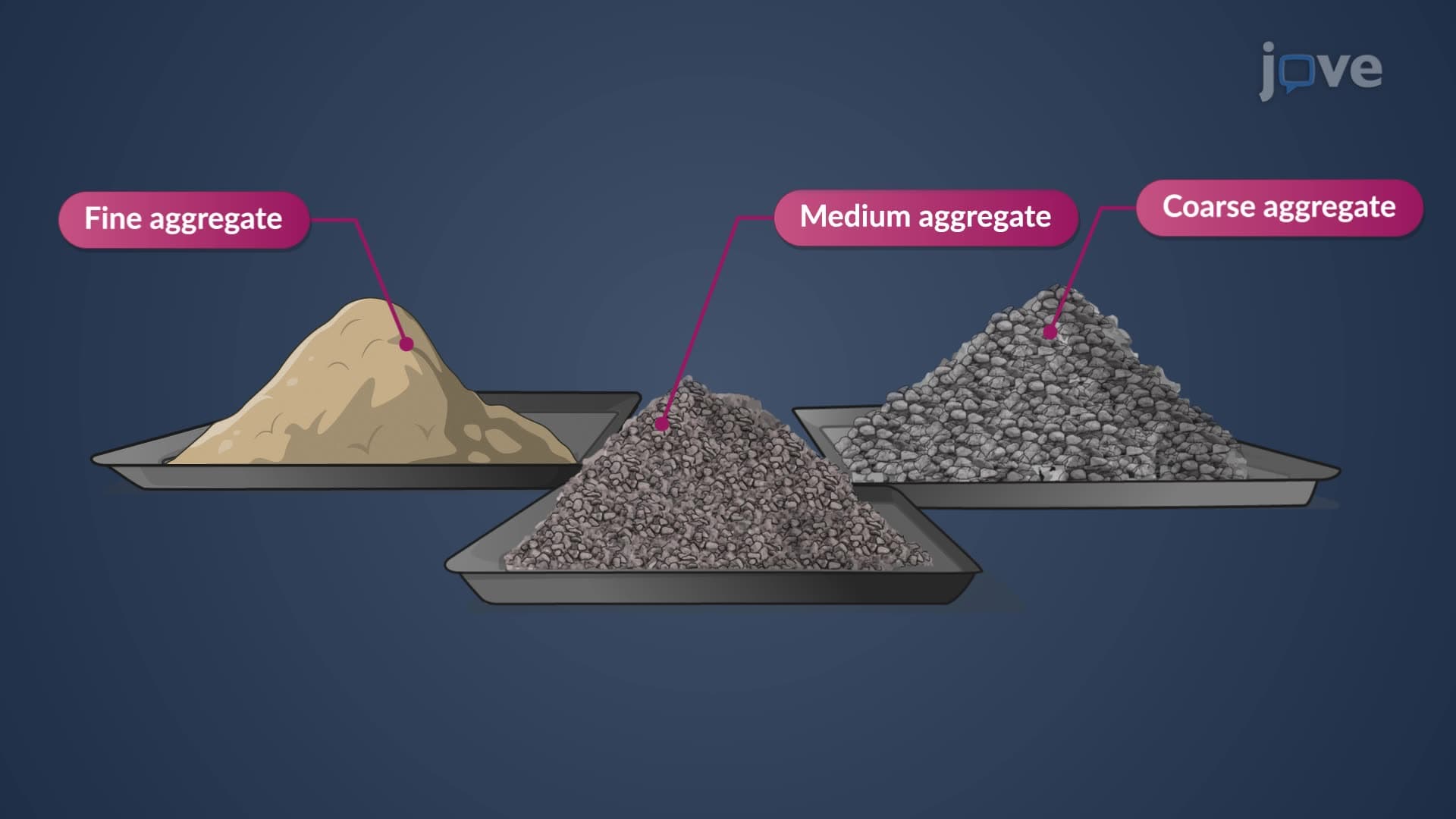
The maximum size of aggregate represents a critical parameter in concrete mix design that engineers must carefully balance to achieve optimal performance. Technically defined as the sieve size that retains at least 15% of aggregate particles in a sample, this measurement directly influences concrete properties from workability to ultimate strength.
As aggregate size increases, the total surface area per unit mass decreases significantly. This reduction means less cement paste is needed to coat all aggregate surfaces, improving concrete workability during mixing and placement. For example, using 1-inch maximum aggregate in a highway project requires less water and cement than using ¼-inch aggregate for the same volume, making the concrete easier to pump and place efficiently.
However, this relationship isn't linear. Beyond optimal sizes, larger aggregates create fewer bonding sites with cement mortar, potentially compromising the concrete matrix's integrity. This principle appears frequently in AP Chemistry and college materials science courses when discussing surface area-to-volume ratios.
Practical construction requirements impose strict limits on maximum aggregate size. The aggregate must fit between reinforcing bars with adequate clearance-typically requiring aggregates no larger than ¾ the clear spacing between reinforcement. Additionally, the aggregate size cannot exceed ⅓ the thickness of slabs or ⅕ the narrowest dimension of beams.
These constraints explain why residential foundations use smaller aggregates (½-¾ inch maximum) while massive infrastructure projects like the Golden Gate Bridge's concrete anchorages could accommodate larger sizes. Understanding these relationships helps students excel in structural engineering coursework and professional licensing exams.
Construction economics significantly influence aggregate selection. Stockpiling multiple aggregate sizes increases material handling costs and site complexity. Larger aggregates also pose greater segregation risks during transport and placement, potentially creating weak zones in finished concrete.
The standard practice of limiting structural concrete to 1-1.5 inch maximum aggregate size represents an engineering compromise balancing strength, workability, cost, and constructability-concepts essential for success in civil engineering programs and professional practice.
Related Micro-courses