Loading subject page…


8,113 views

Video Summary: What Is Quality of Water
Did you know that using the wrong water in concrete construction can cause a $2.5 trillion infrastructure to crumble prematurely? The quality of water used in concrete mixing directly determines whether structures like California's Golden Gate Bridge maintain their strength for decades or deteriorate rapidly. What is Quality of Water encompasses understanding how water composition affects concrete performance, from pH levels to dissolved minerals that can compromise structural integrity. Watch the full video on JoVE Coach to master this concept with expert-led visuals and step-by-step explanations.
Quality of water refers to the chemical and physical characteristics that determine water's suitability for specific applications, particularly in construction and engineering. In concrete applications, water quality becomes critical because it directly influences the hydration process that gives concrete its strength and durability. The concept encompasses pH levels, dissolved mineral content, organic matter presence, and various chemical impurities that can either enhance or compromise concrete performance.
The quality of water definition centers on maintaining optimal chemical balance for concrete hydration. Acceptable water must have a pH between 6 and 8, avoiding both highly acidic and alkaline conditions that can interfere with cement chemistry. Waters containing excessive sodium or potassium ions-common in coastal areas like Florida's saltwater-affected regions-can create expansion problems and reduce concrete strength over time. For students preparing for AP Chemistry or college-level materials science courses, understanding these ionic interactions provides foundational knowledge for advanced concrete chemistry topics.
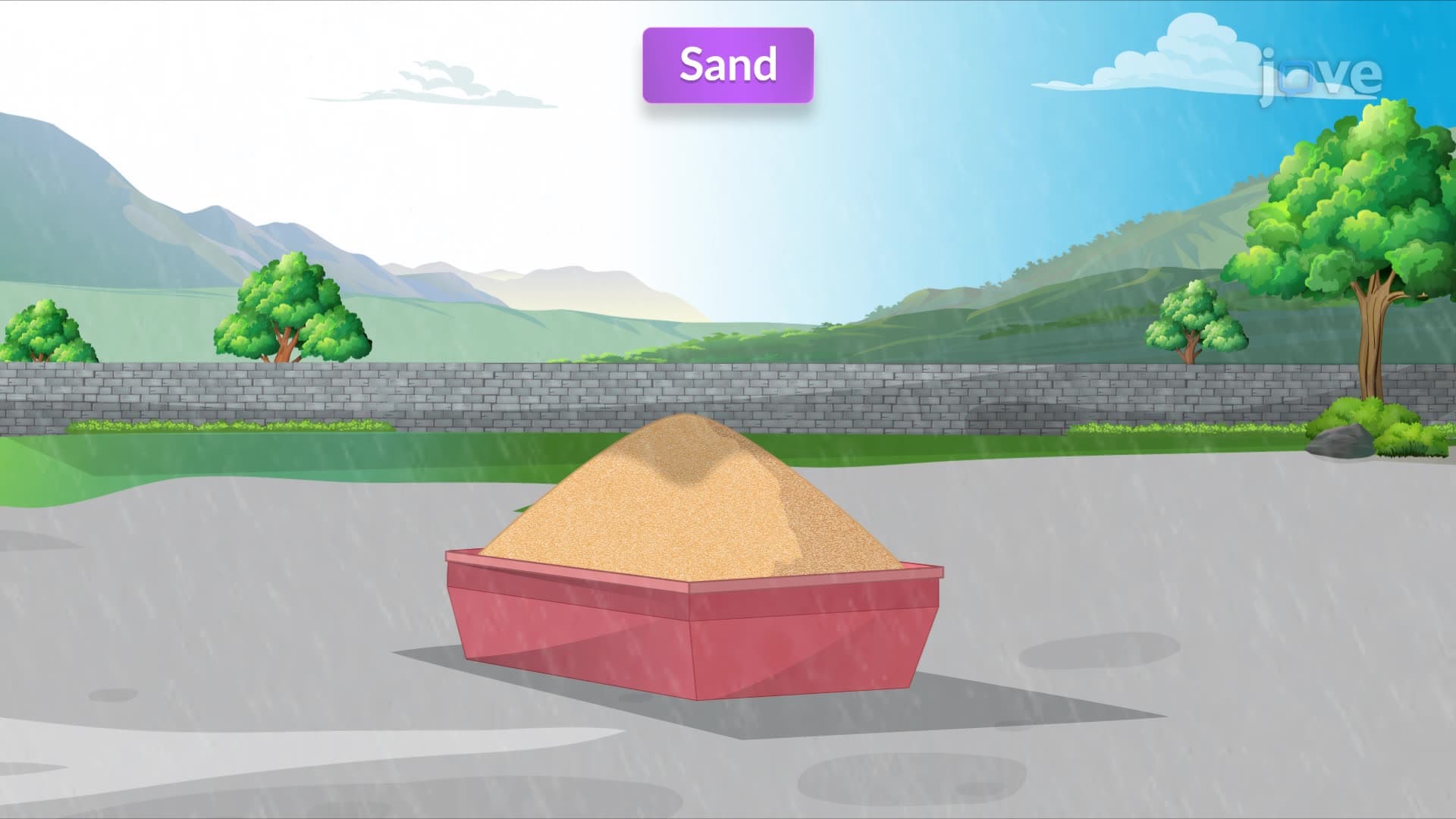
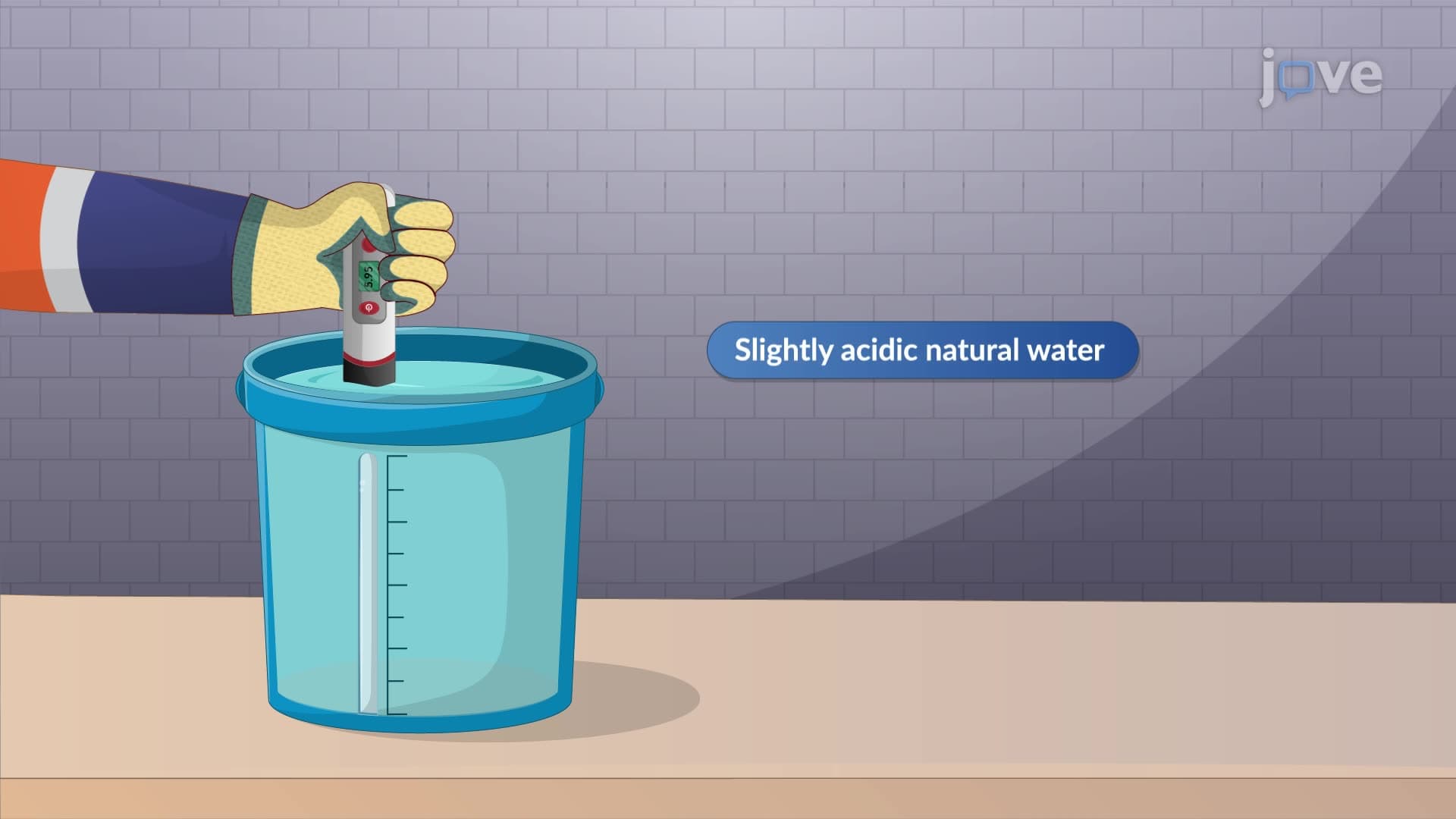
What is quality of water in detail involves recognizing multiple acceptable sources beyond potable drinking water. Settled water with reduced silt content, properly treated concrete mixer wash water, and naturally occurring slightly acidic water all meet construction standards when properly tested. However, algae-contaminated water, brackish or saline water, and water containing significant organic matter must be avoided. These standards apply directly to construction projects across the United States, from residential foundations in Texas to major infrastructure projects in New York.
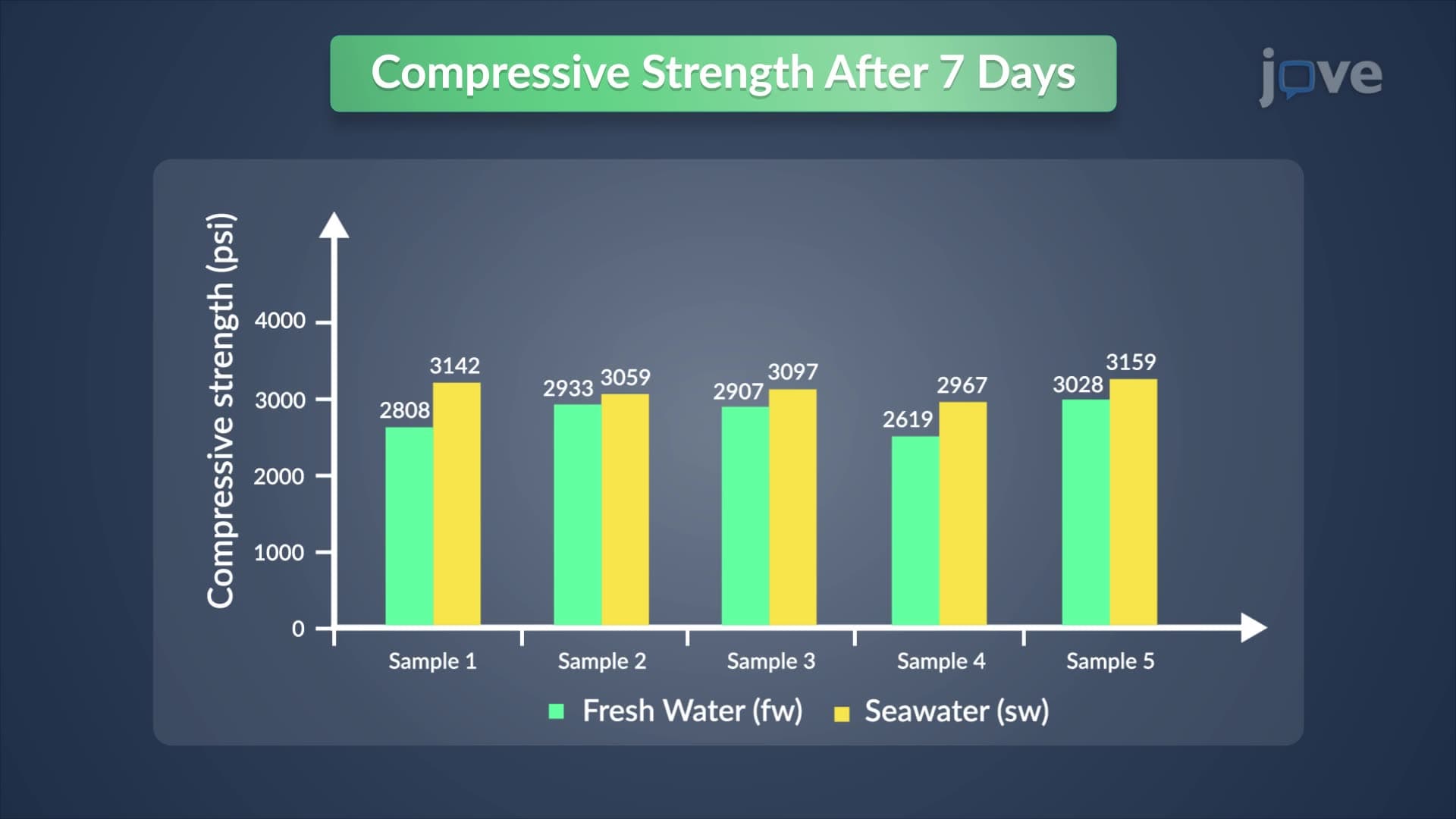
The quality of water concept becomes evident in major US construction failures and successes. Using seawater or contaminated water can lead to reinforcement corrosion, persistent dampness, and efflorescence-white crystalline deposits that appear on concrete surfaces. The interstate highway system's concrete durability varies significantly based on local water quality used during construction. Students studying for the MCAT or engineering fundamentals exams should note how water quality connects to broader materials science principles, including chemical kinetics and corrosion electrochemistry.
Related Micro-courses