Loading subject page…

- Civil Engineering
- Aggregates and Water
- Specific Gravity of Aggregate
Micro-course: Aggregates and Water
8,112 views
Learn key concepts and earn your certificate.


Specific Gravity of Aggregate


00:00
01:19
Video Summary: What Is Specific Gravity of Aggregate
Ever wonder why concrete bridges can support thousands of cars without collapsing? The answer lies in understanding specific gravity of aggregate, a fundamental property that determines the strength and durability of construction materials. From highway projects like Interstate 95 repairs to skyscraper foundations in New York City, engineers rely on precise aggregate measurements to ensure structural integrity. What is specific gravity of aggregate becomes crucial when selecting materials that must withstand both environmental stresses and heavy loads. Watch the full video on JoVE Coach to master this concept with expert-led visuals and step-by-step explanations.
- Understand what is specific gravity of aggregate and its role in determining material density ratios for construction applications
- Identify the three distinct types of specific gravity measurements: bulk, apparent, and absolute specific gravity
- Analyze how pore structure and water permeability influence aggregate density calculations in real-world scenarios
- Compare measurement techniques between fine aggregates (pycnometer method) and coarse aggregates (wire-basket method)
- Evaluate the significance of the 2.6 to 2.7 range for natural aggregate specific gravity in material selection
- Apply specific gravity concepts to solve engineering problems involving concrete mix design and structural calculations
- Recognize the relationship between aggregate porosity and its impact on concrete strength and durability
- Explore how specific gravity testing ensures quality control in construction material specifications
Understanding What is Specific Gravity of Aggregate
Specific gravity of aggregate represents a dimensionless ratio that compares aggregate density to water density at standard temperature conditions. This fundamental property serves as a critical quality indicator in construction materials, directly influencing concrete strength, durability, and overall structural performance. Unlike simple density measurements, specific gravity provides engineers with a standardized reference point for comparing different aggregate types regardless of their absolute mass or volume.
Three Classifications of Aggregate Specific Gravity
The specific gravity of aggregate definition encompasses three distinct measurement approaches, each addressing different aspects of aggregate porosity. Bulk specific gravity considers aggregates in their saturated surface-dry state, accounting for both solid material and accessible voids within the aggregate structure. This measurement proves most relevant for concrete mix design calculations since it reflects how aggregates behave when incorporated into fresh concrete.
Apparent specific gravity focuses exclusively on the solid aggregate material, excluding permeable voids from volume calculations. This approach provides insight into the actual mineral composition and helps engineers understand the aggregate's inherent material properties. Meanwhile, absolute specific gravity eliminates all voids from consideration, offering the theoretical maximum density value for the aggregate material itself.
Measurement Techniques and Laboratory Applications
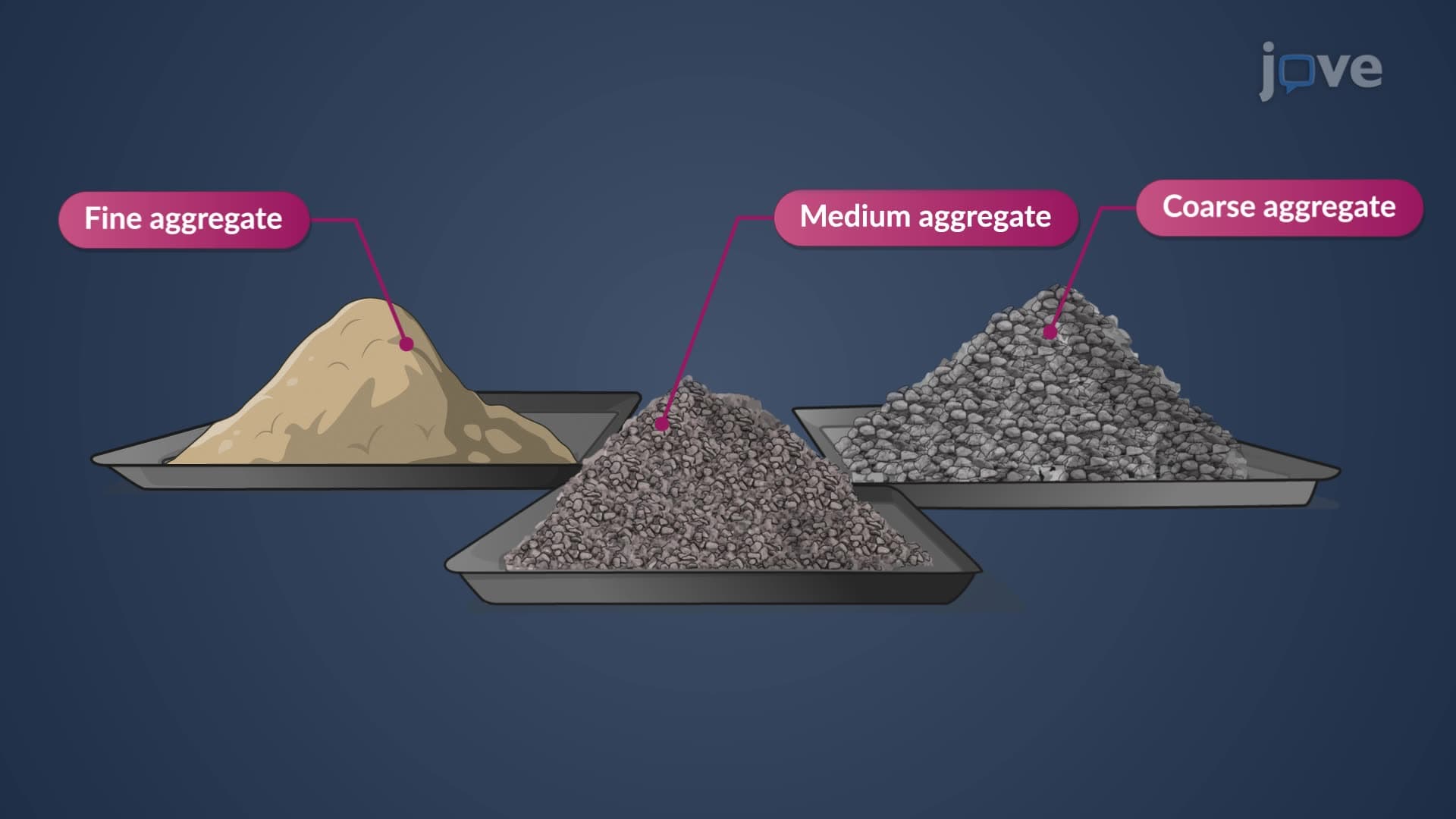
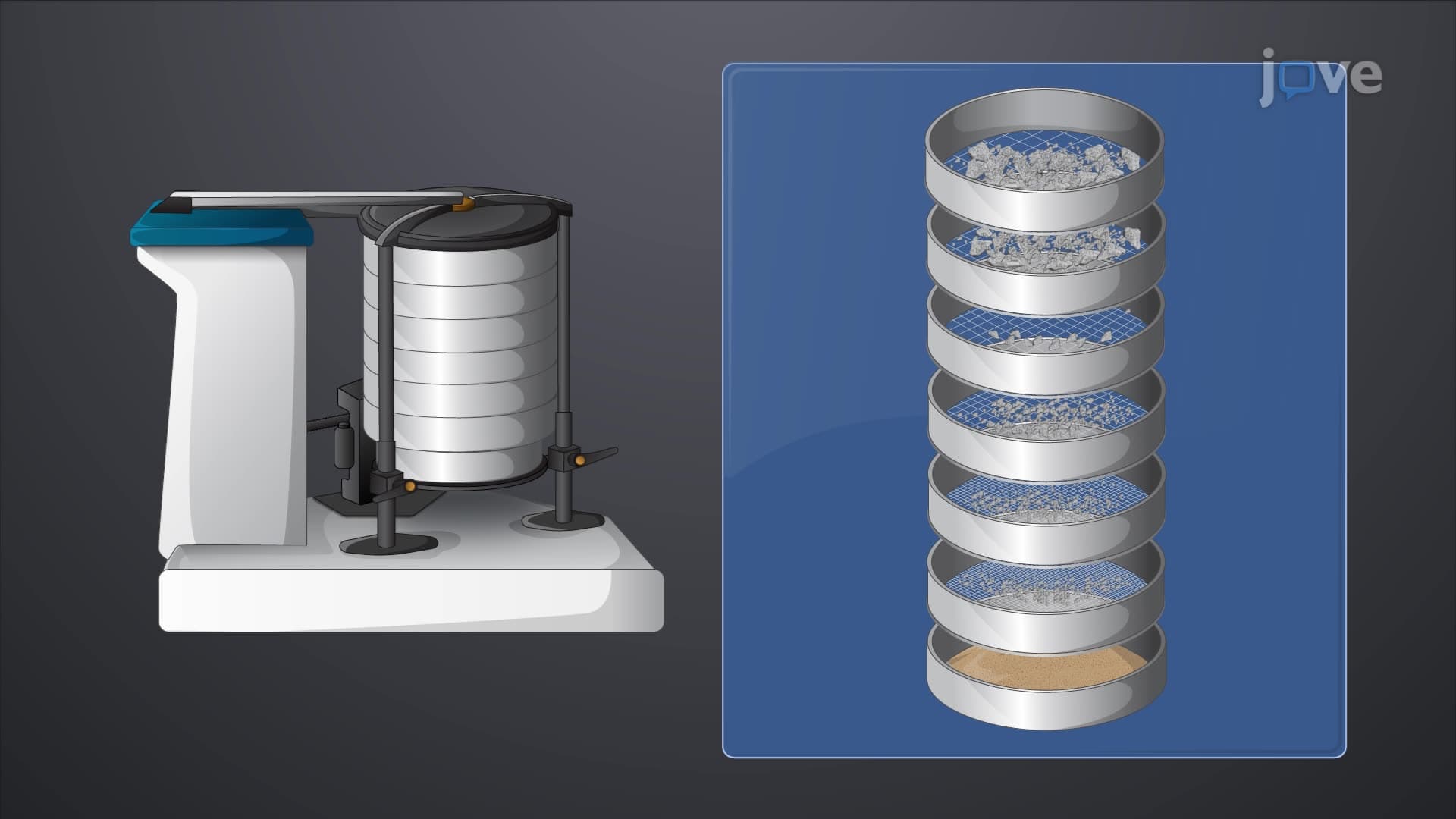
Testing procedures vary significantly between aggregate sizes, reflecting practical laboratory constraints and accuracy requirements. Fine aggregates undergo evaluation using the pycnometer method, which provides precise volume measurements through water displacement principles. This technique proves particularly valuable for materials passing the No. 4 sieve, where individual particle handling becomes impractical.
Coarse aggregates require the wire-basket method, accommodating larger particle sizes while maintaining measurement accuracy. This approach suspends aggregates in water-filled containers, allowing for accurate density calculations without the geometric complexities associated with irregular particle shapes. Both methods appear frequently in materials testing courses and professional certification examinations, including the American Concrete Institute (ACI) certification programs.
Practical Applications in US Construction Projects
The typical range of 2.6 to 2.7 for natural aggregate specific gravity serves as a benchmark for material selection in major infrastructure projects. The Federal Highway Administration (FHWA) specifications reference these values when establishing concrete requirements for interstate highway construction. Similarly, building codes across states like California, Texas, and Florida incorporate specific gravity requirements for seismic-resistant concrete design.
Understanding what is specific gravity of aggregate in detail becomes essential for students pursuing careers in civil engineering, construction management, or materials science. This knowledge directly applies to coursework in concrete technology, structural design, and materials testing laboratory sessions commonly found in ABET-accredited engineering programs.
Frequently Asked Questions
Specific gravity of aggregate is the ratio of aggregate density to water density, serving as a fundamental property for concrete mix design and quality control. It helps engineers predict concrete strength, calculate material quantities accurately, and ensure structural safety in construction projects. This measurement directly influences how aggregates interact with cement paste and affects the final concrete properties.
Exam questions typically involve calculating specific gravity ratios, comparing different aggregate types, or solving concrete mix design problems. Students might encounter scenarios requiring them to determine aggregate volumes, predict concrete density, or evaluate material suitability based on specific gravity values. Practice problems often include real construction examples like bridge deck specifications or foundation requirements.
Bulk specific gravity includes all aggregate volume including accessible pores, apparent specific gravity excludes permeable voids, and absolute specific gravity excludes all voids entirely. MCAT passages might connect these concepts to biological density measurements, while engineering exams focus on their practical applications in concrete mix calculations and material property predictions.
Companies like Caterpillar, Bechtel, and local ready-mix concrete suppliers test aggregate specific gravity to ensure consistent concrete quality and meet project specifications. For example, highway construction in states like Texas requires specific gravity testing to verify that aggregates meet Department of Transportation standards for interstate projects. This testing prevents costly failures and ensures long-term pavement performance.
No advanced chemistry background is required, basic algebra and understanding of density ratios suffices for most applications. High school students with solid math skills can master these concepts through practice with calculation problems and laboratory exercises. The key is understanding the relationship between mass, volume, and density rather than complex chemical interactions.
Focus on memorizing the three types of specific gravity definitions, practice calculation problems with different aggregate scenarios, and understand how these values influence concrete mix design. Create flashcards for typical specific gravity ranges (2.6-2.7 for natural aggregates) and work through past exam problems involving aggregate selection and concrete proportioning.
Specific gravity knowledge provides the foundation for studying lightweight aggregates in sustainable construction, understanding how recycled materials perform compared to natural aggregates, and predicting long-term concrete performance. This concept connects to advanced topics like alkali-aggregate reaction, freeze-thaw resistance, and high-performance concrete design used in modern green building practices.
Testing requires pycnometers for fine aggregates, wire baskets for coarse materials, precision balances, and temperature-controlled water baths. Safety protocols include proper handling of glass equipment, awareness of slip hazards around water, and following standard laboratory practices for materials testing. Many universities incorporate these procedures into materials science lab courses.
Related Micro-courses
8 Concepts
18 Concepts
12 Concepts