Loading…
Loading video…

8,195 views
When NASA engineers analyze rocket fuel flow or design water treatment plants, they use velocity and acceleration principles within two critical frameworks. Control volume and system representations explained through fluid mechanics help predict how water moves through Detroit's treatment facilities or how air flows over Boeing aircraft wings. These analytical approaches determine whether to track specific fluid particles or focus on fixed spatial regions. Understanding velocity and acceleration definition becomes essential for solving complex engineering problems involving fluid motion. Watch the full video on JoVE Coach to master this concept with expert-led visuals and step-by-step explanations.
Fluid mechanics analysis relies on two fundamental approaches that determine how engineers study motion, forces, and energy transfer. The velocity and acceleration behavior of fluids can be analyzed through either a control volume approach, which examines a fixed region in space, or a system approach, which follows a specific mass of fluid through time.
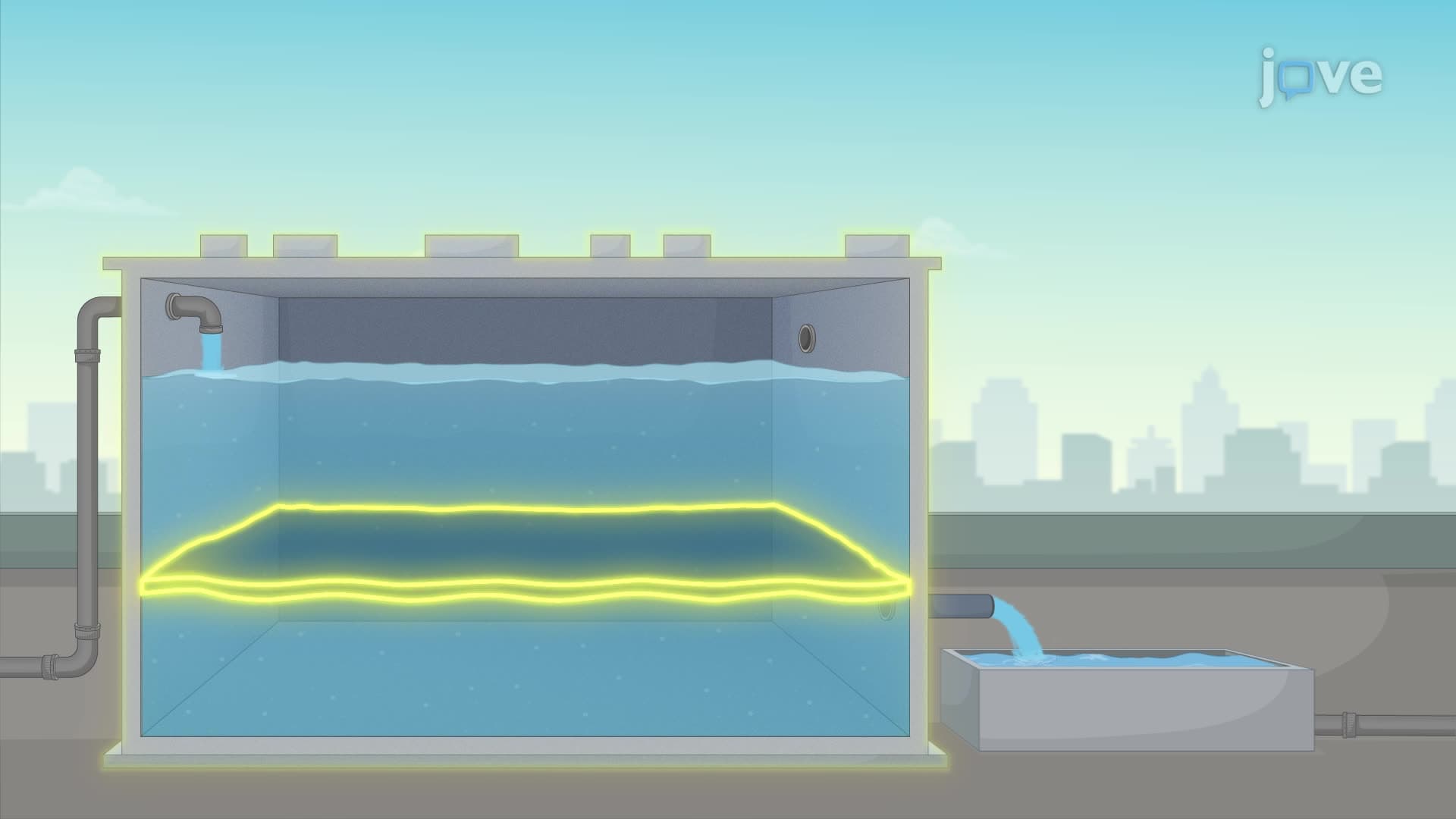
The control volume method establishes a defined region in space with clear boundaries called control surfaces. Engineers at companies like General Electric use this approach when designing jet engines, focusing on combustion chambers where fuel and air enter, mix, and exit as hot gases. The velocity and acceleration definition becomes crucial here because the analysis tracks how fluid properties change at specific locations rather than following individual particles.
In water treatment facilities across California, operators apply control volume analysis to optimize flow rates through filtration systems. The control volume remains stationary while water continuously flows through it, making calculations more manageable for complex pipe networks. This approach proves especially valuable for what is velocity and acceleration in detail questions on AP Physics exams, where students must analyze fluid entering and leaving pumps or turbines.
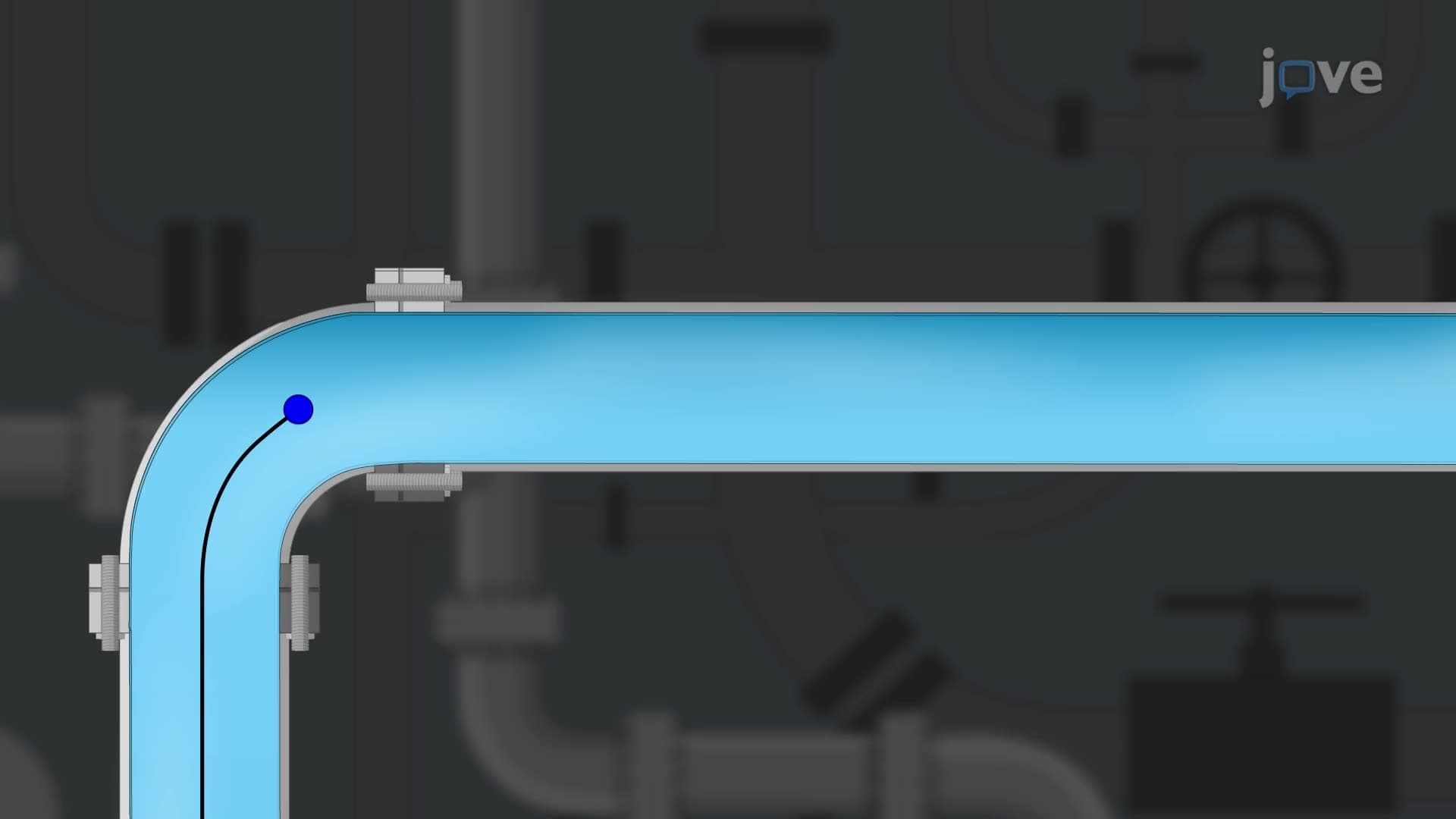
The system representation tracks a specific quantity of fluid as it moves through space and time. Consider a weather balloon rising through Earth's atmosphere – meteorologists follow this specific mass of helium as it expands and rises, analyzing how pressure and temperature changes affect its motion. This approach directly connects to velocity and acceleration basics because it requires tracking how the same fluid particles accelerate under various forces.
Automotive engineers at Ford apply system analysis when studying fuel injection systems, following specific fuel droplets from injection through combustion. The velocity and acceleration overview for these particles helps optimize engine performance and emissions control.
Students preparing for MCAT physics sections frequently encounter problems requiring both approaches. A typical question might ask about blood flow through arteries (control volume) versus tracking red blood cells through circulation (system). Understanding velocity and acceleration concept applications helps distinguish when each method provides clearer solutions.
Engineering students at universities like MIT and Stanford learn that control volume analysis works best for steady-flow problems involving turbines, compressors, and heat exchangers. System analysis proves more effective for studying batch processes, closed containers, or situations where the same fluid mass undergoes significant property changes.
Frequently Asked Questions
Control volume focuses on a fixed region in space where you analyze what flows in and out, like studying traffic at an intersection. System representation follows a specific mass of material over time, like tracking a particular group of cars as they travel through a city. Both approaches help solve engineering problems involving fluid motion and energy transfer.
AP Physics C often includes free-response questions about fluid flow through pipes, where you must choose between analyzing a fixed pipe section (control volume) or following specific water molecules (system). These problems typically involve conservation of mass and energy principles. Understanding both approaches helps you select the most efficient solution method and avoid common calculation errors.
For blood flow through vessels, use control volume analysis to study flow rates and pressure changes at specific locations. For tracking drug distribution or oxygen transport by red blood cells, apply system analysis to follow specific blood components through the circulatory system. MCAT questions often test your ability to distinguish these scenarios and apply appropriate conservation laws.
Boeing engineers use control volume analysis for designing aircraft air conditioning systems, analyzing airflow through fixed cabin sections. They apply system analysis when studying fuel behavior during flight maneuvers, tracking specific fuel quantities as they move between tanks. Both approaches ensure passenger safety and optimal aircraft performance under various flight conditions.
Consider a busy Starbucks location during morning rush hour. Control volume analysis would study the coffee shop as a fixed space, measuring customer flow rates in and out to optimize staffing. System analysis would follow specific customers from arrival through service completion, analyzing their individual experience and wait times to improve customer satisfaction.
You need solid algebra and basic calculus understanding, typically covered in high school AP Calculus or college Calculus I. Most introductory applications use steady-state conditions with straightforward conservation equations. The key challenge involves setting up problems correctly rather than complex mathematical manipulations, making these concepts accessible to motivated high school students.
Practice identifying whether problems require control volume or system analysis by reading problem statements carefully. Create a decision flowchart: use control volume for fixed regions with flow in/out, system for tracking specific masses over time. Work through problems from textbooks like Munson's Fluid Mechanics, focusing on steady-flow energy equations and mass conservation applications.
Advanced fluid mechanics courses explore unsteady flow analysis, compressible flow through nozzles, and turbomachinery design. Heat transfer courses apply these concepts to thermal systems analysis. These foundations prepare you for graduate studies in aerospace engineering, environmental engineering, or biomedical engineering where fluid-structure interactions become critical.
Control volume and system approaches appear throughout physics and engineering. Thermodynamics uses both for analyzing heat engines and refrigeration cycles. Electromagnetics applies similar thinking for electric and magnetic field analysis. Understanding these fundamental approaches strengthens problem-solving skills across multiple science and engineering disciplines.
Related Micro-courses


Related Subjects
 Electrical Engineering 33 micro-courses›Mechanical Engineering 28 micro-courses›