- Civil Engineering
- Dimensional Analysis, Similitude, and Modeling
Micro-courses:30

Dimensional Analysis, Similitude, and Modeling
1. Dimensional Analysis

2. The Buckingham Pi Theorem

3. Determination of Pi Terms
4. Dimensionless Groups in Fluid Mechanics
5. Correlation of Experimental Data

6. Modeling and Similitude

7. Typical Model Studies

8. Design Example: Creating a Hydraulic Model of a Dam Spillway
Dimensional analysis is a fundamental engineering method for solving complex fluid mechanics problems by converting physical quantities into dimensionless groups. This comprehensive course covers the Buckingham Pi theorem, dimensionless parameters like Reynolds and Froude numbers, and practical modeling applications including hydraulic structures, dam spillways, and aircraft design. Master these techniques used extensively in US engineering practice with JoVE Coach.
- Understand the principles of dimensional analysis and its applications in fluid mechanics problems
- Learn to apply the Buckingham Pi theorem to reduce complex engineering systems into manageable dimensionless groups
- Identify key dimensionless numbers including Reynolds, Froude, and Mach numbers in fluid flow analysis
- Explore model-prototype relationships and scaling laws for hydraulic engineering projects
- Analyze experimental data correlation using dimensional analysis techniques
- Apply similitude principles to create accurate physical models of dams, spillways, and aircraft
- Understand geometric, kinematic, and dynamic similarity requirements for effective modeling
- Learn to design and interpret results from scaled hydraulic models used in US infrastructure projects
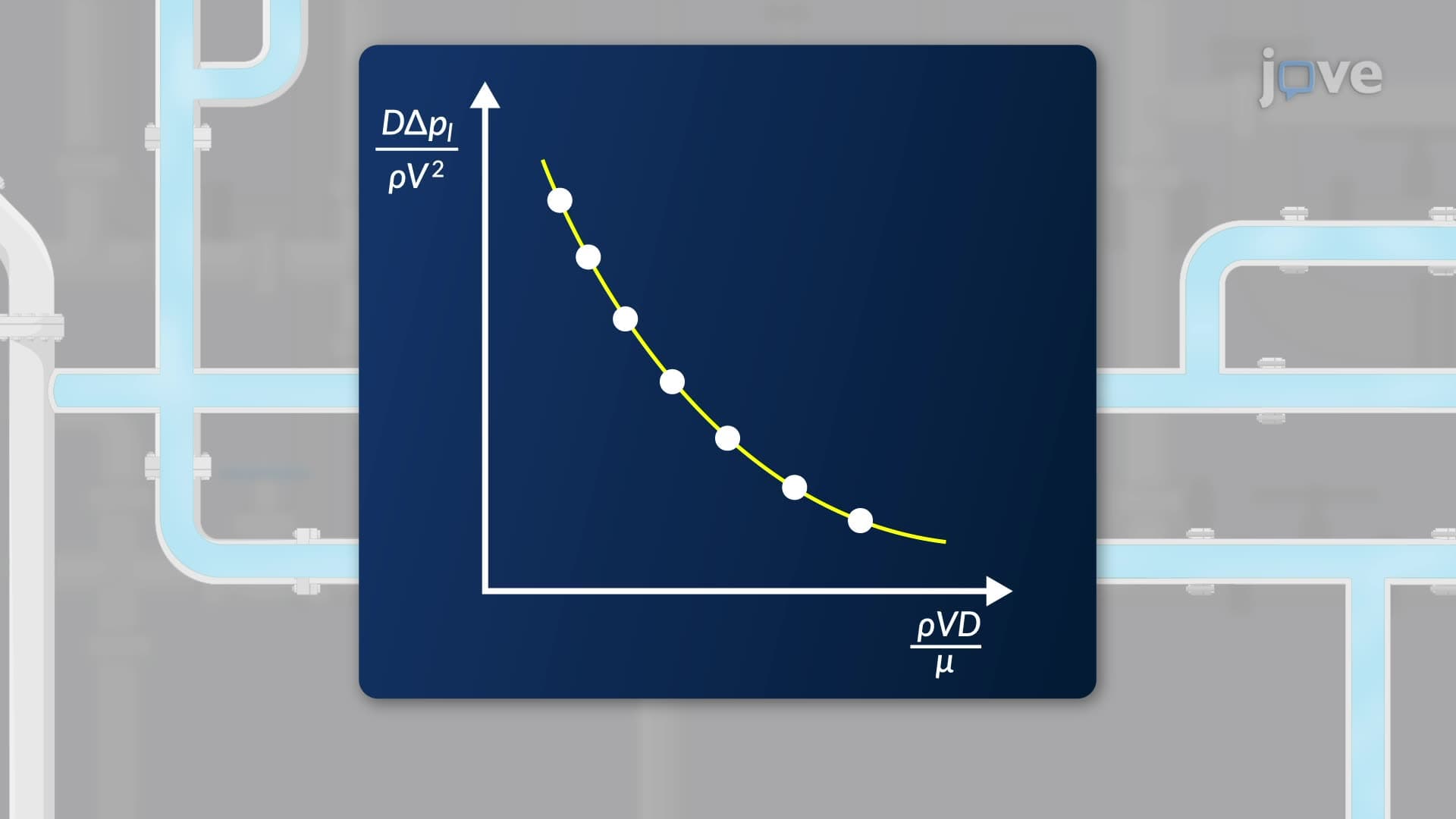
1. Fundamentals of Dimensional Analysis Dimensional analysis forms the foundation for understanding physical relationships in engineering systems. Every physical quantity can be expressed using base dimensions of mass (M), length (L), and time (T), or derived combinations. For example, velocity has dimensions of LT⁻¹, while force has dimensions of MLT⁻². This systematic approach ensures equations are dimensionally consistent and helps engineers remember complex formulas. Consider how the volume of a cylinder (πr²h) maintains dimensional consistency with L³, where π is dimensionless, r² contributes L², and h contributes L¹.
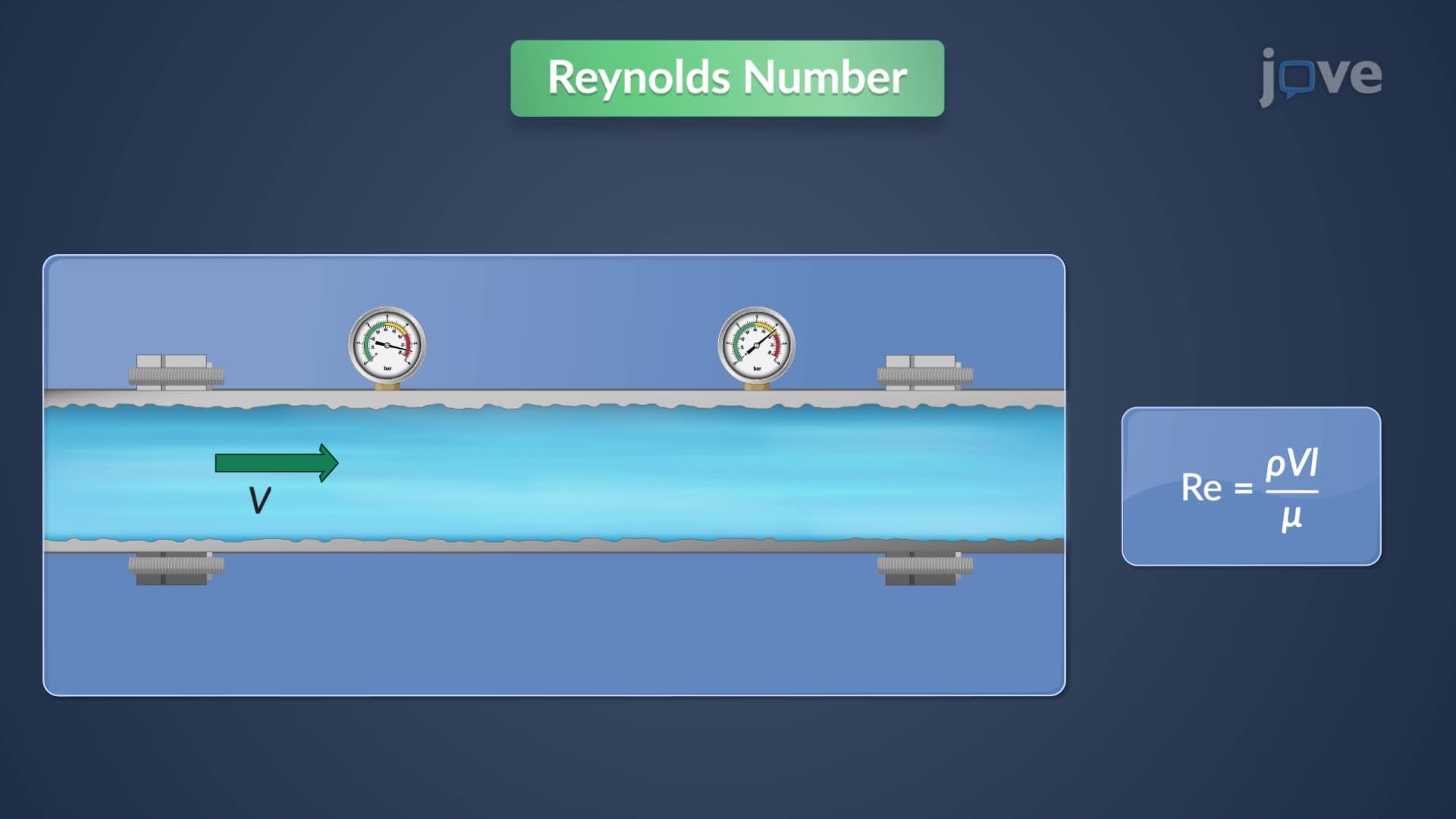
2. The Buckingham Pi Theorem Applications The Buckingham Pi theorem provides a systematic method for reducing complex engineering problems into dimensionless groups. When analyzing pipe flow with diameter D, velocity V, density ρ, and viscosity μ, this theorem determines that four variables minus three fundamental dimensions yields one Pi term: the Reynolds number (ρVD/μ). This dimensionless group characterizes whether flow is laminar or turbulent, critical for designing water distribution systems, oil pipelines, and HVAC systems throughout US infrastructure projects.
3. Critical Dimensionless Groups in Fluid Mechanics Engineering analysis relies heavily on key dimensionless numbers that characterize different physical phenomena. The Reynolds number (Re = ρVD/μ) indicates flow regime transitions at Re ≈ 2300 for pipe flow. The Froude number (Fr = V/√(gL)) governs free-surface flows in rivers and spillways. The Mach number (Ma = V/c) becomes crucial in supersonic aircraft design and wind tunnel testing. These parameters allow engineers to predict flow behavior across different scales and conditions in applications from municipal water systems to aerospace engineering.
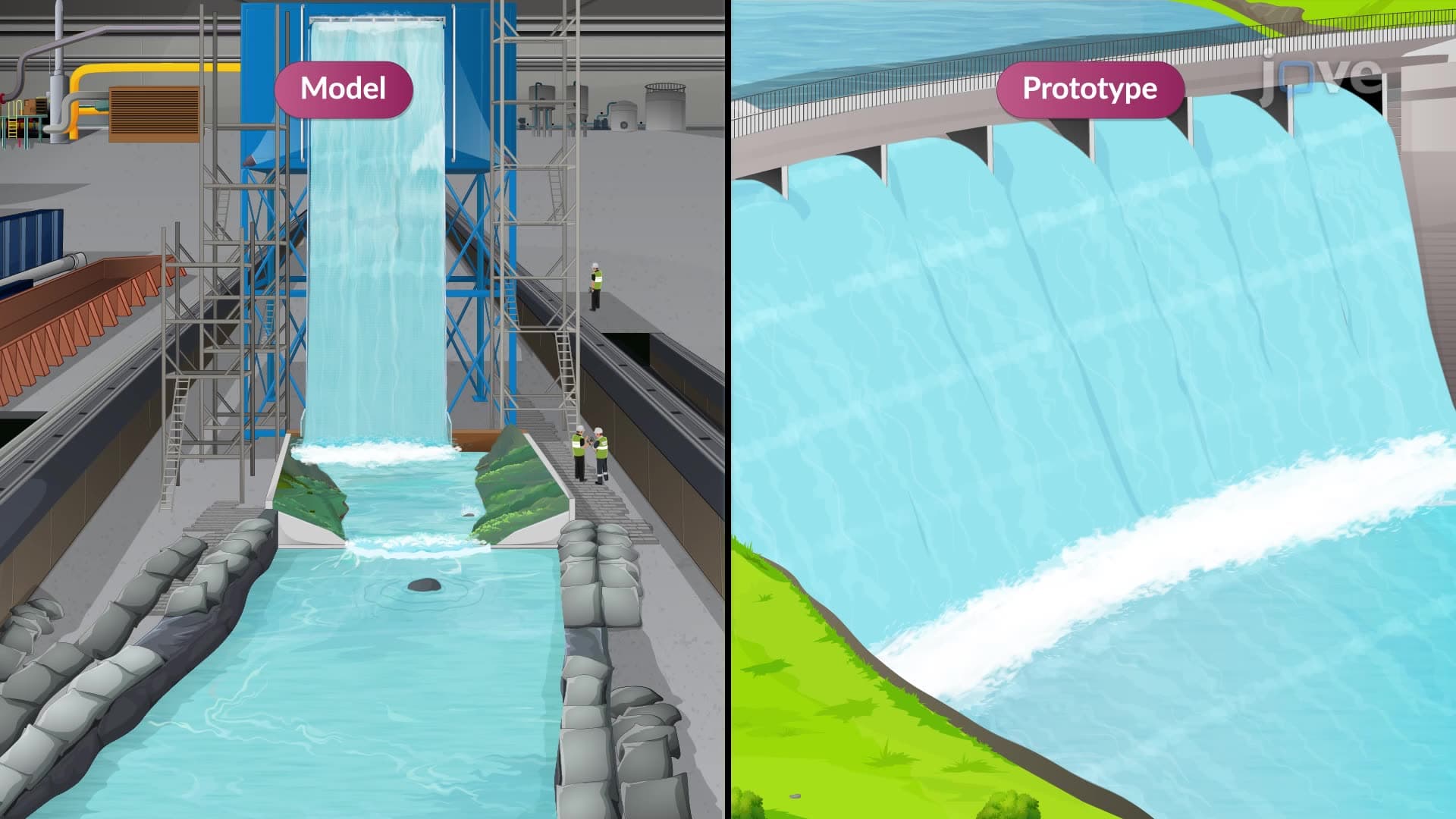
4. Model-Prototype Similitude and Scaling Laws Physical modeling requires maintaining similitude between scaled models and full-size prototypes through geometric, kinematic, and dynamic similarity. A 1:15 scale dam spillway model must preserve flow patterns while scaling discharge, velocity, and time according to established relationships. When prototype discharge is 120 m³/s, the model operates at 0.138 m³/s, with time scaled by the square root of the length ratio. This approach enables cost-effective testing of major US infrastructure projects like Hoover Dam or spillway modifications before full-scale construction.
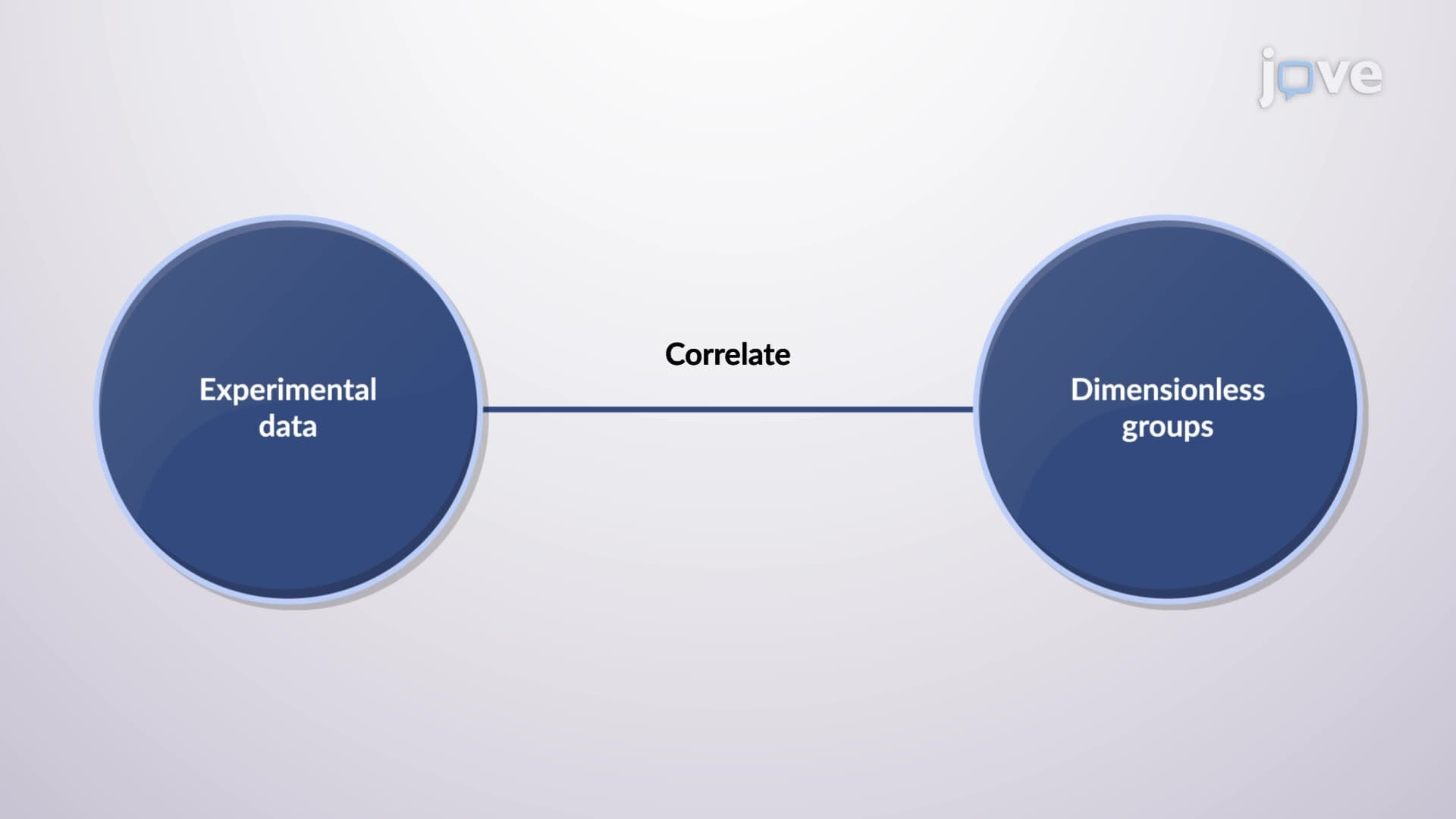
5. Experimental Data Correlation and Model Studies Dimensional analysis guides efficient experimental programs by identifying the minimum number of tests needed to characterize system behavior. For a sphere falling through viscous fluid, drag force depends on diameter, velocity, and fluid viscosity, requiring only one Pi term for complete characterization. River models use Froude number similarity with geometric distortions to study flood control and navigation improvements. Bridge pier scour studies employ Reynolds number scaling to predict erosion patterns around foundations in major waterways like the Mississippi River system.
Frequently Asked Questions
Dimensional analysis transforms complex engineering problems into manageable dimensionless relationships. Instead of solving differential equations with multiple variables, engineers can identify key dimensionless groups that govern system behavior. For example, analyzing flow around a bridge pier involves numerous factors, but dimensional analysis reveals that the problem depends primarily on the Reynolds number and geometric ratios, dramatically simplifying design calculations.
Focus on Reynolds number (Re = ρVD/μ) for flow characterization, Froude number (Fr = V/√(gL)) for free-surface flows, and Mach number (Ma = V/c) for compressible flow. These appear frequently on AP Physics C exams and engineering coursework. Understanding their physical meaning and typical values (Re < 2300 for laminar pipe flow, Ma > 1 for supersonic flow) is crucial for problem-solving success.
Select repeating variables that collectively span all fundamental dimensions (M, L, T) and are dimensionally independent. For fluid flow problems, common choices include density (ρ), velocity (V), and a characteristic length (D). Avoid selecting the dependent variable you're trying to find. Practice with standard problems like drag on spheres or flow through orifices to develop intuition for appropriate variable selection.
US infrastructure projects extensively use physical modeling: Army Corps of Engineers tests flood control structures using scaled river models; NASA employs wind tunnel models for spacecraft design; offshore oil platforms undergo wave tank testing; and major dam projects like those on the Colorado River system require spillway model studies. These techniques save millions in design costs while ensuring safety and performance.
Students often struggle with the abstract nature of dimensional analysis and difficulty visualizing how dimensionless groups relate to physical phenomena. Success comes from practicing systematic application of the Buckingham Pi theorem and connecting dimensionless numbers to observable effects: Reynolds number predicts when smooth pipe flow becomes turbulent, Froude number determines whether river flow is subcritical or supercritical.
Start by memorizing dimensions of common quantities (force = MLT⁻², pressure = ML⁻¹T⁻², power = ML²T⁻³). Practice dimensional consistency checks on familiar equations before attempting Pi theorem problems. Work through complete examples systematically: count variables, identify dimensions, select repeating variables, and verify final Pi terms are truly dimensionless. Use physical intuition to check whether results make sense.
Dimensional analysis provides the foundation for advanced topics like boundary layer theory, turbomachinery design, and computational fluid dynamics. Graduate-level courses assume mastery of dimensionless parameters and scaling laws. Professional engineering practice relies heavily on these concepts for equipment sizing, prototype testing, and correlating experimental data across different operating conditions and scales.
This microcourse includes 8 concept videos that walk you through the building blocks of Civil Engineering. Each video is short, about 1 minute, so you can cover a full topic during a coffee break or between classes. The full sequence starts with Dimensional Analysis and ends with Design Example: Creating a Hydraulic Model of a Dam Spillway.
The playlist moves from big-picture ideas to the precise vocabulary used in Civil Engineering. Early videos introduce Dimensional Analysis, The Buckingham Pi Theorem, and Determination of Pi Terms. The middle of the series focuses on Correlation of Experimental Data, Modeling and Similitude, and Typical Model Studies. The final stretch covers Design Example: Creating a Hydraulic Model of a Dam Spillway.
The natural next step is Flow in Pipes. From there, you can move to Flow over Immersed Bodies, Open Channel Flow, and Introduction to Surveying. Once you finish those, the full Civil Engineering curriculum of 30 microcourses on JoVE Coach opens up, taking you from foundational concepts to advanced systems.
Related Subjects
 Electrical Engineering 33 micro-courses›Mechanical Engineering 28 micro-courses›