Loading subject page…

- Civil Engineering
- Dimensional Analysis, Similitude, and Modeling
- Modeling and Similitude
Micro-course: Dimensional Analysis, Similitude, and Modeling
4,384 views
Learn key concepts and earn your certificate.



Modeling and Similitude


00:00
01:12
Video Summary: What Is Modeling and Similitude
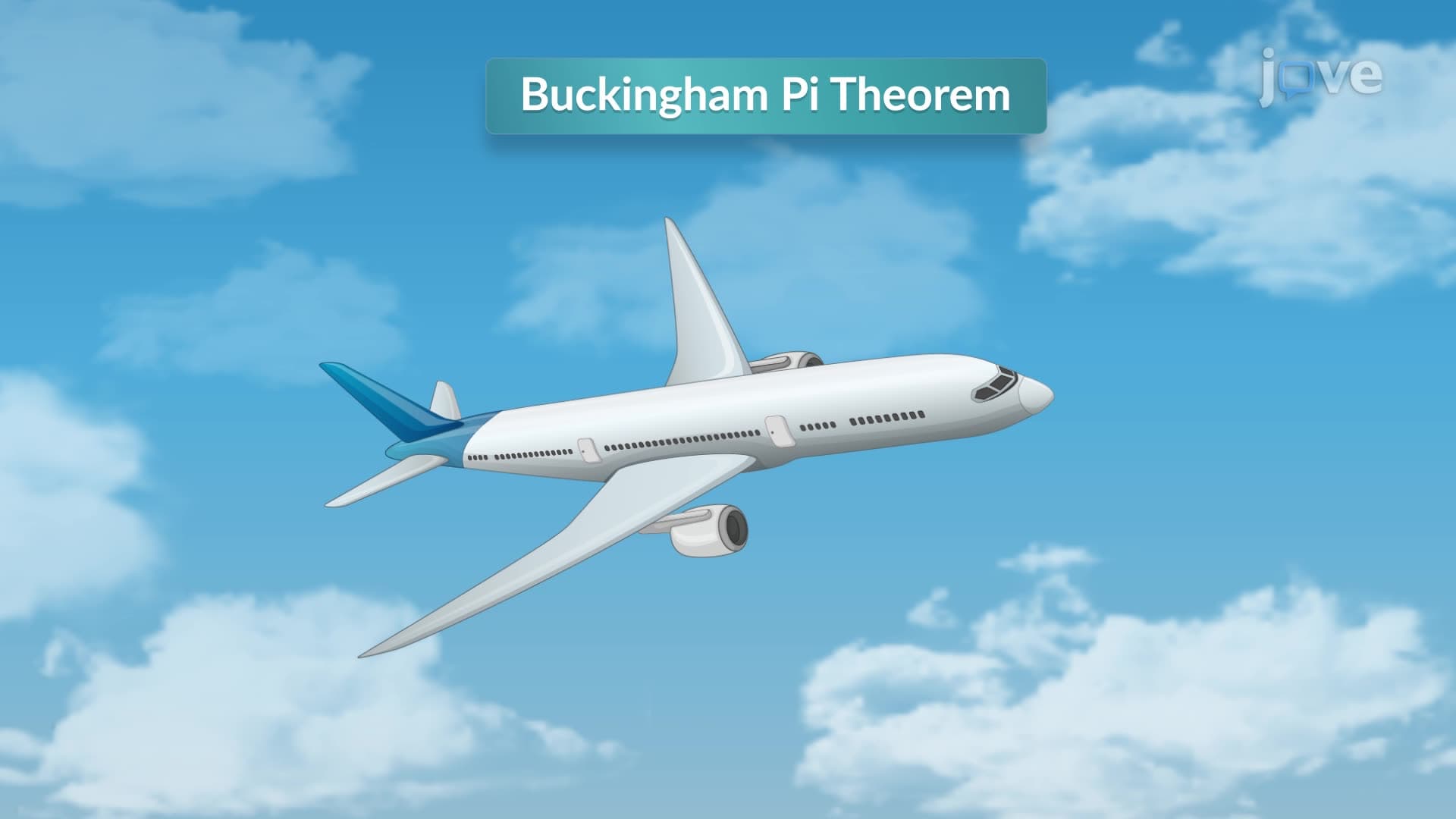
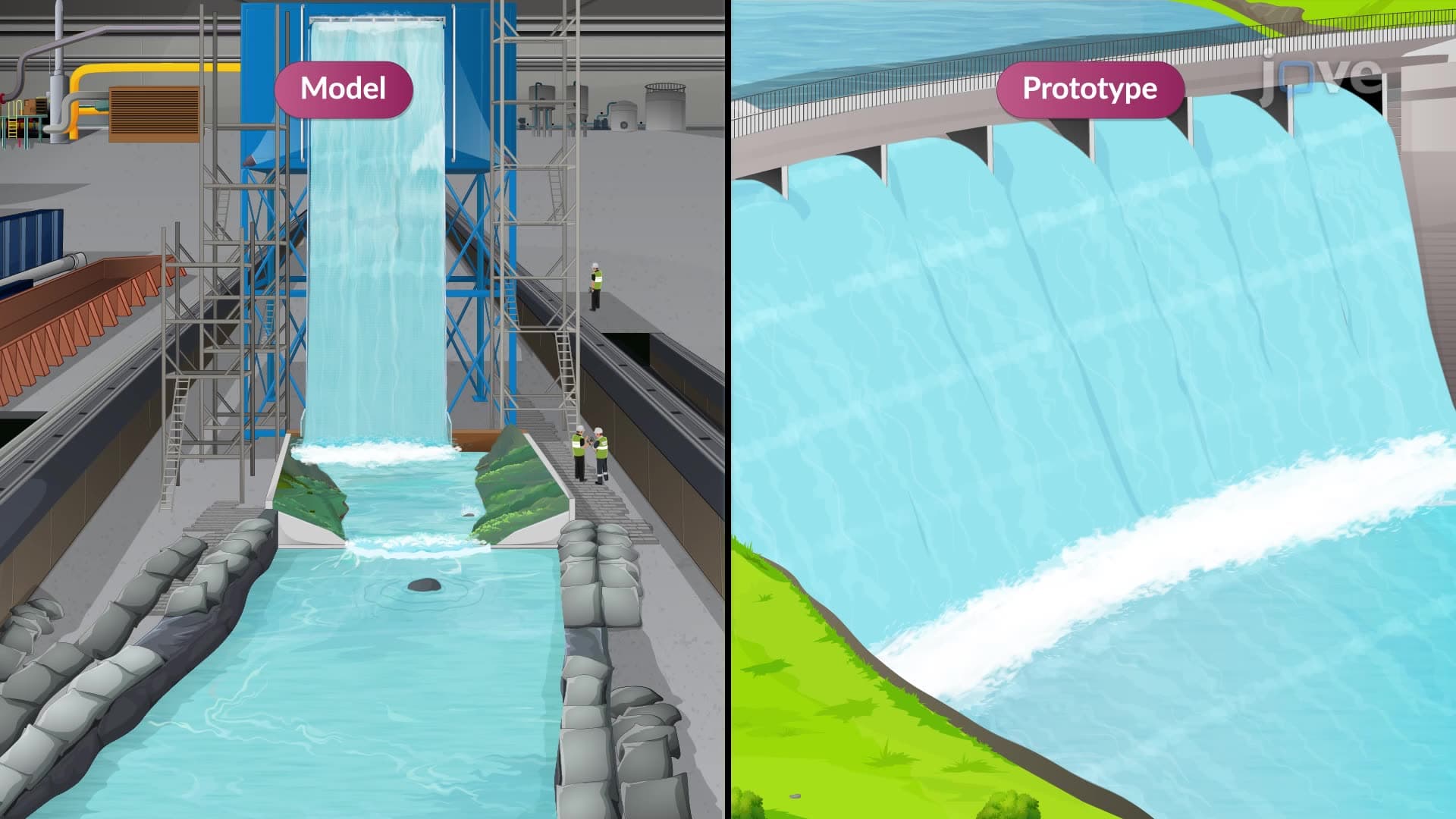
Ever wondered how engineers test massive dams or design new aircraft without building full-scale prototypes first? Typical model studies make this possible through scaled testing that predicts real-world performance. Boeing uses wind tunnel models to test aircraft designs, applying the principles of modeling and similitude to ensure accurate results. These techniques allow engineers to study complex systems cost-effectively while maintaining scientific validity. Watch the full video on JoVE Coach to master this concept with expert-led visuals and step-by-step explanations.
- Understand modeling and similitude as fundamental engineering tools for predicting full-scale system behavior through scaled testing
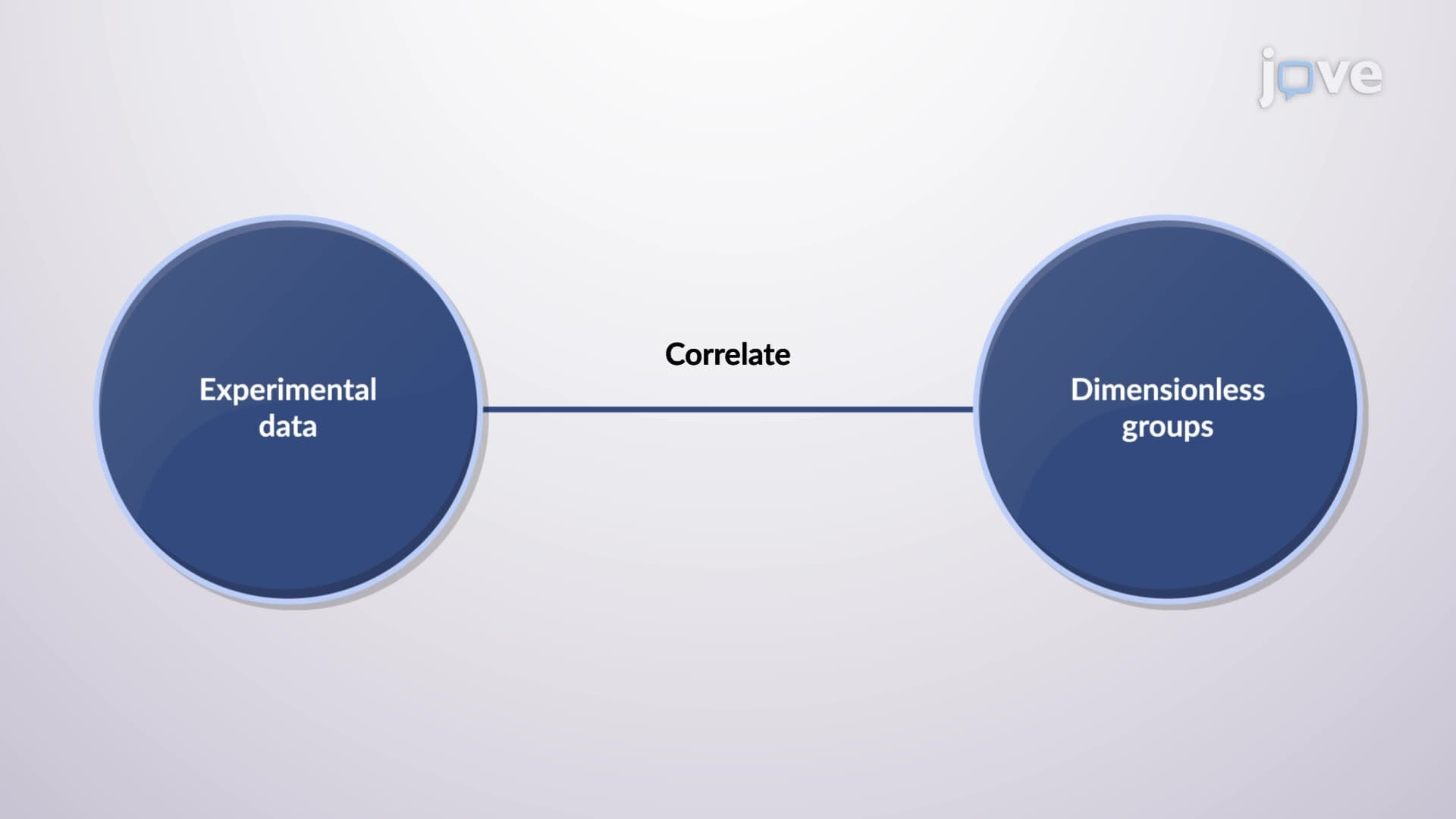
- Identify the three types of similarity required for valid model studies: geometric, kinematic, and dynamic similarity
- Analyze how dimensionless numbers like the Froude number ensure proper scaling between models and prototypes
- Compare cost-effective model testing approaches versus expensive full-scale prototyping in engineering applications
- Evaluate the accuracy and limitations of different modeling techniques used in fluid mechanics and structural engineering
- Apply similitude principles to solve problems involving scaled models in hydraulic engineering and aerodynamics
- Recognize real-world applications of model studies in dam design, ship testing, and aerospace engineering
- Explore how proper scaling relationships maintain physical laws across different size scales
Understanding Modeling and Similitude in Engineering
Modeling and similitude form the scientific foundation for scaled testing across engineering disciplines. When Boeing tests a new 737 wing design, they don't build a full-size aircraft first-they create precise scaled models that accurately predict how the real wing will perform. This approach saves millions of dollars while providing reliable data for critical design decisions.
The concept extends far beyond aerospace applications. Civil engineers use typical model studies to test everything from bridge foundations to flood control systems. The U.S. Army Corps of Engineers operates massive hydraulic laboratories where scaled river models help predict flood patterns and optimize dam operations across the Mississippi River system.
The Three Pillars of Similitude
Effective typical model studies require three distinct types of similarity between the model and prototype. Geometric similarity ensures identical shape relationships-if the prototype dam is 100 feet tall and the model is 1 foot tall, every dimension must scale by the same 100:1 ratio. Kinematic similarity matches motion patterns, ensuring water flows through the model dam at proportionally similar velocities and accelerations.
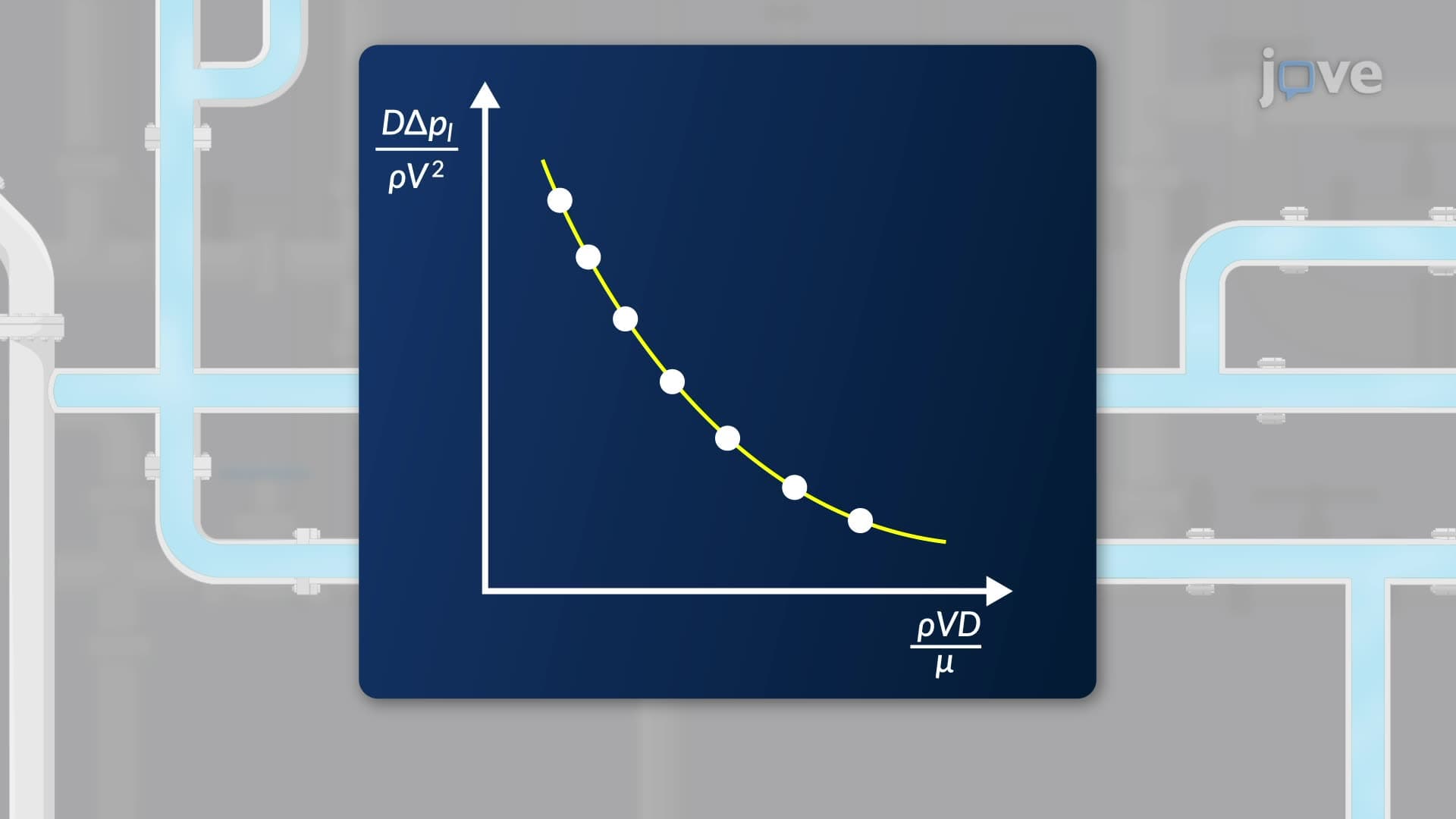
Dynamic similarity presents the greatest challenge, requiring identical ratios of forces acting on both systems. Engineers achieve this through dimensionless parameters like the Froude number (V/√(gL)), which balances gravitational and inertial forces. When model and prototype share the same Froude number, the scaled results accurately predict full-scale behavior.
Practical Applications and Limitations
Typical model studies appear throughout standardized testing, from AP Physics problems involving pendulum scaling to college fluid mechanics courses examining pump performance. The MCAT frequently tests similitude concepts through problems involving blood flow scaling in different-sized organisms.
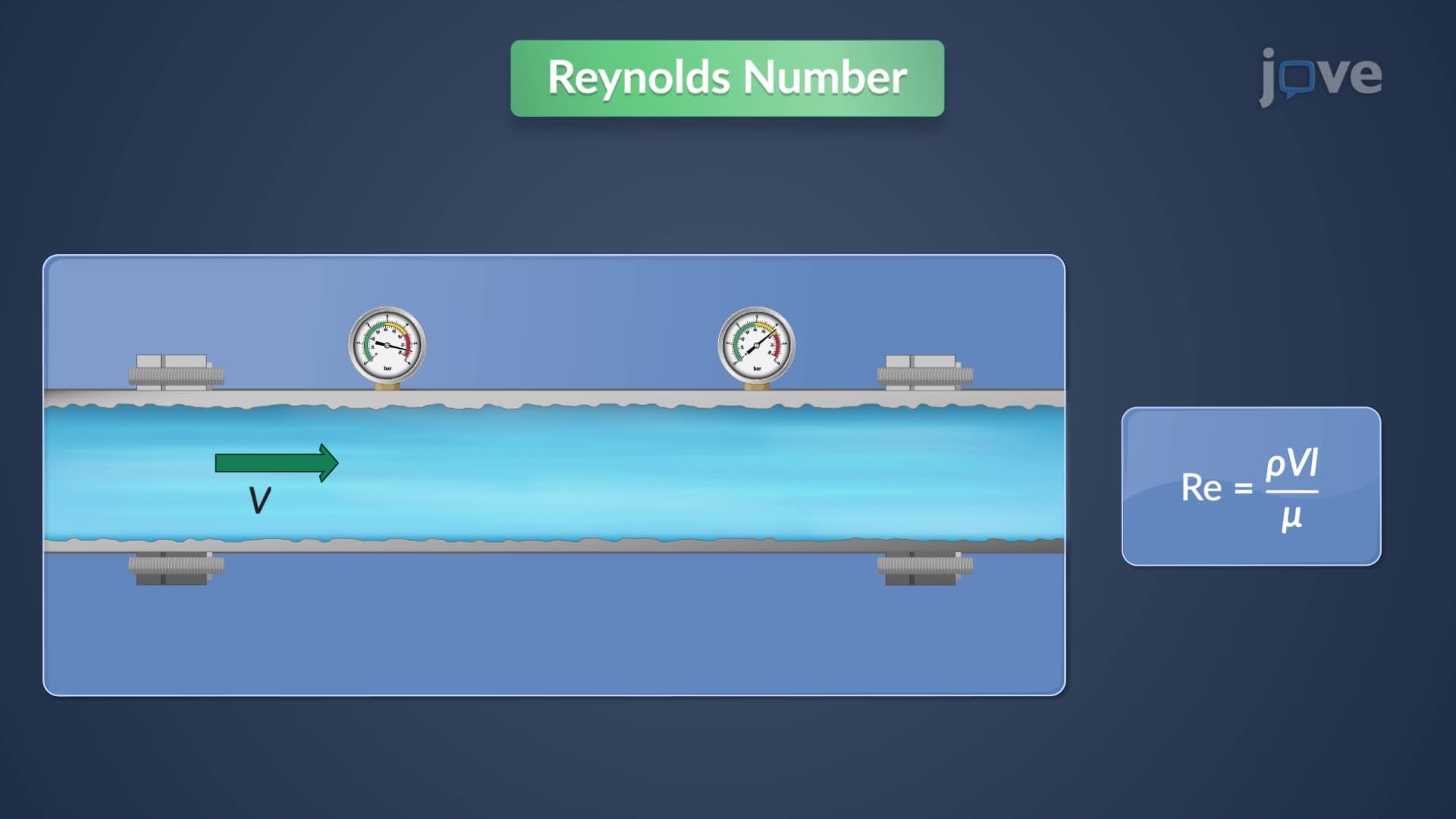
However, perfect similitude proves impossible when multiple forces compete. Testing a ship model requires matching both Froude numbers (for wave resistance) and Reynolds numbers (for viscous effects), but these parameters scale differently. Engineers must prioritize the dominant effects and account for scaling limitations in their analysis.
Industry Standards and Modern Applications
NASA's wind tunnels at Langley Research Center demonstrate large-scale typical model studies definition in practice. Their 30- by 60-foot tunnel tests models up to 25% scale, providing data that directly influences spacecraft and aircraft design. Similarly, the National Institute of Standards and Technology uses scaled building models to study earthquake response and develop improved seismic codes.
Modern computational fluid dynamics complements but doesn't replace physical modeling. The combination of scaled testing and numerical simulation provides engineers with comprehensive design validation tools essential for complex projects like California's high-speed rail system or offshore wind farms.
Frequently Asked Questions
Modeling and similitude is the science of creating scaled-down versions of large systems to predict their real-world behavior accurately. Engineers use these techniques to test everything from airplane wings to dam designs before building the full-size versions. The key is maintaining proper scaling relationships so model results apply to the actual structure.
AP Physics frequently tests scaling relationships through problems involving pendulums, projectile motion, and fluid flow scenarios. Students might analyze how changing a pendulum's length affects its period, or determine scaling factors for model airplane performance. Understanding dimensional analysis and proportional relationships is crucial for success.
The MCAT tests similitude concepts through biological scaling problems, such as how heart rate changes with animal size or how surface area affects heat loss. These questions require understanding how different body systems scale with organism size. Mastering these relationships helps with both physics and biological sciences sections.
The U.S. Army Corps of Engineers uses a massive 200-acre scale model of the San Francisco Bay to study water circulation, pollution dispersion, and tidal effects. This model helps predict how proposed developments will affect the bay's ecosystem and guides environmental protection decisions throughout Northern California.
Basic algebra and proportional reasoning are sufficient for introductory typical model studies concepts. While advanced applications use calculus and differential equations, high school students can grasp fundamental scaling principles through simple ratio calculations. The key is understanding how physical quantities relate to each other across different scales.
Focus on dimensional analysis and practice identifying which forces dominate different scenarios. Work through problems involving the Froude and Reynolds numbers, and understand when perfect similitude is impossible. Create summary charts showing how different physical quantities scale with length, and practice applying these relationships to real engineering problems.
Consider studying computational fluid dynamics, finite element analysis, and advanced dimensional analysis techniques. Explore how modern engineering combines physical modeling with computer simulation for complex systems. Advanced courses in fluid mechanics and structural dynamics build directly on similitude principles you've learned.
Related Micro-courses