Loading video…


 8 Concepts
 4.4K views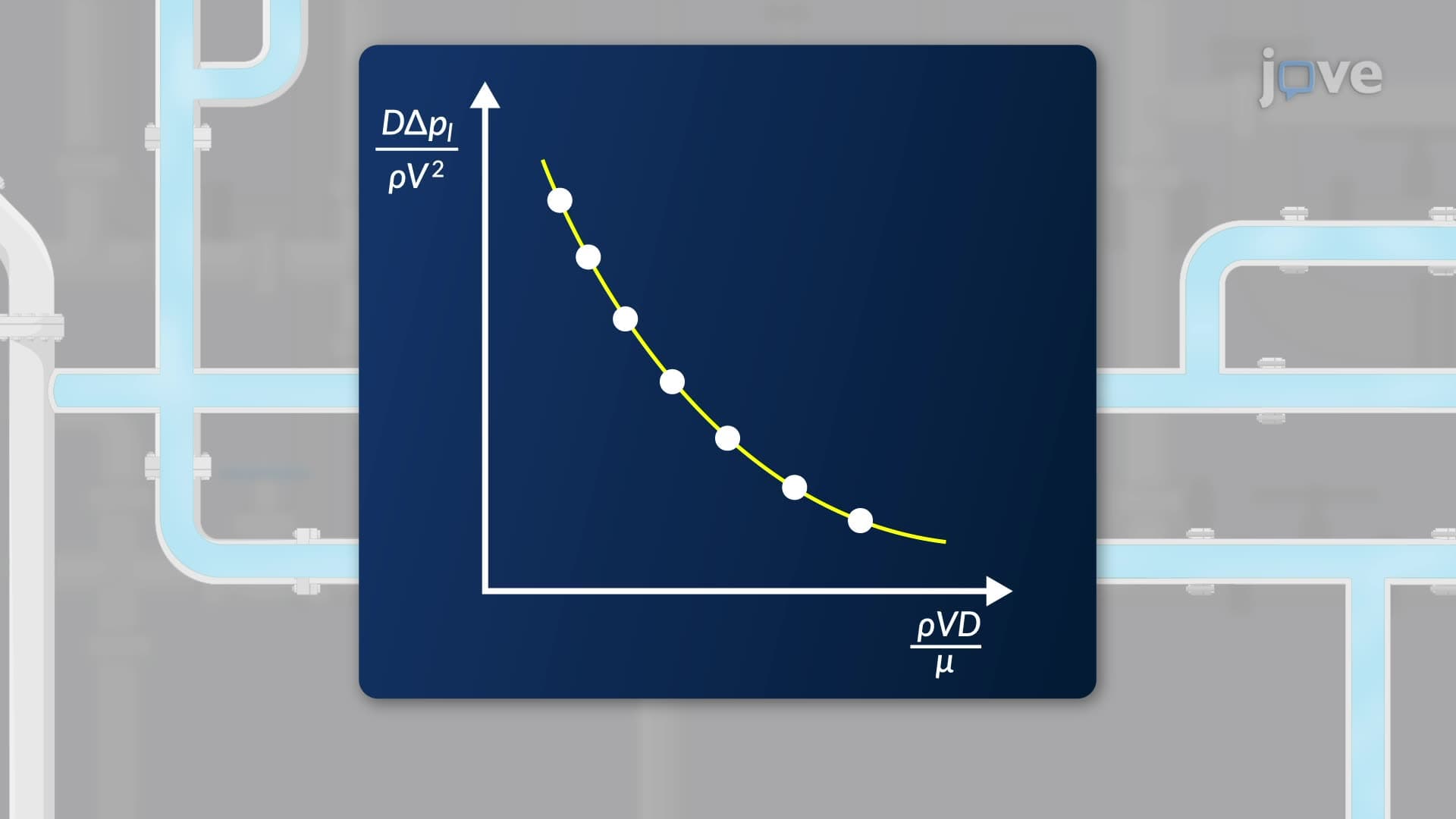

Video Summary: What Is Dimensional Analysis
Ever wonder how engineers predict water flow through the Hoover Dam without building dozens of test dams? Dimensional analysis transforms complex fluid flow problems into elegant, dimensionless relationships that work across any scale or system. This powerful mathematical technique converts variables like pipe diameter, fluid velocity, and viscosity into simplified groups, enabling engineers to design everything from oil pipelines to river flood controls using scaled models and universal curves. Watch the full video on JoVE Coach to master this concept with expert-led visuals and step-by-step explanations.
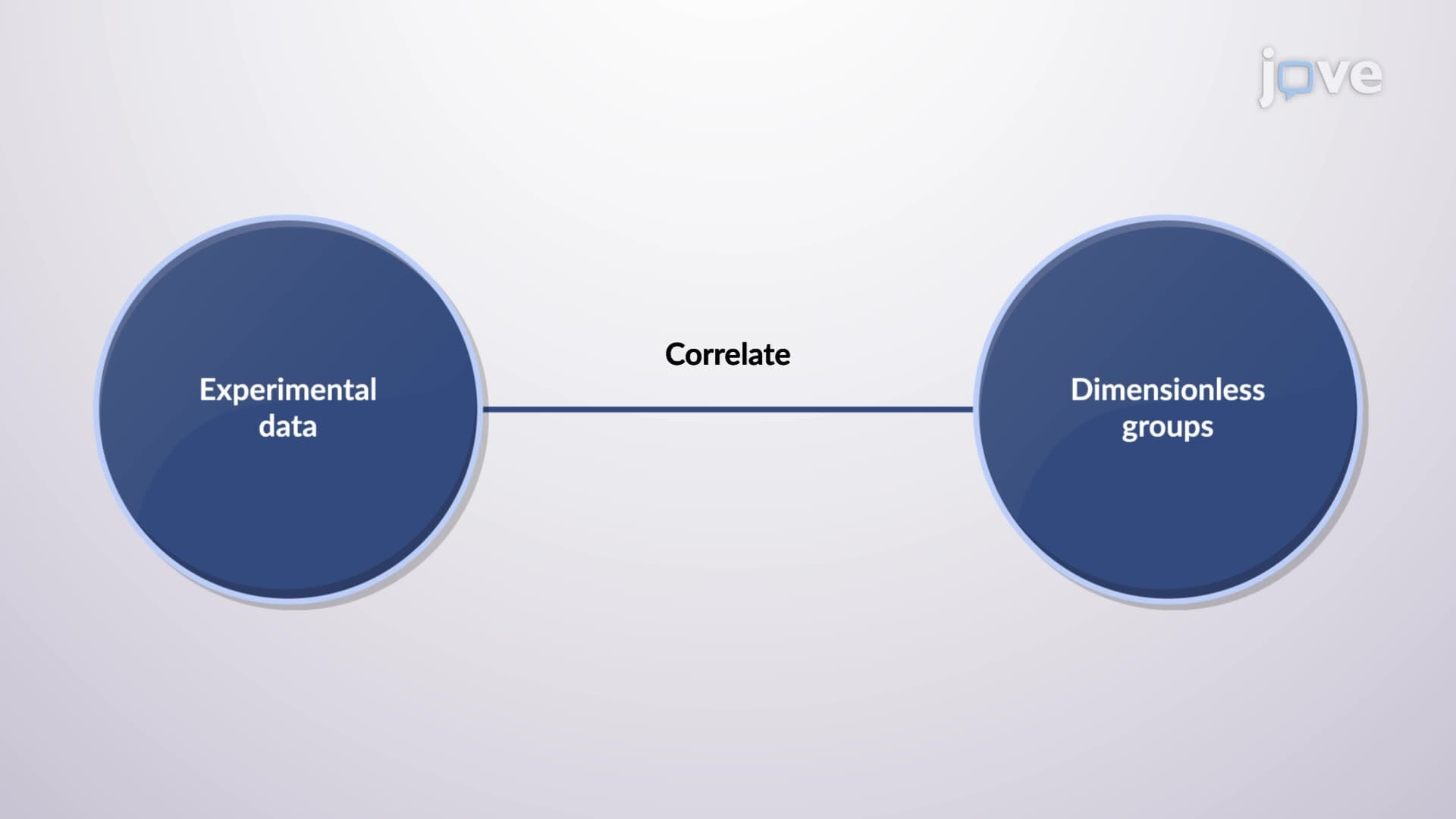
Dimensional analysis represents one of the most elegant problem-solving techniques in engineering and physics, transforming seemingly impossible multi-variable problems into manageable relationships. At its core, this method groups physical quantities into dimensionless combinations, eliminating the complexity of tracking multiple units while preserving the essential physics of the system.
The technique proves invaluable when dealing with systems involving numerous variables. Consider analyzing water flow through the Colorado River Aqueduct system-attempting to study each factor independently (pipe diameter, flow velocity, water density, viscosity, pressure changes) would create an unwieldy analysis. Dimensional analysis condenses these variables into meaningful, dimensionless groups that capture the essential relationships.
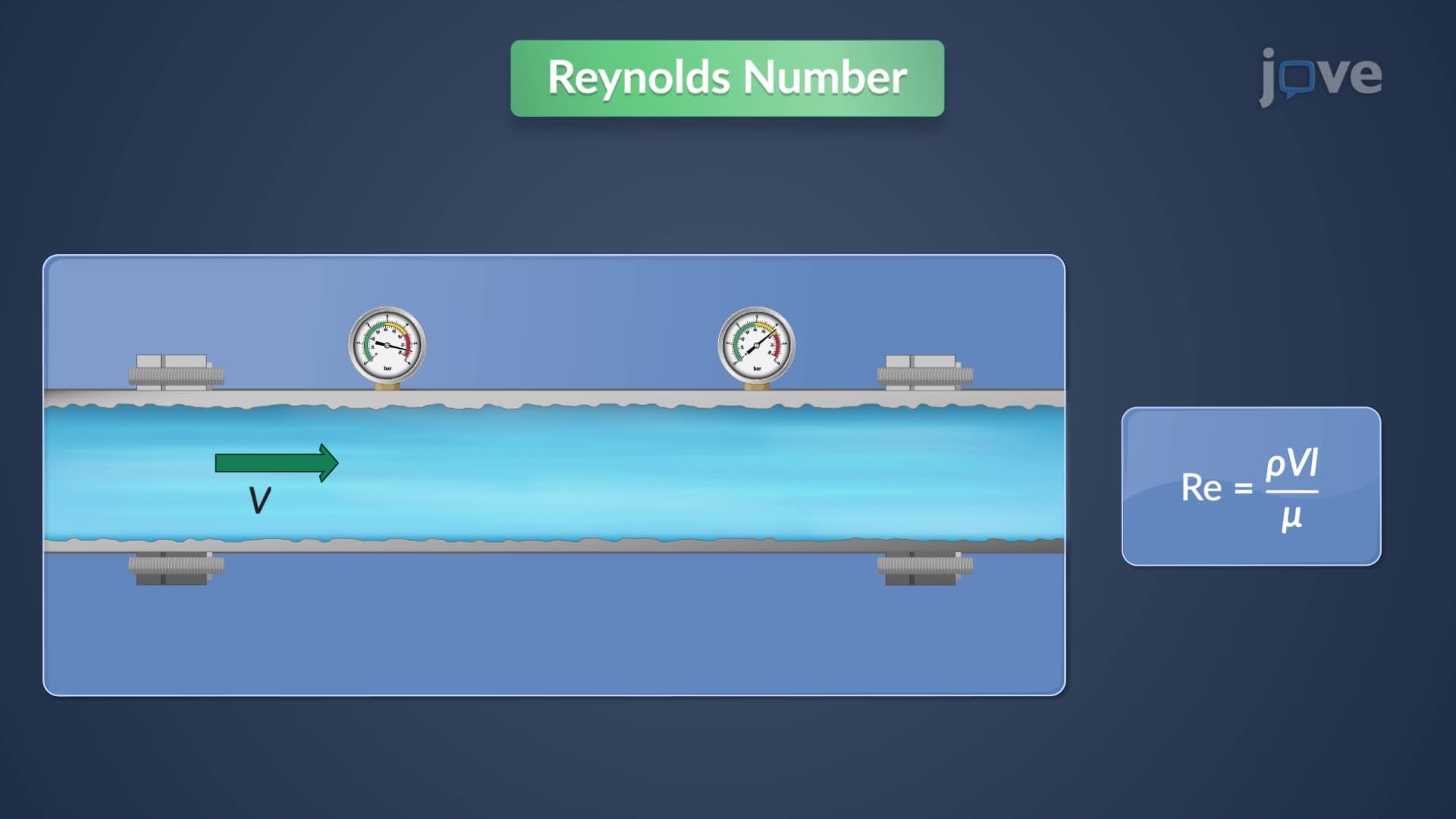
In fluid mechanics, dimensional analysis typically produces well-known dimensionless numbers. The Reynolds number (Re = ρvD/μ) combines density (ρ), velocity (v), diameter (D), and viscosity (μ) into a single parameter that predicts flow behavior. Whether analyzing blood flow in medical devices or oil transport through the Trans-Alaska Pipeline, the same Reynolds number principles apply.
Similarly, the friction factor relates pressure drop to flow characteristics through another dimensionless group. These relationships create universal curves that engineers use regardless of pipe size, fluid type, or flow rate-a 2-inch residential water line follows the same dimensionless relationships as a 48-inch natural gas transmission pipeline.
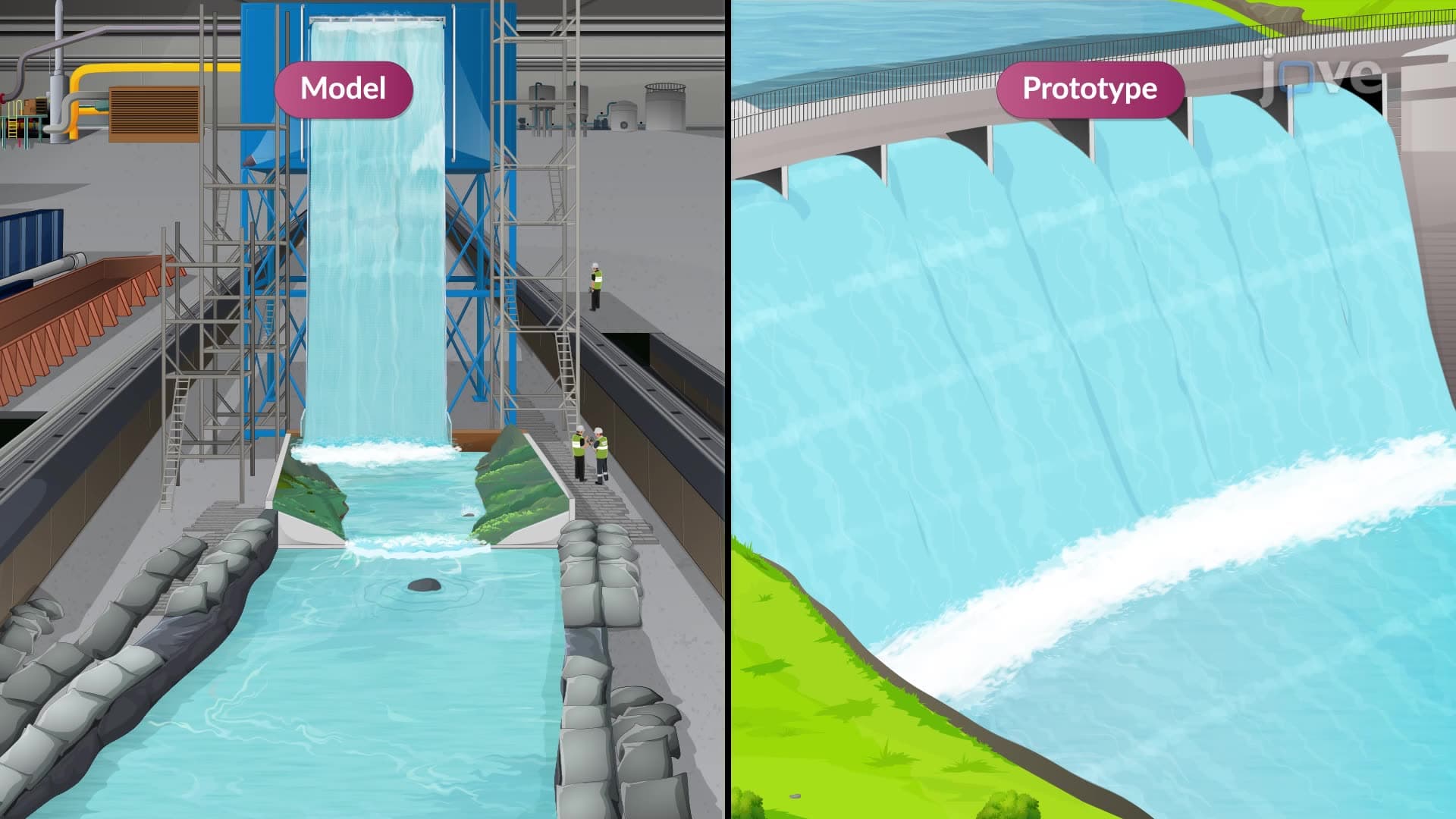
Dimensional analysis enables engineers to design and test complex systems using scaled models. The U.S. Army Corps of Engineers uses this technique extensively for hydraulic modeling. Before constructing flood control systems along the Mississippi River, engineers build scaled physical models where 1 foot represents 100 feet of the actual river. By maintaining dimensionless similarity, these models accurately predict flood behavior, sediment transport, and erosion patterns.
This approach proves essential for students preparing for AP Physics exams or engineering coursework, where dimensional analysis problems frequently appear. The technique also supports advanced applications in chemical engineering (reactor design), aerospace engineering (wind tunnel testing), and civil engineering (bridge aerodynamics).
Effective dimensional analysis follows systematic steps: identify all relevant variables, determine their fundamental dimensions, and form dimensionless groups using methods like the Buckingham π theorem. This process ensures mathematical consistency-equations must remain dimensionally balanced regardless of whether measurements use feet or meters, pounds or kilograms.
For college students tackling fluid mechanics courses, mastering dimensional analysis provides a powerful tool for checking equation validity and developing physical intuition about complex systems.
Related Micro-courses