Loading video…


 8 Concepts
 4.4K views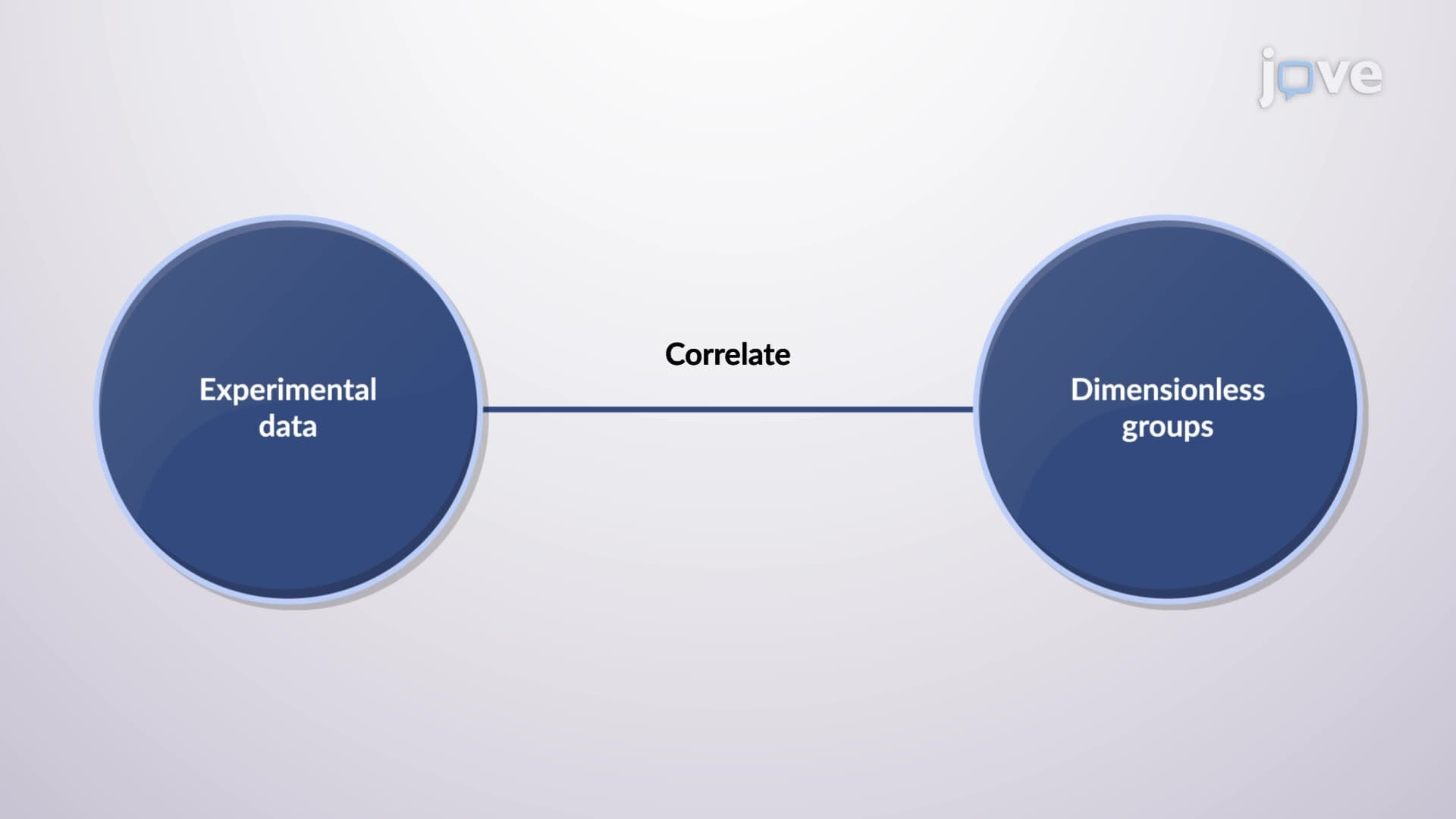

Video Summary: What Is Correlation of Experimental Data
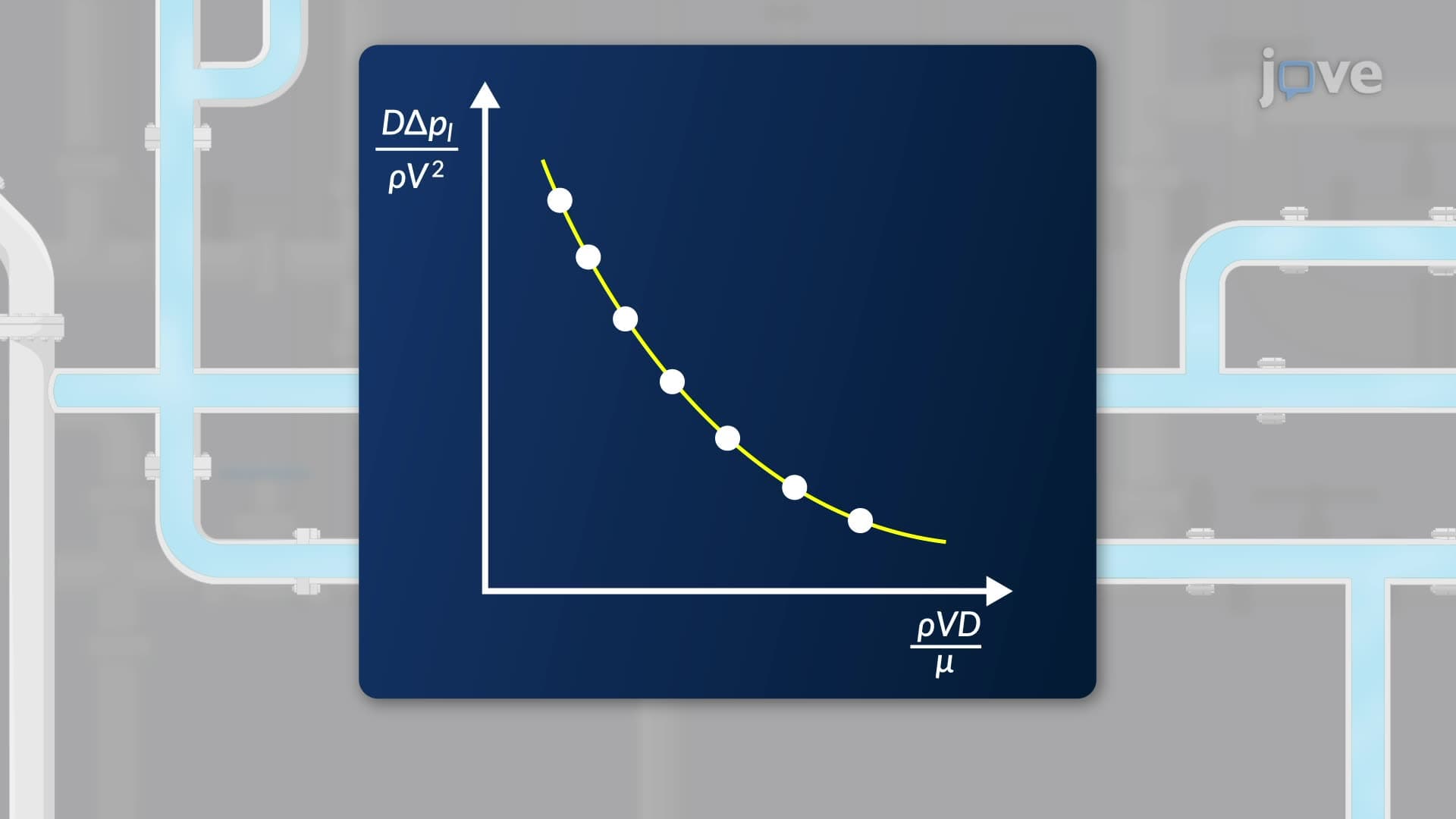
Why do NASA engineers need thousands of wind tunnel tests before launching a spacecraft? Modeling and similitude principles require experimental data correlation to validate theoretical predictions and ensure safety. When studying drag forces on falling objects-from raindrops to parachutes-dimensional analysis identifies key relationships, but only experimental data correlation can determine precise constants and verify real-world applicability. This process, known as correlation of experimental data, bridges theoretical models with practical engineering solutions used by companies like Boeing and SpaceX. Watch the full video on JoVE Coach to master this concept with expert-led visuals and step-by-step explanations.
Correlation of experimental data represents a fundamental bridge between theoretical analysis and practical engineering applications. While dimensional analysis provides the mathematical framework for understanding physical relationships, experimental correlation validates these relationships and determines specific constants that govern real-world phenomena.
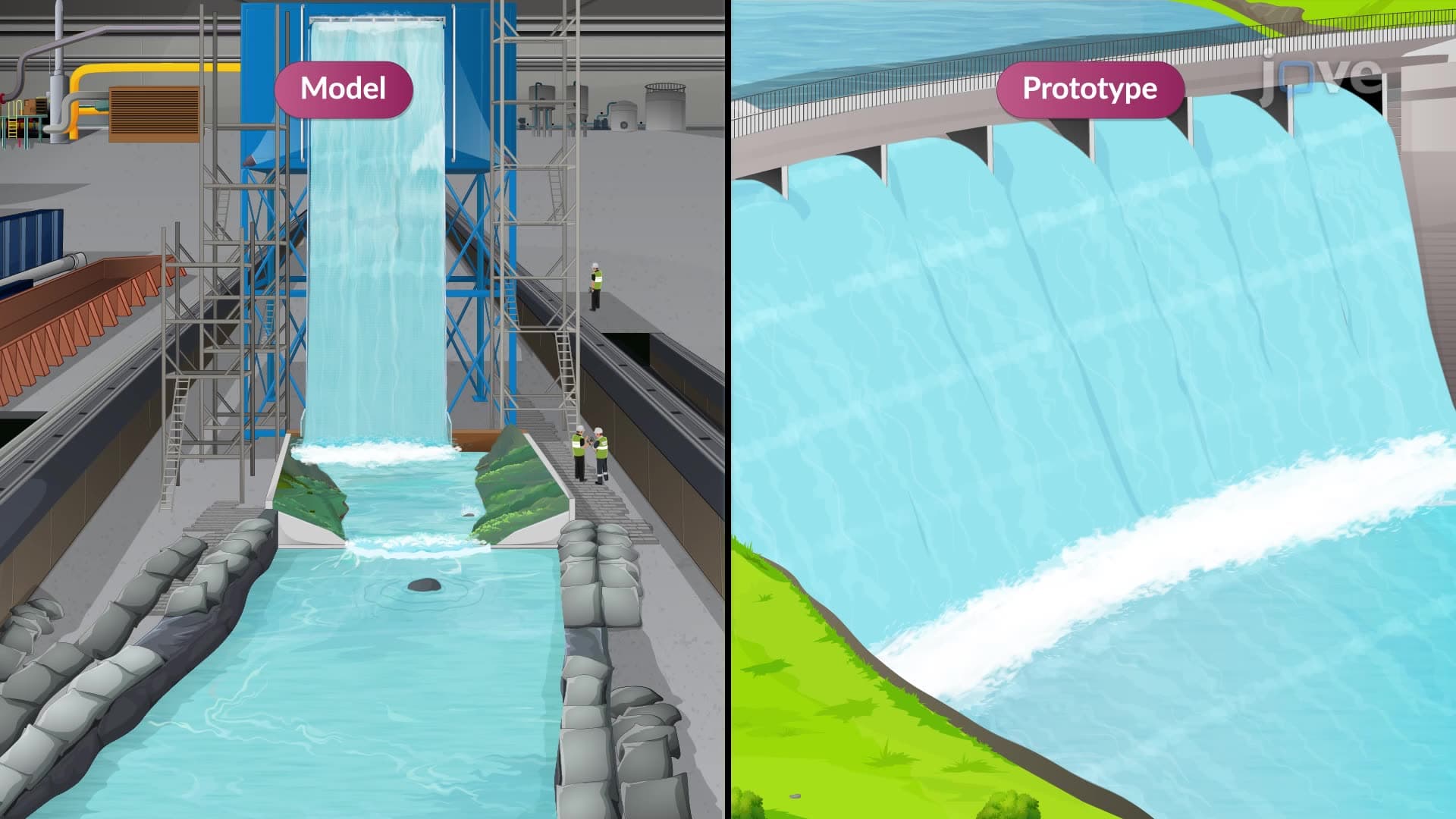
Modeling and similitude definition encompasses the systematic approach to relating physical phenomena across different scales and conditions. When engineers at companies like Lockheed Martin test aircraft models in wind tunnels, they rely on similitude principles to ensure that small-scale results accurately predict full-scale performance. The modeling and similitude concept ensures that dimensionless groups remain constant between model and prototype, making experimental correlations universally applicable.
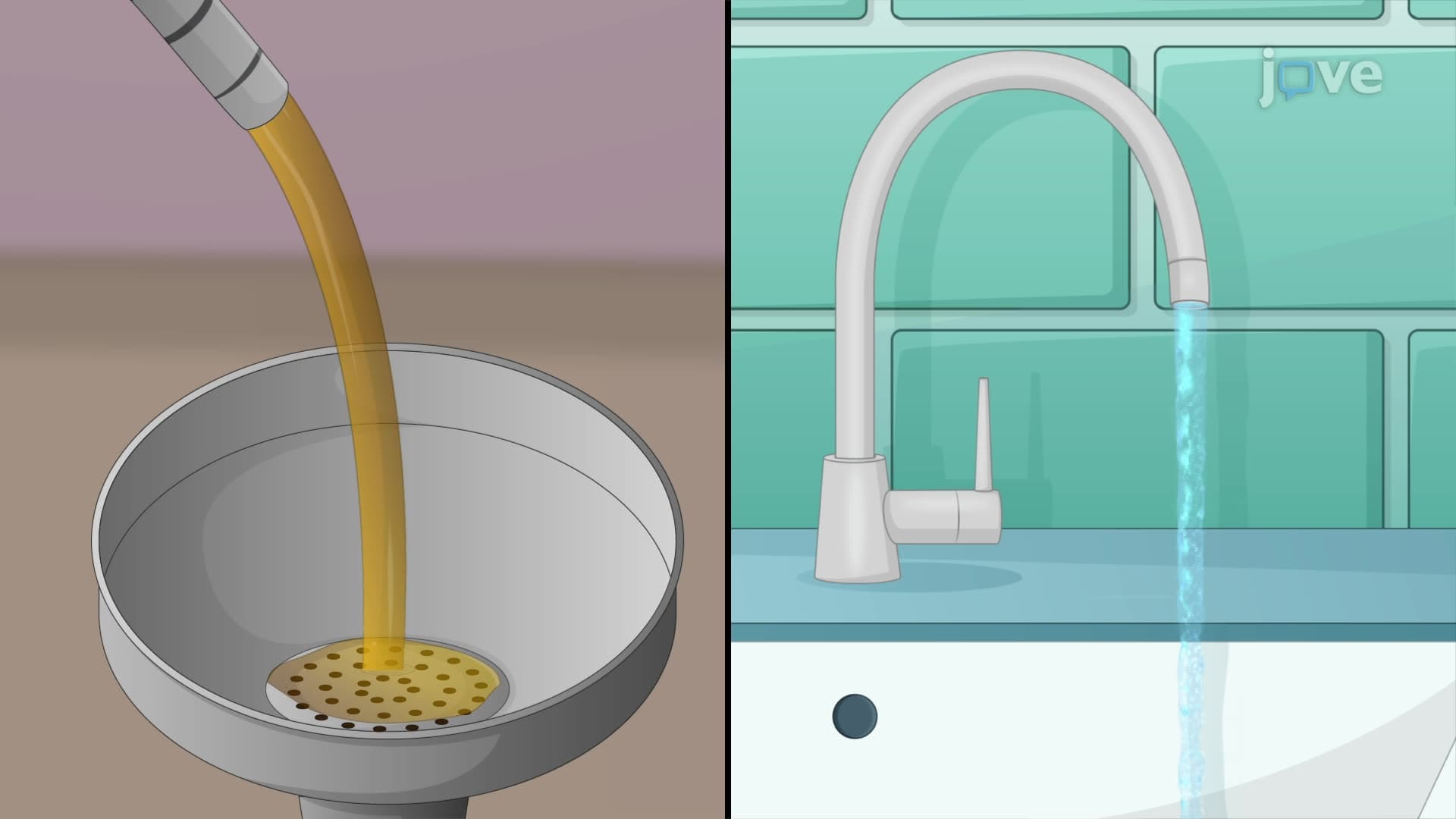
Consider the pharmaceutical industry, where drug delivery systems must account for particle settling in viscous fluids. Understanding modeling and similitude allows researchers to correlate experimental data from laboratory studies to predict behavior in human bloodstreams. The drag force relationship F_drag = constant × (velocity × viscosity × diameter) emerges from both dimensional analysis and experimental validation.
What is modeling and similitude in detail becomes crucial when examining complex systems. Take automotive aerodynamics: Ford's engineers use wind tunnel data to correlate drag coefficients across different vehicle designs. A single dimensionless group-the drag coefficient-relates drag force, air density, velocity, and vehicle cross-sectional area. This modeling and similitude overview demonstrates how experimental correlation transforms abstract mathematical relationships into practical design tools.
Students preparing for AP Physics or engineering college courses encounter these concepts in fluid mechanics and heat transfer problems. Modeling and similitude basics appear frequently in SAT Subject Tests and college entrance exams, particularly when analyzing dimensional consistency and scaling laws. The modeling and similitude study guide approach emphasizes understanding how experimental data validates theoretical predictions-a skill essential for success in STEM fields.
Professional engineers rely on these principles daily. Whether designing HVAC systems for skyscrapers or optimizing chemical reactors for ExxonMobil, the ability to correlate experimental data ensures safe, efficient, and cost-effective solutions. This systematic approach reduces the need for extensive testing by establishing universal relationships that apply across similar systems.
Related Micro-courses