Loading video…


 8 Concepts
 4.4K views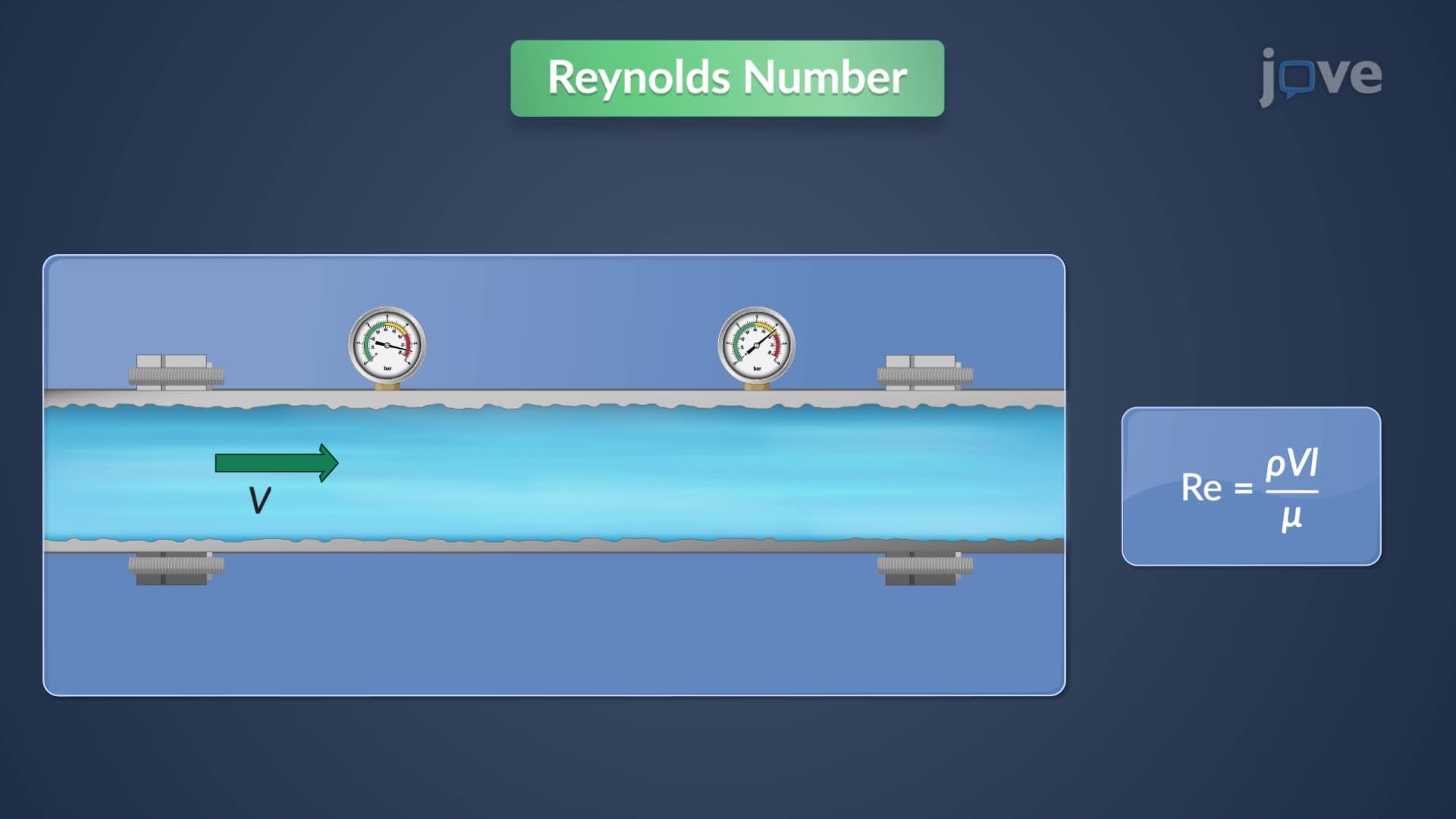

Video Summary: What are Dimensionless Groups
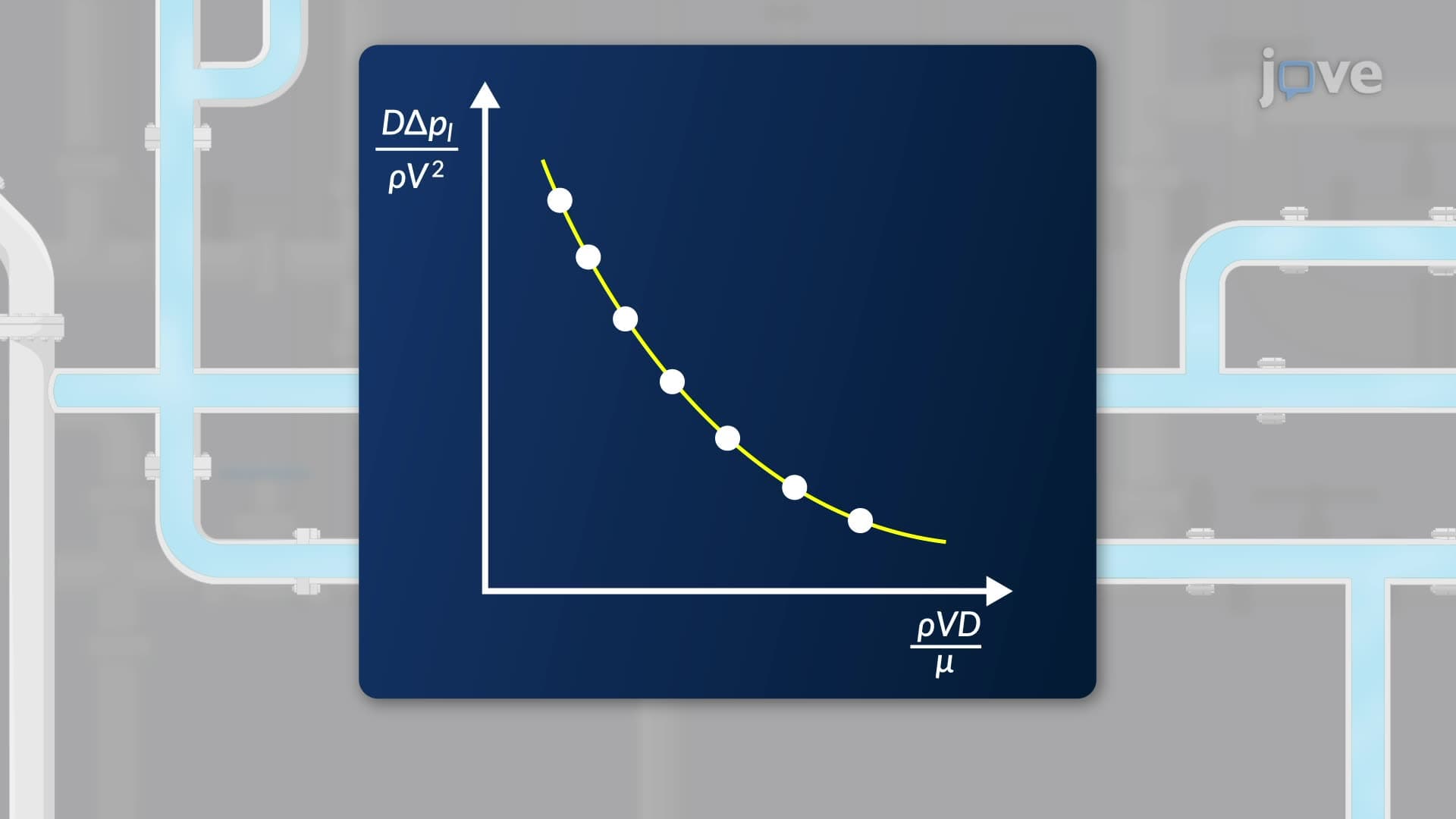
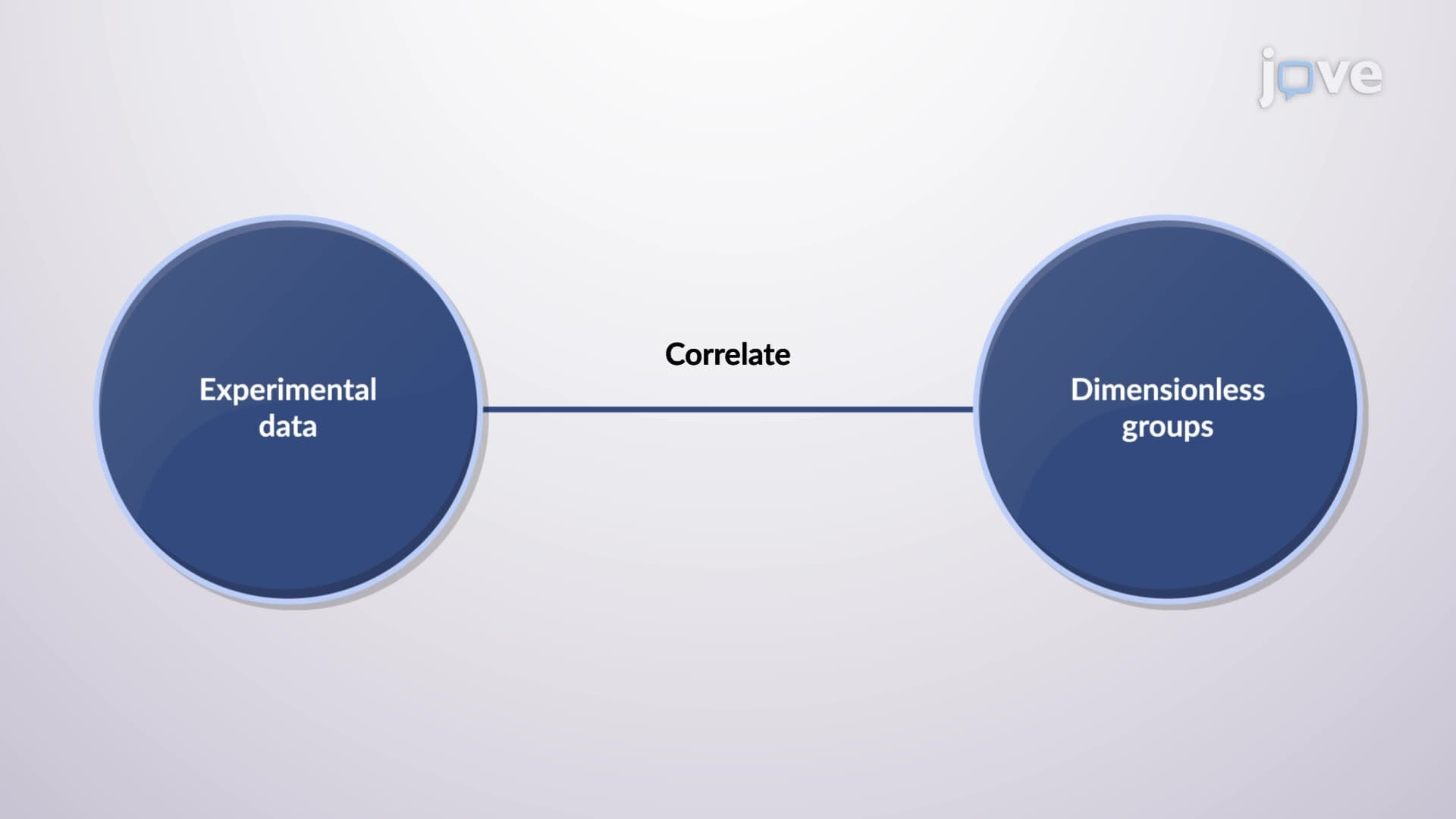
Ever wonder how NASA engineers predict spacecraft behavior in different atmospheric conditions? The correlation of experimental data relies heavily on dimensionless groups-mathematical ratios that eliminate units while revealing fundamental relationships between physical forces. These powerful tools, like the Reynolds number used in Boeing 737 wing design, allow engineers to scale laboratory results to real-world applications. Understanding what are dimensionless groups enables scientists to compare vastly different systems and predict behavior across multiple scales. Watch the full video on JoVE Coach to master this concept with expert-led visuals and step-by-step explanations.
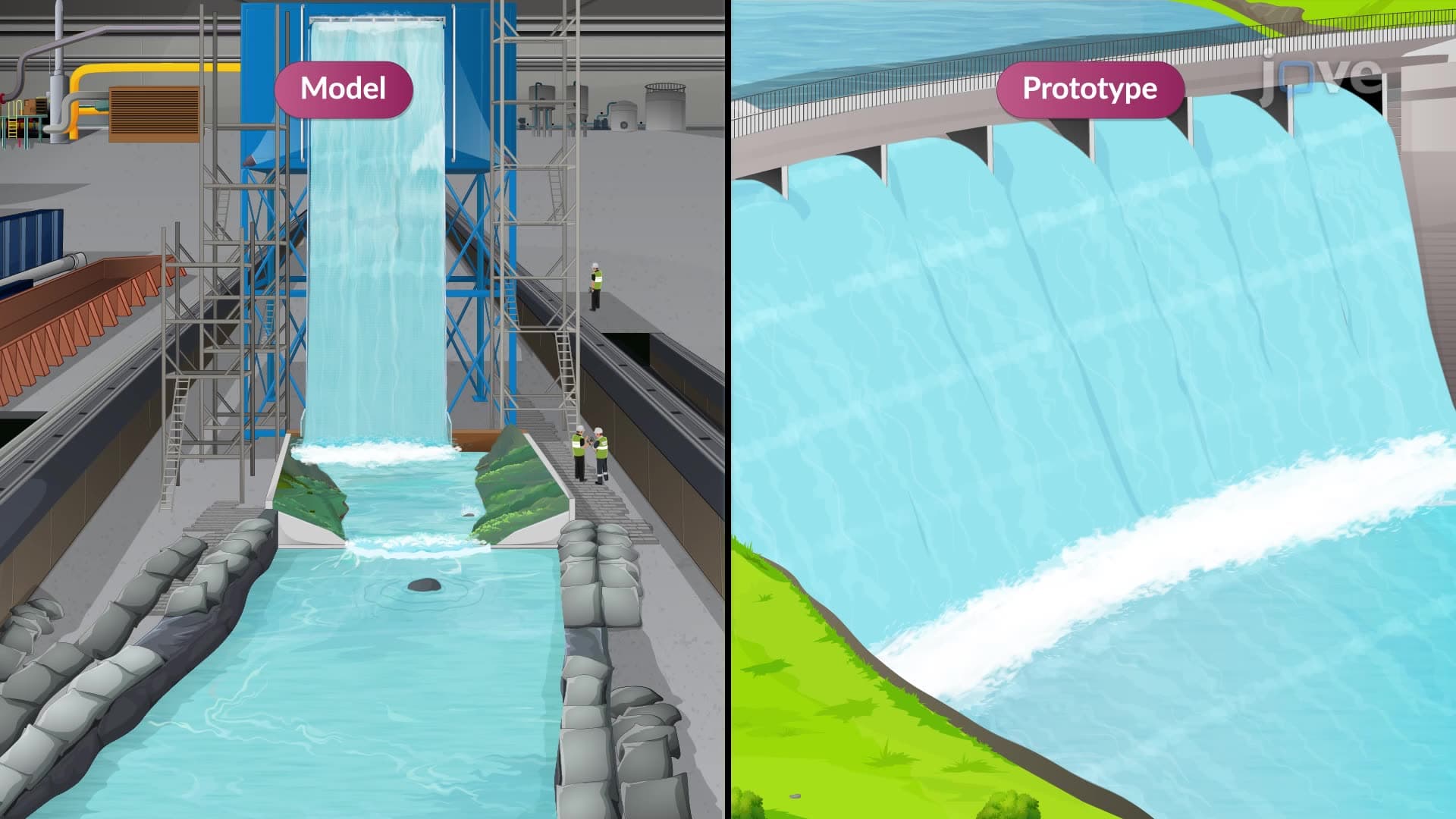
Dimensionless groups represent one of the most powerful tools in engineering and physics, serving as the foundation for correlation of experimental data across different scales and systems. These mathematical ratios combine physical quantities in ways that eliminate units, revealing fundamental relationships between competing forces in fluid systems. When researchers at MIT test airfoil designs in wind tunnels, they rely on dimensionless groups to extrapolate small-scale results to full-sized aircraft performance.
The correlation of experimental data definition centers on using dimensionless numbers to identify patterns and relationships that remain consistent regardless of system size or measurement units. For students preparing for AP Physics or college-level fluid mechanics courses, understanding this concept proves essential for solving complex engineering problems. The Reynolds number, for example, allows engineers at General Motors to predict whether coolant flow through engine passages will be laminar or turbulent, directly impacting heat transfer efficiency and engine performance.
Each dimensionless group reveals specific physical insights crucial for correlation of experimental data study guide applications. The Froude number helps hydraulic engineers design spillways for dams like Hoover Dam, determining whether water flow will be supercritical or subcritical. Meanwhile, aerospace engineers at Lockheed Martin use Mach numbers to analyze shock wave formation around supersonic aircraft. The Weber number becomes critical in pharmaceutical manufacturing, where drug nebulizers must create droplets of specific sizes for effective delivery to patients' lungs.
Students encountering dimensionless analysis in MCAT physics sections or engineering coursework should recognize these concepts' practical importance. The understanding correlation of experimental data extends beyond theoretical calculations to solving real problems in industries from petroleum refining to biomedical device design. Chemical engineers at ExxonMobil use dimensionless groups to scale up laboratory reactor designs to industrial production facilities, while biomedical researchers apply similar principles to design artificial heart valves that maintain proper blood flow patterns.
Related Micro-courses